Produktbeschreibung
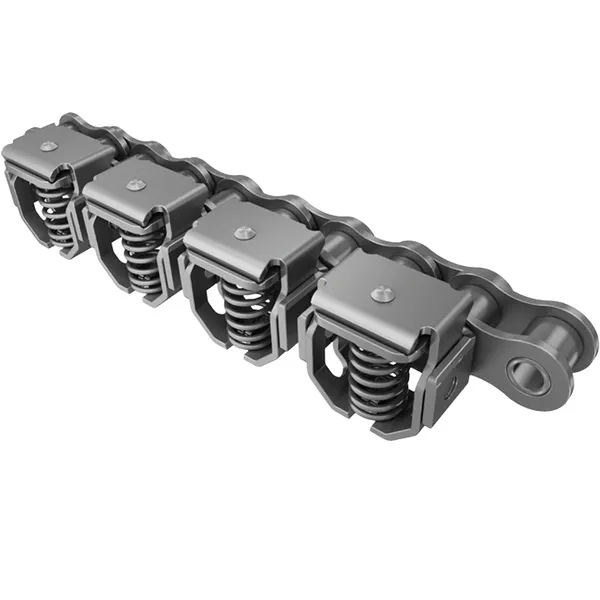
CZPT rollers enhance rotation on the bushing while reducing impact loads on the sprocket tooth during operation.
All components are heat treated to achieve maximum strength. All components are heat treated to achieve maximum strength.
Pre-loaded during the manufacturing process to minimize initial elongation.
Hot dipped lubrication ensures 100% lubrication of all chain components to extend wear life and reduce maintenance costs.
| ISO NO. |
ANSI NO. |
PITCH | ROLLER LINK WIDTH |
ROLLER DIA |
PIN | PLATE | MIN. TENSILE STRENGTH |
AVG. TENSILE STRENGTH |
MAX. ALLOWABLE LOAD |
Pt | |||
| P | W | D | D | Lc | L | T | H | ||||||
| mm | mm | mm | mm | mm | mm | mm | mm | kgf | kgf | kgf | mm | ||
| 08AH | 40H | 12.700 | 7.850 | 7.850 | 3.980 | 19.000 | 20.100 | 12.00 | 2.00 | 1,700 | 2,100 | 400 | NIL |
| 10AH | 50H | 15.875 | 9.400 | 9.400 | 5.090 | 21.800 | 23.700 | 15.00 | 2.40 | 2,670 | 3,300 | 670 | NIL |
| 12AH | 60H | 19.050 | 12.580 | 12.580 | 5.960 | 30.200 | 34.800 | 18.00 | 3.20 | 3,830 | 4,550 | 980 | NIL |
| 16AH | 80H | 25.400 | 15.750 | 15.750 | 7.940 | 37.400 | 42.800 | 24.10 | 4.00 | 8,000 | 9,400 | 1,700 | NIL |
| 20AH | 100H | 31.750 | 18.900 | 18.900 | 9.540 | 44.500 | 50.600 | 30.10 | 4.80 | 10,650 | 13,700 | 2,500 | NIL |
| 24AH | 120H | 38.100 | 25.230 | 25.230 | 11.110 | 55.000 | 61.600 | 36.20 | 5.60 | 15,320 | 19,000 | 3,350 | NIL |
| 28AH | 140H | 44.450 | 25.230 | 25.230 | 12.710 | 59.000 | 66.400 | 42.20 | 6.40 | 20,850 | 23,000 | 4,400 | NIL |
| 32AH | 160H | 50.800 | 31.550 | 31.550 | 14.290 | 69.400 | 77.300 | 48.20 | 7.10 | 27,240 | 31,000 | 5,750 | NIL |
| 36AH | 180H | 57.150 | 35.490 | 35.490 | 17.460 | 77.300 | 86.400 | 54.30 | 7.90 | 30,040 | 34,500 | 6,600 | NIL |
| 40AH | 200H | 63.500 | 37.850 | 37.850 | 19.850 | 87.100 | 97.300 | 60.30 | 9.50 | 42,550 | 59,000 | 7,750 | NIL |
| 48AH | 240H | 76.200 | 47.350 | 47.350 | 23.810 | 111.400 | 121.900 | 72.40 | 12.70 | 63,730 | 71,000 | 10,500 | NIL |
| 12AH-2 | 60H-2 | 19.050 | 12.580 | 12.580 | 5.960 | 56.300 | 60.900 | 18.00 | 3.20 | 7,660 | 9,300 | 1,650 | 26.11 |
| 16AH-2 | 80H-2 | 25.400 | 16.760 | 15.750 | 7.940 | 70.000 | 75.400 | 24.10 | 4.00 | 16,000 | 18,800 | 2,800 | 32.59 |
| 20AH-2 | 100H-2 | 31.750 | 18.900 | 18.900 | 9.540 | 83.600 | 89.700 | 30.10 | 4.80 | 21,300 | 27,400 | 4,250 | 39.09 |
| 24AH-2 | 120H-2 | 38.100 | 25.230 | 25.230 | 11.110 | 103.900 | 110.500 | 36.20 | 5.60 | 30,640 | 38,000 | 5,650 | 48.87 |
| 28AH-2 | 140H-2 | 44.450 | 25.230 | 25.230 | 12.710 | 111.200 | 118.600 | 42.20 | 6.40 | 41,700 | 45,000 | 7,400 | 52.20 |
| 32AH-2 | 160H-2 | 50.800 | 31.550 | 31.550 | 14.290 | 131.300 | 139.200 | 48.20 | 7.10 | 54,480 | 62,000 | 9,600 | 61.90 |
| 36AH-2 | 180H-2 | 57.150 | 35.490 | 35.490 | 14.760 | 146.500 | 155.600 | 54.30 | 7.90 | 60,080 | 69,000 | 11,000 | 69.16 |
| 40AH-2 | 200H-2 | 53.500 | 37.850 | 37.850 | 19.860 | 165.400 | 175.600 | 60.30 | 9.50 | 85,100 | 98,000 | 12,850 | 78.31 |
| 48AH-2 | 240H-2 | 76.200 | 47.350 | 47.350 | 23.810 | 212.600 | 223.100 | 72.40 | 12.70 | 127,460 | 142,000 | 17,700 | 101.22 |
| Verwendung: | Transmission Chain, Conveyor Chain, Heavy Type Short Pitch Roller Chain |
|---|---|
| Material: | Legierter/Kohlenstoffstahl |
| Oberflächenbehandlung: | Polieren |
| Besonderheit: | Hitzebeständig |
| Kettengröße: | 1/2"*3" |
| Struktur: | Rollenkette |
| Proben: |
US$ 10/Meter
1 Meter (Mindestbestellmenge) | |
|---|
| Anpassung: |
Verfügbar
| Kundenspezifische Anfrage |
|---|

Can a conveyor chain be used in high-speed applications?
Yes, a conveyor chain can be used in high-speed applications depending on the design and specifications of the chain and the conveyor system. However, there are certain factors to consider when using a conveyor chain in high-speed applications:
1. Chain Design: The design of the conveyor chain should be capable of handling high speeds without compromising safety or performance. Specialized high-speed chains are available that are specifically engineered to withstand the demands of high-speed applications.
2. Material Selection: The material used in the construction of the conveyor chain should have high strength and durability to withstand the forces and stresses at high speeds. Common materials for high-speed conveyor chains include alloy steels, stainless steel, and special polymers.
3. Lubrication: Proper lubrication is crucial in high-speed applications to reduce friction, heat, and wear. Lubricants specifically designed for high-speed conveyor chains should be used to ensure smooth operation and extend the chain’s lifespan.
4. Tensioning and Alignment: Accurate tensioning and alignment of the conveyor chain are critical for high-speed applications. Proper tensioning helps to maintain the chain’s stability and prevent excessive vibrations or elongation, which can lead to chain failure or premature wear.
5. Safety Considerations: High-speed applications require additional safety measures to protect personnel and equipment. Proper guarding, emergency stop systems, and regular maintenance inspections are essential to ensure safe operation.
It’s important to consult the conveyor chain manufacturer or an engineering professional to determine the suitability of a specific chain for high-speed applications. They can provide guidance on selecting the appropriate chain design, material, lubrication, and maintenance practices to ensure reliable and efficient operation at high speeds.
What are the best practices for storing and handling conveyor chains?
Proper storage and handling of conveyor chains are essential to maintain their performance, prevent damage, and prolong their lifespan. Here are some best practices to consider:
1. Clean and dry storage area: Store conveyor chains in a clean and dry environment to prevent the accumulation of dirt, dust, moisture, or contaminants that can affect their performance and cause corrosion.
2. Adequate support: Ensure that the stored conveyor chains are properly supported to prevent excessive bending or deformation. Use pallets, racks, or designated storage containers that can accommodate the weight and length of the chains.
3. Avoid excessive heat or cold: Conveyor chains should be stored in an area with a moderate temperature range to avoid extreme heat or cold that can affect the material properties or lubrication of the chains.
4. Protection against impacts and vibrations: Protect the stored chains from impacts or excessive vibrations that can cause damage or deformation. Use suitable packaging or covers to shield the chains from any potential physical damage.
5. Lubrication: Apply a thin layer of appropriate lubricant to the chains before storage to prevent corrosion and maintain their smooth operation. Follow the manufacturer’s recommendations for lubrication type and quantity.
6. Regular inspections: Periodically inspect the stored conveyor chains to ensure there are no signs of damage, corrosion, or deformation. If any issues are identified, take appropriate actions such as cleaning, lubricating, or replacing the chains.
7. Proper handling techniques: When handling conveyor chains, use appropriate lifting equipment or tools to avoid excessive strain or bending. Avoid dragging or dropping the chains, as this can cause damage to the chain links or attachments.
8. Training and awareness: Provide training to personnel involved in handling and storing conveyor chains to ensure they understand the proper procedures and best practices. Promote awareness of the importance of careful handling and storage to prevent accidents and maintain chain integrity.
By following these best practices, you can ensure the longevity and reliable performance of your conveyor chains, reducing the risk of downtime and costly repairs.
Wie behebt man häufig auftretende Probleme mit Förderketten?
Die Behebung häufiger Probleme mit Förderketten umfasst die Identifizierung des Problems und die Ergreifung geeigneter Maßnahmen zu dessen Lösung. Hier sind einige häufige Probleme und Lösungsansätze:
- Kettenrutschen: Wenn die Kette durchrutscht oder nicht richtig in die Ritzel eingreift, überprüfen Sie die Kettenspannung, die Ausrichtung und die Schmierung. Passen Sie die Spannung gegebenenfalls an und stellen Sie sicher, dass die Kette korrekt zu den Ritzeln ausgerichtet ist.
- Kettenblockierung: Wenn die Förderkette häufig blockiert oder hängen bleibt, überprüfen Sie das Förderband auf Verstopfungen oder Fremdkörper, die die Ursache sein könnten. Entfernen Sie alle Ablagerungen und Blockaden und stellen Sie sicher, dass der Kettenlauf frei ist.
- Übermäßiger Lärm: Wenn die Kette laute oder ungewöhnliche Geräusche macht, prüfen Sie die Schmierung. Unzureichende Schmierung kann zu erhöhter Reibung und Geräuschen führen. Verwenden Sie das vom Hersteller empfohlene Schmiermittel.
- Kettenbruch: Wenn die Kette häufig reißt, überprüfen Sie sie auf beschädigte oder verschlissene Teile. Ersetzen Sie defekte oder verschlissene Kettenglieder, Bolzen oder Befestigungsteile. Prüfen Sie außerdem die korrekte Kettenspannung und Ausrichtung, da zu hohe Spannung oder eine falsche Ausrichtung zu Kettenrissen führen können.
- Kettenverschleiß: Weist die Kette Verschleißerscheinungen wie Längung oder Korrosion auf, sollte sie ausgetauscht werden. Starker Verschleiß kann die Leistung und Lebensdauer der Kette beeinträchtigen. Überprüfen und messen Sie die Kette regelmäßig auf Verschleiß und tauschen Sie sie bei Bedarf aus.
Um häufige Probleme mit Förderketten zu vermeiden und zu beheben, ist es wichtig, die richtigen Wartungsmaßnahmen einzuhalten, einschließlich regelmäßiger Inspektion, Schmierung und Spannungsanpassung. Beachten Sie die Herstellerrichtlinien und ziehen Sie gegebenenfalls einen Fachmann hinzu.


Bearbeitet von CX am 05.09.2023