توضیحات محصول
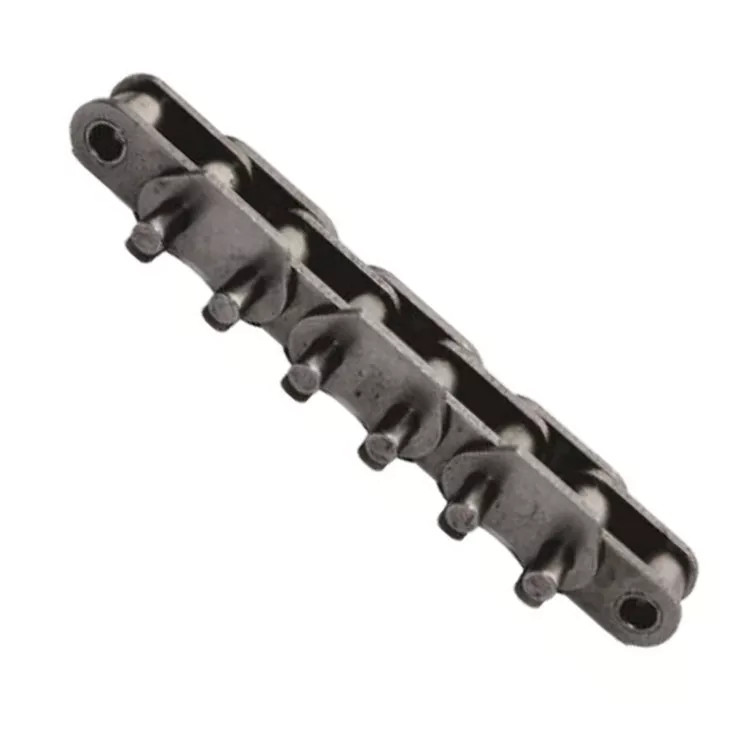
| Item | Drop Forged Chain with Scraper | Application | Machinery Parts |
| Surface Teatment | Drop Forged | Brand | OEM |
| بسته | Poly bag, then box, finally poly-wooden case | Port | Any sea port or airport in China |
| مواد: | آهن |
|---|---|
| ساختار: | Drop Forged Chain |
| درمان سطحی: | پولیش کاری |
| اندازه زنجیر: | P142 |
| ویژگی: | Fire Resistant, Oil Resistant, Heat Resistant |
| بسته حمل و نقل: | Poly-Wooden Case |
| سفارشی سازی: |
موجود است
| درخواست سفارشی |
|---|

How do you calculate the maximum allowable tension in a conveyor chain?
The maximum allowable tension in a conveyor chain can be calculated using the following steps:
1. Determine the Chain Pitch:
– Measure the distance between the centers of two consecutive chain pins. This measurement is known as the chain pitch and is typically expressed in inches or millimeters.
2. Determine the Chain Speed:
– Determine the speed at which the conveyor chain will be operating. The chain speed is typically expressed in feet per minute or meters per second.
3. Calculate the Chain Pull:
– Determine the total weight or force that needs to be moved by the conveyor chain. This includes the weight of the conveyed material and any additional loads or forces acting on the chain.
4. Calculate the Required Tension:
– Use the following formula to calculate the required tension:
Tension = (Chain Pull × Chain Speed) / (Chain Pitch × Efficiency)
– The efficiency factor accounts for losses due to friction and other factors and is typically expressed as a decimal between 0 and 1.
5. Determine the Maximum Allowable Tension:
– The maximum allowable tension is determined by the manufacturer’s specifications for the conveyor chain. It is important to consult the manufacturer’s documentation or contact them directly to obtain the maximum allowable tension value.
6. Compare the Required Tension and Maximum Allowable Tension:
– Compare the calculated required tension with the maximum allowable tension. The required tension should be less than or equal to the maximum allowable tension to ensure safe and reliable operation of the conveyor chain.
By following these steps and considering the manufacturer’s specifications, you can accurately calculate the maximum allowable tension in a conveyor chain and ensure that it is within the safe operating limits.
How do you prevent corrosion in conveyor chains?
Preventing corrosion in conveyor chains is essential for maintaining their performance and prolonging their lifespan. Here are some effective measures to prevent corrosion:
1. Material Selection: Choose conveyor chains made from corrosion-resistant materials such as stainless steel, plastic, or coatings specifically designed to resist corrosion. These materials offer better protection against rust and corrosion compared to standard steel chains.
2. Proper Lubrication: Apply a suitable lubricant to the conveyor chain regularly. Lubrication creates a protective barrier that helps prevent moisture and contaminants from reaching the metal surface, reducing the risk of corrosion. Select a lubricant that provides corrosion protection properties and is compatible with the chain material.
3. Environmental Controls: Control the operating environment to minimize exposure to corrosive elements. Implement measures such as humidity control, proper ventilation, and protection from direct contact with water or chemicals. Consider using covers or enclosures to shield the conveyor chain from environmental factors that can accelerate corrosion.
4. Surface Treatments: Apply corrosion-resistant coatings or treatments to the conveyor chain. These coatings can provide an additional protective layer that acts as a barrier against moisture and corrosive substances. Examples of surface treatments include zinc plating, galvanizing, or epoxy coatings.
5. Regular Inspections and Cleaning: Regularly inspect the conveyor chain for signs of corrosion or damage. Remove any accumulated dirt, debris, or corrosive substances promptly. Cleaning the chain helps prevent the buildup of contaminants that can accelerate corrosion.
6. Preventive Maintenance: Implement a preventive maintenance program that includes regular cleaning, lubrication, and inspection of the conveyor chain. This proactive approach helps identify and address any potential corrosion issues early on, preventing further damage.
7. Proper Storage: When not in use, store the conveyor chains in a dry and controlled environment. Protect them from exposure to moisture, humidity, and corrosive substances. Use appropriate storage methods, such as hanging the chains or storing them in sealed containers.
By following these preventive measures, you can significantly reduce the risk of corrosion in conveyor chains, ensuring their optimal performance and longevity.
چگونه طول مورد نیاز یک زنجیر نقاله را محاسبه کنیم؟
محاسبه طول مورد نیاز یک زنجیر نقاله شامل در نظر گرفتن عوامل مختلفی است که به سیستم نقاله و کاربرد خاص آن مربوط میشود. در اینجا یک راهنمای گام به گام آورده شده است:
- طول نوار نقاله را تعیین کنید: طول کل مسیر نقاله، شامل هر بخش افقی، شیبدار یا عمودی را اندازهگیری کنید.
- حساب کاربری برای مراکز Sprocket: محل چرخدندهها یا واحدهای محرک را در طول مسیر نقاله مشخص کنید. فاصله بین هر جفت چرخدنده مجاور را اندازهگیری کنید.
- تعداد لینکها را محاسبه کنید: برای تعیین تعداد حلقههای مورد نیاز، طول کل نوار نقاله را بر گام زنجیر تقسیم کنید. گام، فاصله بین مرکز دو پین متوالی روی زنجیر است.
- تنظیم تنش را در نظر بگیرید: هرگونه الزامات تنظیم کشش را بر اساس کاربرد خاص در نظر بگیرید. این ممکن است شامل مقادیر مجاز برای دستگاههای کشش یا تغییرات کشش ناشی از نوسانات بار باشد.
- اتصالات انتهایی را اضافه کنید: طول اتصالات انتهایی، مانند اتصالات اصلی یا پینهای اتصال، که برای اتصال انتهای زنجیر استفاده میشوند را در نظر بگیرید. ابعاد آنها را در محاسبه طول کل زنجیر لحاظ کنید.
- عوامل ایمنی را اضافه کنید: برای اطمینان از طول کافی زنجیر جهت کشش مناسب و جلوگیری از هرگونه کشیدگی یا ساییدگی احتمالی در طول زمان، از ضرایب ایمنی مناسب استفاده کنید.
لازم به ذکر است که محاسبه طول زنجیر مورد نیاز، تخمینی بر اساس عوامل مختلف است و ممکن است در طول فرآیند نصب و کشش نیاز به تنظیماتی داشته باشد. مراجعه به دستورالعملهای سازنده نوار نقاله یا همکاری با یک مهندس باتجربه میتواند محاسبات دقیقتری را بر اساس سیستم خاص نوار نقاله و الزامات کاربردی ارائه دهد.


editor by CX 2023-08-29