توضیحات محصول
| Item | Standard Transmission Roller Chains | مدل | Series A, Series B, Heavy Duty |
| Row | Simplex/Duplex/Triplex | Application | Machinery Parts |
| Surface Teatment | Self-color/Sand-blasted/Shot-peening | Brand | OEM |
| بسته | Poly bag, then box, finally poly-wooden case | Port | Any sea port or airport in China |
| A Series | 03C,04C-1,06C-1,085-1,08A-1,10A-1,12A-1,16A-1,20A-1,24A-1,28A-1,32A-1,36A-1,40A-1,48A-1. 15,25-1,35-1,41-1,40-1,50-1,60-1,80-1,100-1,120-1,140-1,160-1,180-1,200-1,240-1. | ||
| 04C-2,06C-2,085-2,08A-2,10A-2,12A-2,16A-2,20A-2,24A-2,28A-2,32A-2,36A-2,40A-2,48A-2. 15,25-2,35-2,41-2,40-2,50-2,60-2,80-2,100-2,120-2,140-2,160-2,180-2,200-2,240-2. | |||
| 04C-3,06C-3,085-3,08A-3,10A-3,12A-3,16A-3,20A-3,24A-3,28A-3,32A-3,36A-3,40A-3,48A-3. 15,25-3,35-3,41-3,40-3,50-3,60-3,80-3,100-3,120-3,140-3,160-3,180-3,200-3,240-3. | |||
| B Series | 05B-1,06B-1,08B-1,10B-1,12B-1,16B-1,20B-1,24B-1,28B-1,32B-1,40B-1,48B-1,56B-1,64B-1,72B-1. | ||
| 05B-2,06B-2,08B-2,10B-2,12B-2,16B-2,20B-2,24B-2,28B-2,32B-2,40B-2,48B-2,56B-2,64B-2,72B-2. | |||
| 05B-3,06B-3,08B-3,10B-3,12B-3,16B-3,20B-3,24B-3,28B-3,32B-3,40B-3,48B-3,56B-3,64B-3,72B-3. | |||
| Heavy Duty Type | 35H-1,40H-1,50H-1,60H-1,80H-1,100H-1,120H-1,140H-1,160H-1,180H-1,200H-1,240H-1. | ||
| 35H-2,40H-2,50H-2,60H-2,80H-2,100H-2,120H-2,140H-2,160H-2,180H-2,200H-2,240H-2. | |||
| 35H-3,40H-3,50H-3,60H-3,80H-3,100H-3,120H-3,140H-3,160H-3,180H-3,200H-3,240H-3. | |||
/* 22 ژانویه 2571 19:08:37 */!function(){function s(e,r){var a,o={};try{e&&e.split(“,”).forEach(function(e,t){e&&(a=e.match(/(.*&4?)):(.*)
| استاندارد یا غیر استاندارد: | استاندارد |
|---|---|
| کاربرد: | Textile Machinery, Garment Machinery, Conveyer Equipment, Packaging Machinery, Motorcycle, Food Machinery, Marine, Mining Equipment, Agricultural Machinery, Car |
| درمان سطحی: | پولیش کاری |
| ساختار: | زنجیر غلتکی |
| مواد: | Carbon Steel/Stainless Steel |
| نوع: | زنجیره گام کوتاه |
| نمونهها: |
US$ 5/Several Links
1 Several Links(Min.Order) | |
|---|
| سفارشی سازی: |
موجود است
| درخواست سفارشی |
|---|
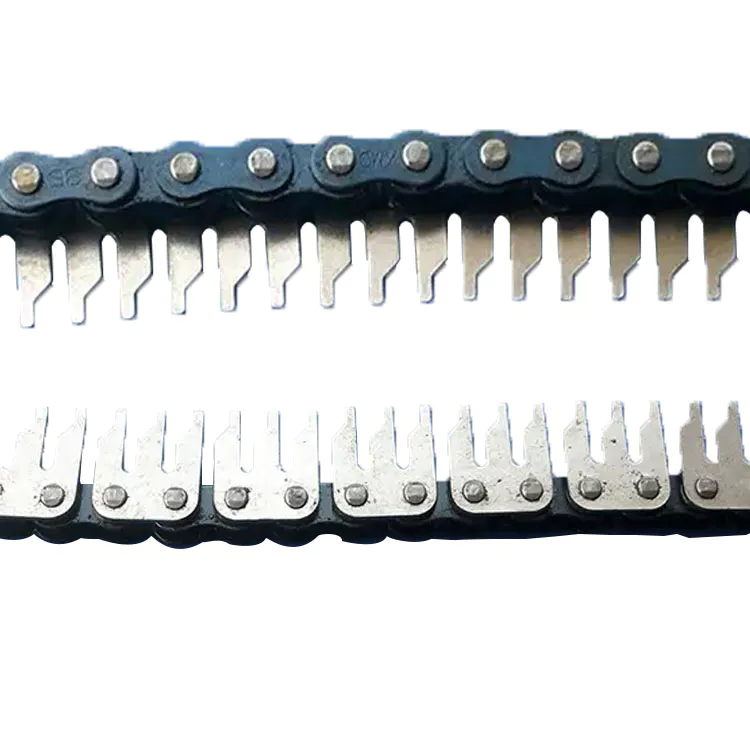
آیا میتوان از زنجیر نقاله در خطوط مونتاژ خودرو استفاده کرد؟
بله، یک زنجیر نقاله میتواند به طور مؤثر در خطوط مونتاژ خودرو مورد استفاده قرار گیرد. در اینجا دلایل آن آمده است:
۱. جابجایی کارآمد مواد:
زنجیرهای نقاله وسیلهای قابل اعتماد و کارآمد برای حمل و نقل قطعات و اجزای خودرو در امتداد خط مونتاژ فراهم میکنند. آنها میتوانند بارهای سنگین را تحمل کرده و در برابر الزامات سختگیرانه تولید خودرو مقاومت کنند.
۲. تطبیقپذیری:
– زنجیرهای نقاله از نظر طراحی و پیکربندی، تطبیقپذیری بالایی دارند. آنها را میتوان برای تطبیق با فرآیندهای مختلف مونتاژ، مانند جوشکاری بدنه، رنگآمیزی، مونتاژ و بازرسی نهایی، سفارشیسازی کرد.
۳. موقعیتیابی دقیق:
– زنجیرهای نقاله امکان موقعیتیابی دقیق و هماهنگسازی قطعات خودرو را فراهم میکنند و مونتاژ و همترازی دقیق را در طول فرآیند تولید تضمین میکنند. این امر به حفظ کیفیت پایدار و کاهش خطاها کمک میکند.
۴. یکپارچهسازی اتوماسیون:
– زنجیرهای نقاله را میتوان به راحتی با سیستمهای اتوماسیون در خطوط مونتاژ خودرو ادغام کرد. آنها میتوانند در کنار بازوهای رباتیک، سیستمهای بینایی و سایر تجهیزات خودکار برای بهینهسازی فرآیند تولید و بهبود کارایی کار کنند.
۵. انعطافپذیری خط مونتاژ:
– زنجیرهای نقاله از نظر پیکربندی و چیدمان خط، انعطافپذیری ارائه میدهند. آنها میتوانند برای تطبیق با چیدمانهای مختلف خط مونتاژ، از جمله بخشهای مستقیم، منحنیها، شیبها و سرازیریها، طراحی شوند تا الزامات خاص فرآیندهای مونتاژ خودرو را برآورده کنند.
۶. بهینهسازی فضا:
– زنجیرهای نقاله به بهینهسازی استفاده از فضا در کارخانههای مونتاژ خودرو کمک میکنند. آنها میتوانند طوری طراحی شوند که در اطراف تجهیزات و زیرساختهای موجود حرکت کنند و از فضای موجود به طور کارآمد استفاده کنند.
۷. ایمنی:
– زنجیرهای نوار نقاله با ویژگیهای ایمنی برای محافظت از اپراتورها و جلوگیری از حوادث طراحی شدهاند. کنترلهای توقف اضطراری، حفاظ و مکانیزمهای قفل داخلی، عملکرد ایمن خط مونتاژ را تضمین میکنند.
۸. افزایش سرعت تولید:
با استفاده از زنجیرهای نقاله، خطوط مونتاژ خودرو میتوانند به سرعت تولید بالاتری دست یابند که این امر امکان چرخههای تولید سریعتر و افزایش خروجی را فراهم میکند.
به طور کلی، زنجیرهای نقاله نقش مهمی در افزایش کارایی، بهرهوری و ایمنی خطوط مونتاژ خودرو دارند و به تولید روان و ساده وسایل نقلیه کمک میکنند.
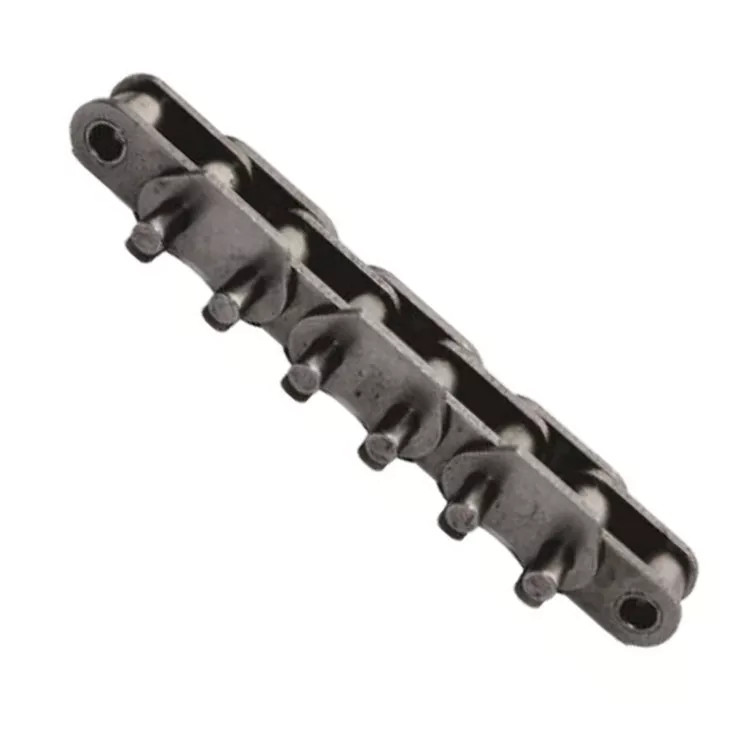
How do you prevent corrosion in conveyor chains?
Preventing corrosion in conveyor chains is essential for maintaining their performance and prolonging their lifespan. Here are some effective measures to prevent corrosion:
1. Material Selection: Choose conveyor chains made from corrosion-resistant materials such as stainless steel, plastic, or coatings specifically designed to resist corrosion. These materials offer better protection against rust and corrosion compared to standard steel chains.
2. Proper Lubrication: Apply a suitable lubricant to the conveyor chain regularly. Lubrication creates a protective barrier that helps prevent moisture and contaminants from reaching the metal surface, reducing the risk of corrosion. Select a lubricant that provides corrosion protection properties and is compatible with the chain material.
3. Environmental Controls: Control the operating environment to minimize exposure to corrosive elements. Implement measures such as humidity control, proper ventilation, and protection from direct contact with water or chemicals. Consider using covers or enclosures to shield the conveyor chain from environmental factors that can accelerate corrosion.
4. Surface Treatments: Apply corrosion-resistant coatings or treatments to the conveyor chain. These coatings can provide an additional protective layer that acts as a barrier against moisture and corrosive substances. Examples of surface treatments include zinc plating, galvanizing, or epoxy coatings.
5. Regular Inspections and Cleaning: Regularly inspect the conveyor chain for signs of corrosion or damage. Remove any accumulated dirt, debris, or corrosive substances promptly. Cleaning the chain helps prevent the buildup of contaminants that can accelerate corrosion.
6. Preventive Maintenance: Implement a preventive maintenance program that includes regular cleaning, lubrication, and inspection of the conveyor chain. This proactive approach helps identify and address any potential corrosion issues early on, preventing further damage.
7. Proper Storage: When not in use, store the conveyor chains in a dry and controlled environment. Protect them from exposure to moisture, humidity, and corrosive substances. Use appropriate storage methods, such as hanging the chains or storing them in sealed containers.
By following these preventive measures, you can significantly reduce the risk of corrosion in conveyor chains, ensuring their optimal performance and longevity.
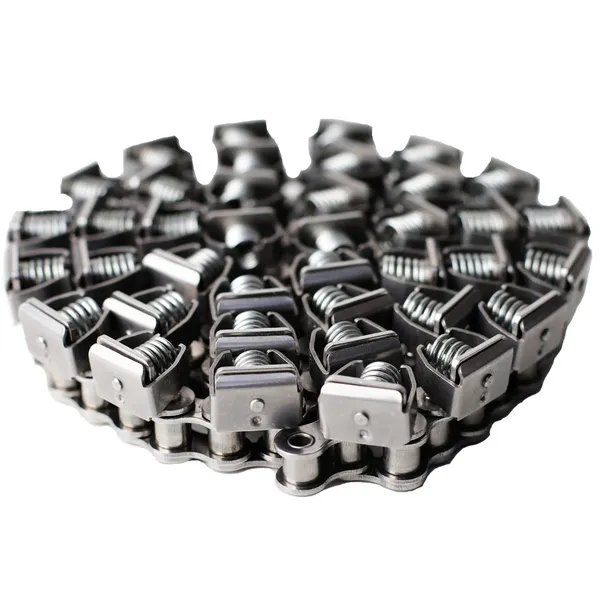
What is a conveyor chain and how does it work?
A conveyor chain is a type of mechanical chain specifically designed for use in conveyor systems. It is composed of a series of interconnected links that form a continuous chain loop. The links are typically made of metal and are joined together through pins or other connecting elements.
Conveyor chains work by transferring power and motion from the driving mechanism, such as a motor or sprocket, to the conveyor system to move materials or products along a predetermined path. The chain is placed on a track or guide rails, and as it moves, it carries the load placed on it.
The operation of a conveyor chain involves the following steps:
- Power transmission:
The driving mechanism transfers rotational power to the conveyor chain, typically through a motor and sprockets. The motor provides the necessary torque to drive the chain.
- Traction and motion:
As the driving mechanism rotates the sprockets, the teeth of the sprockets engage with the links of the conveyor chain. This interaction creates traction, causing the chain to move along the desired path.
- Load carrying:
The load to be transported is placed on the conveyor chain. The load can be in the form of products, materials, or other items. As the chain moves, it carries the load along the conveyor system, allowing for efficient transportation or handling.
- Support and guidance:
The conveyor chain is supported and guided by various components, such as guide rails, rollers, or wear strips. These components ensure the proper alignment and smooth movement of the chain along the conveyor system.
Conveyor chains are commonly used in industries such as manufacturing, logistics, packaging, and material handling. They offer a reliable and efficient method for moving products or materials in a controlled and automated manner.


editor by CX 2024-04-17