Engineering GuideUpdated Сентябрь 4, 2023
Описание продукта
|
Product
|
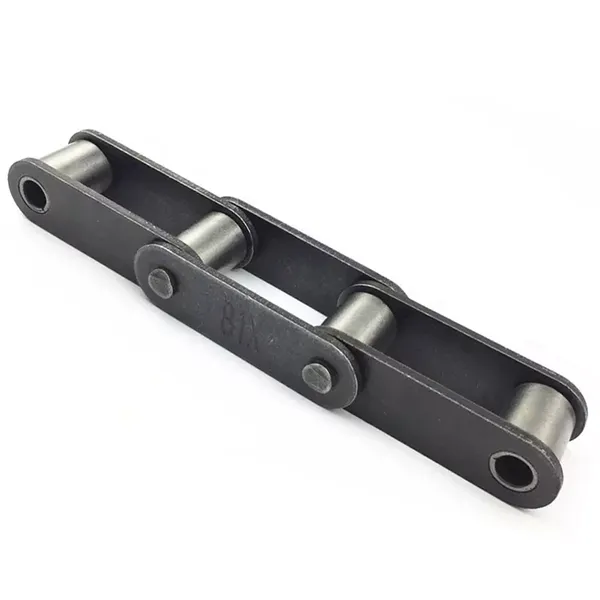
Standard Double Pitch Roller chain
|
|
Материал
|
40Mn steel,304 stainless steel, 316 stainless steel and 201 stainless steel.
|
|
Types
|
Standard chains and special chains, such as A or B series chains, roller chains, driving chains, conveyor chains, hoisting chains, agricultural chains, sprockets, gears, wheels and so on.
|
|
Series
|
A series(12.7-50.8mm pitches),B series (9.525-50.8mm pitches)and the heavy series.
|
|
Short pitch precision roller chain
|
Simplex Roller Chains&Bushing Chains:
04C-1,06C-1,085-1,08A-1,10A-1,12A-1,16A-1,20A-1,24A-1,28A-1,32A-1,36A-1,40A-1,48A-1
Duplex Roller Chains&Bushing Chains:
04C-2,06C-2,085-2,08A-2,10A-2,12A-2,16A-2,20A-2,24A-2,28A-2,32A-2,36A-2,40A-2,48A-2
Triplex Roller Chains&Bushing Chains:
04C-3,06C-2,085-3,08A-3,10A-3,12A-3,16A-3,20A-3,24A-3,28A-3,32A-3,36A-3,40A-3,48A-3
|
|
Chain link type
|
Standard links (without attachment) and non-standard links (with attachment).
A1: One-side,one hole cranked attachments.
A2: One-side,two holes cranked attachments.
K1: Both-side,one hole cranked attachments.
K2: Both-side,two hole cranked attachments.
D1: One-side,an extended pin on every outer link.
D3: One-side,two extended pin on every outer link.
|
|
Our Products Advantage
|
1. Every step from production order to the packing process has a strict quality inspection.
2. We have standard roller chain with 1.5 CZPT (DIN. ANSI.); Non-standard roller chain (customized acording to customer drawings).
3. Export products with high quality and low price.
4.We have a good service before and after-sale.
|
1.Fast delivery: Standard products can be delivered in as fast as 20 days
2.Good service: timely reply, prompt quotation, responsible for the product
3.High cost performance: can maintain price stability for a certain period of time, bringing greater profits to customers
4.Good quality: production and testing have corresponding supervision to ensure product quality and get high praise from customers
5.OEM service: products can be customized according to drawings and requirements
We are responsible for the ordered products. We are very confident in the products we produce. Of course, if you have any problems after receiving the goods, you can contact us directly. We will confirm and negotiate in time to solve your difficulties.
Стоимость доставки:
Ориентировочная стоимость доставки за единицу товара.
|
Подлежит обсуждению
|
| Материал: |
Сплав |
| Структура: |
Роликовая цепь |
| Обработка поверхности: |
Полировка |
| Образцы: |
US$ 35/kg
1 kg(Min.Order)
|
Заказать образец
|
| Настройка: |
Доступный
|
Индивидуальный запрос
|
How does a conveyor chain handle inclined or declined conveyance?
A conveyor chain is designed to handle various types of conveyance, including inclined or declined applications. Here’s how a conveyor chain handles these situations:
1. Inclined Conveyance: When a conveyor system is required to move materials uphill, an inclined conveyor chain is used. The chain’s design includes special attachments or cleats that provide additional grip and prevent material from slipping or sliding backward. These attachments are strategically positioned along the chain to ensure effective conveyance on inclines.
2. Declined Conveyance: For conveyors that move materials downhill, a declined conveyor chain is utilized. Similar to inclined conveyance, the chain may have specialized attachments or cleats that help control the speed and prevent material from sliding too quickly. These attachments keep the material in place and ensure a controlled and efficient flow downward.
Both inclined and declined conveyance require careful consideration of the chain’s design, including the type and arrangement of attachments. The size, shape, and weight of the conveyed material also play a role in determining the appropriate chain configuration. It’s important to consult with conveyor chain manufacturers or experts to select the right chain and attachments for specific inclined or declined applications.

What are the factors to consider when selecting the pitch of a conveyor chain?
When selecting the pitch of a conveyor chain, several factors need to be considered to ensure optimal performance and efficiency. Here are the key factors:
1. Load Capacity: The pitch of the conveyor chain should be selected based on the anticipated load capacity of the system. Consider the weight and size of the conveyed materials to ensure the chain can handle the required load without exceeding its capacity.
2. Speed and Application: The operating speed of the conveyor system and the specific application play a role in determining the pitch. Higher speeds may require smaller pitch chains to maintain smooth and reliable operation.
3. Conveyor Length: The length of the conveyor system affects the selection of the chain pitch. Longer conveyors may require larger pitch chains to distribute the load and reduce tension on individual chain links.
4. Space Constraints: Consider the available space for the conveyor system. Smaller pitch chains may be preferred in applications with limited space to minimize the overall footprint of the conveyor.
5. Wear and Maintenance: The pitch selection should also consider the anticipated wear and maintenance requirements. Smaller pitch chains often provide better wear resistance and may require less frequent lubrication and maintenance.
6. Speed Regulation: If the conveyor system requires speed regulation or precise positioning, the pitch selection should align with the control capabilities of the drive system. Smaller pitch chains can offer finer control and accuracy.
7. Compatibility: Ensure that the selected pitch is compatible with other components of the conveyor system, including sprockets, guides, and attachments. They should be designed to work together smoothly and efficiently.
8. Application Environment: Consider the environmental conditions in which the conveyor will operate. Factors such as temperature, humidity, corrosive substances, or abrasive materials may influence the choice of chain pitch and material to ensure durability and longevity.
By considering these factors, you can select the appropriate pitch for the conveyor chain, ensuring optimal performance, longevity, and reliable operation of the system.
Как оптимизировать эффективность конвейерной цепной системы?
Для оптимизации эффективности конвейерной системы необходимо учитывать и внедрять ряд факторов:
1. Проектирование системы: Убедитесь, что конвейерная система спроектирована надлежащим образом для минимизации потерь энергии, снижения трения и оптимизации потока материала. Учитывайте такие факторы, как длина конвейера, углы наклона/спуска, а также количество и расположение приводных устройств для обеспечения эффективной работы.
2. Выбор цепи: Выберите подходящую конвейерную цепь, исходя из конкретных требований к применению, таких как грузоподъемность, скорость и условия окружающей среды. Учитывайте такие факторы, как материал цепи, шаг и прочность, чтобы обеспечить оптимальную производительность и долговечность.
3. Смазка: Правильная смазка конвейерной цепи необходима для снижения трения, износа и энергопотребления. Выберите подходящую смазку для конкретного применения и регулярно поддерживайте необходимый уровень смазки для обеспечения бесперебойной работы цепи.
4. Натяжение и выравнивание: Регулярно проверяйте и регулируйте натяжение и выравнивание конвейерной цепи, чтобы предотвратить чрезмерное провисание или натяжение. Правильное натяжение и выравнивание помогают минимизировать износ цепи, снизить потери энергии и обеспечить стабильную работу.
5. Профилактическое техническое обслуживание: Внедрите программу регулярного технического обслуживания для выявления и устранения потенциальных проблем до того, как они усугубятся. Это включает в себя очистку цепи, осмотр звездочек и направляющих, замену изношенных компонентов, а также проверку натяжения и соосности. Хорошо обслуживаемая система сокращает время простоя и продлевает срок службы цепи.
6. Мониторинг системы: Используйте средства мониторинга, такие как датчики, камеры или автоматизированные системы, для отслеживания работы конвейерной цепи. Мониторинг может предоставить ценные данные о натяжении цепи, выравнивании, скорости и потреблении энергии, что позволяет своевременно вносить корректировки и оптимизировать работу.
7. Обучение и информирование операторов: Обучить операторов передовым методам эксплуатации и технического обслуживания конвейерной цепной системы. Повысить осведомленность об энергоэффективности, правильном обращении и протоколах безопасности для обеспечения оптимальной производительности системы.
Учитывая эти факторы и внедряя соответствующие меры, можно оптимизировать эффективность конвейерной цепной системы, что приведет к повышению производительности, снижению энергопотребления и увеличению срока службы цепи.


Редактор: CX, 05.09.2023