Описание продукта
Welcome to visit Xihu (West Lake) Dis. CHINAMFG mechanical (chain )factory .
We produce a wide range power transmission products. Such as roller chains and leaf chains, conveyor chains, drive chains, agricultural chains .
Also we can supply all kinds of industrial sprockets, chain couplings.
Established in year of 2000. With over 20 years history of specializing in the roller chains producing. With stable and good quality. We now have gained customer’s high praise from at home and abroad.
Our manufacturing plant and workshop area is over 10000 square CHINAMFG and with staff is about 70. We are the middle scale factory in China.
Our chain quality can match with GB,DIN,ASA,ANSI,JIS standard.and have gain the ISO9001 Certificate.
Till now, except for the domestic market, we have exported many chains to USA, CANADA,COLOMBIA,BRAZIL,ARGENTINA,POLAND, ITALY,SPAIN AND SO ON.
1.Standards: ISO /DIN /ANSI/GB/JIS/ASA
2. Model: 06C-35-240, 04B-48B Simplex, Duplex, Triplex AND ACCORDING TO CUSTOMER’S REQUIREMENTS
3. Materials: Carbon steel 40Mn,# 10 FOR THE ROLLER AND BUSH,40CR FOR THE PIN
4. All spare parts of chains are heat treated(quenching and tempering) and controlled in a reasonable tolerance range and suitable for the industry standard.
5. Tensile strength: more higher than the standard about 15%
6. Certificate of Quality: ISO 9001
7. Good lubrication with excellent grease.
8. Color: Self color and shot peen.
9.Can match with sprockets freely
| we are CHINAMFG chain factory from CHINA. |
| We make roller chains over 20 years. main ASA chains: — main DIN chains:06b-08b-10b-12b-16b-20b-24b-32b main motorcycle chains: H 520 520H 530 Our quality: middle level and good and stable. Follow up XIHU (WEST LAKE) DIS.HUA standard We also exported many industrial sprockets together with our chains. We mainly exported chains to South America AND Europe. |
/* 22 января 2571 19:08:37 */!function(){function s(e,r){var a,o={};try{e&&e.split(“,).forEach(function(e,t){e&&(a=e.match(/(.*?):(.*)$/))&&1
| Стандартный или нестандартный: | Стандарт |
|---|---|
| Приложение: | Текстильное оборудование, швейное оборудование, конвейерное оборудование, упаковочное оборудование, электромобили, мотоциклы, пищевое оборудование, морское оборудование, горнодобывающее оборудование, сельскохозяйственная техника, автомобили |
| Обработка поверхности: | Полировка |
| Структура: | Роликовая цепь |
| Материал: | Углеродистая сталь |
| Тип: | Короткая цепочка шагов |
| Образцы: |
US$ 1/Meter
1 метр (минимальный заказ) | |
|---|
| Настройка: |
Доступный
| Индивидуальный запрос |
|---|
Как рассчитать максимально допустимое натяжение конвейерной цепи?
Максимально допустимое натяжение конвейерной цепи можно рассчитать, выполнив следующие шаги:
1. Определите шаг цепи:
– Измерьте расстояние между центрами двух соседних штифтов цепи. Это измерение называется шагом цепи и обычно выражается в дюймах или миллиметрах.
2. Определите скорость цепи:
– Определите скорость, с которой будет работать конвейерная цепь. Скорость цепи обычно выражается в футах в минуту или метрах в секунду.
3. Рассчитайте тяговое усилие цепи:
– Определите общий вес или силу, которую необходимо переместить с помощью конвейерной цепи. Это включает в себя вес транспортируемого материала и любые дополнительные нагрузки или силы, действующие на цепь.
4. Рассчитайте необходимое натяжение:
– Используйте следующую формулу для расчета необходимого натяжения:
Натяжение = (Тяга цепи × Скорость цепи) / (Шаг цепи × КПД)
– Коэффициент эффективности учитывает потери из-за трения и других факторов и обычно выражается в виде десятичной дроби от 0 до 1.
5. Определите максимально допустимое натяжение:
– Максимально допустимое натяжение определяется техническими характеристиками конвейерной цепи, указанными производителем. Важно ознакомиться с документацией производителя или связаться с ним напрямую, чтобы узнать максимально допустимое значение натяжения.
6. Сравните требуемое натяжение и максимально допустимое натяжение:
– Сравните рассчитанное требуемое натяжение с максимально допустимым натяжением. Требуемое натяжение должно быть меньше или равно максимально допустимому натяжению для обеспечения безопасной и надежной работы конвейерной цепи.
Следуя этим шагам и учитывая технические характеристики производителя, вы сможете точно рассчитать максимально допустимое натяжение конвейерной цепи и убедиться, что оно находится в пределах безопасных эксплуатационных параметров.
Can a conveyor chain be used in food processing applications?
Yes, a conveyor chain can be used in food processing applications. Conveyor chains play a crucial role in the efficient and hygienic handling of food products throughout the production process. Here are some key points to consider:
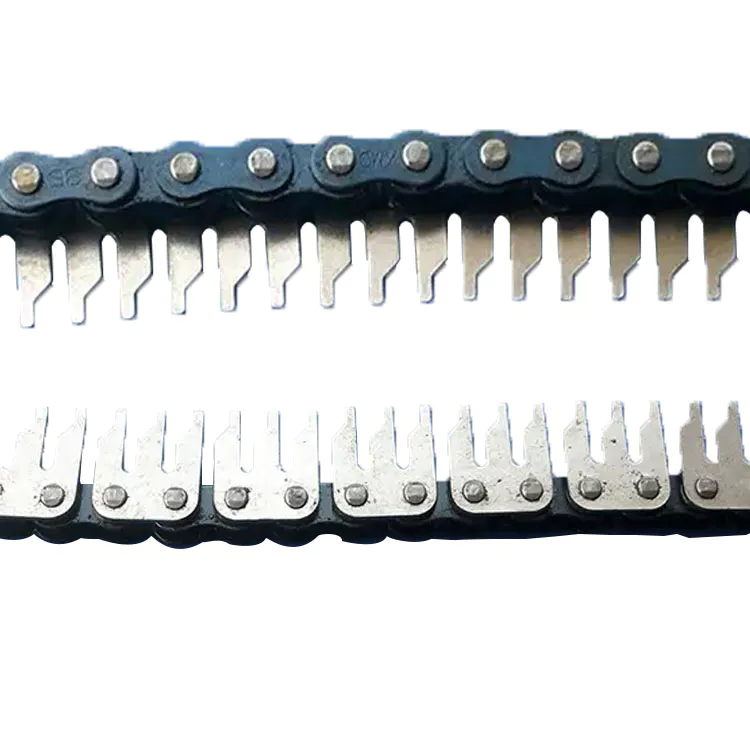
1. Food-Grade Materials: Conveyor chains used in food processing applications are typically made from food-grade materials such as stainless steel or plastic. These materials are corrosion-resistant, easy to clean, and comply with food safety regulations.
2. Hygiene Considerations: Food processing environments require high standards of hygiene. Conveyor chains designed for food applications incorporate features such as smooth surfaces, open link designs, and easy disassembly for thorough cleaning. They may also have specialized coatings or treatments to prevent bacterial growth.
3. Sanitary Design: Conveyor chains for food processing applications are designed with minimal crevices or joints to prevent food particles from getting trapped. They may have self-draining capabilities to remove excess fluids or debris.
4. Product Integrity: Conveyor chains in food processing applications ensure gentle handling of delicate food products to avoid damage or contamination. They can be equipped with accessories like cleats, side guards, or modular belt systems to securely hold and transport items of various shapes and sizes.
5. High Temperature and Washdown Capabilities: Some food processing applications require conveyor chains to withstand high temperatures during cooking, baking, or sterilization processes. Specialized chains with heat-resistant materials or coatings are available. Additionally, conveyor chains used in food processing should be capable of withstanding frequent washdowns and cleaning with water or cleaning agents.
6. Compliance with Standards: Conveyor chains used in food processing applications must comply with industry-specific standards such as FDA (Food and Drug Administration) regulations, HACCP (Hazard Analysis Critical Control Point) guidelines, and other food safety certifications.
When selecting a conveyor chain for food processing applications, it is important to consider the specific requirements of the production line, including the type of food being handled, the operating conditions, and the necessary sanitary standards. Proper maintenance and regular cleaning protocols should also be implemented to ensure food safety and product integrity.
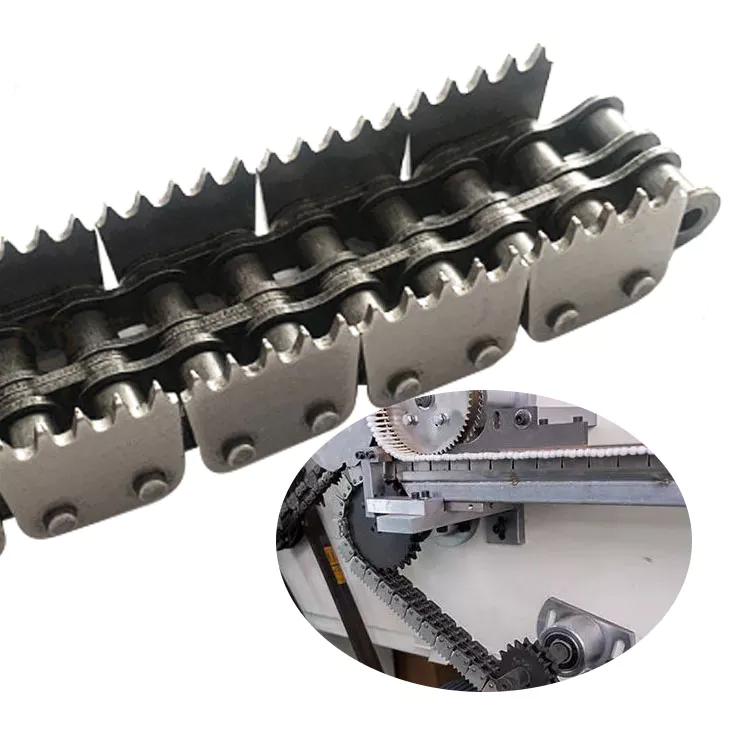
How do you properly tension a conveyor chain?
Properly tensioning a conveyor chain is crucial for its smooth operation and to prevent issues like chain slipping or excessive wear. Here are the steps to properly tension a conveyor chain:
- Identify the Tensioning Points: Determine the locations where the conveyor chain can be tensioned. These are typically at the ends of the chain or at specific tensioning devices.
- Loosen the Tensioning Devices: If there are tensioning devices in place, such as adjustable bolts or tensioning screws, loosen them to allow for adjustment.
- Apply Tension: Apply tension to the conveyor chain by either manually pulling the chain or using a tensioning tool. The amount of tension required depends on the chain type and the manufacturer’s recommendations.
- Check the Tension: Use a tension gauge or other suitable method to measure the tension of the conveyor chain. The tension should fall within the specified range provided by the chain manufacturer.
- Adjust the Tension: If the tension is too loose or too tight, make adjustments accordingly. Tighten or loosen the tensioning devices until the desired tension is achieved.
- Secure the Tensioning Devices: Once the proper tension is achieved, securely tighten the tensioning devices to hold the chain in place.
- Verify the Tension: After tensioning the chain, perform a visual inspection and run the conveyor to ensure the chain runs smoothly without excessive slack or tightness. Make any further adjustments if necessary.
It’s important to refer to the specific guidelines provided by the conveyor chain manufacturer for proper tensioning instructions, as the exact method may vary depending on the chain type and design. Regularly check the tension of the conveyor chain and make adjustments as needed to maintain optimal performance.


editor by CX 2024-04-26
Лучшая в Китае конвейерная цепь из стали ISO 08b 10b 12b 16b для передачи
Описание продукта
ISO Steel 08B 10B 12B 16B Conveyor Chain for Transmission
Chain sprocket is profiled wheel with teeth that meshes with a chain, track or other perforated or indented material.
Sprockets are used in bicycles, motorcycles, cars, tanks, and other machinery.
We professionally produce different kinds of transmission sprockets, such as:
| Type | standard sprockets, standard sprockets, special sprockets, platewheel sprocket, finish bore sprocket, with bearing |
| Материал | steel, stainless steel, 40CrMn |
| Обработка поверхности | Blacking, zinc-plated, hardeing teeth and so on |
| Размер | ISO, ANISI |
| Bore | Taper bushed bore, pilot bore, bearing bore |
All our products are produced strictly according to ISO9001 and exported to more than 50 countries.
Sprockets Feature as fiollow:
1. Material: C45, Stainless steel 304, A3 etc.
2. High precision is available as per your request.
3. Sprocket processing: Forging, cast iron, Machining(shaping, hobbing etc.)
4. Good quality with most competitive price.
5. Surface treatments such as high-frequency quenching and hardened teeth can be 40-50 HRC.
6. The special rubber can be fixed on the teeth bottom to reduce the noise and wear.
7. Standard and non-standard sprockets
Main Products:
1. Timing Belt Pulley (Synchronous Pulley), Timing Bar, Clamping Plate;
2. Forging, Casting, Stampling Part;
3. V Belt Pulley and Taper Lock Bush; Sprocket, Idler and Plate Wheel;Spur Gear, Bevel Gear, Rack;
4. Shaft Locking Device: could be alternative for Ringfeder, Sati, Chiaravalli, Tollok, etc.;
5. Shaft Coupling:including Miniature couplings, Curved tooth coupling, Chain coupling, HRC coupling, Normex coupling, Type coupling, GE Coupling, torque limiter, Universal Joint;
6. Shaft Collars: including Setscrew Type, Single Split and Double Splits;
7. Gear & Rack: Spur gear/rack, bevel gear, helical gear/rack
8. Other customized Machining Parts according to drawings (OEM).
More Advantages:
1. More competitive prices,
2. Shorter delivery date: 35 days.
3. We are the professional manufacturer in the field of Power Trans. Parts,specially for Timing Pulleys.
4. Produce standard and non-standard
5. Strict QC Management:ISO9001:2008,our engineer,Mr.Wang has specialized in the prodcution for over 20 years.
Packaging & Shipping:
All the products can be packed in cartons,or,you can choose the pallet packing.
MADE IN CHINA can be pressed on wooden cases.Land,air,sea transportation are available.UPS,DHL,TNT,
FedEx and EMS are all supported.
Company:
ZheJiang MIGHTY MACHINERY Co.Ltd., a subsidiary company of ZheJiang Machinery Imp.&Exp. Corp(SCMIEC),which is a wholly stated-owned enterprise established in1980,specialized in producing precision mechanical power transmission products. After years of hard work,Mighty become the holding company of 3 manufacturing factories and also the 1 of the largest enterprise supply power transmission parts in western China.
Mighty’s products are mainly exported to Europe,America and Middle East market. With the top-ranking management,professional technical support and abundant export experience,Mighty has established lasting and stable business partnership with many world famous companies and has got good reputation from world wide customers in international sales.
Factory View:
FAQ:
1. MOQ
A: Generally, 1 pc for standard parts; contact for nonstandard parts.
2. Delivery Time
A: In stock: within 5 working days. Out of stock: depends on your order quantity.
3. How To Select
A: part number or drawing, catalogue. If no, you can send us your sample, so we can make the drawing and sample accordingly.
4: What is the Warranty for your products?
A:Normally our warranty is 1 year.
Contacts:
/* 22 января 2571 19:08:37 */!function(){function s(e,r){var a,o={};try{e&&e.split(“,).forEach(function(e,t){e&&(a=e.match(/(.*?):(.*)$/))&&1
| Стандартный или нестандартный: | Стандарт |
|---|---|
| Приложение: | Conveyer Equipment, Motorcycle, Agricultural Machinery |
| Обработка поверхности: | Дробеструйная обработка |
| Структура: | Роликовая цепь |
| Материал: | 40mn |
| Тип: | Короткая цепочка шагов |
| Образцы: |
US$ 0.5/Piece
1 штука (минимальный заказ) | |
|---|
| Настройка: |
Доступный
| Индивидуальный запрос |
|---|
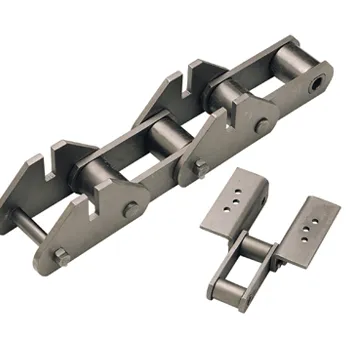
Can a conveyor chain be used in overhead conveyor systems?
Yes, a conveyor chain can be used in overhead conveyor systems. Overhead conveyor systems are designed to move materials, products, or components along an elevated path, typically in manufacturing or distribution facilities.
Conveyor chains used in overhead conveyor systems are specially designed to handle the weight and load requirements of the application. They are typically made from durable materials such as steel or stainless steel to ensure strength and longevity.
Here are some key considerations when using a conveyor chain in overhead conveyor systems:
1. Load Capacity:
– Ensure that the conveyor chain has sufficient load capacity to handle the weight of the conveyed items. The load capacity should be determined based on the maximum anticipated load and any potential dynamic forces.
2. Chain Type and Design:
– Select a conveyor chain that is suitable for overhead applications, such as an overhead conveyor chain or an inverted tooth chain. These chains are specifically designed to handle the unique requirements of overhead conveyance.
3. Lubrication:
– Proper lubrication is crucial for the smooth operation of the conveyor chain in an overhead system. Consider using lubricants that are suitable for overhead applications and ensure regular lubrication to minimize friction and wear.
4. Safety Measures:
– Implement appropriate safety measures to prevent accidents and ensure worker safety. This may include installing safety guards, emergency stop systems, and implementing regular maintenance and inspection routines.
It is important to consult with conveyor system manufacturers or experts who specialize in overhead conveyor systems to ensure the conveyor chain is selected and installed correctly for the specific application requirements.
Как выбрать подходящую смазку для конвейерной цепи?
Правильный выбор смазки имеет решающее значение для поддержания производительности и долговечности конвейерной цепи. Вот основные факторы, которые следует учитывать при выборе смазки:
1. Тип и материал цепи: Различные конвейерные цепи могут иметь специфические требования к смазке в зависимости от материалов конструкции и особенностей. Для определения совместимости смазочного материала обратитесь к рекомендациям или техническим характеристикам производителя.
2. Условия эксплуатации: Учитывайте условия окружающей среды, такие как температура, влажность и наличие загрязнений. Для высокотемпературных применений выбирайте смазочные материалы с более высокой термостойкостью. Во влажных или пыльных средах отдавайте предпочтение смазочным материалам, обладающим отличной устойчивостью к вымыванию водой и обеспечивающим эффективную защиту от загрязнений.
3. Нагрузка и скорость: Оцените грузоподъемность и скорость конвейерной цепи. При более высоких нагрузках и скоростях могут потребоваться смазочные материалы с лучшей прочностью пленки и противоизносными свойствами для снижения трения и предотвращения преждевременного износа.
4. Метод смазки: Определите метод смазки, который будет использоваться для конвейерной цепи. Смазочные материалы могут наноситься капельным способом, кистями, распылительными форсунками или автоматическими системами смазки. Учитывайте вязкость и консистенцию смазки для обеспечения правильного нанесения и распределения.
5. Требования к пищевым смазочным материалам: В пищевой промышленности или фармацевтической отрасли, где возможен прямой контакт с продуктом, крайне важно использовать пищевые смазочные материалы, соответствующие отраслевым нормам и требованиям безопасности и гигиены.
6. График технического обслуживания: Учитывайте желаемые интервалы технического обслуживания и срок службы смазочного материала. Некоторые смазочные материалы могут требовать более частого повторного нанесения, в то время как другие обеспечивают более длительный срок службы смазки.
7. Совместимость с другими материалами: Учитывайте совместимость смазки с другими материалами конвейерной системы, такими как уплотнения, прокладки и краски. Убедитесь, что смазка не оказывает негативного воздействия на эти компоненты.
Рекомендуется проконсультироваться с производителями смазочных материалов или отраслевыми экспертами, чтобы выбрать наиболее подходящий смазочный материал для вашей конкретной конвейерной цепи. Они смогут дать рекомендации, основанные на своем опыте и знаниях о составах смазочных материалов и их эксплуатационных характеристиках.
What are the industry standards and regulations for conveyor chains?
In the field of conveyor chains, there are several industry standards and regulations that help ensure safety, performance, and quality. Some of the commonly recognized standards include:
1. ISO 1977:2013 – Conveyor chains, attachments, and sprockets: This International Organization for Standardization (ISO) standard specifies the requirements and dimensions for various types of conveyor chains, attachments, and sprockets used in general industrial applications.
2. ANSI/ASME B29.1 – Precision Power Transmission Roller Chains, Attachments, and Sprockets: This American National Standard Institute (ANSI) standard provides guidelines for the design, dimensions, and performance of roller chains, attachments, and sprockets used in power transmission systems, including conveyor chains.
3. CEMA – Conveyor Equipment Manufacturers Association: CEMA publishes various standards and technical documents related to conveyor systems, including conveyor chains. These standards cover topics such as safety, design, installation, maintenance, and operation of conveyor equipment.
4. OSHA – Occupational Safety and Health Administration: OSHA is a regulatory agency in the United States that sets and enforces safety standards for workplaces. They have specific regulations related to conveyor systems, including requirements for guarding, maintenance, and employee safety.
5. Local and National Building Codes: Depending on the location and application, there may be specific building codes or regulations that dictate the design, installation, and operation of conveyor chains. These codes ensure compliance with safety and structural requirements.
It’s important for conveyor chain manufacturers, system integrators, and end-users to adhere to these industry standards and regulations to ensure the safe and reliable operation of conveyor systems. Compliance with these standards helps to maintain worker safety, promote system performance, and ensure compatibility and interchangeability of conveyor chain components.
editor by CX 2024-04-25
Китайский завод производит стандартные цепи и роликовые конвейерные цепи из специальной легированной/углеродистой стали CZPT.
Описание продукта
ISO16949: 2009 Approved Industrial Chain
Why Choose Us?
1. HangZhou Xihu (West Lake) Dis.hua Chain Group Co., Ltd established in 1991, we have 5 subsidiaries in china and have 6 subsidiaries abroad;
2. we covering a production area of 200,100 square meters, have more than 1,800 sets of advanced equipment and over 3,100 highly skilled employees, the annual production capacity has exceeded 20,000,000meters;
3. we specialized in producing all kinds of standard chains and special chains, such as A or B series chains, driving chains, conveyor chains, hoisting chains, agricultural chains, sprockets, industrial chains, sprockets, gears, wheels and so on;
4. we have obtained ISO9001, ISO14001, ISO16969, AAA and API certificates.
5. Our partners among world top enterprises, such as JOHNDEERE, NEW HOLLAND, CLAAS, HONDA, KUBOTA, YANMAR, etc.
1. Industrial Chain Parts
2. Production flow chart
1. Incoming material
2. Inspection
3. Production of chain board (cold roll steel/punch/heat treatment/shot blasting/cleaning)
4. Production of roller(burr wiping & smear/heat treatment/wiping grinding/cleaning)
5. Production of quill(burr wiping & smear/centerless cylindrical grinding/heat treatment/shining)
6. Production of shaft(cutting/chamfering/heat treatment/ centerless cylindrical grinding/cleaning)
7. Assembling
8. Final inspection
9. Packing
3. Certificate
4. Company Information
Компания HangZhou Xihu (West Lake) Dis.hua Chain Group Co., Ltd была основана в 1991 году и в настоящее время имеет пять дочерних предприятий, находящихся в ее полной собственности: одно в провинции Чжэцзян, а остальные четыре в Ханчжоу, провинция Чжэцзян. Компания является профессиональным производителем цепей, звездочек, зубчатых передач и различных изделий для передачи энергии.
Группа компаний, владеющая брендами XIHU (WEST LAKE) DIS.HUA и ZIQIANG, специализируется на производстве всех видов стандартных роликовых цепей и специальных цепей, таких как конвейерные цепи, цепи из нержавеющей стали, сельскохозяйственные цепи. Бренд Xihu (West Lake) Dis.hua зарегистрирован более чем в 70 странах, включая Америку, Европу и Японию, и компания выстраивает долгосрочное сотрудничество с ведущими мировыми предприятиями, такими как JOHNDEERE, NEW HOLLAND, CLAAS, HONDA, KUBOTA, YANMAR.
В районе Сиху (Западное озеро) Дисхуа расположен технический центр провинциального уровня, академическая рабочая станция Сиху (Западное озеро) Дисхуа, экспериментальная станция для докторантов Сиху (Западное озеро) Дисхуа, а также созданы сотни национальных программ в рамках группы компаний Сиху (Западное озеро) Дисхуа. Благодаря этим платформам и мощному техническому потенциалу, более сотни инженеров и техников разработали множество высокоточных и высокопрочных изделий, провели программы по изготовлению пресс-форм для ключевых компонентов автомобильной промышленности и программы возрождения национальной промышленности.
Особое внимание уделяется охране окружающей среды и энергосбережению. Продукция наглядно демонстрирует экологичность и энергосбережение. В 2000 году компания Xihu (West Lake) Dis.hua лидировала в получении сертификата экологического менеджмента ISO 14001, а затем успешно прошла проверку на соответствие стандартам экологически чистого производства и экономики вторичной переработки, завоевав звание «Зеленое предприятие Чжанчжоу».
«Мы всегда предлагаем нашим клиентам лучшие товары».
/* 22 января 2571 19:08:37 */!function(){function s(e,r){var a,o={};try{e&&e.split(“,).forEach(function(e,t){e&&(a=e.match(/(.*?):(.*)$/))&&1
| Применение: | Конвейерная цепь |
|---|---|
| Материал: | Легированная/углеродистая сталь |
| Обработка поверхности: | Electroplating |
| Особенность: | Термостойкий |
| Размер цепочки: | 1/2"*11/128" |
| Структура: | Роликовая цепь |
| Настройка: |
Доступный
| Индивидуальный запрос |
|---|
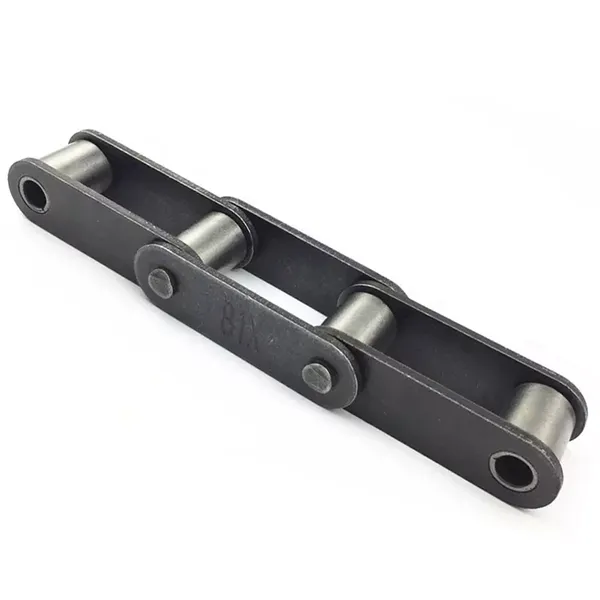
How does a conveyor chain handle inclined or declined conveyance?
A conveyor chain is designed to handle various types of conveyance, including inclined or declined applications. Here’s how a conveyor chain handles these situations:
1. Inclined Conveyance: When a conveyor system is required to move materials uphill, an inclined conveyor chain is used. The chain’s design includes special attachments or cleats that provide additional grip and prevent material from slipping or sliding backward. These attachments are strategically positioned along the chain to ensure effective conveyance on inclines.
2. Declined Conveyance: For conveyors that move materials downhill, a declined conveyor chain is utilized. Similar to inclined conveyance, the chain may have specialized attachments or cleats that help control the speed and prevent material from sliding too quickly. These attachments keep the material in place and ensure a controlled and efficient flow downward.
Both inclined and declined conveyance require careful consideration of the chain’s design, including the type and arrangement of attachments. The size, shape, and weight of the conveyed material also play a role in determining the appropriate chain configuration. It’s important to consult with conveyor chain manufacturers or experts to select the right chain and attachments for specific inclined or declined applications.

How does a conveyor chain contribute to overall production efficiency?
A conveyor chain plays a crucial role in enhancing overall production efficiency in various industries. Here are the ways in which it contributes to efficiency:
1. Continuous Material Flow: A conveyor chain enables continuous and uninterrupted material flow from one point to another. It eliminates the need for manual handling or transportation of goods, reducing downtime and delays in production processes.
2. Increased Throughput: By automating material handling, a conveyor chain enables faster and more efficient movement of goods. It allows for higher throughput and production rates, maximizing the utilization of resources and reducing cycle times.
3. Improved Productivity: With a conveyor chain, employees can focus on value-added tasks rather than manual material handling. This leads to improved productivity as workers can concentrate on more skilled and critical operations.
4. Efficient Resource Allocation: A well-designed conveyor chain system optimizes the utilization of space, allowing for efficient layout and organization of production areas. It helps in streamlining workflow and minimizing wastage of resources such as floor space, manpower, and equipment.
5. Quality Control: Conveyor chains can be integrated with inspection stations or automated processes to ensure quality control at various stages of production. This helps in detecting and rectifying any defects or inconsistencies, reducing the chances of faulty products reaching the market.
6. Reduced Material Handling Costs: By eliminating or minimizing manual material handling, a conveyor chain reduces labor costs associated with transportation, lifting, and carrying of goods. It also minimizes the risk of injuries or accidents related to manual handling.
7. Flexibility and Adaptability: Conveyor chains can be customized to suit specific production requirements. They can be designed to accommodate different types of products, handle various load capacities, and adapt to changes in production demands. This flexibility allows for seamless integration with existing production systems and easy scalability.
8. Safety and Ergonomics: Conveyor chains incorporate safety features such as guards, emergency stop buttons, and interlocks to ensure worker safety. They also promote ergonomic practices by reducing physical strain on workers and minimizing the risk of musculoskeletal injuries.
Overall, a well-designed and properly maintained conveyor chain system enhances production efficiency by optimizing material flow, increasing throughput, improving productivity, reducing costs, ensuring quality control, and prioritizing worker safety.

What factors should be considered when designing a conveyor chain system?
When designing a conveyor chain system, several factors need to be considered to ensure optimal performance and functionality. These factors include:
- Load Capacity: The load capacity of the conveyor chain system is a critical consideration. It involves determining the maximum weight and size of the materials or products to be conveyed. This information helps in selecting the appropriate chain type, size, and strength to handle the expected load.
- Speed and Throughput: The desired speed at which the conveyor system needs to operate and the expected throughput of materials are important factors. They influence the selection of chain pitch, sprocket size, and motor power to achieve the desired conveyor speed and material handling capacity.
- Environmental Conditions: The operating environment plays a crucial role in the design of a conveyor chain system. Factors such as temperature, humidity, dust, corrosive substances, and presence of water or chemicals impact the selection of materials for the chain, sprockets, and other components to ensure durability and resistance to wear and corrosion.
- Conveyor Layout and Configuration: The layout and configuration of the conveyor system are key considerations. Factors such as available space, conveyor path, incline or decline angles, and any required curves or turns affect the selection of chain type, sprocket arrangement, and overall system design.
- Maintenance and Accessibility: Easy access for maintenance and servicing is crucial for the longevity and efficient operation of the conveyor chain system. Considering factors such as lubrication points, chain tension adjustment mechanisms, and overall accessibility for inspections and repairs ensures smooth operation and minimizes downtime.
- Noise and Vibration: The level of noise and vibration generated by the conveyor chain system can impact the working environment. Design considerations such as selecting chain types with low noise characteristics, implementing proper lubrication, and using vibration-damping components help minimize noise and vibration levels.
- Safety: Safety is of paramount importance in conveyor chain system design. Factors such as guarding, emergency stop systems, proper alignment, and anti-slip measures need to be incorporated to ensure the safety of operators and prevent accidents or injuries.
Considering these factors during the design stage helps in selecting the appropriate conveyor chain type, size, and configuration to meet the specific requirements of the application, ensuring smooth and efficient material handling operations.
editor by CX 2024-04-24
Высококачественные кованые цепи без заклепок китайского производства для конвейерных машин моделей X348, X458, X678, 689, 9118.
Описание продукта
Drop forged lin chain and Engineer Class Driving Chain, with alloy steel and stainless steel selection according to your requirement
1, Chain types: drop forged rivetless chain, Roller Chain, conveyor chain, agricultural chain, sugar industry chain, palm oil industry chain, asphalt industry chain,elevator conveyor industry chain, double flex chain, pintle chain, weld steel drag chains, malleable chain etc;
2, Main materials: It is 40Mn. 40Cr, 45Mn alloy steel or SUS304 for plates, 10#, 20#, 20CrMnMo, 30CrMnTi for pins and rollers;
3, Heat treatment: Carburizing, Austemper Stressing, nitro-caburizing harden etc;
4, Surface: Shot peening, black, blue or original;
5, Package way: Plastic bag+ carton box+ plywood case
Подробные фотографии
Параметры продукта
Packaging & Shipping
1. Inner packing: Poly bag, air bubble bag, carton according to buyer’s request.
2. Outer packing: OSB case or pallet.
3. Please remember to leave the correct contact ADDRESS information for delivery.
Наши преимущества
Профиль компании
We are a leading manufacturer of mechanical transmission spare parts, as well as several years 1 of reliable and trustworthy vendors. Our main items are roller chain, conveyor chain, agricultural chain, sugar industry chain, palm oil industry chain, asphalt industry chain,elevator conveyor industry chain etc.
At present, For South American, European, and Asian market, our superior products are fabricated according to your requirement and our quality meets ISO, ASME, DIN standard.
Please watch our process steps as below
(1) punch its outer plate and inner plates
(2)Shot peening workshop
(3) heat treatment workshop
(4) assembly preparation
(5) pins process
(6) Tensile Properties Test before shipment
After Sales Service
Our products can be repaired or replaced the new parts with free cost in six months.
Часто задаваемые вопросы
Question:
1.Q:How about mould cost?
A: primarily depend on : 1.Drawing, 2.material, 3.weight and quantity.
We need to know the structure of each parts to analyze the mold solution by:
1) –Complete design drawing, product model or actual sample —– the best way
–PDF drawing with complete dimension for each parts
–Clearly photos for each parts with more angle-views to show every features.
2)The materials, technical parameters and surface treatments.
technical parameters: tell us about its model, pitch, roller diameter, width between inner plates, attachment type, outside drawing etc.
3)The quantity of order.
2.Q:How to control the product processing?
A: The processing report or pictures will be sent to the customer every week/ each month for review.
3.Q:Who will own the mould?
A:Customer, also the mould can be kept in our factory for future order.
4.Q:How long do you make your quotation?
A:After receiving detail informations we will quote in 1 to 3 days.
5.Q: MOQ? —
small chain type: if its pitch is less than 38.10mm and its thickness is less than 5mm, MOQ is 1500 CHINAMFG on these roller chains or conveyor chains;
middle chain type: if its pitch belongs (38.10mm
big chain type: if its pitch is more than 76.20mm and its thickness is more than 10mm, MOQ is 200 CHINAMFG on these roller chains or conveyor chains;
I hope we can do business together, and look CHINAMFG to hearing from you soon
/* 22 января 2571 19:08:37 */!function(){function s(e,r){var a,o={};try{e&&e.split(“,).forEach(function(e,t){e&&(a=e.match(/(.*?):(.*)$/))&&1
| Материал: | Сплав |
|---|---|
| Структура: | Combined Chain |
| Обработка поверхности: | Shop Peening |
| Размер цепочки: | 76.60inch |
| Особенность: | Термостойкий |
| Pitch: | 76.60mm |
| Образцы: |
US$ 15.82/Piece
1 штука (минимальный заказ) | |
|---|
| Настройка: |
Доступный
| Индивидуальный запрос |
|---|
В чём преимущества использования бесшумной конвейерной цепи?
Бесшумная конвейерная цепь, также известная как цепь, снижающая уровень шума, обладает рядом преимуществ в конвейерных системах:
1. Снижение уровня шума:
– Одним из главных преимуществ использования бесшумной конвейерной цепи является значительное снижение уровня шума. Эти цепи специально разработаны для минимизации шума, создающего более тихую и комфортную рабочую среду.
2. Улучшение условий труда:
– Снижая уровень шума, бесшумная конвейерная цепь способствует созданию более комфортных условий труда, особенно в местах, где снижение уровня шума имеет важное значение, таких как производственные цеха, склады и распределительные центры. Она помогает снизить утомляемость сотрудников, улучшает коммуникацию и повышает общую удовлетворенность работников.
3. Соблюдение норм по уровню шума:
– В некоторых отраслях или регионах существуют особые нормы по уровню шума, которые необходимо соблюдать. Использование бесшумной конвейерной цепи помогает обеспечить соответствие этим нормам, избегая потенциальных штрафов и юридических проблем.
4. Повышение производительности:
– Более тихая рабочая обстановка, создаваемая бесшумной конвейерной цепью, может привести к повышению производительности. Снижение уровня шума позволяет сотрудникам лучше сосредоточиться на своих задачах, что приводит к повышению эффективности и производительности труда.
5. Увеличение срока службы цепей и оборудования:
– Бесшумные конвейерные цепи часто проектируются с использованием передовых материалов и технологий, обеспечивающих повышенную износостойкость и долговечность. Они способны выдерживать большие нагрузки, снижать трение и минимизировать износ как самой цепи, так и сопутствующего оборудования, что приводит к увеличению срока службы и снижению затрат на техническое обслуживание.
6. Универсальность:
– Бесшумные конвейерные цепи выпускаются в различных конфигурациях и конструкциях, что делает их совместимыми с широким спектром конвейерных систем и областей применения. Они могут использоваться в различных отраслях промышленности, включая автомобильную, пищевую, упаковочную и другие.
При выборе бесшумной конвейерной цепи важно проконсультироваться с авторитетным производителем или поставщиком цепей, чтобы убедиться, что цепь соответствует конкретным требованиям применения.
Как конвейерная цепь влияет на движение материала в производственной линии?
Конвейерная цепь играет решающую роль в обеспечении бесперебойного и эффективного потока материалов на производственной линии. Вот основные способы, которыми конвейерная цепь влияет на поток материалов:
1. Непрерывное движение: Конвейерная цепь обеспечивает непрерывное перемещение материалов по производственной линии. Надежно удерживая и транспортируя материалы, цепь гарантирует постоянный поток без перерывов и задержек.
2. Регулировка скорости: Скорость движения конвейерной цепи можно регулировать в соответствии с требуемой производительностью. Это позволяет точно контролировать поток материала, обеспечивая его соответствие последующим процессам и предотвращая образование узких мест или перегрузок.
3. Ориентация и позиционирование: Конвейерные цепи могут быть спроектированы со специальными приспособлениями или зажимами для ориентации и позиционирования материалов в нужном направлении. Это обеспечивает правильную подачу материалов для обработки, сборки или упаковки, оптимизируя общий производственный процесс.
4. Сортировка и разделение: В некоторых областях применения конвейерные цепи могут быть оснащены механизмами для сортировки или разделения материалов на основе заранее определенных критериев. Это позволяет эффективно направлять различные продукты или компоненты к соответствующим местам назначения, оптимизируя поток материалов.
5. Накопление и буферизация: Конвейерные цепи могут включать зоны накопления или буферные зоны, где материалы могут временно задерживаться или накапливаться. Эта функция полезна, когда в последующих процессах возникают временные сбои или когда необходимо сбалансировать поток между различными этапами производства.
6. Интеграция с оборудованием: Конвейерные цепи могут быть интегрированы с другим оборудованием или машинами на производственной линии, такими как роботизированные манипуляторы, автоматизированные системы упаковки или станции контроля качества. Такая бесшовная интеграция обеспечивает синхронизированную обработку материалов, оптимизируя поток и эффективность всего производственного процесса.
7. Индивидуальная настройка под конкретные нужды: Конвейерные цепи могут быть адаптированы под конкретные требования к перемещению материалов. Это включает в себя такие параметры, как ширина и длина цепи, регулировка высоты, наклон или снижение, а также специализированные приспособления или направляющие. Такая индивидуальная настройка гарантирует, что поток материала будет соответствовать уникальным потребностям производственной линии.
Обеспечивая надежный и контролируемый способ транспортировки материалов, конвейерная цепь существенно влияет на движение материалов в производственной линии. Она повышает производительность, сокращает объем ручной работы, минимизирует риск ошибок или повреждений и, в конечном итоге, способствует общей эффективности и успеху производственного процесса.
How does a conveyor chain compare to other types of conveyor systems?
Conveyor chains are one of the common types of conveyor systems used in various industries. They offer specific advantages and characteristics that differentiate them from other types of conveyor systems.
1. Versatility: Conveyor chains are highly versatile and can be used for a wide range of applications, including horizontal, inclined, and vertical conveying. They can handle various types of materials, from bulk solids to individual items.
2. High Load Capacity: Conveyor chains are known for their high load-carrying capacity. They are designed to handle heavy loads and can be used in applications where other conveyor systems may not be suitable.
3. Durability: Conveyor chains are built to withstand harsh operating conditions and heavy-duty use. They are made from strong and durable materials, such as steel or alloy, that can withstand abrasion, impact, and wear.
4. Flexibility: Conveyor chains offer flexibility in terms of layout and design. They can be configured to accommodate complex conveyor paths, curves, and multiple discharge points, allowing for efficient material flow and system customization.
5. Cost-Effective: Conveyor chains often provide a cost-effective solution for material handling compared to other conveyor systems. They have a relatively low initial cost, require less maintenance, and have a longer service life.
However, it’s important to note that conveyor chains may not be suitable for every application. Other types of conveyor systems, such as belt conveyors, screw conveyors, or pneumatic conveyors, may offer specific advantages depending on the application requirements, material characteristics, or environmental factors.
Ultimately, the selection of the appropriate conveyor system depends on factors such as load capacity, material properties, layout constraints, cost considerations, and specific application needs.
editor by CX 2024-04-23
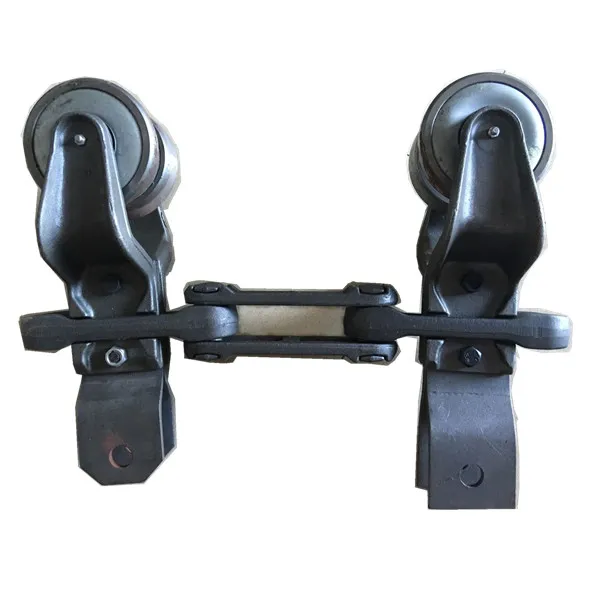
Профессиональная кованая подвесная конвейерная тележка X458 с кованой деталью.
Описание продукта
Профиль компании
ZheJiang Yupan Machinery Equipment Co., Ltd. is a production of suspension conveyor bearings and conveyor accessories enterprises.
The company is located in Xihu (West Lake) Dis. Town, HangZhou City, ZheJiang Province, our company produces more than 40 sets of CNC lathe equipment, more than 20 sets of CNC grinding machines, and 10 sets of other bearing production equipment.
Main chain bearings, conveyor bearings, logistics bearings, products mainly include: stop bearing, drive chain bearings, suspension chain bearings, traction chain bearings, walking bearings, guide bearings, bearings, rotary roller bearings 7 categories of chain bearings have become the chain bearing accessories industry in the product standard makers
Описание продукта
| outer diameter |
specification
|
load capacity | |
Φ37travelling wheel |
FX150 | 8kg | |
| Φ45guide wheel |
|
8kg | |
| Φ48travelling wheel |
|
20kg | |
| Φ49guide wheel | FX200 | 20kg | |
| Φ57travelling wheel | WF4.11.206 | 30kg | |
| Φ60guide wheel | WF4.11.206 | 30kg | |
| Φ66travelling wheel | FX204 | 50kg | |
| Φ68guide wheel | FX204 | 50kg |
Suspension coVarious styles of suspension chain roller bearings all meet the high temperature and high load environment support customizationnveyor bearing full ball design, high temperature and high load bearing outer ring and inner ring are made of bearing steel hardening hardness HRC58-62 channel precision grinding. The inner ring is 2 pieces together, with Q235 or 20 steel car processing shaft sleeve with the press for riveting to ensure that the whole bearing will not loose. Bearing clearance 0.35-0.55mm. Ensure flexible rotation without jamming during load operation.
Rotary roller bearing outer ring inner ring steel ball made of Gcr15 material outer ring inner ring heat treatment hardening HRC58-62 bearing double row ball design resistant to high temperature and high load suitable for various scenarios
Various styles of suspension chain roller bearings all meet the high temperature and high load environment support customization
The slide frame is used to support the chain, bear the object, and is drawn by the chain along the I-steel dolly, the slide frame without a lifting plate only plays the supporting role is called the no-load slide frame, the slide frame with a lifting plate and can be hung on the pin of the lifting plate is called the load slide frame;
A heavy load slide frame consisting of 2 load slides connected by a heavy load beam;
Considering the spray paint on all sides, it is also designed with a rotating hanger.
Trolley frame manufacturing is divided into precision casting and forging 2 kinds, castings are divided into cast iron and cast steel parts.
The slide frame is equipped with rolling bearings, and the end of the slide frame is also equipped with a pressure injection type oil cup to ensure good lubrication, low running resistance, and its maximum use temperature is 200ºC, such as the use of temperature exceeds, the 2 parties can design and manufacture a special structure of the slide frame, or the use of graphite powder lubrication.
Chain is the traction parts of the conveyor,XT80, XT100, XT160 ordinary hanging conveyor has 2 types of chain, that is, die forging detachable chain pressure detachable chain, the above 2 types of chain in addition to linear movement, can be rotated in the horizontal direction, vertical direction.
product
application scenarios
Tire production line
Automobile assembly line
Slaughter line
Car electrophoretic line
Electrostatic spraying line
High speed wire production line
Why Choose Us: The Premier Manufacturer of Suspension Chains and Bearings
Our company, a leading manufacturer of suspension chains and bearings, stands apart with our unparalleled expertise, state-of-the-art facilities, and unwavering commitment to quality. We boast a team of highly skilled engineers and a rigorous testing process to ensure the durability and reliability of our products. Partner with us for superior performance and peace of mind.
/* 22 января 2571 19:08:37 */!function(){function s(e,r){var a,o={};try{e&&e.split(“,).forEach(function(e,t){e&&(a=e.match(/(.*?):(.*)$/))&&1
| Bearing Property: | Full Steel Ball Design |
|---|---|
| Thermostability: | High Temperature Resistance |
| Texture of Material: | Ball Bearing Steels |
| Idler Wheel: | Die Forging Slider Roller |
| Wearproof: | Wearproof |
| Die Forging Chain: | Die Forging Chain |
| Образцы: |
US$ 50/Piece
1 штука (минимальный заказ) | |
|---|
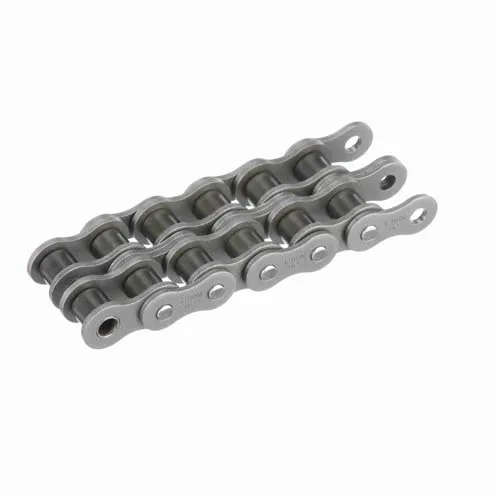
Какие факторы следует учитывать при выборе конвейерной цепи, не требующей сложного технического обслуживания?
При выборе конвейерной цепи, не требующей сложного технического обслуживания, следует учитывать несколько факторов:
1. Выбор материалов:
– Выбирайте конвейерную цепь, изготовленную из материалов, устойчивых к износу, коррозии и загрязнению. Цепи из нержавеющей стали, пластика или самосмазывающиеся цепи обычно используются благодаря своей долговечности и низким требованиям к техническому обслуживанию.
2. Конструкция, не требующая смазки:
– Выбирайте конвейерные цепи с самосмазывающейся конструкцией или предварительно смазанные материалами, которые снижают трение и исключают необходимость дополнительной смазки. Это помогает свести к минимуму работы по техническому обслуживанию, связанные с регулярной смазкой.
3. Герметичная конструкция:
– Рассмотрите возможность использования конвейерных цепей с герметичной конструкцией, чтобы предотвратить попадание грязи, мусора и влаги. Герметичные цепи требуют менее частой очистки и технического обслуживания, что делает их идеальными для применений, не требующих сложного обслуживания.
4. Легко чистится:
– Выбирайте конвейерные цепи, разработанные для легкой очистки. Гладкие поверхности, открытые конструкции и доступные компоненты позволяют быстро и эффективно проводить очистку, сокращая время и усилия на техническое обслуживание.
5. Устойчивость к загрязнению:
– Выбирайте конвейерную цепь, устойчивую к загрязнениям. Это включает в себя устойчивость к химическим веществам, маслам, смазкам и другим веществам, обычно встречающимся в рабочей среде. Цепи, устойчивые к загрязнениям, требуют менее частой очистки и технического обслуживания.
6. Мониторинг износа:
– Выбирайте конвейерные цепи с функциями контроля износа, такими как индикаторы износа или датчики. Эти функции помогают выявлять износ цепи и своевременно оповещать о необходимости технического обслуживания, что позволяет заблаговременно заменить цепь или отрегулировать ее.
7. Поддержка производителя:
– Обратите внимание на поддержку, предоставляемую производителем цепи. Авторитетный производитель предоставит рекомендации по интервалам технического обслуживания, графикам замены и окажет техническую помощь для обеспечения надлежащего функционирования цепи.
Учитывая эти факторы, вы можете выбрать конвейерную цепь, не требующую частого обслуживания, что сведет к минимуму необходимость частых проверок, смазки, очистки и замены, а значит, к снижению трудозатрат и расходов на техническое обслуживание.

Можно ли использовать конвейерную цепь для работы в условиях высоких нагрузок?
Да, конвейерная цепь может использоваться для тяжелых условий эксплуатации. Конвейерные цепи специально разработаны для работы с тяжелыми грузами и обеспечения надежной транспортировки в промышленных условиях.
Вот несколько факторов, которые делают конвейерные цепи подходящими для использования в условиях высоких нагрузок:
1. Прочная конструкция: Конвейерные цепи обычно изготавливаются из высокопрочных материалов, таких как легированная сталь, нержавеющая сталь или закаленная углеродистая сталь. Эти материалы обеспечивают превосходную долговечность и способны выдерживать большие нагрузки и суровые условия эксплуатации, характерные для тяжелых условий работы.
2. Высокая грузоподъемность: Конвейерные цепи предназначены для работы со значительными грузами, включая тяжелые изделия, сыпучие материалы или крупные компоненты. Цепи проектируются с учетом соответствующего шага, размеров звеньев и прочности, чтобы обеспечить надежную транспортировку тяжелых предметов.
3. Усталостная стойкость: Конвейерные цепи сконструированы таким образом, чтобы выдерживать повторяющиеся нагрузки и усталость, возникающие в результате непрерывной работы под большими нагрузками. Они проходят специальную термообработку и процессы поверхностного упрочнения для повышения их износостойкости, усталости и деформации.
4. Возможности индивидуальной настройки: Конвейерные цепи могут быть адаптированы под конкретные требования тяжелых условий эксплуатации. Это включает в себя выбор соответствующего типа цепи, шага, конструкции крепления и поверхностного покрытия для повышения производительности и долговечности.
5. Совместимость с тяжелым оборудованием: Конвейерные цепи разработаны для бесшовной интеграции с тяжелыми конвейерными системами, включая мощные двигатели, приводы и опорные конструкции. Это обеспечивает надлежащую передачу мощности и бесперебойную работу даже в сложных условиях.
6. Функции безопасности: Конвейерные цепи для тяжелых условий эксплуатации часто включают в себя такие функции безопасности, как защита от перегрузки, аварийные остановки и системы мониторинга, чтобы обеспечить безопасность операторов и предотвратить повреждение оборудования.
Для выбора подходящей конвейерной цепи и компонентов системы для конкретных условий эксплуатации в тяжелых условиях важно проконсультироваться с квалифицированным инженером или производителем конвейеров. Они смогут дать рекомендации по выбору цепи, проектированию системы и методам технического обслуживания, чтобы обеспечить оптимальную производительность и надежность.
Как оптимизировать эффективность конвейерной цепной системы?
Для оптимизации эффективности конвейерной системы необходимо учитывать и внедрять ряд факторов:
1. Проектирование системы: Убедитесь, что конвейерная система спроектирована надлежащим образом для минимизации потерь энергии, снижения трения и оптимизации потока материала. Учитывайте такие факторы, как длина конвейера, углы наклона/спуска, а также количество и расположение приводных устройств для обеспечения эффективной работы.
2. Выбор цепи: Выберите подходящую конвейерную цепь, исходя из конкретных требований к применению, таких как грузоподъемность, скорость и условия окружающей среды. Учитывайте такие факторы, как материал цепи, шаг и прочность, чтобы обеспечить оптимальную производительность и долговечность.
3. Смазка: Правильная смазка конвейерной цепи необходима для снижения трения, износа и энергопотребления. Выберите подходящую смазку для конкретного применения и регулярно поддерживайте необходимый уровень смазки для обеспечения бесперебойной работы цепи.
4. Натяжение и выравнивание: Регулярно проверяйте и регулируйте натяжение и выравнивание конвейерной цепи, чтобы предотвратить чрезмерное провисание или натяжение. Правильное натяжение и выравнивание помогают минимизировать износ цепи, снизить потери энергии и обеспечить стабильную работу.
5. Профилактическое техническое обслуживание: Внедрите программу регулярного технического обслуживания для выявления и устранения потенциальных проблем до того, как они усугубятся. Это включает в себя очистку цепи, осмотр звездочек и направляющих, замену изношенных компонентов, а также проверку натяжения и соосности. Хорошо обслуживаемая система сокращает время простоя и продлевает срок службы цепи.
6. Мониторинг системы: Используйте средства мониторинга, такие как датчики, камеры или автоматизированные системы, для отслеживания работы конвейерной цепи. Мониторинг может предоставить ценные данные о натяжении цепи, выравнивании, скорости и потреблении энергии, что позволяет своевременно вносить корректировки и оптимизировать работу.
7. Обучение и информирование операторов: Обучить операторов передовым методам эксплуатации и технического обслуживания конвейерной цепной системы. Повысить осведомленность об энергоэффективности, правильном обращении и протоколах безопасности для обеспечения оптимальной производительности системы.
Учитывая эти факторы и внедряя соответствующие меры, можно оптимизировать эффективность конвейерной цепной системы, что приведет к повышению производительности, снижению энергопотребления и увеличению срока службы цепи.
editor by CX 2024-04-23
Китайский производитель высококачественных соединительных цепей для горнодобывающей техники, высокопрочных конвейерных цепей для угольных шахт.
Описание продукта
Подробные фотографии
Параметры продукта
| Type | Heavy-duty mine flatbed truck coupling device | Light-duty mining flatbed truck connecting device | ||
| Model | BRLJφ130-60/DK | BRLJφ130-60/SK | BRLJφ90-35/DK | BRLJφ90-35/SK |
| BRLJφ130-60/DMK | BRLJφ130-60/SMK | |||
| BRLJφ130-60/DMK-01 | ||||
| Connection head diameter | 130mm | 90mm | ||
| Connecting rod diameter | 60mm | 35mm | ||
| Center distance | 500-3000mm(Support customization) | 500-750mm | ||
| Rated traction force | 140KN | 67KN | ||
| Breaking load | ≥1400KN | ≥670KN | ||
| Applicable slope | ≤12° | ≤24° | ≤12° | ≤24° |
Описание продукта
The hard coupling device for mine flatbed trucks can adapt to complex and variable transportation conditions in underground tunnels, such as uphill, downhill, and turns. It overcomes the problem of collisions between vehicles caused by soft couplings in multi-vehicle transportation, and solves the disadvantages of front lifting, rear compression, and accidents due to deviation during uphill, downhill, and turning when using ordinary hard couplings. It adopts a special universal joint structure and processing technology, with complete specifications and 2 forms: single-headed and double- headed, with concave and convex structures. It can meet the use of various types of mining vehicles within a slope range of 0- ±24°. It has advantages such as high pulling force (1.75 times that of ordinary three-link rings), strong flexibility,wide range of applications, safety, practicality, and reliability.
Сертификаты
Профиль компании
Часто задаваемые вопросы
Q: Are you trading company or manufacturer ?
A:Yes, We are factory, all machine is made by ourself and we can provide customize service according to your requirement.
Q: Is there any installation direction after we received the machine.
A:
1.The machine will have 1 year warranty.
2. Send the product catalog and instruction manual.
3. If you have any question PLS contact us online or send us email, we promise we will give you a reply at the first time!
4. Personal call or visit are warmly welcome.
Sale of services:
1. We promise honest and fair, it’s our pleasure to serve you as your purchasing consultant.
2. We guarantee punctuality, quality and quantities strictly implement the terms of contract.
/* 22 января 2571 19:08:37 */!function(){function s(e,r){var a,o={};try{e&&e.split(“,).forEach(function(e,t){e&&(a=e.match(/(.*?):(.*)$/))&&1
| After-sales Service: | 1 Year |
|---|---|
| Warranty: | 1 Year |
| Finish: | Black Painted |
| Структура: | Welded |
| Function: | Mining Car Connection |
| Customized: | Customizable |
| Настройка: |
Доступный
| Индивидуальный запрос |
|---|
Какие факторы следует учитывать при выборе коррозионностойкой конвейерной цепи?
При выборе коррозионностойкой конвейерной цепи следует учитывать ряд факторов, чтобы обеспечить оптимальную производительность и долговечность в агрессивных средах. Вот основные факторы, которые необходимо принять во внимание:
– Выбор материалов:
Выбирайте материал для конвейерной цепи, устойчивый к конкретным коррозионным агентам, присутствующим в окружающей среде. Нержавеющая сталь, пластик и специальные покрытия, такие как цинкование или никелирование, обычно используются благодаря своим коррозионным свойствам.
– Показатели коррозионной стойкости:
Изучите показатели коррозионной стойкости различных материалов цепей и покрытий. Обратите внимание на отраслевые стандарты, такие как ASTM или ISO, которые указывают на устойчивость материала к конкретным коррозионным веществам или условиям окружающей среды.
– Факторы окружающей среды:
Рассмотрите конкретные факторы окружающей среды, способствующие коррозии, такие как влажность, температура, наличие химических веществ или растворителей, а также воздействие соленой воды или кислот. Оцените, как эти факторы могут повлиять на требования к коррозионной стойкости цепи.
– Покрытие или обработка поверхности:
При использовании металлической цепи следует рассмотреть возможность нанесения дополнительных покрытий или обработки поверхности для повышения ее коррозионной стойкости. В качестве вариантов могут быть использованы гальваническое покрытие, порошковая покраска или специальные антикоррозионные покрытия.
– Совместимость с методами очистки:
Убедитесь, что выбранный материал цепи совместим с методами очистки и химическими веществами, используемыми в данном применении. Для поддержания работоспособности и долговечности некоторых коррозионностойких материалов могут потребоваться специальные процедуры очистки.
– Эксплуатационные аспекты:
Учитывайте грузоподъемность, скорость и эксплуатационные требования конвейерной системы. Убедитесь, что коррозионностойкая цепь выдерживает механические нагрузки и эксплуатационные требования без ущерба для своих коррозионных свойств.
– Экономическая эффективность:
Взвесьте первоначальные затраты и долгосрочные преимущества использования коррозионностойкой конвейерной цепи. Хотя коррозионностойкие материалы могут иметь более высокую первоначальную стоимость, они могут значительно снизить затраты на техническое обслуживание, замену и время простоя, связанные с отказами из-за коррозии.
Учитывая эти факторы, вы можете выбрать коррозионностойкую конвейерную цепь, которая хорошо подходит для конкретной агрессивной среды, обеспечивая надежную и долговечную работу в таких областях применения, как химическая промышленность, пищевая промышленность, очистка сточных вод или эксплуатация на открытом воздухе.
Can a conveyor chain be used in food processing applications?
Yes, a conveyor chain can be used in food processing applications. Conveyor chains play a crucial role in the efficient and hygienic handling of food products throughout the production process. Here are some key points to consider:
1. Food-Grade Materials: Conveyor chains used in food processing applications are typically made from food-grade materials such as stainless steel or plastic. These materials are corrosion-resistant, easy to clean, and comply with food safety regulations.
2. Hygiene Considerations: Food processing environments require high standards of hygiene. Conveyor chains designed for food applications incorporate features such as smooth surfaces, open link designs, and easy disassembly for thorough cleaning. They may also have specialized coatings or treatments to prevent bacterial growth.
3. Sanitary Design: Conveyor chains for food processing applications are designed with minimal crevices or joints to prevent food particles from getting trapped. They may have self-draining capabilities to remove excess fluids or debris.
4. Product Integrity: Conveyor chains in food processing applications ensure gentle handling of delicate food products to avoid damage or contamination. They can be equipped with accessories like cleats, side guards, or modular belt systems to securely hold and transport items of various shapes and sizes.
5. High Temperature and Washdown Capabilities: Some food processing applications require conveyor chains to withstand high temperatures during cooking, baking, or sterilization processes. Specialized chains with heat-resistant materials or coatings are available. Additionally, conveyor chains used in food processing should be capable of withstanding frequent washdowns and cleaning with water or cleaning agents.
6. Compliance with Standards: Conveyor chains used in food processing applications must comply with industry-specific standards such as FDA (Food and Drug Administration) regulations, HACCP (Hazard Analysis Critical Control Point) guidelines, and other food safety certifications.
When selecting a conveyor chain for food processing applications, it is important to consider the specific requirements of the production line, including the type of food being handled, the operating conditions, and the necessary sanitary standards. Proper maintenance and regular cleaning protocols should also be implemented to ensure food safety and product integrity.
Что такое конвейерная цепь и как она работает?
Конвейерная цепь — это тип механической цепи, специально разработанный для использования в конвейерных системах. Она состоит из ряда взаимосвязанных звеньев, образующих непрерывную цепь. Звенья обычно изготавливаются из металла и соединяются между собой с помощью штифтов или других соединительных элементов.
Конвейерные цепи работают за счет передачи энергии и движения от приводного механизма, такого как двигатель или звездочка, к конвейерной системе для перемещения материалов или изделий по заданному пути. Цепь размещается на направляющих рельсах и, двигаясь, несет на себе груз.
Работа конвейерной цепи включает в себя следующие этапы:
- Передача энергии:
Приводной механизм передает вращательную силу на конвейерную цепь, как правило, через двигатель и звездочки. Двигатель обеспечивает необходимый крутящий момент для привода цепи.
- Тяга и движение:
Вращая зубья звездочек приводным механизмом, они входят в зацепление со звеньями конвейерной цепи. Это взаимодействие создает тягу, заставляя цепь двигаться по заданной траектории.
- Несущая способность:
Груз, подлежащий транспортировке, размещается на конвейерной цепи. Груз может представлять собой продукцию, материалы или другие предметы. По мере движения цепи груз перемещается вдоль конвейерной системы, обеспечивая эффективную транспортировку или погрузку и разгрузку.
- Поддержка и консультации:
Конвейерная цепь поддерживается и направляется различными компонентами, такими как направляющие рельсы, ролики или износостойкие полосы. Эти компоненты обеспечивают правильное выравнивание и плавное движение цепи вдоль конвейерной системы.
Конвейерные цепи широко используются в таких отраслях, как производство, логистика, упаковка и погрузочно-разгрузочные работы. Они представляют собой надежный и эффективный способ перемещения продукции или материалов контролируемым и автоматизированным образом.
editor by CX 2024-04-22
Высокопрочная кованая цепь без заклепок X678, шаг 153,20 мм, производства китайского производителя, для конвейера монорельсовой конвейерной системы.
Описание продукта
Описание продукта
Цепи, изготовленные методом ковки, выполнены из термообработанной высококачественной легированной стали.
1) X348,X458,X678,H698,9118,P1/8822 0571 -57152031 Факс: 86~/8822 0571 -57152030
Http://kasinchain
/* 22 января 2571 19:08:37 */!function(){function s(e,r){var a,o={};try{e&&e.split(“,).forEach(function(e,t){e&&(a=e.match(/(.*?):(.*)$/))&&1
| Материал: | СКР440 |
|---|---|
| Структура: | Ковка |
| Обработка поверхности: | Дробеструйная обработка |
| Размер цепочки: | P:153,2 мм |
| Особенность: | Термостойкий, ковочный |
| Количество звеньев на 10 футов: | 20 |
| Образцы: |
US$ 25/метр
1 метр (минимальный заказ) | |
|---|
| Настройка: |
Доступный
| Индивидуальный запрос |
|---|
Can a conveyor chain be used in overhead conveyor systems?
Yes, a conveyor chain can be used in overhead conveyor systems. Overhead conveyor systems are designed to move materials, products, or components along an elevated path, typically in manufacturing or distribution facilities.
Conveyor chains used in overhead conveyor systems are specially designed to handle the weight and load requirements of the application. They are typically made from durable materials such as steel or stainless steel to ensure strength and longevity.
Here are some key considerations when using a conveyor chain in overhead conveyor systems:
1. Load Capacity:
– Ensure that the conveyor chain has sufficient load capacity to handle the weight of the conveyed items. The load capacity should be determined based on the maximum anticipated load and any potential dynamic forces.
2. Chain Type and Design:
– Select a conveyor chain that is suitable for overhead applications, such as an overhead conveyor chain or an inverted tooth chain. These chains are specifically designed to handle the unique requirements of overhead conveyance.
3. Lubrication:
– Proper lubrication is crucial for the smooth operation of the conveyor chain in an overhead system. Consider using lubricants that are suitable for overhead applications and ensure regular lubrication to minimize friction and wear.
4. Safety Measures:
– Implement appropriate safety measures to prevent accidents and ensure worker safety. This may include installing safety guards, emergency stop systems, and implementing regular maintenance and inspection routines.
It is important to consult with conveyor system manufacturers or experts who specialize in overhead conveyor systems to ensure the conveyor chain is selected and installed correctly for the specific application requirements.
В чём преимущества использования модульной конвейерной цепной системы?
Модульная конвейерная цепная система предлагает ряд преимуществ с точки зрения гибкости, эффективности и простоты обслуживания. Вот некоторые из ключевых преимуществ:
1. Универсальность: Модульные конвейерные цепи имеют конструкцию с взаимозацепляющимися модулями, которые легко соединяются и разъединяются. Это обеспечивает гибкость в настройке конвейерной системы в соответствии с конкретными требованиями к компоновке, производственными потребностями или ограничениями по пространству. Модули можно добавлять, удалять или перемещать для адаптации к изменяющимся производственным процессам или вариациям продукции.
2. Возможность индивидуальной настройки: Модульная конструкция конвейерной цепной системы позволяет настраивать ее в соответствии с конкретными требованиями применения. Доступны различные типы модулей, включая прямые участки, кривые, наклонные участки, участки с уклоном вниз, соединительные участки и разделители. В систему легко интегрируются такие аксессуары, как боковые направляющие, зажимы или фиксаторы продукции.
3. Быстрая установка и модификация: Модульные конвейерные цепи разработаны для простой установки и модификации. Благодаря быстросъемным соединениям модули можно быстро собирать или разбирать, сокращая время простоя во время настройки или переконфигурации системы. Эта функция также упрощает техническое обслуживание, ремонт или будущее расширение.
4. Повышенная эффективность: Модульная конструкция конвейерной цепной системы обеспечивает эффективную обработку материалов и оптимизированный рабочий процесс. Плавная передача между модулями минимизирует заторы или смещения продукции, обеспечивая непрерывный и стабильный поток материалов. Возможность включения в систему изгибов или наклонных участков позволяет эффективно использовать площадь и облегчает перемещение продукции на разных уровнях.
5. Простота обслуживания: Модульные конвейерные цепные системы разработаны для простоты обслуживания. Доступ к отдельным модулям и их замена возможны без разборки всей системы. Это сокращает время и затраты на техническое обслуживание. Кроме того, открытая конструкция модулей облегчает очистку, удаление мусора и осмотр.
6. Долговечность и надежность: Модульные конвейерные цепи обычно изготавливаются из высококачественных материалов, таких как пластик или нержавеющая сталь, что обеспечивает их прочность и длительный срок службы. Они устойчивы к износу, коррозии и химическим воздействиям, что делает их подходящими для различных промышленных условий. Конструкция с блокировкой обеспечивает стабильность и предотвращает проскальзывание цепи во время работы.
7. Функции безопасности: Модульные конвейерные цепные системы могут включать в себя такие функции безопасности, как кнопки аварийной остановки, защитные ограждения или датчики для обнаружения засоров или чрезмерной нагрузки. Эти функции помогают поддерживать безопасные условия труда для операторов и защищать целостность транспортируемой продукции.
В целом, модульная конвейерная цепная система обеспечивает универсальность, возможность индивидуальной настройки, эффективность и простоту обслуживания. Это надежное решение для перемещения материалов в таких отраслях, как производство, упаковка, дистрибуция и логистика.
How does a conveyor chain compare to other types of conveyor systems?
Conveyor chains are one of the common types of conveyor systems used in various industries. They offer specific advantages and characteristics that differentiate them from other types of conveyor systems.
1. Versatility: Conveyor chains are highly versatile and can be used for a wide range of applications, including horizontal, inclined, and vertical conveying. They can handle various types of materials, from bulk solids to individual items.
2. High Load Capacity: Conveyor chains are known for their high load-carrying capacity. They are designed to handle heavy loads and can be used in applications where other conveyor systems may not be suitable.
3. Durability: Conveyor chains are built to withstand harsh operating conditions and heavy-duty use. They are made from strong and durable materials, such as steel or alloy, that can withstand abrasion, impact, and wear.
4. Flexibility: Conveyor chains offer flexibility in terms of layout and design. They can be configured to accommodate complex conveyor paths, curves, and multiple discharge points, allowing for efficient material flow and system customization.
5. Cost-Effective: Conveyor chains often provide a cost-effective solution for material handling compared to other conveyor systems. They have a relatively low initial cost, require less maintenance, and have a longer service life.
However, it’s important to note that conveyor chains may not be suitable for every application. Other types of conveyor systems, such as belt conveyors, screw conveyors, or pneumatic conveyors, may offer specific advantages depending on the application requirements, material characteristics, or environmental factors.
Ultimately, the selection of the appropriate conveyor system depends on factors such as load capacity, material properties, layout constraints, cost considerations, and specific application needs.
editor by CX 2024-04-19
Конвейерные роликовые цепи стандарта ANSI, произведенные китайским производителем (60-1 60-2 60-3 80-1 80-2 80-3).
Описание продукта
| Item | Standard Transmission Roller Chains | Model | Series A, Series B, Heavy Duty |
| Row | Simplex/Duplex/Triplex | Приложение | Machinery Parts |
| Surface Teatment | Self-color/Sand-blasted/Shot-peening | Brand | OEM |
| Упаковка | Poly bag, then box, finally poly-wooden case | Порт | Any sea port or airport in China |
| A Series | 03C,04C-1,06C-1,085-1,08A-1,10A-1,12A-1,16A-1,20A-1,24A-1,28A-1,32A-1,36A-1,40A-1,48A-1. 15,25-1,35-1,41-1,40-1,50-1,60-1,80-1,100-1,120-1,140-1,160-1,180-1,200-1,240-1. | ||
| 04C-2,06C-2,085-2,08A-2,10A-2,12A-2,16A-2,20A-2,24A-2,28A-2,32A-2,36A-2,40A-2,48A-2. 15,25-2,35-2,41-2,40-2,50-2,60-2,80-2,100-2,120-2,140-2,160-2,180-2,200-2,240-2. | |||
| 04C-3,06C-3,085-3,08A-3,10A-3,12A-3,16A-3,20A-3,24A-3,28A-3,32A-3,36A-3,40A-3,48A-3. 15,25-3,35-3,41-3,40-3,50-3,60-3,80-3,100-3,120-3,140-3,160-3,180-3,200-3,240-3. | |||
| B Series | 05B-1,06B-1,08B-1,10B-1,12B-1,16B-1,20B-1,24B-1,28B-1,32B-1,40B-1,48B-1,56B-1,64B-1,72B-1. | ||
| 05B-2,06B-2,08B-2,10B-2,12B-2,16B-2,20B-2,24B-2,28B-2,32B-2,40B-2,48B-2,56B-2,64B-2,72B-2. | |||
| 05B-3,06B-3,08B-3,10B-3,12B-3,16B-3,20B-3,24B-3,28B-3,32B-3,40B-3,48B-3,56B-3,64B-3,72B-3. | |||
| Heavy Duty Type | 35H-1,40H-1,50H-1,60H-1,80H-1,100H-1,120H-1,140H-1,160H-1,180H-1,200H-1,240H-1. | ||
| 35H-2,40H-2,50H-2,60H-2,80H-2,100H-2,120H-2,140H-2,160H-2,180H-2,200H-2,240H-2. | |||
| 35H-3,40H-3,50H-3,60H-3,80H-3,100H-3,120H-3,140H-3,160H-3,180H-3,200H-3,240H-3. | |||
/* 22 января 2571 19:08:37 */!function(){function s(e,r){var a,o={};try{e&&e.split(“,).forEach(function(e,t){e&&(a=e.match(/(.*?):(.*)$/))&&1
| Стандартный или нестандартный: | Стандарт |
|---|---|
| Приложение: | Textile Machinery, Garment Machinery, Conveyer Equipment, Packaging Machinery, Motorcycle, Food Machinery, Marine, Mining Equipment, Agricultural Machinery, Car |
| Обработка поверхности: | Полировка |
| Структура: | Роликовая цепь |
| Материал: | Carbon Steel/Stainless Steel |
| Тип: | Короткая цепочка шагов |
| Образцы: |
US$ 5/Several Links
1 Several Links(Min.Order) | |
|---|
| Настройка: |
Доступный
| Индивидуальный запрос |
|---|
Can a conveyor chain be used in automotive assembly lines?
Yes, a conveyor chain can be effectively used in automotive assembly lines. Here are the reasons why:
1. Efficient Material Handling:
– Conveyor chains provide a reliable and efficient means of transporting automotive components and parts along the assembly line. They can handle heavy loads and withstand the demanding requirements of automotive manufacturing.
2. Versatility:
– Conveyor chains offer versatility in terms of design and configuration. They can be customized to accommodate various assembly processes, such as body welding, painting, assembly, and final inspection.
3. Precise Positioning:
– Conveyor chains allow precise positioning and synchronization of automotive components, ensuring accurate assembly and alignment during the production process. This helps maintain consistent quality and reduces errors.
4. Automation Integration:
– Conveyor chains can be easily integrated with automation systems in automotive assembly lines. They can work in conjunction with robotic arms, vision systems, and other automated equipment to optimize the production process and improve efficiency.
5. Assembly Line Flexibility:
– Conveyor chains provide flexibility in terms of line configuration and layout. They can be designed to accommodate different assembly line layouts, including straight sections, curves, inclines, and declines, to meet the specific requirements of automotive assembly processes.
6. Space Optimization:
– Conveyor chains help optimize space utilization in automotive assembly plants. They can be designed to navigate around existing equipment and infrastructure, making efficient use of available floor space.
7. Safety:
– Conveyor chains are designed with safety features to protect operators and prevent accidents. Emergency stop controls, guarding, and interlocking mechanisms ensure the safe operation of the assembly line.
8. Increased Production Speed:
– By using conveyor chains, automotive assembly lines can achieve higher production speeds, allowing for faster manufacturing cycles and increased output.
Overall, conveyor chains play a crucial role in enhancing the efficiency, productivity, and safety of automotive assembly lines, contributing to the smooth and streamlined production of vehicles.
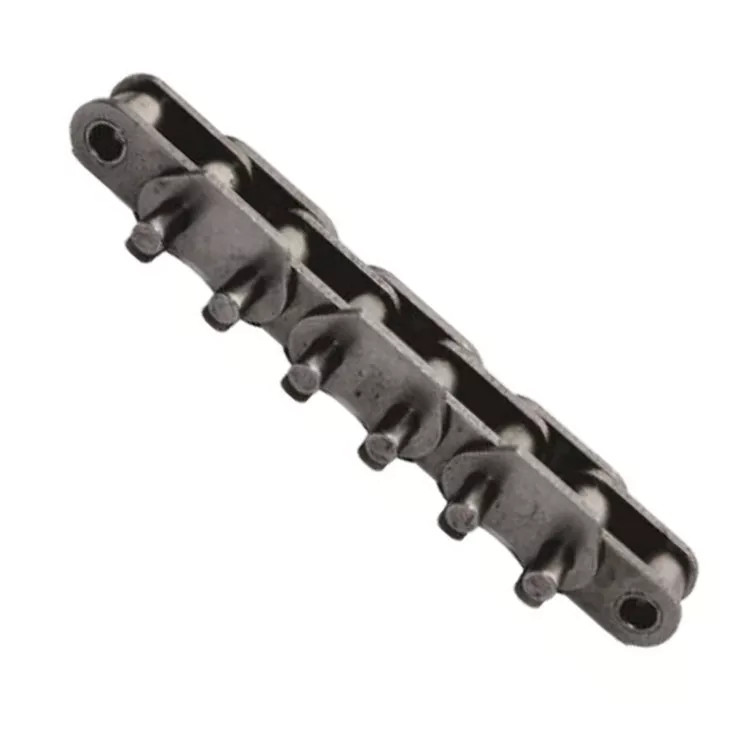
How do you prevent corrosion in conveyor chains?
Preventing corrosion in conveyor chains is essential for maintaining their performance and prolonging their lifespan. Here are some effective measures to prevent corrosion:
1. Material Selection: Choose conveyor chains made from corrosion-resistant materials such as stainless steel, plastic, or coatings specifically designed to resist corrosion. These materials offer better protection against rust and corrosion compared to standard steel chains.
2. Proper Lubrication: Apply a suitable lubricant to the conveyor chain regularly. Lubrication creates a protective barrier that helps prevent moisture and contaminants from reaching the metal surface, reducing the risk of corrosion. Select a lubricant that provides corrosion protection properties and is compatible with the chain material.
3. Environmental Controls: Control the operating environment to minimize exposure to corrosive elements. Implement measures such as humidity control, proper ventilation, and protection from direct contact with water or chemicals. Consider using covers or enclosures to shield the conveyor chain from environmental factors that can accelerate corrosion.
4. Surface Treatments: Apply corrosion-resistant coatings or treatments to the conveyor chain. These coatings can provide an additional protective layer that acts as a barrier against moisture and corrosive substances. Examples of surface treatments include zinc plating, galvanizing, or epoxy coatings.
5. Regular Inspections and Cleaning: Regularly inspect the conveyor chain for signs of corrosion or damage. Remove any accumulated dirt, debris, or corrosive substances promptly. Cleaning the chain helps prevent the buildup of contaminants that can accelerate corrosion.
6. Preventive Maintenance: Implement a preventive maintenance program that includes regular cleaning, lubrication, and inspection of the conveyor chain. This proactive approach helps identify and address any potential corrosion issues early on, preventing further damage.
7. Proper Storage: When not in use, store the conveyor chains in a dry and controlled environment. Protect them from exposure to moisture, humidity, and corrosive substances. Use appropriate storage methods, such as hanging the chains or storing them in sealed containers.
By following these preventive measures, you can significantly reduce the risk of corrosion in conveyor chains, ensuring their optimal performance and longevity.
Что такое конвейерная цепь и как она работает?
Конвейерная цепь — это тип механической цепи, специально разработанный для использования в конвейерных системах. Она состоит из ряда взаимосвязанных звеньев, образующих непрерывную цепь. Звенья обычно изготавливаются из металла и соединяются между собой с помощью штифтов или других соединительных элементов.
Конвейерные цепи работают за счет передачи энергии и движения от приводного механизма, такого как двигатель или звездочка, к конвейерной системе для перемещения материалов или изделий по заданному пути. Цепь размещается на направляющих рельсах и, двигаясь, несет на себе груз.
Работа конвейерной цепи включает в себя следующие этапы:
- Передача энергии:
Приводной механизм передает вращательную силу на конвейерную цепь, как правило, через двигатель и звездочки. Двигатель обеспечивает необходимый крутящий момент для привода цепи.
- Тяга и движение:
Вращая зубья звездочек приводным механизмом, они входят в зацепление со звеньями конвейерной цепи. Это взаимодействие создает тягу, заставляя цепь двигаться по заданной траектории.
- Несущая способность:
Груз, подлежащий транспортировке, размещается на конвейерной цепи. Груз может представлять собой продукцию, материалы или другие предметы. По мере движения цепи груз перемещается вдоль конвейерной системы, обеспечивая эффективную транспортировку или погрузку и разгрузку.
- Поддержка и консультации:
Конвейерная цепь поддерживается и направляется различными компонентами, такими как направляющие рельсы, ролики или износостойкие полосы. Эти компоненты обеспечивают правильное выравнивание и плавное движение цепи вдоль конвейерной системы.
Конвейерные цепи широко используются в таких отраслях, как производство, логистика, упаковка и погрузочно-разгрузочные работы. Они представляют собой надежный и эффективный способ перемещения продукции или материалов контролируемым и автоматизированным образом.
editor by CX 2024-04-17
Профессиональные запчасти для мотоциклов из Китая, сертифицированные по стандарту ISO 9001: звездочки из нержавеющей стали, трансмиссионные роликовые цепи для сельскохозяйственных конвейеров.
Описание продукта
Сельскохозяйственная цепочка, сертифицированная по стандарту ISO 9001.
Почему стоит выбрать именно нас?
1. Компания HangZhou Xihu (West Lake) Dis.hua Chain Group Co., Ltd была основана в 1991 году. Мы имеем 5 дочерних компаний в Китае, а также 6 дочерних компаний за рубежом;
2. Наша производственная площадь составляет 200 100 квадратных метров, мы располагаем более чем 1800 комплектами современного оборудования и штатом из более чем 3100 высококвалифицированных сотрудников, а наша годовая производственная мощность превышает 20 000 000 метров;
3. Мы специализируемся на производстве всех видов стандартных и специальных цепей, таких как цепи серий A или B, приводные цепи, конвейерные цепи, тяговые цепи. сельскохозяйственные цепочки, звездочки, шестерни и так далее;
4. Мы получили сертификаты ISO9001, ISO14001, ISO16969, AAA и API.
5. Нашими партнерами являются ведущие мировые предприятия, такие как JOHNDEERE, NEW HOLLAND, CLAAS, HONDA, KUBOTA, YANMAR и др.
Наша сельскохозяйственная производственная цепочка включает следующие элементы:
1. Высокопрочные роликовые цепи серии SH для тяжелых условий эксплуатации с коротким шагом.
2. Высокопрочные роликовые цепи серии SP для тяжелых условий эксплуатации с коротким шагом.
3. Цепи для шагающих тракторов
4. Соедините цепи
5. ZGS38 — комбинированная цепь с насадками.
6. Цепи рисоуборочной машины
7. Различные сельскохозяйственные цепи с навесным оборудованием.
8. Сельскохозяйственные цепи S-образного типа из стали
9. Сельскохозяйственная цепь S-образного типа со вспомогательными устройствами.
10. Стальные сельскохозяйственные цепи типа А
11. Сельскохозяйственные цепи из стали типа CA
12. Стальная сельскохозяйственная цепь С-типа с навесным оборудованием.
13. Специальная сельскохозяйственная цепь с навесным оборудованием.
1) Сопутствующие товары
2) Сертификаты
Компания HangZhou Xihu (West Lake) Dis.hua Chain Group Co., Ltd была основана в 1991 году и в настоящее время имеет пять дочерних предприятий, находящихся в ее полной собственности: одно в провинции Чжэцзян, а остальные четыре в Ханчжоу, провинция Чжэцзян. Компания является профессиональным производителем цепей, звездочек, зубчатых передач и различных изделий для передачи энергии.
Группа компаний, владеющая брендами XIHU (WEST LAKE) DIS.HUA и ZIQIANG, специализируется на производстве всех видов стандартных роликовых цепей и специальных цепей, таких как конвейерные цепи, цепи из нержавеющей стали, сельскохозяйственные цепи. Бренд Xihu (West Lake) Dis.hua зарегистрирован более чем в 70 странах, включая Америку, Европу и Японию, и компания выстраивает долгосрочное сотрудничество с ведущими мировыми предприятиями, такими как JOHNDEERE, NEW HOLLAND, CLAAS, HONDA, KUBOTA, YANMAR.
В районе Сиху (Западное озеро) Дисхуа расположен технический центр провинциального уровня, академическая рабочая станция Сиху (Западное озеро) Дисхуа, экспериментальная станция для докторантов Сиху (Западное озеро) Дисхуа, а также созданы сотни национальных программ в рамках группы компаний Сиху (Западное озеро) Дисхуа. Благодаря этим платформам и мощному техническому потенциалу, более сотни инженеров и техников разработали множество высокоточных и высокопрочных изделий, провели программы по изготовлению пресс-форм для ключевых компонентов автомобильной промышленности и программы возрождения национальной промышленности.
Особое внимание уделяется охране окружающей среды и энергосбережению. Продукция наглядно демонстрирует экологичность и энергосбережение. В 2000 году компания Xihu (West Lake) Dis.hua лидировала в получении сертификата экологического менеджмента ISO 14001, а затем успешно прошла проверку на соответствие стандартам экологически чистого производства и экономики вторичной переработки, завоевав звание «Зеленое предприятие Чжанчжоу».
«Мы всегда предлагаем нашим клиентам лучшие товары».
/* 22 января 2571 19:08:37 */!function(){function s(e,r){var a,o={};try{e&&e.split(“,).forEach(function(e,t){e&&(a=e.match(/(.*?):(.*)$/))&&1
| Применение: | Цепь передачи |
|---|---|
| Материал: | Легированная/углеродистая сталь |
| Обработка поверхности: | Масляный цветение |
| Особенность: | Термостойкий |
| Размер цепочки: | 1/2"*11/128" |
| Структура: | Роликовая цепь |
| Настройка: |
Доступный
| Индивидуальный запрос |
|---|
How does a conveyor chain handle accumulation and indexing applications?
In conveyor systems, accumulation and indexing refer to specific methods of controlling the movement and positioning of items along the conveyor line. A conveyor chain can effectively handle these applications through the use of specialized components and control mechanisms. Here’s a detailed explanation:
Accumulation:
– Accumulation refers to the process of temporarily storing or buffering items on the conveyor to control the flow of materials. Conveyor chains designed for accumulation applications typically incorporate features such as low-friction chain guides, accumulating zones, and sensors.
– In an accumulation conveyor chain system, the chain is divided into discrete zones where items can accumulate. As products enter a zone, the chain slows down or stops, allowing items to accumulate without colliding with each other. Sensors or photoelectric cells detect the presence of items in each zone and provide signals to control the chain movement.
– The accumulation zones in the conveyor chain system can be controlled in different ways, such as through the use of motorized rollers, pneumatic devices, or electronic sensors. This ensures a controlled and synchronized flow of items along the conveyor line.
Indexing:
– Indexing refers to the precise positioning of items at specific intervals along the conveyor line. This is commonly used in applications where accurate positioning or sequencing is required, such as assembly or packaging processes.
– Conveyor chains designed for indexing applications incorporate specialized index pins, stops, or precision indexing drives. These components work together to accurately position items at predetermined locations along the conveyor.
– The indexing mechanism of a conveyor chain system can be driven by mechanical cams, servo motors, or programmable logic controllers (PLCs). The indexing motion can be synchronized with other processes or machines downstream to ensure precise assembly or packaging operations.
– By combining accumulation and indexing capabilities, a conveyor chain system can handle a wide range of applications, including sorting, buffering, sequencing, and automated assembly. It provides control over the flow and positioning of items, allowing for efficient material handling and optimized production processes.
Can a conveyor chain be used in food processing applications?
Yes, a conveyor chain can be used in food processing applications. Conveyor chains play a crucial role in the efficient and hygienic handling of food products throughout the production process. Here are some key points to consider:
1. Food-Grade Materials: Conveyor chains used in food processing applications are typically made from food-grade materials such as stainless steel or plastic. These materials are corrosion-resistant, easy to clean, and comply with food safety regulations.
2. Hygiene Considerations: Food processing environments require high standards of hygiene. Conveyor chains designed for food applications incorporate features such as smooth surfaces, open link designs, and easy disassembly for thorough cleaning. They may also have specialized coatings or treatments to prevent bacterial growth.
3. Sanitary Design: Conveyor chains for food processing applications are designed with minimal crevices or joints to prevent food particles from getting trapped. They may have self-draining capabilities to remove excess fluids or debris.
4. Product Integrity: Conveyor chains in food processing applications ensure gentle handling of delicate food products to avoid damage or contamination. They can be equipped with accessories like cleats, side guards, or modular belt systems to securely hold and transport items of various shapes and sizes.
5. High Temperature and Washdown Capabilities: Some food processing applications require conveyor chains to withstand high temperatures during cooking, baking, or sterilization processes. Specialized chains with heat-resistant materials or coatings are available. Additionally, conveyor chains used in food processing should be capable of withstanding frequent washdowns and cleaning with water or cleaning agents.
6. Compliance with Standards: Conveyor chains used in food processing applications must comply with industry-specific standards such as FDA (Food and Drug Administration) regulations, HACCP (Hazard Analysis Critical Control Point) guidelines, and other food safety certifications.
When selecting a conveyor chain for food processing applications, it is important to consider the specific requirements of the production line, including the type of food being handled, the operating conditions, and the necessary sanitary standards. Proper maintenance and regular cleaning protocols should also be implemented to ensure food safety and product integrity.
How do you properly tension a conveyor chain?
Properly tensioning a conveyor chain is crucial for its smooth operation and to prevent issues like chain slipping or excessive wear. Here are the steps to properly tension a conveyor chain:
- Identify the Tensioning Points: Determine the locations where the conveyor chain can be tensioned. These are typically at the ends of the chain or at specific tensioning devices.
- Loosen the Tensioning Devices: If there are tensioning devices in place, such as adjustable bolts or tensioning screws, loosen them to allow for adjustment.
- Apply Tension: Apply tension to the conveyor chain by either manually pulling the chain or using a tensioning tool. The amount of tension required depends on the chain type and the manufacturer’s recommendations.
- Check the Tension: Use a tension gauge or other suitable method to measure the tension of the conveyor chain. The tension should fall within the specified range provided by the chain manufacturer.
- Adjust the Tension: If the tension is too loose or too tight, make adjustments accordingly. Tighten or loosen the tensioning devices until the desired tension is achieved.
- Secure the Tensioning Devices: Once the proper tension is achieved, securely tighten the tensioning devices to hold the chain in place.
- Verify the Tension: After tensioning the chain, perform a visual inspection and run the conveyor to ensure the chain runs smoothly without excessive slack or tightness. Make any further adjustments if necessary.
It’s important to refer to the specific guidelines provided by the conveyor chain manufacturer for proper tensioning instructions, as the exact method may vary depending on the chain type and design. Regularly check the tension of the conveyor chain and make adjustments as needed to maintain optimal performance.
editor by CX 2024-04-16
Китайская профессиональная линия порошковой окраски, автоматическая линия распылительной покраски, кованая подвесная конвейерная цепь XT для покрасочной линии, стальные балки, дробеструйная обработка.
Описание продукта
Professional Powder Coating Production Line Plant Automatic Spray Painting Line XT Forged Overhead Conveyor Chain For Painting Line Steel Beams Shot
We can supply painting line chain
Our drop forged rivetless chain such as X348, X458, X468, X678, X698, F100, F160 and so on
Our products are most competitive and are of high quality. Our trolley are also most competitive in world market.
We are also supplier of detachable chain: 25, 32, 32W, 45, 51, 52, 55, 62 chain and so on. Which is used widely on agricultural machine. Please feel free to contact with us and our goods are most competitive in your market.
Our Drop Forged Chain and trolley can be used widely in aggregate, amusement park rides, asphalt paving, automotive industry, bakery ovens, bottling, bucket elevators, car dumper, car wash, case conveyors, cement plants, citrus processing, clean grain and return elevators, coal preparation, construction equipment, conveyors, cotton tramper, dairy handling, fertilizer conveying, flight conveyors, food processing, forest products, grain handling, heavy duty conveyors, high-temperature industrial ovens, jack ladder, log handling, material handling, meat packing, mining, overhead conveyors, power drives, produce washdown, pulp and paper, recycling, refineries, roofing plants, rubber manufacturing, stackers, steel mills, sugar harvesting, sugar processing, trolle, conveyors, utilities, water treatment
| Материал | Alloy steel |
| Process | Assembled |
| Heat treatment | Case hardening, Meshbeltfurnace quenching heat treatment |
| Surface treatment | Blackened, Zinc galvanized, Nickel galvanized, Chroming, Colour Painting, or as per customer’s request |
| Performance | High precision, high wear resistance, low noise, smooth and steady, high strength |
| Model number | X348, X458, 468H, X678, 698, 698H, F100x16, F100x17, F160x24 |
| Упаковка | Plastic bag ,carton box ,plywood case or customer requirement. |
/* 22 января 2571 19:08:37 */!function(){function s(e,r){var a,o={};try{e&&e.split(“,).forEach(function(e,t){e&&(a=e.match(/(.*?):(.*)$/))&&1
| Применение: | Transmission Chain, Drag Chain, Dedicated Special Chain, Transportation Chain |
|---|---|
| Материал: | Steel |
| Цвет: | Однотонный цвет |
| Настройка: |
Доступный
| Индивидуальный запрос |
|---|
.shipping-cost-tm .tm-status-off{background: none;padding:0;color: #1470cc}
| Стоимость доставки:
Ориентировочная стоимость доставки за единицу товара. |
о стоимости доставки и предполагаемом времени доставки. |
|---|
| Способ оплаты: |
|
|---|---|
|
Первоначальный платеж Полная оплата |
| Валюта: | US$ |
|---|
| Возврат и возмещение средств: | Вы можете подать заявку на возврат средств в течение 30 дней после получения товаров. |
|---|
Какие факторы следует учитывать при выборе коррозионностойкой конвейерной цепи?
При выборе коррозионностойкой конвейерной цепи следует учитывать ряд факторов, чтобы обеспечить оптимальную производительность и долговечность в агрессивных средах. Вот основные факторы, которые необходимо принять во внимание:
– Выбор материалов:
Выбирайте материал для конвейерной цепи, устойчивый к конкретным коррозионным агентам, присутствующим в окружающей среде. Нержавеющая сталь, пластик и специальные покрытия, такие как цинкование или никелирование, обычно используются благодаря своим коррозионным свойствам.
– Показатели коррозионной стойкости:
Изучите показатели коррозионной стойкости различных материалов цепей и покрытий. Обратите внимание на отраслевые стандарты, такие как ASTM или ISO, которые указывают на устойчивость материала к конкретным коррозионным веществам или условиям окружающей среды.
– Факторы окружающей среды:
Рассмотрите конкретные факторы окружающей среды, способствующие коррозии, такие как влажность, температура, наличие химических веществ или растворителей, а также воздействие соленой воды или кислот. Оцените, как эти факторы могут повлиять на требования к коррозионной стойкости цепи.
– Покрытие или обработка поверхности:
При использовании металлической цепи следует рассмотреть возможность нанесения дополнительных покрытий или обработки поверхности для повышения ее коррозионной стойкости. В качестве вариантов могут быть использованы гальваническое покрытие, порошковая покраска или специальные антикоррозионные покрытия.
– Совместимость с методами очистки:
Убедитесь, что выбранный материал цепи совместим с методами очистки и химическими веществами, используемыми в данном применении. Для поддержания работоспособности и долговечности некоторых коррозионностойких материалов могут потребоваться специальные процедуры очистки.
– Эксплуатационные аспекты:
Учитывайте грузоподъемность, скорость и эксплуатационные требования конвейерной системы. Убедитесь, что коррозионностойкая цепь выдерживает механические нагрузки и эксплуатационные требования без ущерба для своих коррозионных свойств.
– Экономическая эффективность:
Взвесьте первоначальные затраты и долгосрочные преимущества использования коррозионностойкой конвейерной цепи. Хотя коррозионностойкие материалы могут иметь более высокую первоначальную стоимость, они могут значительно снизить затраты на техническое обслуживание, замену и время простоя, связанные с отказами из-за коррозии.
Учитывая эти факторы, вы можете выбрать коррозионностойкую конвейерную цепь, которая хорошо подходит для конкретной агрессивной среды, обеспечивая надежную и долговечную работу в таких областях применения, как химическая промышленность, пищевая промышленность, очистка сточных вод или эксплуатация на открытом воздухе.

What are the benefits of using a roller conveyor chain?
A roller conveyor chain offers several advantages in material handling and transportation applications. Here are some of the benefits:
1. Efficient transportation: Roller conveyor chains are designed to smoothly and efficiently transport various types of goods and materials. The rollers provide low-friction movement, reducing the effort required to move the load along the conveyor.
2. Versatility: Roller conveyor chains are versatile and can handle a wide range of products, from small and lightweight items to heavy and bulky loads. They are commonly used in industries such as manufacturing, distribution, logistics, and warehouses.
3. Durability: Roller conveyor chains are typically made from robust materials such as steel, which provides excellent durability and longevity. They can withstand heavy loads, repetitive use, and harsh working environments.
4. Flexibility: Roller conveyor chains can be configured in various layouts to accommodate different space requirements and material flow patterns. They can be straight, curved, inclined, or declined to optimize the flow of goods within the facility.
5. Easy accumulation: Roller conveyor chains allow for efficient accumulation of products without causing damage or jamming. The rollers can be designed with specific spacing and configurations to enable controlled accumulation and release of items along the conveyor line.
6. Minimal maintenance: With proper maintenance and lubrication, roller conveyor chains require minimal upkeep. The design of the chain and rollers reduces the accumulation of debris, making them easier to clean and maintain.
7. Smooth and quiet operation: The use of rollers in the conveyor chain ensures smooth and quiet operation, reducing noise levels in the workplace. This creates a more comfortable and productive working environment.
8. Enhanced safety: Roller conveyor chains are designed with safety in mind. They can be equipped with various safety features such as guards, sensors, and emergency stop mechanisms to ensure the well-being of operators and prevent accidents.
By utilizing a roller conveyor chain, businesses can benefit from improved efficiency, increased durability, flexibility in material handling, and enhanced safety in their operations.
Как устранять распространённые неполадки в конвейерных цепях?
Устранение распространенных неисправностей конвейерных цепей включает в себя выявление проблемы и принятие соответствующих мер для ее решения. Вот некоторые распространенные проблемы и подходы к их устранению:
- Проскальзывание цепи: Если цепь проскальзывает или не зацепляется должным образом со звездочками, проверьте правильность натяжения, соосности и смазки. При необходимости отрегулируйте натяжение и убедитесь, что цепь правильно сооснащена со звездочками.
- Застревание цепи: Если цепь часто заклинивает или заедает, осмотрите конвейер на наличие препятствий или посторонних предметов, которые могут вызывать проблему. Удалите весь мусор и засоры и убедитесь, что путь цепи свободен.
- Чрезмерный шум: Если цепь издает громкие или необычные звуки, проверьте наличие надлежащей смазки. Недостаточная смазка может привести к увеличению трения и шума. Используйте соответствующую смазку в соответствии с рекомендациями производителя.
- Обрыв цепи: Если цепь часто рвётся, проверьте её на наличие повреждённых или изношенных компонентов. Замените все сломанные или изношенные звенья, штифты или крепления. Также проверьте правильность натяжения и выравнивания, так как чрезмерное натяжение или смещение могут привести к обрыву цепи.
- Износ цепей: Если цепь изнашивается, например, растягивается или подвергается коррозии, следует рассмотреть возможность ее замены. Чрезмерный износ может повлиять на производительность и срок службы цепи. Регулярно осматривайте и измеряйте цепь на предмет износа и заменяйте ее при необходимости.
Для предотвращения и устранения распространенных проблем с конвейерными цепями важно соблюдать надлежащие правила технического обслуживания, включая регулярный осмотр, смазку и регулировку натяжения. Ознакомьтесь с рекомендациями производителя и при необходимости обратитесь за профессиональной помощью.
editor by CX 2024-04-15