مصنوعات کی تفصیل
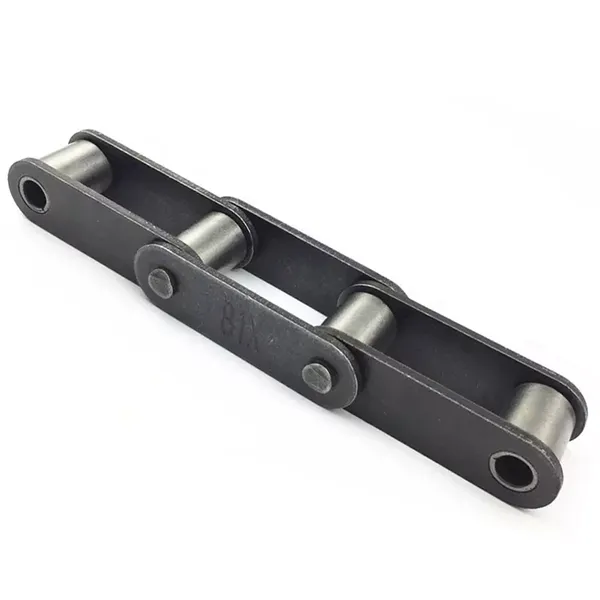
| Name | Factory Direct Sale Steel Detachable Link Chain Detachable Chain |
| Material | Steel |
| Surface | Painted or Others |
| Port | HangZhou in China |
| Sample | Sample is free of charge, freight covered by customer |
| Packing | Carton,Bag,Pallet Or Others |
| D/T | 30 days after order confirmation |
اکثر پوچھے گئے سوالات
>> 1.Are you a factory or a trading company?
We are a factory. We have been focused on forging nearly 30 years.
>> 2.How do you control your quality?
1: Design control
2:Incoming inspection
3:Dimensional control
4:Tensile tests
5:Quality inspection before delivery
| Usage: | Transmission Chain, Conveyor Chain |
|---|---|
| مواد: | Steel |
| Feature: | Heat Resistant |
| ساخت: | Detachable Chain |
| Color: | Black |
| Technology: | Forging |
| نمونے: |
US$ 0/ٹکڑا
1 ٹکڑا (کم سے کم آرڈر) | |
|---|
| حسب ضرورت: |
دستیاب ہے۔
| اپنی مرضی کے مطابق درخواست |
|---|

Can a conveyor chain be used in extreme temperature environments?
Yes, conveyor chains can be designed and manufactured to withstand extreme temperature environments. The suitability of a conveyor chain for high or low-temperature applications depends on the material composition and construction of the chain.
1. High-Temperature Environments: For applications involving high temperatures, conveyor chains made of heat-resistant materials such as stainless steel or special alloys are commonly used. These chains can withstand elevated temperatures without significant deformation or loss of strength. They are designed to resist oxidation, corrosion, and thermal expansion, ensuring reliable performance in hot environments.
2. Low-Temperature Environments: Similarly, conveyor chains can also be engineered for low-temperature applications. In cold environments, chains made of materials that remain ductile and strong at low temperatures are utilized. These chains are designed to withstand the effects of cold temperatures without becoming brittle or losing their mechanical properties.
It’s important to consult with conveyor chain manufacturers or experts who specialize in extreme temperature applications to select the most suitable chain material and design. They can provide guidance on factors such as material selection, lubrication, and operational considerations to ensure the conveyor chain performs effectively and reliably in extreme temperature environments.

کنویئر چین مجموعی پیداواری کارکردگی میں کس طرح حصہ ڈالتا ہے؟
کنویئر چین مختلف صنعتوں میں مجموعی پیداواری کارکردگی کو بڑھانے میں اہم کردار ادا کرتا ہے۔ یہاں وہ طریقے ہیں جن میں یہ کارکردگی میں حصہ ڈالتا ہے:
1. مسلسل مواد کا بہاؤ: ایک کنویئر چین مسلسل اور بلاتعطل مواد کے بہاؤ کو ایک نقطہ سے دوسرے مقام تک قابل بناتا ہے۔ یہ سامان کی دستی ہینڈلنگ یا نقل و حمل کی ضرورت کو ختم کرتا ہے، ڈاؤن ٹائم کو کم کرتا ہے اور پیداواری عمل میں تاخیر کرتا ہے۔
2. تھرو پٹ میں اضافہ: میٹریل ہینڈلنگ کو خودکار بنا کر، کنویئر چین سامان کی تیز رفتار اور زیادہ موثر نقل و حرکت کے قابل بناتا ہے۔ یہ وسائل کے زیادہ سے زیادہ استعمال اور سائیکل کے اوقات کو کم کرنے، زیادہ سے زیادہ تھرو پٹ اور پیداوار کی شرحوں کی اجازت دیتا ہے۔
3. بہتر پیداواری صلاحیت: کنویئر چین کے ساتھ، ملازمین دستی مواد کو سنبھالنے کے بجائے ویلیو ایڈڈ کاموں پر توجہ مرکوز کر سکتے ہیں۔ اس سے پیداواری صلاحیت میں بہتری آتی ہے کیونکہ کارکن زیادہ ہنر مند اور اہم کاموں پر توجہ دے سکتے ہیں۔
4. موثر وسائل کی تقسیم: ایک اچھی طرح سے ڈیزائن کیا گیا کنویئر چین سسٹم جگہ کے استعمال کو بہتر بناتا ہے، جس سے پیداواری علاقوں کی موثر ترتیب اور تنظیم ہوتی ہے۔ یہ ورک فلو کو ہموار کرنے اور وسائل کے ضیاع کو کم کرنے میں مدد کرتا ہے جیسے کہ فرش کی جگہ، افرادی قوت اور سامان۔
5. کوالٹی کنٹرول: پیداوار کے مختلف مراحل پر کوالٹی کنٹرول کو یقینی بنانے کے لیے کنویئر چینز کو معائنہ اسٹیشنوں یا خودکار عمل کے ساتھ مربوط کیا جا سکتا ہے۔ یہ کسی بھی نقائص یا عدم مطابقت کا پتہ لگانے اور اسے درست کرنے میں مدد کرتا ہے، ناقص مصنوعات کے مارکیٹ تک پہنچنے کے امکانات کو کم کرتا ہے۔
6. مواد کی ہینڈلنگ کے اخراجات میں کمی: دستی مواد کی ہینڈلنگ کو ختم یا کم کرنے سے، کنویئر چین نقل و حمل، اٹھانے، اور سامان لے جانے سے وابستہ مزدوری کے اخراجات کو کم کرتی ہے۔ یہ دستی ہینڈلنگ سے متعلق چوٹوں یا حادثات کے خطرے کو بھی کم کرتا ہے۔
7. لچک اور موافقت: کنویئر زنجیروں کو مخصوص پیداواری ضروریات کے مطابق بنایا جا سکتا ہے۔ انہیں مختلف قسم کی مصنوعات کو ایڈجسٹ کرنے، مختلف بوجھ کی صلاحیتوں کو سنبھالنے، اور پیداواری تقاضوں میں تبدیلیوں کے مطابق ڈھالنے کے لیے ڈیزائن کیا جا سکتا ہے۔ یہ لچک موجودہ پروڈکشن سسٹم اور آسان اسکیل ایبلٹی کے ساتھ ہموار انضمام کی اجازت دیتی ہے۔
8. سیفٹی اور ایرگونومکس: کنویئر چینز میں حفاظتی خصوصیات جیسے گارڈز، ایمرجنسی اسٹاپ بٹن، اور انٹرلاک شامل ہوتے ہیں تاکہ کارکن کی حفاظت کو یقینی بنایا جا سکے۔ وہ کارکنوں پر جسمانی دباؤ کو کم کرکے اور پٹھوں کی چوٹوں کے خطرے کو کم کرکے ایرگونومک طریقوں کو بھی فروغ دیتے ہیں۔
مجموعی طور پر، ایک اچھی طرح سے ڈیزائن کیا گیا اور مناسب طریقے سے برقرار رکھا ہوا کنویئر چین سسٹم مادی بہاؤ کو بہتر بنا کر، تھرو پٹ میں اضافہ، پیداواری صلاحیت کو بہتر بنا کر، لاگت کو کم کر کے، کوالٹی کنٹرول کو یقینی بنا کر، اور ورکرز کی حفاظت کو ترجیح دے کر پیداواری کارکردگی کو بڑھاتا ہے۔
What are the common causes of conveyor chain failures?
Conveyor chain failures can occur due to various reasons, and identifying the root cause is crucial for preventing future issues. Here are some common causes of conveyor chain failures:
- Lack of Lubrication: Insufficient or improper lubrication can lead to increased friction and wear on the chain components, resulting in premature failure.
- Excessive Load: Overloading the conveyor chain beyond its rated capacity can cause excessive stress and strain, leading to chain elongation, deformation, or link breakage.
- Misalignment: Improper alignment of the conveyor chain can cause uneven loading and excessive wear on specific areas, leading to chain failure.
- Environmental Factors: Harsh operating environments, such as high temperatures, corrosive substances, or abrasive materials, can accelerate chain wear and corrosion, leading to failure.
- Foreign Objects: The presence of foreign objects or debris on the conveyor system can interfere with the movement of the chain, causing jamming, binding, or chain damage.
- Poor Maintenance: Inadequate maintenance practices, such as irregular inspections, failure to address minor issues promptly, or neglecting to replace worn components, can contribute to chain failures.
- Incorrect Installation: Improper installation, including incorrect tensioning, misalignment, or using incompatible components, can result in premature chain failure.
- Fatigue and Wear: Continuous operation over time can lead to fatigue and wear in the chain, especially in high-speed or heavy-duty applications, resulting in eventual failure.
Regular maintenance, proper lubrication, adequate training for operators, and adherence to manufacturer guidelines can help mitigate these common causes of conveyor chain failures. Conducting routine inspections, promptly addressing issues, and replacing worn components can also significantly extend the life of the conveyor chain.


editor by CX 2023-10-25