مصنوعات کی تفصیل
| ماڈل نمبر | 06C/08A/10A/12A/16A/20A/24A/28A/32A/40A/06B/08B/10B/12B/16B/20B/24B/28B/32B/40B-1/2/3 ہیوی ڈیوٹی |
| چین ماڈل | رولر چینز |
| ساخت (زنجیر کے لیے) | رولر چین |
| تفصیلات | GB/T، DIN، ANSI، ISO، BS، JIS۔ |
| اصل | ہانگ زو، جیانگ |
| رنگ | ٹھوس رنگ |
| زنجیر کا رنگ | اپنی مرضی کے مطابق |
ہماری کمپنی
وولف چین کمپنی چین میں پیشہ ورانہ چین مینوفیکچررز میں سے 1 ہے۔ ہم مشہور برانڈز - "DOVON" اور "DECHO" کے ساتھ چین ڈرائیو کی دوبارہ تحقیق، تیاری اور تجارت پر توجہ مرکوز کرتے ہیں۔ ہم بہت سے مشہور کاروباری اداروں جیسے SUZUKI، XIHU (WEST LAKE) DIS.، FAW، AGCO، JUMING کے لیے بھی OEM خدمات فراہم کرتے ہیں۔
وولف بنیادی طور پر ٹرانسمیشن چینز، کنویئر چینز، ڈریگنگ چینز، سائلنٹ چینز، لیف چینز، رولر چینز، اسپیشل چین اور بہت سی دوسری سیریز کی مصنوعات تیار کرتا ہے۔ ہمارے تکنیکی ماہرین نے چین کے معیار کو عالمی سطح پر بہتر کیا ہے۔ اعلی معیار کے مواد کا انتخاب، طاقتور اور درست گرمی کے علاج کی ٹیکنالوجی اور بہترین اسمبلی کے طریقے اس بات کو یقینی بناتے ہیں کہ وولف چینز مشینوں اور گاڑیوں کے لیے سخت اور سخت تقاضوں کو پورا کرتی ہیں۔
ہماری تمام مصنوعات مکمل طور پر بین الاقوامی معیار کے مطابق ہیں جیسے ISO\DIN\ANSI\BS\JIS وغیرہ۔ Wolff کو ISO9001 کوالٹی مینجمنٹ سسٹم، SGS معائنہ اور BV معائنہ سے کامیابی کے ساتھ تصدیق شدہ ہے۔ وولف چینز کو آٹوموبائل، موٹرسائیکل، فورک لفٹ، ووڈ پروسیسنگ مشین، کنسٹرکچر مشین، پیکنگ مشین، فوڈ مشین، تمباکو مشین اور زرعی آلات سمیت بہت سی صنعتوں پر بڑے پیمانے پر لاگو کیا جا سکتا ہے۔ وولف چینز امریکہ، جنوبی امریکہ، یورپ، مشرق وسطیٰ، جنوب مشرقی ایشیا اور افریقہ کے بازاروں میں مقبول ہیں۔
ہماری ورکشاپ
ہماری سرٹیفیکیشن
ہماری نمائش میں خوش آمدید
اکثر پوچھے گئے سوالات
سوال1. آپ کی پیکنگ کی شرائط کیا ہیں؟
A: عام طور پر، ہم اپنے سامان کو ایک رنگ کے باکس میں پیک کرتے ہیں. اگر آپ کے پاس پیکنگ کے بارے میں خصوصی درخواست ہے تو، براہ کرم ہمارے ساتھ پہلے سے بات چیت کریں، ہم آپ کی درخواست کے مطابق سامان پیک کر سکتے ہیں۔
Q2. آپ کی ادائیگی کی شرائط کیا ہیں؟
A: T/T 30% بطور ڈپازٹ، اور ترسیل سے پہلے 70%۔ ہم آپ کو مصنوعات اور پیکجز کی تصاویر دکھائیں گے۔
اس سے پہلے کہ آپ بیلنس ادا کریں۔ دیگر ادائیگی کی شرائط، pls پیشگی ہمارے ساتھ بات چیت، ہم بات چیت کر سکتے ہیں.
Q3. آپ کی ترسیل کی شرائط کیا ہیں؟
A: EXW، FOB، CFR، CIF۔
Q4. آپ کی ترسیل کے وقت کے بارے میں کیا خیال ہے؟
A: عام طور پر، آپ کی پیشگی ادائیگی حاصل کرنے کے بعد 25 سے 30 دن لگیں گے۔ مخصوص ترسیل کے وقت پر منحصر ہے
اشیاء اور آپ کے آرڈر کی مقدار پر۔
Q5. کیا آپ نمونے کے مطابق پیدا کر سکتے ہیں؟
A: جی ہاں، ہم آپ کے نمونے یا تکنیکی ڈرائنگ کی طرف سے پیدا کر سکتے ہیں. ہم سانچوں اور فکسچر کی تعمیر کر سکتے ہیں.
Q6. آپ کی نمونہ پالیسی کیا ہے؟
A: اگر ہمارے پاس اسٹاک میں تیار حصے ہیں تو ہم نمونہ فراہم کر سکتے ہیں، لیکن صارفین کو نمونہ کی قیمت ادا کرنی ہوگی۔
کورئیر کی قیمت۔ ہم نمونے کے آرڈر کا خیرمقدم کرتے ہیں۔
Q7. کیا آپ ترسیل سے پہلے اپنے تمام سامان کی جانچ کرتے ہیں؟
A: جی ہاں، ہمارے پاس ترسیل سے پہلے 100% ٹیسٹ ہے
Q8: آپ ہمارے کاروبار کو طویل مدتی اور اچھے تعلقات کیسے بناتے ہیں؟
1. ہم اپنے صارفین کے فائدے کو یقینی بنانے کے لیے اچھے معیار اور مسابقتی قیمت رکھتے ہیں۔
2. ہم ہر گاہک کا اپنے دوست کی طرح احترام کرتے ہیں اور ہم خلوص نیت سے کاروبار کرتے ہیں اور ان کے ساتھ دوستی کرتے ہیں،
اس بات سے کوئی فرق نہیں پڑتا ہے کہ وہ کہاں سے آتے ہیں.
| معیاری یا غیر معیاری: | معیاری |
|---|---|
| درخواست: | ٹیکسٹائل مشینری، گارمنٹ مشینری، کنویئر کا سامان، پیکجنگ مشینری، فوڈ مشینری، میرین، کان کنی کا سامان |
| سطح کا علاج: | تیل کھلنا |
| ساخت: | رولر چین |
| مواد: | کاربن اسٹیل |
| قسم: | شارٹ پچ چین |
| نمونے: |
US$ 0/ٹکڑا
1 ٹکڑا (کم سے کم آرڈر) | |
|---|
| حسب ضرورت: |
دستیاب ہے۔
| اپنی مرضی کے مطابق درخواست |
|---|
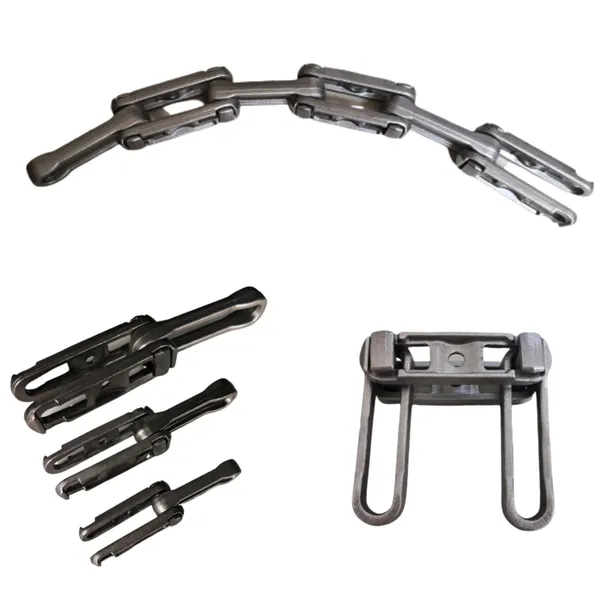
Can a conveyor chain be used in cleanroom environments?
Yes, conveyor chains can be used in cleanroom environments with proper selection and design considerations. Cleanroom environments require stringent control of airborne particles, such as dust, microbes, and contaminants, to maintain high levels of cleanliness. Here are some factors to consider when using a conveyor chain in a cleanroom:
1. مواد کا انتخاب:
– Choose a conveyor chain made from materials that are compatible with cleanroom requirements. Stainless steel, plastic, or special coatings are commonly used for their clean and non-contaminating properties.
– Avoid materials that generate excessive particles or contaminants, such as certain types of lubricants or chain coatings.
2. Design Considerations:
– Design the conveyor chain system to minimize particle generation. This includes smooth surfaces, rounded edges, and avoiding areas that can trap or accumulate particles.
– Use sealed or enclosed chain designs to prevent the release of lubricants or contaminants.
– Consider the integration of additional features, such as covers or guards, to further protect the chain and prevent particle ingress.
3. Cleaning and Maintenance:
– Establish a cleaning and maintenance protocol specific to the cleanroom environment. This may include regular cleaning and sanitization procedures to maintain cleanliness standards.
– Use cleaning agents and procedures that are approved for cleanroom use and do not introduce contaminants.
– Regularly inspect the conveyor chain system for any signs of wear, damage, or contamination. Promptly address any issues to ensure the chain’s reliability and cleanliness.
4. Compliance with Cleanroom Standards:
– Ensure that the conveyor chain system meets the cleanliness and particle generation requirements of the specific cleanroom standards or classifications in which it will be used.
– Comply with relevant industry guidelines and regulations, such as ISO standards, when selecting and using conveyor chains in cleanroom environments.
By considering these factors and implementing proper material selection, design considerations, cleaning protocols, and compliance with cleanroom standards, a conveyor chain can be effectively used in cleanroom environments while maintaining the required cleanliness levels.
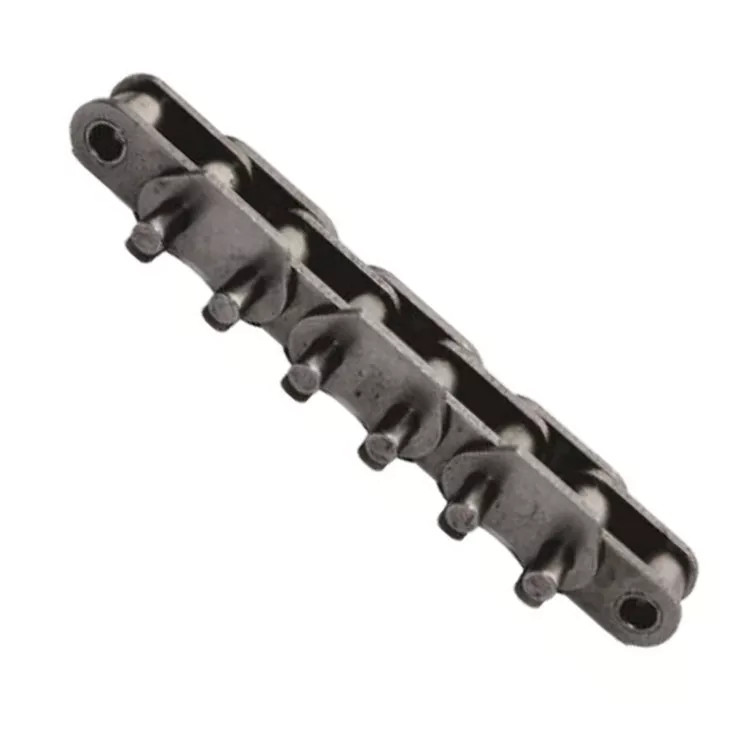
How do you prevent corrosion in conveyor chains?
Preventing corrosion in conveyor chains is essential for maintaining their performance and prolonging their lifespan. Here are some effective measures to prevent corrosion:
1. Material Selection: Choose conveyor chains made from corrosion-resistant materials such as stainless steel, plastic, or coatings specifically designed to resist corrosion. These materials offer better protection against rust and corrosion compared to standard steel chains.
2. Proper Lubrication: Apply a suitable lubricant to the conveyor chain regularly. Lubrication creates a protective barrier that helps prevent moisture and contaminants from reaching the metal surface, reducing the risk of corrosion. Select a lubricant that provides corrosion protection properties and is compatible with the chain material.
3. Environmental Controls: Control the operating environment to minimize exposure to corrosive elements. Implement measures such as humidity control, proper ventilation, and protection from direct contact with water or chemicals. Consider using covers or enclosures to shield the conveyor chain from environmental factors that can accelerate corrosion.
4. Surface Treatments: Apply corrosion-resistant coatings or treatments to the conveyor chain. These coatings can provide an additional protective layer that acts as a barrier against moisture and corrosive substances. Examples of surface treatments include zinc plating, galvanizing, or epoxy coatings.
5. Regular Inspections and Cleaning: Regularly inspect the conveyor chain for signs of corrosion or damage. Remove any accumulated dirt, debris, or corrosive substances promptly. Cleaning the chain helps prevent the buildup of contaminants that can accelerate corrosion.
6. Preventive Maintenance: Implement a preventive maintenance program that includes regular cleaning, lubrication, and inspection of the conveyor chain. This proactive approach helps identify and address any potential corrosion issues early on, preventing further damage.
7. Proper Storage: When not in use, store the conveyor chains in a dry and controlled environment. Protect them from exposure to moisture, humidity, and corrosive substances. Use appropriate storage methods, such as hanging the chains or storing them in sealed containers.
By following these preventive measures, you can significantly reduce the risk of corrosion in conveyor chains, ensuring their optimal performance and longevity.
What are the environmental considerations when using a conveyor chain?
When using a conveyor chain, there are several environmental considerations to take into account:
1. Temperature and Humidity: Conveyor chains may be exposed to different temperature and humidity levels depending on the application and operating environment. Extreme temperatures or high humidity can affect the performance and lifespan of the chain. It is important to select a chain material and lubrication that can withstand the specific environmental conditions.
2. Contamination and Cleanliness: The presence of dust, dirt, debris, or other contaminants can impact the operation and efficiency of the conveyor chain. Regular cleaning and maintenance should be performed to prevent build-up and ensure smooth chain movement.
3. Chemical Exposure: Conveyor chains used in industries such as chemical processing or food production may come into contact with corrosive chemicals or cleaning agents. It is crucial to choose a chain material that is resistant to chemical corrosion and select appropriate lubricants compatible with the chemicals present in the environment.
4. Noise and Vibration: Conveyor systems can generate noise and vibration during operation, which may have environmental implications. Noise reduction measures, such as using noise-dampening materials or implementing vibration isolation techniques, can help minimize the impact on the surrounding environment and comply with noise regulations.
5. Energy Efficiency: Consideration should be given to energy consumption and efficiency when using a conveyor chain. Optimize the system design, minimize friction losses, and utilize energy-efficient components to reduce the environmental impact and operational costs.
6. Sustainability: Increasingly, sustainability is an important consideration in industrial operations. Choosing conveyor chains made from recyclable or renewable materials, implementing energy-saving measures, and practicing responsible waste management can contribute to a more environmentally friendly operation.
By taking these environmental considerations into account, industries can ensure the proper functioning of conveyor chains while minimizing environmental impact and complying with relevant regulations.


editor by CX 2023-10-16