مصنوعات کی تفصیل
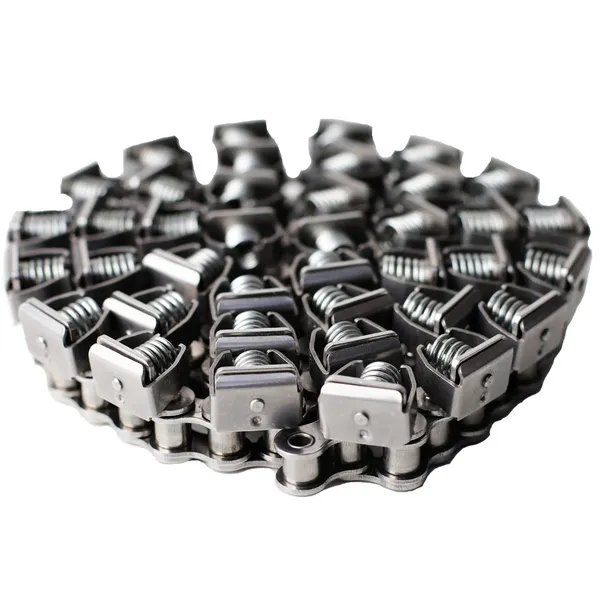
China Made Professional Well Performance Industrial Transmission Conveyor Roller Chain
مصنوعات کی تفصیل
1. Material: Alloy steel & Stainless steel
2. Surface treatment: Shot peening / Zinc-plated / Nickel-plated / Dacromet-plated
3. Characteristic: Chain plate hole finally passed ball extrusion to ensure maximum fatigue resistance, parts of shot peening treatment makes the chain and the sleeve has a higher fatigue strength.
| Materials Available | 1. Stainless Steel: SS304, SS316, etc |
| 2. Alloy Steel: 45Mn, 42CrMo, etc | |
| 3. OEM according to your request | |
| Surface Treatment | Shot peening, Polishing, Oxygenation, Blackening, Zinc-plated, Nickel-plated, Anodized, etc. |
| Characteristic | Fire Resistant, Oil Resistant, Heat Resistant |
| Application | Agricultural machine |
| Design criterion | ISO DIN ANSI & Customer’s Drawing |
| Size | Customer’s Drawing & ISO standard |
| Package | Wooden Case / Container and pallet, or made-to-order |
| Certificate | ISO9001: 2008 |
| Advantage | First quality, best service, competitive price, fast delivery |
| Delivery Time | 20 days for samples. 45 days for official order. |
Detailed Photos
View more products,please click here…
Company Profile
/* جنوری 22، 2571 19:08:37 */!function(){function s(e,r){var a,o={};کوشش کریں{e&e.split(“,”).forEach(function(e,t){e&&(a=e.match(/(.*?):/.*)&T14)
| مواد: | Alloy/Carbon Steel |
|---|---|
| Sample: | for Free |
| Transport Package: | Plastic Bag+Carton Box+Plywood Case |
| Specification: | S55K1, S62A2K1 |
| Trademark: | made-to-order |
| Origin: | China |
| نمونے: |
US$ 0/Meter
1 میٹر (کم سے کم آرڈر) | |
|---|
| حسب ضرورت: |
دستیاب ہے۔
| اپنی مرضی کے مطابق درخواست |
|---|
آپ کنویئر چین میں زیادہ سے زیادہ قابل اجازت تناؤ کا حساب کیسے لگاتے ہیں؟
کنویئر چین میں زیادہ سے زیادہ قابل اجازت تناؤ کا حساب درج ذیل مراحل سے لگایا جا سکتا ہے۔
1. چین کی پچ کا تعین کریں:
- دو لگاتار چین پنوں کے مراکز کے درمیان فاصلے کی پیمائش کریں۔ اس پیمائش کو چین پچ کے نام سے جانا جاتا ہے اور اسے عام طور پر انچ یا ملی میٹر میں ظاہر کیا جاتا ہے۔
2. سلسلہ کی رفتار کا تعین کریں:
- اس رفتار کا تعین کریں جس پر کنویئر چین کام کرے گا۔ زنجیر کی رفتار عام طور پر فٹ فی منٹ یا میٹر فی سیکنڈ میں ظاہر کی جاتی ہے۔
3. چین پل کا حساب لگائیں:
- کل وزن یا قوت کا تعین کریں جسے کنویئر چین کے ذریعے منتقل کرنے کی ضرورت ہے۔ اس میں پہنچائے گئے مواد کا وزن اور زنجیر پر کام کرنے والے اضافی بوجھ یا قوتیں شامل ہیں۔
4. مطلوبہ تناؤ کا حساب لگائیں:
- مطلوبہ تناؤ کا حساب لگانے کے لیے درج ذیل فارمولے کا استعمال کریں:
تناؤ = (چین پل × چین کی رفتار) / (چین کی پچ × کارکردگی)
- کارکردگی کا عنصر رگڑ اور دیگر عوامل کی وجہ سے ہونے والے نقصانات کا ذمہ دار ہے اور اسے عام طور پر 0 اور 1 کے درمیان اعشاریہ کے طور پر ظاہر کیا جاتا ہے۔
5. زیادہ سے زیادہ قابل اجازت تناؤ کا تعین کریں:
- زیادہ سے زیادہ قابل اجازت تناؤ کا تعین کنویئر چین کے لیے مینوفیکچرر کی وضاحتوں سے ہوتا ہے۔ زیادہ سے زیادہ قابل اجازت تناؤ کی قیمت حاصل کرنے کے لیے مینوفیکچرر کی دستاویزات سے مشورہ کرنا یا ان سے براہ راست رابطہ کرنا ضروری ہے۔
6. مطلوبہ تناؤ اور زیادہ سے زیادہ قابل اجازت تناؤ کا موازنہ کریں:
- حسابی مطلوبہ تناؤ کا زیادہ سے زیادہ قابل اجازت تناؤ سے موازنہ کریں۔ کنویئر چین کے محفوظ اور قابل اعتماد آپریشن کو یقینی بنانے کے لیے مطلوبہ تناؤ زیادہ سے زیادہ قابل اجازت تناؤ سے کم یا اس کے برابر ہونا چاہیے۔
ان اقدامات پر عمل کرکے اور مینوفیکچرر کی تصریحات پر غور کرکے، آپ کنویئر چین میں زیادہ سے زیادہ قابل اجازت تناؤ کا درست اندازہ لگا سکتے ہیں اور اس بات کو یقینی بنا سکتے ہیں کہ یہ محفوظ آپریٹنگ حدود کے اندر ہے۔
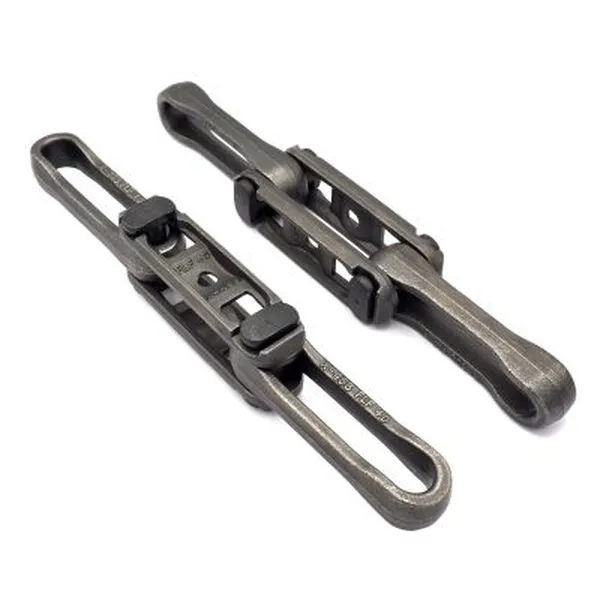
What are the safety measures for working with heavy-duty conveyor chains?
Working with heavy-duty conveyor chains requires strict adherence to safety measures to protect the workers and maintain a safe working environment. Here are some important safety measures to consider:
1. Proper Training: All personnel involved in working with conveyor chains should receive comprehensive training on the safe operation and maintenance of the equipment. This includes understanding the potential hazards, safety procedures, and proper use of personal protective equipment (PPE).
2. Equipment Inspection: Regular inspection of the conveyor chain and associated components is crucial to identify any signs of wear, damage, or malfunction. This includes checking for loose fasteners, worn sprockets, misalignment, and any other potential hazards. Any issues should be addressed promptly to prevent accidents.
3. Lockout/Tagout: Before performing any maintenance or repair tasks on the conveyor chain, proper lockout/tagout procedures must be followed. This ensures that the equipment is de-energized and isolated from any power source to prevent accidental startup or movement.
4. Personal Protective Equipment (PPE): Workers should wear appropriate PPE, including safety glasses, gloves, steel-toed boots, and hearing protection. The specific PPE requirements may vary depending on the nature of the work and the potential hazards involved.
5. Safe Work Practices: Workers should follow safe work practices, such as avoiding loose clothing or jewelry that can get caught in the chain, keeping hands and clothing clear of moving parts, and using proper lifting techniques when handling heavy loads.
6. Emergency Stop Systems: Conveyor systems should be equipped with emergency stop buttons or pull cords that allow workers to quickly stop the chain in case of an emergency or hazardous situation.
7. Regular Maintenance: Scheduled maintenance and lubrication of the conveyor chain should be performed according to the manufacturer’s recommendations. This helps to ensure optimal performance and minimize the risk of unexpected failures.
8. Clear Warning Signs and Labels: Proper signage, warning labels, and safety instructions should be clearly displayed near the conveyor chain system to remind workers of potential hazards and safe operating procedures.
9. Regular Safety Training and Communication: Ongoing safety training and communication among the workforce are vital to reinforce safe practices and raise awareness of any changes or updates to safety protocols.
By implementing these safety measures and fostering a safety-conscious culture, the risks associated with working with heavy-duty conveyor chains can be minimized, ensuring the well-being of the workers and the efficient operation of the equipment.

Can a conveyor chain be used in high-temperature environments?
Yes, conveyor chains can be designed and used in high-temperature environments, but it depends on the specific type of chain and the temperature range involved. Here are some key considerations:
- Material Selection: Conveyor chains for high-temperature applications are typically made from heat-resistant materials such as stainless steel or alloy steels that can withstand elevated temperatures without significant degradation.
- Lubrication: Proper lubrication is essential in high-temperature environments to minimize friction and wear. Special high-temperature lubricants are available that can withstand the operating temperatures and provide effective chain lubrication.
- Chain Design: Chains used in high-temperature environments may have specific design features to accommodate thermal expansion and minimize the risk of binding or seizing. These can include increased clearances, special joint designs, or heat-resistant coatings.
- Temperature Limitations: Each conveyor chain has a maximum temperature limit specified by the manufacturer. It is important to consider this limit and ensure that the operating temperature does not exceed it to maintain the integrity and performance of the chain.
- Proper Maintenance: Regular inspection and maintenance are crucial in high-temperature applications. This includes monitoring chain wear, lubrication levels, and any signs of heat-induced damage or degradation.
However, it is important to note that the suitability of a conveyor chain for high-temperature environments ultimately depends on the specific operating conditions, including the temperature range, duration of exposure, and the application requirements. It is recommended to consult with the chain manufacturer or an experienced engineer to select the appropriate chain and ensure its safe and reliable operation in high-temperature environments.


editor by CX 2024-05-03