Produktbeschreibung
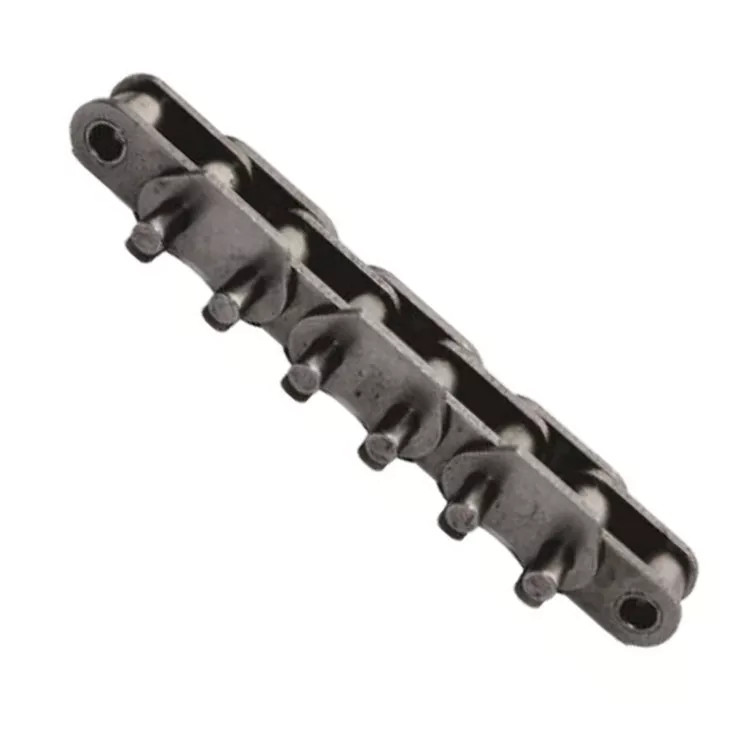
Hochwertige Motorrad-Förderbandrollenkette aus Edelstahl, professionell gefertigt ab Werk in China (ANSI-, BS-, DIN-, JIS-Standard)
Produktbeschreibung
1. Material: Edelstahl / Legierter Stahl / Fertigung nach Bestellung
2. Oberflächenbehandlung: Verzinkt / Vernickelt / Kugelgestrahlt / Schwärzt
3. Kettentyp: Rollenketten, Antriebsketten, Förderketten, Hohlzapfenketten, Schweißketten, Stahlzapfenketten, Palmölketten, Zuckermühlenketten usw.
4. Anwendung: Ketten sind ein sehr wichtiger Bestandteil der Industrie. Zahlreiche Branchen nutzen Ketten, beispielsweise Zuckerfabriken, Stahlwerke, Zementwerke, Palmölmühlen und viele mehr. Daher ist die Kette ein zentrales Element der industriellen Wertschöpfungskette.
5. Unternehmenszweck von „PLW“: Wir unterstützen Ihr Geschäft weltweit. Wir gestalten die Welt und die Zukunft.
| Produktname | Hochwertige Motorrad-Förderbandrollenkette aus Edelstahl, professionell gefertigt ab Werk in China (ANSI-, BS-, DIN-, JIS-Standard) |
| Kettentyp | 1. Antriebskette (Rollenkette, Hochleistungs-Kurbelkette, Buchsenkette usw.) |
| 2. Förderkette (Doppelteilungsketten, MT- und MC-Serien usw.) | |
| 3. Hohlstiftkette | |
| 4. Palmölkette | |
| 5. Zuckermühlenkette | |
| 6. Geschweißte Stahlkette | |
| 7. Gummihandschuhkette | |
| Oberflächenbehandlung | Kugelstrahlen, Schwärzen, Sauerstoffbehandlung, Polieren, Verzinken, Vernickeln, Anodisieren usw. |
| Merkmal | Feuerbeständig, ölbeständig, hitzebeständig |
| Entwurfskriterium | ISO DIN ANSI & Kundenzeichnung |
| Größe | Kundenzeichnung & ISO-Norm |
| Paket | Holzkiste/Container und Palette oder nach Maß gefertigt |
| Zertifikat | ISO9001: 2008 |
| Vorteil | Erstklassige Qualität, bester Service, wettbewerbsfähiger Preis, schnelle Lieferung |
| Lieferzeit | 20 Tage für Muster. 45 Tage für offizielle Bestellungen. |
Weitere Produkte finden Sie hier…
Unternehmensprofil
| Material: | Stahl oder Edelstahl usw. |
|---|---|
| Struktur: | Kette |
| Oberflächenbehandlung: | Kugelstrahlen, Schwärzen, Sauerstoffbehandlung, Polieren |
| Kettengröße: | Die gesamte Kette |
| Besonderheit: | Feuerbeständig, hitzebeständig |
| Transportpaket: | Plastiktüte + Karton + Sperrholzkiste |
| Proben: |
US$ 0/Meter
1 Meter (Mindestbestellmenge) | |
|---|
| Anpassung: |
Verfügbar
| Kundenspezifische Anfrage |
|---|
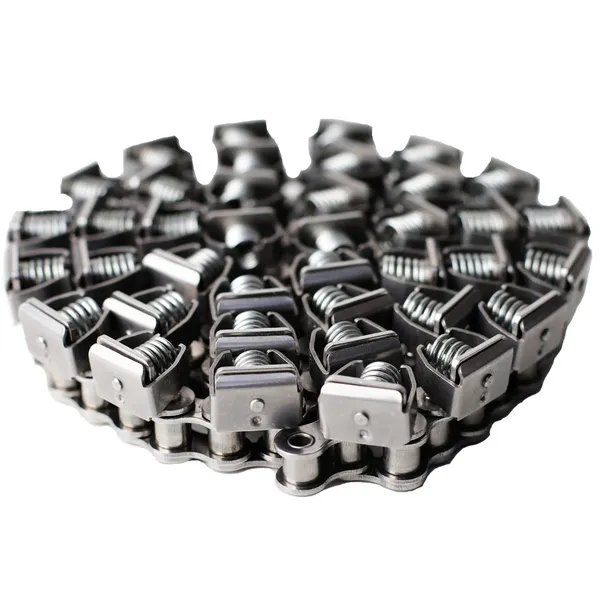
How do you calculate the chain pull force in a conveyor chain system?
The chain pull force, also known as the chain tension, is an important parameter to determine in a conveyor chain system. It represents the force required to move the conveyed load along the conveyor. The calculation of chain pull force involves several factors:
1. Weight of the Load: Determine the weight of the load being conveyed. This includes the weight of the product, packaging materials, and any additional equipment or components carried by the conveyor.
2. Friction Coefficients: Identify the friction coefficients between the load and the conveyor components. This includes the friction between the product and the conveyor chain, as well as the friction between the product and the conveyor bed or guides. These coefficients are typically provided by the manufacturer or can be obtained through testing.
3. Incline or Decline Angle: Consider the angle at which the conveyor operates. If the conveyor has an incline or decline, the angle will affect the force required to move the load.
4. Acceleration and Deceleration: Account for any acceleration or deceleration requirements in the conveyor system. If the conveyor needs to start or stop abruptly or if there are changes in speed, these factors will impact the chain pull force.
Once these factors are determined, the chain pull force can be calculated using the following formula:
Chain Pull Force = (Weight of Load + Friction Force) × (1 + Incline or Decline Factor) × (1 + Acceleration or Deceleration Factor)
It’s important to note that the accuracy of the calculation depends on the accuracy of the input values. Therefore, it’s recommended to consult the conveyor manufacturer or an engineering professional to ensure precise calculations and proper sizing of the conveyor chain.
How do you prevent corrosion in conveyor chains?
Preventing corrosion in conveyor chains is essential for maintaining their performance and prolonging their lifespan. Here are some effective measures to prevent corrosion:
1. Material Selection: Choose conveyor chains made from corrosion-resistant materials such as stainless steel, plastic, or coatings specifically designed to resist corrosion. These materials offer better protection against rust and corrosion compared to standard steel chains.
2. Proper Lubrication: Apply a suitable lubricant to the conveyor chain regularly. Lubrication creates a protective barrier that helps prevent moisture and contaminants from reaching the metal surface, reducing the risk of corrosion. Select a lubricant that provides corrosion protection properties and is compatible with the chain material.
3. Environmental Controls: Control the operating environment to minimize exposure to corrosive elements. Implement measures such as humidity control, proper ventilation, and protection from direct contact with water or chemicals. Consider using covers or enclosures to shield the conveyor chain from environmental factors that can accelerate corrosion.
4. Surface Treatments: Apply corrosion-resistant coatings or treatments to the conveyor chain. These coatings can provide an additional protective layer that acts as a barrier against moisture and corrosive substances. Examples of surface treatments include zinc plating, galvanizing, or epoxy coatings.
5. Regular Inspections and Cleaning: Regularly inspect the conveyor chain for signs of corrosion or damage. Remove any accumulated dirt, debris, or corrosive substances promptly. Cleaning the chain helps prevent the buildup of contaminants that can accelerate corrosion.
6. Preventive Maintenance: Implement a preventive maintenance program that includes regular cleaning, lubrication, and inspection of the conveyor chain. This proactive approach helps identify and address any potential corrosion issues early on, preventing further damage.
7. Proper Storage: When not in use, store the conveyor chains in a dry and controlled environment. Protect them from exposure to moisture, humidity, and corrosive substances. Use appropriate storage methods, such as hanging the chains or storing them in sealed containers.
By following these preventive measures, you can significantly reduce the risk of corrosion in conveyor chains, ensuring their optimal performance and longevity.
Was ist eine Förderkette und wie funktioniert sie?
Eine Förderkette ist eine speziell für Fördersysteme entwickelte mechanische Kette. Sie besteht aus einer Reihe miteinander verbundener Glieder, die einen geschlossenen Kettenring bilden. Die Glieder sind typischerweise aus Metall gefertigt und werden durch Bolzen oder andere Verbindungselemente zusammengehalten.
Förderketten funktionieren, indem sie Kraft und Bewegung vom Antriebsmechanismus, beispielsweise einem Motor oder Kettenrad, auf das Fördersystem übertragen, um Materialien oder Produkte entlang eines vorgegebenen Weges zu transportieren. Die Kette läuft auf einer Schiene oder Führungsschiene und transportiert während ihrer Bewegung die darauf befindliche Last.
Der Betrieb einer Förderkette umfasst folgende Schritte:
- Kraftübertragung:
Der Antriebsmechanismus überträgt die Drehbewegung auf die Förderkette, typischerweise über einen Motor und Kettenräder. Der Motor liefert das notwendige Drehmoment zum Antreiben der Kette.
- Zugkraft und Bewegung:
Durch die Drehung der Kettenräder durch den Antriebsmechanismus greifen deren Zähne in die Glieder der Förderkette ein. Diese Wechselwirkung erzeugt Zugkraft und bewirkt, dass sich die Kette entlang des gewünschten Pfades bewegt.
- Lastaufnahme:
Die zu transportierende Ladung wird auf die Förderkette gelegt. Dabei kann es sich um Produkte, Materialien oder andere Gegenstände handeln. Während sich die Kette bewegt, transportiert sie die Ladung entlang des Fördersystems und ermöglicht so einen effizienten Transport oder eine effiziente Handhabung.
- Unterstützung und Beratung:
Die Förderkette wird von verschiedenen Komponenten wie Führungsschienen, Rollen oder Verschleißleisten gestützt und geführt. Diese Komponenten gewährleisten die korrekte Ausrichtung und den reibungslosen Lauf der Kette entlang des Fördersystems.
Förderketten werden häufig in Branchen wie der Fertigung, Logistik, Verpackung und Materialhandhabung eingesetzt. Sie bieten eine zuverlässige und effiziente Methode, Produkte oder Materialien kontrolliert und automatisiert zu transportieren.


editor by CX 2023-08-05