توضیحات محصول
زنجیر غلتکی نوار نقاله موتورسیکلت با کیفیت بالا از جنس استیل ضد زنگ، عرضه شده توسط کارخانه چینی (استانداردهای ANSI، BS، DIN، JIS)
توضیحات محصول
۱. جنس: فولاد ضد زنگ / فولاد آلیاژی / سفارشی
2. عملیات سطحی: روکش روی / روکش نیکل / ساچمهزنی / سیاهکاری
۳. نوع زنجیر: زنجیر غلتکی، زنجیر محرک، زنجیر نوار نقاله، زنجیر پین توخالی، زنجیر جوش داده شده، زنجیر پین فولادی، زنجیر روغن پالم، زنجیر کارخانه قند و غیره.
۴. کاربرد: زنجیرها بخش بسیار مهمی از صنعت هستند، بسیاری از صنایع از زنجیره استفاده میکنند. برای مثال، کارخانه قند، کارخانه فولاد، کارخانه سیمان، کارخانه روغن پالم و موارد دیگر. بنابراین زنجیره عضو اصلی خانواده صنعتی است.
۵. هدف شرکت «PLW»: توانمندسازی کسبوکار شما در سراسر جهان. پیشبرد شعار و آینده.
| نام محصول | زنجیر غلتکی نوار نقاله موتورسیکلت با کیفیت بالا از جنس استیل ضد زنگ، عرضه شده توسط کارخانه چینی (استانداردهای ANSI، BS، DIN، JIS) |
| نوع زنجیر | ۱. زنجیر محرک (زنجیر غلتکی، زنجیرهای سنگین، زنجیرهای بوشینگ و غیره) |
| 2. زنجیر نوار نقاله (زنجیرهای دو پیچ، سری MT و MC و غیره) | |
| ۳. زنجیر سوزنی توخالی | |
| ۴. زنجیره روغن پالم | |
| ۵. زنجیره آسیاب قند | |
| ۶. زنجیر فولادی جوش داده شده | |
| ۷. زنجیر دستکش لاستیکی | |
| درمان سطحی | ساچمهزنی، سیاهکاری، اکسیژنرسانی، پرداخت، روکش روی، روکش نیکل، آنودایز و غیره |
| مشخصه | مقاوم در برابر آتش، مقاوم در برابر روغن، مقاوم در برابر حرارت |
| معیار طراحی | ISO DIN ANSI و طراحی مشتری |
| اندازه | طراحی مشتری و استاندارد ISO |
| بسته | جعبه چوبی / ظرف و پالت، یا سفارشی |
| گواهی | ایزو ۹۰۰۱: ۲۰۰۸ |
| مزیت | کیفیت برتر، بهترین خدمات، قیمت رقابتی، تحویل سریع |
| زمان تحویل | 20 روز برای نمونه. 45 روز برای سفارش رسمی. |
برای مشاهده محصولات بیشتر، لطفا اینجا کلیک کنید…
مشخصات شرکت
| مواد: | فولاد یا فولاد ضد زنگ و غیره |
|---|---|
| ساختار: | زنجیره |
| درمان سطحی: | ساچمهزنی، سیاهکاری، اکسیژنرسانی، پرداخت، |
| اندازه زنجیر: | تمام زنجیره |
| ویژگی: | مقاوم در برابر آتش، مقاوم در برابر حرارت |
| بسته حمل و نقل: | کیسه پلاستیکی + جعبه + کیف تخته سه لا |
| نمونهها: |
US$ 0/متر
1 متر (حداقل سفارش) | |
|---|
| سفارشی سازی: |
موجود است
| درخواست سفارشی |
|---|
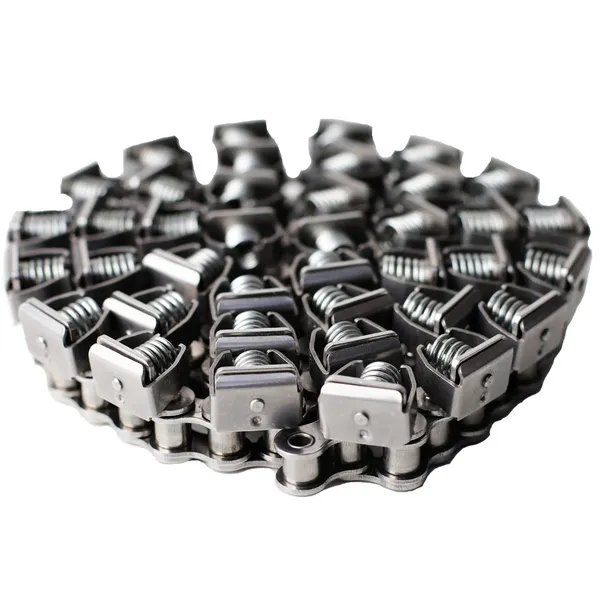
How do you calculate the chain pull force in a conveyor chain system?
The chain pull force, also known as the chain tension, is an important parameter to determine in a conveyor chain system. It represents the force required to move the conveyed load along the conveyor. The calculation of chain pull force involves several factors:
1. Weight of the Load: Determine the weight of the load being conveyed. This includes the weight of the product, packaging materials, and any additional equipment or components carried by the conveyor.
2. Friction Coefficients: Identify the friction coefficients between the load and the conveyor components. This includes the friction between the product and the conveyor chain, as well as the friction between the product and the conveyor bed or guides. These coefficients are typically provided by the manufacturer or can be obtained through testing.
3. Incline or Decline Angle: Consider the angle at which the conveyor operates. If the conveyor has an incline or decline, the angle will affect the force required to move the load.
4. Acceleration and Deceleration: Account for any acceleration or deceleration requirements in the conveyor system. If the conveyor needs to start or stop abruptly or if there are changes in speed, these factors will impact the chain pull force.
Once these factors are determined, the chain pull force can be calculated using the following formula:
Chain Pull Force = (Weight of Load + Friction Force) × (1 + Incline or Decline Factor) × (1 + Acceleration or Deceleration Factor)
It’s important to note that the accuracy of the calculation depends on the accuracy of the input values. Therefore, it’s recommended to consult the conveyor manufacturer or an engineering professional to ensure precise calculations and proper sizing of the conveyor chain.
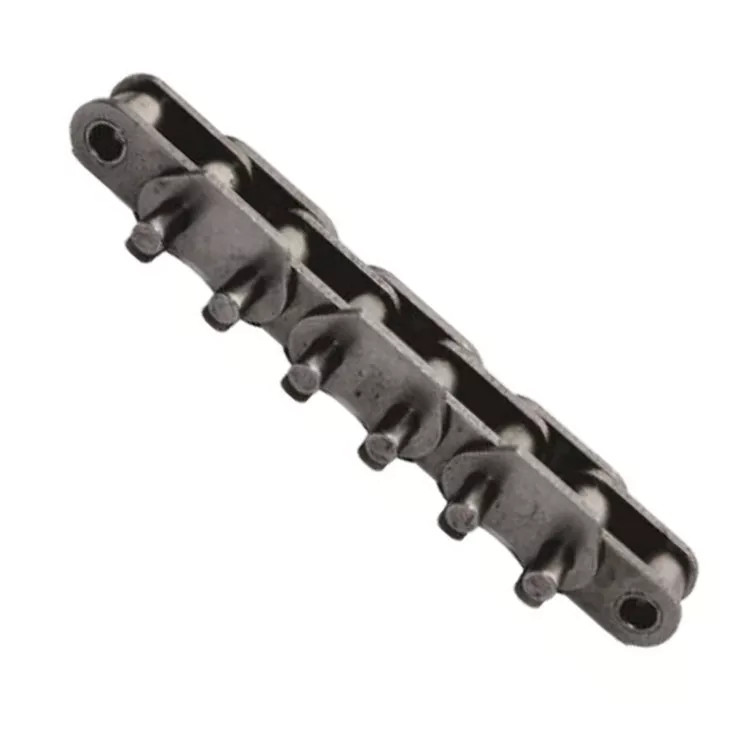
How do you prevent corrosion in conveyor chains?
Preventing corrosion in conveyor chains is essential for maintaining their performance and prolonging their lifespan. Here are some effective measures to prevent corrosion:
1. Material Selection: Choose conveyor chains made from corrosion-resistant materials such as stainless steel, plastic, or coatings specifically designed to resist corrosion. These materials offer better protection against rust and corrosion compared to standard steel chains.
2. Proper Lubrication: Apply a suitable lubricant to the conveyor chain regularly. Lubrication creates a protective barrier that helps prevent moisture and contaminants from reaching the metal surface, reducing the risk of corrosion. Select a lubricant that provides corrosion protection properties and is compatible with the chain material.
3. Environmental Controls: Control the operating environment to minimize exposure to corrosive elements. Implement measures such as humidity control, proper ventilation, and protection from direct contact with water or chemicals. Consider using covers or enclosures to shield the conveyor chain from environmental factors that can accelerate corrosion.
4. Surface Treatments: Apply corrosion-resistant coatings or treatments to the conveyor chain. These coatings can provide an additional protective layer that acts as a barrier against moisture and corrosive substances. Examples of surface treatments include zinc plating, galvanizing, or epoxy coatings.
5. Regular Inspections and Cleaning: Regularly inspect the conveyor chain for signs of corrosion or damage. Remove any accumulated dirt, debris, or corrosive substances promptly. Cleaning the chain helps prevent the buildup of contaminants that can accelerate corrosion.
6. Preventive Maintenance: Implement a preventive maintenance program that includes regular cleaning, lubrication, and inspection of the conveyor chain. This proactive approach helps identify and address any potential corrosion issues early on, preventing further damage.
7. Proper Storage: When not in use, store the conveyor chains in a dry and controlled environment. Protect them from exposure to moisture, humidity, and corrosive substances. Use appropriate storage methods, such as hanging the chains or storing them in sealed containers.
By following these preventive measures, you can significantly reduce the risk of corrosion in conveyor chains, ensuring their optimal performance and longevity.
What is a conveyor chain and how does it work?
A conveyor chain is a type of mechanical chain specifically designed for use in conveyor systems. It is composed of a series of interconnected links that form a continuous chain loop. The links are typically made of metal and are joined together through pins or other connecting elements.
Conveyor chains work by transferring power and motion from the driving mechanism, such as a motor or sprocket, to the conveyor system to move materials or products along a predetermined path. The chain is placed on a track or guide rails, and as it moves, it carries the load placed on it.
The operation of a conveyor chain involves the following steps:
- Power transmission:
The driving mechanism transfers rotational power to the conveyor chain, typically through a motor and sprockets. The motor provides the necessary torque to drive the chain.
- Traction and motion:
As the driving mechanism rotates the sprockets, the teeth of the sprockets engage with the links of the conveyor chain. This interaction creates traction, causing the chain to move along the desired path.
- Load carrying:
The load to be transported is placed on the conveyor chain. The load can be in the form of products, materials, or other items. As the chain moves, it carries the load along the conveyor system, allowing for efficient transportation or handling.
- Support and guidance:
The conveyor chain is supported and guided by various components, such as guide rails, rollers, or wear strips. These components ensure the proper alignment and smooth movement of the chain along the conveyor system.
Conveyor chains are commonly used in industries such as manufacturing, logistics, packaging, and material handling. They offer a reliable and efficient method for moving products or materials in a controlled and automated manner.


editor by CX 2023-08-05