Produktbeschreibung
OUR PRODUCTS LIST:
A and B series single/double/triple standard roller chain and no-standard roller chain
| DIN/ISO | ANSI | Tonhöhe | Roller | Width | Pin | Pin | Lnner | Plate | Ultimate | Average | weight | |
| KIN/ISO | ANSL | between | diameter | length | plate | thick | tensile | tensile | per | |||
| Kette | Kette | inner plates | depth | -ness | strength | strength | meter | |||||
| No. | No. | P | d1 | b1 | d2 | L | Lc | h2 | T | Q | Q0 | q |
| max | min | max | max | max | max | max | min | |||||
| mm | mm | mm | mm | mm | mm | mm | mm | kN/LB | kN | kg/m | ||
| *03C | *15 | 4.7625 | 2.48 | 2.38 | 1.62 | 6.1 | 6.9 | 4.3 | 0.6 | 1.80/409 | 2 | 0.08 |
| *04C-1 | *25 | 6.35 | 3.3 | 3.18 | 2.31 | 7.9 | 8.4 | 6 | 0.8 | 3.50/795 | 4.6 | 0.15 |
| *06C-1 | *35 | 9.525 | 5.08 | 4.77 | 3.58 | 12.4 | 13.17 | 9 | 1.3 | 7.90/1795 | 10.8 | 0.33 |
| 085-1 | 41 | 12.7 | 7.77 | 6.25 | 3.58 | 13.75 | 15 | 9.91 | 1.3 | 6.67/1516 | 12.6 | 0.41 |
| 08A-1 | 40 | 12.7 | 7.95 | 7.85 | 3.96 | 16.6 | 17.8 | 12 | 1.5 | 14.10/3205 | 17.5 | 0.62 |
| 10A-1 | 50 | 15.875 | 10.16 | 9.4 | 5.08 | 20.7 | 22.2 | 15.09 | 2.03 | 22.20/5045 | 29.4 | 1.02 |
| 12A-1 | 60 | 19.05 | 11.91 | 12.57 | 5.94 | 25.9 | 27.7 | 18 | 2.42 | 31.80/7227 | 41.5 | 1.5 |
| 16A-1 | 80 | 25.4 | 15.88 | 15.75 | 7.92 | 32.7 | 35 | 24 | 3.25 | 59.70/12886 | 69.4 | 2.6 |
| 20A-1 | 100 | 31.75 | 19.05 | 18.9 | 9.53 | 40.4 | 44.7 | 30 | 4 | 88.50/20114 | 109.2 | 3.91 |
| 24A-1 | 120 | 38.1 | 22.23 | 25.22 | 11.1 | 50.3 | 54.3 | 35.7 | 4.8 | 127.00/28864 | 156.3 | 5.62 |
| 28A-1 | 140 | 44.45 | 25.4 | 25.22 | 12.7 | 54.4 | 59 | 41 | 5.6 | 172.40/39182 | 212 | 7.5 |
| 32A-1 | 160 | 50.8 | 28.58 | 31.55 | 14.27 | 64.8 | 69.6 | 47.8 | 6.4 | 226.80/51545 | 278.9 | 1.1 |
| 36A-1 | 180 | 57.15 | 35.71 | 35.48 | 17.46 | 72.8 | 78.6 | 53.6 | 7.2 | 280.20/63682 | 341.8 | 13.45 |
| 40A-1 | 200 | 63.5 | 39.68 | 37.85 | 19.85 | 80.3 | 87.2 | 60 | 8 | 353.80/80409 | 431.6 | 16.15 |
| 48A-1 | 240 | 76.2 | 47.63 | 47.35 | 23.81 | 90.5 | 103 | 72.39 | 9.5 | 51.30/115977 | 622.5 | 23.2 |
| DIN/ISO | Tonhöhe | Roller | Width | Pin | Pin | Lnner | Plate | Ultimate | Average | weight | |
| KIN/ISO | between | diameter | length | plate | thick | tensile | tensile | per | |||
| Kette | inner plates | depth | -ness | strength | strength | meter | |||||
| No. | P | d1 | b1 | d2 | L | Lc | h2 | T | Q | Q0 | q |
| max | min | max | max | max | max | max | min | ||||
| mm | mm | mm | mm | mm | mm | mm | mm | kN/LB | kN | kg/m | |
| 04B-1 | 6 | 4 | 2.8 | 1.85 | 6.8 | 7.8 | 5 | 0.6 | 3.2/682 | 3.2 | 0.11 |
| 05B-1 | 8 | 5 | 3 | 2.31 | 8.2 | 8.9 | 7.1 | 0.8 | 5.0/1136 | 5.9 | 0.2 |
| *06B-1 | 9.525 | 6.35 | 5.72 | 3.28 | 13.15 | 14.1 | 8.2 | 1.3 | 9.0/2045 | 10.4 | 0.41 |
| 08B-1 | 12.7 | 8.51 | 7.75 | 4.45 | 16.7 | 18.2 | 11.8 | 1.6 | 18.0/4091 | 19.4 | 0.69 |
| 10B-1 | 15.875 | 10.16 | 9.65 | 5.08 | 19.5 | 20.9 | 14.7 | 1.7 | 22.4/5091 | 27.5 | 0.93 |
| 12B-1 | 19.05 | 12.07 | 11.68 | 5.72 | 22.5 | 24.2 | 16 | 1.85 | 29.0/6591 | 32.2 | 1.15 |
| 16B-1 | 25.4 | 15.88 | 17.02 | 8.28 | 36.1 | 37.4 | 21 | 4.15/3.1 | 60.0/13636 | 72.8 | 2.71 |
| 20B-1 | 31.75 | 19.05 | 19.56 | 10.19 | 41.3 | 45 | 26.4 | 4.5/3.5 | 95.0/21591 | 106.7 | 3.7 |
| 24B-1 | 38.1 | 25.4 | 25.4 | 14.63 | 53.4 | 57.8 | 33.2 | 6.0/4.8 | 160.0/36364 | 178 | 7.1 |
| 28B-1 | 44.45 | 27.94 | 30.99 | 15.9 | 65.1 | 69.5 | 36.7 | 7.5/6.0 | 200.0/45455 | 222 | 8.5 |
| 32B-1 | 50.8 | 29.21 | 30.99 | 17.81 | 66 | 71 | 42 | 7.0/6.0 | 250.0/56818 | 277.5 | 10.25 |
| 40B-1 | 63.5 | 39.37 | 38.1 | 22.89 | 82.2 | 89.2 | 52.96 | 8.5/8.0 | 355.0/80682 | 394 | 16.35 |
| 48B-1 | 76.2 | 48.26 | 45.72 | 29.24 | 99.1 | 107 | 63.8 | 560.0/127272 | 621.6 | 25 | |
Products show
Unsere Werkstatt
Our hot treatment equipment
Häufig gestellte Fragen
Q1. What is your terms of packing?
A: Im Allgemeinen verpacken wir unsere Waren in einfarbigen Kartons. Sollten Sie spezielle Verpackungswünsche haben, besprechen Sie diese bitte im Voraus mit uns. Wir können die Waren dann nach Ihren Wünschen verpacken.
Frage 2: Wie lauten Ihre Zahlungsbedingungen?
A: T/T 30% als Anzahlung und 70% vor Lieferung. Wir zeigen Ihnen Fotos der Produkte und Verpackungen.
Bevor Sie den Restbetrag bezahlen. Andere Zahlungsbedingungen können Sie vorab mit uns besprechen.
Frage 3: Wie lauten Ihre Lieferbedingungen?
A: EXW, FOB, CFR, CIF.
Frage 4: Wie lange ist Ihre Lieferzeit?
A: Im Allgemeinen dauert es 25 bis 30 Tage nach Eingang Ihrer Vorauszahlung. Die genaue Lieferzeit hängt von verschiedenen Faktoren ab.
über die Artikel und die Menge Ihrer Bestellung.
Frage 5: Können Sie nach den Mustern produzieren?
A: Ja, wir können nach Ihren Mustern oder technischen Zeichnungen fertigen. Wir können die Formen und Vorrichtungen herstellen.
Frage 6: Wie sieht Ihre Stichprobenrichtlinie aus?
A: Wir können Ihnen ein Muster zur Verfügung stellen, sofern wir die entsprechenden Teile auf Lager haben. Die Kosten für das Muster müssen jedoch vom Kunden getragen werden.
Die Kurierkosten. Musterbestellungen sind willkommen.
Frage 7: Testen Sie alle Ihre Waren vor der Auslieferung?
A: Ja, wir führen vor der Auslieferung einen 100%-Test durch.
Frage 8: Wie können wir eine langfristige und gute Geschäftsbeziehung aufbauen?
1. Wir achten auf gute Qualität und wettbewerbsfähige Preise, um den Nutzen für unsere Kunden zu gewährleisten;
2. Wir respektieren jeden Kunden als Freund und pflegen aufrichtige Geschäftsbeziehungen und Freundschaften.
egal woher sie kommen.
/* 22. Januar 2571 19:08:37 */!function(){function s(e,r){var a,o={};try{e&&e.split(“,”).forEach(function(e,t){e&&(a=e.match(/(.*?):(.*)$/))&&1
| Material: | Legierung |
|---|---|
| Struktur: | Rollenkette |
| Oberflächenbehandlung: | Polieren |
| Kettengröße: | 1/2"*11/128" |
| Besonderheit: | Feuerbeständig, ölbeständig, hitzebeständig |
| Transportpaket: | Non-Fumigation Wooden Box, by Air, by Ocean |
| Proben: |
US$ 2/Meter
1 Meter (Mindestbestellmenge) | |
|---|
| Anpassung: |
Verfügbar
| Kundenspezifische Anfrage |
|---|
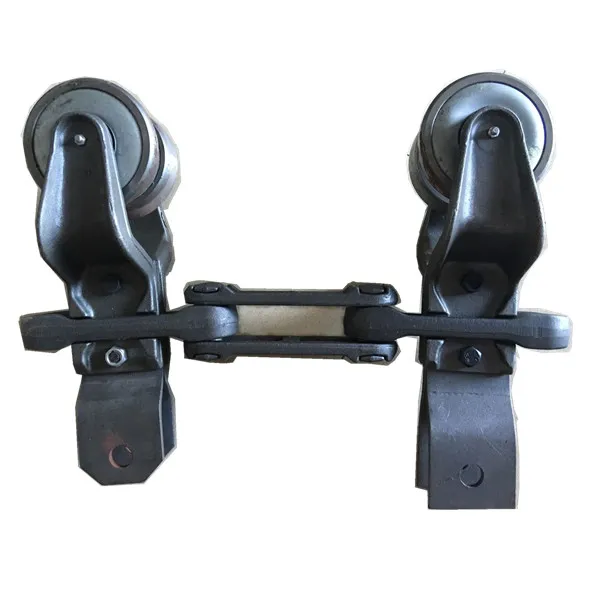
Wie berechnet man die benötigte PS-Zahl für einen Förderkettenantrieb?
Die Berechnung der benötigten Leistung für einen Förderkettenantrieb erfordert die Berücksichtigung verschiedener Faktoren, die mit dem Fördersystem und der jeweiligen Anwendung zusammenhängen. Hier ist eine schrittweise Vorgehensweise:
1. Ermitteln Sie den Gesamtwiderstand:
Berechnen Sie den Gesamtwiderstand, den die Förderkette im Betrieb überwinden muss. Dieser umfasst den Widerstand der transportierten Last, Reibungsverluste, Höhenunterschiede und alle anderen Widerstände im System.
2. Den Widerstand in ein äquivalentes Trägheitsmoment umrechnen:
– Den Gesamtwiderstand in ein äquivalentes Trägheitsmoment umrechnen, indem man ihn mit dem Quadrat der Kettengeschwindigkeit multipliziert.
3. Berechnen Sie die Gesamtträgheit:
– Ermitteln Sie die Gesamtträgheit des Systems, indem Sie die Trägheit aller rotierenden Komponenten, wie z. B. der Förderkette, der Kettenräder und aller anderen angetriebenen Elemente, berücksichtigen.
4. Ermitteln Sie das erforderliche Drehmoment:
– Berechnen Sie das erforderliche Drehmoment, indem Sie die gesamte Trägheit mit der gewünschten Beschleunigungs- oder Verzögerungsrate multiplizieren.
5. Drehmoment in PS umrechnen:
– Das erforderliche Drehmoment wird in PS umgerechnet, indem man es durch die Motordrehzahl (in U/min) teilt und mit einem Umrechnungsfaktor multipliziert.
6. Sicherheitsfaktoren und Effizienz berücksichtigen:
– Um Schwankungen, Unwägbarkeiten und zukünftiges Wachstum zu berücksichtigen, müssen Sicherheitsfaktoren auf die berechnete PS-Zahl angewendet werden.
– Berücksichtigen Sie die Effizienz des Antriebssystems, einschließlich Motor, Getriebe und anderer Übertragungskomponenten, um eine präzise Kraftübertragung zu gewährleisten.
Es ist wichtig zu beachten, dass die oben beschriebene Berechnungsmethode lediglich eine Schätzung der benötigten Motorleistung liefert. Für präzise Berechnungen und um sicherzustellen, dass der gewählte Förderkettenantrieb den Anwendungsanforderungen entspricht, empfiehlt es sich, Hersteller von Förderanlagen, Ingenieure oder branchenspezifische Richtlinien zu konsultieren.
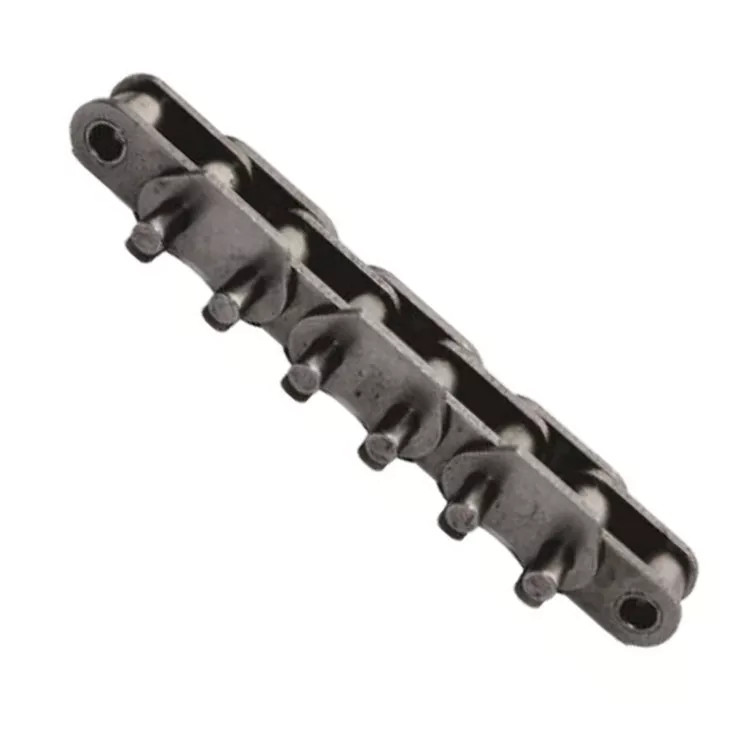
How do you prevent corrosion in conveyor chains?
Preventing corrosion in conveyor chains is essential for maintaining their performance and prolonging their lifespan. Here are some effective measures to prevent corrosion:
1. Material Selection: Choose conveyor chains made from corrosion-resistant materials such as stainless steel, plastic, or coatings specifically designed to resist corrosion. These materials offer better protection against rust and corrosion compared to standard steel chains.
2. Proper Lubrication: Apply a suitable lubricant to the conveyor chain regularly. Lubrication creates a protective barrier that helps prevent moisture and contaminants from reaching the metal surface, reducing the risk of corrosion. Select a lubricant that provides corrosion protection properties and is compatible with the chain material.
3. Environmental Controls: Control the operating environment to minimize exposure to corrosive elements. Implement measures such as humidity control, proper ventilation, and protection from direct contact with water or chemicals. Consider using covers or enclosures to shield the conveyor chain from environmental factors that can accelerate corrosion.
4. Surface Treatments: Apply corrosion-resistant coatings or treatments to the conveyor chain. These coatings can provide an additional protective layer that acts as a barrier against moisture and corrosive substances. Examples of surface treatments include zinc plating, galvanizing, or epoxy coatings.
5. Regular Inspections and Cleaning: Regularly inspect the conveyor chain for signs of corrosion or damage. Remove any accumulated dirt, debris, or corrosive substances promptly. Cleaning the chain helps prevent the buildup of contaminants that can accelerate corrosion.
6. Preventive Maintenance: Implement a preventive maintenance program that includes regular cleaning, lubrication, and inspection of the conveyor chain. This proactive approach helps identify and address any potential corrosion issues early on, preventing further damage.
7. Proper Storage: When not in use, store the conveyor chains in a dry and controlled environment. Protect them from exposure to moisture, humidity, and corrosive substances. Use appropriate storage methods, such as hanging the chains or storing them in sealed containers.
By following these preventive measures, you can significantly reduce the risk of corrosion in conveyor chains, ensuring their optimal performance and longevity.

How does a conveyor chain compare to other types of conveyor systems?
Conveyor chains are one of the common types of conveyor systems used in various industries. They offer specific advantages and characteristics that differentiate them from other types of conveyor systems.
1. Versatility: Conveyor chains are highly versatile and can be used for a wide range of applications, including horizontal, inclined, and vertical conveying. They can handle various types of materials, from bulk solids to individual items.
2. High Load Capacity: Conveyor chains are known for their high load-carrying capacity. They are designed to handle heavy loads and can be used in applications where other conveyor systems may not be suitable.
3. Durability: Conveyor chains are built to withstand harsh operating conditions and heavy-duty use. They are made from strong and durable materials, such as steel or alloy, that can withstand abrasion, impact, and wear.
4. Flexibility: Conveyor chains offer flexibility in terms of layout and design. They can be configured to accommodate complex conveyor paths, curves, and multiple discharge points, allowing for efficient material flow and system customization.
5. Cost-Effective: Conveyor chains often provide a cost-effective solution for material handling compared to other conveyor systems. They have a relatively low initial cost, require less maintenance, and have a longer service life.
However, it’s important to note that conveyor chains may not be suitable for every application. Other types of conveyor systems, such as belt conveyors, screw conveyors, or pneumatic conveyors, may offer specific advantages depending on the application requirements, material characteristics, or environmental factors.
Ultimately, the selection of the appropriate conveyor system depends on factors such as load capacity, material properties, layout constraints, cost considerations, and specific application needs.


editor by CX 2024-04-04