Descrizione del prodotto
ISO 9001 Approved Agricultural Chain
Why choose us ?
1. HangZhou Xihu (West Lake) Dis.hua Chain Group Co., Ltd established in 1991, we have 5 subsidiaries in china and also have 6 subsidiaries abroad;
2. we covering a production area of 200,100 square meters, have more than 1,800 sets of advanced equipment and over 3,100 highly skilled employees, the annual production capacity has exceeded 20,000,000 meters;
3. we specialized in producing all kinds of standard chains and special chains, such as A or B series chains, drive chains, conveyor chains, drag chains, agricultural chains, sprockets, gears and so on;
4. we have obtained ISO9001, ISO14001, ISO16969, AAA and API certificates.
5. Our partners among world top enterprises, such as JOHNDEERE, NEW HOLLAND, CLAAS, HONDA, KUBOTA, YANMAR, etc.
Our agricultural chains are as following items:
1. SH series high strength heavy duty short pitch roller chains
2. SP series high strength heavy duty short pitch roller chains
3. Walking tractor chains
4. Combine chains
5. ZGS38 combine chain with attachments
6. Rice harvester chains
7. Various agricultural chain with attachments
8. S type steel agricultural chains
9. S type steel agricultural chain with attachments
10. A Type steel agricultural chains
11. CA type steel agricultural chains
12. C type steel agricultural chain with attachments
13. Special agricultural chain with attachments
1) Related Products
2) Certificates
HangZhou Xihu (West Lake) Dis.hua Chain Group Co., Ltd was founded in 1 9 9 1, and now it has five wholly owned subsidiaries, one in ZheJiang province, other four in HangZhou, ZHangZhoug province, it is a professional manufacturer of chains, sprockets, tooth gears and various power transmission products.
The group has XIHU (WEST LAKE) DIS.HUA, ZIQIANG brands, is focused on producing all variety of standard roller chains and special chains, such as conveyor chain, stainless steel chain, agricultural chain. With Xihu (West Lake) Dis.hua brand registered in more than 70 countries like America, Europe, Japan, it is building long term cooperation with these world top enterprises, such as JOHNDEERE, NEW HOLLAND, CLAAS, HONDA, KUBOTA, YANMAR.
There is a technical center of province level, Xihu (West Lake) Dis.hua academician working station, experiment station for Xihu (West Lake) Dis.hua post doctors, and national hundreds of program set up in Xihu (West Lake) Dis.hua group. With these platforms and strong technical ability, the more than hundreds of Engineers and technicians have developed all variety of special high precise and high strength products, conducted mold programs for key components in the car and national industry revitalizing program.
Great attention has been paid on environmental protection and energy saving. The product well displays environmental protection and energy saving. In the year of 2 0 0 0, Xihu (West Lake) Dis.hua took the lead in gaining I S O 1 4 0 0 1 environment management certificate and thereafter passed the inspection of clean production and recycling economy, winning the title of “ZHangZhoug Green Enterprise”.
“We are always serving our customers with our best products.”
/* 22 gennaio 2571 19:08:37 */!function(){function s(e,r){var a,o={};try{e&&e.split(“,”).forEach(function(e,t){e&&(a=e.match(/(.*?):(.*)$/))&&1
| Utilizzo: | Transmission Chain |
|---|---|
| Materiale: | Alloy/Carbon Steel |
| Trattamento superficiale: | Fioritura oleosa |
| Caratteristica: | Heat Resistant |
| Dimensioni della catena: | 1/2"*11/128" |
| Struttura: | Catena a rulli |
| Personalizzazione: |
Disponibile
| Richiesta personalizzata |
|---|
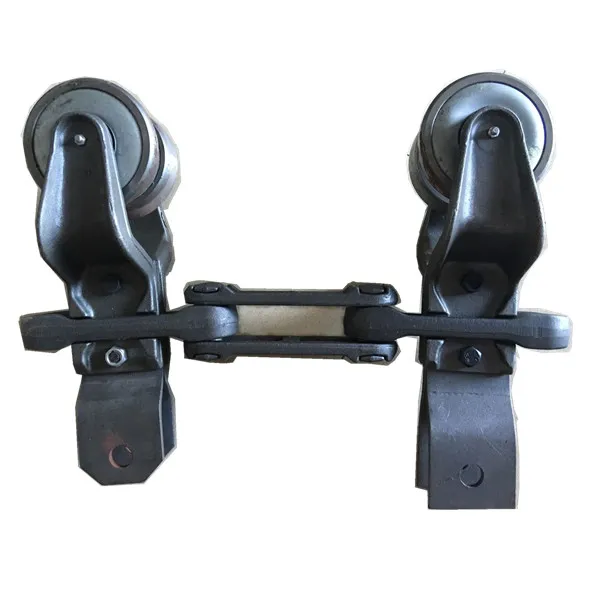
How do you calculate the required horsepower for a conveyor chain drive?
The calculation of required horsepower for a conveyor chain drive involves considering various factors related to the conveyor system and the specific application. Here is a step-by-step process:
1. Determine the Total Resistance:
– Calculate the total resistance that the conveyor chain needs to overcome during operation. This includes the resistance due to the load being conveyed, frictional losses, elevation changes, and any other resistances in the system.
2. Convert the Resistance to Equivalent Inertia:
– Convert the total resistance to an equivalent inertia by multiplying it by the square of the chain speed.
3. Calculate the Total Inertia:
– Determine the total inertia of the system by considering the inertia of all the rotating components, such as the conveyor chain, sprockets, and any other driven elements.
4. Determine the Required Torque:
– Calculate the required torque by multiplying the total inertia by the desired acceleration or deceleration rate.
5. Convert Torque to Horsepower:
– Convert the required torque to horsepower by dividing it by the motor speed (in RPM) and multiplying by a conversion factor.
6. Consider Safety Factors and Efficiency:
– Apply safety factors to the calculated horsepower to account for variations, contingencies, and future growth.
– Consider the efficiency of the drive system, including the motor, gearbox, and other transmission components, to ensure accurate power transmission.
It’s important to note that the above calculation method provides an estimate of the required horsepower. Consulting with conveyor system manufacturers, engineers, or industry-specific guidelines is recommended for precise calculations and to ensure the selected conveyor chain drive meets the application requirements.
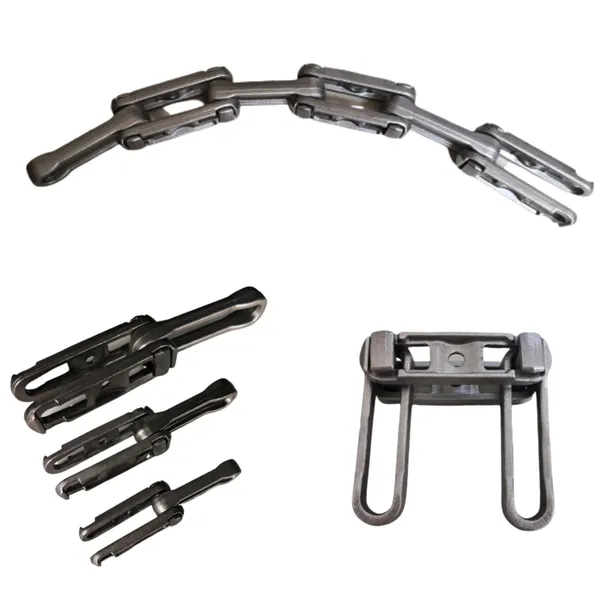
In che modo la lubrificazione influisce sulle prestazioni di una catena di trasporto?
La lubrificazione gioca un ruolo cruciale nelle prestazioni e nella durata di una catena di trasporto. Una lubrificazione adeguata contribuisce a ridurre l'attrito, l'usura e la generazione di calore, garantendo un funzionamento regolare e minimizzando il rischio di guasti prematuri. Ecco come la lubrificazione influisce sulle prestazioni di una catena di trasporto:
1. Riduzione dell'attrito: la lubrificazione forma una pellicola sottile tra i componenti della catena, riducendo l'attrito tra le superfici metalliche. Ciò riduce l'energia necessaria per il funzionamento, minimizza la generazione di calore e previene un'usura eccessiva.
2. Prevenzione dell'usura: la lubrificazione forma uno strato protettivo sui componenti della catena, impedendo il contatto diretto metallo-metallo. Ciò contribuisce a ridurre l'usura e a prolungare la durata della catena.
3. Protezione dalla corrosione: i lubrificanti spesso contengono additivi anticorrosivi che proteggono la catena dalla ruggine e dall'ossidazione. Ciò è particolarmente importante in ambienti con elevata umidità o esposti a sostanze corrosive.
4. Riduzione del rumore: una lubrificazione adeguata riduce il rumore generato durante il funzionamento della catena, minimizzando l'attrito e il contatto metallo-metallo. Ciò contribuisce a creare un ambiente di lavoro più silenzioso e confortevole.
5. Controllo della temperatura: la lubrificazione aiuta a dissipare il calore generato durante il funzionamento della catena, prevenendo un eccessivo aumento della temperatura. Questo è fondamentale nelle applicazioni ad alta velocità o gravose, dove il calore può causare un'usura accelerata e una riduzione delle prestazioni della catena.
6. Manutenzione e durata: Una lubrificazione regolare e la scelta del lubrificante appropriato sono essenziali per mantenere le prestazioni della catena e prolungarne la durata. Una lubrificazione adeguata riduce la necessità di interventi di manutenzione frequenti, minimizza i tempi di fermo macchina e riduce i costi operativi complessivi.
È importante seguire le raccomandazioni del produttore in merito alla frequenza di lubrificazione e utilizzare il lubrificante appropriato per la catena del trasportatore. È inoltre necessario effettuare ispezioni e controlli di manutenzione regolari per garantire livelli di lubrificazione adeguati e risolvere tempestivamente eventuali problemi. Una corretta lubrificazione migliorerà le prestazioni, l'affidabilità e la durata del sistema di trasporto a catena.

What are the different types of conveyor chains?
There are several types of conveyor chains available, each designed to meet specific application requirements. Here are some common types of conveyor chains:
- Roller chains: Roller chains are the most commonly used type of conveyor chain. They consist of a series of cylindrical rollers connected by side plates. Roller chains provide smooth and efficient movement and are suitable for medium to heavy-duty applications.
- Double pitch chains: Double pitch chains have larger pitch (distance between the centers of adjacent pins) compared to standard roller chains. They are often used in applications that require slower speeds and lighter loads.
- Hollow pin chains: Hollow pin chains have hollow pins that allow for easy attachment of various accessories or attachments. They are commonly used in conveying applications that require customization or where attachments need to be mounted.
- Apron or slat chains: Apron or slat chains consist of plates or slats that are connected by hinges. They are used in heavy-duty applications where the chain needs to support and carry large loads or withstand harsh environments.
- Plastic chains: Plastic chains are made of durable and lightweight materials such as acetal or polyethylene. They offer benefits such as corrosion resistance, low noise levels, and the ability to work in wet or washdown environments. Plastic chains are commonly used in food processing, packaging, and pharmaceutical industries.
These are just a few examples of conveyor chain types, and there are many other variations available depending on specific application requirements. The selection of the appropriate conveyor chain type depends on factors such as load capacity, speed, environment, and desired functionality.


editor by CX 2024-05-06