Mô tả sản phẩm
ISO 9001 Approved Agricultural Chain
Why choose us ?
1. HangZhou Xihu (West Lake) Dis.hua Chain Group Co., Ltd established in 1991, we have 5 subsidiaries in china and also have 6 subsidiaries abroad;
2. we covering a production area of 200,100 square meters, have more than 1,800 sets of advanced equipment and over 3,100 highly skilled employees, the annual production capacity has exceeded 20,000,000 meters;
3. we specialized in producing all kinds of standard chains and special chains, such as A or B series chains, drive chains, conveyor chains, drag chains, agricultural chains, sprockets, gears and so on;
4. we have obtained ISO9001, ISO14001, ISO16969, AAA and API certificates.
5. Our partners among world top enterprises, such as JOHNDEERE, NEW HOLLAND, CLAAS, HONDA, KUBOTA, YANMAR, etc.
Our agricultural chains are as following items:
1. SH series high strength heavy duty short pitch roller chains
2. SP series high strength heavy duty short pitch roller chains
3. Walking tractor chains
4. Combine chains
5. ZGS38 combine chain with attachments
6. Rice harvester chains
7. Various agricultural chain with attachments
8. S type steel agricultural chains
9. S type steel agricultural chain with attachments
10. A Type steel agricultural chains
11. CA type steel agricultural chains
12. C type steel agricultural chain with attachments
13. Special agricultural chain with attachments
1) Related Products
2) Certificates
Công ty TNHH Tập đoàn Xích Hoa, Quận Tây Hồ, Hàng Châu được thành lập năm 1991, hiện nay có năm công ty con thuộc sở hữu hoàn toàn, một công ty ở tỉnh Chiết Giang, bốn công ty còn lại ở thành phố Hàng Châu và tỉnh Chiết Giang. Công ty là nhà sản xuất chuyên nghiệp các loại xích, nhông, bánh răng và các sản phẩm truyền động khác nhau.
Tập đoàn sở hữu các thương hiệu XIHU (Hồ Tây) DIS.HUA, ZIQIANG, tập trung sản xuất tất cả các loại xích con lăn tiêu chuẩn và xích đặc biệt, như xích băng tải, xích thép không gỉ, xích nông nghiệp. Với thương hiệu Xihu (Hồ Tây) DIS.hua được đăng ký tại hơn 70 quốc gia như Mỹ, Châu Âu, Nhật Bản, tập đoàn đang xây dựng mối quan hệ hợp tác lâu dài với các doanh nghiệp hàng đầu thế giới như JOHNDEERE, NEW HOLLAND, CLAAS, HONDA, KUBOTA, YANMAR.
Tập đoàn Xihu (Tây Hồ) Dis.hua có một trung tâm kỹ thuật cấp tỉnh, trạm làm việc của viện sĩ Tây Hồ, trạm thí nghiệm dành cho các tiến sĩ sau đại học của Tây Hồ, và hàng trăm chương trình quốc gia được thiết lập tại đây. Với những nền tảng này và năng lực kỹ thuật mạnh mẽ, hơn hàng trăm kỹ sư và kỹ thuật viên đã phát triển nhiều loại sản phẩm đặc biệt có độ chính xác cao và độ bền cao, thực hiện các chương trình chế tạo khuôn mẫu cho các bộ phận quan trọng trong ngành ô tô và chương trình phục hưng công nghiệp quốc gia.
Công tác bảo vệ môi trường và tiết kiệm năng lượng được chú trọng rất cao. Sản phẩm thể hiện rõ các tiêu chí bảo vệ môi trường và tiết kiệm năng lượng. Năm 2000, Tây Hồ, huyện Hoa đã tiên phong trong việc đạt chứng nhận quản lý môi trường ISO 14001 và sau đó vượt qua kiểm tra về sản xuất sạch và kinh tế tái chế, giành được danh hiệu “Doanh nghiệp Xanh Hàng Châu”.
“Chúng tôi luôn phục vụ khách hàng bằng những sản phẩm tốt nhất.”
/* Ngày 22 tháng 1 năm 2571 19:08:37 */!function(){function s(e,r){var a,o={};try{e&&e.split(“,”).forEach(function(e,t){e&&(a=e.match(/(.*?):(.*)$/))&&1
| Cách sử dụng: | Chuỗi truyền động |
|---|---|
| Vật liệu: | Thép hợp kim/thép cacbon |
| Xử lý bề mặt: | Tinh dầu nở hoa |
| Tính năng: | Chịu nhiệt |
| Kích thước dây chuyền: | 1/2"*11/128" |
| Kết cấu: | Xích con lăn |
| Tùy chỉnh: |
Có sẵn
| Yêu cầu tùy chỉnh |
|---|
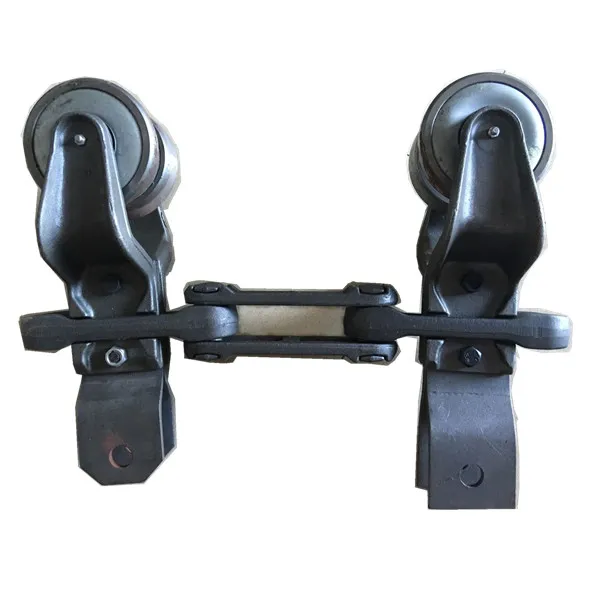
How do you calculate the required horsepower for a conveyor chain drive?
The calculation of required horsepower for a conveyor chain drive involves considering various factors related to the conveyor system and the specific application. Here is a step-by-step process:
1. Determine the Total Resistance:
– Calculate the total resistance that the conveyor chain needs to overcome during operation. This includes the resistance due to the load being conveyed, frictional losses, elevation changes, and any other resistances in the system.
2. Convert the Resistance to Equivalent Inertia:
– Convert the total resistance to an equivalent inertia by multiplying it by the square of the chain speed.
3. Calculate the Total Inertia:
– Determine the total inertia of the system by considering the inertia of all the rotating components, such as the conveyor chain, sprockets, and any other driven elements.
4. Determine the Required Torque:
– Calculate the required torque by multiplying the total inertia by the desired acceleration or deceleration rate.
5. Convert Torque to Horsepower:
– Convert the required torque to horsepower by dividing it by the motor speed (in RPM) and multiplying by a conversion factor.
6. Consider Safety Factors and Efficiency:
– Apply safety factors to the calculated horsepower to account for variations, contingencies, and future growth.
– Consider the efficiency of the drive system, including the motor, gearbox, and other transmission components, to ensure accurate power transmission.
It’s important to note that the above calculation method provides an estimate of the required horsepower. Consulting with conveyor system manufacturers, engineers, or industry-specific guidelines is recommended for precise calculations and to ensure the selected conveyor chain drive meets the application requirements.
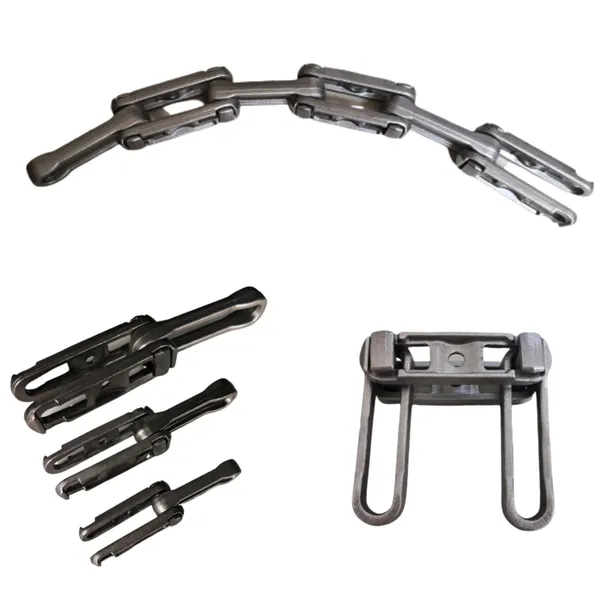
How does lubrication affect the performance of a conveyor chain?
Lubrication plays a crucial role in the performance and longevity of a conveyor chain. Proper lubrication helps to reduce friction, wear, and heat generation, ensuring smooth operation and minimizing the risk of premature failure. Here’s how lubrication affects the performance of a conveyor chain:
1. Friction Reduction: Lubrication forms a thin film between the chain components, reducing friction between metal surfaces. This reduces the energy required for operation, minimizes heat generation, and prevents excessive wear and tear.
2. Wear Prevention: Lubrication forms a protective layer on the chain components, preventing direct metal-to-metal contact. This helps to reduce wear and extend the service life of the chain.
3. Corrosion Protection: Lubricants often contain anti-corrosion additives that protect the chain from rust and oxidation. This is particularly important in environments with high humidity or exposure to corrosive substances.
4. Noise Reduction: Proper lubrication reduces the noise generated during chain operation by minimizing friction and metal-to-metal contact. This can contribute to a quieter and more comfortable working environment.
5. Temperature Control: Lubrication helps to dissipate heat generated during chain operation, preventing excessive temperature rise. This is crucial in high-speed or heavy-duty applications where heat can lead to accelerated wear and reduced chain performance.
6. Maintenance and Service Life: Regular lubrication and proper lubricant selection are essential for maintaining the chain’s performance and extending its service life. Adequate lubrication reduces the need for frequent maintenance, minimizes downtime, and lowers overall operating costs.
It’s important to follow the manufacturer’s recommendations for lubrication frequency and use the appropriate lubricant for the conveyor chain. Regular inspections and maintenance checks should also be conducted to ensure proper lubrication levels and address any issues promptly. Proper lubrication practices will enhance the performance, reliability, and durability of the conveyor chain system.

What are the different types of conveyor chains?
There are several types of conveyor chains available, each designed to meet specific application requirements. Here are some common types of conveyor chains:
- Roller chains: Roller chains are the most commonly used type of conveyor chain. They consist of a series of cylindrical rollers connected by side plates. Roller chains provide smooth and efficient movement and are suitable for medium to heavy-duty applications.
- Double pitch chains: Double pitch chains have larger pitch (distance between the centers of adjacent pins) compared to standard roller chains. They are often used in applications that require slower speeds and lighter loads.
- Hollow pin chains: Hollow pin chains have hollow pins that allow for easy attachment of various accessories or attachments. They are commonly used in conveying applications that require customization or where attachments need to be mounted.
- Apron or slat chains: Apron or slat chains consist of plates or slats that are connected by hinges. They are used in heavy-duty applications where the chain needs to support and carry large loads or withstand harsh environments.
- Plastic chains: Plastic chains are made of durable and lightweight materials such as acetal or polyethylene. They offer benefits such as corrosion resistance, low noise levels, and the ability to work in wet or washdown environments. Plastic chains are commonly used in food processing, packaging, and pharmaceutical industries.
These are just a few examples of conveyor chain types, and there are many other variations available depending on specific application requirements. The selection of the appropriate conveyor chain type depends on factors such as load capacity, speed, environment, and desired functionality.


editor by CX 2024-05-06