Описание продукта
| Номер модели. | 06C/08A/10A/12A/16A/20A/24A/28A/32A/40A/06B/08B/10B/12B/16B/20B/24B/28B/32B/40B-1/2/3 Сверхпрочный |
| Цепная модель | Роликовые цепи |
| Структура (для цепи) | Роликовая цепь |
| Спецификация | ГБ/Т, DIN, ANSI, ISO, BS, JIS. |
| Источник | Ханчжоу, Чжэцзян |
| Цвет | Однотонный цвет |
| Цвет цепи | Индивидуальный |
Наша компания
Компания Wolff Chain Co. является одним из профессиональных производителей цепей в Китае. Мы специализируемся на исследованиях, производстве и торговле цепными приводами известных брендов — «DOVON» и «DECHO». Мы также предоставляем услуги OEM для многих известных предприятий, таких как SUZUKI, XIHU (WEST LAKE) DIS., FAW, AGCO, JUMING.
Wolff mainly producing the Transmission chains,Conveyor chains,Dragging Chains,Silent chains,Leaf chains,Roller chains,Special chain and many other series of chain products. Our technicians a have improved the chains quality to the world-level. High quality material selection, powerful and precise heat-treatment technology and excellent assembly methods ensure Wolff chains meet the tough and strict requirements for machines and vehicles.
Вся наша продукция полностью соответствует международным стандартам, таким как ISO, DIN, ANSI, BS, JIS и др. Компания Wolff успешно прошла сертификацию по системе управления качеством ISO9001, инспекцию SGS и инспекцию BV. Цепи Wolff широко применяются во многих отраслях промышленности, включая автомобилестроение, мотоциклостроение, производство вилочных погрузчиков, деревообрабатывающих станков, строительной техники, упаковочных машин, пищевого оборудования, табачных машин и сельскохозяйственной техники. Цепи Wolff пользуются популярностью на рынках Америки, Южной Америки, Европы, Ближнего Востока, Юго-Восточной Азии и Африки.
Наша мастерская
Наша сертификация
Добро пожаловать на нашу выставку!
Часто задаваемые вопросы
В1. Каковы ваши условия упаковки?
А: Обычно мы упаковываем наши товары в одноцветные коробки. Если у вас есть особые пожелания по упаковке, пожалуйста, обсудите это с нами заранее, мы сможем упаковать товар в соответствии с вашими требованиями.
В2. Каковы ваши условия оплаты?
A: Предоплата банковским переводом 30%, затем 70% перед доставкой. Мы покажем вам фотографии продукции и упаковки.
Перед оплатой остатка. Другие условия оплаты, пожалуйста, обсудите с нами заранее, мы можем это обсудить.
В3. Каковы ваши условия доставки?
A: EXW, FOB, CFR, CIF.
Вопрос 4. Каковы сроки доставки?
А: Как правило, доставка занимает от 25 до 30 дней после получения предоплаты. Конкретное время доставки зависит от...
о товарах и количестве вашего заказа.
В5. Можете ли вы производить продукцию по образцам?
А: Да, мы можем производить продукцию по вашим образцам или техническим чертежам. Мы можем изготовить пресс-формы и оснастку.
В6. Какой у вас примерный страховой полис?
А: Мы можем предоставить образец, если у нас есть готовые детали на складе, но стоимость образца оплачивает клиент.
Стоимость курьерской доставки. Мы приветствуем заказы образцов.
В7. Проверяете ли вы все свои товары перед отправкой?
А: Да, перед отправкой мы проводим тест 100%.
В8: Как вы можете построить долгосрочные и хорошие деловые отношения с нами?
1. Мы поддерживаем высокое качество и конкурентоспособные цены, чтобы обеспечить выгоду для наших клиентов;
2. Мы относимся к каждому клиенту как к другу и искренне ведем с ними бизнес и заводим дружеские отношения.
no matter where they come from.
| Стандартный или нестандартный: | Стандарт |
|---|---|
| Приложение: | Текстильное оборудование, швейное оборудование, конвейерное оборудование, упаковочное оборудование, пищевое оборудование, морское оборудование, горнодобывающее оборудование |
| Обработка поверхности: | Масляный цветение |
| Структура: | Роликовая цепь |
| Материал: | Углеродистая сталь |
| Тип: | Короткая цепочка шагов |
| Образцы: |
US$ 0/штука
1 штука (минимальный заказ) | |
|---|
| Настройка: |
Доступный
| Индивидуальный запрос |
|---|
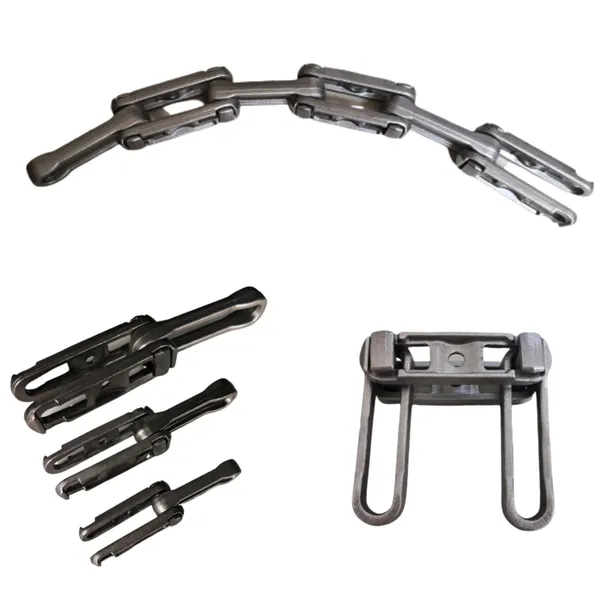
Can a conveyor chain be used in cleanroom environments?
Yes, conveyor chains can be used in cleanroom environments with proper selection and design considerations. Cleanroom environments require stringent control of airborne particles, such as dust, microbes, and contaminants, to maintain high levels of cleanliness. Here are some factors to consider when using a conveyor chain in a cleanroom:
1. Выбор материалов:
– Choose a conveyor chain made from materials that are compatible with cleanroom requirements. Stainless steel, plastic, or special coatings are commonly used for their clean and non-contaminating properties.
– Avoid materials that generate excessive particles or contaminants, such as certain types of lubricants or chain coatings.
2. Design Considerations:
– Design the conveyor chain system to minimize particle generation. This includes smooth surfaces, rounded edges, and avoiding areas that can trap or accumulate particles.
– Use sealed or enclosed chain designs to prevent the release of lubricants or contaminants.
– Consider the integration of additional features, such as covers or guards, to further protect the chain and prevent particle ingress.
3. Cleaning and Maintenance:
– Establish a cleaning and maintenance protocol specific to the cleanroom environment. This may include regular cleaning and sanitization procedures to maintain cleanliness standards.
– Use cleaning agents and procedures that are approved for cleanroom use and do not introduce contaminants.
– Regularly inspect the conveyor chain system for any signs of wear, damage, or contamination. Promptly address any issues to ensure the chain’s reliability and cleanliness.
4. Compliance with Cleanroom Standards:
– Ensure that the conveyor chain system meets the cleanliness and particle generation requirements of the specific cleanroom standards or classifications in which it will be used.
– Comply with relevant industry guidelines and regulations, such as ISO standards, when selecting and using conveyor chains in cleanroom environments.
By considering these factors and implementing proper material selection, design considerations, cleaning protocols, and compliance with cleanroom standards, a conveyor chain can be effectively used in cleanroom environments while maintaining the required cleanliness levels.
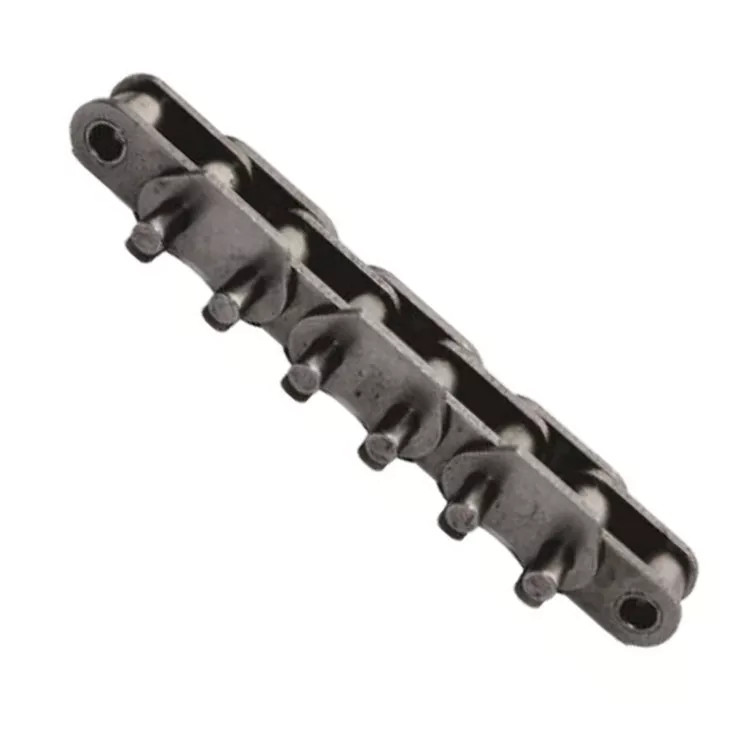
How do you prevent corrosion in conveyor chains?
Preventing corrosion in conveyor chains is essential for maintaining their performance and prolonging their lifespan. Here are some effective measures to prevent corrosion:
1. Material Selection: Choose conveyor chains made from corrosion-resistant materials such as stainless steel, plastic, or coatings specifically designed to resist corrosion. These materials offer better protection against rust and corrosion compared to standard steel chains.
2. Proper Lubrication: Apply a suitable lubricant to the conveyor chain regularly. Lubrication creates a protective barrier that helps prevent moisture and contaminants from reaching the metal surface, reducing the risk of corrosion. Select a lubricant that provides corrosion protection properties and is compatible with the chain material.
3. Environmental Controls: Control the operating environment to minimize exposure to corrosive elements. Implement measures such as humidity control, proper ventilation, and protection from direct contact with water or chemicals. Consider using covers or enclosures to shield the conveyor chain from environmental factors that can accelerate corrosion.
4. Surface Treatments: Apply corrosion-resistant coatings or treatments to the conveyor chain. These coatings can provide an additional protective layer that acts as a barrier against moisture and corrosive substances. Examples of surface treatments include zinc plating, galvanizing, or epoxy coatings.
5. Regular Inspections and Cleaning: Regularly inspect the conveyor chain for signs of corrosion or damage. Remove any accumulated dirt, debris, or corrosive substances promptly. Cleaning the chain helps prevent the buildup of contaminants that can accelerate corrosion.
6. Preventive Maintenance: Implement a preventive maintenance program that includes regular cleaning, lubrication, and inspection of the conveyor chain. This proactive approach helps identify and address any potential corrosion issues early on, preventing further damage.
7. Proper Storage: When not in use, store the conveyor chains in a dry and controlled environment. Protect them from exposure to moisture, humidity, and corrosive substances. Use appropriate storage methods, such as hanging the chains or storing them in sealed containers.
By following these preventive measures, you can significantly reduce the risk of corrosion in conveyor chains, ensuring their optimal performance and longevity.
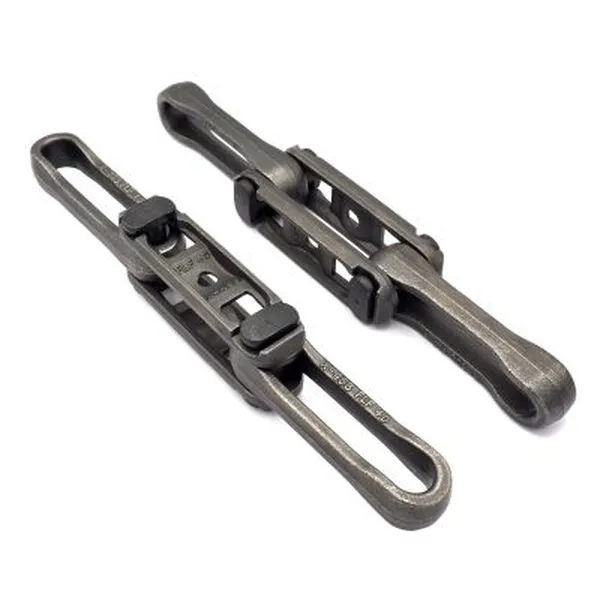
What are the environmental considerations when using a conveyor chain?
When using a conveyor chain, there are several environmental considerations to take into account:
1. Temperature and Humidity: Conveyor chains may be exposed to different temperature and humidity levels depending on the application and operating environment. Extreme temperatures or high humidity can affect the performance and lifespan of the chain. It is important to select a chain material and lubrication that can withstand the specific environmental conditions.
2. Contamination and Cleanliness: The presence of dust, dirt, debris, or other contaminants can impact the operation and efficiency of the conveyor chain. Regular cleaning and maintenance should be performed to prevent build-up and ensure smooth chain movement.
3. Chemical Exposure: Conveyor chains used in industries such as chemical processing or food production may come into contact with corrosive chemicals or cleaning agents. It is crucial to choose a chain material that is resistant to chemical corrosion and select appropriate lubricants compatible with the chemicals present in the environment.
4. Noise and Vibration: Conveyor systems can generate noise and vibration during operation, which may have environmental implications. Noise reduction measures, such as using noise-dampening materials or implementing vibration isolation techniques, can help minimize the impact on the surrounding environment and comply with noise regulations.
5. Energy Efficiency: Consideration should be given to energy consumption and efficiency when using a conveyor chain. Optimize the system design, minimize friction losses, and utilize energy-efficient components to reduce the environmental impact and operational costs.
6. Sustainability: Increasingly, sustainability is an important consideration in industrial operations. Choosing conveyor chains made from recyclable or renewable materials, implementing energy-saving measures, and practicing responsible waste management can contribute to a more environmentally friendly operation.
By taking these environmental considerations into account, industries can ensure the proper functioning of conveyor chains while minimizing environmental impact and complying with relevant regulations.


editor by CX 2023-10-16