Produktbeskrivning
| Modell nr. | 06C/08A/10A/12A/16A/20A/24A/28A/32A/40A/06B/08B/10B/12B/16B/20B/24B/28B/32B/40B-1/2/3 Tung belastning |
| Kedjemodell | Rullkedjor |
| Struktur (för kedja) | Rullkedja |
| Specifikation | GB/T, DIN, ANSI, ISO, BS, JIS. |
| Ursprung | HangZhou, ZheJiang |
| Färg | Enfärgad |
| Kedjefärg | Anpassad |
Vårt företag
Wolff Chain Co. är en av de professionella kedjetillverkarna i Kina. Vi fokuserar på forskning, tillverkning och handel med kedjedrift med kända varumärken – "DOVON" och "DECHO". Vi tillhandahåller OEM-tjänster för många kända företag som SUZUKI, XIHU (WEST LAKE) DIS., FAW, AGCO och JUMING.
Wolff mainly producing the Transmission chains,Conveyor chains,Dragging Chains,Silent chains,Leaf chains,Roller chains,Special chain and many other series of chain products. Our technicians a have improved the chains quality to the world-level. High quality material selection, powerful and precise heat-treatment technology and excellent assembly methods ensure Wolff chains meet the tough and strict requirements for machines and vehicles.
Alla våra produkter uppfyller helt internationella standarder som ISO\DIN\ANSI\BS\JIS, etc. Wolff har framgångsrikt certifierats enligt ISO9001 Quality Management System, SGS-inspektion och BV-inspektion. Wolff-kedjor kan användas i många branscher, inklusive bilar, motorcyklar, gaffeltruckar, träbearbetningsmaskiner, byggmaskiner, förpackningsmaskiner, livsmedelsmaskiner, tobaksmaskiner och jordbruksutrustning. Wolff-kedjor är populära på marknaderna i Amerika, Sydamerika, Europa, Mellanöstern, Sydostasien och Afrika.
Vår verkstad
Vår certifiering
Välkommen till vår utställning
Vanliga frågor
Q1. Vilka är era förpackningsvillkor?
A: Generellt sett packar vi våra varor i enfärgade lådor. Om du har speciella önskemål om förpackning, vänligen förhandla med oss i förväg, så kan vi packa varorna enligt din begäran.
F2. Vilka är era betalningsvillkor?
A: T/T 30% som deposition och 70% före leverans. Vi visar dig bilder på produkterna och paketen.
innan du betalar slutbeloppet. Andra betalningsvillkor, vänligen förhandla med oss i förväg, vi kan diskutera det.
F3. Vilka är era leveransvillkor?
A: EXW, FOB, CFR, CIF.
Q4. Hur är det med din leveranstid?
A: Generellt sett tar det 25 till 30 dagar efter att du mottagit din förskottsbetalning. Den specifika leveranstiden beror på
på varorna och kvantiteten i din beställning.
Q5. Kan ni producera enligt proverna?
A: Ja, vi kan producera enligt dina prover eller tekniska ritningar. Vi kan bygga formar och fixturer.
F6. Vilken är er policy för exempel?
A: Vi kan leverera provet om vi har färdiga delar i lager, men kunderna måste betala provkostnaden och
kurirkostnaden. Vi välkomnar provbeställningar.
Q7. Testar ni alla era varor före leverans?
A: Ja, vi har ett 100%-test före leverans
Q8: Hur gör ni vår verksamhet till en långsiktig och god relation?
1. Vi håller god kvalitet och konkurrenskraftiga priser för att säkerställa att våra kunder drar nytta av det;
2. Vi respekterar varje kund som vår vän och vi gör uppriktigt affärer och blir vän med dem,
no matter where they come from.
| Standard eller icke-standard: | Standard |
|---|---|
| Ansökan: | Textilmaskiner, klädmaskiner, transportbandsutrustning, förpackningsmaskiner, livsmedelsmaskiner, marin, gruvutrustning |
| Ytbehandling: | Oljeblomning |
| Strukturera: | Rullkedja |
| Material: | Kolstål |
| Typ: | Kort kedja |
| Prover: |
US$ 0/Styck
1 styck (minsta beställning) | |
|---|
| Anpassning: |
Tillgänglig
| Anpassad förfrågan |
|---|
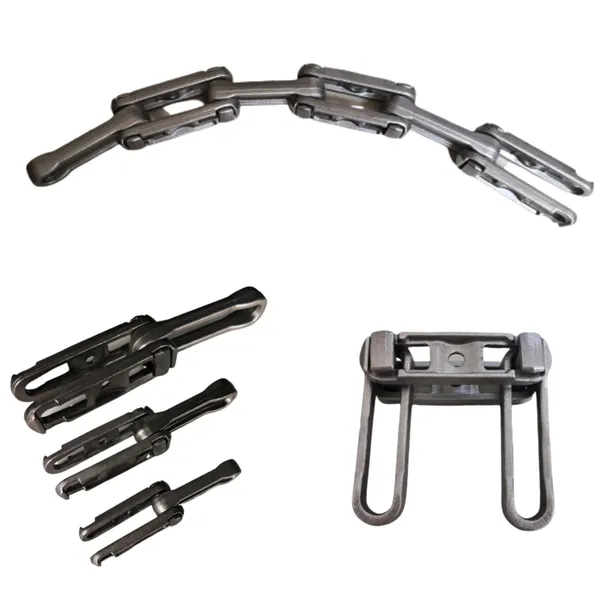
Can a conveyor chain be used in cleanroom environments?
Yes, conveyor chains can be used in cleanroom environments with proper selection and design considerations. Cleanroom environments require stringent control of airborne particles, such as dust, microbes, and contaminants, to maintain high levels of cleanliness. Here are some factors to consider when using a conveyor chain in a cleanroom:
1. Material Selection:
– Choose a conveyor chain made from materials that are compatible with cleanroom requirements. Stainless steel, plastic, or special coatings are commonly used for their clean and non-contaminating properties.
– Avoid materials that generate excessive particles or contaminants, such as certain types of lubricants or chain coatings.
2. Design Considerations:
– Design the conveyor chain system to minimize particle generation. This includes smooth surfaces, rounded edges, and avoiding areas that can trap or accumulate particles.
– Use sealed or enclosed chain designs to prevent the release of lubricants or contaminants.
– Consider the integration of additional features, such as covers or guards, to further protect the chain and prevent particle ingress.
3. Cleaning and Maintenance:
– Establish a cleaning and maintenance protocol specific to the cleanroom environment. This may include regular cleaning and sanitization procedures to maintain cleanliness standards.
– Use cleaning agents and procedures that are approved for cleanroom use and do not introduce contaminants.
– Regularly inspect the conveyor chain system for any signs of wear, damage, or contamination. Promptly address any issues to ensure the chain’s reliability and cleanliness.
4. Compliance with Cleanroom Standards:
– Ensure that the conveyor chain system meets the cleanliness and particle generation requirements of the specific cleanroom standards or classifications in which it will be used.
– Comply with relevant industry guidelines and regulations, such as ISO standards, when selecting and using conveyor chains in cleanroom environments.
By considering these factors and implementing proper material selection, design considerations, cleaning protocols, and compliance with cleanroom standards, a conveyor chain can be effectively used in cleanroom environments while maintaining the required cleanliness levels.
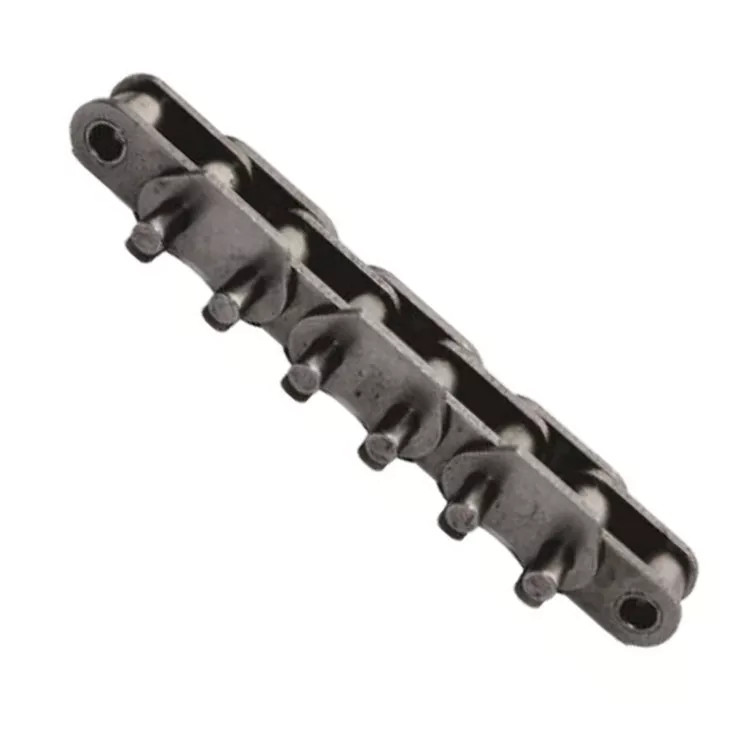
How do you prevent corrosion in conveyor chains?
Preventing corrosion in conveyor chains is essential for maintaining their performance and prolonging their lifespan. Here are some effective measures to prevent corrosion:
1. Material Selection: Choose conveyor chains made from corrosion-resistant materials such as stainless steel, plastic, or coatings specifically designed to resist corrosion. These materials offer better protection against rust and corrosion compared to standard steel chains.
2. Proper Lubrication: Apply a suitable lubricant to the conveyor chain regularly. Lubrication creates a protective barrier that helps prevent moisture and contaminants from reaching the metal surface, reducing the risk of corrosion. Select a lubricant that provides corrosion protection properties and is compatible with the chain material.
3. Environmental Controls: Control the operating environment to minimize exposure to corrosive elements. Implement measures such as humidity control, proper ventilation, and protection from direct contact with water or chemicals. Consider using covers or enclosures to shield the conveyor chain from environmental factors that can accelerate corrosion.
4. Surface Treatments: Apply corrosion-resistant coatings or treatments to the conveyor chain. These coatings can provide an additional protective layer that acts as a barrier against moisture and corrosive substances. Examples of surface treatments include zinc plating, galvanizing, or epoxy coatings.
5. Regular Inspections and Cleaning: Regularly inspect the conveyor chain for signs of corrosion or damage. Remove any accumulated dirt, debris, or corrosive substances promptly. Cleaning the chain helps prevent the buildup of contaminants that can accelerate corrosion.
6. Preventive Maintenance: Implement a preventive maintenance program that includes regular cleaning, lubrication, and inspection of the conveyor chain. This proactive approach helps identify and address any potential corrosion issues early on, preventing further damage.
7. Proper Storage: When not in use, store the conveyor chains in a dry and controlled environment. Protect them from exposure to moisture, humidity, and corrosive substances. Use appropriate storage methods, such as hanging the chains or storing them in sealed containers.
By following these preventive measures, you can significantly reduce the risk of corrosion in conveyor chains, ensuring their optimal performance and longevity.
What are the environmental considerations when using a conveyor chain?
When using a conveyor chain, there are several environmental considerations to take into account:
1. Temperature and Humidity: Conveyor chains may be exposed to different temperature and humidity levels depending on the application and operating environment. Extreme temperatures or high humidity can affect the performance and lifespan of the chain. It is important to select a chain material and lubrication that can withstand the specific environmental conditions.
2. Contamination and Cleanliness: The presence of dust, dirt, debris, or other contaminants can impact the operation and efficiency of the conveyor chain. Regular cleaning and maintenance should be performed to prevent build-up and ensure smooth chain movement.
3. Chemical Exposure: Conveyor chains used in industries such as chemical processing or food production may come into contact with corrosive chemicals or cleaning agents. It is crucial to choose a chain material that is resistant to chemical corrosion and select appropriate lubricants compatible with the chemicals present in the environment.
4. Noise and Vibration: Conveyor systems can generate noise and vibration during operation, which may have environmental implications. Noise reduction measures, such as using noise-dampening materials or implementing vibration isolation techniques, can help minimize the impact on the surrounding environment and comply with noise regulations.
5. Energy Efficiency: Consideration should be given to energy consumption and efficiency when using a conveyor chain. Optimize the system design, minimize friction losses, and utilize energy-efficient components to reduce the environmental impact and operational costs.
6. Sustainability: Increasingly, sustainability is an important consideration in industrial operations. Choosing conveyor chains made from recyclable or renewable materials, implementing energy-saving measures, and practicing responsible waste management can contribute to a more environmentally friendly operation.
By taking these environmental considerations into account, industries can ensure the proper functioning of conveyor chains while minimizing environmental impact and complying with relevant regulations.


editor by CX 2023-10-16