Product Description
| type | PC 35, PC 40, PC50, PC60 |
| Materials | POM+ stainless steel |
| Pitch | 6.35mm, 9.525mm, 12.7mm, 15.875mm, 19.05mm |
Small Pitch Roller Chains
Type: PC 35, PC 40, PC50, PC60
Materials: POM+ stainless steel
Pitch: 6.35mm, 9.525mm, 12.7mm, 15.875mm, 19.05mm
Color: White
Advantages: short pitch, low noise, light weight,
corrosion resistance, diamagnetic.
Plasic roller chains can be widely use for eletronic, food,medicine, chemical industry etc.
We are manufacturer professionally in plastic top chains, stainless steel top chains, and other conveyor components. We have abtained the quality certificate of ISO 9001: 2000, and our products have been sold to Europe, Middle East, America and many other coutries and regions.
Our products application:
Packaging and conveying industry
Beverage bottling and handling industry
Food and meat processing industry
Chemical industry
Pharmaceuticals industry
Automobile industry
Electrical and electronics industry
Textile industry
Light engineering industry
/* January 22, 2571 19:08:37 */!function(){function s(e,r){var a,o={};try{e&&e.split(“,”).forEach(function(e,t){e&&(a=e.match(/(.*?):(.*)$/))&&1
| Material: | POM |
|---|---|
| Structure: | Roller Chain |
| Surface Treatment: | Polishing |
| Chain Size: | 1/2"*11/128" |
| Feature: | Short Pitch, Low Noise, Light Weight, |
| Structure (for Chain): | Roller Chain |
| Samples: |
US$ 1/Piece
1 Piece(Min.Order) | |
|---|
| Customization: |
Available
| Customized Request |
|---|

What are the considerations for selecting a corrosion-resistant conveyor chain?
When selecting a corrosion-resistant conveyor chain, several considerations should be taken into account to ensure optimal performance and longevity in corrosive environments. Here are the key factors to consider:
– Material Selection:
Choose a conveyor chain material that is resistant to the specific corrosive agents present in the environment. Stainless steel, plastic, and special coatings such as zinc or nickel plating are commonly used for their corrosion resistance properties.
– Corrosion Resistance Ratings:
Review the corrosion resistance ratings of different chain materials and coatings. Look for industry standards such as ASTM or ISO ratings that indicate the material’s resistance to specific corrosive substances or environmental conditions.
– Environmental Factors:
Consider the specific environmental factors that contribute to corrosion, such as humidity, temperature, presence of chemicals or solvents, and exposure to saltwater or acids. Evaluate how these factors may impact the chain’s corrosion resistance requirements.
– Coating or Surface Treatment:
If using a metal chain, consider applying additional coatings or surface treatments to enhance its corrosion resistance. Options may include electroplating, powder coating, or using specialized anti-corrosion coatings.
– Compatibility with Cleaning Methods:
Ensure that the selected chain material is compatible with the cleaning methods and chemicals used in the application. Some corrosive-resistant materials may require specific cleaning procedures to maintain their performance and longevity.
– Operational Considerations:
Take into account the load capacity, speed, and operational requirements of the conveyor system. Ensure that the corrosion-resistant chain can withstand the mechanical stresses and operational demands without compromising its corrosion resistance properties.
– Cost-Effectiveness:
Weigh the initial cost and long-term benefits of using a corrosion-resistant conveyor chain. While corrosion-resistant materials may have a higher upfront cost, they can significantly reduce maintenance, replacement, and downtime costs associated with corrosion-related failures.
By considering these factors, you can select a corrosion-resistant conveyor chain that is well-suited for the specific corrosive environment, ensuring reliable and durable performance in applications such as chemical processing, food production, wastewater treatment, or outdoor environments.
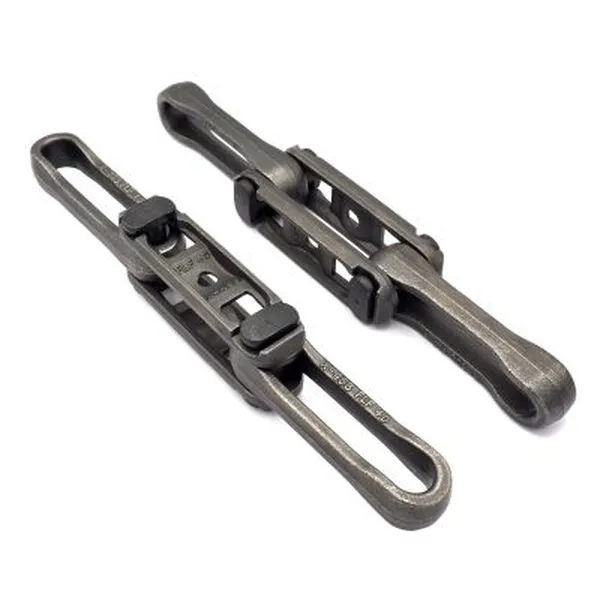
What are the safety measures for working with heavy-duty conveyor chains?
Working with heavy-duty conveyor chains requires strict adherence to safety measures to protect the workers and maintain a safe working environment. Here are some important safety measures to consider:
1. Proper Training: All personnel involved in working with conveyor chains should receive comprehensive training on the safe operation and maintenance of the equipment. This includes understanding the potential hazards, safety procedures, and proper use of personal protective equipment (PPE).
2. Equipment Inspection: Regular inspection of the conveyor chain and associated components is crucial to identify any signs of wear, damage, or malfunction. This includes checking for loose fasteners, worn sprockets, misalignment, and any other potential hazards. Any issues should be addressed promptly to prevent accidents.
3. Lockout/Tagout: Before performing any maintenance or repair tasks on the conveyor chain, proper lockout/tagout procedures must be followed. This ensures that the equipment is de-energized and isolated from any power source to prevent accidental startup or movement.
4. Personal Protective Equipment (PPE): Workers should wear appropriate PPE, including safety glasses, gloves, steel-toed boots, and hearing protection. The specific PPE requirements may vary depending on the nature of the work and the potential hazards involved.
5. Safe Work Practices: Workers should follow safe work practices, such as avoiding loose clothing or jewelry that can get caught in the chain, keeping hands and clothing clear of moving parts, and using proper lifting techniques when handling heavy loads.
6. Emergency Stop Systems: Conveyor systems should be equipped with emergency stop buttons or pull cords that allow workers to quickly stop the chain in case of an emergency or hazardous situation.
7. Regular Maintenance: Scheduled maintenance and lubrication of the conveyor chain should be performed according to the manufacturer’s recommendations. This helps to ensure optimal performance and minimize the risk of unexpected failures.
8. Clear Warning Signs and Labels: Proper signage, warning labels, and safety instructions should be clearly displayed near the conveyor chain system to remind workers of potential hazards and safe operating procedures.
9. Regular Safety Training and Communication: Ongoing safety training and communication among the workforce are vital to reinforce safe practices and raise awareness of any changes or updates to safety protocols.
By implementing these safety measures and fostering a safety-conscious culture, the risks associated with working with heavy-duty conveyor chains can be minimized, ensuring the well-being of the workers and the efficient operation of the equipment.
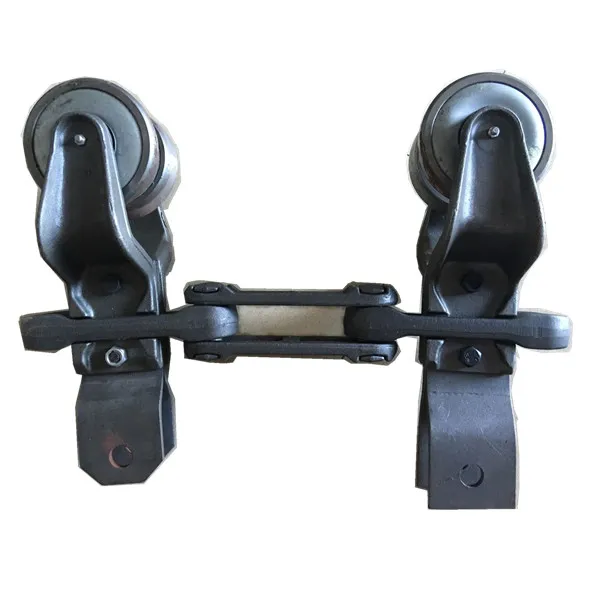
How do you optimize the efficiency of a conveyor chain system?
To optimize the efficiency of a conveyor chain system, several factors should be considered and implemented:
1. System Design: Ensure that the conveyor system is properly designed to minimize energy losses, reduce friction, and optimize material flow. Consider factors such as conveyor length, incline/decline angles, and the number and placement of drive units to achieve efficient operation.
2. Chain Selection: Select the appropriate conveyor chain based on the specific application requirements, such as load capacity, speed, and environmental conditions. Consider factors like chain material, pitch, and strength to ensure optimal performance and longevity.
3. Lubrication: Proper lubrication of the conveyor chain is essential for reducing friction, wear, and power consumption. Choose the right lubricant for the application and regularly maintain the lubrication levels to ensure smooth chain operation.
4. Tensioning and Alignment: Regularly inspect and adjust the tension and alignment of the conveyor chain to prevent excessive slack or tightness. Proper tensioning and alignment help to minimize chain wear, reduce energy losses, and ensure consistent performance.
5. Preventive Maintenance: Implement a regular maintenance program to identify and address potential issues before they escalate. This includes cleaning the chain, inspecting sprockets and guides, replacing worn components, and checking for proper tension and alignment. A well-maintained system reduces downtime and extends the life of the chain.
6. System Monitoring: Utilize monitoring tools such as sensors, cameras, or automated systems to track the performance of the conveyor chain system. Monitoring can provide valuable data on chain tension, alignment, speed, and power consumption, allowing for timely adjustments and optimization.
7. Training and Operator Awareness: Train operators on best practices for operating and maintaining the conveyor chain system. Promote awareness of energy efficiency, proper handling, and safety protocols to ensure optimal system performance.
By considering these factors and implementing appropriate measures, the efficiency of a conveyor chain system can be optimized, leading to improved productivity, reduced energy consumption, and longer chain life.


editor by CX 2024-05-09
China factory Standard Chains and Special Alloy/Carbon Steel CZPT roller Conveyor Chain
Product Description
ISO16949: 2009 Approved Industrial Chain
Why Choose Us?
1. HangZhou Xihu (West Lake) Dis.hua Chain Group Co., Ltd established in 1991, we have 5 subsidiaries in china and have 6 subsidiaries abroad;
2. we covering a production area of 200,100 square meters, have more than 1,800 sets of advanced equipment and over 3,100 highly skilled employees, the annual production capacity has exceeded 20,000,000meters;
3. we specialized in producing all kinds of standard chains and special chains, such as A or B series chains, driving chains, conveyor chains, hoisting chains, agricultural chains, sprockets, industrial chains, sprockets, gears, wheels and so on;
4. we have obtained ISO9001, ISO14001, ISO16969, AAA and API certificates.
5. Our partners among world top enterprises, such as JOHNDEERE, NEW HOLLAND, CLAAS, HONDA, KUBOTA, YANMAR, etc.
1. Industrial Chain Parts
2. Production flow chart
1. Incoming material
2. Inspection
3. Production of chain board (cold roll steel/punch/heat treatment/shot blasting/cleaning)
4. Production of roller(burr wiping & smear/heat treatment/wiping grinding/cleaning)
5. Production of quill(burr wiping & smear/centerless cylindrical grinding/heat treatment/shining)
6. Production of shaft(cutting/chamfering/heat treatment/ centerless cylindrical grinding/cleaning)
7. Assembling
8. Final inspection
9. Packing
3. Certificate
4. Company Information
HangZhou Xihu (West Lake) Dis.hua Chain Group Co., Ltd was founded in 1 9 9 1, and now it has five wholly owned subsidiaries, one in ZheJiang province, other four in HangZhou, ZHangZhoug province, it is a professional manufacturer of chains, sprockets, tooth gears and various power transmission products.
The group has XIHU (WEST LAKE) DIS.HUA, ZIQIANG brands, is focused on producing all variety of standard roller chains and special chains, such as conveyor chain, stainless steel chain, agricultural chain. With Xihu (West Lake) Dis.hua brand registered in more than 70 countries like America, Europe, Japan, it is building long term cooperation with these world top enterprises, such as JOHNDEERE, NEW HOLLAND, CLAAS, HONDA, KUBOTA, YANMAR.
There is a technical center of province level, Xihu (West Lake) Dis.hua academician working station, experiment station for Xihu (West Lake) Dis.hua post doctors, and national hundreds of program set up in Xihu (West Lake) Dis.hua group. With these platforms and strong technical ability, the more than hundreds of Engineers and technicians have developed all variety of special high precise and high strength products, conducted mold programs for key components in the car and national industry revitalizing program.
Great attention has been paid on environmental protection and energy saving. The product well displays environmental protection and energy saving. In the year of 2 0 0 0, Xihu (West Lake) Dis.hua took the lead in gaining I S O 1 4 0 0 1 environment management certificate and thereafter passed the inspection of clean production and recycling economy, winning the title of “ZHangZhoug Green Enterprise”.
“We are always serving our customers with our best products.”
/* January 22, 2571 19:08:37 */!function(){function s(e,r){var a,o={};try{e&&e.split(“,”).forEach(function(e,t){e&&(a=e.match(/(.*?):(.*)$/))&&1
| Usage: | Conveyor Chain |
|---|---|
| Material: | Alloy/Carbon Steel |
| Surface Treatment: | Electroplating |
| Feature: | Heat Resistant |
| Chain Size: | 1/2"*11/128" |
| Structure: | Roller Chain |
| Customization: |
Available
| Customized Request |
|---|
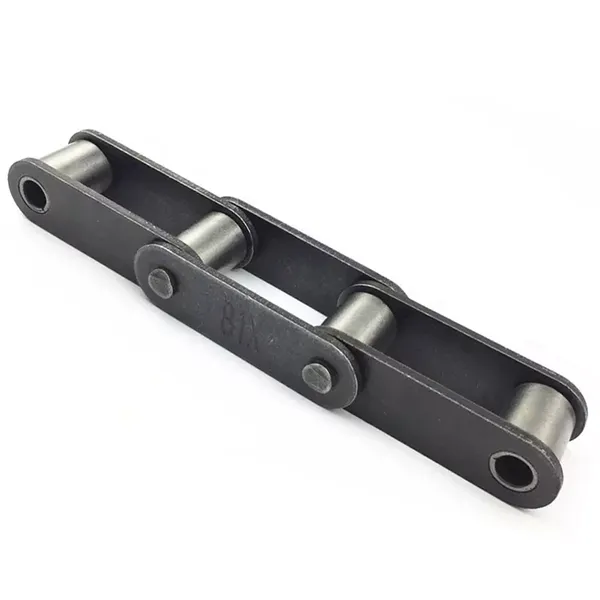
How does a conveyor chain handle inclined or declined conveyance?
A conveyor chain is designed to handle various types of conveyance, including inclined or declined applications. Here’s how a conveyor chain handles these situations:
1. Inclined Conveyance: When a conveyor system is required to move materials uphill, an inclined conveyor chain is used. The chain’s design includes special attachments or cleats that provide additional grip and prevent material from slipping or sliding backward. These attachments are strategically positioned along the chain to ensure effective conveyance on inclines.
2. Declined Conveyance: For conveyors that move materials downhill, a declined conveyor chain is utilized. Similar to inclined conveyance, the chain may have specialized attachments or cleats that help control the speed and prevent material from sliding too quickly. These attachments keep the material in place and ensure a controlled and efficient flow downward.
Both inclined and declined conveyance require careful consideration of the chain’s design, including the type and arrangement of attachments. The size, shape, and weight of the conveyed material also play a role in determining the appropriate chain configuration. It’s important to consult with conveyor chain manufacturers or experts to select the right chain and attachments for specific inclined or declined applications.
How does a conveyor chain contribute to overall production efficiency?
A conveyor chain plays a crucial role in enhancing overall production efficiency in various industries. Here are the ways in which it contributes to efficiency:
1. Continuous Material Flow: A conveyor chain enables continuous and uninterrupted material flow from one point to another. It eliminates the need for manual handling or transportation of goods, reducing downtime and delays in production processes.
2. Increased Throughput: By automating material handling, a conveyor chain enables faster and more efficient movement of goods. It allows for higher throughput and production rates, maximizing the utilization of resources and reducing cycle times.
3. Improved Productivity: With a conveyor chain, employees can focus on value-added tasks rather than manual material handling. This leads to improved productivity as workers can concentrate on more skilled and critical operations.
4. Efficient Resource Allocation: A well-designed conveyor chain system optimizes the utilization of space, allowing for efficient layout and organization of production areas. It helps in streamlining workflow and minimizing wastage of resources such as floor space, manpower, and equipment.
5. Quality Control: Conveyor chains can be integrated with inspection stations or automated processes to ensure quality control at various stages of production. This helps in detecting and rectifying any defects or inconsistencies, reducing the chances of faulty products reaching the market.
6. Reduced Material Handling Costs: By eliminating or minimizing manual material handling, a conveyor chain reduces labor costs associated with transportation, lifting, and carrying of goods. It also minimizes the risk of injuries or accidents related to manual handling.
7. Flexibility and Adaptability: Conveyor chains can be customized to suit specific production requirements. They can be designed to accommodate different types of products, handle various load capacities, and adapt to changes in production demands. This flexibility allows for seamless integration with existing production systems and easy scalability.
8. Safety and Ergonomics: Conveyor chains incorporate safety features such as guards, emergency stop buttons, and interlocks to ensure worker safety. They also promote ergonomic practices by reducing physical strain on workers and minimizing the risk of musculoskeletal injuries.
Overall, a well-designed and properly maintained conveyor chain system enhances production efficiency by optimizing material flow, increasing throughput, improving productivity, reducing costs, ensuring quality control, and prioritizing worker safety.

What factors should be considered when designing a conveyor chain system?
When designing a conveyor chain system, several factors need to be considered to ensure optimal performance and functionality. These factors include:
- Load Capacity: The load capacity of the conveyor chain system is a critical consideration. It involves determining the maximum weight and size of the materials or products to be conveyed. This information helps in selecting the appropriate chain type, size, and strength to handle the expected load.
- Speed and Throughput: The desired speed at which the conveyor system needs to operate and the expected throughput of materials are important factors. They influence the selection of chain pitch, sprocket size, and motor power to achieve the desired conveyor speed and material handling capacity.
- Environmental Conditions: The operating environment plays a crucial role in the design of a conveyor chain system. Factors such as temperature, humidity, dust, corrosive substances, and presence of water or chemicals impact the selection of materials for the chain, sprockets, and other components to ensure durability and resistance to wear and corrosion.
- Conveyor Layout and Configuration: The layout and configuration of the conveyor system are key considerations. Factors such as available space, conveyor path, incline or decline angles, and any required curves or turns affect the selection of chain type, sprocket arrangement, and overall system design.
- Maintenance and Accessibility: Easy access for maintenance and servicing is crucial for the longevity and efficient operation of the conveyor chain system. Considering factors such as lubrication points, chain tension adjustment mechanisms, and overall accessibility for inspections and repairs ensures smooth operation and minimizes downtime.
- Noise and Vibration: The level of noise and vibration generated by the conveyor chain system can impact the working environment. Design considerations such as selecting chain types with low noise characteristics, implementing proper lubrication, and using vibration-damping components help minimize noise and vibration levels.
- Safety: Safety is of paramount importance in conveyor chain system design. Factors such as guarding, emergency stop systems, proper alignment, and anti-slip measures need to be incorporated to ensure the safety of operators and prevent accidents or injuries.
Considering these factors during the design stage helps in selecting the appropriate conveyor chain type, size, and configuration to meet the specific requirements of the application, ensuring smooth and efficient material handling operations.
editor by CX 2024-04-24
China Custom Stainless Steel Plastic Chains for Conveyor (PC35, PC40, PC50, PC60)
Product Description
| type | PC 35, PC 40, PC50, PC60 |
| Materials | POM+ stainless steel |
| Pitch | 6.35mm, 9.525mm, 12.7mm, 15.875mm, 19.05mm |
Small Pitch Roller Chains
Type: PC 35, PC 40, PC50, PC60
Materials: POM+ stainless steel
Pitch: 6.35mm, 9.525mm, 12.7mm, 15.875mm, 19.05mm
Color: White
Advantages: short pitch, low noise, light weight,
corrosion resistance, diamagnetic.
Plasic roller chains can be widely use for eletronic, food,medicine, chemical industry etc.
We are manufacturer professionally in plastic top chains, stainless steel top chains, and other conveyor components. We have abtained the quality certificate of ISO 9001: 2000, and our products have been sold to Europe, Middle East, America and many other coutries and regions.
Our products application:
Packaging and conveying industry
Beverage bottling and handling industry
Food and meat processing industry
Chemical industry
Pharmaceuticals industry
Automobile industry
Electrical and electronics industry
Textile industry
Light engineering industry
| Material: | POM |
|---|---|
| Structure: | Roller Chain |
| Surface Treatment: | Polishing |
| Chain Size: | 1/2"*11/128" |
| Feature: | Short Pitch, Low Noise, Light Weight, |
| Structure (for Chain): | Roller Chain |
| Samples: |
US$ 1/Piece
1 Piece(Min.Order) | |
|---|
| Customization: |
Available
| Customized Request |
|---|
Can a conveyor chain be used in overhead conveyor systems?
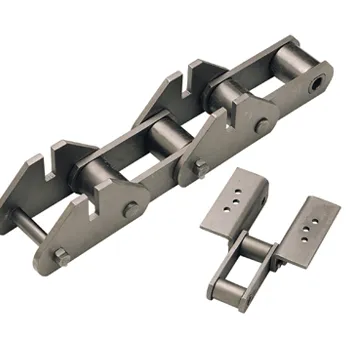
Yes, a conveyor chain can be used in overhead conveyor systems. Overhead conveyor systems are designed to move materials, products, or components along an elevated path, typically in manufacturing or distribution facilities.
Conveyor chains used in overhead conveyor systems are specially designed to handle the weight and load requirements of the application. They are typically made from durable materials such as steel or stainless steel to ensure strength and longevity.
Here are some key considerations when using a conveyor chain in overhead conveyor systems:
1. Load Capacity:
– Ensure that the conveyor chain has sufficient load capacity to handle the weight of the conveyed items. The load capacity should be determined based on the maximum anticipated load and any potential dynamic forces.
2. Chain Type and Design:
– Select a conveyor chain that is suitable for overhead applications, such as an overhead conveyor chain or an inverted tooth chain. These chains are specifically designed to handle the unique requirements of overhead conveyance.
3. Lubrication:
– Proper lubrication is crucial for the smooth operation of the conveyor chain in an overhead system. Consider using lubricants that are suitable for overhead applications and ensure regular lubrication to minimize friction and wear.
4. Safety Measures:
– Implement appropriate safety measures to prevent accidents and ensure worker safety. This may include installing safety guards, emergency stop systems, and implementing regular maintenance and inspection routines.
It is important to consult with conveyor system manufacturers or experts who specialize in overhead conveyor systems to ensure the conveyor chain is selected and installed correctly for the specific application requirements.
How do you select the appropriate lubricant for a conveyor chain?
Selecting the right lubricant is crucial for maintaining the performance and longevity of a conveyor chain. Here are the key factors to consider when choosing a lubricant:
1. Chain Type and Material: Different conveyor chains may have specific requirements for lubrication based on their construction materials and design. Consult the manufacturer’s recommendations or specifications to determine the lubricant compatibility.
2. Operating Conditions: Consider the operating environment, such as temperature, humidity, and presence of contaminants. For high-temperature applications, choose a lubricant with a higher temperature tolerance. In wet or dusty environments, opt for lubricants that offer excellent resistance to water washout and provide effective protection against contaminants.
3. Load and Speed: Evaluate the load capacity and speed of the conveyor chain. Higher loads and speeds may require lubricants with better film strength and anti-wear properties to reduce friction and prevent premature wear.
4. Lubrication Method: Determine the lubrication method that will be used for the conveyor chain. Lubricants can be applied through drip systems, brushes, spray nozzles, or automatic lubrication systems. Consider the viscosity and consistency of the lubricant to ensure proper application and distribution.
5. Food-Grade Requirements: In food processing or pharmaceutical applications, where direct contact with the product may occur, it’s essential to use food-grade lubricants that meet industry regulations and requirements for safety and hygiene.
6. Maintenance Schedule: Consider the desired maintenance intervals and the lubricant’s longevity. Some lubricants may require more frequent reapplication, while others provide longer-lasting lubrication.
7. Compatibility with Other Materials: Take into account the compatibility of the lubricant with other materials in the conveyor system, such as seals, gaskets, and paints. Ensure that the lubricant does not cause any adverse effects on these components.
It is recommended to consult with lubricant manufacturers or industry experts to select the most suitable lubricant for your specific conveyor chain application. They can provide guidance based on their expertise and knowledge of lubricant formulations and performance characteristics.
How do you calculate the required length of a conveyor chain?
Calculating the required length of a conveyor chain involves considering several factors related to the conveyor system and the specific application. Here’s a step-by-step guide:
- Determine the Conveyor Length: Measure the total length of the conveyor path, including any horizontal, inclined, or vertical sections.
- Account for Sprocket Centers: Identify the locations of the sprockets or drive units along the conveyor path. Measure the distance between each pair of adjacent sprockets.
- Calculate the Number of Links: Divide the total conveyor length by the pitch of the chain to determine the number of links required. The pitch is the distance between the center of two consecutive pins on the chain.
- Consider Tension Adjustment: Take into account any tension adjustment requirements based on the specific application. This may include allowances for tensioning devices or tension variations due to load fluctuations.
- Include End Connections: Consider the length of the end connections, such as master links or connecting pins, which are used to join the ends of the chain. Include their dimensions in the total chain length calculation.
- Add Safety Factors: Incorporate appropriate safety factors to ensure adequate chain length for proper tensioning and to accommodate any potential stretching or wear over time.
It’s important to note that the calculation of the required chain length is an estimation based on various factors and may require adjustments during the installation and tensioning process. Consulting the conveyor manufacturer’s guidelines or working with an experienced engineer can provide more precise calculations based on the specific conveyor system and application requirements.
editor by CX 2023-11-29
China best Alloy Steel Conveyor Chain High Strength Agricultural Machinery Baling Machine Chains
Product Description
Company Profile
-HangZhou CHOHO Industrial Co., Ltd. was founded in 1999. Has become the leader of chain system technology, the first batch of natioal recognized enterprise technology center,national technology innovation demonstration enterprise,and the first A-share listed company in China’s chain drive industry.The securities code is 003033.
-CHOHO has 4 subsidiaries, including testing technology and international trading companies. has 4 factories in HangZhou, Thailand factory, ZheJiang R&D Center and Tokyo R&D Center. In addition, CHOHO ZHangZhoug Industrial zone is expected to be completed & put into operation next year.
-We specialized in producing all kinds of standard chains and special chains, such as Agricultural Chain, Sprocket, Chain Harrow, Tillage Parts,Rice Harvester Chain, GS38 Chain, Roller Chain, Automobile Chain, Motorcycle Chain Industrial Chain and so on.Our partners among world top enterprises, such as LOVOL,JOHN DEERE,NEWHOLLAND, CLASS,AGCO,DEUTZFAHR,HONDA, KUBOTA etc.
Production Capacity Equipment
By 2571,CHOHO has more than 2,700 sets of main production equipment and more than 600 sets of high-precision equipment,With the domestic advanced product laboratory and chain production assembly line, CHOHO has strong research and development and testing capabilities for high-end chain products.
Our Advantages
1. Any inquiry you make will be answered professionally within 6~8 hours.
2. Attaches great importance to product quality and approved by many global quality system certification,such as France, Norway, Germany.
3. Focused on Chain since 1999, have rich experience in Production.
4. High-quality workers,First-class advanced equipment,good quality control,advanced technology.
5. Be Good at Custom-Made Products, provide customized services for customers.
6. Participated in the drafting of 24 national and industrial standards such as chains.As of 2571-Mar, CHOHO has 180 authorized patents.
7. With the responsibility of “Providing high quality chain system with the same service life for the global locomotive industry”, have established a strong R&D team.
CHOHO has a natural brand awareness. As of January 2571, CHOHO has registered the “CHOHO” trademark in more than 60 countries, including the United States, Japan, the United Kingdom, France, Germany, Russia, Spain, Austria, Belgium, Bulgaria, Croatia, Czech Republic, Denmark, Finland, Greece , Hungary, Ireland, Italy, Netherlands, Poland, Portugal, Romania, Ukraine, Sweden, Australia, Algeria, Egypt, Kenya, Morocco, South Korea, Kazakhstan, Mongolia, Syria, Thailand, Pakistan, India, Brazil, Mexico, Colombia, etc.
Product Advantages
| — Ten CoreTechnologies — |
| 1 | Chain strengh preload technology | 2 | Pin CRV treatment technology |
| 3 | Plate smoothly punching technology | 4 | Bush oil hole technology |
| 5 | Vacuum Oiled Technology | 6 | Precision Punching Technology |
| 7 | Low frequency fatigue test technology for lange size chain | 8 | Chain length comparison technology |
| 9 | Variation of silence design technology | 10 | Chain dynamic testingtechnology technologies |
Certifications
CHOHO attaches great importance to product quality and approved by many global quality system certification, such as France, Norway, and Germany. Through the establishment of a sophisticated production management process and quality control system, the entire product process control is achieved. With the introduction of advanced production, processing, and testing equipment, CHOHO has internationally leading full-process quality control capabilities to provide customers with high-quality products.
Choho Provide Chain System Solutions for The Global Top 500 and The Enterprises in Various Fields Top 10!
Broad Customer Channels Market Continues to Develop!
CHOHO has been invited to participate in domestic & international agricultural machinery exhibitions, such as Hannover Messe, Bologna Fair, Canton Fair ,VIV ASIA and so on!
Packaging & Shipping
| Packaging Details: | Chain+Plastic Bag+Neutral Box+Wooden case+Big Carton+Steel Pallets or Customization |
FAQ
1. Are you manufacturer or trade Company?
We are a factory focused on producing and exporting Chain over 23 years,have a professional international trade team.
2. What terms of payment you usually use?
T/T 30% deposit and 70% against document, L/C at sight.
3. What is your lead time for your goods?
Normally 30~45 days.Stock can be shipped immediately.
4. Do you attend any Show?
We attend Hannover show in Germany, EIMA in Italy, CHINAMFG in France, CIAME in China and many other Agricultural machinery shows.
5.Do you offer free samples?
Yes,we can.or you just bear the shipping cost.
6.Is OEM available?
Yes, OEM is available. We have professional designers to help you design.
| Type: | Agricultural Machinery Chain |
|---|---|
| Material: | Alloy |
| Inside Material: | Stainless Steel |
| Samples: |
US$ 5/Meter
1 Meter(Min.Order) | Order Sample |
|---|
| Customization: |
Available
| Customized Request |
|---|
.shipping-cost-tm .tm-status-off{background: none;padding:0;color: #1470cc}
| Shipping Cost:
Estimated freight per unit. |
about shipping cost and estimated delivery time. |
|---|
| Payment Method: |
|
|---|---|
|
Initial Payment Full Payment |
| Currency: | US$ |
|---|
| Return&refunds: | You can apply for a refund up to 30 days after receipt of the products. |
|---|
How do you calculate the required horsepower for a conveyor chain drive?
The calculation of required horsepower for a conveyor chain drive involves considering various factors related to the conveyor system and the specific application. Here is a step-by-step process:
1. Determine the Total Resistance:
– Calculate the total resistance that the conveyor chain needs to overcome during operation. This includes the resistance due to the load being conveyed, frictional losses, elevation changes, and any other resistances in the system.
2. Convert the Resistance to Equivalent Inertia:
– Convert the total resistance to an equivalent inertia by multiplying it by the square of the chain speed.
3. Calculate the Total Inertia:
– Determine the total inertia of the system by considering the inertia of all the rotating components, such as the conveyor chain, sprockets, and any other driven elements.
4. Determine the Required Torque:
– Calculate the required torque by multiplying the total inertia by the desired acceleration or deceleration rate.
5. Convert Torque to Horsepower:
– Convert the required torque to horsepower by dividing it by the motor speed (in RPM) and multiplying by a conversion factor.
6. Consider Safety Factors and Efficiency:
– Apply safety factors to the calculated horsepower to account for variations, contingencies, and future growth.
– Consider the efficiency of the drive system, including the motor, gearbox, and other transmission components, to ensure accurate power transmission.
It’s important to note that the above calculation method provides an estimate of the required horsepower. Consulting with conveyor system manufacturers, engineers, or industry-specific guidelines is recommended for precise calculations and to ensure the selected conveyor chain drive meets the application requirements.
How does a conveyor chain contribute to overall production efficiency?
A conveyor chain plays a crucial role in enhancing overall production efficiency in various industries. Here are the ways in which it contributes to efficiency:
1. Continuous Material Flow: A conveyor chain enables continuous and uninterrupted material flow from one point to another. It eliminates the need for manual handling or transportation of goods, reducing downtime and delays in production processes.
2. Increased Throughput: By automating material handling, a conveyor chain enables faster and more efficient movement of goods. It allows for higher throughput and production rates, maximizing the utilization of resources and reducing cycle times.
3. Improved Productivity: With a conveyor chain, employees can focus on value-added tasks rather than manual material handling. This leads to improved productivity as workers can concentrate on more skilled and critical operations.
4. Efficient Resource Allocation: A well-designed conveyor chain system optimizes the utilization of space, allowing for efficient layout and organization of production areas. It helps in streamlining workflow and minimizing wastage of resources such as floor space, manpower, and equipment.
5. Quality Control: Conveyor chains can be integrated with inspection stations or automated processes to ensure quality control at various stages of production. This helps in detecting and rectifying any defects or inconsistencies, reducing the chances of faulty products reaching the market.
6. Reduced Material Handling Costs: By eliminating or minimizing manual material handling, a conveyor chain reduces labor costs associated with transportation, lifting, and carrying of goods. It also minimizes the risk of injuries or accidents related to manual handling.
7. Flexibility and Adaptability: Conveyor chains can be customized to suit specific production requirements. They can be designed to accommodate different types of products, handle various load capacities, and adapt to changes in production demands. This flexibility allows for seamless integration with existing production systems and easy scalability.
8. Safety and Ergonomics: Conveyor chains incorporate safety features such as guards, emergency stop buttons, and interlocks to ensure worker safety. They also promote ergonomic practices by reducing physical strain on workers and minimizing the risk of musculoskeletal injuries.
Overall, a well-designed and properly maintained conveyor chain system enhances production efficiency by optimizing material flow, increasing throughput, improving productivity, reducing costs, ensuring quality control, and prioritizing worker safety.
How do you troubleshoot common issues with conveyor chains?
Troubleshooting common issues with conveyor chains involves identifying the problem and taking appropriate steps to resolve it. Here are some common issues and troubleshooting approaches:
- Chain Slippage: If the chain is slipping or not engaging properly with the sprockets, check for proper tensioning, alignment, and lubrication. Adjust the tension if necessary and ensure the chain is properly aligned with the sprockets.
- Chain Jamming: If the chain is frequently jamming or getting stuck, inspect the conveyor for any obstructions or foreign objects that may be causing the issue. Clear any debris or blockages and ensure the chain’s path is clear.
- Excessive Noise: If the chain is making loud or unusual noises, check for proper lubrication. Insufficient lubrication can cause increased friction and noise. Apply the appropriate lubricant according to the manufacturer’s recommendations.
- Chain Breakage: If the chain is breaking frequently, inspect for any damaged or worn-out components. Replace any broken or worn links, pins, or attachments. Also, check for proper tensioning and alignment, as excessive tension or misalignment can lead to chain breakage.
- Chain Wear: If the chain shows signs of wear, such as elongation or corrosion, consider replacing it. Excessive wear can affect the performance and lifespan of the chain. Regularly inspect and measure the chain for wear and replace it when necessary.
It’s important to follow proper maintenance practices, including regular inspection, lubrication, and tensioning, to prevent and address common issues with conveyor chains. Consult the manufacturer’s guidelines and seek professional assistance if needed.
editor by CX 2023-10-18
China factory Alloy Steel Conveyor Chain High Strength Agricultural Machinery Baling Machine Chains
Product Description
Company Profile
-HangZhou CHOHO Industrial Co., Ltd. was founded in 1999. Has become the leader of chain system technology, the first batch of natioal recognized enterprise technology center,national technology innovation demonstration enterprise,and the first A-share listed company in China’s chain drive industry.The securities code is 003033.
-CHOHO has 4 subsidiaries, including testing technology and international trading companies. has 4 factories in HangZhou, Thailand factory, ZheJiang R&D Center and Tokyo R&D Center. In addition, CHOHO ZHangZhoug Industrial zone is expected to be completed & put into operation next year.
-We specialized in producing all kinds of standard chains and special chains, such as Agricultural Chain, Sprocket, Chain Harrow, Tillage Parts,Rice Harvester Chain, GS38 Chain, Roller Chain, Automobile Chain, Motorcycle Chain Industrial Chain and so on.Our partners among world top enterprises, such as LOVOL,JOHN DEERE,NEWHOLLAND, CLASS,AGCO,DEUTZFAHR,HONDA, KUBOTA etc.
Production Capacity Equipment
By 2571,CHOHO has more than 2,700 sets of main production equipment and more than 600 sets of high-precision equipment,With the domestic advanced product laboratory and chain production assembly line, CHOHO has strong research and development and testing capabilities for high-end chain products.
Our Advantages
1. Any inquiry you make will be answered professionally within 6~8 hours.
2. Attaches great importance to product quality and approved by many global quality system certification,such as France, Norway, Germany.
3. Focused on Chain since 1999, have rich experience in Production.
4. High-quality workers,First-class advanced equipment,good quality control,advanced technology.
5. Be Good at Custom-Made Products, provide customized services for customers.
6. Participated in the drafting of 24 national and industrial standards such as chains.As of 2571-Mar, CHOHO has 180 authorized patents.
7. With the responsibility of “Providing high quality chain system with the same service life for the global locomotive industry”, have established a strong R&D team.
CHOHO has a natural brand awareness. As of January 2571, CHOHO has registered the “CHOHO” trademark in more than 60 countries, including the United States, Japan, the United Kingdom, France, Germany, Russia, Spain, Austria, Belgium, Bulgaria, Croatia, Czech Republic, Denmark, Finland, Greece , Hungary, Ireland, Italy, Netherlands, Poland, Portugal, Romania, Ukraine, Sweden, Australia, Algeria, Egypt, Kenya, Morocco, South Korea, Kazakhstan, Mongolia, Syria, Thailand, Pakistan, India, Brazil, Mexico, Colombia, etc.
Product Advantages
| — Ten CoreTechnologies — |
| 1 | Chain strengh preload technology | 2 | Pin CRV treatment technology |
| 3 | Plate smoothly punching technology | 4 | Bush oil hole technology |
| 5 | Vacuum Oiled Technology | 6 | Precision Punching Technology |
| 7 | Low frequency fatigue test technology for lange size chain | 8 | Chain length comparison technology |
| 9 | Variation of silence design technology | 10 | Chain dynamic testingtechnology technologies |
Certifications
CHOHO attaches great importance to product quality and approved by many global quality system certification, such as France, Norway, and Germany. Through the establishment of a sophisticated production management process and quality control system, the entire product process control is achieved. With the introduction of advanced production, processing, and testing equipment, CHOHO has internationally leading full-process quality control capabilities to provide customers with high-quality products.
Choho Provide Chain System Solutions for The Global Top 500 and The Enterprises in Various Fields Top 10!
Broad Customer Channels Market Continues to Develop!
CHOHO has been invited to participate in domestic & international agricultural machinery exhibitions, such as Hannover Messe, Bologna Fair, Canton Fair ,VIV ASIA and so on!
Packaging & Shipping
| Packaging Details: | Chain+Plastic Bag+Neutral Box+Wooden case+Big Carton+Steel Pallets or Customization |
FAQ
1. Are you manufacturer or trade Company?
We are a factory focused on producing and exporting Chain over 23 years,have a professional international trade team.
2. What terms of payment you usually use?
T/T 30% deposit and 70% against document, L/C at sight.
3. What is your lead time for your goods?
Normally 30~45 days.Stock can be shipped immediately.
4. Do you attend any Show?
We attend Hannover show in Germany, EIMA in Italy, CHINAMFG in France, CIAME in China and many other Agricultural machinery shows.
5.Do you offer free samples?
Yes,we can.or you just bear the shipping cost.
6.Is OEM available?
Yes, OEM is available. We have professional designers to help you design.
| Type: | Agricultural Machinery Chain |
|---|---|
| Material: | Alloy |
| Inside Material: | Stainless Steel |
| Samples: |
US$ 5/Meter
1 Meter(Min.Order) | Order Sample |
|---|
| Customization: |
Available
| Customized Request |
|---|
.shipping-cost-tm .tm-status-off{background: none;padding:0;color: #1470cc}
| Shipping Cost:
Estimated freight per unit. |
about shipping cost and estimated delivery time. |
|---|
| Payment Method: |
|
|---|---|
|
Initial Payment Full Payment |
| Currency: | US$ |
|---|
| Return&refunds: | You can apply for a refund up to 30 days after receipt of the products. |
|---|

Can a conveyor chain be used in high-load applications?
Yes, a conveyor chain can be used in high-load applications. Conveyor chains are designed to withstand heavy loads and provide reliable and efficient material handling in various industries. Here’s a detailed explanation:
– Robust Construction:
A conveyor chain for high-load applications is typically constructed using durable materials such as alloy steel or stainless steel. These chains are designed to withstand the forces and stresses imposed by heavy loads without deformation or failure.
– High Load Capacity:
Conveyor chains for high-load applications are designed with larger and stronger components, including thicker plates, larger pins, and stronger attachments. These enhancements allow the chain to handle heavier loads and distribute the weight evenly across the chain’s links and rollers.
– Proper Selection:
When using a conveyor chain in high-load applications, it is crucial to select the appropriate chain type and size based on the specific load requirements. Factors such as the weight of the conveyed material, the conveyor speed, and the operating conditions should be considered during the selection process.
– Lubrication and Maintenance:
In high-load applications, proper lubrication and regular maintenance of the conveyor chain are essential. Adequate lubrication reduces friction and wear, ensuring smooth operation and extending the chain’s service life. Regular inspections and maintenance routines help identify any issues or wear that may affect the chain’s performance.
– Application-Specific Chains:
In some cases, specialized conveyor chains, such as forged link chains or roller chains, are used to handle extremely heavy loads. These chains offer enhanced strength and durability, making them suitable for demanding high-load applications.
Overall, a properly selected and maintained conveyor chain can reliably handle high-load applications, providing efficient and continuous material handling in industries such as mining, construction, automotive, and heavy manufacturing.
What are the advantages of using a plastic conveyor chain?
Plastic conveyor chains offer several advantages over traditional metal chains. Here are some of the key advantages:
1. Corrosion Resistance: Plastic chains are highly resistant to corrosion, making them ideal for applications in humid or corrosive environments. They do not rust or deteriorate when exposed to moisture or chemicals.
2. Lightweight: Plastic chains are significantly lighter than metal chains, making them easier to handle and install. Their lightweight nature reduces the overall weight of the conveyor system and can result in energy savings during operation.
3. Low Noise Operation: Plastic chains generate less noise compared to metal chains, leading to a quieter working environment. This can be particularly beneficial in industries where noise reduction is important, such as food processing or packaging.
4. Reduced Friction and Wear: Plastic chains have self-lubricating properties, which reduce friction and wear. This results in lower maintenance requirements and longer chain life. The smooth surface of plastic chains also minimizes the risk of product damage during transportation.
5. Flexibility and Modularity: Plastic chains can be easily customized and designed to fit specific conveyor system requirements. They offer flexibility in terms of length, width, and configuration. Additionally, plastic chains are often modular, allowing for easy replacement of damaged or worn-out sections without replacing the entire chain.
6. Cost-Effective: Plastic conveyor chains are generally more cost-effective compared to metal chains. They are often less expensive to manufacture and offer a longer lifespan with minimal maintenance requirements, resulting in lower overall costs.
7. Chemical Resistance: Plastic chains are resistant to a wide range of chemicals, making them suitable for applications where exposure to aggressive substances is a concern. They can withstand contact with oils, acids, alkalis, and various cleaning agents.
Overall, the advantages of using a plastic conveyor chain include corrosion resistance, lightweight design, low noise operation, reduced friction and wear, flexibility, cost-effectiveness, and chemical resistance. These benefits make plastic chains a popular choice in various industries, including food processing, packaging, pharmaceuticals, and logistics.
What are the maintenance requirements for a conveyor chain?
Maintaining a conveyor chain is essential to ensure its smooth operation and prolong its lifespan. Here are some key maintenance requirements for a conveyor chain:
- Regular Cleaning: Clean the conveyor chain regularly to remove dirt, debris, and contaminants that can contribute to chain wear and reduce performance. Use appropriate cleaning agents and tools to avoid damaging the chain.
- Lubrication: Apply the recommended lubricant to the conveyor chain according to the manufacturer’s guidelines. Lubrication helps reduce friction, minimize wear, and prevent corrosion.
- Tension Adjustment: Check the tension of the conveyor chain regularly and adjust it if necessary. Proper tension ensures smooth operation and prevents issues like chain slipping or excessive wear.
- Inspection: Conduct regular inspections of the conveyor chain to identify any signs of wear, damage, or misalignment. Look for issues such as worn sprockets, elongation, bent or damaged links, and loose connections. Address any problems promptly to prevent further damage.
- Replace Worn Components: If any components of the conveyor chain, such as links, pins, or sprockets, are excessively worn or damaged, they should be replaced. Using worn components can compromise the chain’s performance and lead to failure.
- Alignment: Ensure proper alignment of the conveyor chain by checking the alignment of sprockets, idlers, and other components. Misalignment can cause uneven wear and increase the risk of chain failure.
- Training and Education: Provide proper training to personnel responsible for operating and maintaining the conveyor chain. They should understand the maintenance requirements, safety protocols, and best practices to ensure effective and safe operation.
Following these maintenance requirements will help keep the conveyor chain in optimal condition, minimize downtime, and ensure safe and efficient material handling.
editor by CX 2023-10-17
China Hot selling Industrial Mill Steel Welded Lumber Conveyor Chain Attachment Roller Chain Drag Chains
Product Description
WH82 Welded Steel Chain ( For Steel Factory)
We own the sophisticated equipment and the advanced technology, such as:
1. CAD Designer
2. Wire Cutting Machine
3. Chain Running In Machine
4. Conveyor Furance
5. Ball Drift
6. Shot Peened Parts
7. Design Of Link Plate Waist
We have different models of welding chains, such as:
| Chain No
|
Pitch
(mm) |
Outside Barrel Dia
(mm) |
Pin Dia
(mm) |
Side Bar Height
(mm) |
Approx Tooth Face at pitch line
(mm) |
Length of Bearing
(mm) |
Plate Thickness
(mm) |
Ultimate tensile strength
(KN) |
Weight Approx
(Kg/FT) |
|
| WH82 | 78.1 | 26.97 | 14.35 | 31.8 | 38.1 | 57.4 | 6.4 | 132 | 2.28 |
|
Company Detail:
GOODUCK(TAI) is 1 of a professional exporter with exporting POWER TRANSMISSION PARTS: Roller chains,Conveyor chains,Stainless steel Chains, agricultural chains, steel detachable chains, special chains, sprockets, s. S. Sprockets, HRC couplings, pulleys, bushes etc. All these products have been supplied regularly to World Wide for over 15 years.
Welcome contact for more details.
Sofia Chen(Sales Manager)
HangZhou GOODLUCK TRANSMISSION TECHNOLOGY CO.,LTD
| Material: | Steel |
|---|---|
| Structure: | Welded Chain |
| Surface Treatment: | Polishing |
| Chain Size: | 1/2"*11/128" |
| Feature: | Fire Resistant |
| Trade Style: | Trade/Manufacture/OEM |
| Customization: |
Available
| Customized Request |
|---|
Can a conveyor chain be used in extreme temperature environments?
Yes, conveyor chains can be designed and manufactured to withstand extreme temperature environments. The suitability of a conveyor chain for high or low-temperature applications depends on the material composition and construction of the chain.
1. High-Temperature Environments: For applications involving high temperatures, conveyor chains made of heat-resistant materials such as stainless steel or special alloys are commonly used. These chains can withstand elevated temperatures without significant deformation or loss of strength. They are designed to resist oxidation, corrosion, and thermal expansion, ensuring reliable performance in hot environments.
2. Low-Temperature Environments: Similarly, conveyor chains can also be engineered for low-temperature applications. In cold environments, chains made of materials that remain ductile and strong at low temperatures are utilized. These chains are designed to withstand the effects of cold temperatures without becoming brittle or losing their mechanical properties.
It’s important to consult with conveyor chain manufacturers or experts who specialize in extreme temperature applications to select the most suitable chain material and design. They can provide guidance on factors such as material selection, lubrication, and operational considerations to ensure the conveyor chain performs effectively and reliably in extreme temperature environments.
How do you select the appropriate lubricant for a conveyor chain?
Selecting the right lubricant is crucial for maintaining the performance and longevity of a conveyor chain. Here are the key factors to consider when choosing a lubricant:
1. Chain Type and Material: Different conveyor chains may have specific requirements for lubrication based on their construction materials and design. Consult the manufacturer’s recommendations or specifications to determine the lubricant compatibility.
2. Operating Conditions: Consider the operating environment, such as temperature, humidity, and presence of contaminants. For high-temperature applications, choose a lubricant with a higher temperature tolerance. In wet or dusty environments, opt for lubricants that offer excellent resistance to water washout and provide effective protection against contaminants.
3. Load and Speed: Evaluate the load capacity and speed of the conveyor chain. Higher loads and speeds may require lubricants with better film strength and anti-wear properties to reduce friction and prevent premature wear.
4. Lubrication Method: Determine the lubrication method that will be used for the conveyor chain. Lubricants can be applied through drip systems, brushes, spray nozzles, or automatic lubrication systems. Consider the viscosity and consistency of the lubricant to ensure proper application and distribution.
5. Food-Grade Requirements: In food processing or pharmaceutical applications, where direct contact with the product may occur, it’s essential to use food-grade lubricants that meet industry regulations and requirements for safety and hygiene.
6. Maintenance Schedule: Consider the desired maintenance intervals and the lubricant’s longevity. Some lubricants may require more frequent reapplication, while others provide longer-lasting lubrication.
7. Compatibility with Other Materials: Take into account the compatibility of the lubricant with other materials in the conveyor system, such as seals, gaskets, and paints. Ensure that the lubricant does not cause any adverse effects on these components.
It is recommended to consult with lubricant manufacturers or industry experts to select the most suitable lubricant for your specific conveyor chain application. They can provide guidance based on their expertise and knowledge of lubricant formulations and performance characteristics.
How does a conveyor chain compare to other types of conveyor systems?
Conveyor chains are one of the common types of conveyor systems used in various industries. They offer specific advantages and characteristics that differentiate them from other types of conveyor systems.
1. Versatility: Conveyor chains are highly versatile and can be used for a wide range of applications, including horizontal, inclined, and vertical conveying. They can handle various types of materials, from bulk solids to individual items.
2. High Load Capacity: Conveyor chains are known for their high load-carrying capacity. They are designed to handle heavy loads and can be used in applications where other conveyor systems may not be suitable.
3. Durability: Conveyor chains are built to withstand harsh operating conditions and heavy-duty use. They are made from strong and durable materials, such as steel or alloy, that can withstand abrasion, impact, and wear.
4. Flexibility: Conveyor chains offer flexibility in terms of layout and design. They can be configured to accommodate complex conveyor paths, curves, and multiple discharge points, allowing for efficient material flow and system customization.
5. Cost-Effective: Conveyor chains often provide a cost-effective solution for material handling compared to other conveyor systems. They have a relatively low initial cost, require less maintenance, and have a longer service life.
However, it’s important to note that conveyor chains may not be suitable for every application. Other types of conveyor systems, such as belt conveyors, screw conveyors, or pneumatic conveyors, may offer specific advantages depending on the application requirements, material characteristics, or environmental factors.
Ultimately, the selection of the appropriate conveyor system depends on factors such as load capacity, material properties, layout constraints, cost considerations, and specific application needs.
editor by CX 2023-10-09
China Professional Factory Sales Heavy Duty/Black Painting/Galvanized/Carburized Lifting Link Welded Alloy Steel Traction Conveyor Chains with CE/ISO for Mining Use/Hoisting
Product Description
Product introduction
1. Size 6mm to 22mm, alloy steel 25MnV or 20MN2,
24mm to 42mm using imported German 23MnNiMoCr54 alloy steel
2. Surface: self-coloring, painted black; Plastic coated galvanized
3. Safety factor :4:1
4. Comply with EN818-2 standard
5. Standard CZPT or customer requirements, at least 1 meter apart
6. Serial number printed on high power round steel chain;
All production and certification dates are also recorded. Mark once per Meter run.
Lifting and rigging chain has been 1 of the most popular rigging products on the market for many years, mainly due to its strength, durability, and ease of use. All our alloy steel rigging and lifting chain is heat treated to offer industry leading load capacity and durability. Some steel rigging chains are approved for overhead lifting, while others are not, so it is important to always know what type of lifting chain your specific rigging application requires
Product specification
| Product name | 10mm Grade 80 Chain Lift Anchor Transport Welded Alloy Carbon Stainless Steel Heavy Duty Lifting Chain with Hook |
| Grade | Grade 80 Grade 100 or as your request |
| Size | 4/5/6/7/8/10/11/12/13/16/19/20/22/28/32mm or as your request |
| Color | Black , Self color ,Yellow , Red or As your request |
| Length | Custom |
| Material | Alloy steel, 20Mn2A, Stainless steel , high carbon steel . |
| Surface treatment | Blacken finished ,Hot dip galvanized , electroplating , powder coating ,black painted . |
| Structure | Welded chain |
| Process | Fully automatic deburring |
| Sample | Support |
| OEM&ODM | Support |
| MOQ | 2T |
| Standards | G30 G43 G70 CZPT chains NACM/SATM chains |
| Certificate | ISO9001 & CE |
| Method of payment | T/T ,Western Union. |
| Key words | 10mm Grade80 Chain Lift Anchor Transport Welded Alloy Carbon Stainless Steel Heavy Duty lifting chain ;Single Leg CZPT G100 EN818 polished Electric hot dip galvanized black finished painted lifting chain;Us standard black self color plated zinc strong chromate coating 1leg 2legs 3legs 4legs lifting chain |
HangZhou CZPT CO, Ltd. The company is located in ZheJiang province on the east coast of China. As a professional chain manufacturer, QRE focuses on the production and technology of carbon steel, alloy and stainless steel chains, and has established a good reputation and reputation in the local market.
1. High quality alloy material, strong and durable.
2.Thick and bulky, not decoupling, carrying capacity is stronger. Any combination of rigging to meet different use requirements
3. Finishing is not only smooth surface, but also improve its wear resistance, corrosion resistance, rust resistance to obtain high hardness.
4. All kinds of hooks, rings, widely used in vehicles and boats, machinery, mines, ports and other lifting places.
Purpose of use
High strength chain for carrying heavy loads
Used for heavy lifting in mines and construction sites
Grade CZPT lifting chain is an indispensable lifting device when lifting heavy objects. It is made of high-quality alloy steel(manganese steel,etc.),and the quality is strictly controlled throughout the whole process. Only in this way can the lifting chain reach Grade 80 international standard.
Company Profile
Founded in 1998, HangZhou Fuster Rigging Co., Ltd., formerly known as Xihu (West Lake) Dis. Chain Factory, is located in Xihu (West Lake) Dis. County of ZheJiang Province known as “The Gem City of China”, and specializes in producing and marketing chain and rigging related products at home and abroad.
Our company has independent import and export operating rights, and can handle the certifications of CCS, LR, DNV and other famous classification societies for products. Our products are sold to dozens of countries such as Europe, America and Middle East as well as more than 10 provincial and municipal regions in China, and are widely applied to the fields of ships, steel, petrochemical industry, coal mine, etc.
In the principle of “Quality-honoring & Promise-keeping”, our company meets the requirements of all the customers through service innovation, changes the original production state through technical innovation, improves the product quality through process innovation, and continuously goes to standardization, elaboration, process and scientification through the business thought of constant innovation.
Absolute CZPT will move a heart of stone. Our company is willing to cooperate with domestic and foreign new/old customers in utmost sincerity, to create a common future!
The production process
How do we control quality:
a) Pay attention to adaptation for manufacture process
b) Approval report for shipment
c) Third party inspection is accepted
d) Keeping quality guarantee for a long period
e) Guaranteeing quality inspection of each product before assembly and packing.
f) Comply with ISO 9001
Packing and transportation
Why choose us?
1.Stable Brand Cooperation
2.High Quality Production
3.Excellent Service
4.High Quality Product
FAQ
1.How long is your delivery time?
A: Generally it is 5-10 work days if the goods are in stock. or it is 15-20 work days if the goods are not in stock, it is according to quantity.
2.What is your terms of payment ?
A: Payment=1000USD, 30% T/T in advance ,balance before shippment.
3.What products do you supply?
As mentioned above, HangZhou CZPT Factory is capable of supplying:
√All kinds of marine supplies
√Chains
√Rigging hardwares
√Fasteners
√related hardwares
4.How do I receive the goods?
With our professional transport agents, we are capable of delivery products to most ports all over the world.Door-to-door service is also supported.
FOB, C&F, CIF are most commonly used trade terms.
5.Can you give warranty of your products?
A: Yes, we extend a 100% satisfaction guarantee on all items. Please feel free to feedback immediately if you are not pleased with our quality or service.
6.Where are you? Can I visit you?
A: Sure,welcome to you visit our factory at any time.
Certificate
Our team
Our foreign trade staff are all senior staff with more than 10 years of experience, and our foreign trade manager has more than 20 years of experience in foreign trade. In addition to providing you with the best products, we can also provide you with the best service
|
Shipping Cost:
Estimated freight per unit. |
To be negotiated |
|---|
| Usage: | Transmission Chain, Drag Chain, Conveyor Chain, Dedicated Special Chain, Lifting Chain |
|---|---|
| Material: | Alloy |
| Surface Treatment: | Baking Paint |
| Samples: |
US$ 0/Meter
1 Meter(Min.Order) | Order Sample |
|---|
| Customization: |
Available
| Customized Request |
|---|
Can a conveyor chain be used in cleanroom environments?
Yes, conveyor chains can be used in cleanroom environments with proper selection and design considerations. Cleanroom environments require stringent control of airborne particles, such as dust, microbes, and contaminants, to maintain high levels of cleanliness. Here are some factors to consider when using a conveyor chain in a cleanroom:
1. Material Selection:
– Choose a conveyor chain made from materials that are compatible with cleanroom requirements. Stainless steel, plastic, or special coatings are commonly used for their clean and non-contaminating properties.
– Avoid materials that generate excessive particles or contaminants, such as certain types of lubricants or chain coatings.
2. Design Considerations:
– Design the conveyor chain system to minimize particle generation. This includes smooth surfaces, rounded edges, and avoiding areas that can trap or accumulate particles.
– Use sealed or enclosed chain designs to prevent the release of lubricants or contaminants.
– Consider the integration of additional features, such as covers or guards, to further protect the chain and prevent particle ingress.
3. Cleaning and Maintenance:
– Establish a cleaning and maintenance protocol specific to the cleanroom environment. This may include regular cleaning and sanitization procedures to maintain cleanliness standards.
– Use cleaning agents and procedures that are approved for cleanroom use and do not introduce contaminants.
– Regularly inspect the conveyor chain system for any signs of wear, damage, or contamination. Promptly address any issues to ensure the chain’s reliability and cleanliness.
4. Compliance with Cleanroom Standards:
– Ensure that the conveyor chain system meets the cleanliness and particle generation requirements of the specific cleanroom standards or classifications in which it will be used.
– Comply with relevant industry guidelines and regulations, such as ISO standards, when selecting and using conveyor chains in cleanroom environments.
By considering these factors and implementing proper material selection, design considerations, cleaning protocols, and compliance with cleanroom standards, a conveyor chain can be effectively used in cleanroom environments while maintaining the required cleanliness levels.
What are the factors to consider when selecting the pitch of a conveyor chain?
When selecting the pitch of a conveyor chain, several factors need to be considered to ensure optimal performance and efficiency. Here are the key factors:
1. Load Capacity: The pitch of the conveyor chain should be selected based on the anticipated load capacity of the system. Consider the weight and size of the conveyed materials to ensure the chain can handle the required load without exceeding its capacity.
2. Speed and Application: The operating speed of the conveyor system and the specific application play a role in determining the pitch. Higher speeds may require smaller pitch chains to maintain smooth and reliable operation.
3. Conveyor Length: The length of the conveyor system affects the selection of the chain pitch. Longer conveyors may require larger pitch chains to distribute the load and reduce tension on individual chain links.
4. Space Constraints: Consider the available space for the conveyor system. Smaller pitch chains may be preferred in applications with limited space to minimize the overall footprint of the conveyor.
5. Wear and Maintenance: The pitch selection should also consider the anticipated wear and maintenance requirements. Smaller pitch chains often provide better wear resistance and may require less frequent lubrication and maintenance.
6. Speed Regulation: If the conveyor system requires speed regulation or precise positioning, the pitch selection should align with the control capabilities of the drive system. Smaller pitch chains can offer finer control and accuracy.
7. Compatibility: Ensure that the selected pitch is compatible with other components of the conveyor system, including sprockets, guides, and attachments. They should be designed to work together smoothly and efficiently.
8. Application Environment: Consider the environmental conditions in which the conveyor will operate. Factors such as temperature, humidity, corrosive substances, or abrasive materials may influence the choice of chain pitch and material to ensure durability and longevity.
By considering these factors, you can select the appropriate pitch for the conveyor chain, ensuring optimal performance, longevity, and reliable operation of the system.
What are the cost considerations when purchasing a conveyor chain?
When purchasing a conveyor chain, there are several cost considerations that need to be taken into account to ensure an optimal investment and operational efficiency.
1. Initial Cost: The initial cost of the conveyor chain includes the cost of the chain itself, as well as any additional components such as sprockets, attachments, and connecting links. It is important to compare prices from different suppliers and evaluate the overall value for the money.
2. Maintenance and Repair Costs: Consider the long-term maintenance and repair costs associated with the conveyor chain. Some chains may require more frequent lubrication or replacement of components, which can add to the overall operating expenses.
3. Service Life: The service life of the conveyor chain is an essential factor in determining its cost-effectiveness. Chains with longer service life may have a higher initial cost but can result in lower replacement and downtime costs in the long run.
4. Energy Efficiency: Energy consumption is an ongoing cost to consider. Conveyor chains that offer lower friction and efficient power transmission can contribute to energy savings and reduce operating expenses.
5. Maintenance Ease: Consider the ease of maintenance when selecting a conveyor chain. Chains that are easier to clean, inspect, and maintain can reduce labor costs and increase operational efficiency.
6. Compatibility and Integration: Ensure that the selected conveyor chain is compatible with the existing conveyor system or equipment. Retrofitting or modifying the system to accommodate a specific chain may incur additional costs.
7. Supplier Support and Warranty: Evaluate the level of technical support provided by the supplier and the warranty coverage offered for the conveyor chain. This can impact the overall cost of ownership and provide peace of mind in case of any unforeseen issues.
It is important to consider these factors holistically and make a cost-benefit analysis based on the specific requirements of the application. Choosing a conveyor chain that aligns with the budget, performance needs, and long-term cost considerations will help optimize the investment and ensure efficient material handling operations.
editor by CX 2023-09-11
China 1.01.52.0mm High Quality PVD Gold Plating Titanium Stainless Steel Shiny Thin Cable Chains Necklaces 40cm45cm50cm55cm60cm cutting roller chain
Model Amount: LT001
Jewellery Primary Materials: Stainless steel
Substance Variety: stainless metal
Diamond condition: Other
Pearl Kind: Other
Gender: Unisex, Women’s
Principal Stone: None
Jewelry Kind: NECKLACES
Necklaces Sort: Chains
Certificate Type: None
Chain Variety: Url Chain
Shapepattern: none
Design: Traditional
Spiritual Kind: Orthodox
Inlay technologies: NONE
Packaging Specifics: 1pc in a opp bag,and 12pcs in a large bag
| Product | High High quality PVD Gold Plating Titanium Stainless Steel Shiny Slender Cable Chains Necklaces |
| Material | Stainless metal |
| Length | Length can be customized |
| MOQ | Small quantity is accepted |
| Customized | Customer’s Brand |
drive chain type
Drive chains are used in a variety of industrial applications. Unlike roller chains, which are more efficient in terms of weight and size, drive chains slide on steel guides. Drive chains are often used for dirty work. Here’s what you need to know about the various types of drive chains. In this article, we’ll look at pin chains, engineered steel chains, bushing roller chains, and timing chains. These types are the most common and the most commonly used.
time chain
There are several factors to consider when deciding which drive chain to buy. What matters is how long the chain will last, as the timing chain will stretch over time. However, they are pre-stretched during manufacture to reduce the risk of stretching. Timing chains can also be noisy compared to toothed belt drives, but rails and chain tensioners can alleviate this problem. Timing chains also wear slower than belts, reducing repair costs.
Timing chains require little maintenance compared to belt drives. When well lubricated, timing chains require little maintenance. The only maintenance really required is checking the engine oil level and following the manufacturer’s recommended service intervals. Timing chains of drive chains are also safer than belt drives and can be dangerous if the toothed belt tears. Also, the timing chain only needs minor repairs and replacements. Garages can purchase complete timing chain kits that contain all the parts needed for repairs.
Drive chains can be equipped with roller chains or timing chains, depending on the load on the engine. The style of the timing chain depends on the type of motor used. However, the roller chain is the most common choice due to its high strength and NVH properties. The roller chain has two tabs pressed into the eyes, and two rollers above them. These components work together to improve engine performance.
Many modern vehicles use timing chains. Timing gears synchronize the camshaft and crankshaft so that the valves open and close at the appropriate times. This is critical to the running quality, power output, and fuel consumption of the engine. The timing chain also reduces the amount of pollution emitted by the vehicle. Over the past two decades, many OEMs have turned to time chains for OHC/DOHC engines.
pin chain
Steel pivot chains feature open barrels to reduce blocking and material buildup. These chains are designed for power transmission and transportation applications, often used in agricultural applications. They can be custom welded using specialized accessories. These chains can be used in agricultural, industrial and municipal applications. Here’s a closer look at each. Read on to learn about the benefits of steel pivot chains.
The Long Pitch Class 700 Pivot Chain is a versatile chain for conveying and lifting products. Its T-head pins fit snugly so dust doesn’t get into the pin holes. It is also constructed with a closed bearing structure to prevent elongation due to wear. Steel pivot chains are designed for high fatigue applications and are versatile.
Engineering Steel Chain
Engineered steel drive chain provides maximum power transfer while minimizing weight. Engineering chains are often used for tough oil drilling operations. Designed for durability and tight tolerances, these chains can be used in a variety of industrial equipment. Whether you need to lift heavy objects or store a lot of items, engineered steel chains will do the job. Read on to learn more about the benefits of engineering chains.
Engineered steel chains consist of links or pin joints with large gaps between the components. The material of these chains is designed to handle abrasives. While many of these chains are used as conveyors, some are designed for drives. You can find these chains on conveyors, forklifts, bucket elevators, oil rigs and more. To get the most out of them, they should be able to withstand the power produced by the prime mover.
The chain can withstand high tensile stresses and is ductile enough to withstand fatigue. The center-to-center distance between the chain and sprockets is between 30% and 50% of the pitch. On smaller sprockets, the arc of contact between the teeth and chain must be at least 120 degrees. The resistance of the chain drive depends on the use environment, including vibration, noise, fatigue strength and other factors.
There are many types of engineering steel drive chains, each with a different function. The most commonly used type is the elevator. Its lift mechanism raises and lowers the carriage. Most cranes are attached to the load with hooks. Another type of chain is the oval link. Its links are welded and the sprocket has receivers for each link. It is used in low speed applications for elevators, chain hoists and anchors in offshore operations.
Bushing Roller Chain
Typically, a bushing roller chain as a drive chain consists of two link assemblies. The inner link consists of two plates held together by two sleeves, while the outer link consists of two plates connected by pins that pass through the inner link. However, there are some differences between bushing roller chains. The main difference is the type of link and the amount of lubrication required. If you want to learn more about bushing roller chains, keep reading.
While roller chains are generally stronger and more durable than bushing chains, they are not immune to wear. During the driving cycle, they lengthen and undergo a process called articulation. The rate at which they elongate depends on the lubrication and load applied to them. The frequency of pin and bushing articulation is also critical. Like other wear parts, the manufacture of critical wear parts requires close attention to detail to ensure optimum performance. Correct raw material selection, part fabrication, and assembly are key factors in achieving optimum performance. Improperly prepared parts can affect wear life and performance.
Consider your application and load distribution when selecting a bushing roller chain as your drive chain. The length of the chain must be between 30 and 50 times its pitch. The arc of contact between the small sprocket teeth must be at least 120 degrees. The resistance of the drive chain depends on the usage environment, which will determine its fatigue strength and vibration level. It’s a good idea to check the chain length before deciding to replace it.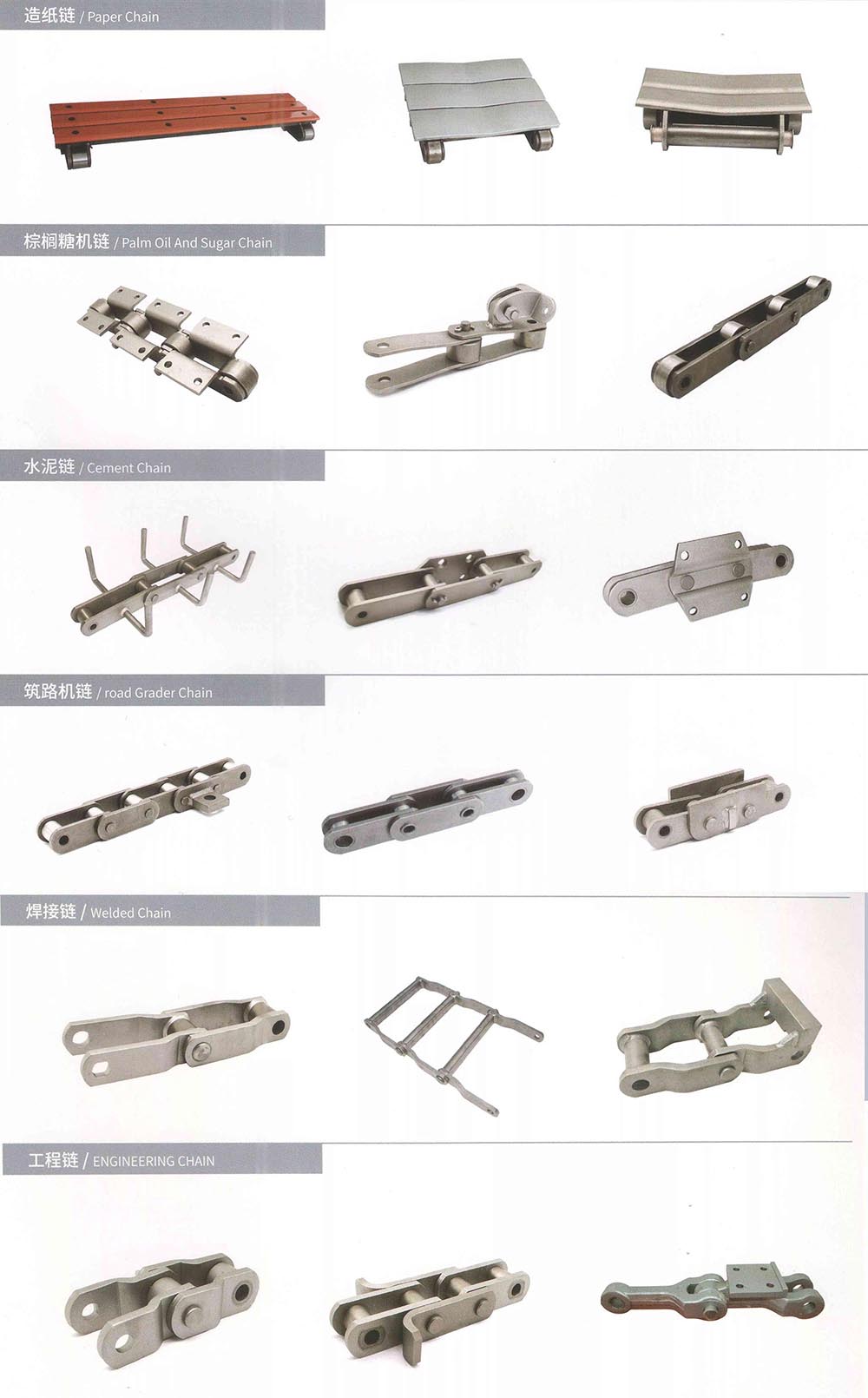
flat top chain
The TSplus flat top drive chain is the most flexible conveying medium on the market today. They can be connected end-to-end to create extended conveyor lines. The side bend design allows it to be used with a variety of conveyor types including inline, snake, and carousel conveyors. These chains are available in a variety of sizes, ranging in width from 3 feet to 20 feet.
A variety of materials are available for flat-top chains, including steel and plastic. Steel chains are ideal for applications requiring wear resistance. They are sturdy and well made. Plastic chains are particularly durable, but not suitable for harsh environments. Stainless steel flat top chains are suitable for a variety of applications, and some manufacturers make them from stainless steel or even aluminum. If your application requires a durable flat top chain, choose a chain made from iwis hardened stainless steel.
Another type of flat-top drive chain is the side bend chain. Suitable for flexible machinery requiring efficient conveying. It is equipped with a single hinge pin or double hinge pin. Either option will do, but each hinge pin has its advantages. Single hinge pin chains are suitable for smaller light-duty conveyors, while double hinge pins are more suitable for medium and heavy-duty applications.
CZPT is a modular flat top chain conveyor system. Its standardized components and modules can be easily integrated into any production process. And because it’s a single track, you can lengthen or shorten it as needed. Its versatile design makes it compatible with other conveyor systems such as belts and sprockets. This monorail modular design allows system lengths up to 40 meters and is compatible with other conveyor systems.
editor by Cx 2023-07-04
China 10pcsPack Bulk Wholesale Stainless Steel DIY Box Link Chains Necklace for Jewelry Making Necklace Chain for Men Women roller chain sprocket
Design Quantity: NK221571
Jewelry Main Material: Stainless steel
Substance Sort: STONE
Diamond condition: Other
Pearl Variety: Other
Gender: Unisex, Women’s, Men’s, Children’s
Main Stone: Other
Jewellery Kind: NECKLACES
Necklaces Sort: Chains
Occasion: Anniversary, Engagement, Present, Rapeseed grass harvester Multifunctional Straw CZPT harvester Wedding ceremony, Party, Other
Certification Variety: None
Chain Kind: Hyperlink Chain
Plating: 18K Gold Plated
Shapepattern: loop
Design: Traditional
Spiritual Kind: Other
Inlay technologies: None
Content: Stainless Metal
Chain Size: 60cm(24inch)
Size: approx 2.5mm
Identify: Box Chain Necklace
Packing: 10pcs/pack
Packaging Particulars: 1 pcs each opp bag or as buyer essential
Specification
| Jewelry Variety | Box Url Chains Necklace for jewelry generating |
| Material | stainless metal |
| Chain Size | 60cm(24”) |
| Loop Measurement | approx 2.5mm |
| Packing | 10pcs/Pack |
| Moq | 2 packs |
| Weight | approx 10g/piece |
| Shipment | DHL, UPS, CZPT Vane Pump Cartridge Kits PV2R PV2R1 PV2R2 PV2R3 PV2R4 Hydraulic Main Drive Shaft Spare Element Components Wholesale Value EMS, Fedex etc. |
| Payment | T/T, Western Union, Paypal, etc. Or in accordance to your Necessity. |
| OEM | OEM/ODM order is welcome, Please truly feel free of charge to make contact with us for a lot more info |
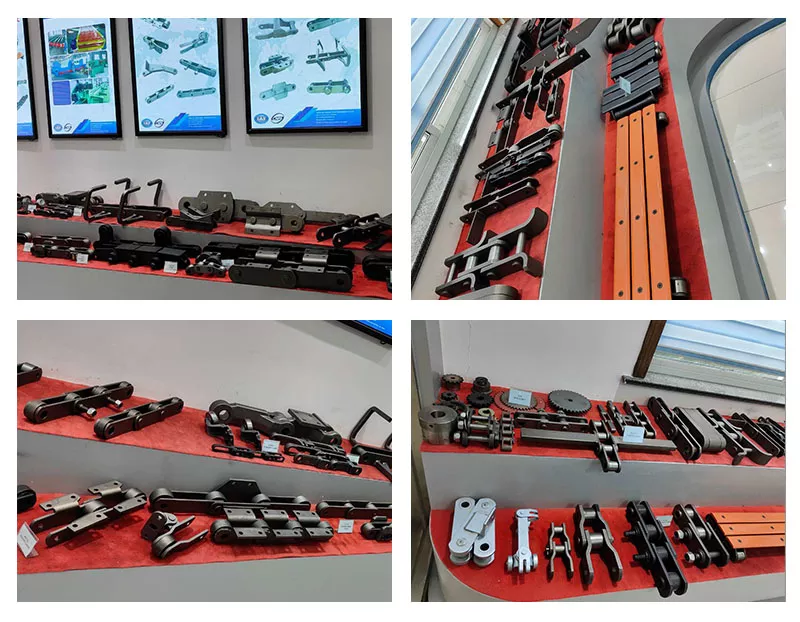
Roller Chain Maintenance Tips
There are many things to keep in mind when maintaining a roller chain. The main reasons include friction and external influences. Without proper lubrication and adjustment, such chains will wear prematurely. Here are some tips for keeping your roller chain in top shape. continue reading! This will make your process easier. We will also discuss the cost of the new roller chain. As always, remember to check for loose ends and adjust the chain regularly.
Preloading
Roller chains are designed to accommodate many different types of loads. Sprockets are the main cause of chain wear. Axial and angular misalignment occurs when the sprocket faces are not properly aligned. Both types of misalignment increase stress and wear on the roller chain. They can also negatively affect the drive. Therefore, choosing the right chain is an important consideration.
Preloading helps to eliminate initial elongation and extend service life. The benefits of preloading can be seen in the preloading chart. Significant elongation occurs during drive startup with no or minimal preload. This is due to the surface hardness of the worn parts. On the other hand, a properly preloaded chain shows little elongation during the initial start. Therefore, proper preload can prolong wear life.
Although elongation is a natural phenomenon in any drive, it can be minimized or eliminated with proper maintenance. In addition to regular inspections, you should do a full inspection of your chain after the first hundred hours. This inspection should focus on key life factors such as 3% elongation, how the chain is lubricated, and any other issues that may affect life. A good quality chain should have the longest life and no problems.
There are many different roller chain specifications. A good rule of thumb is to choose chains with at least five links. Then, tighten the chain until a break occurs, and it will tell you what kind of break occurred. Alternatively, you can use a roller chain with the maximum allowable load. As long as the MAL doesn’t exceed that number, it’s still perfectly safe to use it for any application.
lubricating
When it comes to lubrication, there are several different techniques. For example, spray lubrication is a popular method for high-horsepower drives and high-load and fast-moving machines. This method is very effective, but it is expensive, and spraying the chain too far out of the guard can cause leaks. Another common method is brush lubrication. Brush lubrication involves applying a continuous flow of oil to the chain, pushing it into the chain. This lubrication technique reduces the application temperature of the chain. Also, it can extend the life of the chain, depending on the manufacturer’s specifications.
While the lubrication of roller chain couplings varies by application, sprocket hubs should be lubricated monthly to ensure proper sealing. The amount of oil used depends on the rotational speed and the type of roller chain coupling. In general, lubricants used in roller chain couplings should have excellent adhesion, oxidation, and mechanical stability.
Wear-resistant lubricants are recommended. They prevent the rollers from sticking to each other and prevent rusting. These lubricants have low surface tension and are not harmful to metal or O-ring chains. The optimum lubrication method depends on ambient temperature, horsepower, and chain speed. Properly lubricating a roller chain increases the life of the chain and reduces the risk of wear.
Proper lubrication of the roller chain is essential to prevent corrosion and prolong its service life. The oil forms a smooth film on the chain components, reducing metal-to-metal contact and minimizing friction and wear. Additionally, the oil provides a smooth running surface and reduces noise. However, the running-in process of roller chain lubrication cannot be underestimated. When using heavy-duty oils, ensure that the lubricant is compatible with operating and ambient temperatures.
Maintain
To extend the life of your roller chain, you need to carry out regular inspections. First, you should check the T-pin on the link plate at the joint. If they are not connected properly, it can cause the chain to stretch and not maintain proper spacing and timing. Next, you should look for unusual noise, corrosion, and dirt that may indicate wear. If you notice any of these problems, it’s time to replace the chain.
In order to properly maintain a roller chain, both areas of the roller chain must be lubricated with the correct lubricant. Lubricants used should be SAE non-degreased oils. There are several types of lubricants available, but the best one is a petroleum-based oil with a high viscosity. You can also check for signs of wear, such as red or brown discoloration. This means that there is not enough lubrication.
While the life expectancy of a roller chain is unknown, it is important to know how to extend its life and maximize its effectiveness. Improper tension and alignment can shorten its life and place undue stress on the drive system and the chain itself. Incorrect tension can also lead to slippage and increased energy output. Therefore, you should calculate the tension and alignment of the chain during the initial installation. Check and adjust regularly.
Another way to extend the life of your rollers is to thoroughly clean the inside and outside of the rollers. You should also lubricate it frequently to prevent excessive heat buildup. Designed to prevent overheating by limiting the amount of work during break-ins. Additionally, regular inspections will help you catch anomalies early enough to stop operations. Last but not least, regular lubrication will prolong the life of the roller chain.
Cost
Buying a roller chain is a big decision, but initial cost shouldn’t be the only consideration. The cost of the roller chain itself, as well as the running costs, should be considered. Even the lowest-priced chains can be more expensive in the long run. Additionally, maintenance and energy costs may increase. The best roller chain for your business will be the one that best suits your needs. Listed below are some considerations to consider when purchasing a roller chain.
First, what material should you use? Roller chains come in many different materials. Stainless steel is a commonly used material in construction. Materials are selected based on the cost and design of chain horsepower transmission. Various manufacturing processes will determine which material is suitable for your application. Also, the weight of the chain will vary depending on its pitch and the construction technique used. A large part of the cost of a roller chain is on the drive sprocket.
Another consideration is installation cost. Roller chains are commonly used in agricultural and transportation applications, especially for agronomic products. If lubrication is your concern, maintenance-free chains are the best choice. Corrosion-resistant chains are ideal for wet environments. They are sold in boxed lengths, so replacing a longer length requires adding a shorter length. To avoid trouble, use the skateboard to help connect the links.
Another consideration is the overall width. The overall width of an open #40 roller chain may vary but should be at least 10 feet wide. Although it is not the most expensive type of roller chain, it will last longer. Using it correctly will increase its overall longevity, so it’s a good idea to choose it wisely. If your business uses roller chains regularly, the cost reduction is well worth it.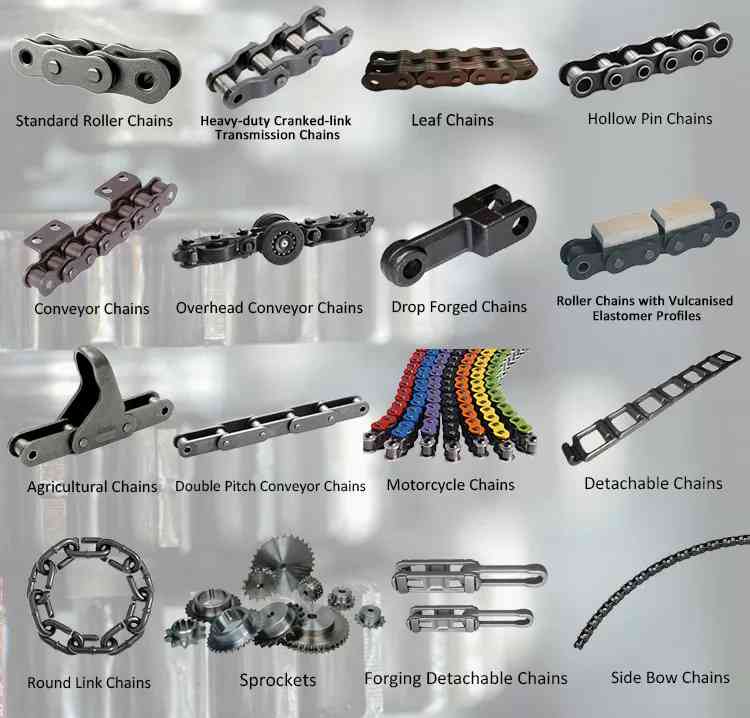
Application
A roller chain consists of a pair of alternating pins and roller links. The pins are pressed into the side panels and hinged to the rollers. Roller chains can be single or multi-strand, connected by a common pin. The multi-strand design provides higher shear strength for demanding power transmission applications. Typical applications for roller chains include conveyors, hoists, and other mechanical equipment.
The horsepower capability of a roller chain is limited by several factors, including pin shock and friction. While research into these factors has placed some limits on the maximum operating speed of the roller chain, practical experience has shown that these systems can be used at higher speeds. Proper lubrication and cooling can increase the durability of these chains. In addition, roller chain applications include:
Drive and conveyor systems are the two main uses of roller chains. During driving operations, wear and elongation are a natural part of the operation. However, lubrication plays a vital role in minimizing wear and shock loads. Therefore, wear is inevitable and special care must be taken to ensure proper lubrication. Additionally, lubrication reduces heat dissipation in the chain.
The materials used to make roller chains vary from one type to another. Stainless steel is common, but nylon or brass are sometimes used. These materials are less expensive and more durable than steel or stainless steel. The best material for the job depends on a variety of factors, including cost, environmental conditions, and design horsepower transmission. For example, the pin bushing contact area is a critical area requiring lubrication. Additionally, some coatings are designed to retard the corrosive effects of water or oil.
editor by Cx 2023-06-29
China Professional Standard industrial transmission Conveyor Chains for Steel Mill roller chain size chart
Product Description
Conveyor Chains For Steel Mill:
Chain No.: P500, P500F1, P650, P625, P1000
Pitch: 500mm, 650mm, 625mm, 1000mm.
For Free Samples
Prompt Delivery
Green Product
International Approvals
Experienced Staff
Why choose us?
1. HangZhou Xihu (West Lake) Dis.hua Chain Group Co., Ltd established in 1991, we have 5 subsidiaries in China and also have 6 subsidiaries abroad;
2. We covering a production area of 200, 100 square meters, have more than 1, 800 sets of advanced equipment and over 3, 100 highly skilled employees, the annual production capacity has exceeded 20, 000, 000 meters;
3. We specialized in producing all kinds of standard chains and special chains, such as A or B series chains, driving chains, conveyor chains, dragging chains, agricultural chains and so on;
4. We have obtained ISO9001, ISO14001, ISO16969, AAA and API certificates.
The company is specialized in producing all kinds of standard chains and special chains, E. G. A or B series chains, automobile chains, stainless steel chains, combine harvester chains, heavy-duty cranked link transmission chains, stereo garage chains and maintenance-free chains etc. In recent years, it invests the capital and depends on the improvement of technology to accelerate the step of new product development and the step of technology reform. It intends to produce high strength and precision chains in order to meet requirements of the domestic and overseas markets. We have enclosed our catalog, which introduces our company in detail and covers the main products we supply at present.
Should any of these items be of interest to you, please let us know. We will be happy to give you a quotation CZPT receipt of your detailed requirements.
We look CZPT to receiving your enquires soon.
| Usage: | Transportation Chain |
|---|---|
| Material: | Carbon Steel |
| Surface Treatment: | Oil Blooming |
| Feature: | Heat Resistant |
| Color: | Solid Color |
| Made Style: | Manufacture and OEM |
| Customization: |
Available
| Customized Request |
|---|
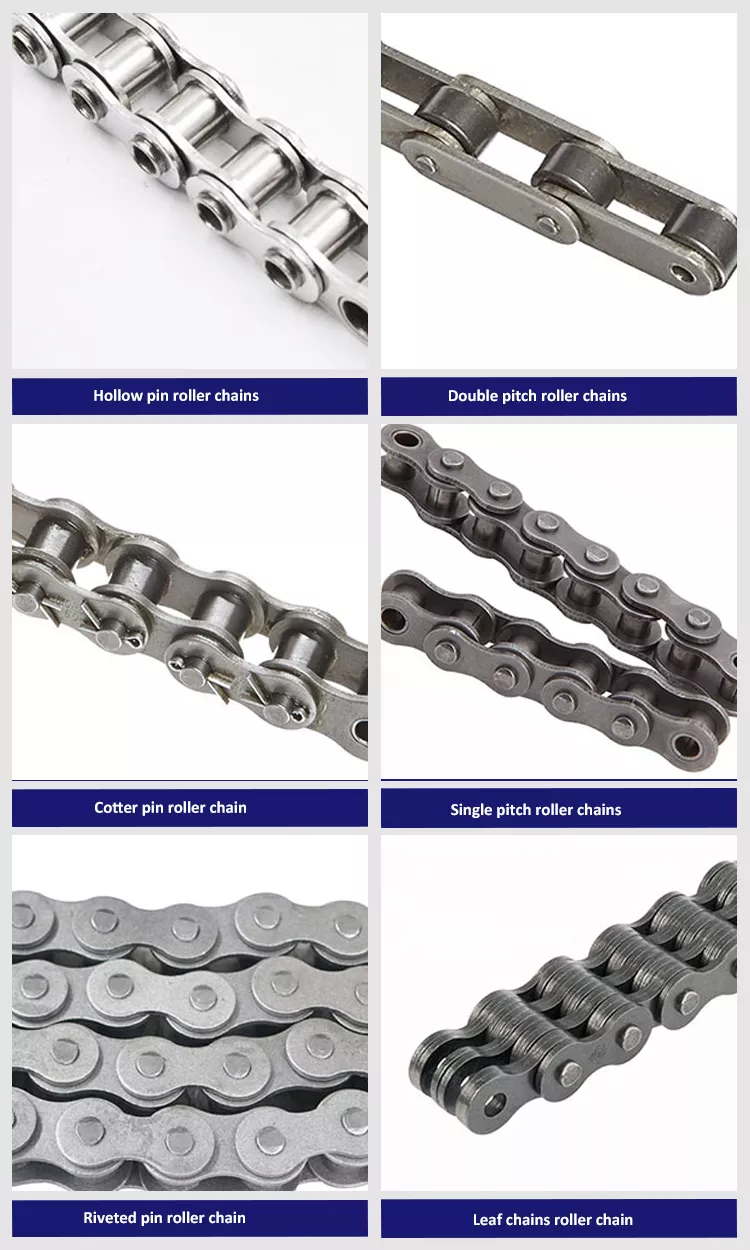
What is a roller chain?
What is a roller chain? A roller chain is a transmission system that transmits power from one shaft to another. Internal lubricant helps chains last longer and are interchangeable. Chains are usually made of carbon or alloy steel. Stainless steel is sometimes used in food processing machinery or in environments where lubrication is problematic. Brass and nylon are also sometimes used. If you need to slow down the machine, nylon chains can be used.
Roller chains are used to transmit power from one shaft to another
Generally speaking, the life of a roller chain is limited by three main factors: wear, corrosion, and fatigue. These can be minimized by following some simple guidelines. For optimum performance, the roller chain must be lubricated. Proper lubrication reduces friction and extends product life. Remember that corrosion and wind resistance can adversely affect lubrication, so protect the product properly.
A chain is a mechanical device used to transmit power from one shaft to another. The chain consists of a series of steel plates called bushings. Bushings are attached to the roller chain by pins or bushings. The block and bushing are held together by pins or bushings C riveted to the outer link D. The chain is also attached to the sprocket and bucket by pins or hooks. Chain pitch is measured between hinge centers, usually denoted p.
There are three types of chains: single-strand standard series, multi-strand standard series, and silent chain. Single strand chains are the most common type and cover a wide range of drive loads. Multi-strand chains provide greater power capacity without increasing chain pitch or line speed. An inverted tooth chain is a variant of a single-strand chain that eliminates the noise caused by pitch-related friction.
The inner and outer plates of the roller chain drive are made of steel. The rollers are positioned evenly between the chain links and are fastened to the sprockets. In addition, the rollers can rotate freely within the bushing. The chain links are arc-shaped and mesh with the sprocket teeth to transmit power through the chain.
Chain drives are another common way of transmitting mechanical power. These are the simplest forms of power transmission and are used on conveyor belts and other low-speed applications. The chain wraps around the sprocket and passes through the sprocket whose teeth mesh with the links. This mechanism transfers mechanical power from one shaft to another, increasing speed.
They are interchangeable
There are many different types of roller chains, but most are made of steel. Although they have their own advantages and features, they are generally interchangeable. You can buy different kinds of roller chains from domestic and foreign manufacturers, and you can choose the one that best suits your needs. Bearing Services can help you choose the right bearing for your application needs and budget. Here are some important things to consider before buying a roller chain. Here are some tips to make it easier for you to buy the right type of chain.
When choosing the right roller chain, be sure to consult the available size charts. Depends on how much chain you need to move the load you need to move. Remember that roller chains can be manufactured to fit a variety of machines and must meet your specific needs. Also, the chain should be long enough for the machine you are using. Make sure to buy a chain made of high-quality materials.
Double pitch roller chains have a flat top surface and are used in many different conveying applications. Double-pitch load-carrying roller chains, also known as oversized roller double-pitch chains, have rollers that extend beyond the sidebars to carry products. Double pitch drive series roller chains are used in elevators, long conveyor drives, agricultural machinery, and commercial sprinkler systems.
The tensile strength of a roller chain is a key factor to consider before purchasing a chain. The tensile strength of a chain is a function of the maximum force the chain can withstand before breaking. The three different types of tensile strength represent the force a chain can withstand without breaking. Each chain also has different strengths that can determine the type of chain you need.
The outer and inner links of the roller chain are designed for bearings. This allows the chain to be paired or unpaired with its internal links. The outer link has a pin, and the inner and outer pins are press-fit into the connecting plate. These links are usually made of steel and have a tensile strength of about 20 times their weight. The fatigue strength of two-pitch offset links is the same as that of the base chain.
They reduce wear with internal lubricants
In a roller chain, the pins and bushings rotate inside the chain without lubricant on the outside. They are in contact with the teeth of the sprocket and can easily wear out if not lubricated. The plates that connect the links and pivot about the pins can also rub against each other and cause wear. This is where lubricants come in handy. Without lubricant, the bare metal of the plate and bushing would rub against each other.
The lubricant should have the appropriate viscosity to penetrate critical internal surfaces and form an effective oil film. Recommended viscosities are listed in Table 1. Lubricants must be clean and non-corrosive. For roller chains, a good quality non-clean petroleum base oil is sufficient. While defoamers are not required, other additives such as antioxidants and extreme pressure inhibitors may be useful. However, impure oils should be avoided due to the risk of damage.
The shape of the spray head 10 overlaps with a conventional drive chain 12. The drive chain includes a plurality of rollers 24 and roller link plates 26. Each roller includes a roller pin 29 and is connected to a pair of pin link plates 28. Most drive chains have critical wear points on the sides of the roller pins 29. The shape of the spray head 10 prevents overspray onto the central portion of the roller.
In addition to preventing wear, these chains have unique specifications. Manufacturer CZPT requires raw material suppliers to certify that their products meet standards set by the American Society of Mechanical Engineers (ASME). CZPTs do not accept uncertified raw materials. For safety, the machine must be turned off before attempting to measure the chain. After the system is shut down, the measurement process should be completed in accordance with safety procedures.
General spray oil has lubricating properties, but is not as good as other types of chain lubricants. These are typically used for rust protection and include antioxidant chemicals. Generally, they are inexpensive and widely available in retail stores. However, they have the disadvantage of being very penetrating and difficult to apply evenly. Oil cannot stay on the chain as it spins, which can accelerate wear and corrosion.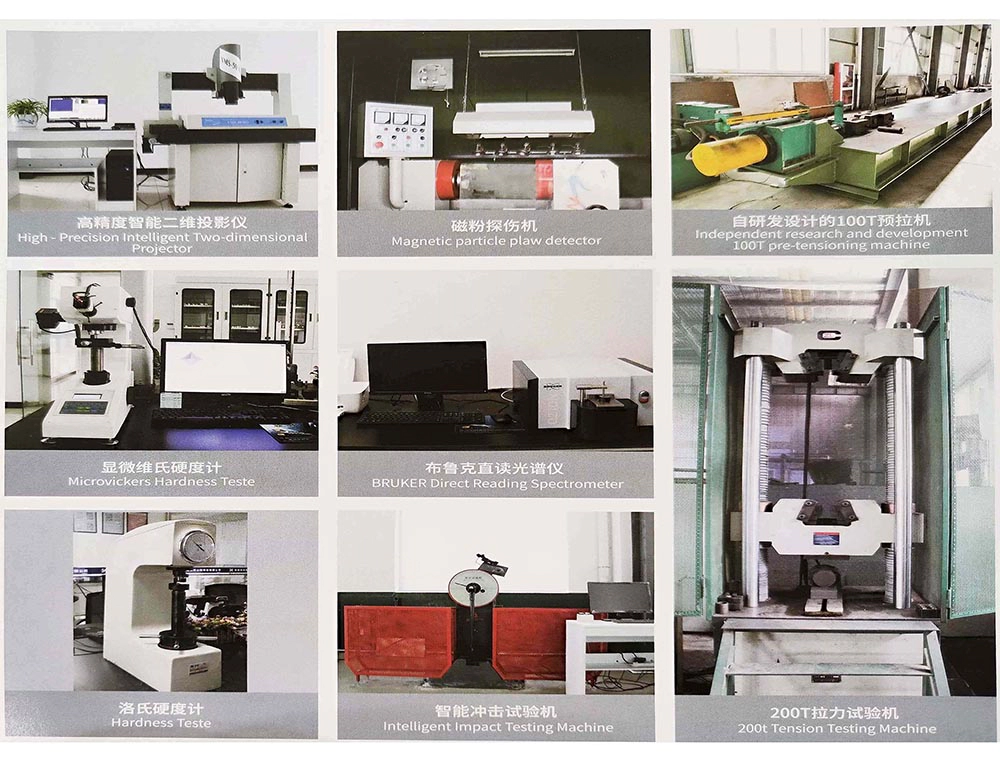
They can be used to speed up or slow down machines
Typically, roller chains are chains used to move mechanical system components. Unlike belts, roller chains can be used to speed up or slow down a machine. The main difference between belts and roller chains is the lubrication process. Belts use lubrication to help them move at a constant speed, but should not exceed the critical speed of the roller chain. This critical speed is not easy to determine and lubrication is critical to its life.
A roller chain is a chain consisting of a steel bushing that holds the inner plate A and pins C together. Pin C is riveted to outer link D, while roller R surrounds each bushing B. The teeth of the sprocket are supported on the rollers. They spin freely on pins and bushings, reducing friction.
The chains can be single-stranded, double-stranded, or multi-stranded. The rated power capacity of the single strand chain can meet various drive load requirements. Multi-strand chains provide higher power capacity without increasing chain pitch or line speed. The silent chain, also known as the inverted tooth chain, consists of a series of toothed chainplates. The pins of the chain are pressed into the wide ends of the sidebars and outer links.
Although roller chains are a common mechanical component, they can fail under certain conditions. The most common cause of excessive wear is wrong to load sizing. Each manufacturer sets a maximum workload for its product. A chain that is too small for the load carried will not run smoothly and may cause premature failure. Chains can also fail due to rust or improper maintenance.
There are many ways to choose the correct size roller chain. The easiest way to choose the right one is to use a horsepower chart to determine the speed of the motor. RPM will determine the size of the chain and the number of teeth on the drive sprocket. Conveyor chains offer a variety of options to move products horizontally or vertically, even around bend radii.
editor by CX 2023-04-20