Ürün Açıklaması
Ürün Açıklaması
Free Flow Chian
BS25
| Chain Number | model | Saha | Roller Dia. (D) | Roller Dia.(d) | Weight(kg/m) |
| BS25-C206B | SKVR25-1905 | 19.05 | 18.3 | 11.91 | 0.52 |
| BS25-C208A | SKVR25-2540 | 25.4 | 24.6 | 15.88 | 0.79 |
| BS25-C212A | SKVR25-3810 | 38.1 | 36.6 | 22.23 | 2.19 |
BS30
| Chain Number | model | Saha | Roller Dia. (D) | Roller Dia.(d) | Weight(kg/m) |
| BS30-C212A | SKVR30-3810 | 38.1 | 38 | 18 | 2.14 |
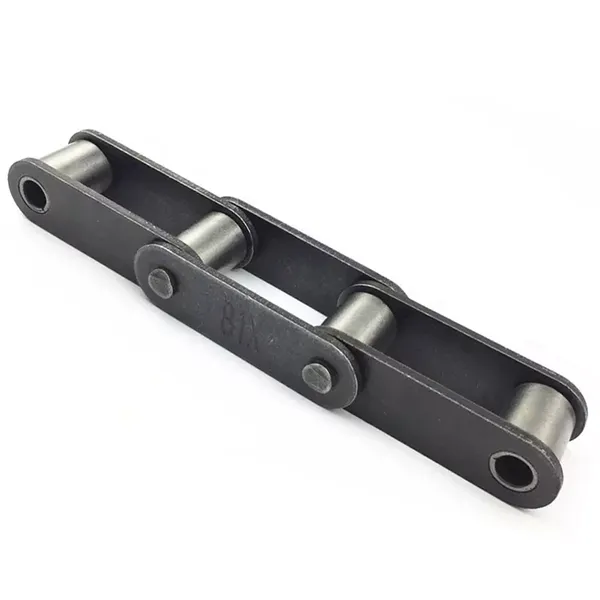
Free flow chian, also called plus speed chain, accumulation chain, Differential chain.
Free flow chian, also called plus speed chain, accumulation chain, Differential chain.
It is a popular chain used in pallet/tray conveyor system.
Free flow chian, also called plus speed chain, accumulation chain, Differential chain.
Free flow chain is 1 of the major products of Seikonveyor. Its production is finished in automatic factory. In every month CHINAMFG factory supplys over 500000 CHINAMFG free flow chain to the market. Include different materials types: Nylon, steel, stainless steel. and different color: black, blue, brown. Our free flow chain is widely used in automatic conveyor system, especially for different kinds of assembly lines
BS25 free flow chain production view
Free flow chian, also called plus speed chain, accumulation chain, Differential chain.
BS30 free flow chain production view
Free flow chian, also called plus speed chain, accumulation chain, Differential chain.
We pick perfect rollers to assemble the free flow chain, to ensure the chain run smooth
Free flow chian, also called plus speed chain, accumulation chain, Differential chain.
Bulk production makes our free flow chain with competitive price in the martke.
Free flow chian, also called plus speed chain, accumulation chain, Differential chain.
For bulk order, we provide plywood crate package to protect it from damage during transportation.
| Malzeme: | Plastic |
|---|---|
| Yapı: | Makaralı Zincir |
| Yüzey İşlemi: | Elektrokaplama |
| Özellik: | Fire Resistant, Oil Resistant, Heat Resistant |
| Pitch: | 38.1 |
| Weight: | 6.8kgs/PC |
| Örnekler: |
US$ 20/Meter
1 Metre (Minimum Sipariş) | |
|---|
| Özelleştirme: |
Mevcut
| Özelleştirilmiş Talep |
|---|

How do you ensure proper tensioning and alignment of a conveyor chain?
Proper tensioning and alignment are essential for the efficient and reliable operation of a conveyor chain. Here are the steps to ensure correct tensioning and alignment:
1. Initial Installation:
– Ensure that the conveyor frame and supports are properly aligned and leveled before installing the chain. Any misalignment or unevenness can lead to tensioning and alignment issues.
– Follow the manufacturer’s guidelines and specifications for chain installation. This includes proper placement of sprockets, tensioners, and guides.
2. Tensioning:
– Adjust the tension of the chain to the manufacturer’s recommended specifications. Proper tension prevents excessive sagging or tightness, reducing wear and extending the chain’s life.
– Use tensioning devices, such as adjustable take-up units or tensioning screws, to achieve the desired tension. Refer to the manufacturer’s guidelines for the appropriate method of tensioning for your specific conveyor chain.
– Regularly check and adjust the tension as needed. Factors such as chain wear, load variations, and temperature changes can affect the chain’s tension over time.
3. Alignment:
– Check the alignment of the chain with respect to the sprockets and guides. Misalignment can cause uneven wear, increased friction, and premature failure of the chain.
– Inspect the alignment by visually examining the chain’s path along the sprockets and guides. It should run smoothly without any signs of rubbing or excessive deviation.
– Use alignment tools, such as laser alignment devices or straightedges, to accurately assess and correct any misalignment. Adjust the position of sprockets, guides, and supports as necessary.
4. Regular Maintenance:
– Implement a scheduled maintenance program to regularly inspect and maintain proper tensioning and alignment of the conveyor chain.
– Monitor the chain’s performance, including wear patterns, noise levels, and power consumption, as indicators of potential tensioning or alignment issues.
– Keep the chain clean and free from debris or contaminants that can affect its movement and alignment.
By following these steps and regularly monitoring the tensioning and alignment of the conveyor chain, you can ensure smooth and reliable operation, minimize chain wear, and reduce the risk of unexpected failures.

Konveyör zinciri genel üretim verimliliğine nasıl katkıda bulunur?
Konveyör zinciri, çeşitli endüstrilerde genel üretim verimliliğini artırmada çok önemli bir rol oynar. İşte verimliliğe katkıda bulunduğu yollar:
1. Sürekli Malzeme Akışı: Konveyör zinciri, malzemenin bir noktadan diğerine sürekli ve kesintisiz akışını sağlar. Elle taşıma veya malzeme nakliyesine olan ihtiyacı ortadan kaldırarak üretim süreçlerindeki arıza sürelerini ve gecikmeleri azaltır.
2. Artan Verimlilik: Malzeme taşıma işlemini otomatikleştirerek, konveyör zinciri malların daha hızlı ve verimli hareketini sağlar. Daha yüksek verimlilik ve üretim oranlarına olanak tanıyarak kaynak kullanımını en üst düzeye çıkarır ve döngü sürelerini kısaltır.
3. Verimlilik Artışı: Konveyör zinciri sayesinde çalışanlar, manuel malzeme taşıma yerine katma değerli görevlere odaklanabilirler. Bu da çalışanların daha yetenekli ve kritik işlemlere yoğunlaşabilmesi sayesinde verimliliğin artmasına yol açar.
4. Verimli Kaynak Tahsisi: İyi tasarlanmış bir konveyör zincir sistemi, alan kullanımını optimize ederek üretim alanlarının verimli bir şekilde düzenlenmesine ve organize edilmesine olanak tanır. İş akışını kolaylaştırmaya ve zemin alanı, insan gücü ve ekipman gibi kaynakların israfını en aza indirmeye yardımcı olur.
5. Kalite Kontrolü: Konveyör zincirleri, üretim aşamalarının çeşitli noktalarında kalite kontrolü sağlamak için denetim istasyonları veya otomatik süreçlerle entegre edilebilir. Bu, herhangi bir kusurun veya tutarsızlığın tespit edilmesine ve düzeltilmesine yardımcı olarak, hatalı ürünlerin pazara ulaşma olasılığını azaltır.
6. Malzeme Taşıma Maliyetlerinde Azalma: Konveyör zinciri, manuel malzeme taşımasını ortadan kaldırarak veya en aza indirerek, malların taşınması, kaldırılması ve nakliyesiyle ilgili işçilik maliyetlerini azaltır. Ayrıca, manuel taşımayla ilgili yaralanma veya kaza riskini de en aza indirir.
7. Esneklik ve Uyarlanabilirlik: Konveyör zincirleri, belirli üretim gereksinimlerine uyacak şekilde özelleştirilebilir. Farklı ürün türlerini barındıracak, çeşitli yük kapasitelerini karşılayacak ve üretim taleplerindeki değişikliklere uyum sağlayacak şekilde tasarlanabilirler. Bu esneklik, mevcut üretim sistemleriyle sorunsuz entegrasyon ve kolay ölçeklenebilirlik sağlar.
8. Güvenlik ve Ergonomi: Konveyör zincirleri, işçi güvenliğini sağlamak için koruyucu bariyerler, acil durdurma düğmeleri ve kilitleme mekanizmaları gibi güvenlik özelliklerini içerir. Ayrıca, işçiler üzerindeki fiziksel yükü azaltarak ve kas-iskelet sistemi yaralanmaları riskini en aza indirerek ergonomik uygulamaları desteklerler.
Genel olarak, iyi tasarlanmış ve düzgün bir şekilde bakımı yapılan bir konveyör zincir sistemi, malzeme akışını optimize ederek, verimliliği artırarak, üretkenliği geliştirerek, maliyetleri düşürerek, kalite kontrolünü sağlayarak ve işçi güvenliğine öncelik vererek üretim verimliliğini artırır.
What are the common causes of conveyor chain failures?
Conveyor chain failures can occur due to various reasons, and identifying the root cause is crucial for preventing future issues. Here are some common causes of conveyor chain failures:
- Lack of Lubrication: Insufficient or improper lubrication can lead to increased friction and wear on the chain components, resulting in premature failure.
- Excessive Load: Overloading the conveyor chain beyond its rated capacity can cause excessive stress and strain, leading to chain elongation, deformation, or link breakage.
- Misalignment: Improper alignment of the conveyor chain can cause uneven loading and excessive wear on specific areas, leading to chain failure.
- Environmental Factors: Harsh operating environments, such as high temperatures, corrosive substances, or abrasive materials, can accelerate chain wear and corrosion, leading to failure.
- Foreign Objects: The presence of foreign objects or debris on the conveyor system can interfere with the movement of the chain, causing jamming, binding, or chain damage.
- Poor Maintenance: Inadequate maintenance practices, such as irregular inspections, failure to address minor issues promptly, or neglecting to replace worn components, can contribute to chain failures.
- Incorrect Installation: Improper installation, including incorrect tensioning, misalignment, or using incompatible components, can result in premature chain failure.
- Fatigue and Wear: Continuous operation over time can lead to fatigue and wear in the chain, especially in high-speed or heavy-duty applications, resulting in eventual failure.
Regular maintenance, proper lubrication, adequate training for operators, and adherence to manufacturer guidelines can help mitigate these common causes of conveyor chain failures. Conducting routine inspections, promptly addressing issues, and replacing worn components can also significantly extend the life of the conveyor chain.


editor by CX 2023-10-30