مصنوعات کی تفصیل
مصنوعات کی تفصیل
Free Flow Chian
BS25
| Chain Number | model | پچ | Roller Dia. (D) | Roller Dia.(d) | Weight(kg/m) |
| BS25-C206B | SKVR25-1905 | 19.05 | 18.3 | 11.91 | 0.52 |
| BS25-C208A | SKVR25-2540 | 25.4 | 24.6 | 15.88 | 0.79 |
| BS25-C212A | SKVR25-3810 | 38.1 | 36.6 | 22.23 | 2.19 |
BS30
| Chain Number | model | پچ | Roller Dia. (D) | Roller Dia.(d) | Weight(kg/m) |
| BS30-C212A | SKVR30-3810 | 38.1 | 38 | 18 | 2.14 |
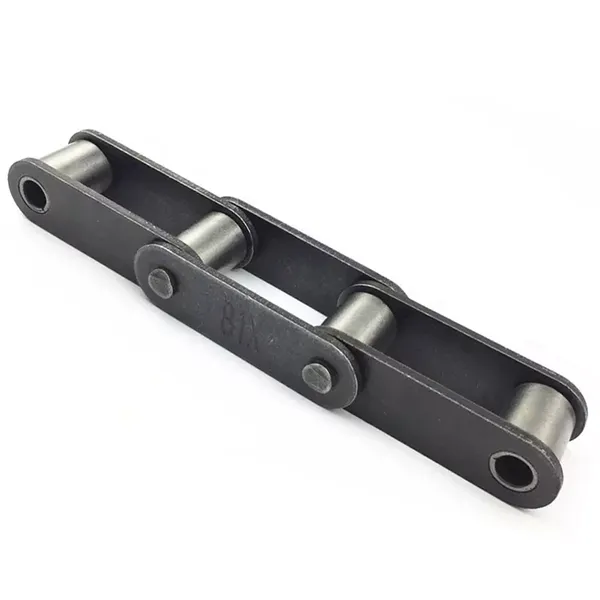
Free flow chian, also called plus speed chain, accumulation chain, Differential chain.
Free flow chian, also called plus speed chain, accumulation chain, Differential chain.
It is a popular chain used in pallet/tray conveyor system.
Free flow chian, also called plus speed chain, accumulation chain, Differential chain.
Free flow chain is 1 of the major products of Seikonveyor. Its production is finished in automatic factory. In every month CHINAMFG factory supplys over 500000 CHINAMFG free flow chain to the market. Include different materials types: Nylon, steel, stainless steel. and different color: black, blue, brown. Our free flow chain is widely used in automatic conveyor system, especially for different kinds of assembly lines
BS25 free flow chain production view
Free flow chian, also called plus speed chain, accumulation chain, Differential chain.
BS30 free flow chain production view
Free flow chian, also called plus speed chain, accumulation chain, Differential chain.
We pick perfect rollers to assemble the free flow chain, to ensure the chain run smooth
Free flow chian, also called plus speed chain, accumulation chain, Differential chain.
Bulk production makes our free flow chain with competitive price in the martke.
Free flow chian, also called plus speed chain, accumulation chain, Differential chain.
For bulk order, we provide plywood crate package to protect it from damage during transportation.
| مواد: | Plastic |
|---|---|
| ساخت: | رولر چین |
| سطح کا علاج: | Electroplating |
| Feature: | Fire Resistant, Oil Resistant, Heat Resistant |
| Pitch: | 38.1 |
| Weight: | 6.8kgs/PC |
| نمونے: |
US$ 20/Meter
1 میٹر (کم سے کم آرڈر) | |
|---|
| حسب ضرورت: |
دستیاب ہے۔
| اپنی مرضی کے مطابق درخواست |
|---|

How do you ensure proper tensioning and alignment of a conveyor chain?
Proper tensioning and alignment are essential for the efficient and reliable operation of a conveyor chain. Here are the steps to ensure correct tensioning and alignment:
1. Initial Installation:
– Ensure that the conveyor frame and supports are properly aligned and leveled before installing the chain. Any misalignment or unevenness can lead to tensioning and alignment issues.
– Follow the manufacturer’s guidelines and specifications for chain installation. This includes proper placement of sprockets, tensioners, and guides.
2. Tensioning:
– Adjust the tension of the chain to the manufacturer’s recommended specifications. Proper tension prevents excessive sagging or tightness, reducing wear and extending the chain’s life.
– Use tensioning devices, such as adjustable take-up units or tensioning screws, to achieve the desired tension. Refer to the manufacturer’s guidelines for the appropriate method of tensioning for your specific conveyor chain.
– Regularly check and adjust the tension as needed. Factors such as chain wear, load variations, and temperature changes can affect the chain’s tension over time.
3. Alignment:
– Check the alignment of the chain with respect to the sprockets and guides. Misalignment can cause uneven wear, increased friction, and premature failure of the chain.
– Inspect the alignment by visually examining the chain’s path along the sprockets and guides. It should run smoothly without any signs of rubbing or excessive deviation.
– Use alignment tools, such as laser alignment devices or straightedges, to accurately assess and correct any misalignment. Adjust the position of sprockets, guides, and supports as necessary.
4. Regular Maintenance:
– Implement a scheduled maintenance program to regularly inspect and maintain proper tensioning and alignment of the conveyor chain.
– Monitor the chain’s performance, including wear patterns, noise levels, and power consumption, as indicators of potential tensioning or alignment issues.
– Keep the chain clean and free from debris or contaminants that can affect its movement and alignment.
By following these steps and regularly monitoring the tensioning and alignment of the conveyor chain, you can ensure smooth and reliable operation, minimize chain wear, and reduce the risk of unexpected failures.

کنویئر چین مجموعی پیداواری کارکردگی میں کس طرح حصہ ڈالتا ہے؟
کنویئر چین مختلف صنعتوں میں مجموعی پیداواری کارکردگی کو بڑھانے میں اہم کردار ادا کرتا ہے۔ یہاں وہ طریقے ہیں جن میں یہ کارکردگی میں حصہ ڈالتا ہے:
1. مسلسل مواد کا بہاؤ: ایک کنویئر چین مسلسل اور بلاتعطل مواد کے بہاؤ کو ایک نقطہ سے دوسرے مقام تک قابل بناتا ہے۔ یہ سامان کی دستی ہینڈلنگ یا نقل و حمل کی ضرورت کو ختم کرتا ہے، ڈاؤن ٹائم کو کم کرتا ہے اور پیداواری عمل میں تاخیر کرتا ہے۔
2. تھرو پٹ میں اضافہ: میٹریل ہینڈلنگ کو خودکار بنا کر، کنویئر چین سامان کی تیز رفتار اور زیادہ موثر نقل و حرکت کے قابل بناتا ہے۔ یہ وسائل کے زیادہ سے زیادہ استعمال اور سائیکل کے اوقات کو کم کرنے، زیادہ سے زیادہ تھرو پٹ اور پیداوار کی شرحوں کی اجازت دیتا ہے۔
3. بہتر پیداواری صلاحیت: کنویئر چین کے ساتھ، ملازمین دستی مواد کو سنبھالنے کے بجائے ویلیو ایڈڈ کاموں پر توجہ مرکوز کر سکتے ہیں۔ اس سے پیداواری صلاحیت میں بہتری آتی ہے کیونکہ کارکن زیادہ ہنر مند اور اہم کاموں پر توجہ دے سکتے ہیں۔
4. موثر وسائل کی تقسیم: ایک اچھی طرح سے ڈیزائن کیا گیا کنویئر چین سسٹم جگہ کے استعمال کو بہتر بناتا ہے، جس سے پیداواری علاقوں کی موثر ترتیب اور تنظیم ہوتی ہے۔ یہ ورک فلو کو ہموار کرنے اور وسائل کے ضیاع کو کم کرنے میں مدد کرتا ہے جیسے کہ فرش کی جگہ، افرادی قوت اور سامان۔
5. کوالٹی کنٹرول: پیداوار کے مختلف مراحل پر کوالٹی کنٹرول کو یقینی بنانے کے لیے کنویئر چینز کو معائنہ اسٹیشنوں یا خودکار عمل کے ساتھ مربوط کیا جا سکتا ہے۔ یہ کسی بھی نقائص یا عدم مطابقت کا پتہ لگانے اور اسے درست کرنے میں مدد کرتا ہے، ناقص مصنوعات کے مارکیٹ تک پہنچنے کے امکانات کو کم کرتا ہے۔
6. مواد کی ہینڈلنگ کے اخراجات میں کمی: دستی مواد کی ہینڈلنگ کو ختم یا کم کرنے سے، کنویئر چین نقل و حمل، اٹھانے، اور سامان لے جانے سے وابستہ مزدوری کے اخراجات کو کم کرتی ہے۔ یہ دستی ہینڈلنگ سے متعلق چوٹوں یا حادثات کے خطرے کو بھی کم کرتا ہے۔
7. لچک اور موافقت: کنویئر زنجیروں کو مخصوص پیداواری ضروریات کے مطابق بنایا جا سکتا ہے۔ انہیں مختلف قسم کی مصنوعات کو ایڈجسٹ کرنے، مختلف بوجھ کی صلاحیتوں کو سنبھالنے، اور پیداواری تقاضوں میں تبدیلیوں کے مطابق ڈھالنے کے لیے ڈیزائن کیا جا سکتا ہے۔ یہ لچک موجودہ پروڈکشن سسٹم اور آسان اسکیل ایبلٹی کے ساتھ ہموار انضمام کی اجازت دیتی ہے۔
8. سیفٹی اور ایرگونومکس: کنویئر چینز میں حفاظتی خصوصیات جیسے گارڈز، ایمرجنسی اسٹاپ بٹن، اور انٹرلاک شامل ہوتے ہیں تاکہ کارکن کی حفاظت کو یقینی بنایا جا سکے۔ وہ کارکنوں پر جسمانی دباؤ کو کم کرکے اور پٹھوں کی چوٹوں کے خطرے کو کم کرکے ایرگونومک طریقوں کو بھی فروغ دیتے ہیں۔
مجموعی طور پر، ایک اچھی طرح سے ڈیزائن کیا گیا اور مناسب طریقے سے برقرار رکھا ہوا کنویئر چین سسٹم مادی بہاؤ کو بہتر بنا کر، تھرو پٹ میں اضافہ، پیداواری صلاحیت کو بہتر بنا کر، لاگت کو کم کر کے، کوالٹی کنٹرول کو یقینی بنا کر، اور ورکرز کی حفاظت کو ترجیح دے کر پیداواری کارکردگی کو بڑھاتا ہے۔
What are the common causes of conveyor chain failures?
Conveyor chain failures can occur due to various reasons, and identifying the root cause is crucial for preventing future issues. Here are some common causes of conveyor chain failures:
- Lack of Lubrication: Insufficient or improper lubrication can lead to increased friction and wear on the chain components, resulting in premature failure.
- Excessive Load: Overloading the conveyor chain beyond its rated capacity can cause excessive stress and strain, leading to chain elongation, deformation, or link breakage.
- Misalignment: Improper alignment of the conveyor chain can cause uneven loading and excessive wear on specific areas, leading to chain failure.
- Environmental Factors: Harsh operating environments, such as high temperatures, corrosive substances, or abrasive materials, can accelerate chain wear and corrosion, leading to failure.
- Foreign Objects: The presence of foreign objects or debris on the conveyor system can interfere with the movement of the chain, causing jamming, binding, or chain damage.
- Poor Maintenance: Inadequate maintenance practices, such as irregular inspections, failure to address minor issues promptly, or neglecting to replace worn components, can contribute to chain failures.
- Incorrect Installation: Improper installation, including incorrect tensioning, misalignment, or using incompatible components, can result in premature chain failure.
- Fatigue and Wear: Continuous operation over time can lead to fatigue and wear in the chain, especially in high-speed or heavy-duty applications, resulting in eventual failure.
Regular maintenance, proper lubrication, adequate training for operators, and adherence to manufacturer guidelines can help mitigate these common causes of conveyor chain failures. Conducting routine inspections, promptly addressing issues, and replacing worn components can also significantly extend the life of the conveyor chain.


editor by CX 2023-10-30