Mô tả sản phẩm
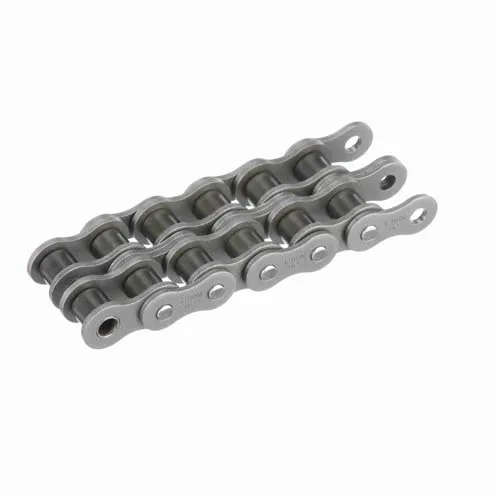
| Mã số sản phẩm. | 06C/08A/10A/12A/16A/20A/24A/28A/32A/40A/06B/08B/10B/12B/16B/20B/24B/28B/32B/40B-1/2/3 Chịu tải nặng |
| Mô hình chuỗi | Xích con lăn |
| Cấu trúc (cho chuỗi) | Xích con lăn |
| Thông số kỹ thuật | GB/T, DIN, ANSI, ISO, BS, JIS. |
| Nguồn gốc | Hàng Châu, Chiết Giang |
| Màu sắc | Màu trơn |
| Màu dây chuyền | Tùy chỉnh |
Công ty chúng tôi
Công ty TNHH Xích Wolff là một trong những nhà sản xuất xích chuyên nghiệp tại Trung Quốc. Chúng tôi tập trung vào nghiên cứu, sản xuất và kinh doanh hệ thống truyền động xích với các thương hiệu nổi tiếng — “DOVON” và “DECHO”. Chúng tôi cung cấp dịch vụ OEM cho nhiều doanh nghiệp nổi tiếng như SUZUKI, XIHU (HỒ TÂY), FAW, AGCO, JUMING.
Wolff mainly producing the Transmission chains,Conveyor chains,Dragging Chains,Silent chains,Leaf chains,Roller chains,Special chain and many other series of chain products. Our technicians a have improved the chains quality to the world-level. High quality material selection, powerful and precise heat-treatment technology and excellent assembly methods ensure Wolff chains meet the tough and strict requirements for machines and vehicles.
Tất cả các sản phẩm của chúng tôi đều hoàn toàn tuân thủ các tiêu chuẩn quốc tế như ISO/DIN/ANSI/BS/JIS, v.v. Wolff đã được chứng nhận thành công bởi Hệ thống quản lý chất lượng ISO9001, kiểm định SGS và kiểm định BV. Xích Wolff có thể được ứng dụng rộng rãi trong nhiều ngành công nghiệp bao gồm ô tô, xe máy, xe nâng, máy chế biến gỗ, máy xây dựng, máy đóng gói, máy chế biến thực phẩm, máy chế biến thuốc lá và thiết bị nông nghiệp. Xích Wolff được ưa chuộng tại thị trường Mỹ, Nam Mỹ, Châu Âu, Trung Đông, Đông Nam Á và Châu Phi.
Xưởng của chúng tôi
Chứng nhận của chúng tôi
Chào mừng quý khách đến với triển lãm của chúng tôi.
Câu hỏi thường gặp
Q1. Điều khoản đóng gói của bạn là gì?
A: Thông thường, chúng tôi đóng gói hàng hóa trong hộp màu đơn sắc. Nếu bạn có yêu cầu đặc biệt về đóng gói, vui lòng thương lượng trước với chúng tôi, chúng tôi có thể đóng gói hàng hóa theo yêu cầu của bạn.
Câu 2. Điều khoản thanh toán của bạn là gì?
A: Thanh toán đặt cọc 30% bằng chuyển khoản ngân hàng (T/T), và 70% trước khi giao hàng. Chúng tôi sẽ gửi ảnh sản phẩm và bao bì cho bạn xem.
Trước khi bạn thanh toán số tiền còn lại. Về các điều khoản thanh toán khác, vui lòng thương lượng trước với chúng tôi, chúng ta có thể thảo luận thêm.
Câu 3. Điều khoản giao hàng của bạn là gì?
A: EXW, FOB, CFR, CIF.
Câu 4. Thời gian giao hàng của bạn như thế nào?
A: Thông thường, sẽ mất từ 25 đến 30 ngày sau khi nhận được tiền đặt cọc. Thời gian giao hàng cụ thể phụ thuộc vào...
Về các mặt hàng và số lượng đơn đặt hàng của bạn.
Câu 5. Bạn có thể sản xuất theo mẫu không?
A: Vâng, chúng tôi có thể sản xuất theo mẫu hoặc bản vẽ kỹ thuật của bạn. Chúng tôi có thể chế tạo khuôn và đồ gá.
Câu 6. Chính sách mẫu của bạn là gì?
A: Chúng tôi có thể cung cấp mẫu nếu có sẵn linh kiện trong kho, nhưng khách hàng phải trả phí mẫu và phí vận chuyển.
Chi phí vận chuyển. Chúng tôi hoan nghênh đơn đặt hàng mẫu.
Câu 7. Bạn có kiểm tra tất cả hàng hóa trước khi giao hàng không?
A: Vâng, chúng tôi có bài kiểm tra 100% trước khi giao hàng.
Câu 8: Làm thế nào để chúng ta xây dựng mối quan hệ kinh doanh lâu dài và tốt đẹp?
1. Chúng tôi duy trì chất lượng tốt và giá cả cạnh tranh để đảm bảo lợi ích cho khách hàng;
2. Chúng tôi tôn trọng mọi khách hàng như những người bạn và chúng tôi chân thành kinh doanh cũng như kết bạn với họ.
| Tiêu chuẩn hay không tiêu chuẩn: | Tiêu chuẩn |
|---|---|
| Ứng dụng: | Máy móc dệt may, máy móc may mặc, thiết bị băng tải, máy móc đóng gói, máy móc chế biến thực phẩm, thiết bị hàng hải, thiết bị khai thác mỏ |
| Xử lý bề mặt: | Tinh dầu nở hoa |
| Kết cấu: | Xích con lăn |
| Vật liệu: | Thép cacbon |
| Kiểu: | Chuỗi bước ngắn |
| Mẫu: |
US$ 0/Mảnh
1 chiếc (Số lượng đặt tối thiểu) | |
|---|
| Tùy chỉnh: |
Có sẵn
| Yêu cầu tùy chỉnh |
|---|

What are the considerations for selecting a corrosion-resistant conveyor chain?
When selecting a corrosion-resistant conveyor chain, several considerations should be taken into account to ensure optimal performance and longevity in corrosive environments. Here are the key factors to consider:
– Material Selection:
Choose a conveyor chain material that is resistant to the specific corrosive agents present in the environment. Stainless steel, plastic, and special coatings such as zinc or nickel plating are commonly used for their corrosion resistance properties.
– Corrosion Resistance Ratings:
Review the corrosion resistance ratings of different chain materials and coatings. Look for industry standards such as ASTM or ISO ratings that indicate the material’s resistance to specific corrosive substances or environmental conditions.
– Environmental Factors:
Consider the specific environmental factors that contribute to corrosion, such as humidity, temperature, presence of chemicals or solvents, and exposure to saltwater or acids. Evaluate how these factors may impact the chain’s corrosion resistance requirements.
– Coating or Surface Treatment:
If using a metal chain, consider applying additional coatings or surface treatments to enhance its corrosion resistance. Options may include electroplating, powder coating, or using specialized anti-corrosion coatings.
– Compatibility with Cleaning Methods:
Ensure that the selected chain material is compatible with the cleaning methods and chemicals used in the application. Some corrosive-resistant materials may require specific cleaning procedures to maintain their performance and longevity.
– Operational Considerations:
Take into account the load capacity, speed, and operational requirements of the conveyor system. Ensure that the corrosion-resistant chain can withstand the mechanical stresses and operational demands without compromising its corrosion resistance properties.
– Cost-Effectiveness:
Weigh the initial cost and long-term benefits of using a corrosion-resistant conveyor chain. While corrosion-resistant materials may have a higher upfront cost, they can significantly reduce maintenance, replacement, and downtime costs associated with corrosion-related failures.
By considering these factors, you can select a corrosion-resistant conveyor chain that is well-suited for the specific corrosive environment, ensuring reliable and durable performance in applications such as chemical processing, food production, wastewater treatment, or outdoor environments.
What are the benefits of using a modular conveyor chain system?
A modular conveyor chain system offers several benefits in terms of flexibility, efficiency, and ease of maintenance. Here are some key advantages:
1. Versatility: Modular conveyor chains are designed with interlocking modules that can be easily connected and disconnected. This allows for flexibility in configuring the conveyor system according to specific layout requirements, production needs, or space limitations. Modules can be added, removed, or repositioned to accommodate changing production processes or product variations.
2. Customizability: The modular design of the conveyor chain system enables customization to meet specific application requirements. Different types of modules are available, including straight sections, curves, inclines, declines, merges, and diverters. Accessories such as side guides, cleats, or product hold-downs can be easily integrated into the system.
3. Quick Installation and Modification: Modular conveyor chains are designed for easy installation and modification. With their snap-in or snap-on connections, modules can be rapidly assembled or disassembled, reducing downtime during system setup or reconfiguration. This feature also facilitates maintenance, repairs, or future expansions.
4. Enhanced Efficiency: The modularity of the conveyor chain system allows for efficient material handling and optimized workflow. The smooth transfer between modules minimizes product jams or misalignments, ensuring a continuous and consistent flow of materials. The ability to incorporate curves or inclines in the system enables efficient use of floor space and facilitates the movement of products through different elevations.
5. Easy Maintenance: Modular conveyor chain systems are designed for ease of maintenance. Individual modules can be easily accessed and replaced without disassembling the entire system. This reduces maintenance time and costs. Additionally, the open structure of the modules allows for easy cleaning, debris removal, and inspection.
6. Durability and Reliability: Modular conveyor chains are typically made from high-quality materials such as plastic or stainless steel, ensuring durability and long-lasting performance. They are resistant to wear, corrosion, and chemical damage, making them suitable for various industrial environments. The interlocking design provides stability and prevents chain slippage during operation.
7. Safety Features: Modular conveyor chain systems can incorporate safety features such as emergency stop buttons, safety guarding, or sensors for detecting blockages or excessive loads. These features help maintain a safe working environment for operators and protect the integrity of the products being transported.
Overall, a modular conveyor chain system offers versatility, customizability, efficiency, and ease of maintenance. It is a reliable solution for material handling in industries such as manufacturing, packaging, distribution, and logistics.
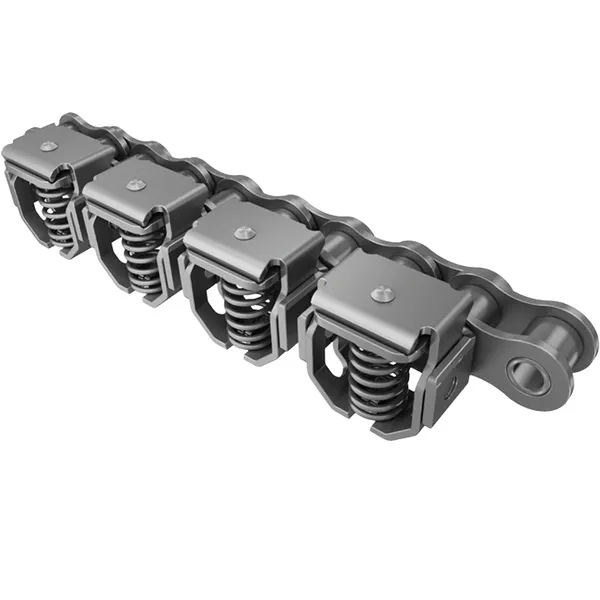
How do you calculate the required length of a conveyor chain?
Calculating the required length of a conveyor chain involves considering several factors related to the conveyor system and the specific application. Here’s a step-by-step guide:
- Determine the Conveyor Length: Measure the total length of the conveyor path, including any horizontal, inclined, or vertical sections.
- Account for Sprocket Centers: Identify the locations of the sprockets or drive units along the conveyor path. Measure the distance between each pair of adjacent sprockets.
- Calculate the Number of Links: Divide the total conveyor length by the pitch of the chain to determine the number of links required. The pitch is the distance between the center of two consecutive pins on the chain.
- Consider Tension Adjustment: Take into account any tension adjustment requirements based on the specific application. This may include allowances for tensioning devices or tension variations due to load fluctuations.
- Include End Connections: Consider the length of the end connections, such as master links or connecting pins, which are used to join the ends of the chain. Include their dimensions in the total chain length calculation.
- Add Safety Factors: Incorporate appropriate safety factors to ensure adequate chain length for proper tensioning and to accommodate any potential stretching or wear over time.
It’s important to note that the calculation of the required chain length is an estimation based on various factors and may require adjustments during the installation and tensioning process. Consulting the conveyor manufacturer’s guidelines or working with an experienced engineer can provide more precise calculations based on the specific conveyor system and application requirements.


editor by CX 2023-08-14