产品描述
ISO16949: 2009 Approved Industrial Chain
Why Choose Us?
1. HangZhou Xihu (West Lake) Dis.hua Chain Group Co., Ltd established in 1991, we have 5 subsidiaries in china and have 6 subsidiaries abroad;
2. we covering a production area of 200,100 square meters, have more than 1,800 sets of advanced equipment and over 3,100 highly skilled employees, the annual production capacity has exceeded 20,000,000meters;
3. we specialized in producing all kinds of standard chains and special chains, such as A or B series chains, driving chains, conveyor chains, hoisting chains, agricultural chains, sprockets, industrial chains, sprockets, gears, wheels and so on;
4. we have obtained ISO9001, ISO14001, ISO16969, AAA and API certificates.
5. Our partners among world top enterprises, such as JOHNDEERE, NEW HOLLAND, CLAAS, HONDA, KUBOTA, YANMAR, etc.
1. Industrial Chain Parts
2. Production flow chart
1. Incoming material
2. Inspection
3. Production of chain board (cold roll steel/punch/heat treatment/shot blasting/cleaning)
4. Production of roller(burr wiping & smear/heat treatment/wiping grinding/cleaning)
5. Production of quill(burr wiping & smear/centerless cylindrical grinding/heat treatment/shining)
6. Production of shaft(cutting/chamfering/heat treatment/ centerless cylindrical grinding/cleaning)
7. Assembling
8. Final inspection
9. Packing
3. Certificate
4. Company Information
杭州西湖迪斯华链条集团有限公司成立于1991年,目前拥有5家全资子公司,其中1家位于浙江省,4家位于浙江省杭州市,是一家专业生产链条、链轮、齿轮及各种动力传动产品的制造商。
集团旗下拥有西湖迪斯华、紫强等品牌,专注于生产各类标准滚子链和特种链,例如输送链、不锈钢链、农业链等。西湖迪斯华品牌已在美国、欧洲、日本等70多个国家和地区注册,并与约翰迪尔、纽荷兰、克拉斯、本田、久保田、洋马等世界顶级企业建立了长期合作关系。
西湖迪斯瓦集团拥有省级技术中心、院士工作站、博士后实验站以及国家级数百项计划。凭借这些平台和雄厚的技术实力,数百名工程师和技术人员开发了各种高精度、高强度特种产品,并为汽车关键零部件和国家工业振兴计划开展了模具研发项目。
公司高度重视环境保护和节能。产品充分体现了环保节能理念。2000年,西湖迪斯华率先获得ISO 14001环境管理体系认证,随后又通过了清洁生产和循环经济的审核,荣获“杭州市绿色企业”称号。
“我们始终致力于为客户提供最好的产品。”
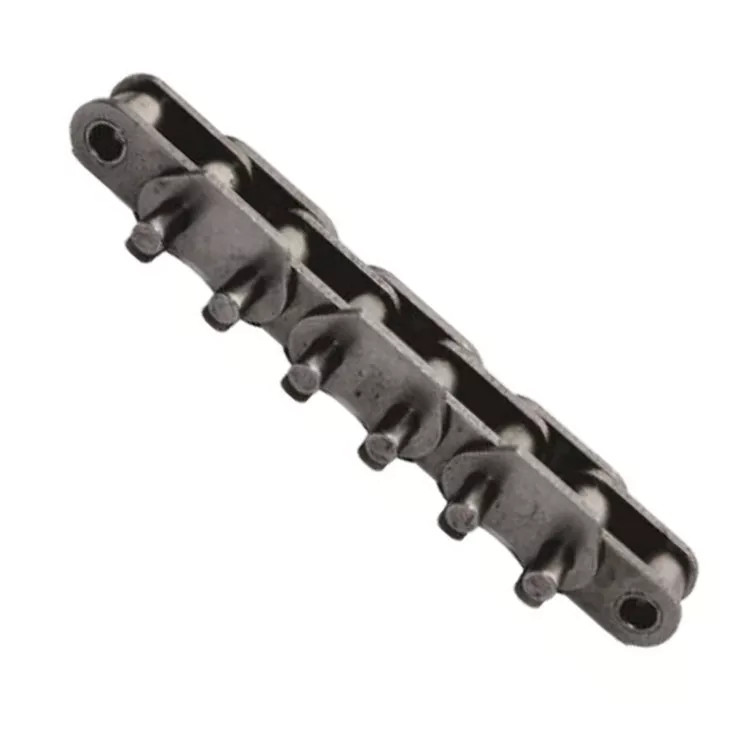
| 用法: | 传送链 |
|---|---|
| 材料: | 合金/碳钢 |
| 表面处理: | Electroplating |
| 特征: | 耐热 |
| 链条尺寸: | 1/2"*11/128" |
| 结构: | 滚子链 |
| 定制化: |
可用的
| 定制请求 |
|---|
传送链如何影响系统的能源效率?
输送链在输送系统的能源效率中起着至关重要的作用。以下是它影响能源效率的几个方面:
1. 降低能耗:
设计精良、摩擦特性低的输送链可以最大限度地降低能耗。通过降低链条与输送机部件之间的摩擦阻力,可以减少驱动链条和沿输送系统输送物料所需的能量。
2. 高效动力传输:
输送链的设计和构造有助于实现高效的动力传输。优化节距、滚轮直径和链轮齿形的链条可确保平稳有效的动力传输,最大限度地减少运行过程中的能量损失。
3. 正确的链条张紧度:
保持合适的链条张力对提高能源效率至关重要。张力合适的链条可确保链条与链轮之间实现最佳接触,从而最大限度地减少打滑和动力损失。定期检查和调整链条张力有助于最大限度地提高能源效率。
4. 对齐和跟踪:
输送链的正确对准和跟踪对于提高能源效率至关重要。未对准或跟踪不良的链条会导致摩擦力增大,从而增加能源消耗。定期监测和调整链条的对准情况可确保平稳高效运行。
5. 定期维护:
对输送链进行日常维护,包括润滑、清洁和检查,有助于保持其最佳性能和能源效率。充足的润滑可以减少摩擦和磨损,最大限度地减少动力损失,并延长链条的使用寿命。
6. 系统设计优化:
在输送系统的设计阶段考虑能源效率,可以显著影响其整体效率。合理选择输送链部件,例如低摩擦材料和高效驱动系统,有助于最大限度地降低能耗,提高系统的能源效率。
通过采用这些做法和利用节能型输送链技术,企业可以降低能源成本,最大限度地减少对环境的影响,并提高其运营的整体可持续性。
How does a conveyor chain handle different types of materials?
A conveyor chain is designed to handle a wide variety of materials in diverse industrial applications. It is capable of efficiently transporting different types of materials, including:
1. Bulk Materials: Conveyor chains are commonly used to handle bulk materials such as grains, coal, ores, aggregates, and powders. The design of the chain, including the spacing and shape of the links, helps prevent material spillage and ensures smooth and consistent flow.
2. Packaged Goods: Conveyor chains are also used for conveying packaged goods such as boxes, cartons, crates, and pallets. They provide a stable and reliable method of transporting these items along the production line, reducing manual handling and increasing productivity.
3. Small Parts: Conveyor chains with specialized attachments or small-pitch configurations are suitable for handling small parts or components. These chains ensure precise positioning and gentle transport of delicate or intricate items.
4. Heavy-Duty Loads: Industrial conveyor chains are capable of handling heavy-duty loads, such as automotive parts, machinery components, and large equipment. They are engineered to withstand the weight and stress of these objects, providing reliable and efficient material handling in demanding environments.
5. Food and Beverage Products: Conveyor chains used in the food and beverage industry are designed to meet strict hygiene and safety standards. They are constructed from materials that are resistant to corrosion, easy to clean, and compliant with food-grade regulations. These chains ensure the safe and contamination-free handling of food products.
6. Hazardous Materials: Conveyor chains can be used to safely transport hazardous materials, such as chemicals or waste products. Specialized chains with additional safety features, such as sealed housings or containment systems, are utilized to minimize the risk of spills or leaks.
Conveyor chains can be customized with different chain configurations, attachments, and accessories to accommodate specific material characteristics and handling requirements. The selection of the appropriate chain type, material, and design parameters ensures optimal performance and efficient material handling for a wide range of materials.
What lubrication is recommended for conveyor chains?
Choosing the right lubrication for conveyor chains is crucial for maintaining their performance and extending their lifespan. Here are some commonly recommended lubricants:
- Chain Oil: Chain oil is specifically designed for lubricating conveyor chains. It provides excellent lubrication, reduces friction, and helps prevent wear and corrosion. Chain oils come in various viscosities to suit different operating conditions.
- Synthetic Lubricants: Synthetic lubricants, such as synthetic oils and greases, offer enhanced performance and durability. They have excellent temperature stability, high resistance to oxidation and degradation, and superior lubricating properties. Synthetic lubricants are suitable for applications with high temperatures, heavy loads, or extreme operating conditions.
- Food-Grade Lubricants: For conveyor chains used in food processing or other industries with strict hygiene requirements, food-grade lubricants are recommended. These lubricants are formulated to be safe for incidental food contact and comply with relevant regulations and standards.
- Dry Film Lubricants: In certain applications where liquid lubricants are not suitable, such as dusty or dirty environments, dry film lubricants can be used. These lubricants form a protective coating on the chain surfaces, reducing friction and preventing wear.
When selecting a lubricant, consider the operating conditions, such as temperature, speed, load, and environmental factors. Consult the manufacturer’s recommendations and guidelines to ensure you choose the appropriate lubrication product for your specific conveyor chain. Regularly monitor the lubrication levels and reapply as needed to maintain optimal chain performance.


editor by CX 2023-08-15