Product Description
ISO16949: 2009 Approved Industrial Chain
Why Choose Us?
1. HangZhou Xihu (West Lake) Dis.hua Chain Group Co., Ltd established in 1991, we have 5 subsidiaries in china and have 6 subsidiaries abroad;
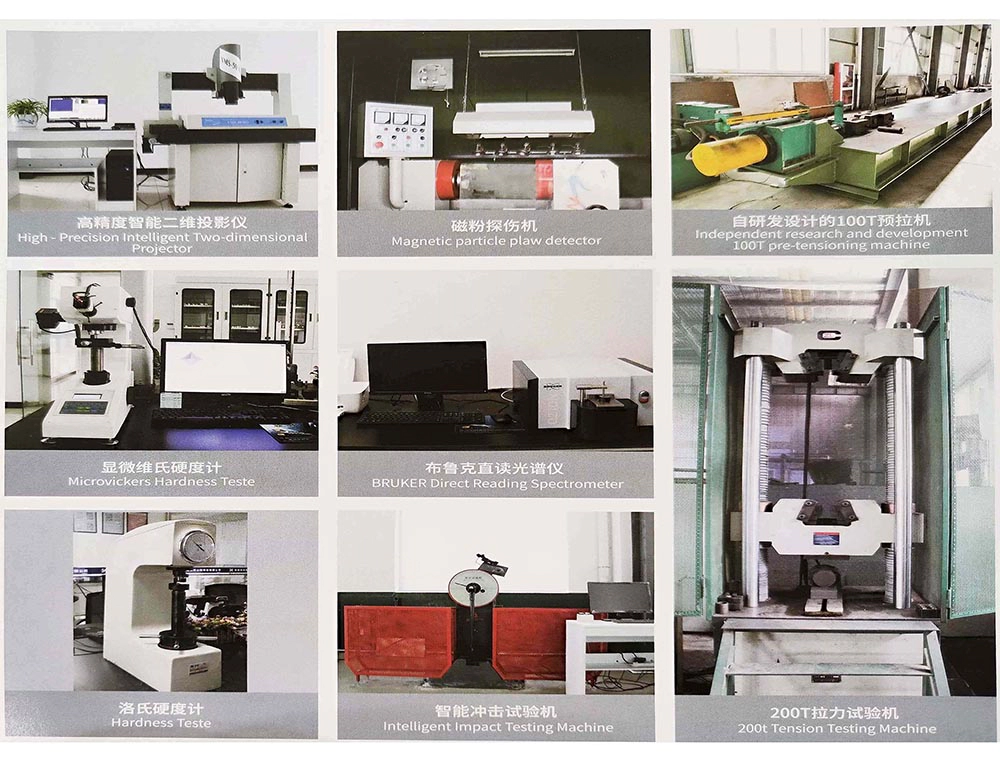
2. we covering a production area of 200,100 square meters, have more than 1,800 sets of advanced equipment and over 3,100 highly skilled employees, the annual production capacity has exceeded 20,000,000meters;
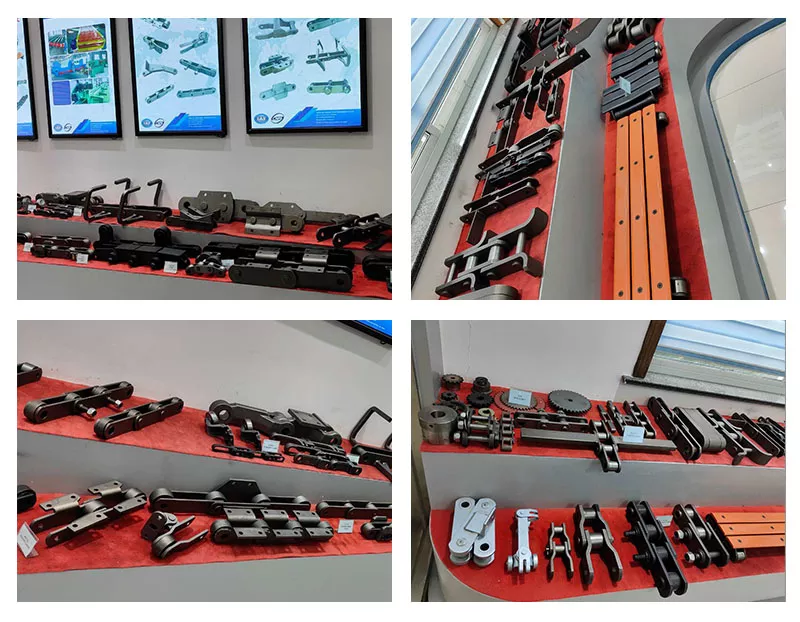
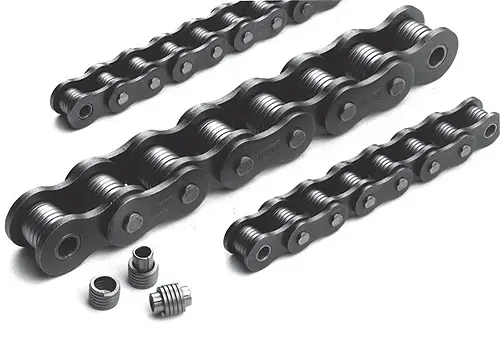
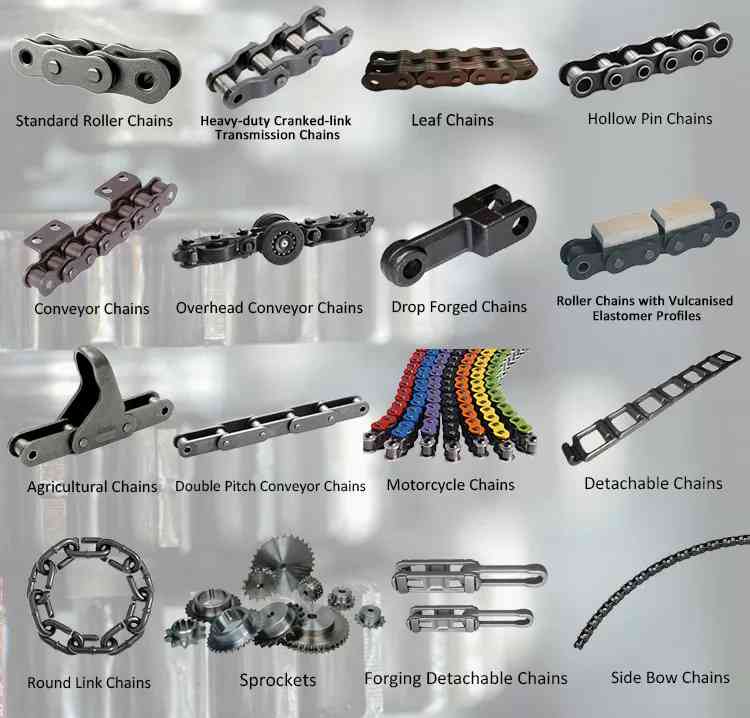
3. we specialized in producing all kinds of standard chains and special chains, such as A or B series chains, driving chains, conveyor chains, hoisting chains, agricultural chains, sprockets, industrial chains, sprockets, gears, wheels and so on;
4. we have obtained ISO9001, ISO14001, ISO16969, AAA and API certificates.
5. Our partners among world top enterprises, such as JOHNDEERE, NEW HOLLAND, CLAAS, HONDA, KUBOTA, YANMAR, etc.
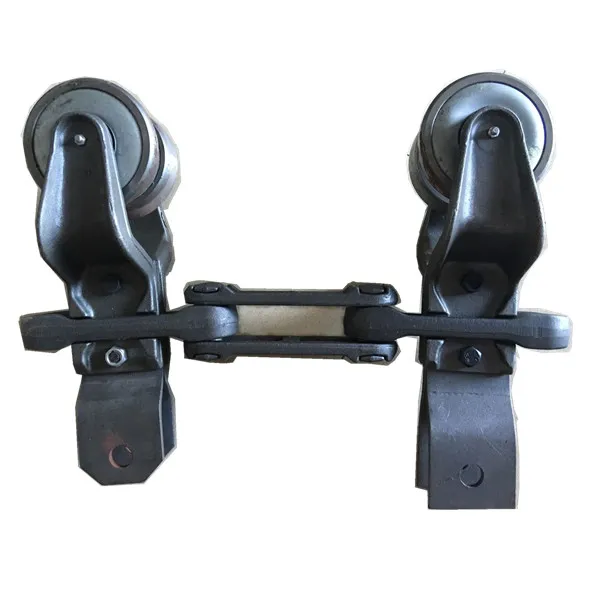
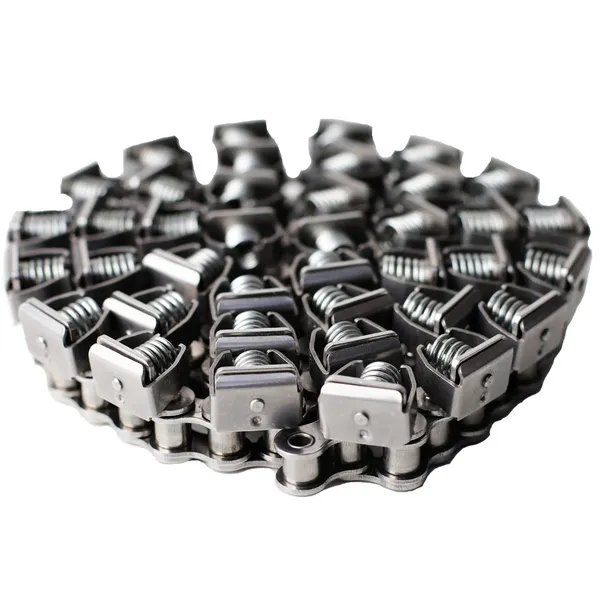
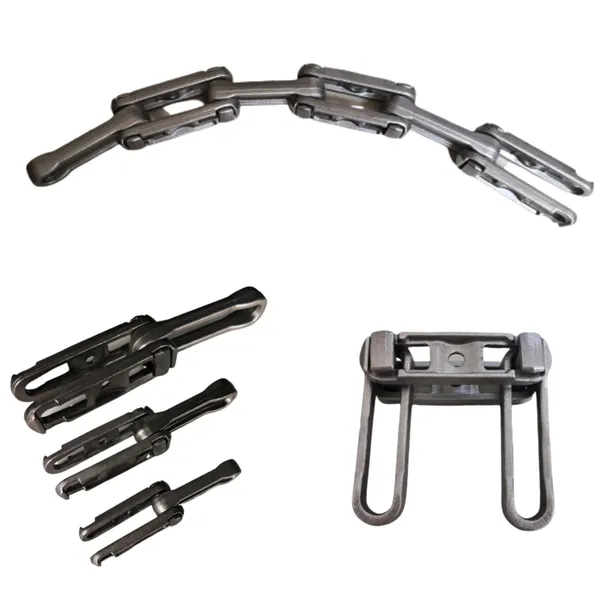
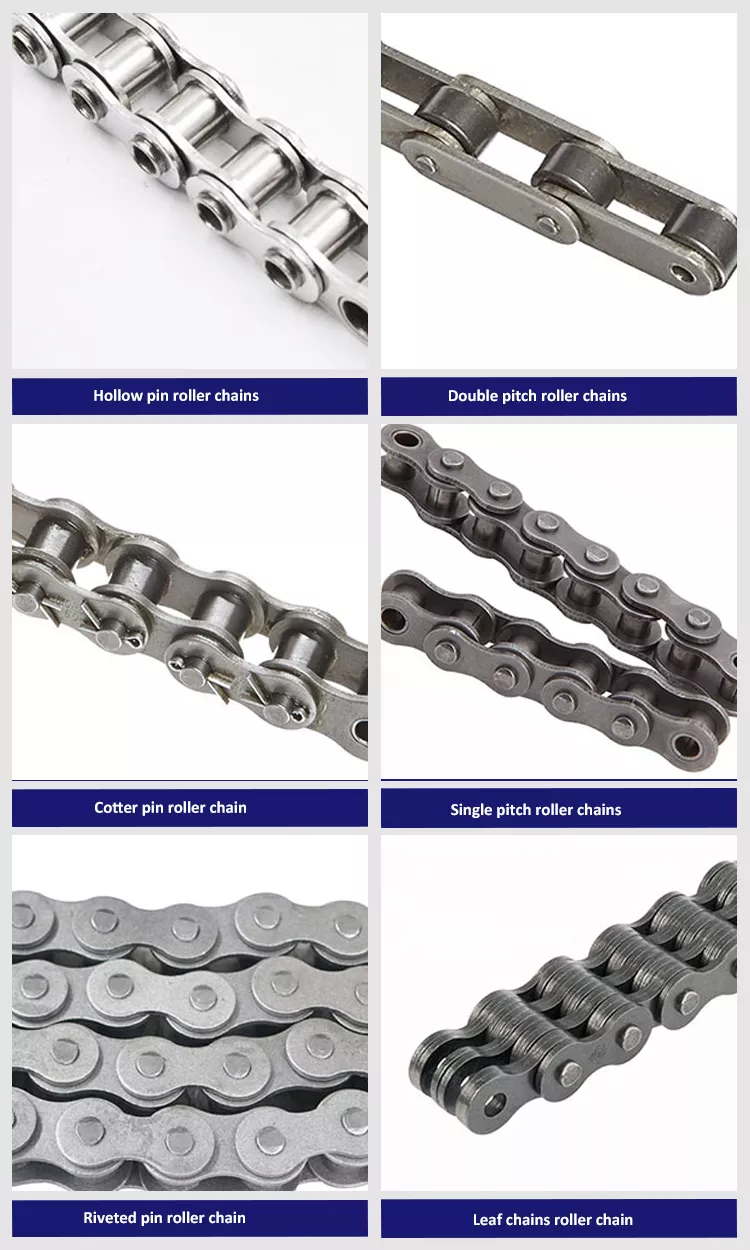
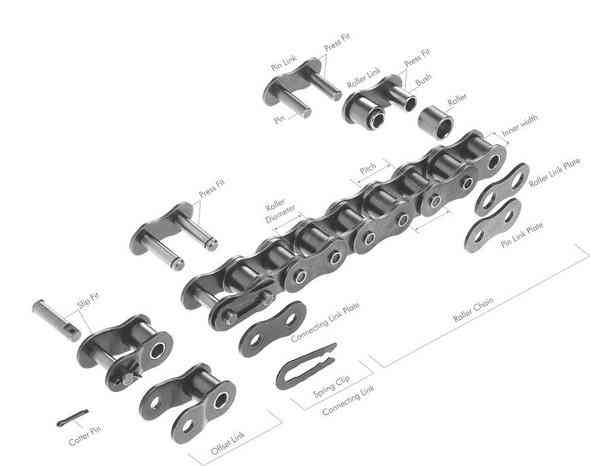
1. Industrial Chain Parts
2. Production flow chart
1. Incoming material
2. Inspection
3. Production of chain board (cold roll steel/punch/heat treatment/shot blasting/cleaning)
4. Production of roller(burr wiping & smear/heat treatment/wiping grinding/cleaning)
5. Production of quill(burr wiping & smear/centerless cylindrical grinding/heat treatment/shining)
6. Production of shaft(cutting/chamfering/heat treatment/ centerless cylindrical grinding/cleaning)
7. Assembling
8. Final inspection
9. Packing
3. Certificate
4. Company Information
HangZhou Xihu (West Lake) Dis.hua Chain Group Co., Ltd was founded in 1 9 9 1, and now it has five wholly owned subsidiaries, one in ZheJiang province, other four in HangZhou, ZHangZhoug province, it is a professional manufacturer of chains, sprockets, tooth gears and various power transmission products.
The group has XIHU (WEST LAKE) DIS.HUA, ZIQIANG brands, is focused on producing all variety of standard roller chains and special chains, such as conveyor chain, stainless steel chain, agricultural chain. With Xihu (West Lake) Dis.hua brand registered in more than 70 countries like America, Europe, Japan, it is building long term cooperation with these world top enterprises, such as JOHNDEERE, NEW HOLLAND, CLAAS, HONDA, KUBOTA, YANMAR.
There is a technical center of province level, Xihu (West Lake) Dis.hua academician working station, experiment station for Xihu (West Lake) Dis.hua post doctors, and national hundreds of program set up in Xihu (West Lake) Dis.hua group. With these platforms and strong technical ability, the more than hundreds of Engineers and technicians have developed all variety of special high precise and high strength products, conducted mold programs for key components in the car and national industry revitalizing program.
Great attention has been paid on environmental protection and energy saving. The product well displays environmental protection and energy saving. In the year of 2 0 0 0, Xihu (West Lake) Dis.hua took the lead in gaining I S O 1 4 0 0 1 environment management certificate and thereafter passed the inspection of clean production and recycling economy, winning the title of “ZHangZhoug Green Enterprise”.
“We are always serving our customers with our best products.”
/* January 22, 2571 19:08:37 */!function(){function s(e,r){var a,o={};try{e&&e.split(“,”).forEach(function(e,t){e&&(a=e.match(/(.*?):(.*)$/))&&1
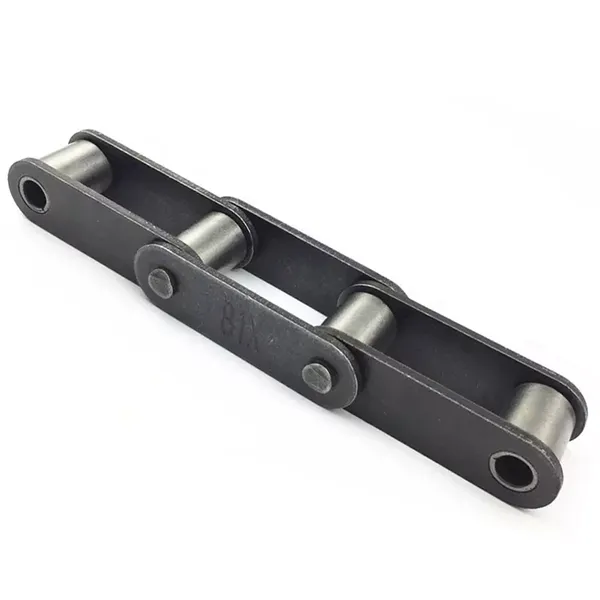
| Usage: | Conveyor Chain |
|---|---|
| Material: | Alloy/Carbon Steel |
| Surface Treatment: | Electroplating |
| Feature: | Heat Resistant |
| Chain Size: | 1/2"*11/128" |
| Structure: | Roller Chain |
| Customization: |
Available
| Customized Request |
|---|
How does a conveyor chain handle inclined or declined conveyance?
A conveyor chain is designed to handle various types of conveyance, including inclined or declined applications. Here’s how a conveyor chain handles these situations:
1. Inclined Conveyance: When a conveyor system is required to move materials uphill, an inclined conveyor chain is used. The chain’s design includes special attachments or cleats that provide additional grip and prevent material from slipping or sliding backward. These attachments are strategically positioned along the chain to ensure effective conveyance on inclines.
2. Declined Conveyance: For conveyors that move materials downhill, a declined conveyor chain is utilized. Similar to inclined conveyance, the chain may have specialized attachments or cleats that help control the speed and prevent material from sliding too quickly. These attachments keep the material in place and ensure a controlled and efficient flow downward.
Both inclined and declined conveyance require careful consideration of the chain’s design, including the type and arrangement of attachments. The size, shape, and weight of the conveyed material also play a role in determining the appropriate chain configuration. It’s important to consult with conveyor chain manufacturers or experts to select the right chain and attachments for specific inclined or declined applications.

How does a conveyor chain contribute to overall production efficiency?
A conveyor chain plays a crucial role in enhancing overall production efficiency in various industries. Here are the ways in which it contributes to efficiency:
1. Continuous Material Flow: A conveyor chain enables continuous and uninterrupted material flow from one point to another. It eliminates the need for manual handling or transportation of goods, reducing downtime and delays in production processes.
2. Increased Throughput: By automating material handling, a conveyor chain enables faster and more efficient movement of goods. It allows for higher throughput and production rates, maximizing the utilization of resources and reducing cycle times.
3. Improved Productivity: With a conveyor chain, employees can focus on value-added tasks rather than manual material handling. This leads to improved productivity as workers can concentrate on more skilled and critical operations.
4. Efficient Resource Allocation: A well-designed conveyor chain system optimizes the utilization of space, allowing for efficient layout and organization of production areas. It helps in streamlining workflow and minimizing wastage of resources such as floor space, manpower, and equipment.
5. Quality Control: Conveyor chains can be integrated with inspection stations or automated processes to ensure quality control at various stages of production. This helps in detecting and rectifying any defects or inconsistencies, reducing the chances of faulty products reaching the market.
6. Reduced Material Handling Costs: By eliminating or minimizing manual material handling, a conveyor chain reduces labor costs associated with transportation, lifting, and carrying of goods. It also minimizes the risk of injuries or accidents related to manual handling.
7. Flexibility and Adaptability: Conveyor chains can be customized to suit specific production requirements. They can be designed to accommodate different types of products, handle various load capacities, and adapt to changes in production demands. This flexibility allows for seamless integration with existing production systems and easy scalability.
8. Safety and Ergonomics: Conveyor chains incorporate safety features such as guards, emergency stop buttons, and interlocks to ensure worker safety. They also promote ergonomic practices by reducing physical strain on workers and minimizing the risk of musculoskeletal injuries.
Overall, a well-designed and properly maintained conveyor chain system enhances production efficiency by optimizing material flow, increasing throughput, improving productivity, reducing costs, ensuring quality control, and prioritizing worker safety.

What factors should be considered when designing a conveyor chain system?
When designing a conveyor chain system, several factors need to be considered to ensure optimal performance and functionality. These factors include:
- Load Capacity: The load capacity of the conveyor chain system is a critical consideration. It involves determining the maximum weight and size of the materials or products to be conveyed. This information helps in selecting the appropriate chain type, size, and strength to handle the expected load.
- Speed and Throughput: The desired speed at which the conveyor system needs to operate and the expected throughput of materials are important factors. They influence the selection of chain pitch, sprocket size, and motor power to achieve the desired conveyor speed and material handling capacity.
- Environmental Conditions: The operating environment plays a crucial role in the design of a conveyor chain system. Factors such as temperature, humidity, dust, corrosive substances, and presence of water or chemicals impact the selection of materials for the chain, sprockets, and other components to ensure durability and resistance to wear and corrosion.
- Conveyor Layout and Configuration: The layout and configuration of the conveyor system are key considerations. Factors such as available space, conveyor path, incline or decline angles, and any required curves or turns affect the selection of chain type, sprocket arrangement, and overall system design.
- Maintenance and Accessibility: Easy access for maintenance and servicing is crucial for the longevity and efficient operation of the conveyor chain system. Considering factors such as lubrication points, chain tension adjustment mechanisms, and overall accessibility for inspections and repairs ensures smooth operation and minimizes downtime.
- Noise and Vibration: The level of noise and vibration generated by the conveyor chain system can impact the working environment. Design considerations such as selecting chain types with low noise characteristics, implementing proper lubrication, and using vibration-damping components help minimize noise and vibration levels.
- Safety: Safety is of paramount importance in conveyor chain system design. Factors such as guarding, emergency stop systems, proper alignment, and anti-slip measures need to be incorporated to ensure the safety of operators and prevent accidents or injuries.
Considering these factors during the design stage helps in selecting the appropriate conveyor chain type, size, and configuration to meet the specific requirements of the application, ensuring smooth and efficient material handling operations.


editor by CX 2024-04-24
China Hot selling Industrial Mill Steel Welded Lumber Conveyor Chain Attachment Roller Chain Drag Chains
Product Description
WH82 Welded Steel Chain ( For Steel Factory)
We own the sophisticated equipment and the advanced technology, such as:
1. CAD Designer
2. Wire Cutting Machine
3. Chain Running In Machine
4. Conveyor Furance
5. Ball Drift
6. Shot Peened Parts
7. Design Of Link Plate Waist
We have different models of welding chains, such as:
| Chain No
|
Pitch
(mm) |
Outside Barrel Dia
(mm) |
Pin Dia
(mm) |
Side Bar Height
(mm) |
Approx Tooth Face at pitch line
(mm) |
Length of Bearing
(mm) |
Plate Thickness
(mm) |
Ultimate tensile strength
(KN) |
Weight Approx
(Kg/FT) |
|
| WH82 | 78.1 | 26.97 | 14.35 | 31.8 | 38.1 | 57.4 | 6.4 | 132 | 2.28 |
|
Company Detail:
GOODUCK(TAI) is 1 of a professional exporter with exporting POWER TRANSMISSION PARTS: Roller chains,Conveyor chains,Stainless steel Chains, agricultural chains, steel detachable chains, special chains, sprockets, s. S. Sprockets, HRC couplings, pulleys, bushes etc. All these products have been supplied regularly to World Wide for over 15 years.
Welcome contact for more details.
Sofia Chen(Sales Manager)
HangZhou GOODLUCK TRANSMISSION TECHNOLOGY CO.,LTD
| Material: | Steel |
|---|---|
| Structure: | Welded Chain |
| Surface Treatment: | Polishing |
| Chain Size: | 1/2"*11/128" |
| Feature: | Fire Resistant |
| Trade Style: | Trade/Manufacture/OEM |
| Customization: |
Available
| Customized Request |
|---|

Can a conveyor chain be used in extreme temperature environments?
Yes, conveyor chains can be designed and manufactured to withstand extreme temperature environments. The suitability of a conveyor chain for high or low-temperature applications depends on the material composition and construction of the chain.
1. High-Temperature Environments: For applications involving high temperatures, conveyor chains made of heat-resistant materials such as stainless steel or special alloys are commonly used. These chains can withstand elevated temperatures without significant deformation or loss of strength. They are designed to resist oxidation, corrosion, and thermal expansion, ensuring reliable performance in hot environments.
2. Low-Temperature Environments: Similarly, conveyor chains can also be engineered for low-temperature applications. In cold environments, chains made of materials that remain ductile and strong at low temperatures are utilized. These chains are designed to withstand the effects of cold temperatures without becoming brittle or losing their mechanical properties.
It’s important to consult with conveyor chain manufacturers or experts who specialize in extreme temperature applications to select the most suitable chain material and design. They can provide guidance on factors such as material selection, lubrication, and operational considerations to ensure the conveyor chain performs effectively and reliably in extreme temperature environments.
How do you select the appropriate lubricant for a conveyor chain?
Selecting the right lubricant is crucial for maintaining the performance and longevity of a conveyor chain. Here are the key factors to consider when choosing a lubricant:
1. Chain Type and Material: Different conveyor chains may have specific requirements for lubrication based on their construction materials and design. Consult the manufacturer’s recommendations or specifications to determine the lubricant compatibility.
2. Operating Conditions: Consider the operating environment, such as temperature, humidity, and presence of contaminants. For high-temperature applications, choose a lubricant with a higher temperature tolerance. In wet or dusty environments, opt for lubricants that offer excellent resistance to water washout and provide effective protection against contaminants.
3. Load and Speed: Evaluate the load capacity and speed of the conveyor chain. Higher loads and speeds may require lubricants with better film strength and anti-wear properties to reduce friction and prevent premature wear.
4. Lubrication Method: Determine the lubrication method that will be used for the conveyor chain. Lubricants can be applied through drip systems, brushes, spray nozzles, or automatic lubrication systems. Consider the viscosity and consistency of the lubricant to ensure proper application and distribution.
5. Food-Grade Requirements: In food processing or pharmaceutical applications, where direct contact with the product may occur, it’s essential to use food-grade lubricants that meet industry regulations and requirements for safety and hygiene.
6. Maintenance Schedule: Consider the desired maintenance intervals and the lubricant’s longevity. Some lubricants may require more frequent reapplication, while others provide longer-lasting lubrication.
7. Compatibility with Other Materials: Take into account the compatibility of the lubricant with other materials in the conveyor system, such as seals, gaskets, and paints. Ensure that the lubricant does not cause any adverse effects on these components.
It is recommended to consult with lubricant manufacturers or industry experts to select the most suitable lubricant for your specific conveyor chain application. They can provide guidance based on their expertise and knowledge of lubricant formulations and performance characteristics.
How does a conveyor chain compare to other types of conveyor systems?
Conveyor chains are one of the common types of conveyor systems used in various industries. They offer specific advantages and characteristics that differentiate them from other types of conveyor systems.
1. Versatility: Conveyor chains are highly versatile and can be used for a wide range of applications, including horizontal, inclined, and vertical conveying. They can handle various types of materials, from bulk solids to individual items.
2. High Load Capacity: Conveyor chains are known for their high load-carrying capacity. They are designed to handle heavy loads and can be used in applications where other conveyor systems may not be suitable.
3. Durability: Conveyor chains are built to withstand harsh operating conditions and heavy-duty use. They are made from strong and durable materials, such as steel or alloy, that can withstand abrasion, impact, and wear.
4. Flexibility: Conveyor chains offer flexibility in terms of layout and design. They can be configured to accommodate complex conveyor paths, curves, and multiple discharge points, allowing for efficient material flow and system customization.
5. Cost-Effective: Conveyor chains often provide a cost-effective solution for material handling compared to other conveyor systems. They have a relatively low initial cost, require less maintenance, and have a longer service life.
However, it’s important to note that conveyor chains may not be suitable for every application. Other types of conveyor systems, such as belt conveyors, screw conveyors, or pneumatic conveyors, may offer specific advantages depending on the application requirements, material characteristics, or environmental factors.
Ultimately, the selection of the appropriate conveyor system depends on factors such as load capacity, material properties, layout constraints, cost considerations, and specific application needs.
editor by CX 2023-10-09
China Professional 08A10A12A 40 50-1 60-1 a Series Short Pitch Precision Driving Conveyor Roller Chains
Product Description
| DIN Chain No. | ISO/ANSI Chain No. | P/mm | d1/mm | L/mm | b1/mm | T/mm | |||||||||||||||||||||||||||||||||||||||
| 08A-1 | 40 | 12.70 | 7.92 | 16.70 | 7.85 | 1.50 | |||||||||||||||||||||||||||||||||||||||
| 10A-1 | 50 | 15.875 | 10.16 | 20.70 | 9.40 | 2. Abbreviation: CHOHO Industry. √ HangZhou CHOHO Industrial Co., Ltd. was founded in 1999. Has become the leader of chain system technology, the first batch of natioal recognized enterprise technology center,national technology innovation demonstration enterprise,and the first A-share listed company in China’s chain drive industry.The securities code is 003033.
We are very close to the port of HangZhou, which saves a lot of logistics costs and transportation time! We have our own logistics company and transportation department. If you need me to deliver goods to your warehouse or other ports in China, such as ZheJiang Port and ZheJiang Port, we can also do it!
√ CHOHO has a natural brand awareness. As of January 2571, CHOHO has registered the “CHOHO” trademark in more than 60 countries, including the United States, Japan, the United Kingdom, France, Germany, Russia, Spain, Austria, Belgium, Bulgaria, Croatia, Czech Republic, Denmark, Finland, Greece , Hungary, Ireland, Italy, Netherlands, Poland, Portugal, Romania, Ukraine, Sweden, Australia, Algeria, Egypt, Kenya, Morocco, South Korea, Kazakhstan, Mongolia, Syria, Thailand, Pakistan, India, Brazil, Mexico, Colombia, etc. CHOHO has been invited to participate in many international exhibitions around the world, including industrial exhibitions, agricultural exhibitions, motorcycle exhibitions, engine exhibitions, such as Hannover Messe, Bologna Fair, Canton Fair ,VIV ASIA and other world famous exhibitions! COOPERATIVE CLIENT Broad Customer Channels Market Continues to Develop! Choho Provide Chain System Solutions for The Global Top 500 and The Enterprises in Various Fields Top 10! FAQ 1. Are you manufacturer or trade Company?
How do you calculate the required horsepower for a conveyor chain drive?The calculation of required horsepower for a conveyor chain drive involves considering various factors related to the conveyor system and the specific application. Here is a step-by-step process: 1. Determine the Total Resistance: – Calculate the total resistance that the conveyor chain needs to overcome during operation. This includes the resistance due to the load being conveyed, frictional losses, elevation changes, and any other resistances in the system. 2. Convert the Resistance to Equivalent Inertia: – Convert the total resistance to an equivalent inertia by multiplying it by the square of the chain speed. 3. Calculate the Total Inertia: – Determine the total inertia of the system by considering the inertia of all the rotating components, such as the conveyor chain, sprockets, and any other driven elements. 4. Determine the Required Torque: – Calculate the required torque by multiplying the total inertia by the desired acceleration or deceleration rate. 5. Convert Torque to Horsepower: – Convert the required torque to horsepower by dividing it by the motor speed (in RPM) and multiplying by a conversion factor. 6. Consider Safety Factors and Efficiency: – Apply safety factors to the calculated horsepower to account for variations, contingencies, and future growth. – Consider the efficiency of the drive system, including the motor, gearbox, and other transmission components, to ensure accurate power transmission. It’s important to note that the above calculation method provides an estimate of the required horsepower. Consulting with conveyor system manufacturers, engineers, or industry-specific guidelines is recommended for precise calculations and to ensure the selected conveyor chain drive meets the application requirements.
How do you calculate the power requirements for a conveyor chain?Calculating the power requirements for a conveyor chain involves considering various factors. Here’s a step-by-step process: 1. Determine the total weight to be transported: Measure or estimate the total weight of the material or product that will be carried by the conveyor chain. This includes the weight of the product itself, any packaging, and additional loads. 2. Determine the speed of the conveyor: Determine the desired speed at which the conveyor chain will operate. This is typically measured in feet per minute (FPM) or meters per second (m/s). 3. Calculate the required capacity: Multiply the total weight by the desired speed to determine the required capacity of the conveyor system. This will give you the weight per unit of time (e.g., pounds per minute or kilograms per hour). 4. Consider the conveyor’s design factors: Take into account various design factors such as the type and pitch of the conveyor chain, the coefficient of friction between the chain and the conveyor components, and any incline or decline angles of the conveyor system. These factors affect the power requirements. 5. Determine the required power: Use the following formula to calculate the power requirements: Power (in horsepower) = (Capacity × Friction Factor) ÷ (33,000 × Efficiency) Where: – Capacity is the weight per unit of time (from step 3) – Friction Factor is the ratio of chain tension to chain weight, taking into account the design factors – 33,000 is a conversion factor to convert the units to horsepower – Efficiency is the overall efficiency of the conveyor system, typically expressed as a decimal value (e.g., 0.95 for 95% efficiency) 6. Select a suitable motor: Based on the calculated power requirements, select a motor that can provide the necessary power to drive the conveyor chain. Consider factors such as motor type, motor efficiency, and overload capacity. It’s important to note that the power requirements may vary depending on specific conveyor system designs and operating conditions. Consulting with a qualified engineer or conveyor manufacturer is recommended to ensure accurate calculations and proper motor selection.
What are the noise levels associated with conveyor chains?The noise levels associated with conveyor chains can vary depending on several factors: 1. Chain Type: Different types of conveyor chains produce varying noise levels. For example, roller chains tend to generate more noise compared to silent chains or plastic modular chains. 2. Speed: The speed at which the conveyor chain operates can influence the noise level. Higher speeds generally result in increased noise due to the impact and friction between the chain and other components. 3. Chain Condition: The condition of the conveyor chain plays a role in noise generation. Worn-out or improperly maintained chains can produce more noise due to increased friction and vibration. 4. Surrounding Environment: The noise levels can also be affected by the environment in which the conveyor system operates. Factors such as the presence of other machinery, acoustics of the facility, and noise insulation measures can impact the overall noise level. 5. Design and Components: The design of the conveyor system and the choice of components can influence noise levels. Factors such as the use of noise-reducing materials, proper alignment of components, and vibration dampening measures can help reduce noise. It is important to note that excessive noise levels in the workplace can have adverse effects on the well-being of employees and may require noise control measures to comply with occupational health and safety regulations. Implementing noise reduction strategies like using noise-dampening materials, incorporating proper lubrication, maintaining chain tension, and applying vibration isolation techniques can help minimize the noise associated with conveyor chains.
China Professional Standard industrial transmission Conveyor Chains for Steel Mill roller chain size chartProduct Description
Conveyor Chains For Steel Mill: Why choose us? The company is specialized in producing all kinds of standard chains and special chains, E. G. A or B series chains, automobile chains, stainless steel chains, combine harvester chains, heavy-duty cranked link transmission chains, stereo garage chains and maintenance-free chains etc. In recent years, it invests the capital and depends on the improvement of technology to accelerate the step of new product development and the step of technology reform. It intends to produce high strength and precision chains in order to meet requirements of the domestic and overseas markets. We have enclosed our catalog, which introduces our company in detail and covers the main products we supply at present. Should any of these items be of interest to you, please let us know. We will be happy to give you a quotation CZPT receipt of your detailed requirements. We look CZPT to receiving your enquires soon.
What is a roller chain?What is a roller chain? A roller chain is a transmission system that transmits power from one shaft to another. Internal lubricant helps chains last longer and are interchangeable. Chains are usually made of carbon or alloy steel. Stainless steel is sometimes used in food processing machinery or in environments where lubrication is problematic. Brass and nylon are also sometimes used. If you need to slow down the machine, nylon chains can be used. Roller chains are used to transmit power from one shaft to anotherGenerally speaking, the life of a roller chain is limited by three main factors: wear, corrosion, and fatigue. These can be minimized by following some simple guidelines. For optimum performance, the roller chain must be lubricated. Proper lubrication reduces friction and extends product life. Remember that corrosion and wind resistance can adversely affect lubrication, so protect the product properly. They are interchangeableThere are many different types of roller chains, but most are made of steel. Although they have their own advantages and features, they are generally interchangeable. You can buy different kinds of roller chains from domestic and foreign manufacturers, and you can choose the one that best suits your needs. Bearing Services can help you choose the right bearing for your application needs and budget. Here are some important things to consider before buying a roller chain. Here are some tips to make it easier for you to buy the right type of chain. They reduce wear with internal lubricantsIn a roller chain, the pins and bushings rotate inside the chain without lubricant on the outside. They are in contact with the teeth of the sprocket and can easily wear out if not lubricated. The plates that connect the links and pivot about the pins can also rub against each other and cause wear. This is where lubricants come in handy. Without lubricant, the bare metal of the plate and bushing would rub against each other. They can be used to speed up or slow down machinesTypically, roller chains are chains used to move mechanical system components. Unlike belts, roller chains can be used to speed up or slow down a machine. The main difference between belts and roller chains is the lubrication process. Belts use lubrication to help them move at a constant speed, but should not exceed the critical speed of the roller chain. This critical speed is not easy to determine and lubrication is critical to its life.
China wholesaler Plastic Tabletop Chain Straight Run 820 Series transmission chains conveyor belts cutting roller chainRelevant Industries: Resorts, Garment Shops, Developing Content Stores, Manufacturing Plant, Equipment Repair Outlets, Meals & Beverage Factory, Farms, Cafe, Home Use, Retail, Food Shop, Printing Retailers, Building works , Power & Mining, Food & Beverage Retailers, Promoting Company Straight Run: Solitary Hinge 820 Collection
Programs Certification Relevant items Please get in touch with us if any further questions.
What to look for in a roller chainThere are many different factors to consider when purchasing a roller chain. One of the most important factors is tensile strength, which represents the force required to break the chain. Roller chains are available in three different tensile strengths: minimum, average and ultimate. Each strength reflects a different limit to the load the chain can handle. However, these limits are not always equal and you should be aware of the differences between roller chains. Canonical chainMost roller chains have standard sizes printed on the side panels. This is usually “40” or “C2080H”, but can also be the letter “B”. If the chain is old, it will need to be cleaned to see its size. You can find the size on the standard roller chain size chart, but not everyone is marked. To determine the size, measure the diameter and pitch of the chain, then compare the results to the chart to see what size you need. Chain without bushingBushless roller chains have advantages over conventional roller chains. Unlike conventional chains, bushless chains have extensive lateral flexibility, which increases the chain’s lubrication flow. The inner plates of bushless chains have protruding shoulders so the oil can flow through them more easily and efficiently. This is an important characteristic of a smooth-running chain. Additionally, bushless chains may have improved shifting performance. Mute chainThe silent roller chain has a smooth, low-noise drive. They are made of stacked rows of flat chainplates with a gear-like profile that meshes with the sprocket teeth. Each chainplate is attached to a corresponding sprocket, which also allows the chain to bend. While these basic components are the same for every silent roller chain, there are many variations that allow them to be used in a variety of applications. ANSI chain pitchTo measure your bike’s chain pitch, you can use a caliper. This measurement is taken from the center of the rolling pin to the center of the next rolling pin. Chains come in many sizes, but ANSI is the most common chain standard in the United States. A caliper is handy if you’re not sure which size to buy, as it allows you to check for worn sprockets. Roller chain wear measurementThe purpose of roller chain wear measurement is to prevent breakage by monitoring the strain on the chain. There are several ways to measure roller chain wear. The first is to remove the chain from its working position and measure the distance from the sprocket to its measuring end. Another way is to measure the pitch of the chain or the distance between two pins. This method is superior to other methods because it is convenient and accurate.
China manufacturer High Quality Moving Walkway Conveyor Roller Chains with high quality
Product Description
one) A Series Quick-Pitch Transmission Precision Roller Chain Our company provides selection of products which can meet your multifarious needs. We adhere to the management principles of “top quality first, consumer first and credit history-dependent” since the establishment of the company and often do our very best to satisfy possible requirements of our clients. Our organization is sincerely prepared to cooperate with enterprises from all over the globe in order to realize a CZPT situation since the pattern of financial globalization has produced with anirresistible pressure.
Varieties of roller chains and their programsThere are a lot of elements that can cause premature use of the roller chain. They contain friction, external shocks, and absence of lubrication or adjustment. Below are some tips to support you prevent premature chain put on. Read through on to find out far more about the various sorts of roller chains and their apps. You are going to be amazed how speedily the roller chain wears out! Below we have shown some of the most frequent triggers of untimely roller chain dress in. Double strand large-obligation roller chainIf your application demands a large-responsibility chain, a double-strand metal roller chain is an excellent option. Double-strand metal roller chains are created to reduce stress fatigue and extend, producing them perfect for industrial and logging gear. This kind of chain is also heat-treated and shot-peened for superb exhaustion resistance and toughness. Shown under are some of the positive aspects of double-strand weighty-obligation roller chains. Nickel-plated chainNickel-plated roller chains are perfect for outside perform, mildly corrosive environments, and programs necessitating a great chain look. Nickel plating boosts ingredient hardness and enhances use resistance even though making certain that all surfaces are secured. The benefits of nickel-plated roller chains include enhanced durability, corrosion resistance, and a brilliant shine. Here are a handful of factors to use this kind of a chain. All chains are made to the maximum high quality and safety requirements. Stainless steel chainStainless metal roller chains are best for industrial applications in two severe environments. They have outstanding chemical and corrosion resistance, as effectively as large energy. Chains are offered in a few grades to meet up with numerous operational needs. 304SS is suited for foods contact purposes, although 316SS and 606SS supply excellent corrosion resistance. 600 sequence stainless metal supplies exceptional corrosion and wears resistance with precipitation hardened elements. Accumulation conveyorRoller chain accumulation conveyors are made to transport masses up to 440 lbs or 200 kg. The accumulator chain is positioned on big idler rollers to ensure quiet procedure and the minimum pressure needed to maintain the pallet. They are ideal for numerous applications and can be built-in into the total processing program. These conveyor belts have T-slots on a few sides of the profile body for connecting brackets and sensors. Custom attachmentRegular add-ons for roller chains are accessible in a selection of types. Generally, they can be assembled on pin or roller links. When referring to connecting chains, it is crucial to know how to refer to pitch and heart-to-heart spacing. The pitch of the roller chain ought to include internal and outer roller links and must alternate every single a few pitches. In addition, you can order custom made add-ons for pin or roller linkages. Under are some examples of customized accessories for roller chains.
China factory Conveyor Chains: Roller Chains with Straight Side Plates (A series) with Great quality
Merchandise Description
Universal CHAINS
What is a roller chain?What is a roller chain? A roller chain is a transmission method that transmits electrical power from a single shaft to another. Inside lubricant aids chains final longer and are interchangeable. Chains are normally manufactured of carbon or alloy steel. Stainless metal is occasionally utilised in foods processing machinery or in environments in which lubrication is problematic. Brass and nylon are also at times employed. If you need to have to slow down the equipment, nylon chains can be utilized. Roller chains are utilised to transmit power from one shaft to an additionalTypically speaking, the lifestyle of a roller chain is restricted by 3 primary factors: use, corrosion, and exhaustion. These can be minimized by pursuing some simple tips. For the best possible performance, the roller chain should be lubricated. Appropriate lubrication minimizes friction and extends product daily life. Don’t forget that corrosion and wind resistance can adversely have an effect on lubrication, so shield the item properly. They are interchangeableThere are several various sorts of roller chains, but most are manufactured of metal. Though they have their possess benefits and characteristics, they are typically interchangeable. You can buy distinct kinds of roller chains from domestic and international manufacturers, and you can decide on the 1 that greatest suits your needs. Bearing Providers can assist you pick the appropriate bearing for your software wants and price range. Here are some crucial things to contemplate ahead of buying a roller chain. Here are some guidelines to make it less difficult for you to purchase the right variety of chain. They lessen dress in with inside lubricantsIn a roller chain, the pins and bushings rotate within the chain with no lubricant on the exterior. They are in contact with the teeth of the sprocket and can simply use out if not lubricated. The plates that join the backlinks and pivot about the pins can also rub towards every other and cause wear. This is the place lubricants arrive in handy. With no lubricant, the bare metallic of the plate and bushing would rub from each and every other. They can be utilized to pace up or gradual down machinesGenerally, roller chains are chains utilised to go mechanical system factors. Not like belts, roller chains can be utilized to speed up or gradual down a device. The main big difference among belts and roller chains is the lubrication process. Belts use lubrication to assist them move at a consistent speed, but ought to not exceed the critical speed of the roller chain. This essential speed is not straightforward to decide and lubrication is crucial to its life.
|