Product Description
| The main application is for conveying various food products and containers. The 820 is a plastic version of the related. The plastic chains however have a reinforcing middle rib underneath. The link thickness is 4.0 mm (0.16 in.) for the 820-series. The links overlap, so there is no space between the links. Plate mat.:POM/PP; Pin mat.:stainless steel Max.speed: 80m/min lubrication; 50m/min dry Max.length:12m; Color:white/brown; Packing unit:10ft(80links) |
| APPLICATIONS: |
| China CHINAMFG Machinery Co.,Ltd is a special supplier of conveyor system components,including plastic and stainless steel flat top chains, Modular belts, other spare parts, such as UHMWPE wearstrips, side guards, chains guide, bipods, tripods, brackets, clampls.ect. With our years of experence, quality products, excellent services we work with world wide clients from America, Europe, Africa, many counrties of Asia. We keep very good business relation with them, and get trusted from them. Our products application: Packaging and conveying industry Beverage bottling and handling industry Food and meat processing industry Chemical industry Pharmaceuticals industry Automobile industry Electrical and electronics industry Textile industry Light engineering industry |
/* March 10, 2571 17:59:20 */!function(){function s(e,r){var a,o={};try{e&&e.split(“,”).forEach(function(e,t){e&&(a=e.match(/(.*?):(.*)$/))&&1
| Material: | Plastic |
|---|---|
| Structure: | Top Chain |
| Surface Treatment: | Low Friction |
| Chain Size: | Pitch 38.1mm |
| Color: | Brown/White/Others |
| Materials: | POM/PP/PE |
| Samples: |
US$ 6/Meter
1 Meter(Min.Order) | |
|---|
| Customization: |
Available
| Customized Request |
|---|
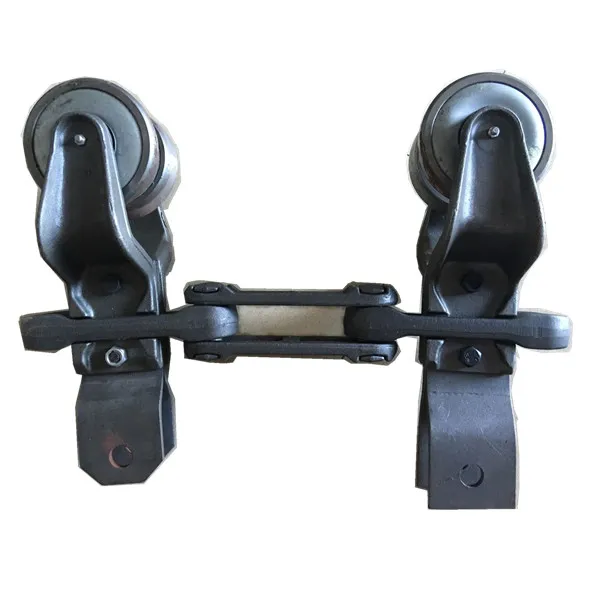
How do you calculate the required horsepower for a conveyor chain drive?
The calculation of required horsepower for a conveyor chain drive involves considering various factors related to the conveyor system and the specific application. Here is a step-by-step process:
1. Determine the Total Resistance:
– Calculate the total resistance that the conveyor chain needs to overcome during operation. This includes the resistance due to the load being conveyed, frictional losses, elevation changes, and any other resistances in the system.
2. Convert the Resistance to Equivalent Inertia:
– Convert the total resistance to an equivalent inertia by multiplying it by the square of the chain speed.
3. Calculate the Total Inertia:
– Determine the total inertia of the system by considering the inertia of all the rotating components, such as the conveyor chain, sprockets, and any other driven elements.
4. Determine the Required Torque:
– Calculate the required torque by multiplying the total inertia by the desired acceleration or deceleration rate.
5. Convert Torque to Horsepower:
– Convert the required torque to horsepower by dividing it by the motor speed (in RPM) and multiplying by a conversion factor.
6. Consider Safety Factors and Efficiency:
– Apply safety factors to the calculated horsepower to account for variations, contingencies, and future growth.
– Consider the efficiency of the drive system, including the motor, gearbox, and other transmission components, to ensure accurate power transmission.
It’s important to note that the above calculation method provides an estimate of the required horsepower. Consulting with conveyor system manufacturers, engineers, or industry-specific guidelines is recommended for precise calculations and to ensure the selected conveyor chain drive meets the application requirements.
What are the design considerations for a long-span conveyor chain conveyor?
Designing a long-span conveyor chain conveyor requires careful consideration of various factors to ensure its efficiency, safety, and reliability. Here are some key design considerations:
1. Conveyor Chain Selection: Choose a conveyor chain that is suitable for long spans and can withstand the required load capacity. Consider factors such as chain material, pitch, strength, and durability to ensure it can handle the anticipated load and operating conditions.
2. Conveyor Structure: The conveyor structure should be designed to provide sufficient support and stability for the long span. Consider factors such as material strength, rigidity, and deflection to ensure the structure can handle the weight of the conveyor chain, the product being transported, and any additional loads.
3. Drive System: Select an appropriate drive system that can efficiently power the long-span conveyor chain. Consider factors such as motor power, speed, torque, and control mechanisms to ensure smooth and reliable operation.
4. Tensioning and Alignment: Proper tensioning and alignment of the conveyor chain are critical for its performance and longevity. Design the system with adequate provisions for tensioning devices and alignment mechanisms to maintain optimal chain tension and alignment throughout the conveyor’s length.
5. Supports and Bearings: Install adequate supports and bearings along the length of the conveyor to reduce chain sagging, minimize friction, and ensure smooth movement. Consider factors such as bearing type, lubrication, and maintenance requirements.
6. Conveyor Controls and Safety: Implement appropriate controls and safety features to monitor and control the operation of the long-span conveyor chain. This may include emergency stop systems, speed monitoring, overload protection, and safety interlocks.
7. Environmental Factors: Consider the environmental conditions in which the conveyor will operate, such as temperature, humidity, dust, and corrosive substances. Select materials and components that can withstand these conditions and implement proper ventilation, dust collection, and corrosion protection measures.
8. Maintenance and Accessibility: Design the conveyor system with ease of maintenance and accessibility in mind. Provide sufficient access points, walkways, and platforms for inspection, cleaning, and maintenance tasks. Consider factors such as lubrication points, conveyor cleaning systems, and easy replacement of worn components.
9. Future Expansion and Flexibility: Anticipate future needs for expansion or modifications and design the long-span conveyor chain conveyor with flexibility in mind. This may include allowing for additional conveyor sections, transfer points, or integration with other equipment.
By considering these design considerations, a long-span conveyor chain conveyor can be efficiently designed and optimized for its intended application, ensuring reliable and cost-effective material handling operations.

What are the cost considerations when purchasing a conveyor chain?
When purchasing a conveyor chain, there are several cost considerations that need to be taken into account to ensure an optimal investment and operational efficiency.
1. Initial Cost: The initial cost of the conveyor chain includes the cost of the chain itself, as well as any additional components such as sprockets, attachments, and connecting links. It is important to compare prices from different suppliers and evaluate the overall value for the money.
2. Maintenance and Repair Costs: Consider the long-term maintenance and repair costs associated with the conveyor chain. Some chains may require more frequent lubrication or replacement of components, which can add to the overall operating expenses.
3. Service Life: The service life of the conveyor chain is an essential factor in determining its cost-effectiveness. Chains with longer service life may have a higher initial cost but can result in lower replacement and downtime costs in the long run.
4. Energy Efficiency: Energy consumption is an ongoing cost to consider. Conveyor chains that offer lower friction and efficient power transmission can contribute to energy savings and reduce operating expenses.
5. Maintenance Ease: Consider the ease of maintenance when selecting a conveyor chain. Chains that are easier to clean, inspect, and maintain can reduce labor costs and increase operational efficiency.
6. Compatibility and Integration: Ensure that the selected conveyor chain is compatible with the existing conveyor system or equipment. Retrofitting or modifying the system to accommodate a specific chain may incur additional costs.
7. Supplier Support and Warranty: Evaluate the level of technical support provided by the supplier and the warranty coverage offered for the conveyor chain. This can impact the overall cost of ownership and provide peace of mind in case of any unforeseen issues.
It is important to consider these factors holistically and make a cost-benefit analysis based on the specific requirements of the application. Choosing a conveyor chain that aligns with the budget, performance needs, and long-term cost considerations will help optimize the investment and ensure efficient material handling operations.


editor by CX 2024-01-08
China Skidder Chains Top U-Grip 30.5-32 with high quality
Solution Description
16mm,19mm Cross Styles,
Alloy metal design,
The rings are hooked up by way of more compact welded rings which allows a lot more liberty of motion and therefor less risk of snapping or warping underneath the force of heavy obligation programs.
Floating ring also provide self-cleansing properties.
| Usage: | Transmission Chain |
|---|---|
| Material: | Alloy |
| Surface Treatment: | Polishing |
| Feature: | Anti-Skid |
| Chain Size: | 16mm 20mm |
| Structure: | Welded Chain |
| Samples: |
US$ 800/Piece
1 Piece(Min.Order) | |
|---|
Roller Chain Basics
Before choosing the right roller chain for your machine, it is necessary to learn some basics. Learn about sprockets, tensile strength, pitch, and width. Read this article to learn more. It will help you make an informed decision. Getting the right product is critical, but it’s not always as simple as choosing a brand name. You need to choose a company that supports its products and provides good service.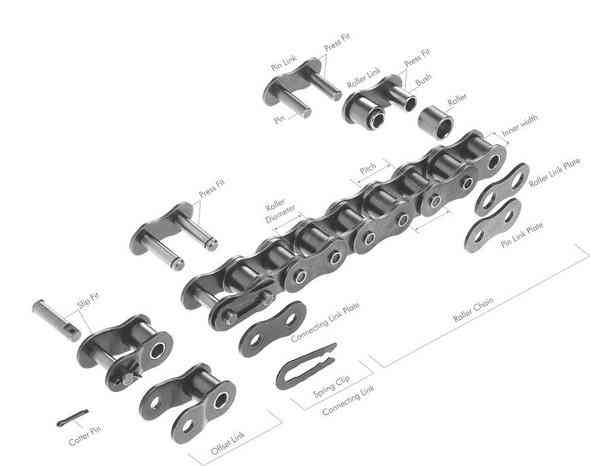
Roller sprocket
If you are planning to purchase roller sprockets for your application, you should first look at the various types available. Sprockets available for single-strand roller chains are manufactured by Boston Steel – Type B sprockets are drilled to size. They are available in 1/4, 3/8, 1/2, 5/8, 3/4 and 1″ pitch sizes.
The diameter of the sprocket is important when choosing the right sprocket for your application. Using a caliper to measure the diameter of a toothless plate is a good way to determine the exact size of the sprocket. A caliper is the diameter of a plate without teeth. On Type B and C sprockets, the hub diameter measures the thickness of the hub.
Another type of sprocket is the steel split sprocket, which is split in diameter. This type is easy to install and remove, and is held together by bolts in the hub. Typically, split sprockets have chain pitches ranging from 40 to 240 and bores ranging from 3/4″ to 6″. The split sprockets are designed with one pointing towards the ceiling and the other two parallel to the floor.
When shopping for sprockets, it is important to remember that they are designed specifically for a specific chain. All chains are manufactured to specific standards. In the United States, the most common standard is ANSI. The chain pitch is the distance between the center of each pin and the center of the next pin. In the US, the standard is always measured in eight-inch intervals.
In addition to sprocket size, sprocket pitch and the surface area also affect chain life. Unlike belt sprockets, which are made of forged steel, the teeth on roller sprockets are stamped from steel sheet or pressed from powdered metal. The harder the teeth, the longer the chain will last.
Roller chain pitch
The pitch of a roller chain is the distance between the sprocket and the pin. The smaller the thread pitch, the smaller the bushing wear. Generally speaking, the smaller the pitch, the longer the life of the chain. For best performance and longest life, manufacturers recommend a minimum chain pitch of 2% to 3%. Chain pitch is important to ensure proper performance, and the manufacturer recommends that you replace the chain when it reaches 2% to 3% of normal.
To determine the correct chain pitch for a particular chain, first determine the sprocket size and pitch. Pitch is the distance between pin centers, measured in 1/8 inch increments. The pin diameter of the chain is also important. If you’re not sure about the pin diameter of your chain, measure a few links to get a good average reading. Alternatively, use a caliper to measure the inside diameter of the sprocket and count the number of teeth.
When sizing a sprocket, measure the chain between the gears with a caliper and compare it to the measurements on the chain size chart. Make sure you have checked all the specs and checked the correct chain pitch. Then, choose the correct chain pitch for your needs. This is a critical step in choosing the right chain. So get the correct pitch for your roller chain. Correct pitch helps ensure maximum performance and safety.
To identify a specific type of roller chain, measure its tensile strength. This represents the amount of load the chain can withstand before breaking. Another key parameter to consider is fatigue strength. Chains with high fatigue strength are more resistant to rust and wear than chains with low fatigue strength. The numbers on the right in the standard numbering represent normal or light duty chains, while the numbers on the left represent the pitch of heavy-duty chains.
Double pitch roller chains are a variant of single pitch chains. They are manufactured according to ISO 606 and meet the same standards as single pitch chains. They are mainly used in applications with lower requirements for speed and power transmission. The plates of double pitch roller chains are also longer than single pitch chains. The double pitch drive series is also used for elevator and long conveyor drives. There are three main types of roller chains: single-pitch chains, double-pitch carriers, and oversized rollers.
Roller chain width
When buying a roller chain, one of the first decisions you must make is its width. To make this determination, you need to measure the overall width of the chain, the diameter, and the width of each roller. You must also know the height and thickness of the board. After taking these measurements, you can start shopping for the perfect roller chain. But before you buy a new chain, it’s important to know what to expect from the chain itself.
There are many different types of roller chains. These chains are available for ANSI and metric measurements. They come in single-stranded and double-stranded variants. They are usually used for power transmission. Other types include agricultural, automotive, conveyor, multi-strand, and four-strand chains. These charts also include a chart so you can easily see the exact size you need. Listed below are some of the benefits of buying a roller chain.
Roller diameter and pin diameter are important factors in choosing the correct chain width. The width of the chain is the nearest binary fraction of 5/8 of an inch. It should be at least half the thickness of the sprocket, and the plate thickness is one-eighth the width of the chain. Overweight chains are indicated with the suffix H. The pitch and width of the chain are determined by the working load and machine speed.
The outer links of the roller chain are called pin links. These pins are inserted into the bushings of the adjacent roller links. They are held in place by cotter pins. Pin links are usually pressed into the pins of heavy-duty chains. These pins are used to hold the rollers in place. However, these pin chains can reduce the power rating of roller chains by up to 20%.
The ANSI 29.1 Steel Chain Specification specifies a minimum pitch in inches and ultimate strength of 12,500 x pitch in inches. At the same time, the O-ring chain greatly reduces wear due to its lubricating effect. O-ring and X-ring chains contain a lubricant injected by vacuum when riveting the chain together. Transmission chains are tested and governed by standards bodies such as ANSI. In 2011, the American Society of Mechanical Engineers developed a standard for precision power transmission chains.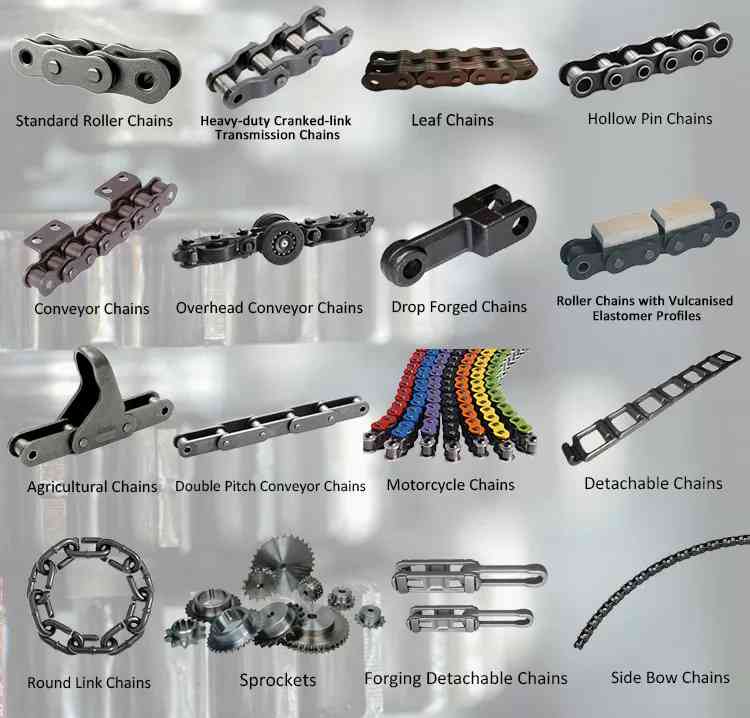
Roller chain tensile strength
One of the most important indicators of roller chain strength is tensile strength. This measurement refers to the amount of load the chain can withstand before breaking. Another measure, called fatigue strength, refers to the maximum load a chain can withstand before it breaks. The strength of a roller chain depends on its size, the quality of the steel used in its construction, and the heat treatment. There are also differences in the types of shot peening used to treat steel, pitch holes, and link plates.
When choosing a roller chain, the workload is critical. This is the maximum load the chain can withstand before fatigue failure occurs. This measurement is critical because it helps determine the type of load applied to the chain. When deciding which roller chain to buy, be sure to consider the mechanical type and desired strength. Then, make sure it meets strength and load-carrying capacity requirements.
The ultimate tensile strength of a roller chain is based on the manufacturer’s recommended maximum tensile strength. However, the actual tensile strength may be higher or lower than this value. The working load limit of a roller chain can also be calculated by multiplying the chain diameter by the grade. The working load limit of a chain is the highest tension it can withstand before breaking. This value is usually expressed in points.
The maximum tensile strength of roller chains varies by chain type. The single-strand heavy chain has thick side plates for higher shock loads. Single strand heavy-duty roller chains, also known as “bushing” roller chains, are also available. Double-stranded heavy chains are structurally similar, but they have two layers of steel connected by pins that are nearly twice as strong as standard roller chains.
The tensile strength of a single-strand roller chain is approximately 500 tons. In comparison, a single-chain blockchain has a tensile strength of 900. The tensile strength of the two is similar, and it is not recommended to choose one or the other. Although steel and titanium chains are considered the strongest materials for roller chains, these materials are not magnetic.
editor by CX 2023-04-12