K201B
K201B Feeder Breaker Scraper Chain
Pitch3 1/2 in (89 mm)
Chain unit21 in (534 mm)
Scraper width44 2/5 in (1127.5 mm)
K Series feeder breaker scraper chain with a 21 inch repeating unit and 44 2/5 inch scraper width.
FEEDER BREAKER CHAIN SPECIALIST
Feeder breaker chain selection should start with the geometry and duty of the installed conveying system, not with a generic mining-chain size list. The chain, scraper or flight arrangement, sprocket engagement and machine interface work together, so a replacement review should compare the details that control fit: pitch, repeating chain-unit length, scraper width, link and joint structure, flight arrangement and the condition of the existing assembly.
The current feeder breaker range is centred on the K Series and the K201B and K207B feeder breaker scraper chain configurations. Both models use a nominal 3 1/2 inch pitch, while their specified widths and component structures provide important identification points. Where the installed chain is unknown or has been repaired in service, photographs, measurements and the existing drawing should be reviewed together before an order is released.
PRODUCT RANGE
All products assigned to the Feeder Breaker Chain category are shown below as live catalogue cards. Each card uses the product main image, the model-specific dimensions currently published for that product and a direct link to the detailed product page.
K201B
K Series feeder breaker scraper chain with a 21 inch repeating unit and 44 2/5 inch scraper width.

K207B
K Series feeder breaker scraper chain with a 21 inch repeating unit, 46 inch scraper width and model-specific scraper outer-link structure.
APPLICATION CONTEXT
The K Series product information covers underground feeder breaker chain conveyors and coal-handling or coal-washing service. The illustrations below are used to explain the operating context; machine-specific limits, tension values and maintenance procedures should always follow the approved equipment documentation.

Heavy chain and scraper assemblies move material through the feeder breaker while operating in a confined, contamination-prone mining environment.

Coal-handling duty makes chain geometry, flight arrangement, wear condition and sprocket engagement important parts of replacement planning.

Record the installed condition before removal. Overall photographs, joint close-ups and dimensional reference points help preserve the original configuration.
SELECTION LOGIC
A nominal pitch is an important starting point, but it is not a complete product identity. Use the four checks below together when comparing a known model or an unidentified chain.
Measure between corresponding joint centres. Where access permits, measuring across several pitches can reduce field-reading error.
Record the repeating assembly length containing the chain sections and the flight or scraper section rather than a random overall length.
Overall scraper width is a practical discriminator between K201B and K207B and should be recorded with the measurement reference points.
Compare inner and outer links, bushes, pins, scraper or flight connection details and any distinctive retention or extended-pin features.
MODEL COMPARISON
The models share a nominal 3 1/2 inch pitch, but the specified metric values, scraper widths and component trees differ. The table is an identification aid, not an interchangeability statement.
| Selection point | K201B | K207B |
|---|---|---|
| Pitch | 3 1/2 in (89 mm) | 3 1/2 in (88.9 mm) |
| Chain unit length | 21 in (534 mm) | 21 in (533.4 mm) |
| Scraper width | 44 2/5 in (1127.5 mm) | 46 in (1171.85 mm) |
| Secondary structure | Chain Section, Outer Link, Inner Link, Flight Section | Chain Section, Outer Link, Inner Link, Scraper Outer Link, Flight Section |
| Distinctive items in component tree | Locating Bush, Spring Pin | Extended Pin, T-Pin |
WHY A FOCUSED RANGE HELPS
The site is structured around a small number of feeder breaker configurations so each model can carry the dimensions, component structure, application context and RFQ guidance that a maintenance or purchasing team actually needs.
K201B and K207B keep their own dimensions and component identities instead of being blended into a generic chain table.
Unknown replacement chains are reviewed from measurable geometry, photographs and the equipment context.
Missing technical values become confirmation questions rather than unsupported assumptions.
Selection, pitch, components, maintenance, tension and wear are separated into focused guides for faster technical review.
CUSTOM & UNIDENTIFIED CHAIN REVIEW
A field chain may have lost its marking, been repaired, or differ from the controlled drawing. In that case, the request should be treated as an identification or custom-configuration review rather than forcing the chain into the nearest model name.
Provide the measured pitch, repeating chain-unit length, scraper width, flight spacing, link and joint details, photographs and a measured sketch or historical drawing. If material, heat treatment, hardness, testing, marking or traceability requirements are customer-controlled, include them in the purchase specification. Unknown requirements should remain open for confirmation.

MANUFACTURING & INSPECTION
Manufacturing images are used to explain the type of machining, assembly and dimensional-control work involved in heavy chain production. Order-specific material, heat-treatment, hardness, inspection or documentation requirements should be stated on the controlled drawing or purchase specification when they apply.
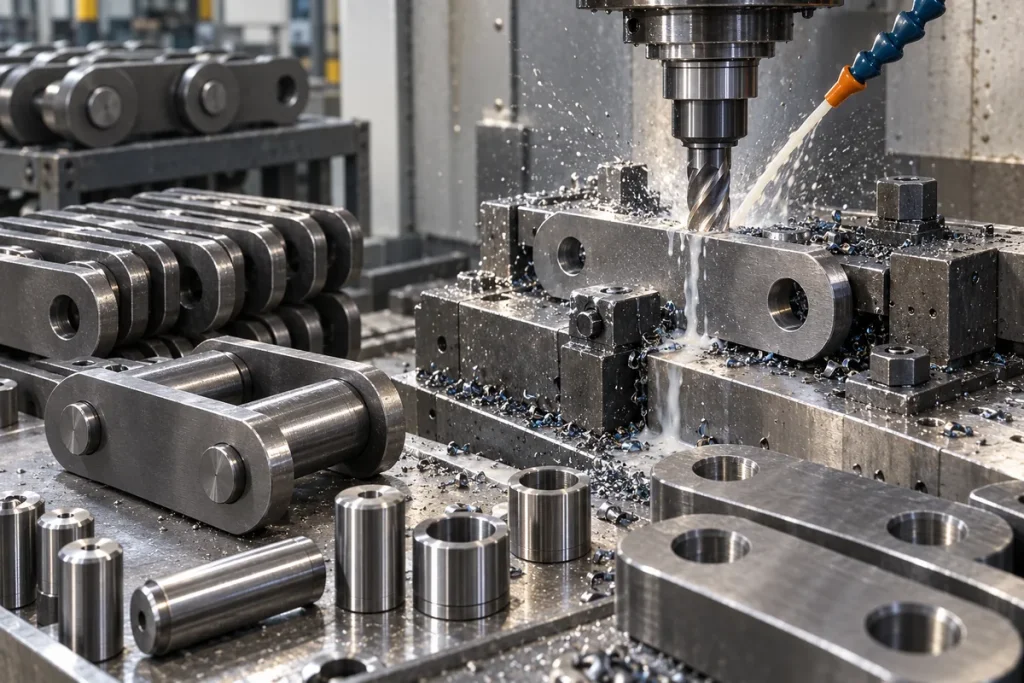
Link plates, pins and bushes require controlled geometry so the assembled joint can be reviewed against the specified chain configuration.
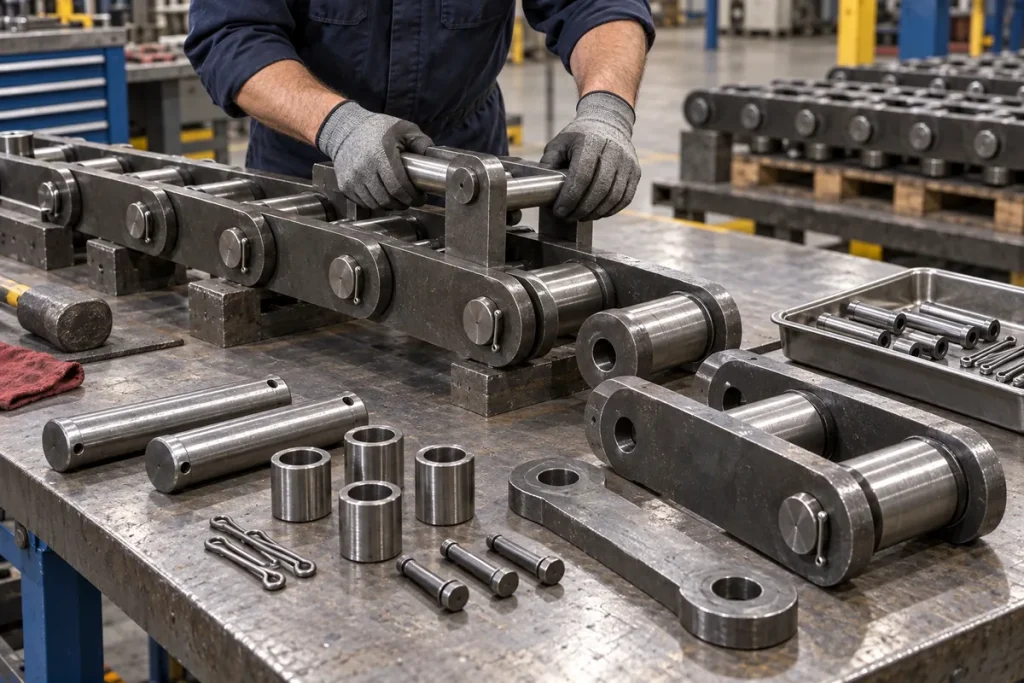
The chain section, joint components and flight or scraper connection must be assembled as one coordinated configuration.

Pitch, width and relevant component dimensions should be checked against the approved order data rather than assumed from appearance alone.
RFQ PREPARATION
For a known K201B or K207B request, send the model, quantity and the drawing or previous controlled purchase reference if available. For an unknown replacement chain, include overall and close-up photographs, measured pitch, repeating chain-unit length, scraper width, flight arrangement, visible link and retention details, machine context and any markings that remain readable.
Do not guess a missing dimension or copy a value from another chain. Mark unknown items clearly so they can be resolved during review.
TECHNICAL LIBRARY
Field-focused articles cover measurement, inspection records, component identification, wear observations and replacement preparation without duplicating the primary product-page keywords.
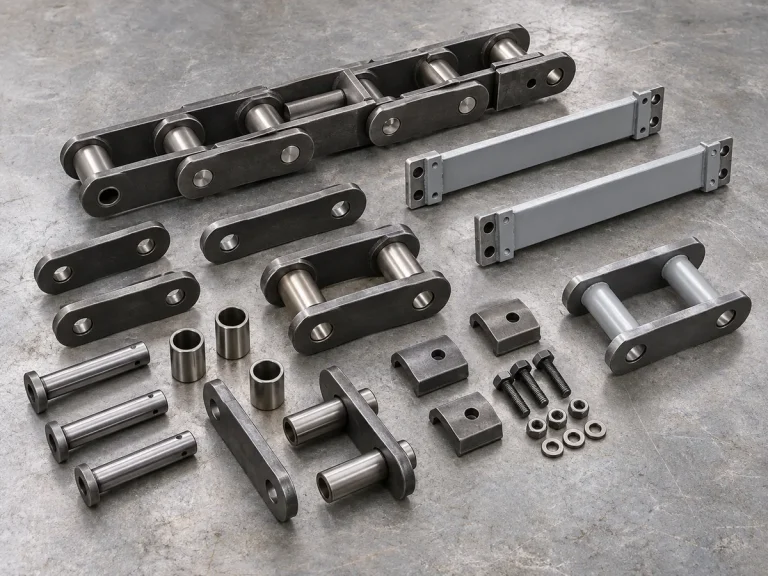
TECHNICAL GUIDE
Use this underground feeder breaker chain RFQ checklist to capture machine context, chain geometry, photos, drawings, condition, quantity, and.
Read guide →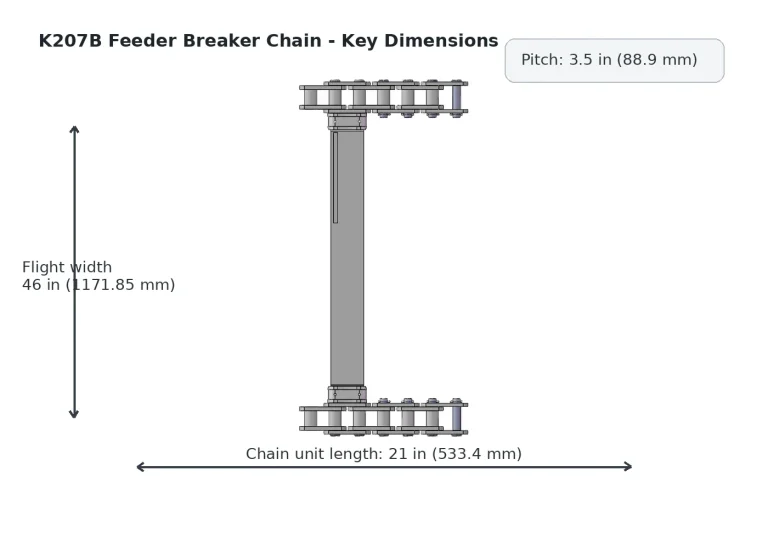
TECHNICAL GUIDE
Separate feeder breaker from bolter miner scraper chain enquiries using machine context, repeating geometry, flight details, dimensions, markings, and.
Read guide →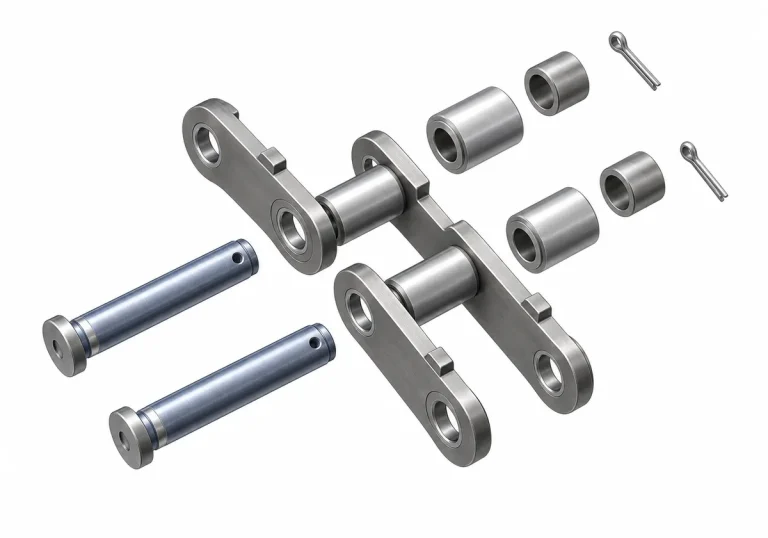
TECHNICAL GUIDE
Route an unclear feeder breaker vs shuttle car chain enquiry using equipment context, full chain geometry, flight evidence, markings, and drawings.
Read guide →
TECHNICAL GUIDE
Build a feeder breaker chain adjustment history that links each change to measurements, symptoms, operating context, and post-adjustment verification.
Read guide →
TECHNICAL GUIDE
Coordinate feeder breaker chain replacement with sprocket inspection by recording tooth condition, engagement evidence, alignment, and chain geometry.
Read guide →
TECHNICAL GUIDE
Document feeder breaker chain pin and bush condition with joint location, paired photos, articulation observations, measurements, wear pattern, and.
Read guide →