Product Description
Product Description
Pitch P=100, 125, 150, 152.4, 160, 200mm with attached plate conveyor chain according to drawing
Rollers are available: small roller (S type), large roller (P type), convex edge roller (F type)
Roller diameters are 36, 42, 50, 60, 70, 85, 100, 120mm etc.
Chain plates are available: single side horizontal CZPT plate attached plate, single side bent plate with ears and double holes type A2, double side bent plate type K2. The chain plate thickness is 4, 5, 6, 7, 8, 10, 12 mm. The width of the chain plate is 25, 30, 35, 40, 50, 60, 70 mm, etc.
Pin diameters are 10, 12, 15, 18, 21, 25mm, etc.
M series metric conveyor chains are available in the following models: M56, M80, M112, M160, M224, M315.
M315,the dimensions are in accordance with the standard GB8350-87.
And can be matched with sprockets.
It is mainly used in various conveying machinery assembly lines
Product Attribute
| Product Name | Industrial Chain Conveyor Chians with Attachments M Series Fv Series |
| Type | M20,M28,M40,M56,M80,M112 |
| Available materials | carbon steel, alloy steel,stainless steel |
| OEM customisation according to your requirements | |
| Surface Treatment | Shot peening, Zinc-plated, Nickel-plated, Anodized, etc. |
| Performance | High temperature resistant Abrasion resistant |
| Reference standards | ISO,DIN,ANSL |
| Customised drawings | YES |
| Certificates | ISO9001:2008 SGS brand TV |
| Delivery time | 20 days for samples. 45 days for official order. |
| Packaging | Plastic Bag + Cardboard Box + Wooden |
Product Parameters
Our Advantages
Company Advantages:
Own Import & Export License, The TV trade mark registered successfully in many countries, Sales network spread all over China, Products export to 65 countries in 5 continents.
Membership:
1. The member of China General Machine Components Industry Association.
2. The member of China Chain Transmission Association.
3. The member of China Chain Standardization Association.
4. The member of China Agricultural Association Machinery Manufacturers.
With our excellent trained staffs and workers, advanced and efficient equipments, completely sales network, strict QA systems. You are confidence that our premium qualified chain can meet all customers’ specification and strictest quality standards.
Please do not hesitate to contact us for more information on how TransVision products can meet your industries demands at highly competitive pricing.
Quality First, Clients Uppermost.
Product Categories
WHY CHOOSE US
Comprehensive Product Portfolio We produce and supply a wide range of power transmission
products including drive chains, leaf chains, conveyor chains, agricultural chains, sprockets, and
couplings. This one-store-for-all shopping experience will significantly reduce your searching costs while
guarantee youfind what you want at 1 click.
Value Choice Products Our products are the best combination of quality and price, and you get what
you want within your budgets
Seasoned Sales Associates and Engineers We have 15 seasoned sales associates and 5 engineers;
on our team at your disposal any time when you need a helping hand. They are well trained with industry
know-now and will always respond to your requests within 24 hours.
100% Customer Retention Rate Our regular customers from overseas come back not just for our
premium quality products, but for the superior services that we’ve provided over the years.
FAQ
Q1: What’s your average lead time?
A: It varies. Our regular end-to-end lead time is 1-2 months.. We also provide express shipments for rush orders. For details,please consult our sales associate.
Q2: Is your price better than your competitors given the same quality?
A: Definitely YES. We provide the most competitive price in the power transmission industry. If price disparity exists, we’ll be more than happy to do a price match.
Q3: Can you make chains according to my CAD drawings?
A: Yes. Besides the regular standard chains, we produce non-standard and custom-design products to meet the specific technical requirements. In reality, a sizable portion of our production capacity is assigned to make non-standard products.
Q4: Can we inspect the goods before shipment?
A: Yes. You or your representative or any third-party inspection party assigned is allowed access to our facility and do the inspection.
Q5: What kind of payment method is acceptable for your mill?
A: We’re flexible. We take T/T, L/C, or any other online payment methods so long as it’s applicable for you.
Q6: What if I have any other questions?
A: Whenever in doubt, you’re always encouraged to consult our sales associate any time – They will help you to your satisfaction.
|
Shipping Cost:
Estimated freight per unit. |
To be negotiated |
|---|
| Usage: | Transmission Chain |
|---|---|
| Material: | Alloy/Carbon Steel |
| Surface Treatment: | Polishing |
| Customization: |
Available
| Customized Request |
|---|

What are the considerations for selecting a corrosion-resistant conveyor chain?
When selecting a corrosion-resistant conveyor chain, several considerations should be taken into account to ensure optimal performance and longevity in corrosive environments. Here are the key factors to consider:
– Material Selection:
Choose a conveyor chain material that is resistant to the specific corrosive agents present in the environment. Stainless steel, plastic, and special coatings such as zinc or nickel plating are commonly used for their corrosion resistance properties.
– Corrosion Resistance Ratings:
Review the corrosion resistance ratings of different chain materials and coatings. Look for industry standards such as ASTM or ISO ratings that indicate the material’s resistance to specific corrosive substances or environmental conditions.
– Environmental Factors:
Consider the specific environmental factors that contribute to corrosion, such as humidity, temperature, presence of chemicals or solvents, and exposure to saltwater or acids. Evaluate how these factors may impact the chain’s corrosion resistance requirements.
– Coating or Surface Treatment:
If using a metal chain, consider applying additional coatings or surface treatments to enhance its corrosion resistance. Options may include electroplating, powder coating, or using specialized anti-corrosion coatings.
– Compatibility with Cleaning Methods:
Ensure that the selected chain material is compatible with the cleaning methods and chemicals used in the application. Some corrosive-resistant materials may require specific cleaning procedures to maintain their performance and longevity.
– Operational Considerations:
Take into account the load capacity, speed, and operational requirements of the conveyor system. Ensure that the corrosion-resistant chain can withstand the mechanical stresses and operational demands without compromising its corrosion resistance properties.
– Cost-Effectiveness:
Weigh the initial cost and long-term benefits of using a corrosion-resistant conveyor chain. While corrosion-resistant materials may have a higher upfront cost, they can significantly reduce maintenance, replacement, and downtime costs associated with corrosion-related failures.
By considering these factors, you can select a corrosion-resistant conveyor chain that is well-suited for the specific corrosive environment, ensuring reliable and durable performance in applications such as chemical processing, food production, wastewater treatment, or outdoor environments.
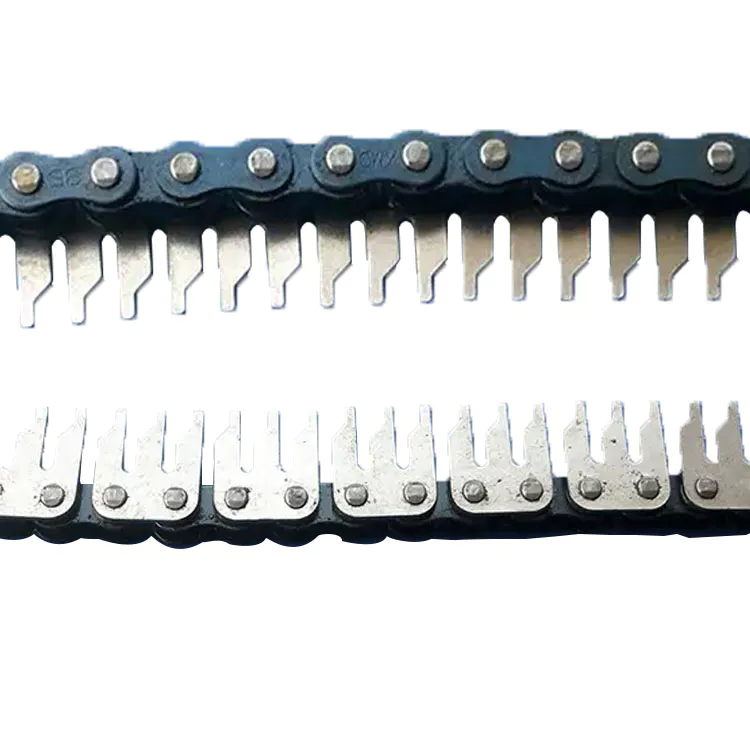
Can a conveyor chain be used in food processing applications?
Yes, a conveyor chain can be used in food processing applications. Conveyor chains play a crucial role in the efficient and hygienic handling of food products throughout the production process. Here are some key points to consider:
1. Food-Grade Materials: Conveyor chains used in food processing applications are typically made from food-grade materials such as stainless steel or plastic. These materials are corrosion-resistant, easy to clean, and comply with food safety regulations.
2. Hygiene Considerations: Food processing environments require high standards of hygiene. Conveyor chains designed for food applications incorporate features such as smooth surfaces, open link designs, and easy disassembly for thorough cleaning. They may also have specialized coatings or treatments to prevent bacterial growth.
3. Sanitary Design: Conveyor chains for food processing applications are designed with minimal crevices or joints to prevent food particles from getting trapped. They may have self-draining capabilities to remove excess fluids or debris.
4. Product Integrity: Conveyor chains in food processing applications ensure gentle handling of delicate food products to avoid damage or contamination. They can be equipped with accessories like cleats, side guards, or modular belt systems to securely hold and transport items of various shapes and sizes.
5. High Temperature and Washdown Capabilities: Some food processing applications require conveyor chains to withstand high temperatures during cooking, baking, or sterilization processes. Specialized chains with heat-resistant materials or coatings are available. Additionally, conveyor chains used in food processing should be capable of withstanding frequent washdowns and cleaning with water or cleaning agents.
6. Compliance with Standards: Conveyor chains used in food processing applications must comply with industry-specific standards such as FDA (Food and Drug Administration) regulations, HACCP (Hazard Analysis Critical Control Point) guidelines, and other food safety certifications.
When selecting a conveyor chain for food processing applications, it is important to consider the specific requirements of the production line, including the type of food being handled, the operating conditions, and the necessary sanitary standards. Proper maintenance and regular cleaning protocols should also be implemented to ensure food safety and product integrity.
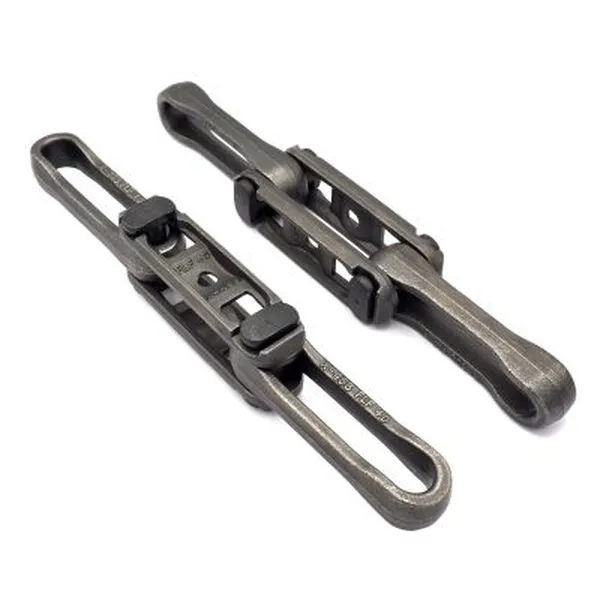
How can you prevent conveyor chain failures?
Preventing conveyor chain failures is crucial for maintaining the efficiency and reliability of a conveyor system. Here are some key preventive measures:
- Regular Inspection and Maintenance: Implement a routine inspection and maintenance schedule to identify potential issues before they escalate. Regularly inspect the chain for signs of wear, such as elongation, link plate wear, and sprocket tooth wear. Address any visible damage or abnormalities promptly.
- Proper Lubrication: Apply the appropriate lubricant to the conveyor chain to minimize friction and reduce wear. Lubrication helps to prevent metal-to-metal contact, corrosion, and excessive heat generation. Follow the manufacturer’s recommendations for lubrication frequency and use lubricants suitable for the operating conditions.
- Tensioning: Maintain proper tension in the conveyor chain to ensure optimal performance and reduce the risk of failures. Both over-tensioning and under-tensioning can lead to premature wear or chain damage. Follow the manufacturer’s guidelines for tensioning and regularly check and adjust the tension as needed.
- Sprocket Maintenance: Inspect and maintain the sprockets that engage with the conveyor chain. Check for any signs of wear or damage on the sprocket teeth and replace them if necessary. Ensure proper alignment between the chain and sprockets to prevent excessive wear and chain skipping.
- Environmental Considerations: Take into account the environmental factors that can affect the conveyor chain’s performance. Protect the chain from exposure to moisture, corrosive substances, excessive heat, or abrasive materials. Implement appropriate safeguards, such as covers or enclosures, to minimize environmental impact on the chain.
- Proper Loading: Ensure that the conveyor chain is not subjected to excessive loads beyond its capacity. Overloading can lead to accelerated wear and chain failures. Adhere to the recommended load limits and guidelines provided by the chain manufacturer.
- Operator Training: Provide proper training to operators and maintenance personnel on the correct operation, maintenance, and safety procedures related to the conveyor chain system. Educate them on identifying potential issues, performing routine inspections, and reporting any abnormalities.
By implementing these preventive measures, you can significantly reduce the risk of conveyor chain failures and extend the lifespan of the chain. Regular monitoring and maintenance are essential to ensure the system operates smoothly and safely.


editor by CX 2023-08-21
China Best Sales Transmission Long Pitch Welded Forged Double Pitch Fv M Series Sugar Scrapper Dryer Conveyor with Clip Links Large Roller Chain
Product Description
Product Description
1. Conveyor chains with ( special ) attachments.
2. Double pitch conveyor chains ( special with attachments ).
3. Double pitch conveyor chainz ( special ) with extended pins.
4. Double plus chains.
5. Sharp top chains.
6. Hollow pin chains.
7. Surface: Shot Blasting Natural/Black/Blue/ Nickel plate/ Zinc plate.
Product Advantages:
1. Good quality, surface of chain is smooth, shiny and beautiful.
2. Chain is closely, tight.
3. Prompt Delivery.
4. Green Product.
5. International Approval.
6. Experienced Staff.
Company Introduction:
Vision Group is 1 of the largest manufacturers of Driving Chain, Conveyor Chain, Motorcycle Chain, Hoisting Chain, Agriculture Chain, Stainless Steel Chain, Dropped Forged Rivetless Chain, Long Pitch Conveyor Chain and so on.
Product Attribute
|
Usage |
Transmission Chain |
|
Material |
Alloy/Carbon Steel |
|
Surface Treatment |
Galvanized / nickel plated / stainless steel / carbon steel |
|
Feature |
Heat Resistant |
|
Chain Size |
Customized |
|
Structure |
Conveyor chain |
|
Color |
Solid Color |
|
Chain Model |
Roller Chains |
|
Chain Color |
Customized |
|
Structure (for Chain) |
Conveyor chain |
| Port |
ZheJiang |
| Payment |
L/C, T/T, D/P, Western Union |
| Package |
Chain, Plastic Bag, Color Box, Wooden Case. or OEM |
Product Parameters
Our Advantages
Company advantages:
Own Import & Export License, The TV trade mark registered successfully in many countries, Sales network spread all over China, Products export to 65 countries in 5 continents.
Membership:
1. The member of China General Machine Components Industry Association.
2. The member of China Chain Transmission Association.
3. The member of China Chain Standardization Association.
4. The member of China Agricultural Association Machinery Manufacturers.
With our excellent trained staffs and workers, advanced and efficient equipments, completely sales network, strict QA systems. You are confidence that our premium qualified chain can meet all customers’ specification and strictest quality standards.
| WHY CHOOSE US |
Comprehensive Product Portfolio We produce and supply a wide range of power transmission
products including drive chains, leaf chains, conveyor chains, agricultural chains, sprockets, and
couplings. This one-store-for-all shopping experience will significantly reduce your searching costs while
guarantee youfind what you want at 1 click.
Value Choice Products Our products are the best combination of quality and price, and you get what
you want within your budgets
Seasoned Sales Associates and Engineers We have 15 seasoned sales associates and 5 engineers;
on our team at your disposal any time when you need a helping hand. They are well trained with industry
know-now and will always respond to your requests within 24 hours.
100% Customer Retention Rate Our regular customers from overseas come back not just for our
premium quality products, but for the superior services that we’ve provided over the years.
| FAQ |
| Q1: What’s your average lead time? A: It varies. Our regular end-to-end lead time is 1-2 months.. We also provide express shipments for rush orders. For details,please consult our sales associate. Q2: Is your price better than your competitors given the same quality? Q4: Can we inspect the goods before shipment? Q5: What kind of payment method is acceptable for your mill? Q6: What if I have any other questions? |
|
Shipping Cost:
Estimated freight per unit. |
To be negotiated |
|---|
| Standard or Nonstandard: | Standard |
|---|---|
| Application: | Conveyer Equipment, Packaging Machinery, Mining Equipment, Agricultural Machinery |
| Surface Treatment: | Heat Treatment |
| Customization: |
Available
| Customized Request |
|---|
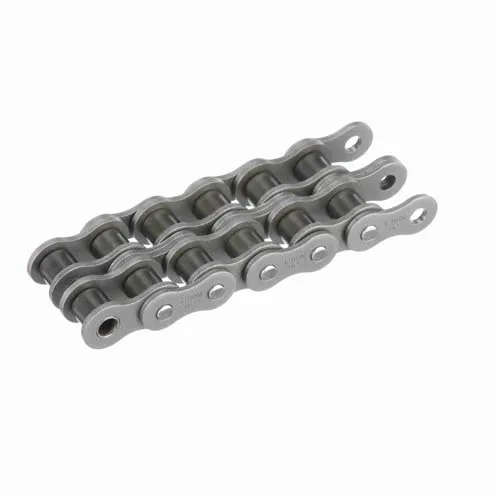
What are the considerations for selecting a low-maintenance conveyor chain?
When selecting a low-maintenance conveyor chain, several considerations should be taken into account:
1. Material Selection:
– Choose a conveyor chain made from materials that are resistant to wear, corrosion, and contamination. Stainless steel, plastic, or self-lubricating chains are commonly used for their durability and low maintenance requirements.
2. Lubrication-Free Design:
– Look for conveyor chains that have a self-lubricating design or are pre-lubricated with materials that reduce friction and eliminate the need for additional lubrication. This helps to minimize maintenance tasks associated with regular lubrication.
3. Sealed Construction:
– Consider conveyor chains with sealed construction to prevent the ingress of dirt, debris, and moisture. Sealed chains require less frequent cleaning and maintenance, making them ideal for low-maintenance applications.
4. Easy Cleaning:
– Opt for conveyor chains that are designed for easy cleaning. Smooth surfaces, open structures, and accessible components allow for quick and efficient cleaning, reducing maintenance time and effort.
5. Resistance to Contamination:
– Select a conveyor chain that is resistant to contamination. This includes resistance to chemicals, oils, greases, and other substances commonly found in the application environment. Chains that can withstand contamination require less frequent cleaning and maintenance.
6. Wear Monitoring:
– Look for conveyor chains that have wear monitoring features, such as wear indicators or sensors. These features help to identify chain wear and provide timely maintenance alerts, allowing for proactive replacement or adjustment.
7. Manufacturer Support:
– Consider the support provided by the chain manufacturer. A reputable manufacturer will offer guidance on maintenance intervals, replacement schedules, and provide technical assistance to ensure the proper functioning of the chain.
By considering these factors, you can select a low-maintenance conveyor chain that minimizes the need for frequent inspections, lubrication, cleaning, and replacement, resulting in reduced maintenance efforts and costs.
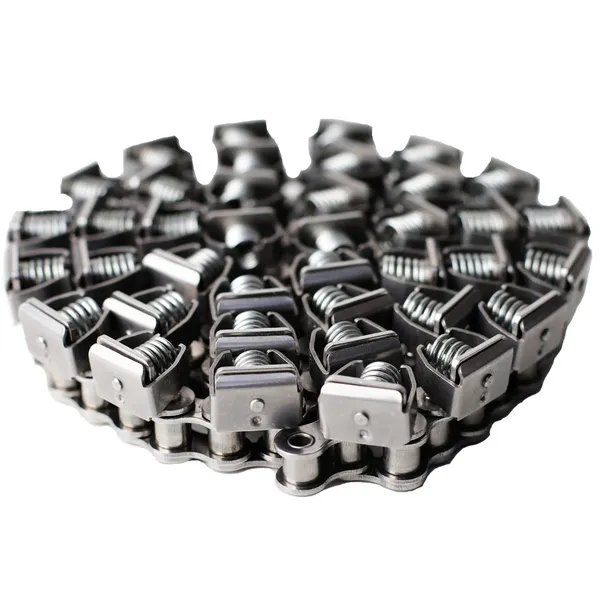
How do you calculate the power requirements for a conveyor chain?
Calculating the power requirements for a conveyor chain involves considering various factors. Here’s a step-by-step process:
1. Determine the total weight to be transported: Measure or estimate the total weight of the material or product that will be carried by the conveyor chain. This includes the weight of the product itself, any packaging, and additional loads.
2. Determine the speed of the conveyor: Determine the desired speed at which the conveyor chain will operate. This is typically measured in feet per minute (FPM) or meters per second (m/s).
3. Calculate the required capacity: Multiply the total weight by the desired speed to determine the required capacity of the conveyor system. This will give you the weight per unit of time (e.g., pounds per minute or kilograms per hour).
4. Consider the conveyor’s design factors: Take into account various design factors such as the type and pitch of the conveyor chain, the coefficient of friction between the chain and the conveyor components, and any incline or decline angles of the conveyor system. These factors affect the power requirements.
5. Determine the required power: Use the following formula to calculate the power requirements:
Power (in horsepower) = (Capacity × Friction Factor) ÷ (33,000 × Efficiency)
Where:
– Capacity is the weight per unit of time (from step 3)
– Friction Factor is the ratio of chain tension to chain weight, taking into account the design factors
– 33,000 is a conversion factor to convert the units to horsepower
– Efficiency is the overall efficiency of the conveyor system, typically expressed as a decimal value (e.g., 0.95 for 95% efficiency)
6. Select a suitable motor: Based on the calculated power requirements, select a motor that can provide the necessary power to drive the conveyor chain. Consider factors such as motor type, motor efficiency, and overload capacity.
It’s important to note that the power requirements may vary depending on specific conveyor system designs and operating conditions. Consulting with a qualified engineer or conveyor manufacturer is recommended to ensure accurate calculations and proper motor selection.
What are the main components of a conveyor chain?
The main components of a conveyor chain include:
- Chain Links: Chain links are the individual components that make up the conveyor chain. They are typically made of metal and are connected to form a continuous loop. The design and configuration of the chain links can vary depending on the specific application and load requirements.
- Pins: Pins are the cylindrical components that hold the chain links together. They are inserted through the end of each chain link to create a solid connection. Pins are usually made of hardened steel to withstand the forces and friction within the conveyor system.
- Sprockets: Sprockets are toothed wheels that engage with the chain links and provide the driving force to move the conveyor chain. They are typically made of durable materials such as steel or plastic and are designed to match the pitch and profile of the conveyor chain. Sprockets come in various sizes and configurations depending on the desired speed and load capacity of the conveyor system.
- Guide Rails: Guide rails are stationary components installed along the conveyor path to guide and support the movement of the conveyor chain. They help maintain proper alignment and prevent the chain from derailing or deviating from its intended path.
- Tensioners: Tensioners are devices used to maintain the proper tension in the conveyor chain. They ensure that the chain remains taut and engaged with the sprockets, preventing slack or excessive sagging. Tensioners can be adjusted to accommodate variations in chain length and to compensate for wear over time.
- Attachments and Accessories: Depending on the specific application, conveyor chains may include various attachments and accessories. These can include cleats, flights, buckets, or other devices that aid in the movement and handling of specific types of materials. These attachments are typically secured to the chain links at specific intervals or locations.
The combination of these components creates a robust and reliable conveyor chain system capable of efficiently transporting materials in a wide range of industrial applications.
editor by CX 2023-08-16