Product Description
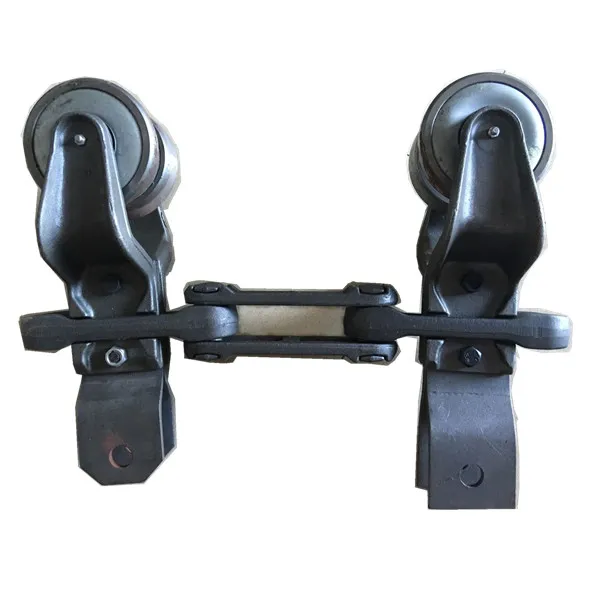
Factory Standard/Customized Supply Painting Powder Coated Industrial Scraper Conveyor Chain
Product Description
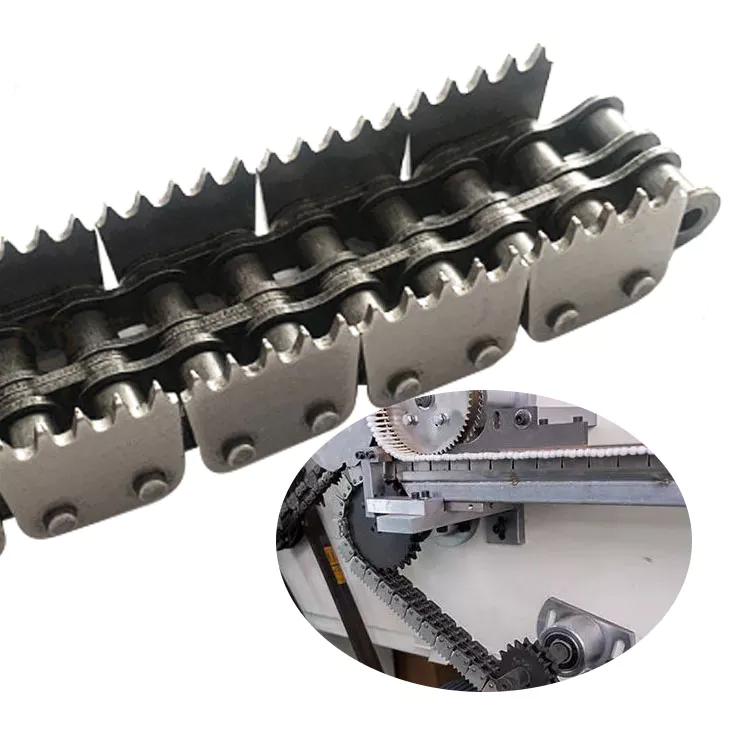
The scraper conveyor chain can be used to transport bulk materials in horizontal, inclined and vertical directions. It is often used for the transportation of raw grain, semi-finished products and finished products in grain and oil, feed processing plants. The scraper conveyor chain is suitable for the transportation of oil in the production process of grease processing plants. Transportation of raw grain from grain warehouse.
Product Parameters
| Material | 40Cr(hardness 30-37HRC),35CrMo(hardness38-42HRC), 42CrMo(hardness38-42HRC),20CrMnTi(carburization:45-55HRC,Carburized layer 0.35-0.55mm) |
| Production capacity | 120000 pieces/month |
| OEM/ODM | Available |
| Heat treatment | Mesh belt continuous operation furnace, stable quality |
| Testing method | Hardness testing,Mechanical performance testing,Impact test, Magnetic particle inspection |
Our Advantages
It has the advantages of simple structure, good sealing, simple feeding and unloading device, multi-point feeding and unloading, flexible layout, and the ability to complete material transportation in multiple directions at the same time.
The scraper conveyor chain of our factory adopts medium carbon quenched and tempered steel and cold heading die steel. The steel is moderately priced and easy to process. After proper heat treatment, a certain degree of toughness, plasticity and wear resistance can be obtained. Normalizing can promote the spheroidization of the structure and is suitable for surface hardening treatments such as high-frequency quenching and flame quenching.
Application
After quenching and tempering, it can be used to manufacture medium load and medium speed work. The working principle of the scraper conveyor is to use the open chute as a bearing part for coal, gangue or materials, and fix the scraper on the chain (to form a scraper chain) as a traction member. When the driving part of the machine head starts, the sprocket on the driving head shaft rotates, so that the scraper chain circulates and moves the animal material along the chute until it reaches the machine head to unload. The scraper chain bypasses the sprocket and runs in a stepless closed loop to complete the transportation of materials. Other scraper conveyor chain uses and maintenance precautions have to be communicated with the supplier. The above information is for reference only.
Our Service
1. Long standing reputation in this field.
2. Specialization is standard and accurate meet your requirement.
3. OEM quality standard guaranteed.
4. Product upgrading and expansion of species.
5. Good quality with competitive prices.
6. Flexible and convenient logistic service.
7. Excellent and high quality control.
8. Long lasting working life time.
9. Sufficient storage.
10. Original truck spare parts and professional manufacture.
11. High technology and stable performance.
12. Various size and models available.
Quality control
| Quality Control | 1. Raw Materials Test, include chemical composition and size; |
| 2. Random inspection during production; | |
| 3. Final products size test, with measurement tools, special gauges and Coordinate instrument if needed; | |
| 4. Final products Strenght and Hardness test, to guarantee the mechanical property; | |
| 5. Assembly and Function test, with special testing gauges; | |
| 6. Packing test |
Packaging & Shipping
Shipping way:
1) 0-100kg: express&air freight priority,
2) >100kg: sea freight priority,
3) As per customized specifications
Packing & Delivery:
1.Packing Detail: Each product packed with plastic preservative, EPE, foam plastic bag, Carton outside,
wood case or iron case or as per the customer’s special requirement. Besides, the custom package takes
a week to prepare in advance.
2.Delivery Detail: the fast International Shipping time takes 3 ~5 working days by DHL/UPS/FedEx,
slow shipping time takes 7~ 8 working days by DHL/UPS/FedEx/TNT, etc
Why choose us?
1. Excellent and professional service:
We have a high quality sales team including sales staff, quality engineers and technicians.
2. Quality control:
The passing rate of finished product is more than 99%. Every product need to be checked by many processes.
3. Comprehensive service:
Delivery will be ready within 30 days after receiving your down payment.
We have been in this field for 20 years, covering ovearseas market of 30 different countries.
Supply all the products with good quality and competitive price.
Quality First, Price Best, Service Foremost!
We assure you of our best services at all times!
/* January 22, 2571 19:08:37 */!function(){function s(e,r){var a,o={};try{e&&e.split(“,”).forEach(function(e,t){e&&(a=e.match(/(.*?):(.*)$/))&&1
| Standard or Nonstandard: | Nonstandard |
|---|---|
| Application: | Conveyer Equipment, Packaging Machinery, Food Machinery, Mining Equipment, Agricultural Machinery |
| Surface Treatment: | Sand Blasting, Painting |
| Samples: |
US$ 5/Piece
1 Piece(Min.Order) | Order Sample |
|---|
| Customization: |
Available
| Customized Request |
|---|
.shipping-cost-tm .tm-status-off{background: none;padding:0;color: #1470cc}
|
Shipping Cost:
Estimated freight per unit. |
about shipping cost and estimated delivery time. |
|---|
| Payment Method: |
|
|---|---|
|
Initial Payment Full Payment |
| Currency: | US$ |
|---|
| Return&refunds: | You can apply for a refund up to 30 days after receipt of the products. |
|---|

What are the considerations for selecting a corrosion-resistant conveyor chain?
When selecting a corrosion-resistant conveyor chain, several factors need to be considered to ensure the chain’s longevity and performance in corrosive environments. Here are some key considerations:
1. Material Selection: Choose a chain material that is inherently resistant to corrosion. Stainless steel, such as AISI 304 or AISI 316, is a common choice due to its excellent corrosion resistance properties. Other materials like plastic chains or special alloys can also be considered based on the specific application requirements.
2. Coatings and Surface Treatments: In some cases, additional protective coatings or surface treatments can be applied to enhance the chain’s corrosion resistance. These coatings, such as zinc plating, galvanizing, or epoxy coatings, create a barrier between the chain material and corrosive substances, preventing direct contact and reducing the risk of corrosion.
3. Environmental Compatibility: Consider the specific corrosive agents present in the environment where the conveyor chain will be used. Different corrosive substances, such as acids, alkalis, or saltwater, require specific resistance properties. Ensure that the selected chain material and coatings are compatible with the corrosive agents present in the operating environment.
4. Maintenance and Lubrication: Proper maintenance and lubrication play a crucial role in preventing corrosion and extending the life of a conveyor chain. Regular cleaning, inspection, and application of appropriate lubricants can help remove corrosive contaminants and protect the chain surface from degradation.
5. Testing and Certification: Consider chains that have undergone testing and certification for corrosion resistance in relevant industry standards. Look for certifications such as ISO 9227 (salt spray test) or ASTM B117 (corrosion resistance test) to ensure the chain’s performance in corrosive environments.
By carefully considering these factors and consulting with conveyor chain manufacturers or corrosion-resistant experts, you can select a chain that is well-suited for your specific corrosive environment, minimizing the risk of corrosion-related issues and ensuring optimal performance and longevity.
How do you select the appropriate lubricant for a conveyor chain?
Selecting the right lubricant is crucial for maintaining the performance and longevity of a conveyor chain. Here are the key factors to consider when choosing a lubricant:
1. Chain Type and Material: Different conveyor chains may have specific requirements for lubrication based on their construction materials and design. Consult the manufacturer’s recommendations or specifications to determine the lubricant compatibility.
2. Operating Conditions: Consider the operating environment, such as temperature, humidity, and presence of contaminants. For high-temperature applications, choose a lubricant with a higher temperature tolerance. In wet or dusty environments, opt for lubricants that offer excellent resistance to water washout and provide effective protection against contaminants.
3. Load and Speed: Evaluate the load capacity and speed of the conveyor chain. Higher loads and speeds may require lubricants with better film strength and anti-wear properties to reduce friction and prevent premature wear.
4. Lubrication Method: Determine the lubrication method that will be used for the conveyor chain. Lubricants can be applied through drip systems, brushes, spray nozzles, or automatic lubrication systems. Consider the viscosity and consistency of the lubricant to ensure proper application and distribution.
5. Food-Grade Requirements: In food processing or pharmaceutical applications, where direct contact with the product may occur, it’s essential to use food-grade lubricants that meet industry regulations and requirements for safety and hygiene.
6. Maintenance Schedule: Consider the desired maintenance intervals and the lubricant’s longevity. Some lubricants may require more frequent reapplication, while others provide longer-lasting lubrication.
7. Compatibility with Other Materials: Take into account the compatibility of the lubricant with other materials in the conveyor system, such as seals, gaskets, and paints. Ensure that the lubricant does not cause any adverse effects on these components.
It is recommended to consult with lubricant manufacturers or industry experts to select the most suitable lubricant for your specific conveyor chain application. They can provide guidance based on their expertise and knowledge of lubricant formulations and performance characteristics.
What are the environmental considerations when using a conveyor chain?
When using a conveyor chain, there are several environmental considerations to take into account:
1. Temperature and Humidity: Conveyor chains may be exposed to different temperature and humidity levels depending on the application and operating environment. Extreme temperatures or high humidity can affect the performance and lifespan of the chain. It is important to select a chain material and lubrication that can withstand the specific environmental conditions.
2. Contamination and Cleanliness: The presence of dust, dirt, debris, or other contaminants can impact the operation and efficiency of the conveyor chain. Regular cleaning and maintenance should be performed to prevent build-up and ensure smooth chain movement.
3. Chemical Exposure: Conveyor chains used in industries such as chemical processing or food production may come into contact with corrosive chemicals or cleaning agents. It is crucial to choose a chain material that is resistant to chemical corrosion and select appropriate lubricants compatible with the chemicals present in the environment.
4. Noise and Vibration: Conveyor systems can generate noise and vibration during operation, which may have environmental implications. Noise reduction measures, such as using noise-dampening materials or implementing vibration isolation techniques, can help minimize the impact on the surrounding environment and comply with noise regulations.
5. Energy Efficiency: Consideration should be given to energy consumption and efficiency when using a conveyor chain. Optimize the system design, minimize friction losses, and utilize energy-efficient components to reduce the environmental impact and operational costs.
6. Sustainability: Increasingly, sustainability is an important consideration in industrial operations. Choosing conveyor chains made from recyclable or renewable materials, implementing energy-saving measures, and practicing responsible waste management can contribute to a more environmentally friendly operation.
By taking these environmental considerations into account, industries can ensure the proper functioning of conveyor chains while minimizing environmental impact and complying with relevant regulations.


editor by CX 2024-04-12
China best Plastic/POM/Steel 83mm Conveyor Flexible Scraper Chain for Conveying Battery Bottle Package
Product Description
Product Description
| Type of conveyor | Roller Conveyor, Belt Conveyor, Chain Conveyor |
| Advantage | Efficiency, Accuracy, Reliability, Economy, Flexibility |
| Application | Manufacturing, Retail, Warehousing, Logistics, Pharmaceutic, Food&Beverage etc. |
| Chain size | 44/51/63/83/103/140/150/175/295mm |
| Packaging | Foam, bubble wrap, carton, wooden box, pallet or customized packaging according to customer requirements |
| Payment Terms | 3/7, 5/5, 100% prepaid or based on negociation. |
| Drawing Format | JPEG,PDF,DWG,DXF,IGS,STEP,CAD |
| Certification | ISO9001, ISO14001, ISO45001 |
Introduction of Types:
1. Belt conveyor line
Belt conveying line is the most common kind of logistics conveying line, which is mainly composed of belt, driving device, support and accessories. Belt conveying line has the advantages of simple structure, stable operation, easy maintenance and low energy consumption, so it is widely used in various logistics places.
2. Roller conveyor line
Roller conveyor line is mainly composed of roller, driving device, support and accessories. Roller conveyor line has the advantages of strong carrying capacity, large conveying capacity, stable operation, etc., so it is suitable for conveying large items.
3. Chain conveyor line
Chain conveyor line is mainly composed of chain, sprocket, driving device, bracket and accessories. Chain conveying line has the advantages of strong conveying capacity, stable operation and strong bearing capacity, so it is suitable for conveying large items.
Explanation of Advantages:
1. Efficiency: The logistics conveying line can quickly convey and sort the goods according to the predetermined route, thus improving the logistics efficiency.
2. Accuracy: The high degree of automation of the logistics conveying line can accurately complete the task of sorting and conveying the goods, and reduce human error.
3. Reliability: The mechanical parts of the logistics conveying line are specially designed and manufactured to ensure long service life and stability.
4. Economy: The construction and maintenance cost of logistics conveying line is relatively low, which can save cost for enterprises.
5. Flexibility: the logistics conveying line can be adapted to different kinds and sizes of goods, and can be adjusted and optimized according to the actual needs.
Application of Fields:
1.In the manufacturing industry, conveyor lines are used to transport raw materials, semi-finished products and finished products from 1 place to another, realizing the automation and high efficiency of the production process.
2.In the retail industry, conveyor lines are used to transport goods from the warehouse to the shelves to improve the efficiency of replenishment and display.
3.In the warehousing industry, conveyor lines are used to automate the entire process of goods entering and leaving the warehouse, improving the efficiency and precision of warehouse management.
4.In the logistics industry, logistics conveyor lines are used to transport goods from 1 transportation link to another, realizing the automation and high efficiency of the whole logistics process.
Detailed Photos
Packaging & Shipping
/* January 22, 2571 19:08:37 */!function(){function s(e,r){var a,o={};try{e&&e.split(“,”).forEach(function(e,t){e&&(a=e.match(/(.*?):(.*)$/))&&1
| Material: | Plastic |
|---|---|
| Structure: | Scraper Chain |
| Surface Treatment: | Polishing |
| Chain Size: | 1/2"*3/32" |
| Feature: | Oil Resistant, Heat Resistant |
| Product Name: | Flexible Chain |
| Samples: |
US$ 10/Meter
1 Meter(Min.Order) | |
|---|
| Customization: |
Available
| Customized Request |
|---|
What are the considerations for selecting a corrosion-resistant conveyor chain?
When selecting a corrosion-resistant conveyor chain, several factors need to be considered to ensure the chain’s longevity and performance in corrosive environments. Here are some key considerations:
1. Material Selection: Choose a chain material that is inherently resistant to corrosion. Stainless steel, such as AISI 304 or AISI 316, is a common choice due to its excellent corrosion resistance properties. Other materials like plastic chains or special alloys can also be considered based on the specific application requirements.
2. Coatings and Surface Treatments: In some cases, additional protective coatings or surface treatments can be applied to enhance the chain’s corrosion resistance. These coatings, such as zinc plating, galvanizing, or epoxy coatings, create a barrier between the chain material and corrosive substances, preventing direct contact and reducing the risk of corrosion.
3. Environmental Compatibility: Consider the specific corrosive agents present in the environment where the conveyor chain will be used. Different corrosive substances, such as acids, alkalis, or saltwater, require specific resistance properties. Ensure that the selected chain material and coatings are compatible with the corrosive agents present in the operating environment.
4. Maintenance and Lubrication: Proper maintenance and lubrication play a crucial role in preventing corrosion and extending the life of a conveyor chain. Regular cleaning, inspection, and application of appropriate lubricants can help remove corrosive contaminants and protect the chain surface from degradation.
5. Testing and Certification: Consider chains that have undergone testing and certification for corrosion resistance in relevant industry standards. Look for certifications such as ISO 9227 (salt spray test) or ASTM B117 (corrosion resistance test) to ensure the chain’s performance in corrosive environments.
By carefully considering these factors and consulting with conveyor chain manufacturers or corrosion-resistant experts, you can select a chain that is well-suited for your specific corrosive environment, minimizing the risk of corrosion-related issues and ensuring optimal performance and longevity.

What are the benefits of using a roller conveyor chain?
A roller conveyor chain offers several advantages in material handling and transportation applications. Here are some of the benefits:
1. Efficient transportation: Roller conveyor chains are designed to smoothly and efficiently transport various types of goods and materials. The rollers provide low-friction movement, reducing the effort required to move the load along the conveyor.
2. Versatility: Roller conveyor chains are versatile and can handle a wide range of products, from small and lightweight items to heavy and bulky loads. They are commonly used in industries such as manufacturing, distribution, logistics, and warehouses.
3. Durability: Roller conveyor chains are typically made from robust materials such as steel, which provides excellent durability and longevity. They can withstand heavy loads, repetitive use, and harsh working environments.
4. Flexibility: Roller conveyor chains can be configured in various layouts to accommodate different space requirements and material flow patterns. They can be straight, curved, inclined, or declined to optimize the flow of goods within the facility.
5. Easy accumulation: Roller conveyor chains allow for efficient accumulation of products without causing damage or jamming. The rollers can be designed with specific spacing and configurations to enable controlled accumulation and release of items along the conveyor line.
6. Minimal maintenance: With proper maintenance and lubrication, roller conveyor chains require minimal upkeep. The design of the chain and rollers reduces the accumulation of debris, making them easier to clean and maintain.
7. Smooth and quiet operation: The use of rollers in the conveyor chain ensures smooth and quiet operation, reducing noise levels in the workplace. This creates a more comfortable and productive working environment.
8. Enhanced safety: Roller conveyor chains are designed with safety in mind. They can be equipped with various safety features such as guards, sensors, and emergency stop mechanisms to ensure the well-being of operators and prevent accidents.
By utilizing a roller conveyor chain, businesses can benefit from improved efficiency, increased durability, flexibility in material handling, and enhanced safety in their operations.
What are the environmental considerations when using a conveyor chain?
When using a conveyor chain, there are several environmental considerations to take into account:
1. Temperature and Humidity: Conveyor chains may be exposed to different temperature and humidity levels depending on the application and operating environment. Extreme temperatures or high humidity can affect the performance and lifespan of the chain. It is important to select a chain material and lubrication that can withstand the specific environmental conditions.
2. Contamination and Cleanliness: The presence of dust, dirt, debris, or other contaminants can impact the operation and efficiency of the conveyor chain. Regular cleaning and maintenance should be performed to prevent build-up and ensure smooth chain movement.
3. Chemical Exposure: Conveyor chains used in industries such as chemical processing or food production may come into contact with corrosive chemicals or cleaning agents. It is crucial to choose a chain material that is resistant to chemical corrosion and select appropriate lubricants compatible with the chemicals present in the environment.
4. Noise and Vibration: Conveyor systems can generate noise and vibration during operation, which may have environmental implications. Noise reduction measures, such as using noise-dampening materials or implementing vibration isolation techniques, can help minimize the impact on the surrounding environment and comply with noise regulations.
5. Energy Efficiency: Consideration should be given to energy consumption and efficiency when using a conveyor chain. Optimize the system design, minimize friction losses, and utilize energy-efficient components to reduce the environmental impact and operational costs.
6. Sustainability: Increasingly, sustainability is an important consideration in industrial operations. Choosing conveyor chains made from recyclable or renewable materials, implementing energy-saving measures, and practicing responsible waste management can contribute to a more environmentally friendly operation.
By taking these environmental considerations into account, industries can ensure the proper functioning of conveyor chains while minimizing environmental impact and complying with relevant regulations.
editor by CX 2024-04-08
China Best Sales Drop Forged Scraper Conveyor Chain for Chain Conveyor System
Product Description
Scraper conveyor chain
P152F51/45/45A/45C/47/45D/45E/45F, P2000F29/29A, P101.6F20, RO6205MF3, MR56, MR80, MR224, MR315, FVR40/63/90/112
Forged chain , trolleys,carriers used on overhead conveyor production line.
Main products are Forge chain and trolley, welded link chain, Standard and non-standard stainless steel and carbon steel roller chain, Leaf chain, standard and non-standard conveyor chain, Scraper conveyor chain, Cranked link chain, double plus chain, double pitch transmission chain, plastic chain, sprockets and Other accessories.
Main products are Forge chain and trolley, welded link chain, Standard and non-standard stainless steel and carbon steel roller chain, Leaf chain, standard and non-standard conveyor chain, Scraper conveyor chain, Cranked link chain, double plus chain, double pitch transmission chain, plastic chain, sprockets and Other accessories.
The products can be combined to find the best possible solution for even the most demanding applications. Special solutions can also be developed for customers’ individual requirements.
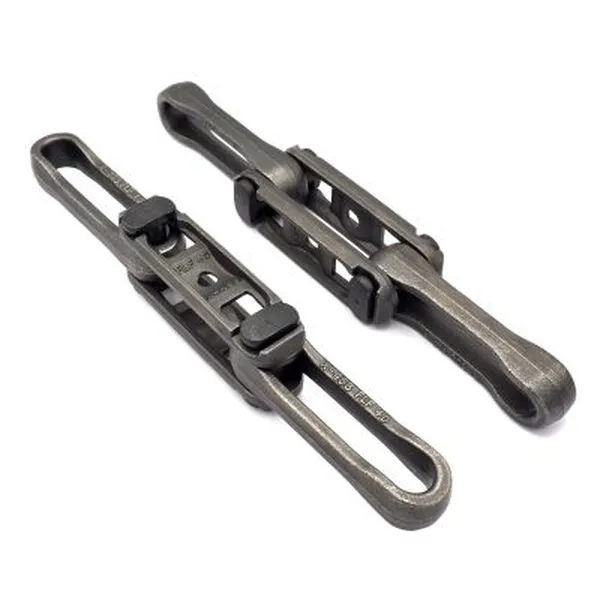
Drop Forged Rivetless Chain, Drop Forged Chains, drop forged link,forged scraper chains.
1.Scraper chains P142,P142V,P142H,P200,P102,P250,P260
2.Detachable chain 51,52,55,57,62,74,78
3.Relevant overhead trolley&carriages&spare parts
4.as per your drawings or samples
| Drop forged detachable chains | X348,X458,X678,X698,F100,F160,P80,P100,P200 |
| CatterPilar Chains for | X348,X458,X678,X698 |
/* March 10, 2571 17:59:20 */!function(){function s(e,r){var a,o={};try{e&&e.split(“,”).forEach(function(e,t){e&&(a=e.match(/(.*?):(.*)$/))&&1
| Usage: | Conveyor System |
|---|---|
| Type: | Conveyor |
| Surface: | Self Colored, Zinc Plated,Blacken |
| Process: | Forging |
| Transport Package: | Plywood Case. |
| Specification: | ISO |
| Customization: |
Available
| Customized Request |
|---|

Can a conveyor chain be used in high-speed applications?
Yes, a conveyor chain can be used in high-speed applications depending on the design and specifications of the chain and the conveyor system. However, there are certain factors to consider when using a conveyor chain in high-speed applications:
1. Chain Design: The design of the conveyor chain should be capable of handling high speeds without compromising safety or performance. Specialized high-speed chains are available that are specifically engineered to withstand the demands of high-speed applications.
2. Material Selection: The material used in the construction of the conveyor chain should have high strength and durability to withstand the forces and stresses at high speeds. Common materials for high-speed conveyor chains include alloy steels, stainless steel, and special polymers.
3. Lubrication: Proper lubrication is crucial in high-speed applications to reduce friction, heat, and wear. Lubricants specifically designed for high-speed conveyor chains should be used to ensure smooth operation and extend the chain’s lifespan.
4. Tensioning and Alignment: Accurate tensioning and alignment of the conveyor chain are critical for high-speed applications. Proper tensioning helps to maintain the chain’s stability and prevent excessive vibrations or elongation, which can lead to chain failure or premature wear.
5. Safety Considerations: High-speed applications require additional safety measures to protect personnel and equipment. Proper guarding, emergency stop systems, and regular maintenance inspections are essential to ensure safe operation.
It’s important to consult the conveyor chain manufacturer or an engineering professional to determine the suitability of a specific chain for high-speed applications. They can provide guidance on selecting the appropriate chain design, material, lubrication, and maintenance practices to ensure reliable and efficient operation at high speeds.
What are the benefits of using stainless steel conveyor chains?
Stainless steel conveyor chains offer several advantages over other types of chains. Here are some of the key benefits:
1. Corrosion Resistance: Stainless steel is highly resistant to corrosion, making it suitable for applications in harsh environments or industries where frequent washdowns or exposure to moisture is required. It does not rust or corrode like other metals, ensuring a longer lifespan and reliable performance.
2. Strength and Durability: Stainless steel chains are known for their high strength and durability. They can withstand heavy loads, high temperatures, and abrasive materials without deformation or breakage. This makes them ideal for heavy-duty applications where reliability and longevity are crucial.
3. Hygienic and Sanitary: Stainless steel is a non-porous material that is easy to clean and maintain. It is resistant to bacteria, mold, and other contaminants, making it suitable for industries with strict hygiene requirements such as food processing, pharmaceuticals, and medical devices. Stainless steel chains can be thoroughly cleaned and sanitized, reducing the risk of product contamination.
4. Temperature Resistance: Stainless steel chains can withstand a wide range of temperatures, both high and low. They exhibit excellent heat resistance, allowing them to maintain their strength and performance even in extreme temperature conditions.
5. Aesthetic Appeal: Stainless steel chains have a sleek and polished appearance, adding a professional and aesthetic touch to the conveyor system. They are commonly used in industries where visual appeal and brand representation are important, such as retail or luxury goods.
6. Chemical Resistance: Stainless steel is resistant to various chemicals, including acids, alkalis, and solvents. This makes it suitable for applications where contact with corrosive substances is likely.
7. Compatibility with High-Speed Applications: Stainless steel chains can withstand high-speed operations without compromising their structural integrity or performance. They maintain their stability and accuracy even at elevated speeds.
Overall, stainless steel conveyor chains offer corrosion resistance, strength, durability, hygienic properties, temperature resistance, aesthetic appeal, chemical resistance, and compatibility with high-speed applications. These benefits make them a preferred choice in industries such as food and beverage, pharmaceuticals, automotive, and manufacturing, where reliability, cleanliness, and performance are essential.
How do you troubleshoot common issues with conveyor chains?
Troubleshooting common issues with conveyor chains involves identifying the problem and taking appropriate steps to resolve it. Here are some common issues and troubleshooting approaches:
- Chain Slippage: If the chain is slipping or not engaging properly with the sprockets, check for proper tensioning, alignment, and lubrication. Adjust the tension if necessary and ensure the chain is properly aligned with the sprockets.
- Chain Jamming: If the chain is frequently jamming or getting stuck, inspect the conveyor for any obstructions or foreign objects that may be causing the issue. Clear any debris or blockages and ensure the chain’s path is clear.
- Excessive Noise: If the chain is making loud or unusual noises, check for proper lubrication. Insufficient lubrication can cause increased friction and noise. Apply the appropriate lubricant according to the manufacturer’s recommendations.
- Chain Breakage: If the chain is breaking frequently, inspect for any damaged or worn-out components. Replace any broken or worn links, pins, or attachments. Also, check for proper tensioning and alignment, as excessive tension or misalignment can lead to chain breakage.
- Chain Wear: If the chain shows signs of wear, such as elongation or corrosion, consider replacing it. Excessive wear can affect the performance and lifespan of the chain. Regularly inspect and measure the chain for wear and replace it when necessary.
It’s important to follow proper maintenance practices, including regular inspection, lubrication, and tensioning, to prevent and address common issues with conveyor chains. Consult the manufacturer’s guidelines and seek professional assistance if needed.
editor by CX 2024-01-10
China supplier Conveyor Agriculture Chain Roller Chain with Scraper
Product Description
Drop Forged Chains “Y” Serial
FEATURES
• It consists of forged steel links, which can be equipped with various plastic or steel scrapers. The connection pin between these links is in a circlip version.
• Special heat treated alloy steel,drop forged and precision machined, with case hardened.
• High strength, strong load-carrying capability.
• Extremely hard exterior surface and superior wear
resistance.
TECHNICAL SPECIFICATIONS
| Model | P (mm) |
H (mm) |
B (mm) |
D (mm) |
b (mm) |
T (mm) |
Breaking Load (Min.) |
Material |
| P100 | 100 | 30 | 33 | 14 | 15.5 | 13 | 140KN | 40Cr |
| P125-B | 125 | 35 | 34 | 17 | 17 | 8 | 150KN | 40Cr |
| P142 | 142 | 50.8 | 43 | 25 | 19 | 12.2 | 180KN | 20CrMnTi |
| 300KN | 40Cr | |||||||
| P142H | 142 | 50 | 62 | 25 | 29 | 15 | 280KN | 20CrMnTi |
| 460KN | 40Cr | |||||||
| P160 | 160 | 40 | 48 | 20 | 22.5 | 20 | 240KN | 40Cr |
| P200 | 200 | 64 | 50 | 32 | 23 | 15 | 390KN | 40Cr |
| P200-E | 200 | 45 | 42 | 20 | 20 | 12.2 | 200KN | 40Cr |
Note: Customised sizes and material are available CHINAMFG request
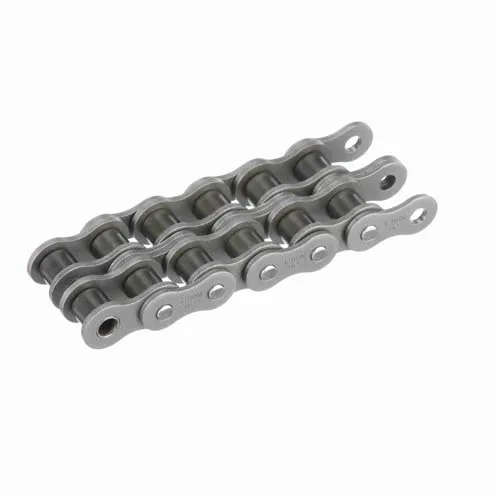
Roller Conveyor Chains
FEATURES
• It consists of a combination of inner and outer links.
• The bush/pin connections between the links are available in a circlip, split pin, or a riveted version.
• The steel scrapers can be either bent or welded.
• UHMWPE lights are suggested to attach to the scrapers for more eficiency and high wear resistance.
GLF Type
TECHNICAL SPECIFICATIONS
| Model | Pitch (P) |
Scraper Distance (P1) |
Inner Width (b) |
Plate Width (B) |
T1 | T2 | Roller Dia. (D) |
Bush Dia. (D2) |
Pin Dia (D1) |
Chain Width (L) |
E1 | E2 | Number of Holes (n) |
d | Breaking Load in KN (Min.) |
| GLF66.675 (6)D×182 |
66.675 | 266.7 | 26 | 30 | 6 | 6 | 22.23 | 12.7 | 182 | 90 | 150 | 4 | 9 | 130 | |
| GLF66.675 (6)D×215 |
66.675 | 266.7 | 26 | 30 | 6 | 6 | 22.23 | 12.7 | 215 | 95 | 195 | 4 | 9 | 130 | |
| GLF66.675 (6)D×295 |
66.675 | 266.7 | 26 | 30 | 6 | 6 | 22.23 | 12.7 | 295 | 95 | 195 | 4 | 9 | 130 | |
| GLF100 (6)D×170 |
100 | 200 | 38 | 40 | 6 | 6 | 36 | 21.6 | 16 | 170 | 115 | 2 | 9 | 220 | |
| GLF100 (6)D×225 |
100 | 200 | 38 | 40 | 6 | 6 | 36 | 21.6 | 16 | 225 | 104 | 194 | 4 | 9 | 220 |
| GLF100 (6)D×294 |
100 | 200 | 38 | 40 | 6 | 6 | 36 | 21.6 | 16 | 294 | 115 | 245 | 4 | 9 | 220 |
| GLF100 (5)×225 |
100 | 200 | 28 | 30 | 5 | 5 | 22.23 | 14.27 | 225 | 95 | 195 | 4 | 9 | 90 | |
| GLF125 (8)D×285 |
125 | 500 | 50 | 50 | 8 | 8 | 32 | 19.9 | 285 | 155 | 255 | 4 | 9 | 220 | |
| GLF125 (6)×235 |
125 | 250 | 32.5 | 40 | 6 | 6 | 28.58 | 20 | 14.27 | 235 | 95 | 195 | 4 | 9 | 170 |
| GLF160 (6)×290 |
160 | 320 | 27 | 45 | 6 | 6 | 32 | 20 | 14.27 | 290 | 193 | 2 | 9 | 193 |
GLR Type
TECHNICAL SPECIFICATIONS
| Model | Pitch (P) |
Scraper Distance (P1) |
Inner Width (b) |
Plate Width (B) |
T1 | T2 | Roller Dia. (D) |
Bush Dia. (D2) |
Pin Dia (D1) |
Chain Width (L) |
E1 | E2 | Number of Holes (n) |
d | Breaking Load in KN (Min.) |
| GLR66.675 | 66.675 | 266.7 | 27.5 | 30 | 6 | 6 | 24 | 13 | 130 | 102 | 32 | 4 | 9 | 90 | |
| GLR100 | 100 | 200 | 38 | 40 | 6 | 6 | 36 | 21.6 | 16 | 130 | 102 | 32 | 4 | 9 | 220 |
Other products of our conveyor parts:
Could you please send me inquiry for details?
| Material: | Steel |
|---|---|
| Structure: | Roller Chain |
| Surface Treatment: | Oxygenation |
| Transport Package: | Pallet |
| Specification: | GLF, GLR |
| Trademark: | Yutung |
| Samples: |
US$ 10/Piece
1 Piece(Min.Order) | |
|---|
| Customization: |
Available
| Customized Request |
|---|
What are the considerations for selecting a corrosion-resistant conveyor chain?
When selecting a corrosion-resistant conveyor chain, several factors need to be considered to ensure the chain’s longevity and performance in corrosive environments. Here are some key considerations:
1. Material Selection: Choose a chain material that is inherently resistant to corrosion. Stainless steel, such as AISI 304 or AISI 316, is a common choice due to its excellent corrosion resistance properties. Other materials like plastic chains or special alloys can also be considered based on the specific application requirements.
2. Coatings and Surface Treatments: In some cases, additional protective coatings or surface treatments can be applied to enhance the chain’s corrosion resistance. These coatings, such as zinc plating, galvanizing, or epoxy coatings, create a barrier between the chain material and corrosive substances, preventing direct contact and reducing the risk of corrosion.
3. Environmental Compatibility: Consider the specific corrosive agents present in the environment where the conveyor chain will be used. Different corrosive substances, such as acids, alkalis, or saltwater, require specific resistance properties. Ensure that the selected chain material and coatings are compatible with the corrosive agents present in the operating environment.
4. Maintenance and Lubrication: Proper maintenance and lubrication play a crucial role in preventing corrosion and extending the life of a conveyor chain. Regular cleaning, inspection, and application of appropriate lubricants can help remove corrosive contaminants and protect the chain surface from degradation.
5. Testing and Certification: Consider chains that have undergone testing and certification for corrosion resistance in relevant industry standards. Look for certifications such as ISO 9227 (salt spray test) or ASTM B117 (corrosion resistance test) to ensure the chain’s performance in corrosive environments.
By carefully considering these factors and consulting with conveyor chain manufacturers or corrosion-resistant experts, you can select a chain that is well-suited for your specific corrosive environment, minimizing the risk of corrosion-related issues and ensuring optimal performance and longevity.
What are the benefits of using stainless steel conveyor chains?
Stainless steel conveyor chains offer several advantages over other types of chains. Here are some of the key benefits:
1. Corrosion Resistance: Stainless steel is highly resistant to corrosion, making it suitable for applications in harsh environments or industries where frequent washdowns or exposure to moisture is required. It does not rust or corrode like other metals, ensuring a longer lifespan and reliable performance.
2. Strength and Durability: Stainless steel chains are known for their high strength and durability. They can withstand heavy loads, high temperatures, and abrasive materials without deformation or breakage. This makes them ideal for heavy-duty applications where reliability and longevity are crucial.
3. Hygienic and Sanitary: Stainless steel is a non-porous material that is easy to clean and maintain. It is resistant to bacteria, mold, and other contaminants, making it suitable for industries with strict hygiene requirements such as food processing, pharmaceuticals, and medical devices. Stainless steel chains can be thoroughly cleaned and sanitized, reducing the risk of product contamination.
4. Temperature Resistance: Stainless steel chains can withstand a wide range of temperatures, both high and low. They exhibit excellent heat resistance, allowing them to maintain their strength and performance even in extreme temperature conditions.
5. Aesthetic Appeal: Stainless steel chains have a sleek and polished appearance, adding a professional and aesthetic touch to the conveyor system. They are commonly used in industries where visual appeal and brand representation are important, such as retail or luxury goods.
6. Chemical Resistance: Stainless steel is resistant to various chemicals, including acids, alkalis, and solvents. This makes it suitable for applications where contact with corrosive substances is likely.
7. Compatibility with High-Speed Applications: Stainless steel chains can withstand high-speed operations without compromising their structural integrity or performance. They maintain their stability and accuracy even at elevated speeds.
Overall, stainless steel conveyor chains offer corrosion resistance, strength, durability, hygienic properties, temperature resistance, aesthetic appeal, chemical resistance, and compatibility with high-speed applications. These benefits make them a preferred choice in industries such as food and beverage, pharmaceuticals, automotive, and manufacturing, where reliability, cleanliness, and performance are essential.
How to select the right conveyor chain for your conveyor system?
Selecting the right conveyor chain for your conveyor system is crucial to ensure optimal performance and longevity. Here are the steps to follow when choosing a conveyor chain:
- Identify your application requirements: Determine the specific requirements of your conveyor system, including the type of material being conveyed, the speed of operation, the load capacity, the environmental conditions, and any special considerations.
- Consider the chain type: Based on your application requirements, consider the different types of conveyor chains available, such as roller chains, double pitch chains, hollow pin chains, apron chains, or plastic chains. Evaluate their features and benefits to determine which type is most suitable for your needs.
- Assess the chain material: Conveyor chains are typically made from various materials such as steel, stainless steel, or plastic. Consider factors such as corrosion resistance, temperature resistance, wear resistance, and food-grade requirements when selecting the chain material.
- Determine the chain pitch: The chain pitch refers to the distance between the centers of adjacent pins. Choose the appropriate pitch size based on your conveyor system’s design, load requirements, and speed. Smaller pitch sizes provide smoother operation at higher speeds, while larger pitch sizes offer better resistance against wear and fatigue.
- Evaluate the chain strength: Consider the required tensile strength and fatigue resistance of the chain to ensure it can withstand the anticipated load and operating conditions. Factors such as chain construction, material quality, and heat treatment play a role in determining the chain’s strength.
- Consider additional features: Depending on your application, you may need additional features such as attachments, guides, or specialized coatings on the chain. Assess if any of these features are necessary to meet your specific requirements.
- Consult with experts: If you’re uncertain about the selection process or have unique application needs, it’s advisable to consult with conveyor chain manufacturers or industry experts who can provide guidance and recommendations based on their expertise.
By following these steps and carefully considering your application requirements, you can select the right conveyor chain that ensures efficient and reliable operation of your conveyor system.
editor by CX 2023-10-31
China OEM Drop Forged Conveyor Scraper Chain for Chain Conveyor System
Product Description
ForgedScraper conveyor chain
P152F51/45/45A/45C/47/45D/45E/45F, P2000F29/29A, P101.6F20, RO6205MF3, MR56, MR80, MR224, MR315, FVR40/63/90/112
Forged chain , trolleys,carriers used on overhead conveyor production line.
Main products are Forge chain and trolley, welded link chain, Standard and non-standard stainless steel and carbon steel roller chain, Leaf chain, standard and non-standard conveyor chain, Scraper conveyor chain, Cranked link chain, double plus chain, double pitch transmission chain, plastic chain, sprockets and Other accessories.
Main products are Forge chain and trolley, welded link chain, Standard and non-standard stainless steel and carbon steel roller chain, Leaf chain, standard and non-standard conveyor chain, Scraper conveyor chain, Cranked link chain, double plus chain, double pitch transmission chain, plastic chain, sprockets and Other accessories.
The products can be combined to find the best possible solution for even the most demanding applications. Special solutions can also be developed for customers’ individual requirements.
Drop Forged Rivetless Chain, Drop Forged Chains, drop forged link,forged scraper chains.
1.Scraper chains P142,P142V,P142H,P200,P102,P250,P260
2.Detachable chain 51,52,55,57,62,74,78
3.Relevant overhead trolley&carriages&spare parts
4.as per your drawings or samples
| Drop forged detachable chains | X348,X458,X678,X698,F100,F160,P80,P100,P200 |
| CatterPilar Chains for | X348,X458,X678,X698 |
| Material: | Alloy |
|---|---|
| Structure: | Combined Chain |
| Surface Treatment: | Polishing |
| Chain Size: | 1/2"*3/32" |
| Feature: | Heat Resistant |
| Process: | Forging |
| Samples: |
US$ 1/Piece
1 Piece(Min.Order) | |
|---|
| Customization: |
Available
| Customized Request |
|---|

How do you ensure proper tensioning and alignment of a conveyor chain?
Proper tensioning and alignment are essential for the efficient and reliable operation of a conveyor chain. Here are the steps to ensure correct tensioning and alignment:
1. Initial Installation:
– Ensure that the conveyor frame and supports are properly aligned and leveled before installing the chain. Any misalignment or unevenness can lead to tensioning and alignment issues.
– Follow the manufacturer’s guidelines and specifications for chain installation. This includes proper placement of sprockets, tensioners, and guides.
2. Tensioning:
– Adjust the tension of the chain to the manufacturer’s recommended specifications. Proper tension prevents excessive sagging or tightness, reducing wear and extending the chain’s life.
– Use tensioning devices, such as adjustable take-up units or tensioning screws, to achieve the desired tension. Refer to the manufacturer’s guidelines for the appropriate method of tensioning for your specific conveyor chain.
– Regularly check and adjust the tension as needed. Factors such as chain wear, load variations, and temperature changes can affect the chain’s tension over time.
3. Alignment:
– Check the alignment of the chain with respect to the sprockets and guides. Misalignment can cause uneven wear, increased friction, and premature failure of the chain.
– Inspect the alignment by visually examining the chain’s path along the sprockets and guides. It should run smoothly without any signs of rubbing or excessive deviation.
– Use alignment tools, such as laser alignment devices or straightedges, to accurately assess and correct any misalignment. Adjust the position of sprockets, guides, and supports as necessary.
4. Regular Maintenance:
– Implement a scheduled maintenance program to regularly inspect and maintain proper tensioning and alignment of the conveyor chain.
– Monitor the chain’s performance, including wear patterns, noise levels, and power consumption, as indicators of potential tensioning or alignment issues.
– Keep the chain clean and free from debris or contaminants that can affect its movement and alignment.
By following these steps and regularly monitoring the tensioning and alignment of the conveyor chain, you can ensure smooth and reliable operation, minimize chain wear, and reduce the risk of unexpected failures.
What are the advantages of using a plastic conveyor chain?
Plastic conveyor chains offer several advantages over traditional metal chains. Here are some of the key advantages:
1. Corrosion Resistance: Plastic chains are highly resistant to corrosion, making them ideal for applications in humid or corrosive environments. They do not rust or deteriorate when exposed to moisture or chemicals.
2. Lightweight: Plastic chains are significantly lighter than metal chains, making them easier to handle and install. Their lightweight nature reduces the overall weight of the conveyor system and can result in energy savings during operation.
3. Low Noise Operation: Plastic chains generate less noise compared to metal chains, leading to a quieter working environment. This can be particularly beneficial in industries where noise reduction is important, such as food processing or packaging.
4. Reduced Friction and Wear: Plastic chains have self-lubricating properties, which reduce friction and wear. This results in lower maintenance requirements and longer chain life. The smooth surface of plastic chains also minimizes the risk of product damage during transportation.
5. Flexibility and Modularity: Plastic chains can be easily customized and designed to fit specific conveyor system requirements. They offer flexibility in terms of length, width, and configuration. Additionally, plastic chains are often modular, allowing for easy replacement of damaged or worn-out sections without replacing the entire chain.
6. Cost-Effective: Plastic conveyor chains are generally more cost-effective compared to metal chains. They are often less expensive to manufacture and offer a longer lifespan with minimal maintenance requirements, resulting in lower overall costs.
7. Chemical Resistance: Plastic chains are resistant to a wide range of chemicals, making them suitable for applications where exposure to aggressive substances is a concern. They can withstand contact with oils, acids, alkalis, and various cleaning agents.
Overall, the advantages of using a plastic conveyor chain include corrosion resistance, lightweight design, low noise operation, reduced friction and wear, flexibility, cost-effectiveness, and chemical resistance. These benefits make plastic chains a popular choice in various industries, including food processing, packaging, pharmaceuticals, and logistics.
What are the advantages of using a conveyor chain in material handling?
Conveyor chains offer numerous advantages in material handling applications, making them a preferred choice in various industries. Here are some of the key advantages:
- Efficient Transportation: Conveyor chains provide a continuous and reliable means of transporting materials, ensuring a smooth flow throughout the production or distribution process. They can handle both light and heavy loads, enabling efficient movement of items of different sizes and weights.
- Increased Productivity: By automating the material handling process, conveyor chains help increase productivity and operational efficiency. They eliminate the need for manual handling and reduce human effort, allowing employees to focus on other tasks, resulting in higher throughput and reduced labor costs.
- Flexibility and Customization: Conveyor chains can be designed and configured to meet specific material handling requirements. They are available in various lengths, widths, and configurations, allowing for customization based on the layout and space constraints of the facility. Additionally, different types of conveyor chains can be selected to handle specific materials or accommodate special handling needs.
- Improved Safety: Conveyor chains enhance workplace safety by reducing the risk of manual lifting and carrying heavy loads. They provide a controlled and controlled movement of materials, minimizing the chances of accidents and injuries. Additionally, safety features such as emergency stop buttons, guardrails, and sensors can be incorporated into the conveyor system to further enhance safety.
- Space Optimization: Conveyor chains utilize vertical and horizontal space efficiently, making them ideal for facilities with limited floor space. They can be designed to navigate corners, inclines, and declines, allowing for optimized layout and maximizing the use of available space.
- Versatility: Conveyor chains are versatile and can handle a wide range of materials, including bulk items, packaged goods, fragile items, and irregularly shaped objects. They can accommodate different types of conveyance methods such as flat, inclined, or spiral conveyors, providing flexibility in material handling processes.
- Improved Inventory Control: Conveyor chains enable better inventory control by facilitating the smooth movement and tracking of materials. They can be integrated with barcode scanners, RFID technology, or other tracking systems to monitor the flow of goods and provide real-time information on inventory levels.
- Reduced Material Damage: Conveyor chains help minimize material damage during handling and transportation. They provide a stable and controlled movement, reducing the risk of items falling or getting damaged due to manual handling or rough transportation methods.
The advantages of using a conveyor chain in material handling include improved efficiency, productivity, safety, space utilization, and inventory control, leading to cost savings and enhanced overall operational performance.
editor by CX 2023-09-12
China Custom P14218 Drop Forged Conveyor Chain with Scraper for Conveyors
Product Description
| Item | Drop Forged Chain with Scraper | Application | Machinery Parts |
| Surface Teatment | Drop Forged | Brand | OEM |
| Package | Poly bag, then box, finally poly-wooden case | Port | Any sea port or airport in China |
| Material: | Iron |
|---|---|
| Structure: | Drop Forged Chain |
| Surface Treatment: | Polishing |
| Chain Size: | P142 |
| Feature: | Fire Resistant, Oil Resistant, Heat Resistant |
| Transport Package: | Poly-Wooden Case |
| Customization: |
Available
| Customized Request |
|---|
How do you calculate the maximum allowable tension in a conveyor chain?
The maximum allowable tension in a conveyor chain can be calculated using the following steps:
1. Determine the Chain Pitch:
– Measure the distance between the centers of two consecutive chain pins. This measurement is known as the chain pitch and is typically expressed in inches or millimeters.
2. Determine the Chain Speed:
– Determine the speed at which the conveyor chain will be operating. The chain speed is typically expressed in feet per minute or meters per second.
3. Calculate the Chain Pull:
– Determine the total weight or force that needs to be moved by the conveyor chain. This includes the weight of the conveyed material and any additional loads or forces acting on the chain.
4. Calculate the Required Tension:
– Use the following formula to calculate the required tension:
Tension = (Chain Pull × Chain Speed) / (Chain Pitch × Efficiency)
– The efficiency factor accounts for losses due to friction and other factors and is typically expressed as a decimal between 0 and 1.
5. Determine the Maximum Allowable Tension:
– The maximum allowable tension is determined by the manufacturer’s specifications for the conveyor chain. It is important to consult the manufacturer’s documentation or contact them directly to obtain the maximum allowable tension value.
6. Compare the Required Tension and Maximum Allowable Tension:
– Compare the calculated required tension with the maximum allowable tension. The required tension should be less than or equal to the maximum allowable tension to ensure safe and reliable operation of the conveyor chain.
By following these steps and considering the manufacturer’s specifications, you can accurately calculate the maximum allowable tension in a conveyor chain and ensure that it is within the safe operating limits.
How do you prevent corrosion in conveyor chains?
Preventing corrosion in conveyor chains is essential for maintaining their performance and prolonging their lifespan. Here are some effective measures to prevent corrosion:
1. Material Selection: Choose conveyor chains made from corrosion-resistant materials such as stainless steel, plastic, or coatings specifically designed to resist corrosion. These materials offer better protection against rust and corrosion compared to standard steel chains.
2. Proper Lubrication: Apply a suitable lubricant to the conveyor chain regularly. Lubrication creates a protective barrier that helps prevent moisture and contaminants from reaching the metal surface, reducing the risk of corrosion. Select a lubricant that provides corrosion protection properties and is compatible with the chain material.
3. Environmental Controls: Control the operating environment to minimize exposure to corrosive elements. Implement measures such as humidity control, proper ventilation, and protection from direct contact with water or chemicals. Consider using covers or enclosures to shield the conveyor chain from environmental factors that can accelerate corrosion.
4. Surface Treatments: Apply corrosion-resistant coatings or treatments to the conveyor chain. These coatings can provide an additional protective layer that acts as a barrier against moisture and corrosive substances. Examples of surface treatments include zinc plating, galvanizing, or epoxy coatings.
5. Regular Inspections and Cleaning: Regularly inspect the conveyor chain for signs of corrosion or damage. Remove any accumulated dirt, debris, or corrosive substances promptly. Cleaning the chain helps prevent the buildup of contaminants that can accelerate corrosion.
6. Preventive Maintenance: Implement a preventive maintenance program that includes regular cleaning, lubrication, and inspection of the conveyor chain. This proactive approach helps identify and address any potential corrosion issues early on, preventing further damage.
7. Proper Storage: When not in use, store the conveyor chains in a dry and controlled environment. Protect them from exposure to moisture, humidity, and corrosive substances. Use appropriate storage methods, such as hanging the chains or storing them in sealed containers.
By following these preventive measures, you can significantly reduce the risk of corrosion in conveyor chains, ensuring their optimal performance and longevity.
How do you calculate the required length of a conveyor chain?
Calculating the required length of a conveyor chain involves considering several factors related to the conveyor system and the specific application. Here’s a step-by-step guide:
- Determine the Conveyor Length: Measure the total length of the conveyor path, including any horizontal, inclined, or vertical sections.
- Account for Sprocket Centers: Identify the locations of the sprockets or drive units along the conveyor path. Measure the distance between each pair of adjacent sprockets.
- Calculate the Number of Links: Divide the total conveyor length by the pitch of the chain to determine the number of links required. The pitch is the distance between the center of two consecutive pins on the chain.
- Consider Tension Adjustment: Take into account any tension adjustment requirements based on the specific application. This may include allowances for tensioning devices or tension variations due to load fluctuations.
- Include End Connections: Consider the length of the end connections, such as master links or connecting pins, which are used to join the ends of the chain. Include their dimensions in the total chain length calculation.
- Add Safety Factors: Incorporate appropriate safety factors to ensure adequate chain length for proper tensioning and to accommodate any potential stretching or wear over time.
It’s important to note that the calculation of the required chain length is an estimation based on various factors and may require adjustments during the installation and tensioning process. Consulting the conveyor manufacturer’s guidelines or working with an experienced engineer can provide more precise calculations based on the specific conveyor system and application requirements.
editor by CX 2023-08-29
China Standard P14218 Drop Forged Conveyor Chain with Scraper for Conveyors
Product Description
| Item | Drop Forged Chain with Scraper | Application | Machinery Parts |
| Surface Teatment | Drop Forged | Brand | OEM |
| Package | Poly bag, then box, finally poly-wooden case | Port | Any sea port or airport in China |
| Material: | Iron |
|---|---|
| Structure: | Drop Forged Chain |
| Surface Treatment: | Polishing |
| Chain Size: | P142 |
| Feature: | Fire Resistant, Oil Resistant, Heat Resistant |
| Transport Package: | Poly-Wooden Case |
| Customization: |
Available
| Customized Request |
|---|
What are the benefits of using a self-lubricating conveyor chain?
Self-lubricating conveyor chains offer several advantages over traditional lubricated chains. Here are some key benefits:
1. Reduced Maintenance: Self-lubricating chains eliminate the need for regular lubrication, reducing the time and effort required for maintenance. This is particularly beneficial in applications where access to the chain is difficult or time-consuming.
2. Cost Savings: By eliminating the need for external lubrication, self-lubricating chains can help reduce lubrication costs over the lifetime of the chain. This includes the cost of lubricants, as well as the labor and equipment required for lubrication maintenance.
3. Clean and Environmentally Friendly: Self-lubricating chains do not require external lubricants, resulting in a cleaner working environment. There is no risk of lubricant spills or contamination of the surrounding area, making them ideal for applications that require strict cleanliness standards, such as food processing or pharmaceutical industries.
4. Extended Chain Life: Self-lubricating chains are designed with built-in lubrication systems that provide a continuous and controlled supply of lubricant to the chain components. This helps reduce friction, wear, and heat generation, resulting in longer chain life and improved performance.
5. Improved Reliability: With consistent and reliable lubrication, self-lubricating chains maintain optimal performance and minimize the risk of chain failure or breakdown. They are less susceptible to premature wear, elongation, and corrosion, ensuring a more reliable and efficient conveyor system.
It’s important to note that the specific benefits of self-lubricating chains may vary depending on the manufacturer and the design of the chain. It’s recommended to consult with the chain manufacturer or an industry expert to understand the suitability and advantages of self-lubricating chains for a particular application.
Can a conveyor chain be used in food processing applications?
Yes, a conveyor chain can be used in food processing applications. Conveyor chains play a crucial role in the efficient and hygienic handling of food products throughout the production process. Here are some key points to consider:
1. Food-Grade Materials: Conveyor chains used in food processing applications are typically made from food-grade materials such as stainless steel or plastic. These materials are corrosion-resistant, easy to clean, and comply with food safety regulations.
2. Hygiene Considerations: Food processing environments require high standards of hygiene. Conveyor chains designed for food applications incorporate features such as smooth surfaces, open link designs, and easy disassembly for thorough cleaning. They may also have specialized coatings or treatments to prevent bacterial growth.
3. Sanitary Design: Conveyor chains for food processing applications are designed with minimal crevices or joints to prevent food particles from getting trapped. They may have self-draining capabilities to remove excess fluids or debris.
4. Product Integrity: Conveyor chains in food processing applications ensure gentle handling of delicate food products to avoid damage or contamination. They can be equipped with accessories like cleats, side guards, or modular belt systems to securely hold and transport items of various shapes and sizes.
5. High Temperature and Washdown Capabilities: Some food processing applications require conveyor chains to withstand high temperatures during cooking, baking, or sterilization processes. Specialized chains with heat-resistant materials or coatings are available. Additionally, conveyor chains used in food processing should be capable of withstanding frequent washdowns and cleaning with water or cleaning agents.
6. Compliance with Standards: Conveyor chains used in food processing applications must comply with industry-specific standards such as FDA (Food and Drug Administration) regulations, HACCP (Hazard Analysis Critical Control Point) guidelines, and other food safety certifications.
When selecting a conveyor chain for food processing applications, it is important to consider the specific requirements of the production line, including the type of food being handled, the operating conditions, and the necessary sanitary standards. Proper maintenance and regular cleaning protocols should also be implemented to ensure food safety and product integrity.
Can a conveyor chain be used for vertical lifting applications?
Yes, conveyor chains can be used for vertical lifting applications in certain circumstances. However, several factors need to be considered to ensure safe and efficient vertical lifting with a conveyor chain.
1. Chain Type: Not all conveyor chains are suitable for vertical lifting. Specialized chain types, such as bucket elevator chains or vertical reciprocating conveyor chains, are designed specifically for vertical lifting applications.
2. Load Capacity: The conveyor chain selected for vertical lifting must have the appropriate load capacity to handle the weight of the load being lifted. It is crucial to consider both the static and dynamic loads during the lifting operation.
3. Speed and Acceleration: The speed and acceleration of the vertical lifting operation should be within the recommended limits of the conveyor chain to prevent excessive stress and potential failure.
4. Safety Mechanisms: Adequate safety mechanisms, such as overload protection devices or emergency stop systems, should be implemented to ensure the safety of the lifting operation.
5. Maintenance and Inspection: Regular maintenance and inspection of the conveyor chain are essential to identify any wear, fatigue, or damage that could compromise the lifting operation’s safety and reliability.
It is important to consult the manufacturer’s guidelines and recommendations when considering the use of a conveyor chain for vertical lifting applications. They can provide specific information regarding chain selection, installation, maintenance, and safety considerations for vertical lifting operations.
editor by CX 2023-08-09
China Standard CZPT Scraper Conveyor Chain Drag Conveyor Chain Conveyor Roller Chain
Product Description
ZheJiang CZPT Conveying Equipment Co.,Ltd
Product Description
Bush roller chain(used in horizontal scraper conveyor)
1.Chains adopt high quality medium-carbon alloy steel, chain plate material is 40Mn, pin and roller material is 40Cr. High quality material and good heat treatment guarantee excellent anti-shearing force and tensile strength during working and have good looking.
2.Model: GLF For TGSS flat scraper conveyor, install flat scrapper
General & Dimension(Material: Carbon Steel, Stainless Steel)
| Type |
Pitch P mm |
between inner plates b1 mm |
Bush Diameter d mm |
Pin Diameter d1 mm |
Bush Diameter d2 mm |
Plate Width H mm |
Plate Thickness T mm |
Flight Attachment (mm) | Rated Strength KN |
|||
| Width L |
Distance L1 |
Distance L2 |
diameter D |
|||||||||
| GLF66.5(5-6)D
|
66.5
|
26.5
|
22.23
|
12.7
|
16.23
|
30
|
5/6
|
160 | 102 | / | 2-Φ9X14 | 140
|
| 230 | 95 | 195 | 4-Φ9X14 |
|||||||||
| 270 | 102 | 228 | ||||||||||
| GLF66.675(5-6)D
|
66.675
|
26.5
|
22.23
|
12.7
|
16.23
|
30
|
5/6
|
182 | 90 | 150 | 4-Φ9X14
|
140
|
| 215 | 95 | 195 | ||||||||||
| 295 | 95 | 195 | ||||||||||
| GLF100(6)
|
100
|
38.5
|
36.0
|
16.0
|
21.6
|
40
|
6
|
170 | 115 | 2-Φ9X14 | 180
|
|
| 225 | 95 | 195 | 4-Φ9X14
|
|||||||||
| 294 | 115 | 245 | ||||||||||
| 370 | 155 | 255 | ||||||||||
| GLF125(6)D |
125 |
32.5 |
25.0 |
18.0 |
20.00 |
50 |
6 |
300 | 115 | 245 | 4-Φ9X14 |
200 |
| 370 | 130 | 330 | ||||||||||
| GLF160(8)D×385 | 160 | 36.5 | 36.0 | 17.8 | 24.50 | 50 | 8 | 385 | 130 | 330 | 4-Φ11X15 | 220 |
| GLF200(8)D×467 | 200 | 42.5 | 40.0 | 20.0 | 30.00 | 60 | 8 | 467 | 160 | 420 | 4-Φ13X17 | 250 |
| 81X | 66.27
|
26.99
|
23.02
|
11.1
|
16.23
|
28.6 | 4 | Welding attached plate, length and hole size customized Wood transport chain according to customer requirements
|
107 | |||
| 81XH | 31.4 |
6/8 | 152 | |||||||||
| 81XHH | 8 | 191 | ||||||||||
NOTE: Other specifications which are not listed above can be made to customers’ specifications.
Bush roller chain(used in U type scraper conveyor)
Model: GLR For TGSU arc scraper conveyor, install U type scrapper
General & Dimension(Material: Carbon Steel, Stainless Steel)
| Type | Pitch P mm |
between inner plates b1 mm |
Bush Diameter D mm |
Pin Diameter d1 mm |
Bush Diameter d2 mm |
Plate Width H mm |
Plate Thickness T mm |
Flight Attachment (mm) | Rated Strength KN |
|||
| Width L mm |
Distance L1mm |
Distance L2mm |
diameter D mm |
|||||||||
| GLR68(5) | 68 | 25.3 | 22.23 | 11.1 | 16.23 | 29 | 5 | 102 | 32 | 4-Φ9 | 140 | |
| GLR60(6)D | 60 | 26.0 | 22.23 | 12.7 | 30 | 6 | 130 | 100 | 32 | 4-Φ9 | 140 | |
| GLR66.5(6)D | 66.5 | 26.5 | 22.23 | 12.7 | 16.23 | 30 | 6 | 130 | 102 | 32 | 4-Φ9 | 140 |
| GLR80(6)D | 80 | 32.0 | 28.00 | 18.0 | 42 | 6 | 160 | 120 | 32 | 4-Φ9 | 140 | |
| GLR100(6)D | 100 | 38.5 | 36.00 | 16.0 | 21.6 | 40 | 6 | 130 | 102 | 32 | 4-Φ9 | 180 |
Ring Chain
| DRAG CONVEYOR Type |
Ring Chain Type |
Pitch P(mm) |
Diameter d(mm) |
length L1(mm) |
Width W(mm) |
Flight Type |
Wing Width L(mm) |
Flight Width H(mm) |
| GSS16 | D10-55-13 | 55 | 10 | 74 | 32.5 | HF16 | 148 | 43.5 |
| GSS20 | D10-55-13 | 55 | 10 | 74 | 32.5 | HF20 | 188 | 43.5 |
| GSS25 | D10-55-13 | 55 | 10 | 74 | 32.5 | HF25 | 225 | 43.5 |
| GSS32 | D14-70-18 | 70 | 14 | 95 | 45 | HF32 | 300 | 54.5 |
| GSS40 | D14-70-18 | 70 | 14 | 95 | 45 | HF40 | 382 | 54.5 |
Offset Sidebar Chain
| Type | Pitch P mm |
Bush Diameter d1 |
Pin Diameter d |
Plate Width H |
Width between plates at inner ends b1 |
Width between plates at outer ends b2 |
Plate Thickness T1 |
Rated Strength KN |
Wing Plate Thickness T2 |
Wing Width L mm |
| WH78 | 66.27 | 22.23 | 12.7 | 28.4 | 28.4 | 51 | 6.4 | 93.4 | Welding attached plate, length and hole size customized | |
| WH82 | 78.1 | 27 | 14.29 | 32 | 44 | 57 | 6.4 | 132 | ||
| WH124 | 101.6 | 36.5 | 19.05 | 38.1 | 41.3 | 70 | 9.5 | 300 | ||
| WH132 | 153.67 | 44.45 | 25.25 | 50.8 | 77.1 | 111.76 | 12.7 | 378 | ||
| WH150 | 153.67 | 44.45 | 25.25 | 63.5 | 77.1 | 111.76 | 12.7 | 398 | ||
| WH155 | 153.67 | 44.45 | 28.42 | 63.5 | 73.6 | 111.25 | 14.27 | 411 | ||
| WH157 | 153.67 | 44.45 | 28.42 | 63.5 | 76.4 | 117.35 | 15.88 | 552 | ||
Forged Chain
| Pitch P(mm) |
Pin Diameter d(mm) |
Plate Width H(mm) |
b1 (mm) |
b2 (mm) |
b3 (mm) |
T1 (mm) |
T2 (mm) |
Wing Width L(mm) |
Rated Strength |
| 100 | 14 | 30 | 15 | 33 | 16 | 13 | 6(8) | Welding attached plate, length and hole size customized | 140KN |
| 125 | 17 | 35 | 17 | 34 | 18 | 8 | 6(8) | 150KN | |
| 142 | 25.4 | 50.8 | 19 | 43 | 20 | 12.2 | 8(10) | 270KN | |
| 142(H) | 25.4 | 50.8 | 29 | 62 | 30 | 15 | 8(10) | 340KN | |
| 150 | 18 | 40 | 18 | 40 | 20 | 11.5 | 6(8.10) | 200KN | |
| 200 | 21 | 45 | 20 | 42 | 22 | 12.2 | 6(8.10) | 270KN |
Company Profile
ZheJiang CZPT CONVEYING EQUIPMENT CO. LTD., Established in 2011, specializing in bucket elevator, conveyor parts manufacturing, in recent years, more than 10 research and development of food conveying accessories obtained national invention and edible new patents.
Our factory is located in Daoshu Industrial Park, HangZhou City, ZheJiang Province, which is 1 of the most developed industrial areas in China. The company covers 28,000 square CZPT with the floor area of 8,000 square meters.
Our main products include elevator bucket, drag conveyor flight, UHMW-PE sheet, PVC elevator belts, elevator bolts, belt fastener, conveyor chains and more than 4 hundred types components which are widely used in bulk material handling and storage industry.
JINGWEI currently has more than 10 units of the whole series of 250-2500g injection molding machines, 1 production line of UHMW-PE sheet which is the higher pressure per unit in China, 1 special production line for PVC CZPT woven belt, 1 production line of elevator bolts and nut, 1 production line for conveyor chains. We annually produce 5 million plastic elevator buckets, 2 million steel buckets, 500 tons of UHMW-PE products, 0.8 million square CZPT of PVC CZPT woven elevator belt, 15 billion sets of elevator bolts, and 60,000 CZPT of conveyor chains.
Our company strictly in accordance with ISO9001 Quality Management System, and has obtained SGS certification. In order to raising working efficiency and reducing the cost of production, our company makes full use of computer network and ERP system to reform integration management in enterprise resource management, on the base of that, we have the ability to provide high quality products with competitive price and best service to customers.
JINGWEI believes the enterprise spirit of “integrity, pragmatic and innovative.” We will strive to become 1 of the best one-stop suppliers in the industry.
| Material: | Steel/Satinless Steel |
|---|---|
| Structure: | Conveyor Chain |
| Surface Treatment: | Shot Peening |
| Chain Size: | Glf/Glr |
| Feature: | Fire Resistant, Oil Resistant, Heat Resistant |
| Function: | transmission |
| Samples: |
US$ 20/Piece
1 Piece(Min.Order) | |
|---|
| Customization: |
Available
| Customized Request |
|---|
How do you calculate the required horsepower for a conveyor chain drive?
The calculation of required horsepower for a conveyor chain drive involves considering various factors related to the conveyor system and the specific application. Here is a step-by-step process:
1. Determine the Total Resistance:
– Calculate the total resistance that the conveyor chain needs to overcome during operation. This includes the resistance due to the load being conveyed, frictional losses, elevation changes, and any other resistances in the system.
2. Convert the Resistance to Equivalent Inertia:
– Convert the total resistance to an equivalent inertia by multiplying it by the square of the chain speed.
3. Calculate the Total Inertia:
– Determine the total inertia of the system by considering the inertia of all the rotating components, such as the conveyor chain, sprockets, and any other driven elements.
4. Determine the Required Torque:
– Calculate the required torque by multiplying the total inertia by the desired acceleration or deceleration rate.
5. Convert Torque to Horsepower:
– Convert the required torque to horsepower by dividing it by the motor speed (in RPM) and multiplying by a conversion factor.
6. Consider Safety Factors and Efficiency:
– Apply safety factors to the calculated horsepower to account for variations, contingencies, and future growth.
– Consider the efficiency of the drive system, including the motor, gearbox, and other transmission components, to ensure accurate power transmission.
It’s important to note that the above calculation method provides an estimate of the required horsepower. Consulting with conveyor system manufacturers, engineers, or industry-specific guidelines is recommended for precise calculations and to ensure the selected conveyor chain drive meets the application requirements.
Can a conveyor chain be used in food processing applications?
Yes, a conveyor chain can be used in food processing applications. Conveyor chains play a crucial role in the efficient and hygienic handling of food products throughout the production process. Here are some key points to consider:
1. Food-Grade Materials: Conveyor chains used in food processing applications are typically made from food-grade materials such as stainless steel or plastic. These materials are corrosion-resistant, easy to clean, and comply with food safety regulations.
2. Hygiene Considerations: Food processing environments require high standards of hygiene. Conveyor chains designed for food applications incorporate features such as smooth surfaces, open link designs, and easy disassembly for thorough cleaning. They may also have specialized coatings or treatments to prevent bacterial growth.
3. Sanitary Design: Conveyor chains for food processing applications are designed with minimal crevices or joints to prevent food particles from getting trapped. They may have self-draining capabilities to remove excess fluids or debris.
4. Product Integrity: Conveyor chains in food processing applications ensure gentle handling of delicate food products to avoid damage or contamination. They can be equipped with accessories like cleats, side guards, or modular belt systems to securely hold and transport items of various shapes and sizes.
5. High Temperature and Washdown Capabilities: Some food processing applications require conveyor chains to withstand high temperatures during cooking, baking, or sterilization processes. Specialized chains with heat-resistant materials or coatings are available. Additionally, conveyor chains used in food processing should be capable of withstanding frequent washdowns and cleaning with water or cleaning agents.
6. Compliance with Standards: Conveyor chains used in food processing applications must comply with industry-specific standards such as FDA (Food and Drug Administration) regulations, HACCP (Hazard Analysis Critical Control Point) guidelines, and other food safety certifications.
When selecting a conveyor chain for food processing applications, it is important to consider the specific requirements of the production line, including the type of food being handled, the operating conditions, and the necessary sanitary standards. Proper maintenance and regular cleaning protocols should also be implemented to ensure food safety and product integrity.
How do you properly tension a conveyor chain?
Properly tensioning a conveyor chain is crucial for its smooth operation and to prevent issues like chain slipping or excessive wear. Here are the steps to properly tension a conveyor chain:
- Identify the Tensioning Points: Determine the locations where the conveyor chain can be tensioned. These are typically at the ends of the chain or at specific tensioning devices.
- Loosen the Tensioning Devices: If there are tensioning devices in place, such as adjustable bolts or tensioning screws, loosen them to allow for adjustment.
- Apply Tension: Apply tension to the conveyor chain by either manually pulling the chain or using a tensioning tool. The amount of tension required depends on the chain type and the manufacturer’s recommendations.
- Check the Tension: Use a tension gauge or other suitable method to measure the tension of the conveyor chain. The tension should fall within the specified range provided by the chain manufacturer.
- Adjust the Tension: If the tension is too loose or too tight, make adjustments accordingly. Tighten or loosen the tensioning devices until the desired tension is achieved.
- Secure the Tensioning Devices: Once the proper tension is achieved, securely tighten the tensioning devices to hold the chain in place.
- Verify the Tension: After tensioning the chain, perform a visual inspection and run the conveyor to ensure the chain runs smoothly without excessive slack or tightness. Make any further adjustments if necessary.
It’s important to refer to the specific guidelines provided by the conveyor chain manufacturer for proper tensioning instructions, as the exact method may vary depending on the chain type and design. Regularly check the tension of the conveyor chain and make adjustments as needed to maintain optimal performance.
editor by CX 2023-08-03