วิธีที่ปลอดภัยที่สุดในการเลือกโซ่สำหรับเครื่องตัดเศษวัสดุคือ เริ่มจากลักษณะการใช้งานและรูปทรงเรขาคณิตของโซ่ที่มีอยู่ก่อน เริ่มจากบริบทของเครื่องตัดเศษวัสดุหรือสายพานลำเลียง จากนั้นตรวจสอบระยะห่างระหว่างฟันโซ่ ความยาวของหน่วยโซ่ ความกว้างของใบมีดขูด การจัดเรียงฟันโซ่ และโครงสร้างโซ่โดยละเอียด เมื่อทุกอย่างลงตัวแล้วจึงควรพิจารณาเลือกแบบที่เหมาะสม วิธีนี้จะช่วยหลีกเลี่ยงข้อผิดพลาดทั่วไปในการสั่งซื้อโซ่เพราะระยะห่างระหว่างฟันโซ่หรือชื่อผลิตภัณฑ์ดูคล้ายกัน
ขั้นตอนที่ 1: กำหนดแอปพลิเคชัน

ระบุเครื่องจักรให้ละเอียดที่สุดเท่าที่จะเป็นไปได้ แต่ห้ามใช้ชื่อเครื่องจักรเป็นเกณฑ์การเลือกเพียงอย่างเดียว บันทึกว่าโซ่ติดตั้งอยู่ในสายพานลำเลียงใต้ดินหรือไม่ วัสดุที่กำลังลำเลียง การจัดเรียงสายพานลำเลียง และสภาวะการใช้งานที่ผิดปกติใดๆ ที่ควรพิจารณาในระหว่างการตรวจสอบทางวิศวกรรม
ข้อมูลผลิตภัณฑ์ซีรี่ส์ K ครอบคลุมถึงสายพานลำเลียงแบบโซ่สำหรับเครื่องป้อนและทำลายถ่านหินใต้ดิน และการใช้งานในการล้างถ่านหิน ซึ่งเป็นการกำหนดบริบทของกลุ่มผลิตภัณฑ์ แต่ยังคงต้องมีการตรวจสอบขนาดของโซ่จริง อุปกรณ์อาจได้รับการซ่อมแซม ปรับเปลี่ยนโครงสร้าง หรือติดตั้งโซ่ที่ไม่ใช่ของเดิมในระหว่างอายุการใช้งาน
ขั้นตอนที่ 2: ยืนยันระดับเสียง

ระยะห่างระหว่างจุดศูนย์กลางของข้อต่อที่สอดคล้องกันเรียกว่า พิตช์ (Pitch) ซึ่งมักเป็นวิธีที่เร็วที่สุดในการจำแนกตระกูลโซ่ แต่ควรวัดและบันทึกอย่างระมัดระวัง บันทึกว่าการวัดนั้นทำในระยะห่างเดียวหรือหลายช่วง และระบุจุดอ้างอิงในภาพถ่ายหรือภาพร่าง
ทั้งรุ่น K201B และ K207B ใช้ระยะห่างระหว่างฟันเฟืองมาตรฐาน 3 1/2 นิ้ว โดยค่าหน่วยเมตริกบันทึกไว้ที่ 89 มม. และ 88.9 มม. ตามลำดับในข้อมูลทางเทคนิค ความแตกต่างเล็กน้อยในตัวเลขนี้ไม่ควรนำมาใช้เป็นเกณฑ์เดียวในการตัดสินว่ารุ่นใดเป็นรุ่นใด
ขั้นตอนที่ 3: ยืนยันความยาวและความกว้างของหน่วยโซ่


หน่วยโซ่ที่ซ้ำกันช่วยระบุว่าส่วนปีกหรือส่วนขูดจัดเรียงอย่างไรเมื่อเทียบกับส่วนโซ่ K201B มีความยาว 21 นิ้ว (534 มม.) และ K207B มีความยาว 21 นิ้ว (533.4 มม.) โดยแต่ละแบบระบุว่าเป็นส่วนปีก 1 ส่วนและส่วนโซ่ 2 ส่วน
ความกว้างของใบมีดขูดเป็นความแตกต่างที่ชัดเจนยิ่งขึ้นระหว่างผลิตภัณฑ์ทั้งสองรุ่น: รุ่น K201B มีความกว้างระบุไว้ที่ 44 2/5 นิ้ว (1127.5 มม.) ในขณะที่รุ่น K207B มีความกว้างระบุไว้ที่ 46 นิ้ว (1171.85 มม.) บันทึกความกว้างจริงและแสดงจุดวัดในรูปถ่ายหรือภาพร่าง
ความแตกต่างของความกว้างอาจสะท้อนถึงเส้นทางการลำเลียงและการจัดเรียงของใบมีดในเครื่องจักร ดังนั้นอย่าลดความกว้างที่วัดได้ให้เหลือค่าที่ใกล้เคียงที่สุดในแคตตาล็อกเพียงเพราะระยะห่างของใบมีดตรงกัน
ขั้นตอนที่ 4: ตรวจสอบการตั้งค่าเที่ยวบินและโปรแกรมดึงข้อมูล

ชุดใบพัดทำหน้าที่เคลื่อนย้ายวัสดุผ่านตัวตัดป้อนวัสดุ ดังนั้นจึงเป็นส่วนสำคัญในการระบุโซ่ ถ่ายภาพส่วนใบพัดทั้งหมด หัวขูด แผ่นขูด บริเวณยึด/ข้อต่อ และหมุดที่โดดเด่นต่างๆ บันทึกรูปแบบระยะห่างจากชุดใบพัดหนึ่งไปยังอีกชุดหนึ่งเมื่อต้องการข้อมูลนั้นสำหรับแบบร่างชิ้นส่วนทดแทน
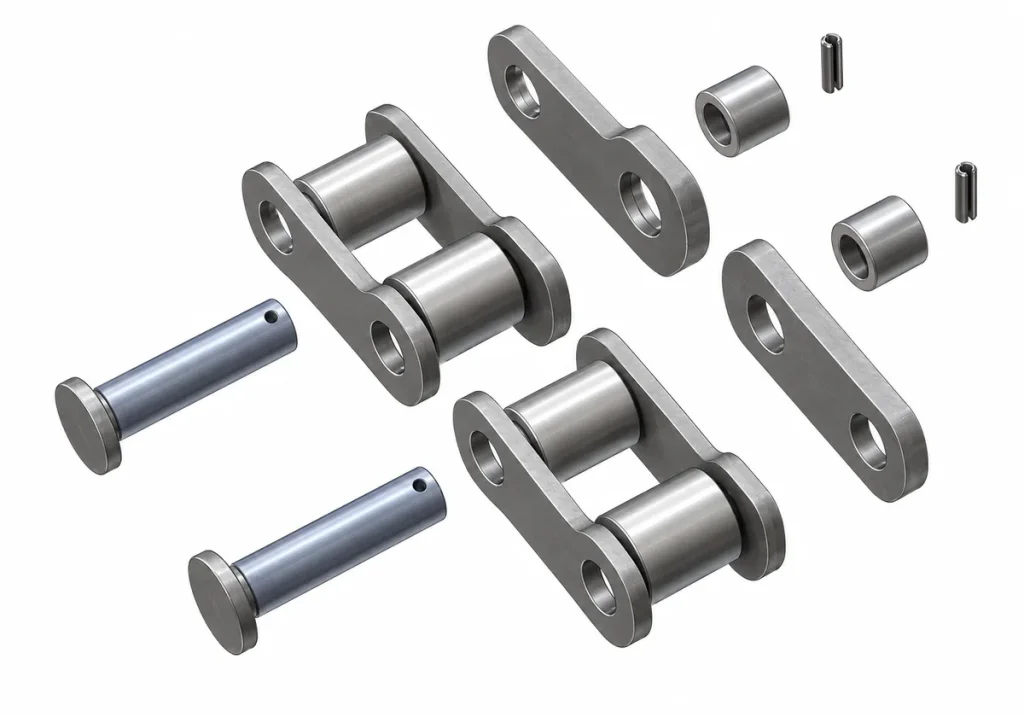
K201B ระบุว่า K201B04 เป็นส่วนปีก (Flight Section) โดยมี K201B007 เป็นหัวขูด (Scraper Head) และ K201B008 เป็นแผ่นขูด (Scraper Plate) เป็นส่วนประกอบรอง ส่วน K207B ระบุว่า K207B05 เป็นส่วนปีก (Flight Section), K207B04 เป็นตัวเชื่อมด้านนอกของแผ่นขูด (Scraper Outer Link), K207B008 เป็นหัวขูด (Scraper Head) และ K207B009 เป็นแผ่นขูด (Scraper Plate)
ขั้นตอนที่ 5: เปรียบเทียบรุ่นผลิตภัณฑ์
| จุดเลือก | เค201บี | เค207บี |
|---|---|---|
| ขว้าง | 3 1/2 นิ้ว (89 มม.) | 3 1/2 นิ้ว (88.9 มม.) |
| ความยาวหน่วยโซ่ | 21 นิ้ว (534 มม.) | 21 นิ้ว (533.4 มม.) |
| ความกว้างของใบมีดขูด | 44 2/5 นิ้ว (1127.5 มม.) | 46 นิ้ว (1171.85 มม.) |
| ส่วนการบิน | K201B04 | K207B05 |
| เบาะแสเพิ่มเติมเฉพาะรุ่น | การหาตำแหน่งบูชและสปริงพิน | ข้อต่อด้านนอกของใบมีดขูด, สลักยาว, สลักรูปตัว T |
การเปรียบเทียบแบบจำลองควรจบลงด้วยการตรวจสอบโครงสร้าง ไม่ใช่แค่ตารางเพียงอย่างเดียว หากโซ่ที่มีอยู่มีรูปทรงการบิน โครงสร้างข้อต่อ หรือการจัดเรียงการยึดที่แตกต่างกัน ให้ถือว่าเป็นโครงสร้างที่แตกต่างกัน
ขั้นตอนที่ 6: จัดเตรียมแบบร่างและข้อมูล RFQ
เอกสารขอใบเสนอราคา (RFQ) ที่ดีควรประกอบด้วย รุ่น (ถ้าทราบ), ภาพถ่ายโซ่ทั้งหมด, ภาพระยะใกล้ของข้อต่อและใบพัด, ระยะห่างระหว่างฟันเฟือง, ความยาวต่อหน่วย, ความกว้างของใบมีดขูด, ภาพวาดหรือภาพร่างที่วัดขนาดแล้ว, คำอธิบายการใช้งาน และปริมาณ รวมถึงข้อกำหนดเพิ่มเติมที่ลูกค้าควบคุมได้ เช่น วัสดุ, การอบชุบความร้อน, ความแข็ง, การทดสอบ, การรายงานการตรวจสอบ, การทำเครื่องหมาย หรือการตรวจสอบย้อนกลับ
หากไม่ทราบค่าที่ต้องการ ให้ระบุว่าไม่ทราบค่า ห้ามนำค่าจากแหล่งข้อมูลอื่นมาแทนที่ ข้อมูลที่ขาดหายไปจะได้รับการแก้ไขอย่างชัดเจนในขั้นตอนการชี้แจงทางเทคนิคต่อไป
ข้อผิดพลาดในการเลือกที่พบบ่อย
คัดเลือกโดยพิจารณาจากระดับเสียงเพียงอย่างเดียว โซ่สองเส้นอาจมีระยะห่างระหว่างฟันเฟืองเท่ากัน แต่แตกต่างกันในด้านความกว้าง ความยาวต่อหน่วย รูปทรงของฟันเฟือง หรือโครงสร้างของข้อต่อ
การสันนิษฐานว่าชื่อเครื่องนั้นแสดงถึงความเข้ากันได้ ประวัติการซ่อมบำรุงอุปกรณ์อาจรวมถึงการดัดแปลงหรือการเปลี่ยนชิ้นส่วนก่อนหน้านี้ ตรวจสอบที่โซ่เองด้วย
ไม่สนใจเรขาคณิตการบิน ชุดใบพัด/ใบมีดกวาดไม่ใช่ส่วนประกอบเพื่อความสวยงาม แต่เป็นส่วนหนึ่งของระบบลำเลียง
ใช้ขนาดที่สึกหรอเสมือนเป็นขนาดดั้งเดิม บันทึกค่าที่วัดได้ และหากมี ให้เปรียบเทียบกับแบบร่างต้นฉบับแทนที่จะแก้ไขค่าโดยไม่แจ้งให้ทราบล่วงหน้า
การคัดลอกค่าความตึงหรือขีดจำกัดการสึกหรอจากเครื่องจักรอื่น เกณฑ์การปรับและเปลี่ยนชิ้นส่วนนั้นขึ้นอยู่กับเครื่องจักรและข้อกำหนดเฉพาะ
ส่งภาพถ่ายได้เพียงภาพเดียวเท่านั้น ชุดระบุชิ้นส่วนที่สมบูรณ์ควรแสดงภาพรวมของชิ้นส่วนประกอบทั้งหมด รวมถึงรายละเอียดที่ใช้แยกแยะชิ้นส่วนเชื่อมต่อ ข้อต่อ ร่อง และส่วนประกอบต่างๆ
รายการตรวจสอบการคัดเลือก
ก่อนขอใบเสนอราคา โปรดตรวจสอบให้แน่ใจว่าคำถามนั้นประกอบด้วยบริบทการใช้งาน ระยะห่างระหว่างเกลียว ความยาวต่อหน่วย ความกว้างของใบมีด การจัดเรียงเกลียว โครงสร้างโซ่ ภาพถ่าย ภาพวาด (ถ้ามี) จำนวน และข้อกำหนดทางเทคนิคที่ควบคุมได้ ข้อมูลเหล่านี้จะช่วยให้สามารถเลือกผลิตภัณฑ์ที่เหมาะสม หรือตัดสินใจได้อย่างชัดเจนว่าจำเป็นต้องมีภาพวาดแบบกำหนดเองหรือไม่
จัดทำเอกสารขอเสนอราคา (RFQ)
การสร้างบันทึกการคัดเลือกที่วิศวกรคนอื่นสามารถตรวจสอบได้
บันทึกการเลือกที่ดีควรเข้าใจได้ง่ายสำหรับผู้ที่ไม่ได้อยู่ในสถานที่ขณะทำการวัดโซ่ นั่นหมายความว่าค่าสำคัญทุกค่าจำเป็นต้องมีบริบท สำหรับระยะห่างระหว่างฟันเฟือง ให้ระบุจำนวนฟันเฟืองและจุดอ้างอิงศูนย์กลางของหมุดที่ใช้ สำหรับความกว้างของใบมีดขูด ให้แสดงจุดสิ้นสุด สำหรับความยาวของหน่วยโซ่ ให้ระบุจุดเริ่มต้นและจุดสิ้นสุดของชุดประกอบที่ซ้ำกัน สำหรับระยะห่างระหว่างครีบ ให้แสดงตำแหน่งครีบอย่างน้อยสองตำแหน่งที่ต่อเนื่องกัน เพิ่มรูปถ่ายที่ทำให้เห็นทิศทางได้อย่างชัดเจน
แยก ค่าที่ระบุ จาก การวัดภาคสนามค่าที่ระบุอาจมาจากแคตตาล็อกหรือแบบร่างที่ได้รับการอนุมัติ ในขณะที่การวัดภาคสนามจะอธิบายลักษณะของโซ่ตามสภาพที่เป็นอยู่ในปัจจุบัน ทั้งสองอย่างมีประโยชน์ แต่ให้คำตอบที่แตกต่างกัน การนำข้อมูลทั้งสองมารวมกันในตารางเดียวโดยไม่มีป้ายกำกับ ทำให้ยากที่จะบอกได้ว่าความคลาดเคลื่อนนั้นเกิดจากความคลาดเคลื่อนในการผลิต การสึกหรอ ประวัติการซ่อมแซม หรือเป็นเพียงโซ่คนละเส้น
แบบฟอร์มการคัดเลือกควรระบุสิ่งที่ยังไม่ทราบด้วย หากไม่มีข้อมูลเกี่ยวกับเกรดวัสดุ การอบชุบด้วยความร้อน ความแข็งแรง ความแข็ง การหล่อลื่น หรือข้อกำหนดการตรวจสอบจากข้อมูลผลิตภัณฑ์หรือข้อมูลภาคสนามที่มีอยู่ ให้ทำเครื่องหมายไว้เพื่อขอคำชี้แจง การที่ไม่มีค่าใด ๆ ไม่ได้หมายความว่าสามารถนำค่าจากห่วงโซ่เหมืองแร่อื่นมาใช้ได้
การเลือกโดยใช้แบบจำลองที่ทราบ กับ การเลือกโดยใช้รูปทรงเรขาคณิต
เมื่อข้อมูลอ้างอิงของแบบจำลองมีความน่าเชื่อถือและโซ่ที่ติดตั้งตรงกับโครงสร้างที่ระบุไว้ในเอกสาร การเลือกสามารถเริ่มต้นได้จากบันทึกผลิตภัณฑ์และใช้การวัดภาคสนามเพื่อยืนยัน นั่นเป็นเส้นทางที่ง่ายที่สุดสำหรับการจัดซื้อซ้ำ K201B หรือ K207B
เมื่อไม่ทราบแบบจำลอง ควรเริ่มต้นการเลือกจากรูปทรงเรขาคณิตและการใช้งาน วัดโซ่ บันทึกโครงสร้าง และใช้หน้าแบบจำลองเป็นข้อมูลอ้างอิงในการเปรียบเทียบ แทนที่จะใช้เป็นแบบจำลองที่สมมติขึ้น หากรูปทรงเรขาคณิตใกล้เคียงกับแบบจำลองผลิตภัณฑ์ แต่ไม่เหมือนกัน ให้เก็บโซ่ไว้ในเส้นทางที่วัดได้/กำหนดเอง จนกว่าจะแก้ไขความแตกต่างได้
ความแตกต่างนี้มีความสำคัญสำหรับอุปกรณ์เก่า เบรกเกอร์ป้อนไฟอาจยังคงใช้งานได้แม้ผ่านรอบการซ่อมแซมหลายครั้ง และโซ่ปัจจุบันอาจไม่ตรงกับการกำหนดค่าดั้งเดิมที่แสดงในคู่มือเก่า โซ่ที่ติดตั้ง บันทึกการดัดแปลงที่ได้รับการอนุมัติ และอินเทอร์เฟซอุปกรณ์ปัจจุบันจะต้องได้รับการตรวจสอบให้ตรงกันก่อนที่จะปล่อยโซ่ใหม่
การตรวจสอบหลักฐานเกี่ยวกับโซ่และเฟืองร่วมกัน
การคัดเลือกไม่จำเป็นต้องคิดค้นข้อกำหนดเฉพาะของเฟือง แต่ควรบันทึกสภาพและบริบทการทำงานไว้ ภาพถ่ายของโซ่ที่ติดตั้งบนเฟืองสามารถแสดงให้เห็นว่าโซ่ปัจจุบันทำงานได้สม่ำเสมอหรือไม่ และมีการสัมผัสด้านข้างที่ผิดปกติหรือไม่ หากโซ่เก่าสึกหรออย่างรุนแรงหรือสภาพของเฟืองไม่แน่ชัด ควรระบุข้อมูลนั้นไว้ในการตรวจสอบทางเทคนิคด้วย
ไม่ควรเลือกโซ่ใหม่โดยคิดว่าชิ้นส่วนเครื่องจักรโดยรอบจะเหมาะสมโดยอัตโนมัติ เกณฑ์การบำรุงรักษาอุปกรณ์จะเป็นตัวกำหนดการตัดสินใจนั้น บทบาทของผู้จำหน่ายโซ่คือการรักษารูปทรงเรขาคณิตของโซ่และชี้ให้เห็นหลักฐานที่อาจส่งผลต่อการยืนยันความเหมาะสม
คำถามทางเทคนิคที่ต้องแก้ไขก่อนเสนอราคา
ก่อนที่ใบเสนอราคาจะถือว่าเสร็จสมบูรณ์ทางเทคนิค โปรดตรวจสอบสิ่งต่อไปนี้:
- ไม่ว่าจะเป็นคำถามเกี่ยวกับแบบจำลองผลิตภัณฑ์ การเปลี่ยนทดแทนตามขนาด หรือการออกแบบตามสั่ง
- แบบร่างหรือชุดการวัดใดเป็นชุดอ้างอิงควบคุม
- ระยะห่างระหว่างเกลียว ความยาวของหน่วยซ้ำ ความกว้างของใบมีดขูด และการจัดเรียงเกลียว
- รายละเอียดเฉพาะรุ่น เช่น ข้อต่อ พิน บูช และจุดยึด (ถ้ามี)
- ข้อกำหนดด้านวัสดุ การบำบัด การทดสอบ การตรวจสอบ การทำเครื่องหมาย หรือเอกสารใดๆ ที่ลูกค้าควบคุม
- ระบุปริมาณและไม่ว่าจะเป็นโซ่ที่สมบูรณ์ ความยาวของโซ่ ชุดประกอบปีก หรือขอบเขตการจัดหาที่กำหนดไว้เป็นอย่างอื่น
- ความไม่สอดคล้องกันใดๆ ที่ทราบระหว่างโซ่ที่ติดตั้งกับเอกสารทางประวัติศาสตร์
การรีวิวนี้ช่วยให้การจัดซื้อมีพื้นฐานที่ชัดเจนสำหรับการเปรียบเทียบเชิงพาณิชย์ และลดความเสี่ยงที่ผู้จำหน่ายสองรายจะเสนอราคาที่ตีความคำอธิบายสั้นๆ เดียวกันแตกต่างกัน
ขั้นตอนการตรวจสอบก่อนเลือกโมเดล
ก่อนที่จะแปลงคำสอบถามเป็นคำสั่งซื้อรุ่นเฉพาะ ให้ทำการตรวจสอบยืนยันอีกครั้ง ชื่อรุ่น หลักฐานด้านขนาด และหลักฐานด้านโครงสร้าง ควรชี้ไปยังรูปแบบเดียวกัน สำหรับ K201B นั่นหมายถึงชุดขนาดของ K201B ที่ได้รับการยืนยันแล้ว และโครงสร้างโซ่/ปีกที่บันทึกไว้ สำหรับ K207B นั่นหมายถึงชุดขนาดของ K207B พร้อมกับคุณสมบัติต่างๆ เช่น ข้อต่อด้านนอกของใบมีดขูด และการจัดเรียงหมุด/จุดยึดที่บันทึกไว้
ค่าที่ตรงกันเพียงค่าเดียวไม่เพียงพอ ระยะห่างระหว่างฟันเฟือง 3 1/2 นิ้วอาจเป็นเบาะแสสำคัญ แต่การเลือกยังต้องพิจารณาความยาวของหน่วยที่ซ้ำกัน ความกว้างของใบมีด การจัดเรียงของฟันเฟือง และการเปรียบเทียบโครงสร้างด้วย หากองค์ประกอบเหล่านั้นขัดแย้งกัน ให้คงแบบจำลองนั้นไว้โดยไม่ยืนยัน และย้ายคำถามไปยังขั้นตอนการวัดเพื่อทดแทน หรือการตรวจสอบทางวิศวกรรมแบบกำหนดเอง
ขั้นตอนการยืนยันควรมีผลลัพธ์ที่มองเห็นได้ชัดเจน: ยืนยันรุ่นมาตรฐาน, แบบจำลองมาตรฐานที่มีความคลาดเคลื่อนที่ยังไม่ได้รับการแก้ไข, หรือ โซ่แบบกำหนดเอง/ไม่ระบุการจัดหมวดหมู่แบบง่ายๆ นี้ทำให้ทีมขาย วิศวกรรม และจัดซื้อมีความเข้าใจตรงกันเกี่ยวกับสิ่งที่ได้จัดตั้งขึ้นแล้ว และสิ่งที่ยังไม่ได้จัดตั้งขึ้น
ลำดับชั้นของหลักฐานภายในเอกสารขอเสนอราคา (RFQ)
ข้อมูลทุกชิ้นในเอกสารขอใบเสนอราคา (RFQ) ไม่ได้มีอำนาจความน่าเชื่อถือเท่ากันเสมอไป ภาพวาดที่ได้รับการอนุมัติในปัจจุบันโดยทั่วไปแล้วจะเป็นข้อมูลอ้างอิงทางเทคนิคที่น่าเชื่อถือกว่าภาพถ่ายที่ไม่มีคำอธิบาย การวัดภาคสนามโดยตรงที่มีจุดสิ้นสุดที่ชัดเจนจะมีประโยชน์มากกว่าขนาดที่จำได้ การทำเครื่องหมายบนแบบจำลองที่อ่านได้ชัดเจนจะน่าเชื่อถือกว่าการคาดเดาจากลักษณะที่ปรากฏ คำสั่งซื้อในอดีตสามารถให้บริบทได้ แต่ควรนำมาเปรียบเทียบกับโซ่ที่ติดตั้งแล้วมากกว่าที่จะสันนิษฐานว่าถูกต้องตลอดไป
เมื่อหลักฐานขัดแย้งกัน ให้บันทึกความขัดแย้งนั้นไว้ อย่าหาค่าเฉลี่ยของสองมิติที่แตกต่างกัน หรือเลือกมิติที่ใกล้เคียงกับแบบจำลองผลิตภัณฑ์มากที่สุด แต่ให้ระบุข้อมูลทางเทคนิคของแต่ละค่า และตัดสินใจว่าจำเป็นต้องมีหลักฐานเพิ่มเติมอะไรบ้าง เช่น การวัดซ้ำ ส่วนโซ่ที่สมบูรณ์ ภาพถ่ายที่ชัดเจนขึ้น แบบร่างที่ได้รับการอนุมัติ หรือการยืนยันทางวิศวกรรม
แผนผังการตัดสินใจสำหรับการกำหนดค่าแบบกำหนดเอง
ใช้การตรวจสอบแบบกำหนดเองเมื่อไม่สามารถยืนยันได้ว่าโซ่เป็นรุ่น K201B หรือ K207B หรือเมื่อเครื่องจักรต้องการการกำหนดค่าที่แตกต่างจากข้อมูลจำเพาะของผลิตภัณฑ์ เริ่มต้นด้วยรูปทรงเรขาคณิตพื้นฐาน: ระยะห่างระหว่างฟัน ความยาวของหน่วยซ้ำ ความกว้างของใบมีด ระยะห่างระหว่างใบมีด และการจัดเรียงโซ่/ใบมีด จากนั้นบันทึกโครงสร้างของข้อต่อและจุดเชื่อมต่อ หมุดและบูช รายละเอียดการยึดใบมีด และคุณลักษณะพิเศษที่มองเห็นได้
ถัดไป ให้กำหนดข้อกำหนดด้านการปฏิบัติงานและโครงการที่ลูกค้าควบคุม ซึ่งอาจรวมถึงบริบทของอุปกรณ์และกระบวนการ ปริมาณ ข้อกำหนดด้านแบบร่าง การทำเครื่องหมาย เอกสารการตรวจสอบ/ทดสอบ และข้อกำหนดด้านวัสดุหรือการบำบัดใดๆ ที่ลูกค้าจัดหาให้ อย่าคิดค้นเกรดวัสดุ สูตรการอบชุบความร้อน ค่าความแข็งแรง หรือขีดจำกัดการสึกหรอขึ้นมาเองเพียงเพราะโซ่ที่คล้ายกันใช้แบบนั้น
สุดท้ายนี้ ให้จัดทำแบบร่างหรือข้อกำหนดทางเทคนิคที่แสดงให้เห็นว่าข้อมูลใดได้รับการยืนยันแล้ว และข้อมูลใดที่ยังต้องได้รับการอนุมัติ วัตถุประสงค์ไม่ใช่การทำให้ห่วงโซ่ที่ไม่รู้จักดูเหมือนแบบจำลองผลิตภัณฑ์ แต่เป็นการเปลี่ยนหลักฐานภาคสนามที่ไม่สมบูรณ์ให้เป็นคำจำกัดความทางเทคนิคที่ควบคุมได้ ซึ่งสามารถตรวจสอบได้ก่อนการผลิต
การคัดเลือก การตรวจสอบ การส่งมอบ
เมื่อเลือกสายการผลิตแล้ว ให้โอนบันทึกการตัดสินใจไปยังฝ่ายจัดซื้อและบำรุงรักษา เก็บรักษาแบบจำลองหรือรหัสประจำตัวที่กำหนดเอง แบบร่างที่ได้รับการอนุมัติ สรุปขนาด บันทึกส่วนประกอบ บันทึกการใช้งาน จำนวน และเอกสารที่จำเป็นไว้ด้วยกัน สำหรับการสั่งซื้อซ้ำ ให้ใช้บรรจุภัณฑ์เดียวกันกับข้อมูลอ้างอิงเริ่มต้น และบันทึกการเปลี่ยนแปลงใดๆ แทนที่จะสร้างกระบวนการระบุตัวตนขึ้นใหม่จากความจำ
การส่งมอบงานนี้ยังช่วยปกป้อง SEO และเนื้อหาผลิตภัณฑ์จากการกลายเป็นแหล่งที่มาของการใช้เทคนิคเกินขอบเขต ข้อมูลบนเว็บไซต์สามารถช่วยให้ผู้ซื้อเตรียมการวัดและทำความเข้าใจโครงสร้างของ K201B/K207B ได้ แต่การกำหนดคำสั่งซื้อขั้นสุดท้ายควรควบคุมโดยหลักฐานจากเครื่องจักรจริง