Product Description
CHINAMFG rollers enhance rotation on the bushing while reducing impact loads on the sprocket tooth during operation.
All components are heat treated to achieve maximum strength. All components are heat treated to achieve maximum strength.
Pre-loaded during the manufacturing process to minimize initial elongation.
Hot dipped lubrication ensures 100% lubrication of all chain components to extend wear life and reduce maintenance costs.
| CHC NO. |
PITCH | BUSH WIDTH |
ROLLER DIA |
PIN | PLATE | MIN. STRENGTH |
AVG. STRENGTH |
MAX. STRENGTH |
TRANS PITCH |
|||
| d | L | LC | H | T | ||||||||
| mm | mm | mm | mm | mm | mm | mm | mm | kgf | kgf | kgf | mm | |
| C35-1 | 9.525 | 4.68 | 5.08 | 3.60 | 12.15 | 13.40 | 8.80 | 1.25 | 800 | 1,100 | 220 | NIL |
| C40-1 | 12.700 | 7.85 | 7.92 | 3.98 | 17.80 | 21.00 | 12.00 | 1.50 | 1,420 | 1,950 | 370 | NIL |
| C50-1 | 15.875 | 9.40 | 10.16 | 5.09 | 21.80 | 25.00 | 15.00 | 2.00 | 2,200 | 3,100 | 650 | NIL |
| C60-1 | 19.050 | 12.58 | 11.91 | 5.96 | 26.90 | 31.00 | 18.00 | 2.35 | 3,190 | 4,200 | 920 | NIL |
| C80-1 | 25.400 | 15.75 | 15.87 | 7.94 | 33.50 | 38.00 | 24.10 | 3.20 | 5,680 | 7,500 | 1,500 | NIL |
| C100-1 | 31.750 | 18.90 | 19.05 | 9.54 | 41.10 | 47.00 | 30.10 | 4.00 | 8,870 | 12,100 | 2,300 | NIL |
| C120-1 | 38.100 | 25.23 | 22.22 | 11.11 | 50.80 | 57.00 | 36.20 | 4.70 | 12,770 | 16,000 | 3,100 | NIL |
| C140-1 | 44.450 | 25.23 | 25.40 | 12.71 | 54.90 | 62.00 | 42.20 | 5.50 | 17,380 | 21,000 | 4,100 | NIL |
| C160-1 | 50.800 | 31.55 | 25.87 | 14.29 | 65.50 | 73.00 | 48.20 | 6.40 | 22,700 | 30,000 | 5,400 | NIL |
| C40-2 | 12.700 | 7.85 | 7.92 | 3.98 | 32.30 | 36.20 | 12.00 | 1.50 | 2,840 | 3,900 | 630 | 14.38 |
| C50-2 | 15.875 | 9.40 | 10.16 | 5.09 | 39.90 | 44.00 | 15.00 | 2.00 | 4,440 | 6,200 | 1,100 | 18.11 |
| C60-2 | 19.050 | 12.58 | 11.92 | 5.96 | 49.80 | 54.40 | 18.00 | 2.35 | 6,380 | 8,400 | 1,530 | 22.78 |
| C80-2 | 25.400 | 15.75 | 15.87 | 7.94 | 62.70 | 68.10 | 24.10 | 3.20 | 11,360 | 15,000 | 2,550 | 29.29 |
| C100-2 | 31.750 | 18.90 | 19.05 | 9.54 | 77.00 | 83.10 | 30.10 | 4.00 | 17,740 | 24,200 | 3,900 | 35.76 |
| C120-2 | 38.100 | 25.23 | 22.22 | 11.11 | 96.30 | 102.90 | 36.20 | 4.70 | 25,540 | 32,000 | 5,250 | 45.44 |
| C140-2 | 44.450 | 25.23 | 25.40 | 12.71 | 103.60 | 111.00 | 42.20 | 5.50 | 347,600 | 42,000 | 6,970 | 48.87 |
| C160-2 | 50.800 | 31.55 | 28.57 | 14.29 | 124.20 | 132.10 | 48.20 | 6.40 | 57,460 | 60,000 | 9,150 | 58.55 |
| Usage: | Transmission Chain, Conveyor Chain, Roller Chain |
|---|---|
| Material: | Alloy/Carbon Steel |
| Surface Treatment: | Polishing |
| Feature: | Heat Resistant |
| Chain Size: | 3/8"*2" |
| Structure: | Roller Chain |
| Customization: |
Available
| Customized Request |
|---|

How do you ensure proper tensioning and alignment of a conveyor chain?
Proper tensioning and alignment are essential for the efficient and reliable operation of a conveyor chain. Here are the steps to ensure correct tensioning and alignment:
1. Initial Installation:
– Ensure that the conveyor frame and supports are properly aligned and leveled before installing the chain. Any misalignment or unevenness can lead to tensioning and alignment issues.
– Follow the manufacturer’s guidelines and specifications for chain installation. This includes proper placement of sprockets, tensioners, and guides.
2. Tensioning:
– Adjust the tension of the chain to the manufacturer’s recommended specifications. Proper tension prevents excessive sagging or tightness, reducing wear and extending the chain’s life.
– Use tensioning devices, such as adjustable take-up units or tensioning screws, to achieve the desired tension. Refer to the manufacturer’s guidelines for the appropriate method of tensioning for your specific conveyor chain.
– Regularly check and adjust the tension as needed. Factors such as chain wear, load variations, and temperature changes can affect the chain’s tension over time.
3. Alignment:
– Check the alignment of the chain with respect to the sprockets and guides. Misalignment can cause uneven wear, increased friction, and premature failure of the chain.
– Inspect the alignment by visually examining the chain’s path along the sprockets and guides. It should run smoothly without any signs of rubbing or excessive deviation.
– Use alignment tools, such as laser alignment devices or straightedges, to accurately assess and correct any misalignment. Adjust the position of sprockets, guides, and supports as necessary.
4. Regular Maintenance:
– Implement a scheduled maintenance program to regularly inspect and maintain proper tensioning and alignment of the conveyor chain.
– Monitor the chain’s performance, including wear patterns, noise levels, and power consumption, as indicators of potential tensioning or alignment issues.
– Keep the chain clean and free from debris or contaminants that can affect its movement and alignment.
By following these steps and regularly monitoring the tensioning and alignment of the conveyor chain, you can ensure smooth and reliable operation, minimize chain wear, and reduce the risk of unexpected failures.
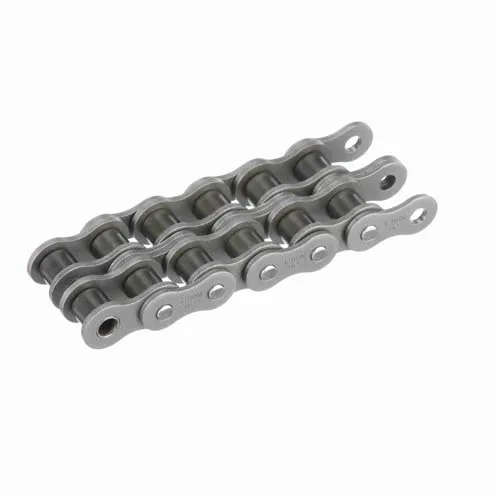
What are the benefits of using a modular conveyor chain system?
A modular conveyor chain system offers several benefits in terms of flexibility, efficiency, and ease of maintenance. Here are some key advantages:
1. Versatility: Modular conveyor chains are designed with interlocking modules that can be easily connected and disconnected. This allows for flexibility in configuring the conveyor system according to specific layout requirements, production needs, or space limitations. Modules can be added, removed, or repositioned to accommodate changing production processes or product variations.
2. Customizability: The modular design of the conveyor chain system enables customization to meet specific application requirements. Different types of modules are available, including straight sections, curves, inclines, declines, merges, and diverters. Accessories such as side guides, cleats, or product hold-downs can be easily integrated into the system.
3. Quick Installation and Modification: Modular conveyor chains are designed for easy installation and modification. With their snap-in or snap-on connections, modules can be rapidly assembled or disassembled, reducing downtime during system setup or reconfiguration. This feature also facilitates maintenance, repairs, or future expansions.
4. Enhanced Efficiency: The modularity of the conveyor chain system allows for efficient material handling and optimized workflow. The smooth transfer between modules minimizes product jams or misalignments, ensuring a continuous and consistent flow of materials. The ability to incorporate curves or inclines in the system enables efficient use of floor space and facilitates the movement of products through different elevations.
5. Easy Maintenance: Modular conveyor chain systems are designed for ease of maintenance. Individual modules can be easily accessed and replaced without disassembling the entire system. This reduces maintenance time and costs. Additionally, the open structure of the modules allows for easy cleaning, debris removal, and inspection.
6. Durability and Reliability: Modular conveyor chains are typically made from high-quality materials such as plastic or stainless steel, ensuring durability and long-lasting performance. They are resistant to wear, corrosion, and chemical damage, making them suitable for various industrial environments. The interlocking design provides stability and prevents chain slippage during operation.
7. Safety Features: Modular conveyor chain systems can incorporate safety features such as emergency stop buttons, safety guarding, or sensors for detecting blockages or excessive loads. These features help maintain a safe working environment for operators and protect the integrity of the products being transported.
Overall, a modular conveyor chain system offers versatility, customizability, efficiency, and ease of maintenance. It is a reliable solution for material handling in industries such as manufacturing, packaging, distribution, and logistics.
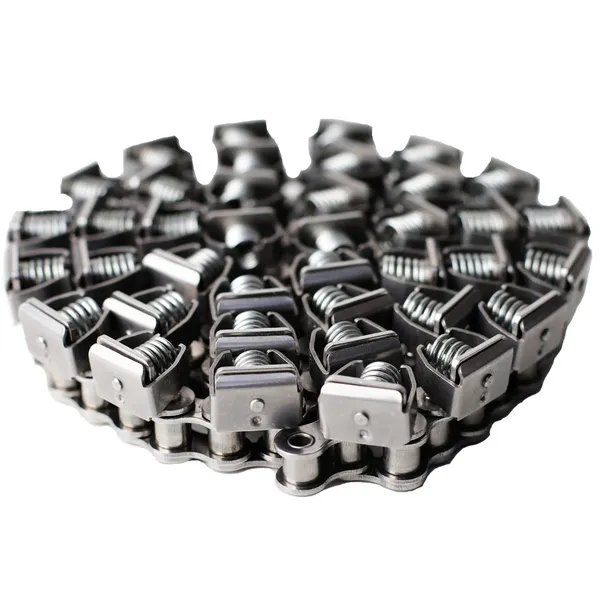
What is the load capacity of a conveyor chain?
The load capacity of a conveyor chain depends on various factors, including the chain design, material, size, and the operating conditions. It is crucial to consider the specific application requirements when determining the load capacity of a conveyor chain. Here are some key factors to consider:
- Chain Design: Different types of conveyor chains have varying load capacities. The chain design includes factors such as the type of links, their configuration, and the presence of attachments or rollers.
- Material: The material used to manufacture the conveyor chain significantly affects its load capacity. Common materials include steel, stainless steel, and plastic. Steel chains are generally more robust and have higher load-bearing capabilities.
- Chain Size: The size of the conveyor chain, including the pitch and width, plays a role in determining its load capacity. Larger chains with wider links tend to have higher load capacities.
- Operating Conditions: Factors such as the speed of the conveyor, the type and weight of the transported materials, and the environmental conditions (temperature, humidity, etc.) can impact the load capacity of the chain.
- Manufacturer Specifications: It is essential to consult the manufacturer’s specifications and guidelines for the specific conveyor chain being used. Manufacturers typically provide load capacity charts or tables based on their chain designs.
The load capacity of a conveyor chain is typically specified in terms of its maximum allowable working load or breaking strength. These values are determined through rigorous testing and engineering calculations. To ensure safe and efficient operation, it is important to select a conveyor chain that has a load capacity suitable for the intended application. Exceeding the recommended load capacity can lead to premature wear, chain failure, and potential safety hazards.


editor by CX 2023-10-11
China Professional 10A-2 A Series Short Pitch Roller Chains Short Pitch Transmission Roller Chain
Product Description
CZPT rollers enhance rotation on the bushing while reducing impact loads on the sprocket tooth during operation.
All components are heat treated to achieve maximum strength. All components are heat treated to achieve maximum strength.
Pre-loaded during the manufacturing process to minimize initial elongation.
Hot dipped lubrication ensures 100% lubrication of all chain components to extend wear life and reduce maintenance costs.
| ISO NO. |
ANSI NO. |
PITCH | BUSH WIDTH |
ROLLER DIA |
PIN | PLATE | TRANS PITCH |
MIN. STRENGTH |
AVG. STRENGTH |
WEIGHT | |||
| d | L1 | L2 | H | t/T | |||||||||
| mm | mm | mm | mm | mm | mm | mm | mm | mm | kgf | kgf | kg/m | ||
| *04C-2 | *25-2 | 6.350 | 3.18 | 3.30 | 2.31 | 7.10 | 7.90 | 5.90 | 0.75 | 6.40 | 7.00 | 8.60 | 0.28 |
| *06C-2 | *36-2 | 9.525 | 4.77 | 5.08 | 3.58 | 11.10 | 12.30 | 9.00 | 1.27 | 10.13 | 15.80 | 20.00 | 0.69 |
| 08A-2 | 40-2 | 12.700 | 7.85 | 7.77 | 3.96 | 15.50 | 16.70 | 12.00 | 1.52 | 14.38 | 27.60 | 34.50 | 1.30 |
| 571A-2 | 50-2 | 15.875 | 9.40 | 10.16 | 5.08 | 19.30 | 20.70 | 15.00 | 2.00 | 18.11 | 43.60 | 59.50 | 2.08 |
| 012A-2 | 60-2 | 19.050 | 12.57 | 11.91 | 5.94 | 24.05 | 25.95 | 18.00 | 2.40 | 22.78 | 62.30 | 80.60 | 3.09 |
| 016A-2 | 80-2 | 25.400 | 15.75 | 15.88 | 7.92 | 30.75 | 33.15 | 23.50 | 3.20 | 29.29 | 111.20 | 134.80 | 5.29 |
| 571A-2 | 100-2 | 31.750 | 18.90 | 19.05 | 9.52 | 37.70 | 41.10 | 30.00 | 4.00 | 35.76 | 173.50 | 224.30 | 8.01 |
| 571A-2 | 120-2 | 38.100 | 25.22 | 22.23 | 11.10 | 47.75 | 51.05 | 35.80 | 4.90 | 45.44 | 249.10 | 326.40 | 11.84 |
| 571A-2 | 140-2 | 44.450 | 25.22 | 25.40 | 12.70 | 51.35 | 55.35 | 41.50 | 5.60 | 48.87 | 338.10 | 409.00 | 14.89 |
| 032A-2 | 160-2 | 50.800 | 31.55 | 28.58 | 14.27 | 61.35 | 65.05 | 48.00 | 6.40 | 58.55 | 444.80 | 556.80 | 20.26 |
| 036A-2 | 180-2 | 57.150 | 35.48 | 35.71 | 17.46 | 69.25 | 73.65 | 54.00 | 7.20 | 65.84 | 560.50 | 652.80 | 27.62 |
| 040A-2 | 200-2 | 63.500 | 37.85 | 39.68 | 19.84 | 75.35 | 79.65 | 59.60 | 8.00 | 71.55 | 693.90 | 921.60 | 33.64 |
| Usage: | Transmission Chain, Conveyor Chain, Roller Chain |
|---|---|
| Material: | Alloy/Carbon Steel |
| Surface Treatment: | Polishing |
| Feature: | Heat Resistant |
| Chain Size: | 1/4"~3" |
| Structure: | Roller Chain |
| Samples: |
US$ 10/Meter
1 Meter(Min.Order) | |
|---|
| Customization: |
Available
| Customized Request |
|---|
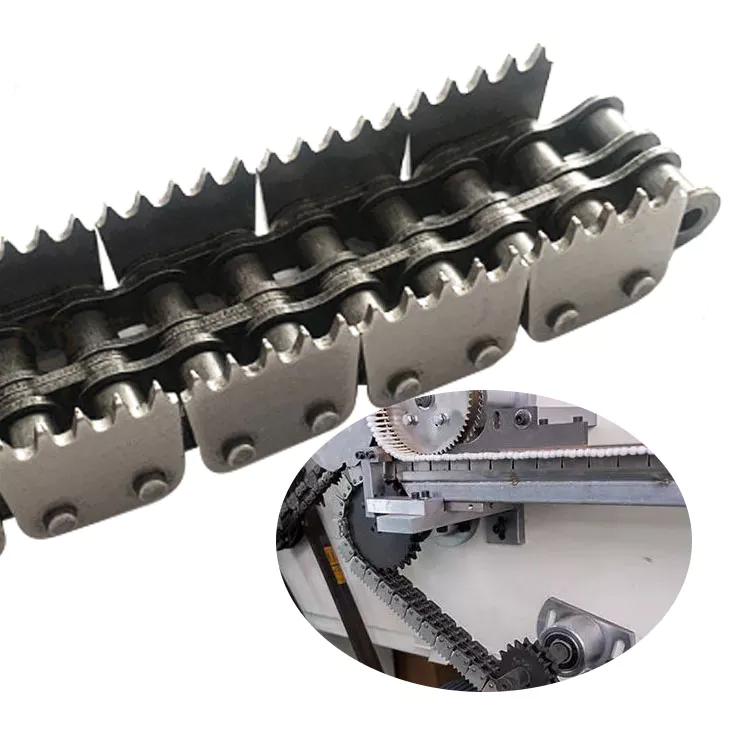
What are the benefits of using a silent conveyor chain?
A silent conveyor chain, also known as a noise-reducing conveyor chain, offers several advantages in conveyor system applications:
1. Noise Reduction:
– One of the primary benefits of using a silent conveyor chain is the significant reduction in noise levels. These chains are specifically designed to minimize the noise generated during operation, creating a quieter and more comfortable working environment.
2. Improved Work Environment:
– By reducing noise levels, a silent conveyor chain contributes to a better work environment, particularly in settings where noise reduction is important, such as manufacturing facilities, warehouses, and distribution centers. It helps reduce employee fatigue, enhances communication, and improves overall worker satisfaction.
3. Compliance with Noise Regulations:
– In some industries or regions, there are specific noise regulations that must be met. Using a silent conveyor chain helps ensure compliance with these regulations, avoiding potential penalties and legal issues.
4. Increased Productivity:
– A quieter working environment created by a silent conveyor chain can lead to increased productivity. With reduced noise distractions, employees can focus better on their tasks, resulting in improved efficiency and output.
5. Extended Chain and Equipment Life:
– Silent conveyor chains are often designed with advanced materials and technologies that offer enhanced wear resistance and durability. They can withstand heavy loads, reduce friction, and minimize wear and tear on both the chain and the associated equipment, resulting in longer service life and reduced maintenance costs.
6. Versatility:
– Silent conveyor chains are available in various configurations and designs, making them compatible with a wide range of conveyor systems and applications. They can be used in different industries, including automotive, food processing, packaging, and more.
When considering a silent conveyor chain, it is important to consult with a reputable chain manufacturer or supplier to ensure the chain meets the specific requirements of the application.
How do you calculate the power requirements for a conveyor chain?
Calculating the power requirements for a conveyor chain involves considering various factors. Here’s a step-by-step process:
1. Determine the total weight to be transported: Measure or estimate the total weight of the material or product that will be carried by the conveyor chain. This includes the weight of the product itself, any packaging, and additional loads.
2. Determine the speed of the conveyor: Determine the desired speed at which the conveyor chain will operate. This is typically measured in feet per minute (FPM) or meters per second (m/s).
3. Calculate the required capacity: Multiply the total weight by the desired speed to determine the required capacity of the conveyor system. This will give you the weight per unit of time (e.g., pounds per minute or kilograms per hour).
4. Consider the conveyor’s design factors: Take into account various design factors such as the type and pitch of the conveyor chain, the coefficient of friction between the chain and the conveyor components, and any incline or decline angles of the conveyor system. These factors affect the power requirements.
5. Determine the required power: Use the following formula to calculate the power requirements:
Power (in horsepower) = (Capacity × Friction Factor) ÷ (33,000 × Efficiency)
Where:
– Capacity is the weight per unit of time (from step 3)
– Friction Factor is the ratio of chain tension to chain weight, taking into account the design factors
– 33,000 is a conversion factor to convert the units to horsepower
– Efficiency is the overall efficiency of the conveyor system, typically expressed as a decimal value (e.g., 0.95 for 95% efficiency)
6. Select a suitable motor: Based on the calculated power requirements, select a motor that can provide the necessary power to drive the conveyor chain. Consider factors such as motor type, motor efficiency, and overload capacity.
It’s important to note that the power requirements may vary depending on specific conveyor system designs and operating conditions. Consulting with a qualified engineer or conveyor manufacturer is recommended to ensure accurate calculations and proper motor selection.
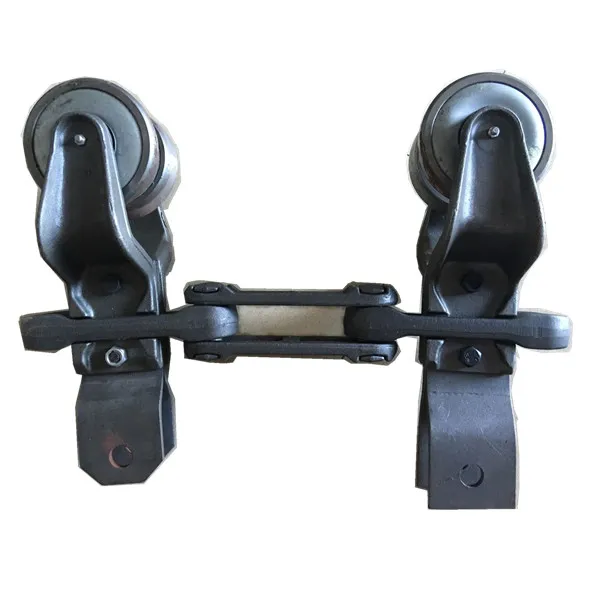
How do you optimize the efficiency of a conveyor chain system?
To optimize the efficiency of a conveyor chain system, several factors should be considered and implemented:
1. System Design: Ensure that the conveyor system is properly designed to minimize energy losses, reduce friction, and optimize material flow. Consider factors such as conveyor length, incline/decline angles, and the number and placement of drive units to achieve efficient operation.
2. Chain Selection: Select the appropriate conveyor chain based on the specific application requirements, such as load capacity, speed, and environmental conditions. Consider factors like chain material, pitch, and strength to ensure optimal performance and longevity.
3. Lubrication: Proper lubrication of the conveyor chain is essential for reducing friction, wear, and power consumption. Choose the right lubricant for the application and regularly maintain the lubrication levels to ensure smooth chain operation.
4. Tensioning and Alignment: Regularly inspect and adjust the tension and alignment of the conveyor chain to prevent excessive slack or tightness. Proper tensioning and alignment help to minimize chain wear, reduce energy losses, and ensure consistent performance.
5. Preventive Maintenance: Implement a regular maintenance program to identify and address potential issues before they escalate. This includes cleaning the chain, inspecting sprockets and guides, replacing worn components, and checking for proper tension and alignment. A well-maintained system reduces downtime and extends the life of the chain.
6. System Monitoring: Utilize monitoring tools such as sensors, cameras, or automated systems to track the performance of the conveyor chain system. Monitoring can provide valuable data on chain tension, alignment, speed, and power consumption, allowing for timely adjustments and optimization.
7. Training and Operator Awareness: Train operators on best practices for operating and maintaining the conveyor chain system. Promote awareness of energy efficiency, proper handling, and safety protocols to ensure optimal system performance.
By considering these factors and implementing appropriate measures, the efficiency of a conveyor chain system can be optimized, leading to improved productivity, reduced energy consumption, and longer chain life.
editor by CX 2023-09-06
China best 10A-2 A Series Short Pitch Roller Chains Short Pitch Transmission Roller Chain
Product Description
CZPT rollers enhance rotation on the bushing while reducing impact loads on the sprocket tooth during operation.
All components are heat treated to achieve maximum strength. All components are heat treated to achieve maximum strength.
Pre-loaded during the manufacturing process to minimize initial elongation.
Hot dipped lubrication ensures 100% lubrication of all chain components to extend wear life and reduce maintenance costs.
| ISO NO. |
ANSI NO. |
PITCH | BUSH WIDTH |
ROLLER DIA |
PIN | PLATE | TRANS PITCH |
MIN. STRENGTH |
AVG. STRENGTH |
WEIGHT | |||
| d | L1 | L2 | H | t/T | |||||||||
| mm | mm | mm | mm | mm | mm | mm | mm | mm | kgf | kgf | kg/m | ||
| *04C-2 | *25-2 | 6.350 | 3.18 | 3.30 | 2.31 | 7.10 | 7.90 | 5.90 | 0.75 | 6.40 | 7.00 | 8.60 | 0.28 |
| *06C-2 | *36-2 | 9.525 | 4.77 | 5.08 | 3.58 | 11.10 | 12.30 | 9.00 | 1.27 | 10.13 | 15.80 | 20.00 | 0.69 |
| 08A-2 | 40-2 | 12.700 | 7.85 | 7.77 | 3.96 | 15.50 | 16.70 | 12.00 | 1.52 | 14.38 | 27.60 | 34.50 | 1.30 |
| 571A-2 | 50-2 | 15.875 | 9.40 | 10.16 | 5.08 | 19.30 | 20.70 | 15.00 | 2.00 | 18.11 | 43.60 | 59.50 | 2.08 |
| 012A-2 | 60-2 | 19.050 | 12.57 | 11.91 | 5.94 | 24.05 | 25.95 | 18.00 | 2.40 | 22.78 | 62.30 | 80.60 | 3.09 |
| 016A-2 | 80-2 | 25.400 | 15.75 | 15.88 | 7.92 | 30.75 | 33.15 | 23.50 | 3.20 | 29.29 | 111.20 | 134.80 | 5.29 |
| 571A-2 | 100-2 | 31.750 | 18.90 | 19.05 | 9.52 | 37.70 | 41.10 | 30.00 | 4.00 | 35.76 | 173.50 | 224.30 | 8.01 |
| 571A-2 | 120-2 | 38.100 | 25.22 | 22.23 | 11.10 | 47.75 | 51.05 | 35.80 | 4.90 | 45.44 | 249.10 | 326.40 | 11.84 |
| 571A-2 | 140-2 | 44.450 | 25.22 | 25.40 | 12.70 | 51.35 | 55.35 | 41.50 | 5.60 | 48.87 | 338.10 | 409.00 | 14.89 |
| 032A-2 | 160-2 | 50.800 | 31.55 | 28.58 | 14.27 | 61.35 | 65.05 | 48.00 | 6.40 | 58.55 | 444.80 | 556.80 | 20.26 |
| 036A-2 | 180-2 | 57.150 | 35.48 | 35.71 | 17.46 | 69.25 | 73.65 | 54.00 | 7.20 | 65.84 | 560.50 | 652.80 | 27.62 |
| 040A-2 | 200-2 | 63.500 | 37.85 | 39.68 | 19.84 | 75.35 | 79.65 | 59.60 | 8.00 | 71.55 | 693.90 | 921.60 | 33.64 |
| Usage: | Transmission Chain, Conveyor Chain, Roller Chain |
|---|---|
| Material: | Alloy/Carbon Steel |
| Surface Treatment: | Polishing |
| Feature: | Heat Resistant |
| Chain Size: | 1/4"~3" |
| Structure: | Roller Chain |
| Samples: |
US$ 10/Meter
1 Meter(Min.Order) | |
|---|
| Customization: |
Available
| Customized Request |
|---|
What are the considerations for selecting a low-maintenance conveyor chain?
When selecting a low-maintenance conveyor chain, several considerations should be taken into account:
1. Material Selection:
– Choose a conveyor chain made from materials that are resistant to wear, corrosion, and contamination. Stainless steel, plastic, or self-lubricating chains are commonly used for their durability and low maintenance requirements.
2. Lubrication-Free Design:
– Look for conveyor chains that have a self-lubricating design or are pre-lubricated with materials that reduce friction and eliminate the need for additional lubrication. This helps to minimize maintenance tasks associated with regular lubrication.
3. Sealed Construction:
– Consider conveyor chains with sealed construction to prevent the ingress of dirt, debris, and moisture. Sealed chains require less frequent cleaning and maintenance, making them ideal for low-maintenance applications.
4. Easy Cleaning:
– Opt for conveyor chains that are designed for easy cleaning. Smooth surfaces, open structures, and accessible components allow for quick and efficient cleaning, reducing maintenance time and effort.
5. Resistance to Contamination:
– Select a conveyor chain that is resistant to contamination. This includes resistance to chemicals, oils, greases, and other substances commonly found in the application environment. Chains that can withstand contamination require less frequent cleaning and maintenance.
6. Wear Monitoring:
– Look for conveyor chains that have wear monitoring features, such as wear indicators or sensors. These features help to identify chain wear and provide timely maintenance alerts, allowing for proactive replacement or adjustment.
7. Manufacturer Support:
– Consider the support provided by the chain manufacturer. A reputable manufacturer will offer guidance on maintenance intervals, replacement schedules, and provide technical assistance to ensure the proper functioning of the chain.
By considering these factors, you can select a low-maintenance conveyor chain that minimizes the need for frequent inspections, lubrication, cleaning, and replacement, resulting in reduced maintenance efforts and costs.
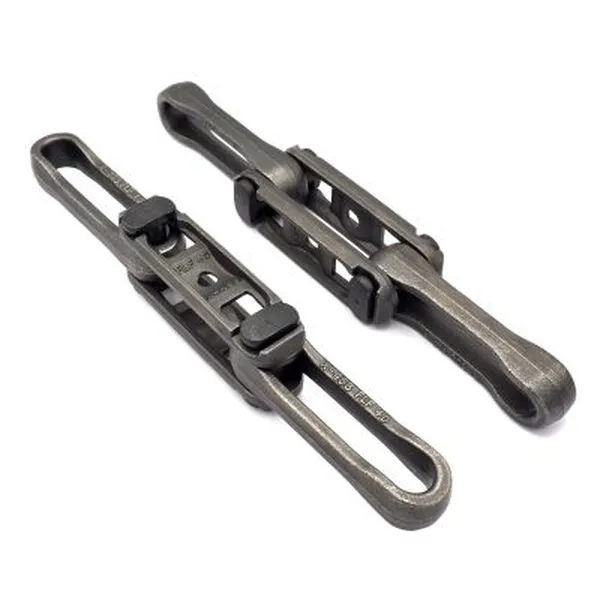
What are the safety measures for working with heavy-duty conveyor chains?
Working with heavy-duty conveyor chains requires strict adherence to safety measures to protect the workers and maintain a safe working environment. Here are some important safety measures to consider:
1. Proper Training: All personnel involved in working with conveyor chains should receive comprehensive training on the safe operation and maintenance of the equipment. This includes understanding the potential hazards, safety procedures, and proper use of personal protective equipment (PPE).
2. Equipment Inspection: Regular inspection of the conveyor chain and associated components is crucial to identify any signs of wear, damage, or malfunction. This includes checking for loose fasteners, worn sprockets, misalignment, and any other potential hazards. Any issues should be addressed promptly to prevent accidents.
3. Lockout/Tagout: Before performing any maintenance or repair tasks on the conveyor chain, proper lockout/tagout procedures must be followed. This ensures that the equipment is de-energized and isolated from any power source to prevent accidental startup or movement.
4. Personal Protective Equipment (PPE): Workers should wear appropriate PPE, including safety glasses, gloves, steel-toed boots, and hearing protection. The specific PPE requirements may vary depending on the nature of the work and the potential hazards involved.
5. Safe Work Practices: Workers should follow safe work practices, such as avoiding loose clothing or jewelry that can get caught in the chain, keeping hands and clothing clear of moving parts, and using proper lifting techniques when handling heavy loads.
6. Emergency Stop Systems: Conveyor systems should be equipped with emergency stop buttons or pull cords that allow workers to quickly stop the chain in case of an emergency or hazardous situation.
7. Regular Maintenance: Scheduled maintenance and lubrication of the conveyor chain should be performed according to the manufacturer’s recommendations. This helps to ensure optimal performance and minimize the risk of unexpected failures.
8. Clear Warning Signs and Labels: Proper signage, warning labels, and safety instructions should be clearly displayed near the conveyor chain system to remind workers of potential hazards and safe operating procedures.
9. Regular Safety Training and Communication: Ongoing safety training and communication among the workforce are vital to reinforce safe practices and raise awareness of any changes or updates to safety protocols.
By implementing these safety measures and fostering a safety-conscious culture, the risks associated with working with heavy-duty conveyor chains can be minimized, ensuring the well-being of the workers and the efficient operation of the equipment.
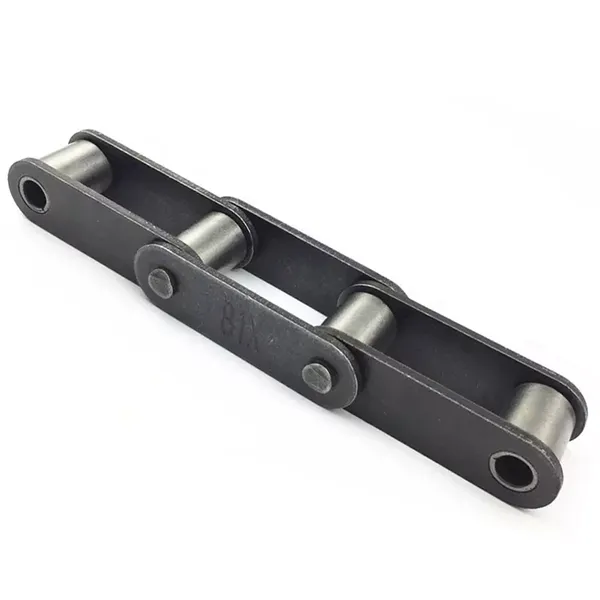
What are the common causes of conveyor chain failures?
Conveyor chain failures can occur due to various reasons, and identifying the root cause is crucial for preventing future issues. Here are some common causes of conveyor chain failures:
- Lack of Lubrication: Insufficient or improper lubrication can lead to increased friction and wear on the chain components, resulting in premature failure.
- Excessive Load: Overloading the conveyor chain beyond its rated capacity can cause excessive stress and strain, leading to chain elongation, deformation, or link breakage.
- Misalignment: Improper alignment of the conveyor chain can cause uneven loading and excessive wear on specific areas, leading to chain failure.
- Environmental Factors: Harsh operating environments, such as high temperatures, corrosive substances, or abrasive materials, can accelerate chain wear and corrosion, leading to failure.
- Foreign Objects: The presence of foreign objects or debris on the conveyor system can interfere with the movement of the chain, causing jamming, binding, or chain damage.
- Poor Maintenance: Inadequate maintenance practices, such as irregular inspections, failure to address minor issues promptly, or neglecting to replace worn components, can contribute to chain failures.
- Incorrect Installation: Improper installation, including incorrect tensioning, misalignment, or using incompatible components, can result in premature chain failure.
- Fatigue and Wear: Continuous operation over time can lead to fatigue and wear in the chain, especially in high-speed or heavy-duty applications, resulting in eventual failure.
Regular maintenance, proper lubrication, adequate training for operators, and adherence to manufacturer guidelines can help mitigate these common causes of conveyor chain failures. Conducting routine inspections, promptly addressing issues, and replacing worn components can also significantly extend the life of the conveyor chain.
editor by CX 2023-07-24
China 18 K Gold English letters A to Z Stainless Steel Pendant Clavicle Chain Necklace Earring Set challenge roller chain
Design Amount: 177
Jewellery Primary Substance: Stainless steel
Materials Type: Stainless Metal
Diamond form: Other
Pearl Kind: Other
Gender: Unisex, Women’s, Men’s
Major Stone: Other
Jewelry Kind: NECKLACES
Necklaces Sort: Chains
Occasion: Anniversary, Reward, Celebration
Certificate Sort: Third Get together Appraisal
Chain Variety: Hyperlink Chain
Plating: Gold Plated
Shapepattern: Letter
Fashion: Classic
Spiritual Sort: Other
Inlay technological innovation: Micro insert
Solution name: SKR necklace
Coloration: Silver Color
MOQ: 3 pcs
Best Offering Specification
| Material | Stainless Steel |
| Size | Chain Length (forty+5 cm) |
| Pendant | about twenty mm |
| Payment | TT,credit history card,on the web Lender payment |
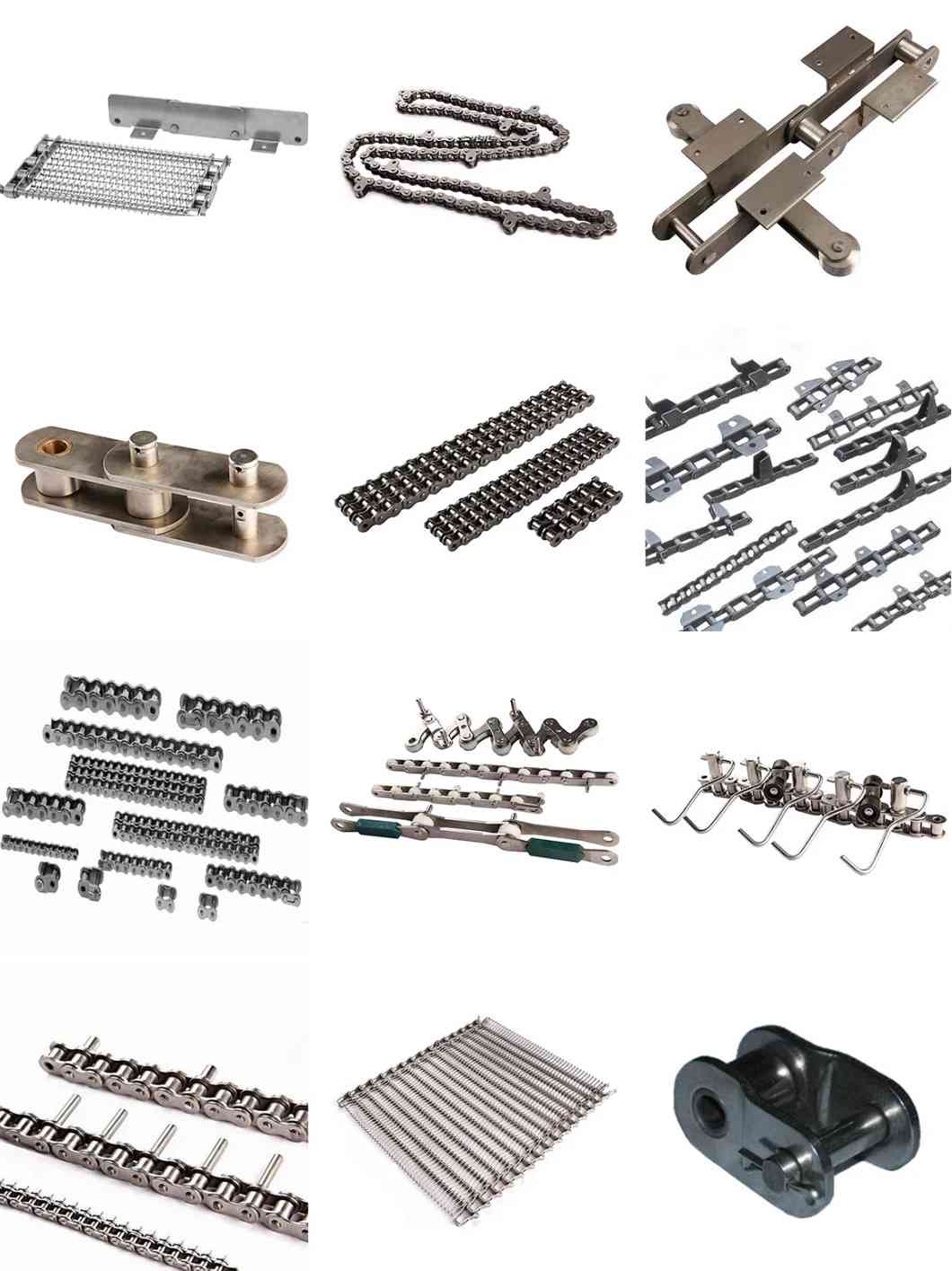
How to choose a drive chain
The process of manufacturing a drive chain starts with bushing. Both inner and outer diameters are strictly measured to ensure tight tolerances. The roundness of the bushing is critical as irregular surfaces in the contact area can cause accelerated wear and shorten chain life. That’s why the CZPT manufacturing process is carefully designed to optimize the wear performance of the chain. There are several types of bushings including roller, forged rivetless, flat top, and timing.
roller chain
The tensile strength of a roller chain is the number of pounds it can withstand before breaking. Fatigue strength is equally important, although the two do not necessarily go hand in hand. Fatigue strength depends on several factors, including the quality of steel used in manufacturing, the quality of the pitch holes, the type of shot peening used, and the thickness and design of the link plates. Here are some things to consider when choosing a roller chain for a drive chain.
When sizing a chain, first determine how much power will be delivered. Then, determine how many teeth you need for the drive sprocket. The gear ratio is approximately 2:1. The number of sprocket teeth depends on the size of the motor. A chain with a higher tooth count requires fewer teeth than a smaller chain. The size of the drive sprocket also depends on the horsepower of the motor.
Before installing rollers or conveyor chains, make sure the drive system is properly aligned. If the drive chain is misaligned, the load on other components will be uneven. This can cause excessive wear on the sprocket or roller chain. Also, check that the sprocket is as close to the bearing as possible. Connecting links can be secured using openings or spring clips.
Different manufacturing processes can affect the performance of the roller chain. Some manufacturers have chains pre-installed at the factory to minimize initial stretch. Others build chains by preloading sprockets and ensuring consistent precision heat treatment. The final product may have greater elongation or less wear than previous products. It is best to follow the manufacturer’s recommendations to extend the life of the roller chain. If you are interested in purchasing a new drive chain, please contact a trusted supplier in your area.
Drop forged rivetless chain
Forged rivetless drive chains are ideal for applications where flexibility and strength are critical. The chain consists of forged steel components for high strength and lightweight. These chain assemblies are easy to assemble without the use of tools and are commonly used on carts, assembly lines, and drag conveyors. They are also compatible with related chain, drive, and accessory products. They have a short turning radius and therefore high flexibility and strength.
The X-348 Forged Rivetless Chain is an example of such a drive chain. This chain is perfect for automated machines that run late at night. It is available in a variety of weight limits and sizes. The chain is pre-stressed after assembly, and a two-year parts replacement warranty is standard. Its durability is also enhanced by the inclusion of push dogs that engage the front floating dogs on the leading free cart.
In addition to this type of chain, CZPT also offers a full line of Caterpillar Drive chains. They are designed to provide fatigue-free operation. The drive jaws are one-piece forged induction hardened steel compatible with forged rivetless chains. There are many special custom chains to choose from. These forged chains can be installed on Caterpillars as well as other types of tractors for maximum durability and efficiency.
Distributors of forged chain products offer a variety of sizes, pitches, and materials for material handling and conveying systems. Typically, this type of chain is used in conveyor and lifting applications and ranges from 3 inches to 9 inches. Depending on size and thickness, it is ideal for a variety of industries including automotive, food, paper, and steel mills. In addition, the chain is corrosion-resistant and corrosion-free.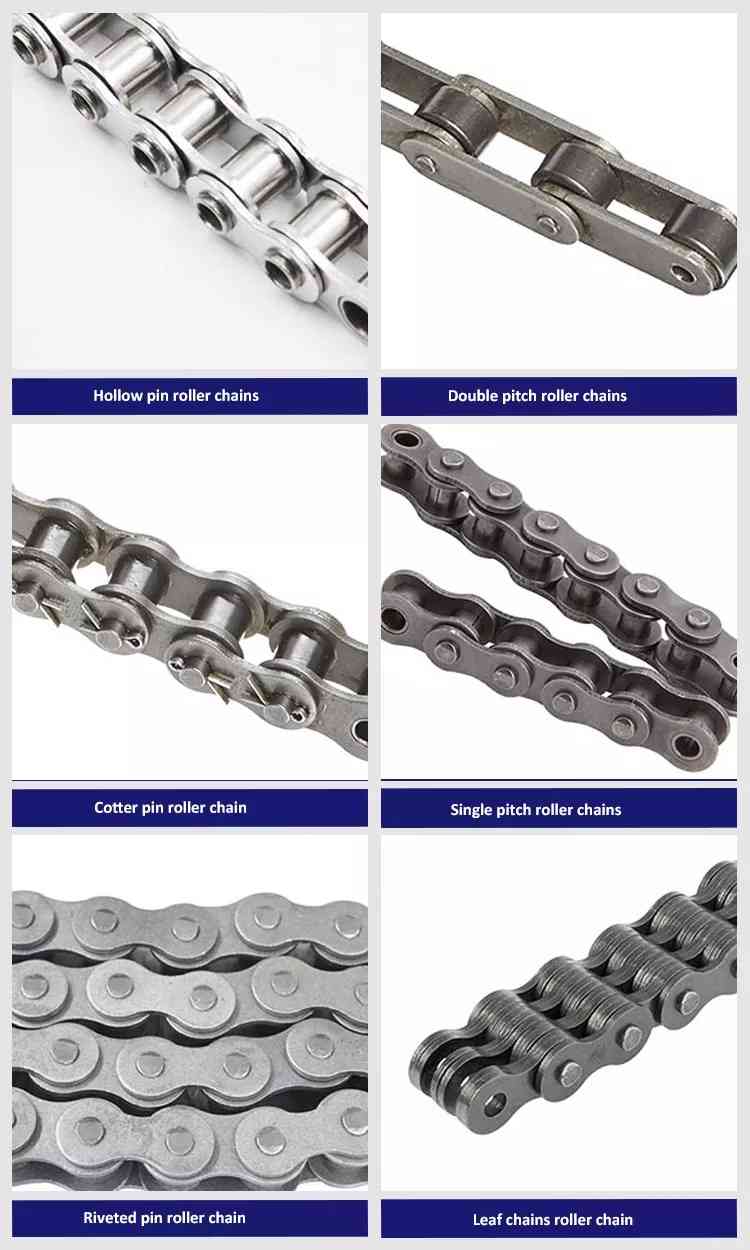
flat top chain
The flat-top drive chain is used for conveying large and medium workpiece pallets. These chains are available in a variety of materials and designs, including plastic, steel, and stainless steel. The steel flat top chain provides high wear resistance and excellent noise reduction. Steel flat-top chains are suitable for applications requiring high loads and excellent workmanship. HD profiles are compatible with steel flat-top chains and are highly recommended for extreme applications.
CZPT produces two types of flat-top chains. Tabletop chains are similar to wing door hinges, while MatTop chains are assembled using full-width pins. Both types are available in standard widths of 3.25 to 12 inches and are shipped in 10-foot sections. Both types can be shaped according to the width of the chain.
Double hinge pin flat-top chains are available with a variety of hinge pins. There are TAB and standard hinge pins for different machines and drive methods. A flat-top chain with dual-hinge pins will provide higher load carrying capacity, but be aware of the hinge pin size and style required for your application. The hinge pins should be long enough to ensure a smooth and smooth delivery. Double hinge pin flat top drive chains are available in a variety of sizes and designs.
Using standardized components and modules, the flat-top chain conveyor system is highly adaptable and can be seamlessly integrated into any production process. It can also be extended to handle a wider range of containers. Using a single drive, the CZPT system can be extended to a length of 40 meters. Its versatility makes it the choice of many industries. There is also a wide variety of flat-top drive chains to choose from.
time chain
The drive chain is a critical component of any internal combustion engine. They transmit the rotation of the crankshaft to the camshaft via the timing chain. These chains have been standard in cars since the turn of the 20th century, and while toothed belts have become a more cost-effective alternative, manufacturers such as Mercedes-Benz and BMW remain loyal to traditional chain drives.
Timing chains come in many shapes and sizes, with different designs depending on the type of load they must carry. Roller chains are the most common and offer an excellent balance of strength and NVH performance. Its design is similar to a bicycle chain, and the inner link consists of two blades pressed into the holes of the sprocket. Roller chains can also pass through smaller diameter sprockets, and roller chains take up less space than chain links.
The length of the chain allows it to stretch over time. In addition, improper oil maintenance can lead to premature timing chain damage. Without an oil change, the chain is not lubricated, causing the rollers and links to rub against each other. This can cause excessive chain wear and eventually chain breakage. To avoid premature timing chain failure, it is advisable to have your vehicle inspected by a mechanic.
For automotive timing chains, the CZPT website offers the best prices for the timing chain you need. You can find the right timing chain for your car by registering on this website. You can also contact a mechanic to get the parts you need. If you don’t know how to diagnose your timing mechanism, you can always check the owner’s manual or the manufacturer’s website. It is critical to follow the manufacturer’s recommendations to avoid catastrophic failure.
Oil-impregnated bushing
Oil-impregnated bushings for drive chains are an excellent solution to drive chain lubrication problems. Usually, drive chains require additional lubrication, but by adding special oil-impregnated bushings, the chain can run without lubrication. Oil-immersed bushings, such as those of the CZPT brand for CZPT, are specially manufactured for this purpose. They capture oil during operation and release it onto the bearing surfaces, returning it to the bushing by capillary action.
Since their introduction to the automotive industry, engineered composite plastic bushings have been shown to provide longer service life and save up to 40% in maintenance costs. They have replaced bronze in thousands of applications, including pumps, medical equipment, and food processing machinery. Because oil-impregnated bronze bearings rely on capillary action, they must rotate to maintain a complete lubricating film. However, several factors prevent this film from fully forming, including low speeds and intermittent use.
During the manufacturing process, oil-impregnated bushings are manufactured to meet the wear resistance requirements of the drive chain. The sintered density of the oil-impregnated sintered bushing determines its mechanical strength. The larger sintered density increases the wear resistance of the oil-impregnated bushing but reduces the mechanical strength.
Whether or not a drive chain is lubricated will determine its overall life. Proper lubrication can extend chain life by 100% compared to a chain without proper lubrication. Proper lubrication means using high-quality oils without additives and oils that flow freely at prevailing temperatures. Indirect heating is required by immersing the drive chain in the molten pool as certain additives prevent oil from entering the chain joint.
editor by Cx 2023-06-16
China Best Sales DIN Power Transmission Industry Carbon Steel Stainless Steel Roller A B Series Heavy Conveyor Chain 08b\10b\12b\16b roller chain drive
Product Description
Product Description
Vision Group is 1 of the largest manufacturers of Driving Chain, Conveyor Chain, Motorcycle Chain, Hoisting Chain, Agriculture Chain, Stainless Steel Chain, Dropped Forged Rivetless Chain, Long Pitch Conveyor Chain and so on.
GB/T, DIN, ANSI, ISO, BS, JIS.
ISO9001: 2000 and ISO1400: 2004.
Product Attribute
| Product name | Transmission Standard Roller Chain |
|
Surface Treatment |
Shot Peening ,Tempering Oiling ,Nickel-plated Grease, zince plated, Heat Treatment ,Stain proofing Carburizing ,Pre-stretched and anti-fatigue ,Quenching |
| Product application | Industry machine,Agriculture, mining, metallurgy, petrochemical industry, lifting and transportation and other industries |
| Product Series |
Series A, Series B, Heavy Duty |
| material |
Stainless steel and carbon steel |
| structure |
Simplex/Duplex/Triplex |
| Port |
Any sea port or airport in China |
| Brand | TV OEM |
| Payment |
L/C, T/T, D/P, Western Union |
| Package |
Chain, Plastic Bag, Color Box, Wooden Case. or OEM |
| A Series | 03C,04C-1,06C-1,085-1,08A-1,10A-1,12A-1,16A-1,20A-1,24A-1,28A-1,32A-1,36A-1,40A-1,48A-1.
15,25,35,41,40,50,60,80,100,120,140,160,180,200,240 |
| 04C-2,06C-2,085-2,08A-2,10A-2,12A-2,16A-2,20A-2,24A-2,28A-2,32A-2,36A-2,40A-2,48A-2.
25-2,35-2,41-2,40-2,50-2,60-2,80-2,100-2,120-2,140-2,160-2,180-2,200-2,240-2. |
|
| 04C-3,06C-3,085-3,08A-3,10A-3,12A-3,16A-3,20A-3,24A-3,28A-3,32A-3,36A-3,40A-3,48A-3.
25-3,35-3,41-3,40-3,50-3,60-3,80-3,100-3,120-3,140-3,160-3,180-3,200-3,240-3. |
|
| B Series | 05B-1,06B-1,08B-1,10B-1,12B-1,16B-1,20B-1,24B-1,28B-1,32B-1,40B-1,48B-1,56B-1,64B-1,72B-1. |
| 05B-2,06B-2,08B-2,10B-2,12B-2,16B-2,20B-2,24B-2,28B-2,32B-2,40B-2,48B-2,56B-2,64B-2,72B-2. |
|
| 05B-3,06B-3,08B-3,10B-3,12B-3,16B-3,20B-3,24B-3,28B-3,32B-3,40B-3,48B-3,56B-3,64B-3,72B-3. |
|
| Heavy Duty | 08AH-1,10AH-1,12AH-1,16AH-1,20AH-1,24AH-1,28AH-1,32AH-1,36AH-1,40AH-1,48AH-1
35H,40H,50H,60H,80H,100H,120H,140H,160H,180H,200H,240H |
| 12AH-2,16AH-2,20AH-2,24AH-2,28AH-2,32AH-2,40AH-2,
35H-2,40H-2,50H-2,60H-2,80H-2,100H-2,120H-2,140H-2,160H-2,180H-2,200H-2,240H-2. |
|
| 12AH-3,16AH-3,20AH-3,24AH-3,28AH-3,32AH-3,40AH-3
35H-3,40H-3,50H-3,60H-3,80H-3,100H-3,120H-3,140H-3,160H-3,180H-3,200H-3,240H-3. |
|
| Double pitch Series |
208A,208B,210A,210B,212A,212B,216A,216AH,216B,220A,220B,224A,224B,228B,232B
2040,2050,2060,2080,2080H,2100,2120 |
| We also carry out OEM according to your requirements | |
Product Parameters
Our Advantages
Company advantages:
Own Import & Export License, The TV trade mark registered successfully in many countries, Sales network spread all over China, Products export to 65 countries in 5 continents.
Membership:
1. The member of China General Machine Components Industry Association.
2. The member of China Chain Transmission Association.
3. The member of China Chain Standardization Association.
4. The member of China Agricultural Association Machinery Manufacturers.
With our excellent trained staffs and workers, advanced and efficient equipments, completely sales network, strict QA systems. You are confidence that our premium qualified chain can meet all customers’ specification and strictest quality standards.
WHY CHOOSE US
Comprehensive Product Portfolio We produce and supply a wide range of power transmission
products including drive chains, leaf chains, conveyor chains, agricultural chains, sprockets, and
couplings. This one-store-for-all shopping experience will significantly reduce your searching costs while
guarantee youfind what you want at 1 click.
Value Choice Products Our products are the best combination of quality and price, and you get what
you want within your budgets
Seasoned Sales Associates and Engineers We have 15 seasoned sales associates and 5 engineers;
on our team at your disposal any time when you need a helping hand. They are well trained with industry
know-now and will always respond to your requests within 24 hours.
100% Customer Retention Rate Our regular customers from overseas come back not just for our
premium quality products, but for the superior services that we’ve provided over the years.
FAQ
Q1: What’s your average lead time?
A: It varies. Our regular end-to-end lead time is 1-2 months.. We also provide express shipments for rush orders. For details,please consult our sales associate.
Q2: Is your price better than your competitors given the same quality?
A: Definitely YES. We provide the most competitive price in the power transmission industry. If price disparity exists, we’ll be more than happy to do a price match.
Q3: Can you make chains according to my CAD drawings?
A: Yes. Besides the regular standard chains, we produce non-standard and custom-design products to meet the specific technical requirements. In reality, a sizable portion of our production capacity is assigned to make non-standard products.
Q4: Can we inspect the goods before shipment?
A: Yes. You or your representative or any third-party inspection party assigned is allowed access to our facility and do the inspection.
Q5: What kind of payment method is acceptable for your mill?
A: We’re flexible. We take T/T, L/C, or any other online payment methods so long as it’s applicable for you.
Q6: What if I have any other questions?
A: Whenever in doubt, you’re always encouraged to consult our sales associate any time – They will help you to your satisfaction.
|
Shipping Cost:
Estimated freight per unit. |
To be negotiated |
|---|
| Usage: | Transmission Chain |
|---|---|
| Material: | Alloy/Carbon Steel |
| Surface Treatment: | Polishing |
| Customization: |
Available
| Customized Request |
|---|
Advantages and disadvantages of roller chains
If you need to lift heavy objects, you should know how to use a roller chain. Its simple design and simplicity make it ideal for a wide range of applications. This article will discuss the advantages and different types of applications of roller chains. After reading this article, you will be able to choose the type of roller chain that best suits your specific needs. In the next section, we’ll discuss how to deal with it.
Put on
How to measure the wear of a roller chain? There are several methods available, but the most accurate is to use a wear gauge kit. The CZPT Chain Wear Indicator Kit measures chain elongation. Compliant with ANSI and British Standards, this tool is critical to the industry chain and can help you determine when replacement is required. Improper chain maintenance can cause equipment to slip or perform poorly, resulting in unnecessary downtime.
In addition to measuring the elongation of the roller chain, it is also possible to measure the pitch of the rollers. This measurement represents the ANSI #80 standard for roller chains. Vernier calipers can also be used to measure the pitch of chains. This tool is very useful and also acts as a bottle opener. You can even use it as a wear gauge. This way, you can determine if the roller chain needs to be replaced.
The wear resistance of a roller chain can extend its life by 10% or more. However, proper lubrication and general maintenance are essential to ensure the longest lifespan of your chain. The manufacturing process of a roller chain assembly also plays a crucial role in determining its service life. For longer life, you might consider purchasing a heavy-duty series roller chain with thicker side plates and longer pins. If you need greater working load capacity, you can also consider heavy-duty chains.
High-quality components are critical to the longevity of the roller chain. High-quality roller chain components require precise heat treatment processes. The use of proprietary steel allows the company to manufacture more durable drums. The pins are manufactured to tight tolerances and then undergo a centerless grinding process. This process removes any surface defects, resulting in a mirror finish on the pins. The uniformity of this surface finish also ensures that the load is evenly distributed on the pins, extending the life of the chain.
Material
Among the materials used in roller chains, carbon steel and alloy steel are the most common. However, stainless steel is used in food processing equipment and applications that require lubrication. Other materials used for roller chains include nylon and brass. For more information, see the USACE Material Specification Sheet for more information. You can also find information about the performance of a roller chain by its design. But before choosing one of these materials, consider its pros and cons.
Stainless steel is an excellent choice for roller chains. It is corrosion-resistant and can operate in extreme temperatures without cracking. Stainless steel is a non-magnetic material that can operate in a temperature range of -200 degrees to +700 degrees Fahrenheit. In addition to its corrosion-resistant properties, stainless steel can withstand a variety of environments and can be used in heavy-duty applications. The MEGA series is the strongest stainless steel roller chain in the world.
Application
As the name suggests, a roller chain has 5 basic components: pins, bushings, rollers, and pin chainplates. These components are precision engineered to ensure optimum performance and durability. Typical applications include drives and conveyor belts. The various components of the roller chain can be customized to specific needs. Read on to learn more about how these parts work together. This article presents the advantages and disadvantages of different types of roller chains and discusses their applications.
A roller chain is a form of chain drive consisting of short cylindrical rollers connected together by side links and gears called sprockets. While these devices are simple, they have some limitations. In most cases, sprockets must be designed with a maximum tensile load on one tooth to prevent premature chain failure. Therefore, these chains are less efficient than belt drives with higher inertia.
Roller chains are usually made of carbon or alloy steel, although stainless steel is often used where food processing machinery and lubrication are problematic. Sometimes, nylon and brass are used. The maximum running speed of the roller chain is important for some applications, but it also provides economic benefits for users and manufacturers. The maximum running speed of a roller chain is usually governed by a wear limit, which can vary by application.
The global roller chain market is expected to grow at a CAGR of over 5.4% over the next six years. The research report covers the competitive landscape and key factors influencing the market. The report also analyzes the growth potential, product utilization, and pricing models of key vendors. It also covers the SWOT analysis of the key players in the industry. The study provides a comprehensive market analysis of all these factors and more. It also highlights key players and their strategies and identifies the fastest growing regions for their products and services.
Maintain
Because rollers are exposed to a variety of environments, including snow, rain, and muddy roads, regular maintenance is required to prevent damage. Because they must encounter these elements frequently, frequent inspections are important to prevent rust and other damage. Also, avoid pouring acidic or alkaline cleaning products on the roller chain. Instead, use hot water with hand sanitizer or a disposable toothbrush to clean the rollers. Washing the chain directly with water has little effect.
For small rollers, the workload during the break-in period should not be too large, otherwise, it will cause overheating. The small drum should also be inspected frequently for any unusual appearance, which may indicate that the system is not functioning properly. In this case, the operation must be suspended. Failure to do so could result in serious injury or a facility fire. Additionally, a properly lubricated roller chain is essential to ensure long-term performance.
The surface of the roller is often rusted and scratched. Over time, these little scars can spread to the drive, damaging it. Also, the chain may not be properly spaced and timed. Therefore, it is very important to check regularly to ensure that the chain is in top condition. When the chain wears to 3% or more, the entire roller chain needs to be replaced. Failure to do so may damage the drive, the roller sprocket, or the entire chain.
Given the chain’s processing environment, lubrication is critical to its performance. If the chain is lubricated, it must be re-lubricated frequently. However, lubricated roller chains are susceptible to contamination, especially in the biomass industry. In these environments, airborne organic particles and debris from the biomass industry can contaminate lubricated roller chains. This is why maintenance is important for lubricating roller chains.
Preloading
The benefits of preloading roller chains are well documented. In general, preloading eliminates the initial elongation of the roller chain, increasing its service life. Preloading is an effective way to achieve this, and a preloading chart can help illustrate the benefits of this process. Chains with little or no preload will stretch significantly during drive start, while chains will stretch rapidly as the surface hardness of the wear parts increases. Additionally, a properly preloaded chain has little or no elongation during the initial start-up of the drive, extending wear life.
Premium manufacturers apply the preload concept during their production phase, aligning all major components at the same time. This approach helps eliminate elongation issues that lead to rapid degradation of the roller chain. If this is not checked, the chain drive will stretch immediately over time. To avoid these problems, it is important to purchase a high-quality preloaded roller chain from a reputable source.
The heat treatment process is an effective way to prevent excessive wear of the roller chain. Heat treatment is a complex process that takes place in a factory during manufacturing. This process helps the rollers maintain high hardness and depth, preventing breakage. When buying a roller chain, make sure that the chain is heat treated and that the chain is manufactured to a high degree of precision. It also ensures that the product can be used for a long time.
In addition to performance benefits, preloading can also reduce initial elongation. A preloaded roller chain will exhibit near linear elongation, whereas a non-preloaded chain will experience rapid elongation. Therefore, they will reach the recommended 3% elongation earlier. Make sure the chain is properly lubricated. Also, consider how the chain is arranged. This is critical for optimal longevity.
editor by CX 2023-04-17
China High Quality a Series Short Pitch Precision Roller Chain connecting link roller chain
Item Description
Product parameters
| British Standard Stainless Metal Roller Chain | ||||||||||||
| East Chain NO. | Pitch | Roller diameter | Inner width | Plate thickness | Plate depth | Pin diameter | Pin length | Transvers | Breaking load | Weight for every meter | ||
| pitch | ||||||||||||
| P | d1 | b1 | T | h2 | d2 | L | LC | Pt | Q | q | ||
| mm | mm | mm | mm | mm | mm | mm | mm | mm | daN | kg/m | ||
| 06B-two | 9.525 | six.35 | 5.72 | one.2 | 8 | 3.27 | 23.4 | 24.4 | ten.24 | 1240 | .8 | |
| 08B-2 | twelve.seven | eight.fifty one | seven.seventy five | 1.5 | 12 | four.forty five | 31.2 | 32.2 | 13.ninety two | 2480 | 1.four | |
| 10B-two | fifteen.875 | ten.sixteen | 9.65 | 2 | fifteen | five.08 | 36.1 | 37.5 | sixteen.fifty nine | 3100 | one.9 | |
| 12B-2 | 19.05 | 12.07 | eleven.68 | two | sixteen | 5.72 | forty two | 43.six | 19.46 | 4040 | two.five | |
| 16B-2 | 25.4 | fifteen.88 | seventeen.02 |
four/3 |
21 | eight.28 | 68 | sixty nine.3 | 31.88 | 5920 | 5.four | |
| 20B-two | 31.seventy five | 19.05 | 19.fifty six | five/four | 30 | ten.19 | seventy seven.8 | 81.five | 36.45 | 11000 | 7.two | |
| 24B-2 | 38.one | twenty five.4 | twenty five.4 | 6/five | 36 | fourteen.63 | a hundred and one.7 | 106.two | 48.36 | 17600 | 13.4 | |
Solution Image
Other products
Our Services
one. OEM Production welcome: Item, Bundle…
2. Sample order
3. We will reply you for your inquiry in 24 hrs.
4. soon after sending, we will track the items for you after each and every 2 times, right up until you get the products. When you received the
items, examination them, and give me a opinions.If you have any inquiries about the dilemma, contact with us, we will offer you
the solve way for you.
Certification
Organization Profile
Our firm delivers selection of items which can satisfy your multifarious demands. We adhere to the management ideas of “high quality first, client initial and credit history-based mostly” given that the establishment of the company and usually do our greatest to fulfill potential demands of our customers. Our organization is sincerely willing to cooperate with enterprises from all over the world in purchase to understand a CZPT circumstance because the development of financial globalization has developed with anirresistible force.
Factory workshop
Packaging & Shipping
FAQ
Q:What is the strength of your business?
A:We have a engineer group,who have effectively seasoned on items and machine patterns.We can help you to solve the difficulty you meet up with.
Q:How about you quality?
A:We have our possess prcoessional factory and employee,so feel that our goods have advange over our competition.
Q:What is you MOQ?
A:Minimal get quality is 1 piece.
Q:Could you make customized product according to your drawing or sample?
A:Of course.We have considerable experience in the production of non-regular merchandise.
|
US $1.28-124.88 / Meter | |
50 Meter (Min. Order) |
###
| Standard or Nonstandard: | Standard |
|---|---|
| Application: | Food Machinery |
| Structure: | Roller Chain |
| Material: | Stainless Steel |
| Type: | Double Pitch Chain |
| Tensile Strength: | High |
###
| Customization: |
Available
|
|---|
###
| British Standard Stainless Steel Roller Chain | ||||||||||||
| East Chain NO. | Pitch | Roller diameter | Inner width | Plate thickness | Plate depth | Pin diameter | Pin length | Transvers | Breaking load | Weight per meter | ||
| pitch | ||||||||||||
| P | d1 | b1 | T | h2 | d2 | L | LC | Pt | Q | q | ||
| mm | mm | mm | mm | mm | mm | mm | mm | mm | daN | kg/m | ||
| 06B-2 | 9.525 | 6.35 | 5.72 | 1.2 | 8 | 3.27 | 23.4 | 24.4 | 10.24 | 1240 | 0.8 | |
| 08B-2 | 12.7 | 8.51 | 7.75 | 1.5 | 12 | 4.45 | 31.2 | 32.2 | 13.92 | 2480 | 1.4 | |
| 10B-2 | 15.875 | 10.16 | 9.65 | 2 | 15 | 5.08 | 36.1 | 37.5 | 16.59 | 3100 | 1.9 | |
| 12B-2 | 19.05 | 12.07 | 11.68 | 2 | 16 | 5.72 | 42 | 43.6 | 19.46 | 4040 | 2.5 | |
| 16B-2 | 25.4 | 15.88 | 17.02 |
4/3 |
21 | 8.28 | 68 | 69.3 | 31.88 | 5920 | 5.4 | |
| 20B-2 | 31.75 | 19.05 | 19.56 | 5/4 | 30 | 10.19 | 77.8 | 81.5 | 36.45 | 11000 | 7.2 | |
| 24B-2 | 38.1 | 25.4 | 25.4 | 6/5 | 36 | 14.63 | 101.7 | 106.2 | 48.36 | 17600 | 13.4 | |
|
US $1.28-124.88 / Meter | |
50 Meter (Min. Order) |
###
| Standard or Nonstandard: | Standard |
|---|---|
| Application: | Food Machinery |
| Structure: | Roller Chain |
| Material: | Stainless Steel |
| Type: | Double Pitch Chain |
| Tensile Strength: | High |
###
| Customization: |
Available
|
|---|
###
| British Standard Stainless Steel Roller Chain | ||||||||||||
| East Chain NO. | Pitch | Roller diameter | Inner width | Plate thickness | Plate depth | Pin diameter | Pin length | Transvers | Breaking load | Weight per meter | ||
| pitch | ||||||||||||
| P | d1 | b1 | T | h2 | d2 | L | LC | Pt | Q | q | ||
| mm | mm | mm | mm | mm | mm | mm | mm | mm | daN | kg/m | ||
| 06B-2 | 9.525 | 6.35 | 5.72 | 1.2 | 8 | 3.27 | 23.4 | 24.4 | 10.24 | 1240 | 0.8 | |
| 08B-2 | 12.7 | 8.51 | 7.75 | 1.5 | 12 | 4.45 | 31.2 | 32.2 | 13.92 | 2480 | 1.4 | |
| 10B-2 | 15.875 | 10.16 | 9.65 | 2 | 15 | 5.08 | 36.1 | 37.5 | 16.59 | 3100 | 1.9 | |
| 12B-2 | 19.05 | 12.07 | 11.68 | 2 | 16 | 5.72 | 42 | 43.6 | 19.46 | 4040 | 2.5 | |
| 16B-2 | 25.4 | 15.88 | 17.02 |
4/3 |
21 | 8.28 | 68 | 69.3 | 31.88 | 5920 | 5.4 | |
| 20B-2 | 31.75 | 19.05 | 19.56 | 5/4 | 30 | 10.19 | 77.8 | 81.5 | 36.45 | 11000 | 7.2 | |
| 24B-2 | 38.1 | 25.4 | 25.4 | 6/5 | 36 | 14.63 | 101.7 | 106.2 | 48.36 | 17600 | 13.4 | |
Roller Chain Basics
Before choosing the right roller chain for your machine, it is necessary to learn some basics. Learn about sprockets, tensile strength, pitch, and width. Read this article to learn more. It will help you make an informed decision. Getting the right product is critical, but it’s not always as simple as choosing a brand name. You need to choose a company that supports its products and provides good service.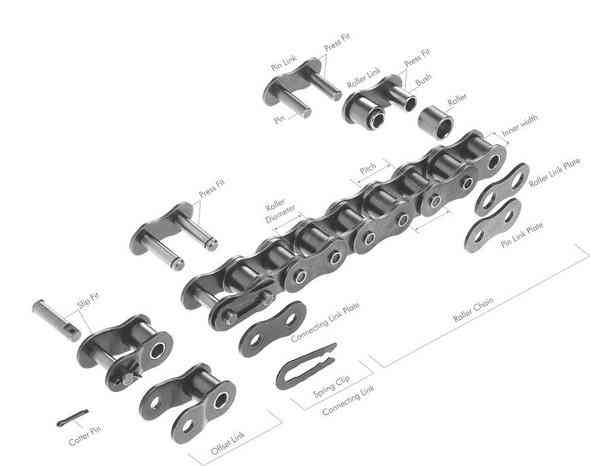
Roller sprocket
If you are planning to purchase roller sprockets for your application, you should first look at the various types available. Sprockets available for single-strand roller chains are manufactured by Boston Steel – Type B sprockets are drilled to size. They are available in 1/4, 3/8, 1/2, 5/8, 3/4 and 1″ pitch sizes.
The diameter of the sprocket is important when choosing the right sprocket for your application. Using a caliper to measure the diameter of a toothless plate is a good way to determine the exact size of the sprocket. A caliper is the diameter of a plate without teeth. On Type B and C sprockets, the hub diameter measures the thickness of the hub.
Another type of sprocket is the steel split sprocket, which is split in diameter. This type is easy to install and remove, and is held together by bolts in the hub. Typically, split sprockets have chain pitches ranging from 40 to 240 and bores ranging from 3/4″ to 6″. The split sprockets are designed with one pointing towards the ceiling and the other two parallel to the floor.
When shopping for sprockets, it is important to remember that they are designed specifically for a specific chain. All chains are manufactured to specific standards. In the United States, the most common standard is ANSI. The chain pitch is the distance between the center of each pin and the center of the next pin. In the US, the standard is always measured in eight-inch intervals.
In addition to sprocket size, sprocket pitch and the surface area also affect chain life. Unlike belt sprockets, which are made of forged steel, the teeth on roller sprockets are stamped from steel sheet or pressed from powdered metal. The harder the teeth, the longer the chain will last.
Roller chain pitch
The pitch of a roller chain is the distance between the sprocket and the pin. The smaller the thread pitch, the smaller the bushing wear. Generally speaking, the smaller the pitch, the longer the life of the chain. For best performance and longest life, manufacturers recommend a minimum chain pitch of 2% to 3%. Chain pitch is important to ensure proper performance, and the manufacturer recommends that you replace the chain when it reaches 2% to 3% of normal.
To determine the correct chain pitch for a particular chain, first determine the sprocket size and pitch. Pitch is the distance between pin centers, measured in 1/8 inch increments. The pin diameter of the chain is also important. If you’re not sure about the pin diameter of your chain, measure a few links to get a good average reading. Alternatively, use a caliper to measure the inside diameter of the sprocket and count the number of teeth.
When sizing a sprocket, measure the chain between the gears with a caliper and compare it to the measurements on the chain size chart. Make sure you have checked all the specs and checked the correct chain pitch. Then, choose the correct chain pitch for your needs. This is a critical step in choosing the right chain. So get the correct pitch for your roller chain. Correct pitch helps ensure maximum performance and safety.
To identify a specific type of roller chain, measure its tensile strength. This represents the amount of load the chain can withstand before breaking. Another key parameter to consider is fatigue strength. Chains with high fatigue strength are more resistant to rust and wear than chains with low fatigue strength. The numbers on the right in the standard numbering represent normal or light duty chains, while the numbers on the left represent the pitch of heavy-duty chains.
Double pitch roller chains are a variant of single pitch chains. They are manufactured according to ISO 606 and meet the same standards as single pitch chains. They are mainly used in applications with lower requirements for speed and power transmission. The plates of double pitch roller chains are also longer than single pitch chains. The double pitch drive series is also used for elevator and long conveyor drives. There are three main types of roller chains: single-pitch chains, double-pitch carriers, and oversized rollers.
Roller chain width
When buying a roller chain, one of the first decisions you must make is its width. To make this determination, you need to measure the overall width of the chain, the diameter, and the width of each roller. You must also know the height and thickness of the board. After taking these measurements, you can start shopping for the perfect roller chain. But before you buy a new chain, it’s important to know what to expect from the chain itself.
There are many different types of roller chains. These chains are available for ANSI and metric measurements. They come in single-stranded and double-stranded variants. They are usually used for power transmission. Other types include agricultural, automotive, conveyor, multi-strand, and four-strand chains. These charts also include a chart so you can easily see the exact size you need. Listed below are some of the benefits of buying a roller chain.
Roller diameter and pin diameter are important factors in choosing the correct chain width. The width of the chain is the nearest binary fraction of 5/8 of an inch. It should be at least half the thickness of the sprocket, and the plate thickness is one-eighth the width of the chain. Overweight chains are indicated with the suffix H. The pitch and width of the chain are determined by the working load and machine speed.
The outer links of the roller chain are called pin links. These pins are inserted into the bushings of the adjacent roller links. They are held in place by cotter pins. Pin links are usually pressed into the pins of heavy-duty chains. These pins are used to hold the rollers in place. However, these pin chains can reduce the power rating of roller chains by up to 20%.
The ANSI 29.1 Steel Chain Specification specifies a minimum pitch in inches and ultimate strength of 12,500 x pitch in inches. At the same time, the O-ring chain greatly reduces wear due to its lubricating effect. O-ring and X-ring chains contain a lubricant injected by vacuum when riveting the chain together. Transmission chains are tested and governed by standards bodies such as ANSI. In 2011, the American Society of Mechanical Engineers developed a standard for precision power transmission chains.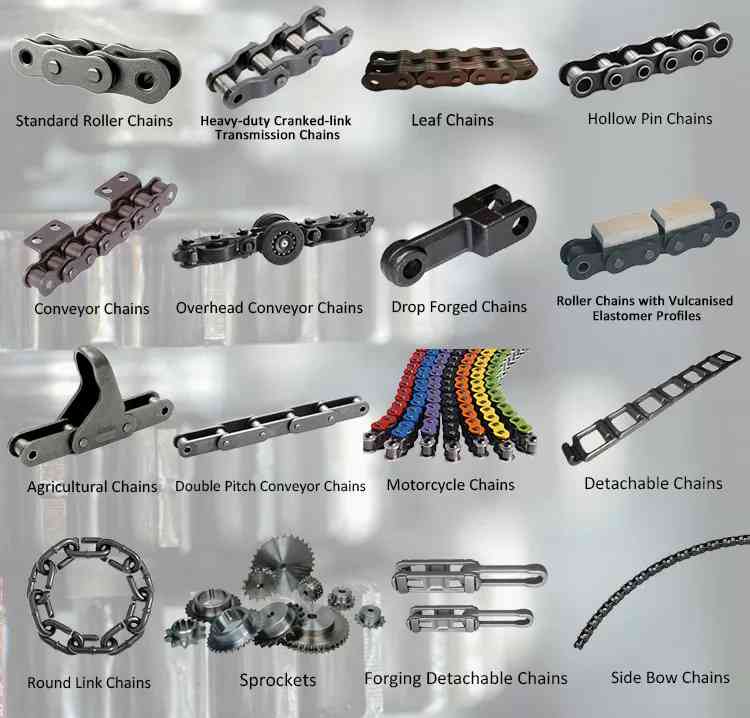
Roller chain tensile strength
One of the most important indicators of roller chain strength is tensile strength. This measurement refers to the amount of load the chain can withstand before breaking. Another measure, called fatigue strength, refers to the maximum load a chain can withstand before it breaks. The strength of a roller chain depends on its size, the quality of the steel used in its construction, and the heat treatment. There are also differences in the types of shot peening used to treat steel, pitch holes, and link plates.
When choosing a roller chain, the workload is critical. This is the maximum load the chain can withstand before fatigue failure occurs. This measurement is critical because it helps determine the type of load applied to the chain. When deciding which roller chain to buy, be sure to consider the mechanical type and desired strength. Then, make sure it meets strength and load-carrying capacity requirements.
The ultimate tensile strength of a roller chain is based on the manufacturer’s recommended maximum tensile strength. However, the actual tensile strength may be higher or lower than this value. The working load limit of a roller chain can also be calculated by multiplying the chain diameter by the grade. The working load limit of a chain is the highest tension it can withstand before breaking. This value is usually expressed in points.
The maximum tensile strength of roller chains varies by chain type. The single-strand heavy chain has thick side plates for higher shock loads. Single strand heavy-duty roller chains, also known as “bushing” roller chains, are also available. Double-stranded heavy chains are structurally similar, but they have two layers of steel connected by pins that are nearly twice as strong as standard roller chains.
The tensile strength of a single-strand roller chain is approximately 500 tons. In comparison, a single-chain blockchain has a tensile strength of 900. The tensile strength of the two is similar, and it is not recommended to choose one or the other. Although steel and titanium chains are considered the strongest materials for roller chains, these materials are not magnetic.
editor by czh 2022-12-06
China high quality Driving chain Short pitch precision roller chains A series 16A-5 near me shop
Quick Details
Applicable Industries: Building Material Shops, Manufacturing Plant, Machinery Repair Shops
Standard or Nonstandard: Standard
Type: Roller Chain
Tensile Strength: Standard
Place of Origin: Zhejiang, China
Brand Name: ep
Model Number: All
Product name: Roller chain
Certificate: ISO, ANSI, DIN, BS
Pitch: 4.7625~114.3mm
Surface Treatment: natural/sand-blasted
Application: Machinery Parts
Service: OEM ODM
Row: Simplex/Duplex/Triplex roller chains
Port: Any sea port or airport in China
Packing: Chain+ Plastic Bag+ Carton+ Wooden case
Supply Ability
Supply Ability: 10000 Meter/Meters per Month Standard Roller Chains Are In stock
Packaging & Delivery
Packaging Details: Standard Roller Chains: Packaged in boxes and wooden cases, or packaged in reels and then on pallets.
Port: Any sea port or airport in China
drive chain2
drive chain3
drive chain4
drive chain1