Product Description
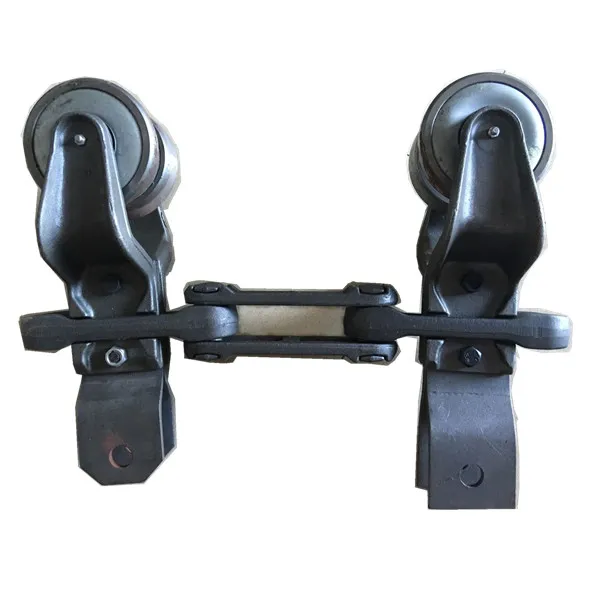
| The main application is for conveying various food products and containers. The 820 is a plastic version of the related. The plastic chains however have a reinforcing middle rib underneath. The link thickness is 4.0 mm (0.16 in.) for the 820-series. The links overlap, so there is no space between the links. Plate mat.:POM/PP; Pin mat.:stainless steel Max.speed: 80m/min lubrication; 50m/min dry Max.length:12m; Color:white/brown; Packing unit:10ft(80links) |
| APPLICATIONS: |
| China CHINAMFG Machinery Co.,Ltd is a special supplier of conveyor system components,including plastic and stainless steel flat top chains, Modular belts, other spare parts, such as UHMWPE wearstrips, side guards, chains guide, bipods, tripods, brackets, clampls.ect. With our years of experence, quality products, excellent services we work with world wide clients from America, Europe, Africa, many counrties of Asia. We keep very good business relation with them, and get trusted from them. Our products application: Packaging and conveying industry Beverage bottling and handling industry Food and meat processing industry Chemical industry Pharmaceuticals industry Automobile industry Electrical and electronics industry Textile industry Light engineering industry |
/* March 10, 2571 17:59:20 */!function(){function s(e,r){var a,o={};try{e&&e.split(“,”).forEach(function(e,t){e&&(a=e.match(/(.*?):(.*)$/))&&1
| Material: | Plastic |
|---|---|
| Structure: | Top Chain |
| Surface Treatment: | Low Friction |
| Chain Size: | Pitch 38.1mm |
| Color: | Brown/White/Others |
| Materials: | POM/PP/PE |
| Samples: |
US$ 6/Meter
1 Meter(Min.Order) | |
|---|
| Customization: |
Available
| Customized Request |
|---|
How do you calculate the required horsepower for a conveyor chain drive?
The calculation of required horsepower for a conveyor chain drive involves considering various factors related to the conveyor system and the specific application. Here is a step-by-step process:
1. Determine the Total Resistance:
– Calculate the total resistance that the conveyor chain needs to overcome during operation. This includes the resistance due to the load being conveyed, frictional losses, elevation changes, and any other resistances in the system.
2. Convert the Resistance to Equivalent Inertia:
– Convert the total resistance to an equivalent inertia by multiplying it by the square of the chain speed.
3. Calculate the Total Inertia:
– Determine the total inertia of the system by considering the inertia of all the rotating components, such as the conveyor chain, sprockets, and any other driven elements.
4. Determine the Required Torque:
– Calculate the required torque by multiplying the total inertia by the desired acceleration or deceleration rate.
5. Convert Torque to Horsepower:
– Convert the required torque to horsepower by dividing it by the motor speed (in RPM) and multiplying by a conversion factor.
6. Consider Safety Factors and Efficiency:
– Apply safety factors to the calculated horsepower to account for variations, contingencies, and future growth.
– Consider the efficiency of the drive system, including the motor, gearbox, and other transmission components, to ensure accurate power transmission.
It’s important to note that the above calculation method provides an estimate of the required horsepower. Consulting with conveyor system manufacturers, engineers, or industry-specific guidelines is recommended for precise calculations and to ensure the selected conveyor chain drive meets the application requirements.
What are the design considerations for a long-span conveyor chain conveyor?
Designing a long-span conveyor chain conveyor requires careful consideration of various factors to ensure its efficiency, safety, and reliability. Here are some key design considerations:
1. Conveyor Chain Selection: Choose a conveyor chain that is suitable for long spans and can withstand the required load capacity. Consider factors such as chain material, pitch, strength, and durability to ensure it can handle the anticipated load and operating conditions.
2. Conveyor Structure: The conveyor structure should be designed to provide sufficient support and stability for the long span. Consider factors such as material strength, rigidity, and deflection to ensure the structure can handle the weight of the conveyor chain, the product being transported, and any additional loads.
3. Drive System: Select an appropriate drive system that can efficiently power the long-span conveyor chain. Consider factors such as motor power, speed, torque, and control mechanisms to ensure smooth and reliable operation.
4. Tensioning and Alignment: Proper tensioning and alignment of the conveyor chain are critical for its performance and longevity. Design the system with adequate provisions for tensioning devices and alignment mechanisms to maintain optimal chain tension and alignment throughout the conveyor’s length.
5. Supports and Bearings: Install adequate supports and bearings along the length of the conveyor to reduce chain sagging, minimize friction, and ensure smooth movement. Consider factors such as bearing type, lubrication, and maintenance requirements.
6. Conveyor Controls and Safety: Implement appropriate controls and safety features to monitor and control the operation of the long-span conveyor chain. This may include emergency stop systems, speed monitoring, overload protection, and safety interlocks.
7. Environmental Factors: Consider the environmental conditions in which the conveyor will operate, such as temperature, humidity, dust, and corrosive substances. Select materials and components that can withstand these conditions and implement proper ventilation, dust collection, and corrosion protection measures.
8. Maintenance and Accessibility: Design the conveyor system with ease of maintenance and accessibility in mind. Provide sufficient access points, walkways, and platforms for inspection, cleaning, and maintenance tasks. Consider factors such as lubrication points, conveyor cleaning systems, and easy replacement of worn components.
9. Future Expansion and Flexibility: Anticipate future needs for expansion or modifications and design the long-span conveyor chain conveyor with flexibility in mind. This may include allowing for additional conveyor sections, transfer points, or integration with other equipment.
By considering these design considerations, a long-span conveyor chain conveyor can be efficiently designed and optimized for its intended application, ensuring reliable and cost-effective material handling operations.

What are the cost considerations when purchasing a conveyor chain?
When purchasing a conveyor chain, there are several cost considerations that need to be taken into account to ensure an optimal investment and operational efficiency.
1. Initial Cost: The initial cost of the conveyor chain includes the cost of the chain itself, as well as any additional components such as sprockets, attachments, and connecting links. It is important to compare prices from different suppliers and evaluate the overall value for the money.
2. Maintenance and Repair Costs: Consider the long-term maintenance and repair costs associated with the conveyor chain. Some chains may require more frequent lubrication or replacement of components, which can add to the overall operating expenses.
3. Service Life: The service life of the conveyor chain is an essential factor in determining its cost-effectiveness. Chains with longer service life may have a higher initial cost but can result in lower replacement and downtime costs in the long run.
4. Energy Efficiency: Energy consumption is an ongoing cost to consider. Conveyor chains that offer lower friction and efficient power transmission can contribute to energy savings and reduce operating expenses.
5. Maintenance Ease: Consider the ease of maintenance when selecting a conveyor chain. Chains that are easier to clean, inspect, and maintain can reduce labor costs and increase operational efficiency.
6. Compatibility and Integration: Ensure that the selected conveyor chain is compatible with the existing conveyor system or equipment. Retrofitting or modifying the system to accommodate a specific chain may incur additional costs.
7. Supplier Support and Warranty: Evaluate the level of technical support provided by the supplier and the warranty coverage offered for the conveyor chain. This can impact the overall cost of ownership and provide peace of mind in case of any unforeseen issues.
It is important to consider these factors holistically and make a cost-benefit analysis based on the specific requirements of the application. Choosing a conveyor chain that aligns with the budget, performance needs, and long-term cost considerations will help optimize the investment and ensure efficient material handling operations.


editor by CX 2024-01-08