Descrizione del prodotto
| type | PC 35, PC 40, PC50, PC60 |
| Materials | POM+ stainless steel |
| Pitch | 6.35mm, 9.525mm, 12.7mm, 15.875mm, 19.05mm |
Small Pitch Roller Chains
Type: PC 35, PC 40, PC50, PC60
Materials: POM+ stainless steel
Pitch: 6.35mm, 9.525mm, 12.7mm, 15.875mm, 19.05mm
Color: White
Advantages: short pitch, low noise, light weight,
corrosion resistance, diamagnetic.
Plasic roller chains can be widely use for eletronic, food,medicine, chemical industry etc.
We are manufacturer professionally in plastic top chains, stainless steel top chains, and other conveyor components. We have abtained the quality certificate of ISO 9001: 2000, and our products have been sold to Europe, Middle East, America and many other coutries and regions.
Our products application:
Packaging and conveying industry
Beverage bottling and handling industry
Food and meat processing industry
Chemical industry
Pharmaceuticals industry
Automobile industry
Electrical and electronics industry
Textile industry
Light engineering industry
/* 22 gennaio 2571 19:08:37 */!function(){function s(e,r){var a,o={};try{e&&e.split(“,”).forEach(function(e,t){e&&(a=e.match(/(.*?):(.*)$/))&&1
| Materiale: | POM |
|---|---|
| Struttura: | Catena a rulli |
| Trattamento superficiale: | Lucidatura |
| Dimensioni della catena: | 1/2"*11/128" |
| Caratteristica: | Short Pitch, Low Noise, Light Weight, |
| Structure (for Chain): | Catena a rulli |
| Esempi: |
US$ 1/Piece
1 pezzo (ordine minimo) | |
|---|
| Personalizzazione: |
Disponibile
| Richiesta personalizzata |
|---|

What are the considerations for selecting a corrosion-resistant conveyor chain?
When selecting a corrosion-resistant conveyor chain, several considerations should be taken into account to ensure optimal performance and longevity in corrosive environments. Here are the key factors to consider:
– Material Selection:
Choose a conveyor chain material that is resistant to the specific corrosive agents present in the environment. Stainless steel, plastic, and special coatings such as zinc or nickel plating are commonly used for their corrosion resistance properties.
– Corrosion Resistance Ratings:
Review the corrosion resistance ratings of different chain materials and coatings. Look for industry standards such as ASTM or ISO ratings that indicate the material’s resistance to specific corrosive substances or environmental conditions.
– Environmental Factors:
Consider the specific environmental factors that contribute to corrosion, such as humidity, temperature, presence of chemicals or solvents, and exposure to saltwater or acids. Evaluate how these factors may impact the chain’s corrosion resistance requirements.
– Coating or Surface Treatment:
If using a metal chain, consider applying additional coatings or surface treatments to enhance its corrosion resistance. Options may include electroplating, powder coating, or using specialized anti-corrosion coatings.
– Compatibility with Cleaning Methods:
Ensure that the selected chain material is compatible with the cleaning methods and chemicals used in the application. Some corrosive-resistant materials may require specific cleaning procedures to maintain their performance and longevity.
– Operational Considerations:
Take into account the load capacity, speed, and operational requirements of the conveyor system. Ensure that the corrosion-resistant chain can withstand the mechanical stresses and operational demands without compromising its corrosion resistance properties.
– Cost-Effectiveness:
Weigh the initial cost and long-term benefits of using a corrosion-resistant conveyor chain. While corrosion-resistant materials may have a higher upfront cost, they can significantly reduce maintenance, replacement, and downtime costs associated with corrosion-related failures.
By considering these factors, you can select a corrosion-resistant conveyor chain that is well-suited for the specific corrosive environment, ensuring reliable and durable performance in applications such as chemical processing, food production, wastewater treatment, or outdoor environments.
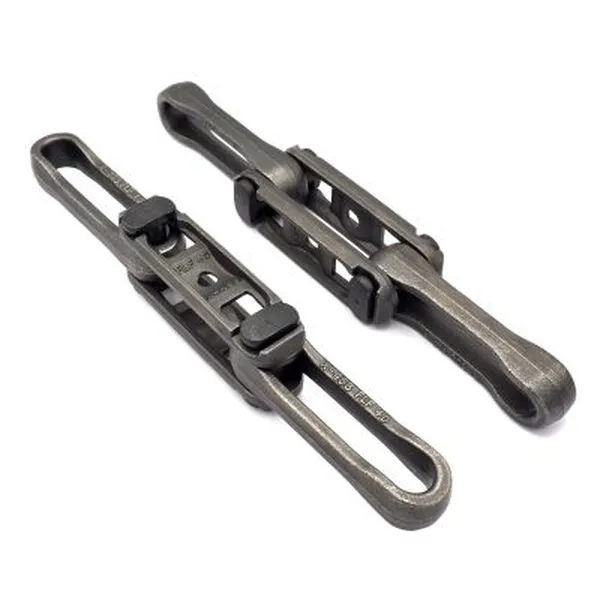
What are the safety measures for working with heavy-duty conveyor chains?
Working with heavy-duty conveyor chains requires strict adherence to safety measures to protect the workers and maintain a safe working environment. Here are some important safety measures to consider:
1. Proper Training: All personnel involved in working with conveyor chains should receive comprehensive training on the safe operation and maintenance of the equipment. This includes understanding the potential hazards, safety procedures, and proper use of personal protective equipment (PPE).
2. Equipment Inspection: Regular inspection of the conveyor chain and associated components is crucial to identify any signs of wear, damage, or malfunction. This includes checking for loose fasteners, worn sprockets, misalignment, and any other potential hazards. Any issues should be addressed promptly to prevent accidents.
3. Lockout/Tagout: Before performing any maintenance or repair tasks on the conveyor chain, proper lockout/tagout procedures must be followed. This ensures that the equipment is de-energized and isolated from any power source to prevent accidental startup or movement.
4. Personal Protective Equipment (PPE): Workers should wear appropriate PPE, including safety glasses, gloves, steel-toed boots, and hearing protection. The specific PPE requirements may vary depending on the nature of the work and the potential hazards involved.
5. Safe Work Practices: Workers should follow safe work practices, such as avoiding loose clothing or jewelry that can get caught in the chain, keeping hands and clothing clear of moving parts, and using proper lifting techniques when handling heavy loads.
6. Emergency Stop Systems: Conveyor systems should be equipped with emergency stop buttons or pull cords that allow workers to quickly stop the chain in case of an emergency or hazardous situation.
7. Regular Maintenance: Scheduled maintenance and lubrication of the conveyor chain should be performed according to the manufacturer’s recommendations. This helps to ensure optimal performance and minimize the risk of unexpected failures.
8. Clear Warning Signs and Labels: Proper signage, warning labels, and safety instructions should be clearly displayed near the conveyor chain system to remind workers of potential hazards and safe operating procedures.
9. Regular Safety Training and Communication: Ongoing safety training and communication among the workforce are vital to reinforce safe practices and raise awareness of any changes or updates to safety protocols.
By implementing these safety measures and fostering a safety-conscious culture, the risks associated with working with heavy-duty conveyor chains can be minimized, ensuring the well-being of the workers and the efficient operation of the equipment.
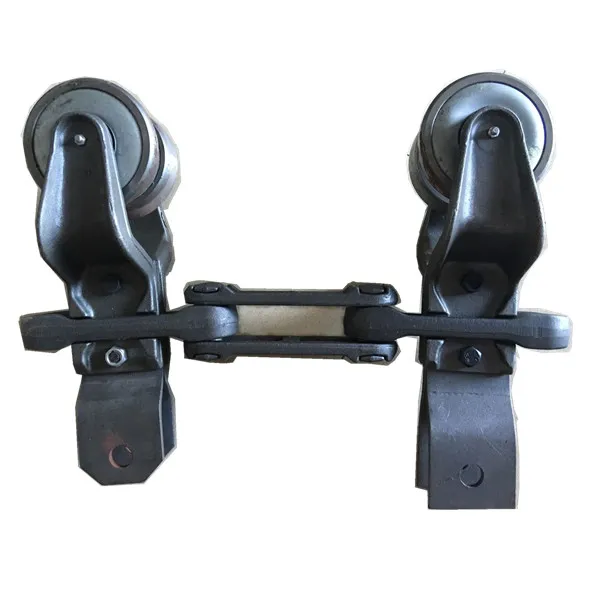
Come si ottimizza l'efficienza di un sistema di catene di trasporto?
Per ottimizzare l'efficienza di un sistema di catena di trasporto, è necessario considerare e implementare diversi fattori:
1. Progettazione del sistema: Assicurarsi che il sistema di trasporto sia progettato correttamente per ridurre al minimo le perdite di energia, diminuire l'attrito e ottimizzare il flusso del materiale. Considerare fattori quali la lunghezza del trasportatore, gli angoli di inclinazione/declino e il numero e il posizionamento delle unità di azionamento per ottenere un funzionamento efficiente.
2. Selezione della catena: Selezionare la catena di trasporto appropriata in base ai requisiti specifici dell'applicazione, come capacità di carico, velocità e condizioni ambientali. Considerare fattori quali materiale, passo e resistenza della catena per garantire prestazioni ottimali e lunga durata.
3. Lubrificazione: Una corretta lubrificazione della catena del trasportatore è essenziale per ridurre l'attrito, l'usura e il consumo di energia. Scegliere il lubrificante più adatto all'applicazione e mantenerne regolarmente i livelli per garantire un funzionamento fluido della catena.
4. Tensionamento e allineamento: Ispezionare e regolare regolarmente il tensionamento e l'allineamento della catena del trasportatore per evitare allentamenti o tensioni eccessive. Un tensionamento e un allineamento corretti contribuiscono a ridurre al minimo l'usura della catena, a diminuire le perdite di energia e a garantire prestazioni costanti.
5. Manutenzione preventiva: implementare un programma di manutenzione regolare per identificare e risolvere i potenziali problemi prima che si aggravino. Ciò include la pulizia della catena, l'ispezione di pignoni e guide, la sostituzione dei componenti usurati e il controllo della corretta tensione e allineamento. Un sistema ben manutenuto riduce i tempi di inattività e prolunga la durata della catena.
6. Monitoraggio del sistema: Utilizzare strumenti di monitoraggio come sensori, telecamere o sistemi automatizzati per tenere traccia delle prestazioni del sistema di catene di trasporto. Il monitoraggio può fornire dati preziosi su tensione della catena, allineamento, velocità e consumo energetico, consentendo regolazioni e ottimizzazioni tempestive.
7. Formazione e sensibilizzazione degli operatori: Formare gli operatori sulle migliori pratiche per il funzionamento e la manutenzione del sistema di trasporto a catena. Promuovere la consapevolezza dell'efficienza energetica, della corretta manipolazione e dei protocolli di sicurezza per garantire prestazioni ottimali del sistema.
Tenendo conto di questi fattori e implementando le misure appropriate, è possibile ottimizzare l'efficienza di un sistema di catene di trasporto, ottenendo così una maggiore produttività, una riduzione del consumo energetico e una maggiore durata della catena.


editor by CX 2024-05-09
Catene standard e catene per trasportatori a rulli CZPT in lega speciale/acciaio al carbonio prodotte in Cina.
Descrizione del prodotto
ISO16949: 2009 Approved Industrial Chain
Perché scegliere noi?
1. HangZhou Xihu (West Lake) Dis.hua Chain Group Co., Ltd established in 1991, we have 5 subsidiaries in china and have 6 subsidiaries abroad;
2. we covering a production area of 200,100 square meters, have more than 1,800 sets of advanced equipment and over 3,100 highly skilled employees, the annual production capacity has exceeded 20,000,000meters;
3. we specialized in producing all kinds of standard chains and special chains, such as A or B series chains, driving chains, conveyor chains, hoisting chains, agricultural chains, sprockets, industrial chains, sprockets, gears, wheels and so on;
4. we have obtained ISO9001, ISO14001, ISO16969, AAA and API certificates.
5. Our partners among world top enterprises, such as JOHNDEERE, NEW HOLLAND, CLAAS, HONDA, KUBOTA, YANMAR, etc.
1. Industrial Chain Parts
2. Production flow chart
1. Incoming material
2. Inspection
3. Production of chain board (cold roll steel/punch/heat treatment/shot blasting/cleaning)
4. Production of roller(burr wiping & smear/heat treatment/wiping grinding/cleaning)
5. Production of quill(burr wiping & smear/centerless cylindrical grinding/heat treatment/shining)
6. Production of shaft(cutting/chamfering/heat treatment/ centerless cylindrical grinding/cleaning)
7. Assembling
8. Final inspection
9. Packing
3. Certificate
4. Company Information
HangZhou Xihu (West Lake) Dis.hua Chain Group Co., Ltd was founded in 1 9 9 1, and now it has five wholly owned subsidiaries, one in ZheJiang province, other four in HangZhou, ZHangZhoug province, it is a professional manufacturer of chains, sprockets, tooth gears and various power transmission products.
The group has XIHU (WEST LAKE) DIS.HUA, ZIQIANG brands, is focused on producing all variety of standard roller chains and special chains, such as conveyor chain, stainless steel chain, agricultural chain. With Xihu (West Lake) Dis.hua brand registered in more than 70 countries like America, Europe, Japan, it is building long term cooperation with these world top enterprises, such as JOHNDEERE, NEW HOLLAND, CLAAS, HONDA, KUBOTA, YANMAR.
There is a technical center of province level, Xihu (West Lake) Dis.hua academician working station, experiment station for Xihu (West Lake) Dis.hua post doctors, and national hundreds of program set up in Xihu (West Lake) Dis.hua group. With these platforms and strong technical ability, the more than hundreds of Engineers and technicians have developed all variety of special high precise and high strength products, conducted mold programs for key components in the car and national industry revitalizing program.
Great attention has been paid on environmental protection and energy saving. The product well displays environmental protection and energy saving. In the year of 2 0 0 0, Xihu (West Lake) Dis.hua took the lead in gaining I S O 1 4 0 0 1 environment management certificate and thereafter passed the inspection of clean production and recycling economy, winning the title of “ZHangZhoug Green Enterprise”.
“We are always serving our customers with our best products.”
/* 22 gennaio 2571 19:08:37 */!function(){function s(e,r){var a,o={};try{e&&e.split(“,”).forEach(function(e,t){e&&(a=e.match(/(.*?):(.*)$/))&&1
| Utilizzo: | Catena di trasporto |
|---|---|
| Materiale: | Alloy/Carbon Steel |
| Trattamento superficiale: | Electroplating |
| Caratteristica: | Heat Resistant |
| Dimensioni della catena: | 1/2"*11/128" |
| Struttura: | Catena a rulli |
| Personalizzazione: |
Disponibile
| Richiesta personalizzata |
|---|
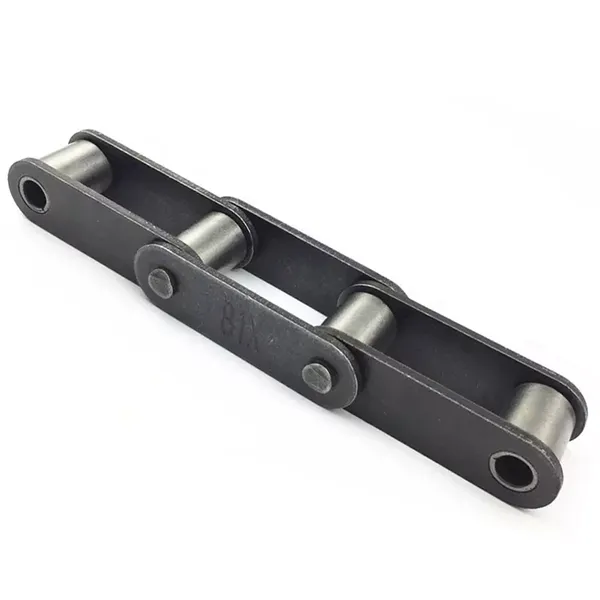
Come gestisce una catena di trasporto un carico inclinato o in discesa?
Una catena di trasporto è progettata per gestire diverse tipologie di trasporto, comprese le applicazioni in pendenza o in discesa. Ecco come una catena di trasporto gestisce queste situazioni:
1. Trasporto in pendenza: Quando è necessario un sistema di trasporto per movimentare materiali in salita, si utilizza una catena di trasporto inclinata. La catena è progettata con speciali accessori o tacchetti che forniscono una maggiore aderenza e impediscono al materiale di scivolare o arretrare. Questi accessori sono posizionati strategicamente lungo la catena per garantire un trasporto efficace anche in pendenza.
2. Trasporto in discesa: Per i nastri trasportatori che spostano materiali in discesa, si utilizza una catena di trasporto in discesa. Analogamente al trasporto in pendenza, la catena può essere dotata di accessori o tacchetti speciali che aiutano a controllare la velocità e impediscono al materiale di scivolare troppo rapidamente. Questi accessori mantengono il materiale in posizione e garantiscono un flusso controllato ed efficiente verso il basso.
Sia per i trasporti in pendenza che in discesa, è fondamentale valutare attentamente la progettazione della catena, inclusi il tipo e la disposizione degli accessori. Anche le dimensioni, la forma e il peso del materiale trasportato influiscono sulla scelta della configurazione più appropriata della catena. È importante consultare i produttori di catene per nastri trasportatori o esperti del settore per selezionare la catena e gli accessori più adatti alle specifiche applicazioni in pendenza o in discesa.
How does a conveyor chain contribute to overall production efficiency?
A conveyor chain plays a crucial role in enhancing overall production efficiency in various industries. Here are the ways in which it contributes to efficiency:
1. Continuous Material Flow: A conveyor chain enables continuous and uninterrupted material flow from one point to another. It eliminates the need for manual handling or transportation of goods, reducing downtime and delays in production processes.
2. Increased Throughput: By automating material handling, a conveyor chain enables faster and more efficient movement of goods. It allows for higher throughput and production rates, maximizing the utilization of resources and reducing cycle times.
3. Improved Productivity: With a conveyor chain, employees can focus on value-added tasks rather than manual material handling. This leads to improved productivity as workers can concentrate on more skilled and critical operations.
4. Efficient Resource Allocation: A well-designed conveyor chain system optimizes the utilization of space, allowing for efficient layout and organization of production areas. It helps in streamlining workflow and minimizing wastage of resources such as floor space, manpower, and equipment.
5. Quality Control: Conveyor chains can be integrated with inspection stations or automated processes to ensure quality control at various stages of production. This helps in detecting and rectifying any defects or inconsistencies, reducing the chances of faulty products reaching the market.
6. Reduced Material Handling Costs: By eliminating or minimizing manual material handling, a conveyor chain reduces labor costs associated with transportation, lifting, and carrying of goods. It also minimizes the risk of injuries or accidents related to manual handling.
7. Flexibility and Adaptability: Conveyor chains can be customized to suit specific production requirements. They can be designed to accommodate different types of products, handle various load capacities, and adapt to changes in production demands. This flexibility allows for seamless integration with existing production systems and easy scalability.
8. Safety and Ergonomics: Conveyor chains incorporate safety features such as guards, emergency stop buttons, and interlocks to ensure worker safety. They also promote ergonomic practices by reducing physical strain on workers and minimizing the risk of musculoskeletal injuries.
Overall, a well-designed and properly maintained conveyor chain system enhances production efficiency by optimizing material flow, increasing throughput, improving productivity, reducing costs, ensuring quality control, and prioritizing worker safety.

What factors should be considered when designing a conveyor chain system?
When designing a conveyor chain system, several factors need to be considered to ensure optimal performance and functionality. These factors include:
- Load Capacity: The load capacity of the conveyor chain system is a critical consideration. It involves determining the maximum weight and size of the materials or products to be conveyed. This information helps in selecting the appropriate chain type, size, and strength to handle the expected load.
- Speed and Throughput: The desired speed at which the conveyor system needs to operate and the expected throughput of materials are important factors. They influence the selection of chain pitch, sprocket size, and motor power to achieve the desired conveyor speed and material handling capacity.
- Environmental Conditions: The operating environment plays a crucial role in the design of a conveyor chain system. Factors such as temperature, humidity, dust, corrosive substances, and presence of water or chemicals impact the selection of materials for the chain, sprockets, and other components to ensure durability and resistance to wear and corrosion.
- Conveyor Layout and Configuration: The layout and configuration of the conveyor system are key considerations. Factors such as available space, conveyor path, incline or decline angles, and any required curves or turns affect the selection of chain type, sprocket arrangement, and overall system design.
- Maintenance and Accessibility: Easy access for maintenance and servicing is crucial for the longevity and efficient operation of the conveyor chain system. Considering factors such as lubrication points, chain tension adjustment mechanisms, and overall accessibility for inspections and repairs ensures smooth operation and minimizes downtime.
- Noise and Vibration: The level of noise and vibration generated by the conveyor chain system can impact the working environment. Design considerations such as selecting chain types with low noise characteristics, implementing proper lubrication, and using vibration-damping components help minimize noise and vibration levels.
- Safety: Safety is of paramount importance in conveyor chain system design. Factors such as guarding, emergency stop systems, proper alignment, and anti-slip measures need to be incorporated to ensure the safety of operators and prevent accidents or injuries.
Considering these factors during the design stage helps in selecting the appropriate conveyor chain type, size, and configuration to meet the specific requirements of the application, ensuring smooth and efficient material handling operations.
editor by CX 2024-04-24
Catene senza rivetti a maglie forgiate a caldo di alta qualità, prodotte in Cina, per macchine trasportatrici compatibili con i modelli X348, X458, X678, 689 e 9118.
Descrizione del prodotto
Drop forged lin chain and Engineer Class Driving Chain, with alloy steel and stainless steel selection according to your requirement
1, Chain types: drop forged rivetless chain, Roller Chain, conveyor chain, agricultural chain, sugar industry chain, palm oil industry chain, asphalt industry chain,elevator conveyor industry chain, double flex chain, pintle chain, weld steel drag chains, malleable chain etc;
2, Main materials: It is 40Mn. 40Cr, 45Mn alloy steel or SUS304 for plates, 10#, 20#, 20CrMnMo, 30CrMnTi for pins and rollers;
3, Heat treatment: Carburizing, Austemper Stressing, nitro-caburizing harden etc;
4, Surface: Shot peening, black, blue or original;
5, Package way: Plastic bag+ carton box+ plywood case
Detailed Photos
Product Parameters
Packaging & Shipping
1. Inner packing: Poly bag, air bubble bag, carton according to buyer’s request.
2. Outer packing: OSB case or pallet.
3. Please remember to leave the correct contact ADDRESS information for delivery.
I nostri vantaggi
Profilo Aziendale
We are a leading manufacturer of mechanical transmission spare parts, as well as several years 1 of reliable and trustworthy vendors. Our main items are roller chain, conveyor chain, agricultural chain, sugar industry chain, palm oil industry chain, asphalt industry chain,elevator conveyor industry chain etc.
At present, For South American, European, and Asian market, our superior products are fabricated according to your requirement and our quality meets ISO, ASME, DIN standard.
Please watch our process steps as below
(1) punch its outer plate and inner plates
(2)Shot peening workshop
(3) heat treatment workshop
(4) assembly preparation
(5) pins process
(6) Tensile Properties Test before shipment
After Sales Service
Our products can be repaired or replaced the new parts with free cost in six months.
FAQ
Question:
1.Q:How about mould cost?
A: primarily depend on : 1.Drawing, 2.material, 3.weight and quantity.
We need to know the structure of each parts to analyze the mold solution by:
1) –Complete design drawing, product model or actual sample —– the best way
–PDF drawing with complete dimension for each parts
–Clearly photos for each parts with more angle-views to show every features.
2)The materials, technical parameters and surface treatments.
technical parameters: tell us about its model, pitch, roller diameter, width between inner plates, attachment type, outside drawing etc.
3)The quantity of order.
2.Q:How to control the product processing?
A: The processing report or pictures will be sent to the customer every week/ each month for review.
3.Q:Who will own the mould?
A:Customer, also the mould can be kept in our factory for future order.
4.Q:How long do you make your quotation?
A:After receiving detail informations we will quote in 1 to 3 days.
5.Q: MOQ? —
small chain type: if its pitch is less than 38.10mm and its thickness is less than 5mm, MOQ is 1500 CHINAMFG on these roller chains or conveyor chains;
middle chain type: if its pitch belongs (38.10mm
big chain type: if its pitch is more than 76.20mm and its thickness is more than 10mm, MOQ is 200 CHINAMFG on these roller chains or conveyor chains;
I hope we can do business together, and look CHINAMFG to hearing from you soon
/* 22 gennaio 2571 19:08:37 */!function(){function s(e,r){var a,o={};try{e&&e.split(“,”).forEach(function(e,t){e&&(a=e.match(/(.*?):(.*)$/))&&1
| Materiale: | Lega |
|---|---|
| Struttura: | Catena combinata |
| Trattamento superficiale: | Shop Peening |
| Dimensioni della catena: | 76.60inch |
| Caratteristica: | Heat Resistant |
| Pitch: | 76.60mm |
| Esempi: |
US$ 15.82/Piece
1 pezzo (ordine minimo) | |
|---|
| Personalizzazione: |
Disponibile
| Richiesta personalizzata |
|---|
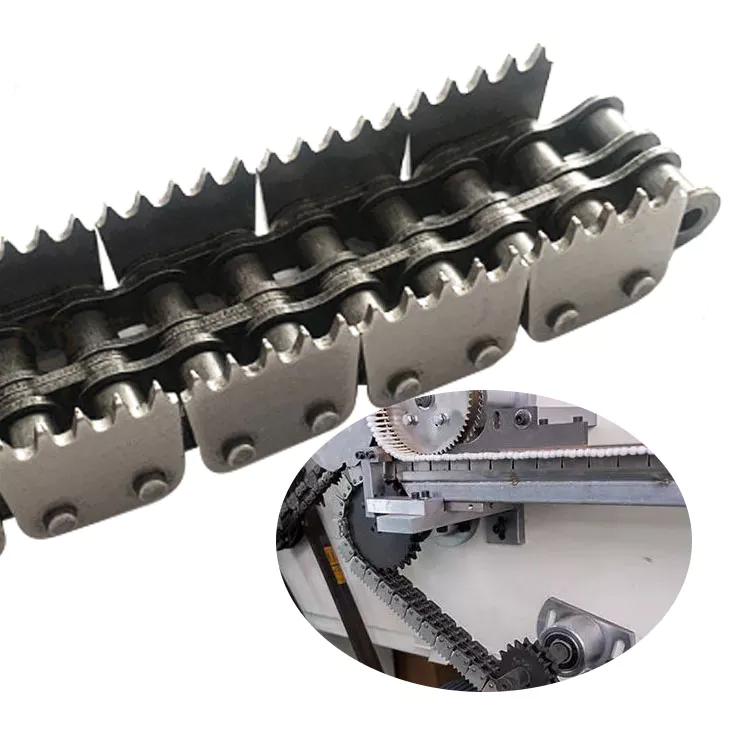
Quali sono i vantaggi dell'utilizzo di una catena di trasporto silenziosa?
Una catena di trasporto silenziosa, nota anche come catena di trasporto a bassa rumorosità, offre numerosi vantaggi nelle applicazioni dei sistemi di trasporto:
1. Riduzione del rumore:
– Uno dei principali vantaggi dell'utilizzo di una catena di trasporto silenziosa è la significativa riduzione dei livelli di rumore. Queste catene sono specificamente progettate per minimizzare il rumore generato durante il funzionamento, creando un ambiente di lavoro più silenzioso e confortevole.
2. Miglioramento dell'ambiente di lavoro:
– Riducendo i livelli di rumore, una catena di trasporto silenziosa contribuisce a un ambiente di lavoro migliore, in particolare in contesti in cui la riduzione del rumore è importante, come impianti di produzione, magazzini e centri di distribuzione. Contribuisce a ridurre l'affaticamento dei dipendenti, migliora la comunicazione e aumenta la soddisfazione generale dei lavoratori.
3. Conformità alle normative sul rumore:
– In alcuni settori o regioni, esistono normative specifiche in materia di rumore che devono essere rispettate. L'utilizzo di una catena di trasporto silenziosa contribuisce a garantire la conformità a tali normative, evitando potenziali sanzioni e problemi legali.
4. Aumento della produttività:
– Un ambiente di lavoro più silenzioso, creato da una catena di trasporto silenziosa, può portare a un aumento della produttività. Riducendo le distrazioni sonore, i dipendenti possono concentrarsi meglio sui propri compiti, con conseguente miglioramento dell'efficienza e della produzione.
5. Maggiore durata della catena e delle attrezzature:
Le catene di trasporto silenziose sono spesso progettate con materiali e tecnologie avanzate che offrono maggiore resistenza all'usura e durata. Possono sopportare carichi pesanti, ridurre l'attrito e minimizzare l'usura sia della catena che delle apparecchiature associate, con conseguente maggiore durata e riduzione dei costi di manutenzione.
6. Versatilità:
Le catene di trasporto silenziose sono disponibili in varie configurazioni e modelli, il che le rende compatibili con un'ampia gamma di sistemi di trasporto e applicazioni. Possono essere utilizzate in diversi settori, tra cui quello automobilistico, alimentare, dell'imballaggio e molti altri.
Quando si valuta l'acquisto di una catena di trasporto silenziosa, è importante consultare un produttore o fornitore di catene affidabile per assicurarsi che la catena soddisfi i requisiti specifici dell'applicazione.
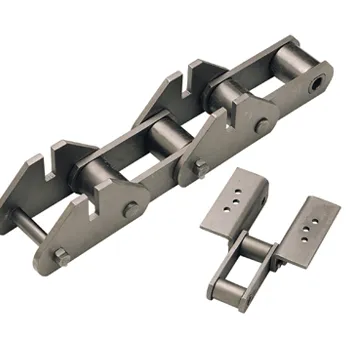
In che modo una catena di trasporto influisce sul flusso dei materiali in una linea di produzione?
Una catena di trasporto svolge un ruolo cruciale nel facilitare il flusso regolare ed efficiente dei materiali in una linea di produzione. Ecco i principali modi in cui una catena di trasporto influisce sul flusso dei materiali:
1. Movimento continuo: una catena di trasporto consente il movimento continuo dei materiali lungo la linea di produzione. Trattenendo e trasportando i materiali in modo sicuro, la catena garantisce un flusso costante senza interruzioni o ritardi.
2. Controllo della velocità: La velocità di movimento della catena di trasporto può essere regolata in base alla velocità di produzione desiderata. Ciò consente un controllo preciso del flusso di materiale, garantendo l'allineamento con i processi a valle ed evitando colli di bottiglia o sovraccarichi.
3. Orientamento e posizionamento: le catene di trasporto possono essere progettate con accessori o dispositivi specifici per orientare e posizionare i materiali nel modo desiderato. Ciò garantisce che i materiali siano presentati correttamente per la lavorazione, l'assemblaggio o l'imballaggio, ottimizzando il flusso produttivo complessivo.
4. Smistamento e deviazione: In alcune applicazioni, le catene di trasporto possono essere dotate di meccanismi per lo smistamento o la deviazione dei materiali in base a criteri predeterminati. Ciò consente un instradamento efficiente di diversi prodotti o componenti verso le rispettive destinazioni, ottimizzando il flusso dei materiali.
5. Accumulo e buffer: le catene di trasporto possono includere zone di accumulo o aree di buffer in cui i materiali possono temporaneamente fermarsi o accumularsi. Questa caratteristica è utile quando i processi a valle subiscono interruzioni temporanee o quando è necessario bilanciare il flusso tra le diverse fasi di produzione.
6. Integrazione con le attrezzature: Le catene di trasporto possono essere integrate con altre attrezzature o macchine presenti nella linea di produzione, come bracci robotici, sistemi di confezionamento automatizzati o stazioni di ispezione. Questa integrazione senza soluzione di continuità consente una movimentazione sincronizzata dei materiali, ottimizzando il flusso e l'efficienza dell'intero processo produttivo.
7. Personalizzazione per esigenze specifiche: le catene di trasporto possono essere personalizzate per soddisfare requisiti specifici di movimentazione dei materiali. Ciò include considerazioni quali larghezza, lunghezza, regolazione dell'altezza, pendenze e accessori o guide speciali. Tale personalizzazione garantisce che il flusso dei materiali sia adattato alle esigenze specifiche della linea di produzione.
Fornendo un metodo affidabile e controllato per il trasporto dei materiali, una catena di trasporto influenza significativamente il flusso dei materiali in una linea di produzione. Aumenta la produttività, riduce la movimentazione manuale, minimizza il rischio di errori o danni e, in definitiva, contribuisce all'efficienza complessiva e al successo del processo produttivo.
How does a conveyor chain compare to other types of conveyor systems?
Conveyor chains are one of the common types of conveyor systems used in various industries. They offer specific advantages and characteristics that differentiate them from other types of conveyor systems.
1. Versatility: Conveyor chains are highly versatile and can be used for a wide range of applications, including horizontal, inclined, and vertical conveying. They can handle various types of materials, from bulk solids to individual items.
2. High Load Capacity: Conveyor chains are known for their high load-carrying capacity. They are designed to handle heavy loads and can be used in applications where other conveyor systems may not be suitable.
3. Durability: Conveyor chains are built to withstand harsh operating conditions and heavy-duty use. They are made from strong and durable materials, such as steel or alloy, that can withstand abrasion, impact, and wear.
4. Flexibility: Conveyor chains offer flexibility in terms of layout and design. They can be configured to accommodate complex conveyor paths, curves, and multiple discharge points, allowing for efficient material flow and system customization.
5. Cost-Effective: Conveyor chains often provide a cost-effective solution for material handling compared to other conveyor systems. They have a relatively low initial cost, require less maintenance, and have a longer service life.
However, it’s important to note that conveyor chains may not be suitable for every application. Other types of conveyor systems, such as belt conveyors, screw conveyors, or pneumatic conveyors, may offer specific advantages depending on the application requirements, material characteristics, or environmental factors.
Ultimately, the selection of the appropriate conveyor system depends on factors such as load capacity, material properties, layout constraints, cost considerations, and specific application needs.
editor by CX 2024-04-23
Catene trasportatrici a doppio passo OEM cinesi C220A C2100 per macchine per linee alimentari con rulli grandi/grandi con accessori, piastra dritta C220al C2102
Descrizione del prodotto
OUR PRODUCTS LIST:
A and B series single/double/triple standard roller chain and no-standard roller chain
| DIN/ISO | ANSI | Pitch | Roller | Width | Pin | Pin | Lnner | Plate | Ultimate | Average | weight | |
| KIN/ISO | ANSL | between | diameter | length | plate | thick | tensile | tensile | per | |||
| Chain | Chain | inner plates | depth | -ness | strength | strength | meter | |||||
| No. | No. | P | d1 | b1 | d2 | L | Lc | h2 | T | Q | Q0 | q |
| max | min | max | max | max | max | max | min | |||||
| mm | mm | mm | mm | mm | mm | mm | mm | kN/LB | kN | kg/m | ||
| *03C | *15 | 4.7625 | 2.48 | 2.38 | 1.62 | 6.1 | 6.9 | 4.3 | 0.6 | 1.80/409 | 2 | 0.08 |
| *04C-1 | *25 | 6.35 | 3.3 | 3.18 | 2.31 | 7.9 | 8.4 | 6 | 0.8 | 3.50/795 | 4.6 | 0.15 |
| *06C-1 | *35 | 9.525 | 5.08 | 4.77 | 3.58 | 12.4 | 13.17 | 9 | 1.3 | 7.90/1795 | 10.8 | 0.33 |
| 085-1 | 41 | 12.7 | 7.77 | 6.25 | 3.58 | 13.75 | 15 | 9.91 | 1.3 | 6.67/1516 | 12.6 | 0.41 |
| 08A-1 | 40 | 12.7 | 7.95 | 7.85 | 3.96 | 16.6 | 17.8 | 12 | 1.5 | 14.10/3205 | 17.5 | 0.62 |
| 10A-1 | 50 | 15.875 | 10.16 | 9.4 | 5.08 | 20.7 | 22.2 | 15.09 | 2.03 | 22.20/5045 | 29.4 | 1.02 |
| 12A-1 | 60 | 19.05 | 11.91 | 12.57 | 5.94 | 25.9 | 27.7 | 18 | 2.42 | 31.80/7227 | 41.5 | 1.5 |
| 16A-1 | 80 | 25.4 | 15.88 | 15.75 | 7.92 | 32.7 | 35 | 24 | 3.25 | 59.70/12886 | 69.4 | 2.6 |
| 20A-1 | 100 | 31.75 | 19.05 | 18.9 | 9.53 | 40.4 | 44.7 | 30 | 4 | 88.50/20114 | 109.2 | 3.91 |
| 24A-1 | 120 | 38.1 | 22.23 | 25.22 | 11.1 | 50.3 | 54.3 | 35.7 | 4.8 | 127.00/28864 | 156.3 | 5.62 |
| 28A-1 | 140 | 44.45 | 25.4 | 25.22 | 12.7 | 54.4 | 59 | 41 | 5.6 | 172.40/39182 | 212 | 7.5 |
| 32A-1 | 160 | 50.8 | 28.58 | 31.55 | 14.27 | 64.8 | 69.6 | 47.8 | 6.4 | 226.80/51545 | 278.9 | 1.1 |
| 36A-1 | 180 | 57.15 | 35.71 | 35.48 | 17.46 | 72.8 | 78.6 | 53.6 | 7.2 | 280.20/63682 | 341.8 | 13.45 |
| 40A-1 | 200 | 63.5 | 39.68 | 37.85 | 19.85 | 80.3 | 87.2 | 60 | 8 | 353.80/80409 | 431.6 | 16.15 |
| 48A-1 | 240 | 76.2 | 47.63 | 47.35 | 23.81 | 90.5 | 103 | 72.39 | 9.5 | 51.30/115977 | 622.5 | 23.2 |
| DIN/ISO | Pitch | Roller | Width | Pin | Pin | Lnner | Plate | Ultimate | Average | weight | |
| KIN/ISO | between | diameter | length | plate | thick | tensile | tensile | per | |||
| Chain | inner plates | depth | -ness | strength | strength | meter | |||||
| No. | P | d1 | b1 | d2 | L | Lc | h2 | T | Q | Q0 | q |
| max | min | max | max | max | max | max | min | ||||
| mm | mm | mm | mm | mm | mm | mm | mm | kN/LB | kN | kg/m | |
| 04B-1 | 6 | 4 | 2.8 | 1.85 | 6.8 | 7.8 | 5 | 0.6 | 3.2/682 | 3.2 | 0.11 |
| 05B-1 | 8 | 5 | 3 | 2.31 | 8.2 | 8.9 | 7.1 | 0.8 | 5.0/1136 | 5.9 | 0.2 |
| *06B-1 | 9.525 | 6.35 | 5.72 | 3.28 | 13.15 | 14.1 | 8.2 | 1.3 | 9.0/2045 | 10.4 | 0.41 |
| 08B-1 | 12.7 | 8.51 | 7.75 | 4.45 | 16.7 | 18.2 | 11.8 | 1.6 | 18.0/4091 | 19.4 | 0.69 |
| 10B-1 | 15.875 | 10.16 | 9.65 | 5.08 | 19.5 | 20.9 | 14.7 | 1.7 | 22.4/5091 | 27.5 | 0.93 |
| 12B-1 | 19.05 | 12.07 | 11.68 | 5.72 | 22.5 | 24.2 | 16 | 1.85 | 29.0/6591 | 32.2 | 1.15 |
| 16B-1 | 25.4 | 15.88 | 17.02 | 8.28 | 36.1 | 37.4 | 21 | 4.15/3.1 | 60.0/13636 | 72.8 | 2.71 |
| 20B-1 | 31.75 | 19.05 | 19.56 | 10.19 | 41.3 | 45 | 26.4 | 4.5/3.5 | 95.0/21591 | 106.7 | 3.7 |
| 24B-1 | 38.1 | 25.4 | 25.4 | 14.63 | 53.4 | 57.8 | 33.2 | 6.0/4.8 | 160.0/36364 | 178 | 7.1 |
| 28B-1 | 44.45 | 27.94 | 30.99 | 15.9 | 65.1 | 69.5 | 36.7 | 7.5/6.0 | 200.0/45455 | 222 | 8.5 |
| 32B-1 | 50.8 | 29.21 | 30.99 | 17.81 | 66 | 71 | 42 | 7.0/6.0 | 250.0/56818 | 277.5 | 10.25 |
| 40B-1 | 63.5 | 39.37 | 38.1 | 22.89 | 82.2 | 89.2 | 52.96 | 8.5/8.0 | 355.0/80682 | 394 | 16.35 |
| 48B-1 | 76.2 | 48.26 | 45.72 | 29.24 | 99.1 | 107 | 63.8 | 560.0/127272 | 621.6 | 25 | |
Products show
Our workshop
Our hot treatment equipment
FAQ
Q1. What is your terms of packing?
A: Generally, we pack our goods in single color box. If you have special request about packing, pls negotiate with us in advance, we can pack the goods as your request.
Q2. What is your terms of payment?
A: T/T 30% as deposit, and 70% before delivery. We’ll show you the photos of the products and packages
before you pay the balance. Other payments terms, pls negotiate with us in advance, we can discuss.
Q3. What is your terms of delivery?
A: EXW, FOB, CFR, CIF.
Q4. How about your delivery time?
A: Generally, it will take 25 to 30 days after receiving your advance payment. The specific delivery time depends
on the items and the quantity of your order.
Q5. Can you produce according to the samples?
A: Yes, we can produce by your samples or technical drawings. We can build the molds and fixtures.
Q6. What is your sample policy?
A: We can supply the sample if we have ready parts in stock, but the customers have to pay the sample cost and
the courier cost.We welcome sample order.
Q7. Do you test all your goods before delivery?
A: Yes, we have 100% test before delivery
Q8: How do you make our business long-term and good relationship?
1. We keep good quality and competitive price to ensure our customers benefit ;
2. We respect every customer as our friend and we sincerely do business and make friends with them,
no matter where they come from.
/* 22 gennaio 2571 19:08:37 */!function(){function s(e,r){var a,o={};try{e&&e.split(“,”).forEach(function(e,t){e&&(a=e.match(/(.*?):(.*)$/))&&1
| Materiale: | Lega |
|---|---|
| Struttura: | Catena a rulli |
| Trattamento superficiale: | Lucidatura |
| Dimensioni della catena: | 1/2"*11/128" |
| Caratteristica: | Fire Resistant, Oil Resistant, Heat Resistant |
| Transport Package: | Non-Fumigation Wooden Box, by Air, by Ocean |
| Esempi: |
US$ 2/Meter
1 metro (ordine minimo) | |
|---|
| Personalizzazione: |
Disponibile
| Richiesta personalizzata |
|---|
How do you calculate the required horsepower for a conveyor chain drive?
The calculation of required horsepower for a conveyor chain drive involves considering various factors related to the conveyor system and the specific application. Here is a step-by-step process:
1. Determine the Total Resistance:
– Calculate the total resistance that the conveyor chain needs to overcome during operation. This includes the resistance due to the load being conveyed, frictional losses, elevation changes, and any other resistances in the system.
2. Convert the Resistance to Equivalent Inertia:
– Convert the total resistance to an equivalent inertia by multiplying it by the square of the chain speed.
3. Calculate the Total Inertia:
– Determine the total inertia of the system by considering the inertia of all the rotating components, such as the conveyor chain, sprockets, and any other driven elements.
4. Determine the Required Torque:
– Calculate the required torque by multiplying the total inertia by the desired acceleration or deceleration rate.
5. Convert Torque to Horsepower:
– Convert the required torque to horsepower by dividing it by the motor speed (in RPM) and multiplying by a conversion factor.
6. Consider Safety Factors and Efficiency:
– Apply safety factors to the calculated horsepower to account for variations, contingencies, and future growth.
– Consider the efficiency of the drive system, including the motor, gearbox, and other transmission components, to ensure accurate power transmission.
It’s important to note that the above calculation method provides an estimate of the required horsepower. Consulting with conveyor system manufacturers, engineers, or industry-specific guidelines is recommended for precise calculations and to ensure the selected conveyor chain drive meets the application requirements.
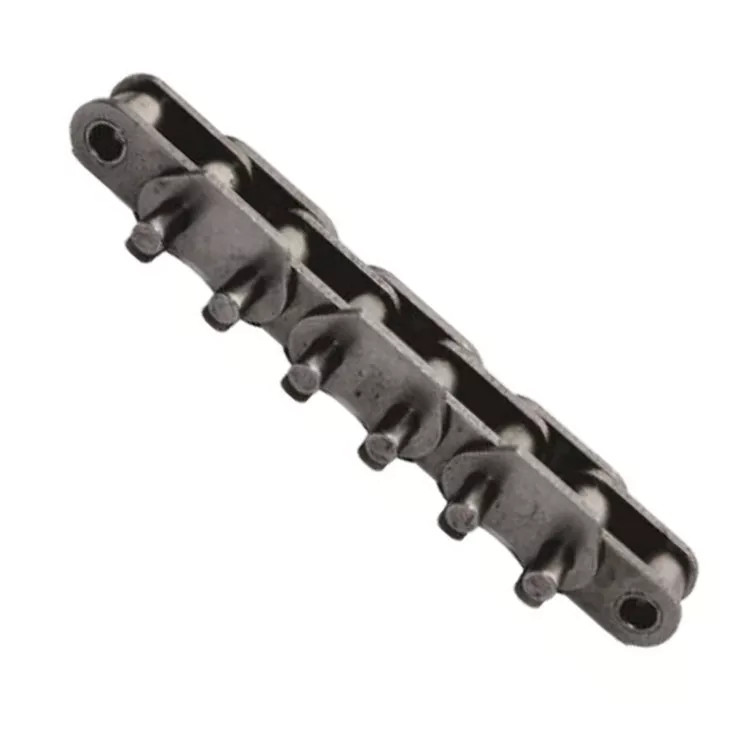
How do you prevent corrosion in conveyor chains?
Preventing corrosion in conveyor chains is essential for maintaining their performance and prolonging their lifespan. Here are some effective measures to prevent corrosion:
1. Material Selection: Choose conveyor chains made from corrosion-resistant materials such as stainless steel, plastic, or coatings specifically designed to resist corrosion. These materials offer better protection against rust and corrosion compared to standard steel chains.
2. Proper Lubrication: Apply a suitable lubricant to the conveyor chain regularly. Lubrication creates a protective barrier that helps prevent moisture and contaminants from reaching the metal surface, reducing the risk of corrosion. Select a lubricant that provides corrosion protection properties and is compatible with the chain material.
3. Environmental Controls: Control the operating environment to minimize exposure to corrosive elements. Implement measures such as humidity control, proper ventilation, and protection from direct contact with water or chemicals. Consider using covers or enclosures to shield the conveyor chain from environmental factors that can accelerate corrosion.
4. Surface Treatments: Apply corrosion-resistant coatings or treatments to the conveyor chain. These coatings can provide an additional protective layer that acts as a barrier against moisture and corrosive substances. Examples of surface treatments include zinc plating, galvanizing, or epoxy coatings.
5. Regular Inspections and Cleaning: Regularly inspect the conveyor chain for signs of corrosion or damage. Remove any accumulated dirt, debris, or corrosive substances promptly. Cleaning the chain helps prevent the buildup of contaminants that can accelerate corrosion.
6. Preventive Maintenance: Implement a preventive maintenance program that includes regular cleaning, lubrication, and inspection of the conveyor chain. This proactive approach helps identify and address any potential corrosion issues early on, preventing further damage.
7. Proper Storage: When not in use, store the conveyor chains in a dry and controlled environment. Protect them from exposure to moisture, humidity, and corrosive substances. Use appropriate storage methods, such as hanging the chains or storing them in sealed containers.
By following these preventive measures, you can significantly reduce the risk of corrosion in conveyor chains, ensuring their optimal performance and longevity.
How does a conveyor chain compare to other types of conveyor systems?
Conveyor chains are one of the common types of conveyor systems used in various industries. They offer specific advantages and characteristics that differentiate them from other types of conveyor systems.
1. Versatility: Conveyor chains are highly versatile and can be used for a wide range of applications, including horizontal, inclined, and vertical conveying. They can handle various types of materials, from bulk solids to individual items.
2. High Load Capacity: Conveyor chains are known for their high load-carrying capacity. They are designed to handle heavy loads and can be used in applications where other conveyor systems may not be suitable.
3. Durability: Conveyor chains are built to withstand harsh operating conditions and heavy-duty use. They are made from strong and durable materials, such as steel or alloy, that can withstand abrasion, impact, and wear.
4. Flexibility: Conveyor chains offer flexibility in terms of layout and design. They can be configured to accommodate complex conveyor paths, curves, and multiple discharge points, allowing for efficient material flow and system customization.
5. Cost-Effective: Conveyor chains often provide a cost-effective solution for material handling compared to other conveyor systems. They have a relatively low initial cost, require less maintenance, and have a longer service life.
However, it’s important to note that conveyor chains may not be suitable for every application. Other types of conveyor systems, such as belt conveyors, screw conveyors, or pneumatic conveyors, may offer specific advantages depending on the application requirements, material characteristics, or environmental factors.
Ultimately, the selection of the appropriate conveyor system depends on factors such as load capacity, material properties, layout constraints, cost considerations, and specific application needs.
editor by CX 2024-04-04
China best Thermoplastic Conveyor Flat Top Chains LF820-K400 Table Top Conveyor Chains
Descrizione del prodotto
| The main application is for conveying various food products and containers. The 820 is a plastic version of the related. The plastic chains however have a reinforcing middle rib underneath. The link thickness is 4.0 mm (0.16 in.) for the 820-series. The links overlap, so there is no space between the links. Plate mat.:POM/PP; Pin mat.:stainless steel Max.speed: 80m/min lubrication; 50m/min dry Max.length:12m; Color:white/brown; Packing unit:10ft(80links) |
| APPLICATIONS: |
| China CHINAMFG Machinery Co.,Ltd is a special supplier of conveyor system components,including plastic and stainless steel flat top chains, Modular belts, other spare parts, such as UHMWPE wearstrips, side guards, chains guide, bipods, tripods, brackets, clampls.ect. With our years of experence, quality products, excellent services we work with world wide clients from America, Europe, Africa, many counrties of Asia. We keep very good business relation with them, and get trusted from them. Our products application: Packaging and conveying industry Beverage bottling and handling industry Food and meat processing industry Chemical industry Pharmaceuticals industry Automobile industry Electrical and electronics industry Textile industry Light engineering industry |
/* March 10, 2571 17:59:20 */!function(){function s(e,r){var a,o={};try{e&&e.split(“,”).forEach(function(e,t){e&&(a=e.match(/(.*?):(.*)$/))&&1
| Materiale: | Plastic |
|---|---|
| Struttura: | Top Chain |
| Trattamento superficiale: | Low Friction |
| Dimensioni della catena: | Pitch 38.1mm |
| Color: | Brown/White/Others |
| Materials: | POM/PP/PE |
| Esempi: |
US$ 6/Meter
1 metro (ordine minimo) | |
|---|
| Personalizzazione: |
Disponibile
| Richiesta personalizzata |
|---|
How do you calculate the required horsepower for a conveyor chain drive?
The calculation of required horsepower for a conveyor chain drive involves considering various factors related to the conveyor system and the specific application. Here is a step-by-step process:
1. Determine the Total Resistance:
– Calculate the total resistance that the conveyor chain needs to overcome during operation. This includes the resistance due to the load being conveyed, frictional losses, elevation changes, and any other resistances in the system.
2. Convert the Resistance to Equivalent Inertia:
– Convert the total resistance to an equivalent inertia by multiplying it by the square of the chain speed.
3. Calculate the Total Inertia:
– Determine the total inertia of the system by considering the inertia of all the rotating components, such as the conveyor chain, sprockets, and any other driven elements.
4. Determine the Required Torque:
– Calculate the required torque by multiplying the total inertia by the desired acceleration or deceleration rate.
5. Convert Torque to Horsepower:
– Convert the required torque to horsepower by dividing it by the motor speed (in RPM) and multiplying by a conversion factor.
6. Consider Safety Factors and Efficiency:
– Apply safety factors to the calculated horsepower to account for variations, contingencies, and future growth.
– Consider the efficiency of the drive system, including the motor, gearbox, and other transmission components, to ensure accurate power transmission.
It’s important to note that the above calculation method provides an estimate of the required horsepower. Consulting with conveyor system manufacturers, engineers, or industry-specific guidelines is recommended for precise calculations and to ensure the selected conveyor chain drive meets the application requirements.
What are the design considerations for a long-span conveyor chain conveyor?
Designing a long-span conveyor chain conveyor requires careful consideration of various factors to ensure its efficiency, safety, and reliability. Here are some key design considerations:
1. Conveyor Chain Selection: Choose a conveyor chain that is suitable for long spans and can withstand the required load capacity. Consider factors such as chain material, pitch, strength, and durability to ensure it can handle the anticipated load and operating conditions.
2. Conveyor Structure: The conveyor structure should be designed to provide sufficient support and stability for the long span. Consider factors such as material strength, rigidity, and deflection to ensure the structure can handle the weight of the conveyor chain, the product being transported, and any additional loads.
3. Drive System: Select an appropriate drive system that can efficiently power the long-span conveyor chain. Consider factors such as motor power, speed, torque, and control mechanisms to ensure smooth and reliable operation.
4. Tensioning and Alignment: Proper tensioning and alignment of the conveyor chain are critical for its performance and longevity. Design the system with adequate provisions for tensioning devices and alignment mechanisms to maintain optimal chain tension and alignment throughout the conveyor’s length.
5. Supports and Bearings: Install adequate supports and bearings along the length of the conveyor to reduce chain sagging, minimize friction, and ensure smooth movement. Consider factors such as bearing type, lubrication, and maintenance requirements.
6. Conveyor Controls and Safety: Implement appropriate controls and safety features to monitor and control the operation of the long-span conveyor chain. This may include emergency stop systems, speed monitoring, overload protection, and safety interlocks.
7. Environmental Factors: Consider the environmental conditions in which the conveyor will operate, such as temperature, humidity, dust, and corrosive substances. Select materials and components that can withstand these conditions and implement proper ventilation, dust collection, and corrosion protection measures.
8. Maintenance and Accessibility: Design the conveyor system with ease of maintenance and accessibility in mind. Provide sufficient access points, walkways, and platforms for inspection, cleaning, and maintenance tasks. Consider factors such as lubrication points, conveyor cleaning systems, and easy replacement of worn components.
9. Future Expansion and Flexibility: Anticipate future needs for expansion or modifications and design the long-span conveyor chain conveyor with flexibility in mind. This may include allowing for additional conveyor sections, transfer points, or integration with other equipment.
By considering these design considerations, a long-span conveyor chain conveyor can be efficiently designed and optimized for its intended application, ensuring reliable and cost-effective material handling operations.
What are the cost considerations when purchasing a conveyor chain?
When purchasing a conveyor chain, there are several cost considerations that need to be taken into account to ensure an optimal investment and operational efficiency.
1. Initial Cost: The initial cost of the conveyor chain includes the cost of the chain itself, as well as any additional components such as sprockets, attachments, and connecting links. It is important to compare prices from different suppliers and evaluate the overall value for the money.
2. Maintenance and Repair Costs: Consider the long-term maintenance and repair costs associated with the conveyor chain. Some chains may require more frequent lubrication or replacement of components, which can add to the overall operating expenses.
3. Service Life: The service life of the conveyor chain is an essential factor in determining its cost-effectiveness. Chains with longer service life may have a higher initial cost but can result in lower replacement and downtime costs in the long run.
4. Energy Efficiency: Energy consumption is an ongoing cost to consider. Conveyor chains that offer lower friction and efficient power transmission can contribute to energy savings and reduce operating expenses.
5. Maintenance Ease: Consider the ease of maintenance when selecting a conveyor chain. Chains that are easier to clean, inspect, and maintain can reduce labor costs and increase operational efficiency.
6. Compatibility and Integration: Ensure that the selected conveyor chain is compatible with the existing conveyor system or equipment. Retrofitting or modifying the system to accommodate a specific chain may incur additional costs.
7. Supplier Support and Warranty: Evaluate the level of technical support provided by the supplier and the warranty coverage offered for the conveyor chain. This can impact the overall cost of ownership and provide peace of mind in case of any unforeseen issues.
It is important to consider these factors holistically and make a cost-benefit analysis based on the specific requirements of the application. Choosing a conveyor chain that aligns with the budget, performance needs, and long-term cost considerations will help optimize the investment and ensure efficient material handling operations.
editor by CX 2024-01-08
China Custom Stainless Steel Plastic Chains for Conveyor (PC35, PC40, PC50, PC60)
Descrizione del prodotto
| type | PC 35, PC 40, PC50, PC60 |
| Materials | POM+ stainless steel |
| Pitch | 6.35mm, 9.525mm, 12.7mm, 15.875mm, 19.05mm |
Small Pitch Roller Chains
Type: PC 35, PC 40, PC50, PC60
Materials: POM+ stainless steel
Pitch: 6.35mm, 9.525mm, 12.7mm, 15.875mm, 19.05mm
Color: White
Advantages: short pitch, low noise, light weight,
corrosion resistance, diamagnetic.
Plasic roller chains can be widely use for eletronic, food,medicine, chemical industry etc.
We are manufacturer professionally in plastic top chains, stainless steel top chains, and other conveyor components. We have abtained the quality certificate of ISO 9001: 2000, and our products have been sold to Europe, Middle East, America and many other coutries and regions.
Our products application:
Packaging and conveying industry
Beverage bottling and handling industry
Food and meat processing industry
Chemical industry
Pharmaceuticals industry
Automobile industry
Electrical and electronics industry
Textile industry
Light engineering industry
| Materiale: | POM |
|---|---|
| Struttura: | Catena a rulli |
| Trattamento superficiale: | Lucidatura |
| Dimensioni della catena: | 1/2"*11/128" |
| Caratteristica: | Short Pitch, Low Noise, Light Weight, |
| Structure (for Chain): | Catena a rulli |
| Esempi: |
US$ 1/Piece
1 pezzo (ordine minimo) | |
|---|
| Personalizzazione: |
Disponibile
| Richiesta personalizzata |
|---|
Can a conveyor chain be used in overhead conveyor systems?
Yes, a conveyor chain can be used in overhead conveyor systems. Overhead conveyor systems are designed to move materials, products, or components along an elevated path, typically in manufacturing or distribution facilities.
Conveyor chains used in overhead conveyor systems are specially designed to handle the weight and load requirements of the application. They are typically made from durable materials such as steel or stainless steel to ensure strength and longevity.
Here are some key considerations when using a conveyor chain in overhead conveyor systems:
1. Load Capacity:
– Ensure that the conveyor chain has sufficient load capacity to handle the weight of the conveyed items. The load capacity should be determined based on the maximum anticipated load and any potential dynamic forces.
2. Chain Type and Design:
– Select a conveyor chain that is suitable for overhead applications, such as an overhead conveyor chain or an inverted tooth chain. These chains are specifically designed to handle the unique requirements of overhead conveyance.
3. Lubrication:
– Proper lubrication is crucial for the smooth operation of the conveyor chain in an overhead system. Consider using lubricants that are suitable for overhead applications and ensure regular lubrication to minimize friction and wear.
4. Safety Measures:
– Implement appropriate safety measures to prevent accidents and ensure worker safety. This may include installing safety guards, emergency stop systems, and implementing regular maintenance and inspection routines.
It is important to consult with conveyor system manufacturers or experts who specialize in overhead conveyor systems to ensure the conveyor chain is selected and installed correctly for the specific application requirements.
How do you select the appropriate lubricant for a conveyor chain?
Selecting the right lubricant is crucial for maintaining the performance and longevity of a conveyor chain. Here are the key factors to consider when choosing a lubricant:
1. Chain Type and Material: Different conveyor chains may have specific requirements for lubrication based on their construction materials and design. Consult the manufacturer’s recommendations or specifications to determine the lubricant compatibility.
2. Operating Conditions: Consider the operating environment, such as temperature, humidity, and presence of contaminants. For high-temperature applications, choose a lubricant with a higher temperature tolerance. In wet or dusty environments, opt for lubricants that offer excellent resistance to water washout and provide effective protection against contaminants.
3. Load and Speed: Evaluate the load capacity and speed of the conveyor chain. Higher loads and speeds may require lubricants with better film strength and anti-wear properties to reduce friction and prevent premature wear.
4. Lubrication Method: Determine the lubrication method that will be used for the conveyor chain. Lubricants can be applied through drip systems, brushes, spray nozzles, or automatic lubrication systems. Consider the viscosity and consistency of the lubricant to ensure proper application and distribution.
5. Food-Grade Requirements: In food processing or pharmaceutical applications, where direct contact with the product may occur, it’s essential to use food-grade lubricants that meet industry regulations and requirements for safety and hygiene.
6. Maintenance Schedule: Consider the desired maintenance intervals and the lubricant’s longevity. Some lubricants may require more frequent reapplication, while others provide longer-lasting lubrication.
7. Compatibility with Other Materials: Take into account the compatibility of the lubricant with other materials in the conveyor system, such as seals, gaskets, and paints. Ensure that the lubricant does not cause any adverse effects on these components.
It is recommended to consult with lubricant manufacturers or industry experts to select the most suitable lubricant for your specific conveyor chain application. They can provide guidance based on their expertise and knowledge of lubricant formulations and performance characteristics.
How do you calculate the required length of a conveyor chain?
Calculating the required length of a conveyor chain involves considering several factors related to the conveyor system and the specific application. Here’s a step-by-step guide:
- Determine the Conveyor Length: Measure the total length of the conveyor path, including any horizontal, inclined, or vertical sections.
- Account for Sprocket Centers: Identify the locations of the sprockets or drive units along the conveyor path. Measure the distance between each pair of adjacent sprockets.
- Calculate the Number of Links: Divide the total conveyor length by the pitch of the chain to determine the number of links required. The pitch is the distance between the center of two consecutive pins on the chain.
- Consider Tension Adjustment: Take into account any tension adjustment requirements based on the specific application. This may include allowances for tensioning devices or tension variations due to load fluctuations.
- Include End Connections: Consider the length of the end connections, such as master links or connecting pins, which are used to join the ends of the chain. Include their dimensions in the total chain length calculation.
- Add Safety Factors: Incorporate appropriate safety factors to ensure adequate chain length for proper tensioning and to accommodate any potential stretching or wear over time.
It’s important to note that the calculation of the required chain length is an estimation based on various factors and may require adjustments during the installation and tensioning process. Consulting the conveyor manufacturer’s guidelines or working with an experienced engineer can provide more precise calculations based on the specific conveyor system and application requirements.
editor by CX 2023-11-29
China best Alloy Steel Conveyor Chain High Strength Agricultural Machinery Baling Machine Chains
Descrizione del prodotto
Profilo Aziendale
-HangZhou CHOHO Industrial Co., Ltd. was founded in 1999. Has become the leader of chain system technology, the first batch of natioal recognized enterprise technology center,national technology innovation demonstration enterprise,and the first A-share listed company in China’s chain drive industry.The securities code is 003033.
-CHOHO has 4 subsidiaries, including testing technology and international trading companies. has 4 factories in HangZhou, Thailand factory, ZheJiang R&D Center and Tokyo R&D Center. In addition, CHOHO ZHangZhoug Industrial zone is expected to be completed & put into operation next year.
-We specialized in producing all kinds of standard chains and special chains, such as Agricultural Chain, Sprocket, Chain Harrow, Tillage Parts,Rice Harvester Chain, GS38 Chain, Roller Chain, Automobile Chain, Motorcycle Chain Industrial Chain and so on.Our partners among world top enterprises, such as LOVOL,JOHN DEERE,NEWHOLLAND, CLASS,AGCO,DEUTZFAHR,HONDA, KUBOTA etc.
Production Capacity Equipment
By 2571,CHOHO has more than 2,700 sets of main production equipment and more than 600 sets of high-precision equipment,With the domestic advanced product laboratory and chain production assembly line, CHOHO has strong research and development and testing capabilities for high-end chain products.
I nostri vantaggi
1. Ogni tua richiesta riceverà una risposta professionale entro 6-8 ore.
2. Attribuisce grande importanza alla qualità del prodotto ed è certificata da numerosi sistemi di qualità globali, come quelli di Francia, Norvegia e Germania.
3. Specializzata in catene dal 1999, vanta una solida esperienza nella produzione.
4. Personale altamente qualificato, attrezzature all'avanguardia di prima classe, buon controllo qualità, tecnologia avanzata.
5. Essere bravi nella realizzazione di prodotti su misura e fornire servizi personalizzati ai clienti.
6. Ha partecipato alla stesura di 24 norme nazionali e industriali, come quelle relative alle catene. A marzo 2025, CHOHO detiene 180 brevetti autorizzati.
7. With the responsibility of “Providing high quality chain system with the same service life for the global locomotive industry”, have established a strong R&D team.
CHOHO has a natural brand awareness. As of January 2571, CHOHO has registered the “CHOHO” trademark in more than 60 countries, including the United States, Japan, the United Kingdom, France, Germany, Russia, Spain, Austria, Belgium, Bulgaria, Croatia, Czech Republic, Denmark, Finland, Greece , Hungary, Ireland, Italy, Netherlands, Poland, Portugal, Romania, Ukraine, Sweden, Australia, Algeria, Egypt, Kenya, Morocco, South Korea, Kazakhstan, Mongolia, Syria, Thailand, Pakistan, India, Brazil, Mexico, Colombia, etc.
Product Advantages
| — Dieci tecnologie chiave — |
| 1 | Tecnologia di precarico per la resistenza della catena | 2 | Tecnologia di trattamento Pin CRV |
| 3 | Tecnologia di punzonatura della piastra senza intoppi | 4 | Tecnologia dei pozzi petroliferi di Bush |
| 5 | Tecnologia a lubrificazione sottovuoto | 6 | Tecnologia di punzonatura di precisione |
| 7 | Tecnologia di prova di fatica a bassa frequenza per catene di dimensioni standard | 8 | Tecnologia di confronto della lunghezza della catena |
| 9 | Variante della tecnologia di progettazione del silenzio | 10 | tecnologie di test dinamico a catena |
Certifications
CHOHO attaches great importance to product quality and approved by many global quality system certification, such as France, Norway, and Germany. Through the establishment of a sophisticated production management process and quality control system, the entire product process control is achieved. With the introduction of advanced production, processing, and testing equipment, CHOHO has internationally leading full-process quality control capabilities to provide customers with high-quality products.
Choho fornisce soluzioni per sistemi di catena di approvvigionamento alle 500 aziende leader a livello globale e alle prime 10 aziende in vari settori!
Broad Customer Channels Market Continues to Develop!
CHOHO has been invited to participate in domestic & international agricultural machinery exhibitions, such as Hannover Messe, Bologna Fair, Canton Fair ,VIV ASIA and so on!
Packaging & Shipping
| Dettagli della confezione: | Chain+Plastic Bag+Neutral Box+Wooden case+Big Carton+Steel Pallets or Customization |
FAQ
1. Siete un'azienda produttrice o commerciale?
Siamo un'azienda specializzata nella produzione ed esportazione di catene da oltre 23 anni e disponiamo di un team di professionisti per il commercio internazionale.
2. Quali sono le modalità di pagamento che utilizzate di solito?
T/T 30% deposit and 70% against document, L/C at sight.
3. Quali sono i tempi di consegna per i vostri prodotti?
Normalmente 30-45 giorni. I prodotti in stock possono essere spediti immediatamente.
4. Partecipi a qualche spettacolo?
We attend Hannover show in Germany, EIMA in Italy, CHINAMFG in France, CIAME in China and many other Agricultural machinery shows.
5.Offrite campioni gratuiti?
Sì, possiamo farlo. Oppure puoi semplicemente farti carico delle spese di spedizione.
6. È disponibile la produzione OEM?
Sì, è disponibile il servizio OEM. Abbiamo designer professionisti che possono aiutarti nella progettazione.
| Tipo: | Catena per macchine agricole |
|---|---|
| Materiale: | Lega |
| Inside Material: | Stainless Steel |
| Esempi: |
US$ 5/Meter
1 metro (ordine minimo) | Ordina un campione |
|---|
| Personalizzazione: |
Disponibile
| Richiesta personalizzata |
|---|
.shipping-cost-tm .tm-status-off{background: none;padding:0;color: #1470cc}
| Costo di spedizione:
Costo stimato per unità. |
Informazioni sui costi di spedizione e sui tempi di consegna stimati. |
|---|
| Metodo di pagamento: |
|
|---|---|
|
Pagamento iniziale Pagamento completo |
| Valuta: | US$ |
|---|
| Resi e rimborsi: | È possibile richiedere un rimborso entro 30 giorni dalla ricezione dei prodotti. |
|---|
How do you calculate the required horsepower for a conveyor chain drive?
The calculation of required horsepower for a conveyor chain drive involves considering various factors related to the conveyor system and the specific application. Here is a step-by-step process:
1. Determine the Total Resistance:
– Calculate the total resistance that the conveyor chain needs to overcome during operation. This includes the resistance due to the load being conveyed, frictional losses, elevation changes, and any other resistances in the system.
2. Convert the Resistance to Equivalent Inertia:
– Convert the total resistance to an equivalent inertia by multiplying it by the square of the chain speed.
3. Calculate the Total Inertia:
– Determine the total inertia of the system by considering the inertia of all the rotating components, such as the conveyor chain, sprockets, and any other driven elements.
4. Determine the Required Torque:
– Calculate the required torque by multiplying the total inertia by the desired acceleration or deceleration rate.
5. Convert Torque to Horsepower:
– Convert the required torque to horsepower by dividing it by the motor speed (in RPM) and multiplying by a conversion factor.
6. Consider Safety Factors and Efficiency:
– Apply safety factors to the calculated horsepower to account for variations, contingencies, and future growth.
– Consider the efficiency of the drive system, including the motor, gearbox, and other transmission components, to ensure accurate power transmission.
It’s important to note that the above calculation method provides an estimate of the required horsepower. Consulting with conveyor system manufacturers, engineers, or industry-specific guidelines is recommended for precise calculations and to ensure the selected conveyor chain drive meets the application requirements.
How does a conveyor chain contribute to overall production efficiency?
A conveyor chain plays a crucial role in enhancing overall production efficiency in various industries. Here are the ways in which it contributes to efficiency:
1. Continuous Material Flow: A conveyor chain enables continuous and uninterrupted material flow from one point to another. It eliminates the need for manual handling or transportation of goods, reducing downtime and delays in production processes.
2. Increased Throughput: By automating material handling, a conveyor chain enables faster and more efficient movement of goods. It allows for higher throughput and production rates, maximizing the utilization of resources and reducing cycle times.
3. Improved Productivity: With a conveyor chain, employees can focus on value-added tasks rather than manual material handling. This leads to improved productivity as workers can concentrate on more skilled and critical operations.
4. Efficient Resource Allocation: A well-designed conveyor chain system optimizes the utilization of space, allowing for efficient layout and organization of production areas. It helps in streamlining workflow and minimizing wastage of resources such as floor space, manpower, and equipment.
5. Quality Control: Conveyor chains can be integrated with inspection stations or automated processes to ensure quality control at various stages of production. This helps in detecting and rectifying any defects or inconsistencies, reducing the chances of faulty products reaching the market.
6. Reduced Material Handling Costs: By eliminating or minimizing manual material handling, a conveyor chain reduces labor costs associated with transportation, lifting, and carrying of goods. It also minimizes the risk of injuries or accidents related to manual handling.
7. Flexibility and Adaptability: Conveyor chains can be customized to suit specific production requirements. They can be designed to accommodate different types of products, handle various load capacities, and adapt to changes in production demands. This flexibility allows for seamless integration with existing production systems and easy scalability.
8. Safety and Ergonomics: Conveyor chains incorporate safety features such as guards, emergency stop buttons, and interlocks to ensure worker safety. They also promote ergonomic practices by reducing physical strain on workers and minimizing the risk of musculoskeletal injuries.
Overall, a well-designed and properly maintained conveyor chain system enhances production efficiency by optimizing material flow, increasing throughput, improving productivity, reducing costs, ensuring quality control, and prioritizing worker safety.
Come si risolvono i problemi più comuni delle catene di trasporto?
La risoluzione dei problemi più comuni delle catene portacavi prevede l'identificazione del problema e l'adozione delle misure appropriate per risolverlo. Ecco alcuni problemi comuni e le relative procedure di risoluzione:
- Slittamento della catena: Se la catena slitta o non si innesta correttamente sui pignoni, verificare la tensione, l'allineamento e la lubrificazione. Regolare la tensione se necessario e assicurarsi che la catena sia correttamente allineata con i pignoni.
- Inceppamento della catena: Se la catena si inceppa o si blocca frequentemente, ispeziona il nastro trasportatore per individuare eventuali ostruzioni o corpi estranei che potrebbero causare il problema. Rimuovi eventuali detriti o blocchi e assicurati che il percorso della catena sia libero.
- Rumore eccessivo: Se la catena emette rumori forti o insoliti, verificare che la lubrificazione sia adeguata. Una lubrificazione insufficiente può causare un aumento dell'attrito e della rumorosità. Applicare il lubrificante appropriato secondo le raccomandazioni del produttore.
- Rottura della catena: Se la catena si rompe frequentemente, controlla la presenza di componenti danneggiati o usurati. Sostituisci eventuali maglie, perni o attacchi rotti o usurati. Verifica inoltre la corretta tensione e l'allineamento, poiché una tensione eccessiva o un disallineamento possono causare la rottura della catena.
- Usura della catena: Se la catena presenta segni di usura, come allungamento o corrosione, è consigliabile sostituirla. Un'usura eccessiva può compromettere le prestazioni e la durata della catena. Ispezionare e misurare regolarmente la catena per verificarne l'usura e sostituirla quando necessario.
È importante seguire le corrette procedure di manutenzione, tra cui ispezioni, lubrificazione e tensionamento regolari, per prevenire e risolvere i problemi più comuni delle catene dei trasportatori. Consultare le linee guida del produttore e, se necessario, rivolgersi a un professionista.
editor by CX 2023-10-18
China factory Alloy Steel Conveyor Chain High Strength Agricultural Machinery Baling Machine Chains
Descrizione del prodotto
Profilo Aziendale
-HangZhou CHOHO Industrial Co., Ltd. was founded in 1999. Has become the leader of chain system technology, the first batch of natioal recognized enterprise technology center,national technology innovation demonstration enterprise,and the first A-share listed company in China’s chain drive industry.The securities code is 003033.
-CHOHO has 4 subsidiaries, including testing technology and international trading companies. has 4 factories in HangZhou, Thailand factory, ZheJiang R&D Center and Tokyo R&D Center. In addition, CHOHO ZHangZhoug Industrial zone is expected to be completed & put into operation next year.
-We specialized in producing all kinds of standard chains and special chains, such as Agricultural Chain, Sprocket, Chain Harrow, Tillage Parts,Rice Harvester Chain, GS38 Chain, Roller Chain, Automobile Chain, Motorcycle Chain Industrial Chain and so on.Our partners among world top enterprises, such as LOVOL,JOHN DEERE,NEWHOLLAND, CLASS,AGCO,DEUTZFAHR,HONDA, KUBOTA etc.
Production Capacity Equipment
By 2571,CHOHO has more than 2,700 sets of main production equipment and more than 600 sets of high-precision equipment,With the domestic advanced product laboratory and chain production assembly line, CHOHO has strong research and development and testing capabilities for high-end chain products.
I nostri vantaggi
1. Ogni tua richiesta riceverà una risposta professionale entro 6-8 ore.
2. Attribuisce grande importanza alla qualità del prodotto ed è certificata da numerosi sistemi di qualità globali, come quelli di Francia, Norvegia e Germania.
3. Specializzata in catene dal 1999, vanta una solida esperienza nella produzione.
4. Personale altamente qualificato, attrezzature all'avanguardia di prima classe, buon controllo qualità, tecnologia avanzata.
5. Essere bravi nella realizzazione di prodotti su misura e fornire servizi personalizzati ai clienti.
6. Ha partecipato alla stesura di 24 norme nazionali e industriali, come quelle relative alle catene. A marzo 2025, CHOHO detiene 180 brevetti autorizzati.
7. With the responsibility of “Providing high quality chain system with the same service life for the global locomotive industry”, have established a strong R&D team.
CHOHO has a natural brand awareness. As of January 2571, CHOHO has registered the “CHOHO” trademark in more than 60 countries, including the United States, Japan, the United Kingdom, France, Germany, Russia, Spain, Austria, Belgium, Bulgaria, Croatia, Czech Republic, Denmark, Finland, Greece , Hungary, Ireland, Italy, Netherlands, Poland, Portugal, Romania, Ukraine, Sweden, Australia, Algeria, Egypt, Kenya, Morocco, South Korea, Kazakhstan, Mongolia, Syria, Thailand, Pakistan, India, Brazil, Mexico, Colombia, etc.
Product Advantages
| — Dieci tecnologie chiave — |
| 1 | Tecnologia di precarico per la resistenza della catena | 2 | Tecnologia di trattamento Pin CRV |
| 3 | Tecnologia di punzonatura della piastra senza intoppi | 4 | Tecnologia dei pozzi petroliferi di Bush |
| 5 | Tecnologia a lubrificazione sottovuoto | 6 | Tecnologia di punzonatura di precisione |
| 7 | Tecnologia di prova di fatica a bassa frequenza per catene di dimensioni standard | 8 | Tecnologia di confronto della lunghezza della catena |
| 9 | Variante della tecnologia di progettazione del silenzio | 10 | tecnologie di test dinamico a catena |
Certifications
CHOHO attaches great importance to product quality and approved by many global quality system certification, such as France, Norway, and Germany. Through the establishment of a sophisticated production management process and quality control system, the entire product process control is achieved. With the introduction of advanced production, processing, and testing equipment, CHOHO has internationally leading full-process quality control capabilities to provide customers with high-quality products.
Choho fornisce soluzioni per sistemi di catena di approvvigionamento alle 500 aziende leader a livello globale e alle prime 10 aziende in vari settori!
Broad Customer Channels Market Continues to Develop!
CHOHO has been invited to participate in domestic & international agricultural machinery exhibitions, such as Hannover Messe, Bologna Fair, Canton Fair ,VIV ASIA and so on!
Packaging & Shipping
| Dettagli della confezione: | Chain+Plastic Bag+Neutral Box+Wooden case+Big Carton+Steel Pallets or Customization |
FAQ
1. Siete un'azienda produttrice o commerciale?
Siamo un'azienda specializzata nella produzione ed esportazione di catene da oltre 23 anni e disponiamo di un team di professionisti per il commercio internazionale.
2. Quali sono le modalità di pagamento che utilizzate di solito?
T/T 30% deposit and 70% against document, L/C at sight.
3. Quali sono i tempi di consegna per i vostri prodotti?
Normalmente 30-45 giorni. I prodotti in stock possono essere spediti immediatamente.
4. Partecipi a qualche spettacolo?
We attend Hannover show in Germany, EIMA in Italy, CHINAMFG in France, CIAME in China and many other Agricultural machinery shows.
5.Offrite campioni gratuiti?
Sì, possiamo farlo. Oppure puoi semplicemente farti carico delle spese di spedizione.
6. È disponibile la produzione OEM?
Sì, è disponibile il servizio OEM. Abbiamo designer professionisti che possono aiutarti nella progettazione.
| Tipo: | Catena per macchine agricole |
|---|---|
| Materiale: | Lega |
| Inside Material: | Stainless Steel |
| Esempi: |
US$ 5/Meter
1 metro (ordine minimo) | Ordina un campione |
|---|
| Personalizzazione: |
Disponibile
| Richiesta personalizzata |
|---|
.shipping-cost-tm .tm-status-off{background: none;padding:0;color: #1470cc}
| Costo di spedizione:
Costo stimato per unità. |
Informazioni sui costi di spedizione e sui tempi di consegna stimati. |
|---|
| Metodo di pagamento: |
|
|---|---|
|
Pagamento iniziale Pagamento completo |
| Valuta: | US$ |
|---|
| Resi e rimborsi: | È possibile richiedere un rimborso entro 30 giorni dalla ricezione dei prodotti. |
|---|

È possibile utilizzare una catena di trasporto in applicazioni con carichi elevati?
Sì, una catena di trasporto può essere utilizzata in applicazioni con carichi elevati. Le catene di trasporto sono progettate per resistere a carichi pesanti e garantire una movimentazione dei materiali affidabile ed efficiente in diversi settori industriali. Ecco una spiegazione dettagliata:
– Costruzione robusta:
Una catena di trasporto per applicazioni con carichi elevati è in genere realizzata con materiali durevoli come acciaio legato o acciaio inossidabile. Queste catene sono progettate per resistere alle forze e alle sollecitazioni imposte da carichi pesanti senza deformarsi o rompersi.
– Elevata capacità di carico:
Le catene per nastri trasportatori destinate ad applicazioni con carichi elevati sono progettate con componenti più grandi e robusti, tra cui piastre più spesse, perni più grandi e attacchi più resistenti. Questi miglioramenti consentono alla catena di gestire carichi più pesanti e di distribuire il peso in modo uniforme tra le maglie e i rulli della catena.
– Selezione appropriata:
Quando si utilizza una catena di trasporto in applicazioni con carichi elevati, è fondamentale selezionare il tipo e le dimensioni della catena appropriati in base ai requisiti di carico specifici. Fattori come il peso del materiale trasportato, la velocità del trasportatore e le condizioni operative devono essere presi in considerazione durante il processo di selezione.
– Lubrificazione e manutenzione:
Nelle applicazioni con carichi elevati, una lubrificazione adeguata e una manutenzione regolare della catena di trasporto sono essenziali. Una lubrificazione appropriata riduce l'attrito e l'usura, garantendo un funzionamento fluido e prolungando la durata della catena. Ispezioni e interventi di manutenzione periodici aiutano a identificare eventuali problemi o segni di usura che potrebbero compromettere le prestazioni della catena.
– Catene specifiche per l'applicazione:
In alcuni casi, per movimentare carichi estremamente pesanti si utilizzano catene di trasporto specializzate, come le catene a maglie forgiate o le catene a rulli. Queste catene offrono maggiore resistenza e durata, risultando adatte ad applicazioni gravose con carichi elevati.
Nel complesso, una catena di trasporto opportunamente selezionata e manutenuta può gestire in modo affidabile applicazioni ad alto carico, garantendo una movimentazione dei materiali efficiente e continua in settori quali l'industria mineraria, edile, automobilistica e la produzione pesante.
Quali sono i vantaggi dell'utilizzo di una catena di trasporto in plastica?
Le catene di trasporto in plastica offrono diversi vantaggi rispetto alle tradizionali catene metalliche. Ecco alcuni dei principali vantaggi:
1. Resistenza alla corrosione: le catene in plastica sono altamente resistenti alla corrosione, il che le rende ideali per applicazioni in ambienti umidi o corrosivi. Non arrugginiscono né si deteriorano se esposte all'umidità o a sostanze chimiche.
2. Leggerezza: le catene in plastica sono notevolmente più leggere di quelle in metallo, il che le rende più facili da maneggiare e installare. La loro leggerezza riduce il peso complessivo del sistema di trasporto e può comportare un risparmio energetico durante il funzionamento.
3. Funzionamento silenzioso: le catene in plastica generano meno rumore rispetto alle catene in metallo, garantendo un ambiente di lavoro più silenzioso. Questo può essere particolarmente vantaggioso in settori in cui la riduzione del rumore è importante, come l'industria alimentare o del confezionamento.
4. Attrito e usura ridotti: le catene in plastica hanno proprietà autolubrificanti che riducono l'attrito e l'usura. Ciò si traduce in minori esigenze di manutenzione e una maggiore durata della catena. La superficie liscia delle catene in plastica riduce inoltre al minimo il rischio di danni al prodotto durante il trasporto.
5. Flessibilità e modularità: le catene in plastica possono essere facilmente personalizzate e progettate per adattarsi ai requisiti specifici del sistema di trasporto. Offrono flessibilità in termini di lunghezza, larghezza e configurazione. Inoltre, le catene in plastica sono spesso modulari, il che consente una facile sostituzione delle sezioni danneggiate o usurate senza dover sostituire l'intera catena.
6. Convenienza: le catene di trasporto in plastica sono generalmente più convenienti rispetto a quelle in metallo. Spesso costano meno da produrre e offrono una maggiore durata con esigenze di manutenzione minime, con conseguente riduzione dei costi complessivi.
7. Resistenza chimica: le catene in plastica sono resistenti a un'ampia gamma di sostanze chimiche, il che le rende adatte ad applicazioni in cui l'esposizione a sostanze aggressive rappresenta un problema. Possono resistere al contatto con oli, acidi, alcali e vari detergenti.
Nel complesso, i vantaggi derivanti dall'utilizzo di una catena di trasporto in plastica includono resistenza alla corrosione, leggerezza, bassa rumorosità, attrito e usura ridotti, flessibilità, economicità e resistenza chimica. Questi vantaggi rendono le catene in plastica una scelta popolare in diversi settori, tra cui l'industria alimentare, l'imballaggio, l'industria farmaceutica e la logistica.
What are the maintenance requirements for a conveyor chain?
Maintaining a conveyor chain is essential to ensure its smooth operation and prolong its lifespan. Here are some key maintenance requirements for a conveyor chain:
- Regular Cleaning: Clean the conveyor chain regularly to remove dirt, debris, and contaminants that can contribute to chain wear and reduce performance. Use appropriate cleaning agents and tools to avoid damaging the chain.
- Lubrication: Apply the recommended lubricant to the conveyor chain according to the manufacturer’s guidelines. Lubrication helps reduce friction, minimize wear, and prevent corrosion.
- Tension Adjustment: Check the tension of the conveyor chain regularly and adjust it if necessary. Proper tension ensures smooth operation and prevents issues like chain slipping or excessive wear.
- Inspection: Conduct regular inspections of the conveyor chain to identify any signs of wear, damage, or misalignment. Look for issues such as worn sprockets, elongation, bent or damaged links, and loose connections. Address any problems promptly to prevent further damage.
- Replace Worn Components: If any components of the conveyor chain, such as links, pins, or sprockets, are excessively worn or damaged, they should be replaced. Using worn components can compromise the chain’s performance and lead to failure.
- Alignment: Ensure proper alignment of the conveyor chain by checking the alignment of sprockets, idlers, and other components. Misalignment can cause uneven wear and increase the risk of chain failure.
- Training and Education: Provide proper training to personnel responsible for operating and maintaining the conveyor chain. They should understand the maintenance requirements, safety protocols, and best practices to ensure effective and safe operation.
Following these maintenance requirements will help keep the conveyor chain in optimal condition, minimize downtime, and ensure safe and efficient material handling.
editor by CX 2023-10-17
China Hot selling Industrial Mill Steel Welded Lumber Conveyor Chain Attachment Roller Chain Drag Chains
Descrizione del prodotto
WH82 Welded Steel Chain ( For Steel Factory)
We own the sophisticated equipment and the advanced technology, such as:
1. CAD Designer
2. Wire Cutting Machine
3. Chain Running In Machine
4. Conveyor Furance
5. Ball Drift
6. Shot Peened Parts
7. Design Of Link Plate Waist
We have different models of welding chains, such as:
| Chain No
|
Pitch
(mm) |
Outside Barrel Dia
(mm) |
Pin Dia
(mm) |
Side Bar Height
(mm) |
Approx Tooth Face at pitch line
(mm) |
Length of Bearing
(mm) |
Plate Thickness
(mm) |
Ultimate tensile strength
(KN) |
Weight Approx
(Kg/FT) |
|
| WH82 | 78.1 | 26.97 | 14.35 | 31.8 | 38.1 | 57.4 | 6.4 | 132 | 2.28 |
|
Company Detail:
GOODUCK(TAI) is 1 of a professional exporter with exporting POWER TRANSMISSION PARTS: Roller chains,Conveyor chains,Stainless steel Chains, agricultural chains, steel detachable chains, special chains, sprockets, s. S. Sprockets, HRC couplings, pulleys, bushes etc. All these products have been supplied regularly to World Wide for over 15 years.
Welcome contact for more details.
Sofia Chen(Sales Manager)
HangZhou GOODLUCK TRANSMISSION TECHNOLOGY CO.,LTD
| Materiale: | Steel |
|---|---|
| Struttura: | Welded Chain |
| Trattamento superficiale: | Lucidatura |
| Dimensioni della catena: | 1/2"*11/128" |
| Caratteristica: | Fire Resistant |
| Trade Style: | Trade/Manufacture/OEM |
| Personalizzazione: |
Disponibile
| Richiesta personalizzata |
|---|
È possibile utilizzare una catena di trasporto in ambienti con temperature estreme?
Sì, le catene di trasporto possono essere progettate e realizzate per resistere ad ambienti con temperature estreme. L'idoneità di una catena di trasporto per applicazioni ad alta o bassa temperatura dipende dalla composizione del materiale e dalla sua costruzione.
1. Ambienti ad alta temperatura: Per applicazioni che prevedono temperature elevate, si utilizzano comunemente catene di trasporto realizzate con materiali resistenti al calore come l'acciaio inossidabile o leghe speciali. Queste catene possono sopportare temperature elevate senza deformazioni significative o perdita di resistenza. Sono progettate per resistere all'ossidazione, alla corrosione e alla dilatazione termica, garantendo prestazioni affidabili in ambienti caldi.
2. Ambienti a bassa temperatura: Allo stesso modo, le catene di trasporto possono essere progettate anche per applicazioni a bassa temperatura. Negli ambienti freddi, si utilizzano catene realizzate con materiali che rimangono duttili e resistenti alle basse temperature. Queste catene sono progettate per resistere agli effetti delle basse temperature senza diventare fragili o perdere le proprie proprietà meccaniche.
È importante consultare i produttori di catene per nastri trasportatori o esperti specializzati in applicazioni a temperature estreme per selezionare il materiale e il design più adatti. Essi possono fornire indicazioni su fattori quali la scelta del materiale, la lubrificazione e le considerazioni operative per garantire che la catena del nastro trasportatore funzioni in modo efficace e affidabile in ambienti con temperature estreme.
How do you select the appropriate lubricant for a conveyor chain?
Selecting the right lubricant is crucial for maintaining the performance and longevity of a conveyor chain. Here are the key factors to consider when choosing a lubricant:
1. Chain Type and Material: Different conveyor chains may have specific requirements for lubrication based on their construction materials and design. Consult the manufacturer’s recommendations or specifications to determine the lubricant compatibility.
2. Operating Conditions: Consider the operating environment, such as temperature, humidity, and presence of contaminants. For high-temperature applications, choose a lubricant with a higher temperature tolerance. In wet or dusty environments, opt for lubricants that offer excellent resistance to water washout and provide effective protection against contaminants.
3. Load and Speed: Evaluate the load capacity and speed of the conveyor chain. Higher loads and speeds may require lubricants with better film strength and anti-wear properties to reduce friction and prevent premature wear.
4. Lubrication Method: Determine the lubrication method that will be used for the conveyor chain. Lubricants can be applied through drip systems, brushes, spray nozzles, or automatic lubrication systems. Consider the viscosity and consistency of the lubricant to ensure proper application and distribution.
5. Food-Grade Requirements: In food processing or pharmaceutical applications, where direct contact with the product may occur, it’s essential to use food-grade lubricants that meet industry regulations and requirements for safety and hygiene.
6. Maintenance Schedule: Consider the desired maintenance intervals and the lubricant’s longevity. Some lubricants may require more frequent reapplication, while others provide longer-lasting lubrication.
7. Compatibility with Other Materials: Take into account the compatibility of the lubricant with other materials in the conveyor system, such as seals, gaskets, and paints. Ensure that the lubricant does not cause any adverse effects on these components.
It is recommended to consult with lubricant manufacturers or industry experts to select the most suitable lubricant for your specific conveyor chain application. They can provide guidance based on their expertise and knowledge of lubricant formulations and performance characteristics.
How does a conveyor chain compare to other types of conveyor systems?
Conveyor chains are one of the common types of conveyor systems used in various industries. They offer specific advantages and characteristics that differentiate them from other types of conveyor systems.
1. Versatility: Conveyor chains are highly versatile and can be used for a wide range of applications, including horizontal, inclined, and vertical conveying. They can handle various types of materials, from bulk solids to individual items.
2. High Load Capacity: Conveyor chains are known for their high load-carrying capacity. They are designed to handle heavy loads and can be used in applications where other conveyor systems may not be suitable.
3. Durability: Conveyor chains are built to withstand harsh operating conditions and heavy-duty use. They are made from strong and durable materials, such as steel or alloy, that can withstand abrasion, impact, and wear.
4. Flexibility: Conveyor chains offer flexibility in terms of layout and design. They can be configured to accommodate complex conveyor paths, curves, and multiple discharge points, allowing for efficient material flow and system customization.
5. Cost-Effective: Conveyor chains often provide a cost-effective solution for material handling compared to other conveyor systems. They have a relatively low initial cost, require less maintenance, and have a longer service life.
However, it’s important to note that conveyor chains may not be suitable for every application. Other types of conveyor systems, such as belt conveyors, screw conveyors, or pneumatic conveyors, may offer specific advantages depending on the application requirements, material characteristics, or environmental factors.
Ultimately, the selection of the appropriate conveyor system depends on factors such as load capacity, material properties, layout constraints, cost considerations, and specific application needs.
editor by CX 2023-10-09
China Professional Factory Sales Heavy Duty/Black Painting/Galvanized/Carburized Lifting Link Welded Alloy Steel Traction Conveyor Chains with CE/ISO for Mining Use/Hoisting
Descrizione del prodotto
Product introduction
1. Size 6mm to 22mm, alloy steel 25MnV or 20MN2,
24mm to 42mm using imported German 23MnNiMoCr54 alloy steel
2. Surface: self-coloring, painted black; Plastic coated galvanized
3. Safety factor :4:1
4. Comply with EN818-2 standard
5. Standard CZPT or customer requirements, at least 1 meter apart
6. Serial number printed on high power round steel chain;
All production and certification dates are also recorded. Mark once per Meter run.
Lifting and rigging chain has been 1 of the most popular rigging products on the market for many years, mainly due to its strength, durability, and ease of use. All our alloy steel rigging and lifting chain is heat treated to offer industry leading load capacity and durability. Some steel rigging chains are approved for overhead lifting, while others are not, so it is important to always know what type of lifting chain your specific rigging application requires
Product specification
| Product name | 10mm Grade 80 Chain Lift Anchor Transport Welded Alloy Carbon Stainless Steel Heavy Duty Lifting Chain with Hook |
| Grade | Grade 80 Grade 100 or as your request |
| Size | 4/5/6/7/8/10/11/12/13/16/19/20/22/28/32mm or as your request |
| Color | Black , Self color ,Yellow , Red or As your request |
| Length | Custom |
| Materiale | Alloy steel, 20Mn2A, Stainless steel , high carbon steel . |
| Surface treatment | Blacken finished ,Hot dip galvanized , electroplating , powder coating ,black painted . |
| Structure | Welded chain |
| Process | Fully automatic deburring |
| Campione | Support |
| OEM&ODM | Support |
| MOQ | 2T |
| Standards | G30 G43 G70 CZPT chains NACM/SATM chains |
| Certificate | ISO9001 & CE |
| Method of payment | T/T ,Western Union. |
| Key words | 10mm Grade80 Chain Lift Anchor Transport Welded Alloy Carbon Stainless Steel Heavy Duty lifting chain ;Single Leg CZPT G100 EN818 polished Electric hot dip galvanized black finished painted lifting chain;Us standard black self color plated zinc strong chromate coating 1leg 2legs 3legs 4legs lifting chain |
HangZhou CZPT CO, Ltd. The company is located in ZheJiang province on the east coast of China. As a professional chain manufacturer, QRE focuses on the production and technology of carbon steel, alloy and stainless steel chains, and has established a good reputation and reputation in the local market.
1. High quality alloy material, strong and durable.
2.Thick and bulky, not decoupling, carrying capacity is stronger. Any combination of rigging to meet different use requirements
3. Finishing is not only smooth surface, but also improve its wear resistance, corrosion resistance, rust resistance to obtain high hardness.
4. All kinds of hooks, rings, widely used in vehicles and boats, machinery, mines, ports and other lifting places.
Purpose of use
High strength chain for carrying heavy loads
Used for heavy lifting in mines and construction sites
Grade CZPT lifting chain is an indispensable lifting device when lifting heavy objects. It is made of high-quality alloy steel(manganese steel,etc.),and the quality is strictly controlled throughout the whole process. Only in this way can the lifting chain reach Grade 80 international standard.
Profilo Aziendale
Founded in 1998, HangZhou Fuster Rigging Co., Ltd., formerly known as Xihu (West Lake) Dis. Chain Factory, is located in Xihu (West Lake) Dis. County of ZheJiang Province known as “The Gem City of China”, and specializes in producing and marketing chain and rigging related products at home and abroad.
Our company has independent import and export operating rights, and can handle the certifications of CCS, LR, DNV and other famous classification societies for products. Our products are sold to dozens of countries such as Europe, America and Middle East as well as more than 10 provincial and municipal regions in China, and are widely applied to the fields of ships, steel, petrochemical industry, coal mine, etc.
In the principle of “Quality-honoring & Promise-keeping”, our company meets the requirements of all the customers through service innovation, changes the original production state through technical innovation, improves the product quality through process innovation, and continuously goes to standardization, elaboration, process and scientification through the business thought of constant innovation.
Absolute CZPT will move a heart of stone. Our company is willing to cooperate with domestic and foreign new/old customers in utmost sincerity, to create a common future!
The production process
How do we control quality:
a) Pay attention to adaptation for manufacture process
b) Approval report for shipment
c) Third party inspection is accepted
d) Keeping quality guarantee for a long period
e) Guaranteeing quality inspection of each product before assembly and packing.
f) Comply with ISO 9001
Packing and transportation
Why choose us?
1.Stable Brand Cooperation
2.High Quality Production
3.Excellent Service
4.High Quality Product
FAQ
1.How long is your delivery time?
A: Generally it is 5-10 work days if the goods are in stock. or it is 15-20 work days if the goods are not in stock, it is according to quantity.
2.What is your terms of payment ?
A: Payment=1000USD, 30% T/T in advance ,balance before shippment.
3.What products do you supply?
As mentioned above, HangZhou CZPT Factory is capable of supplying:
√All kinds of marine supplies
√Chains
√Rigging hardwares
√Fasteners
√related hardwares
4.How do I receive the goods?
With our professional transport agents, we are capable of delivery products to most ports all over the world.Door-to-door service is also supported.
FOB, C&F, CIF are most commonly used trade terms.
5.Can you give warranty of your products?
A: Yes, we extend a 100% satisfaction guarantee on all items. Please feel free to feedback immediately if you are not pleased with our quality or service.
6.Where are you? Can I visit you?
A: Sure,welcome to you visit our factory at any time.
Certificate
Our team
Our foreign trade staff are all senior staff with more than 10 years of experience, and our foreign trade manager has more than 20 years of experience in foreign trade. In addition to providing you with the best products, we can also provide you with the best service
|
Costo di spedizione:
Costo stimato per unità. |
Da negoziare |
|---|
| Utilizzo: | Transmission Chain, Drag Chain, Conveyor Chain, Dedicated Special Chain, Lifting Chain |
|---|---|
| Materiale: | Lega |
| Trattamento superficiale: | Baking Paint |
| Esempi: |
US$ 0/Meter
1 metro (ordine minimo) | Ordina un campione |
|---|
| Personalizzazione: |
Disponibile
| Richiesta personalizzata |
|---|
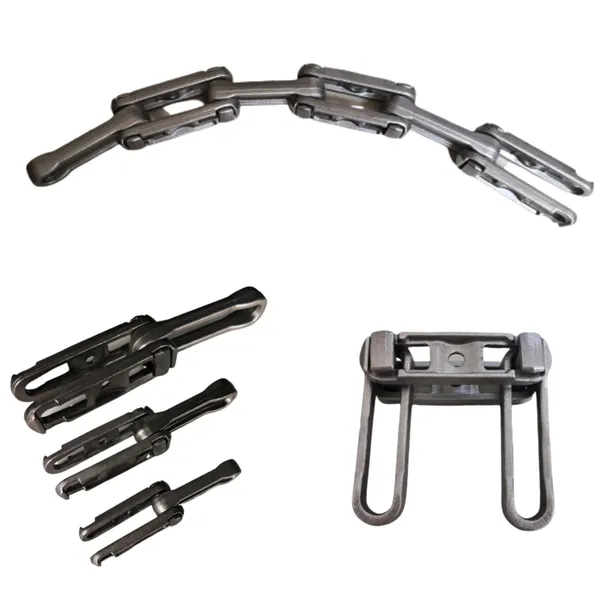
Can a conveyor chain be used in cleanroom environments?
Yes, conveyor chains can be used in cleanroom environments with proper selection and design considerations. Cleanroom environments require stringent control of airborne particles, such as dust, microbes, and contaminants, to maintain high levels of cleanliness. Here are some factors to consider when using a conveyor chain in a cleanroom:
1. Material Selection:
– Choose a conveyor chain made from materials that are compatible with cleanroom requirements. Stainless steel, plastic, or special coatings are commonly used for their clean and non-contaminating properties.
– Avoid materials that generate excessive particles or contaminants, such as certain types of lubricants or chain coatings.
2. Design Considerations:
– Design the conveyor chain system to minimize particle generation. This includes smooth surfaces, rounded edges, and avoiding areas that can trap or accumulate particles.
– Use sealed or enclosed chain designs to prevent the release of lubricants or contaminants.
– Consider the integration of additional features, such as covers or guards, to further protect the chain and prevent particle ingress.
3. Cleaning and Maintenance:
– Establish a cleaning and maintenance protocol specific to the cleanroom environment. This may include regular cleaning and sanitization procedures to maintain cleanliness standards.
– Use cleaning agents and procedures that are approved for cleanroom use and do not introduce contaminants.
– Regularly inspect the conveyor chain system for any signs of wear, damage, or contamination. Promptly address any issues to ensure the chain’s reliability and cleanliness.
4. Compliance with Cleanroom Standards:
– Ensure that the conveyor chain system meets the cleanliness and particle generation requirements of the specific cleanroom standards or classifications in which it will be used.
– Comply with relevant industry guidelines and regulations, such as ISO standards, when selecting and using conveyor chains in cleanroom environments.
By considering these factors and implementing proper material selection, design considerations, cleaning protocols, and compliance with cleanroom standards, a conveyor chain can be effectively used in cleanroom environments while maintaining the required cleanliness levels.
Quali sono i fattori da considerare nella scelta del passo di una catena di trasporto?
Nella scelta del passo di una catena di trasporto, è necessario considerare diversi fattori per garantire prestazioni ed efficienza ottimali. Ecco i fattori chiave:
1. Capacità di carico: Il passo della catena del trasportatore deve essere scelto in base alla capacità di carico prevista del sistema. Considerare il peso e le dimensioni dei materiali trasportati per assicurarsi che la catena possa gestire il carico richiesto senza superare la sua capacità.
2. Velocità e applicazione: La velocità di funzionamento del sistema di trasporto e l'applicazione specifica influiscono sulla determinazione del passo. Velocità più elevate possono richiedere catene con passo più piccolo per garantire un funzionamento fluido e affidabile.
3. Lunghezza del trasportatore: La lunghezza del sistema di trasporto influisce sulla scelta del passo della catena. I trasportatori più lunghi possono richiedere catene con passo maggiore per distribuire il carico e ridurre la tensione sui singoli anelli della catena.
4. Vincoli di spazio: Considerare lo spazio disponibile per il sistema di trasporto. Nelle applicazioni con spazio limitato, si possono preferire catene a passo ridotto per minimizzare l'ingombro complessivo del trasportatore.
5. Usura e manutenzione: nella scelta del passo delle catene è necessario considerare anche l'usura prevista e le esigenze di manutenzione. Le catene a passo più piccolo offrono spesso una maggiore resistenza all'usura e possono richiedere lubrificazione e manutenzione meno frequenti.
6. Regolazione della velocità: Se il sistema di trasporto richiede la regolazione della velocità o un posizionamento preciso, la scelta del passo deve essere compatibile con le capacità di controllo del sistema di azionamento. Le catene con passo più piccolo offrono un controllo e una precisione maggiori.
7. Compatibilità: Assicurarsi che il passo selezionato sia compatibile con gli altri componenti del sistema di trasporto, inclusi pignoni, guide e accessori. Devono essere progettati per funzionare insieme in modo fluido ed efficiente.
8. Ambiente di applicazione: Considerare le condizioni ambientali in cui il trasportatore opererà. Fattori come temperatura, umidità, sostanze corrosive o materiali abrasivi possono influenzare la scelta del passo e del materiale della catena per garantire durata e longevità.
Tenendo conto di questi fattori, è possibile selezionare il passo appropriato per la catena del trasportatore, garantendo prestazioni ottimali, lunga durata e funzionamento affidabile del sistema.
What are the cost considerations when purchasing a conveyor chain?
When purchasing a conveyor chain, there are several cost considerations that need to be taken into account to ensure an optimal investment and operational efficiency.
1. Initial Cost: The initial cost of the conveyor chain includes the cost of the chain itself, as well as any additional components such as sprockets, attachments, and connecting links. It is important to compare prices from different suppliers and evaluate the overall value for the money.
2. Maintenance and Repair Costs: Consider the long-term maintenance and repair costs associated with the conveyor chain. Some chains may require more frequent lubrication or replacement of components, which can add to the overall operating expenses.
3. Service Life: The service life of the conveyor chain is an essential factor in determining its cost-effectiveness. Chains with longer service life may have a higher initial cost but can result in lower replacement and downtime costs in the long run.
4. Energy Efficiency: Energy consumption is an ongoing cost to consider. Conveyor chains that offer lower friction and efficient power transmission can contribute to energy savings and reduce operating expenses.
5. Maintenance Ease: Consider the ease of maintenance when selecting a conveyor chain. Chains that are easier to clean, inspect, and maintain can reduce labor costs and increase operational efficiency.
6. Compatibility and Integration: Ensure that the selected conveyor chain is compatible with the existing conveyor system or equipment. Retrofitting or modifying the system to accommodate a specific chain may incur additional costs.
7. Supplier Support and Warranty: Evaluate the level of technical support provided by the supplier and the warranty coverage offered for the conveyor chain. This can impact the overall cost of ownership and provide peace of mind in case of any unforeseen issues.
It is important to consider these factors holistically and make a cost-benefit analysis based on the specific requirements of the application. Choosing a conveyor chain that aligns with the budget, performance needs, and long-term cost considerations will help optimize the investment and ensure efficient material handling operations.
editor by CX 2023-09-11