Product Description
Drive Roller Conveyor Leaf Hollow Pin Industrial Chain Elevator Silent Hoisting Pintle Cast Stainless Steel Duplex Engineering Drag Link Agricultural Escalator
Product Description
Click on the picture to get the latest quotation
| transmission chain (Driving Chain) | Short Pitch Precision Roller Chain (A Series)(1,2,3) | 04C-1 06C-1-2-3 085-1-2-3 08A-1-2-3 10A-1-2-3 12A-1-2-3 16A-1-2-3 20A-1-2-3 24A-1-2-3 28A-1-2-3 32A-1-2-3 40A-1-2-3 48A-1-2-3 |
| 25 35 35-2 35-3 -2 40-3 50 50-2-50-3 60 60-2 60-3 80 80-2 80-3 100 100-2 100-3 120 120-2 120-3 140 140-2 160 160-2 -2 240 | ||
| Short Pitch Precision Roller Chain (B Series)(1,2,3) | 06B-1-2-3 06B-1-2-3 08B-1-2-3 10B-1-2-3 12B-1-2-3 16B-1-2-3 20B-1-2-3 24B-1-2-3 28B-1-2-3 32B-1-2-3 40B-1-2-3 48B-1-2-3 56B-1-2-3 64B-1-2-3 72B-1-2-3 | |
| Heavy Duty Series Roller Chain(1,2) | 08AH-1 10AH-1 12AH-1-2-3 16AH-1-2-3 20AH-1-2-3 24AH-1-2-3 28AH-1-2-3 32AH-1-2-3 40AH-1-2-3 | |
| Side Bow Chain | 40SB 43SB 50SB 60SB 63SB 80SB 08BSB 08BSBY1 10BSB 12BSB C2050SB | |
| Motorcycle Chain | 410 415 415H 420 420H 428 428H 520 520H 525 525H 530 530H 630 630H | |
| Engine Mechanism Chain (Timing Chain) | CL04 | |
| Self-Lubrication Roller Chain | 08BSLR 10BSLR 12BSLR 16BSLR 40SLR 50SLR 60SLR 80SLR | |
| Double Pitch Transmission Chain | 208A 208B 210A 210B 212A 212B 216A 216B 220A 220B | |
| 2040 2050 2060 2080 2100 | ||
| Bush Chain | P15F-B P20-B P25-B P25F1-B P30F2-B P36-B P40-B P45-B P50-B P55-B P60-B P70-B P80-B | |
| Conveyor Chain | Roller Chains With Straight Side Plates (A Series) | C08A-1-2-3 C10A-1-2-3 C12-1-2-3 C24A-1-2-3 C32A-1-2-3 |
| C35 C40-1-2-3 C50-1-2-3 C80-1-2-3 C100-1-2-3 C120-1-2-3 C140-1-2-3 C160-1-2-3 | ||
| Roller Chains With Straight Side Plates (B Series) | C08B-1-2-3 C10B-1-2-3 C12B-1-2-3 C16-1-2-3 C20B-1-2-3 C24B-1-2-3 C28B-1-2-3 C32B-1-2-3 | |
| Double Pitch Conveyor Chain | C208A C208AH C208B C208BL C210A C210AL C212A C212AH C212AHL C216A C216AL C216AH C216AHL C220A C220AL C220AH C220AHL C224A C224AL C224AH C224AHL C232A C232AL C232AH C232AHL | |
| C2050 C2052 C2060 C2062 C2060H C2080 C2080H C2082 C2082H C2100 C2100H C2102 C2102H C2120 C2120H C2122 C2122H C2160 C2160H C2162 C2162H | ||
| Double Pius Speed Chain | BS25-C206B BS25-C208A BS25-C210A BS25-C212A BS30-C206B BS30-C208B BS30-C210B BS30-C212B | |
| Conveyor Chain (M Series) | M20 M28 M40 M56 M80 | |
| Hollow Pin Conveyor Chain (MC Series) | MC28 MC56 MC112 MC224 | |
| Conveyor Chain (FV Series) | FV40 FV63 FV90 FV112 FV140 | |
| Conveyor Chain (FVT Series) | FVT40 FVT63 FVT90 FVT112 FVT140 FVT180 FVT250 FVT315 | |
| Hollow Pin Conveyor Chain (FVC Series) | FVC63 FVC90 FVC112 FVC140 FVC180 FVC250 FVC315 | |
| Conveyor Chain (Z Series) | Z40 Z100 Z160 Z300 | |
| Conveyor Chain (ZE Series) | ZE40 ZE100 ZE160 ZE300 | |
| Hollow Pin Conveyor Chain (ZC Series) | ZC21 ZC40 ZC60 ZC150 ZC300 | |
| Hollow Pin Chains | 08BHPF 08BHPF5 08BHP9 10BHPF3 10BHPF4 12BHPF2 12BHPF3 16BHPF3 16BHPF4 40HP 08BHPF7 08BHP 50HP 50HPF4 50H-HP 60HP 60HPF1 80HP 80HPF1 80HPF2 80H-HP 80HPF3 80HPF4 HB41.75F5 A2080HP | |
| Welded-type cranked link chains | WR78 WH78 WR82 WH82 WR106 WH106 WR110 WH110 WR111 WH111 WR124 WH124 WR132 WH132 WR150 WH150 WR155 WH155 WR157 WH157 WR78F5 WH78F4 WH124F1 WH111F1 | |
| Palm oil Chains | P101.6F2 P152F14 P152F17 P152F29 90R-S P101.6F64 P76.7 P152F31 | |
| Sugar mill chains | DH9063 DH2198 P152F93K2 P152F78K2 DH 0571 0 DH1796 P152F77-AS2 P203.2F9 | |
| Rubber gloves carrier chains | P100F155 P100F13 P100F139 P150/90 | |
| Lumber conveyor chains | 81X 81XH 81XHE 81XHH 81XHS 500R 441.100R | |
| Sharp top chains | 08AF34 08BF21 10AF8 41F6 06BF1 06BF37 08AF41 08BF44 08AF8… | |
| Stainless Steel Chain | Stainless Steel Short Pitch Precision Roller Chain(A Series) | 25SS-1 35SS-1 41SS-1 40SS-1 50SS-1 60SS-1 80SS-1 100SS-1 120SS-1 |
| Stainless Steel Short Pitch Precision Roller Chain(B Series) | 05BSS-1 06BSS-1 08BSS-1 10BSS-1 12BSS-1 16BSS-1 20BSS-1 24BSS-1 | |
| Stainless Steel Roller Chain With Straight Side Plates | C40SS-1 C50SS-1 C60SS-1 C80SS-1 C100SS-1 C120SS-1 C08BSS-1 C10BSS-1 C12BSS-1 C16BSS-1 C20BSS-1 C24BSS-1 | |
| Stainless Steel Double Pitch Transmission Chain | 2040SS 2050SS 2060SS 2080SS 2100SS 2120SS 208BSS 210BSS 212BSS 216BSS 220BSS 224BSS | |
| Stainless Steel Double Pitch Conveyor Chain | C2040SS C2040HSS C208BSS C2050SS C2060SS C2060HSS C2080SS C2080HSS C2100SS C2100HSS C2120SS C2120HSS | |
| Stainless Steel Hollow Pin Chain | 08BHFSS 40HPSS 50HPSS 60HPSS 12BHPSS 80HPSS C2040HPSS C2050HPSS C2060HPSS C2080HPSS HB50.8SS | |
| Stainless Steel Double Pitch Hollow Pin Chain | C2042HPSS C2052HPSS C2062HPSS C2082HPSS C2042H-HPSS C2052H-HPSS C2062H-HPSS C2082H-HPSS | |
| Lifting Chain | Car Parking Chain | 12AT-1 16AT-1-2 20AT-1-2-3 24AT-1-2 |
| Leaf Chain | LH0822 LH0823 LH571 LH0844 LH0846 LH 0571 LH1571 LH1571 LH1034 LH1044 LH1046 LH1066 LH1088 LH1222 LH1223 LH1234 LH1244 LH1246 LH1266 LH1288 | |
| BL422 BL423 BL434 BL444 BL446 BL466 BL488 BL522 BL523 BL534 BL544 BL546 BL566 BL588 BL622 BL623 BL634 BL644 BL646 BL666 BL688 | ||
| Multiple Plate Bearing Pin Chain | LF30 MP50F2 MP50.8 MP70F1 MP70F2 MP70F3 MP80F1 MP90F1 MP90F2 MP110F1 | |
| Rollerless Lift Chain | 45-1 55-1 65-1 85-1 105-1 125-1 145-1 165-1 | |
| Agricultural Chain | S Type Steel Agricultural Chain & Attachments | S32 S42 S45 S52 S55 S62 S77 S88 A550 A620 |
| C Type Steel Agricultural Chain with Attachments | CA550 CA550/S55 CA555 CA550HD CA550V CA557 CA620 CA2801 38.1R 38.4R 38.4V 38.4VB | |
| Rice Harvester Chain | S3558T-48001 S3558T-48002 | |
| Drop Forged Chain Series | Drop Forged Rivetless Chain | Imperial: 80H X348 X458 468H X658 X678 678 698 998 9118 S348 S458 S678 S698 S9118, Metric system: XT100 XT160 |
| Cast Detachable Chain | 55 57 62 74 78 | |
| Steel Detachable Chain | 25 32 32W 51 52 55 62 | |
| Cast Iron Chain | Cast Iron Chain (C Series) | C55 C55L C77 C188 C188L C102B C111 C131 C132 |
| Cast Iron Chain (H Series) | H60 H78 H82 H110 | |
| Cast Iron Chain (4 Series) | 462 477 488 4103 720 720S 730 | |
| Cast Iron Chain BRH188 | BRH188 C188CP C102B-K2 C55A C55B C55D CC600 H78A H78B H130 H138 MC33 103 4103F29 907-E51 | |
| Welded chains | WR78 WH78 WR82 WH82 WR124 WH124 | |
| Forging Hanging Chain | X228 X348 X458 X678 698 |
Our Advantages
1. The material shall be 40Cr or above alloy steel
2. All raw materials are customized by large domestic steel plants. Before entering the plant, secondary tests are carried out to ensure stable and controllable product materials.
3. The basic amount of chain parts have realized white motion and CNC-controlled production
4. Mesh belt furnaces, infiltration, high frequency, etc., are used for heat treatment to make the chain plate and shaft sleeve reach the working state. The quenching medium is made of Korean Dragon base oil
5. Professional inspection personnel are assigned to inspect each level to ensure the product quality
6. Over 20 years of operation, we have accumulated a lot of practical experience, especially in the non-standard chain leading city, which enjoys a good reputation in the industry
Related products
Company Profile
The company mainly produces a variety of A and B series of short pitch precision roller chains for transmission, double pitch transmission chains, double pitch conveying roller accessories, short pitch conveying roller chain accessories, stereo garage chains, pin chains, double speed chains, scraper chain, pumping unit chain, sugar machinery particular chain, hollow pin roller chain and sleeve chain, large roller conveying chain and accessories, ZGS38 combine chain and accessories, S-type C-type steel agricultural machinery chain and accessories, conveyor chain, beer and beverage machinery conveyor chain, side bend flat top conveyor chain, brown oil press conveyor chain, etc. – series.
Our company has Ward, Yangli, and other precision stamping equipment. CHINAMFG laser cutting machine, automatic submerged arc welding machine, and other cutting equipment. XH precision leveling equipment, DM high-speed circular saw machine, CNC lathe, heavy double-end square milling machine, and other machining equipment. Fully automatic mesh belt quenching line, well-type gas carburizing furnace, vacuum mold furnace, high-frequency furnace, and other heat treatment equipment, lifting and hanging shot blasting machine barrel, and other surface treatment equipment.
Our company has a CHINAMFG technical force, advanced technology, a short development cycle of new products, and complete and perfect testing. The products are sold all over the world.
/* January 22, 2571 19:08:37 */!function(){function s(e,r){var a,o={};try{e&&e.split(“,”).forEach(function(e,t){e&&(a=e.match(/(.*?):(.*)$/))&&1
| Usage: | Transmission Chain, Drag Chain, Conveyor Chain, Dedicated Special Chain |
|---|---|
| Material: | Iron |
| Surface Treatment: | Oil Blooming |
| Feature: | Oil Resistant |
| Chain Size: | 1/2"*3/32" |
| Structure: | Roller Chain |
| Samples: |
US$ 9999/Piece
1 Piece(Min.Order) | |
|---|

Can a conveyor chain be used in high-load applications?
Yes, a conveyor chain can be used in high-load applications. Conveyor chains are designed to withstand heavy loads and provide reliable and efficient material handling in various industries. Here’s a detailed explanation:
– Robust Construction:
A conveyor chain for high-load applications is typically constructed using durable materials such as alloy steel or stainless steel. These chains are designed to withstand the forces and stresses imposed by heavy loads without deformation or failure.
– High Load Capacity:
Conveyor chains for high-load applications are designed with larger and stronger components, including thicker plates, larger pins, and stronger attachments. These enhancements allow the chain to handle heavier loads and distribute the weight evenly across the chain’s links and rollers.
– Proper Selection:
When using a conveyor chain in high-load applications, it is crucial to select the appropriate chain type and size based on the specific load requirements. Factors such as the weight of the conveyed material, the conveyor speed, and the operating conditions should be considered during the selection process.
– Lubrication and Maintenance:
In high-load applications, proper lubrication and regular maintenance of the conveyor chain are essential. Adequate lubrication reduces friction and wear, ensuring smooth operation and extending the chain’s service life. Regular inspections and maintenance routines help identify any issues or wear that may affect the chain’s performance.
– Application-Specific Chains:
In some cases, specialized conveyor chains, such as forged link chains or roller chains, are used to handle extremely heavy loads. These chains offer enhanced strength and durability, making them suitable for demanding high-load applications.
Overall, a properly selected and maintained conveyor chain can reliably handle high-load applications, providing efficient and continuous material handling in industries such as mining, construction, automotive, and heavy manufacturing.

How do you calculate the power requirements for a conveyor chain?
Calculating the power requirements for a conveyor chain involves considering various factors. Here’s a step-by-step process:
1. Determine the total weight to be transported: Measure or estimate the total weight of the material or product that will be carried by the conveyor chain. This includes the weight of the product itself, any packaging, and additional loads.
2. Determine the speed of the conveyor: Determine the desired speed at which the conveyor chain will operate. This is typically measured in feet per minute (FPM) or meters per second (m/s).
3. Calculate the required capacity: Multiply the total weight by the desired speed to determine the required capacity of the conveyor system. This will give you the weight per unit of time (e.g., pounds per minute or kilograms per hour).
4. Consider the conveyor’s design factors: Take into account various design factors such as the type and pitch of the conveyor chain, the coefficient of friction between the chain and the conveyor components, and any incline or decline angles of the conveyor system. These factors affect the power requirements.
5. Determine the required power: Use the following formula to calculate the power requirements:
Power (in horsepower) = (Capacity × Friction Factor) ÷ (33,000 × Efficiency)
Where:
– Capacity is the weight per unit of time (from step 3)
– Friction Factor is the ratio of chain tension to chain weight, taking into account the design factors
– 33,000 is a conversion factor to convert the units to horsepower
– Efficiency is the overall efficiency of the conveyor system, typically expressed as a decimal value (e.g., 0.95 for 95% efficiency)
6. Select a suitable motor: Based on the calculated power requirements, select a motor that can provide the necessary power to drive the conveyor chain. Consider factors such as motor type, motor efficiency, and overload capacity.
It’s important to note that the power requirements may vary depending on specific conveyor system designs and operating conditions. Consulting with a qualified engineer or conveyor manufacturer is recommended to ensure accurate calculations and proper motor selection.
What are the signs of wear and tear in a conveyor chain?
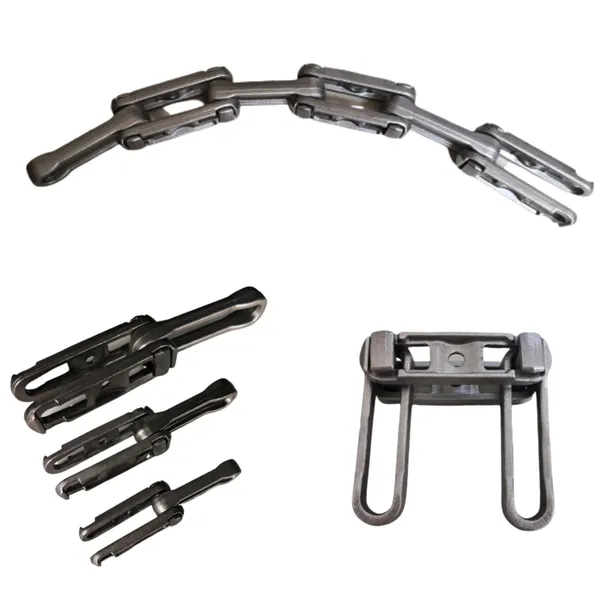
Over time, a conveyor chain may experience wear and tear due to the demanding nature of material handling operations. Several signs indicate the need for maintenance or replacement of a conveyor chain. These signs of wear and tear include:
- Chain Elongation: One of the common signs of wear in a conveyor chain is elongation. As the chain wears, the pitch between the chain links gradually increases, resulting in a longer chain length. Excessive elongation can cause improper engagement with sprockets, leading to slippage or chain derailment.
- Chain Link Plate Wear: The link plates of a conveyor chain can experience wear on their surfaces. This wear is typically caused by friction against sprockets, guide rails, or other components. Signs of plate wear include thinning or deformation of the link plates, which can affect the overall strength and integrity of the chain.
- Sprocket Tooth Wear: The teeth of the sprockets that engage with the conveyor chain can also exhibit signs of wear. Over time, the teeth may become worn down, rounded, or have irregular shapes. This wear can cause improper chain engagement, resulting in reduced efficiency and potential chain slipping or skipping.
- Excessive Noise: Increased noise during the operation of the conveyor system can indicate wear and tear in the chain. Excessive wear can lead to metal-to-metal contact, resulting in noisy operation. Unusual squeaking, grinding, or rattling sounds are indicators that the chain may require inspection or maintenance.
- Visible Damage: Any visible damage to the chain, such as cracked or broken link plates, bent pins, or missing attachments, is a clear sign of wear and tear. These damages compromise the chain’s structural integrity and should be addressed promptly to prevent further issues or chain failure.
- Inconsistent Movement: If the conveyor chain starts to exhibit jerky or uneven movement, it may be a sign of wear or misalignment. Misalignment can occur due to worn chain links, damaged sprockets, or improper tensioning. Inconsistent movement can lead to reduced efficiency, increased wear, and potential chain failure.
Regular inspection and maintenance of the conveyor chain system are essential to identify these signs of wear and tear. Timely replacement of worn components and proper lubrication can help prolong the life of the chain and maintain efficient operation.


editor by CX 2024-05-02
China Hot selling Drive Roller Conveyor Leaf Hollow Pin Industrial Chain Elevator Silent Hoisting Pintle Cast Stainless Steel Duplex Engineering Drag Link Agricultural Escalator
Product Description
Drive Roller Conveyor Leaf Hollow Pin Industrial Chain Elevator Silent Hoisting Pintle Cast Stainless Steel Duplex Engineering Drag Link Agricultural Escalator
Product Description
Click on the picture to get the latest quotation
| transmission chain (Driving Chain) | Short Pitch Precision Roller Chain (A Series)(1,2,3) | 04C-1 06C-1-2-3 085-1-2-3 08A-1-2-3 10A-1-2-3 12A-1-2-3 16A-1-2-3 20A-1-2-3 24A-1-2-3 28A-1-2-3 32A-1-2-3 40A-1-2-3 48A-1-2-3 |
| 25 35 35-2 35-3 -2 40-3 50 50-2-50-3 60 60-2 60-3 80 80-2 80-3 100 100-2 100-3 120 120-2 120-3 140 140-2 160 160-2 -2 240 | ||
| Short Pitch Precision Roller Chain (B Series)(1,2,3) | 06B-1-2-3 06B-1-2-3 08B-1-2-3 10B-1-2-3 12B-1-2-3 16B-1-2-3 20B-1-2-3 24B-1-2-3 28B-1-2-3 32B-1-2-3 40B-1-2-3 48B-1-2-3 56B-1-2-3 64B-1-2-3 72B-1-2-3 | |
| Heavy Duty Series Roller Chain(1,2) | 08AH-1 10AH-1 12AH-1-2-3 16AH-1-2-3 20AH-1-2-3 24AH-1-2-3 28AH-1-2-3 32AH-1-2-3 40AH-1-2-3 | |
| Side Bow Chain | 40SB 43SB 50SB 60SB 63SB 80SB 08BSB 08BSBY1 10BSB 12BSB C2050SB | |
| Motorcycle Chain | 410 415 415H 420 420H 428 428H 520 520H 525 525H 530 530H 630 630H | |
| Engine Mechanism Chain (Timing Chain) | CL04 | |
| Self-Lubrication Roller Chain | 08BSLR 10BSLR 12BSLR 16BSLR 40SLR 50SLR 60SLR 80SLR | |
| Double Pitch Transmission Chain | 208A 208B 210A 210B 212A 212B 216A 216B 220A 220B | |
| 2040 2050 2060 2080 2100 | ||
| Bush Chain | P15F-B P20-B P25-B P25F1-B P30F2-B P36-B P40-B P45-B P50-B P55-B P60-B P70-B P80-B | |
| Conveyor Chain | Roller Chains With Straight Side Plates (A Series) | C08A-1-2-3 C10A-1-2-3 C12-1-2-3 C24A-1-2-3 C32A-1-2-3 |
| C35 C40-1-2-3 C50-1-2-3 C80-1-2-3 C100-1-2-3 C120-1-2-3 C140-1-2-3 C160-1-2-3 | ||
| Roller Chains With Straight Side Plates (B Series) | C08B-1-2-3 C10B-1-2-3 C12B-1-2-3 C16-1-2-3 C20B-1-2-3 C24B-1-2-3 C28B-1-2-3 C32B-1-2-3 | |
| Double Pitch Conveyor Chain | C208A C208AH C208B C208BL C210A C210AL C212A C212AH C212AHL C216A C216AL C216AH C216AHL C220A C220AL C220AH C220AHL C224A C224AL C224AH C224AHL C232A C232AL C232AH C232AHL | |
| C2050 C2052 C2060 C2062 C2060H C2080 C2080H C2082 C2082H C2100 C2100H C2102 C2102H C2120 C2120H C2122 C2122H C2160 C2160H C2162 C2162H | ||
| Double Pius Speed Chain | BS25-C206B BS25-C208A BS25-C210A BS25-C212A BS30-C206B BS30-C208B BS30-C210B BS30-C212B | |
| Conveyor Chain (M Series) | M20 M28 M40 M56 M80 | |
| Hollow Pin Conveyor Chain (MC Series) | MC28 MC56 MC112 MC224 | |
| Conveyor Chain (FV Series) | FV40 FV63 FV90 FV112 FV140 | |
| Conveyor Chain (FVT Series) | FVT40 FVT63 FVT90 FVT112 FVT140 FVT180 FVT250 FVT315 | |
| Hollow Pin Conveyor Chain (FVC Series) | FVC63 FVC90 FVC112 FVC140 FVC180 FVC250 FVC315 | |
| Conveyor Chain (Z Series) | Z40 Z100 Z160 Z300 | |
| Conveyor Chain (ZE Series) | ZE40 ZE100 ZE160 ZE300 | |
| Hollow Pin Conveyor Chain (ZC Series) | ZC21 ZC40 ZC60 ZC150 ZC300 | |
| Hollow Pin Chains | 08BHPF 08BHPF5 08BHP9 10BHPF3 10BHPF4 12BHPF2 12BHPF3 16BHPF3 16BHPF4 40HP 08BHPF7 08BHP 50HP 50HPF4 50H-HP 60HP 60HPF1 80HP 80HPF1 80HPF2 80H-HP 80HPF3 80HPF4 HB41.75F5 A2080HP | |
| Welded-type cranked link chains | WR78 WH78 WR82 WH82 WR106 WH106 WR110 WH110 WR111 WH111 WR124 WH124 WR132 WH132 WR150 WH150 WR155 WH155 WR157 WH157 WR78F5 WH78F4 WH124F1 WH111F1 | |
| Palm oil Chains | P101.6F2 P152F14 P152F17 P152F29 90R-S P101.6F64 P76.7 P152F31 | |
| Sugar mill chains | DH9063 DH2198 P152F93K2 P152F78K2 DH 0571 0 DH1796 P152F77-AS2 P203.2F9 | |
| Rubber gloves carrier chains | P100F155 P100F13 P100F139 P150/90 | |
| Lumber conveyor chains | 81X 81XH 81XHE 81XHH 81XHS 500R 441.100R | |
| Sharp top chains | 08AF34 08BF21 10AF8 41F6 06BF1 06BF37 08AF41 08BF44 08AF8… | |
| Stainless Steel Chain | Stainless Steel Short Pitch Precision Roller Chain(A Series) | 25SS-1 35SS-1 41SS-1 40SS-1 50SS-1 60SS-1 80SS-1 100SS-1 120SS-1 |
| Stainless Steel Short Pitch Precision Roller Chain(B Series) | 05BSS-1 06BSS-1 08BSS-1 10BSS-1 12BSS-1 16BSS-1 20BSS-1 24BSS-1 | |
| Stainless Steel Roller Chain With Straight Side Plates | C40SS-1 C50SS-1 C60SS-1 C80SS-1 C100SS-1 C120SS-1 C08BSS-1 C10BSS-1 C12BSS-1 C16BSS-1 C20BSS-1 C24BSS-1 | |
| Stainless Steel Double Pitch Transmission Chain | 2040SS 2050SS 2060SS 2080SS 2100SS 2120SS 208BSS 210BSS 212BSS 216BSS 220BSS 224BSS | |
| Stainless Steel Double Pitch Conveyor Chain | C2040SS C2040HSS C208BSS C2050SS C2060SS C2060HSS C2080SS C2080HSS C2100SS C2100HSS C2120SS C2120HSS | |
| Stainless Steel Hollow Pin Chain | 08BHFSS 40HPSS 50HPSS 60HPSS 12BHPSS 80HPSS C2040HPSS C2050HPSS C2060HPSS C2080HPSS HB50.8SS | |
| Stainless Steel Double Pitch Hollow Pin Chain | C2042HPSS C2052HPSS C2062HPSS C2082HPSS C2042H-HPSS C2052H-HPSS C2062H-HPSS C2082H-HPSS | |
| Lifting Chain | Car Parking Chain | 12AT-1 16AT-1-2 20AT-1-2-3 24AT-1-2 |
| Leaf Chain | LH0822 LH0823 LH571 LH0844 LH0846 LH 0571 LH1571 LH1571 LH1034 LH1044 LH1046 LH1066 LH1088 LH1222 LH1223 LH1234 LH1244 LH1246 LH1266 LH1288 | |
| BL422 BL423 BL434 BL444 BL446 BL466 BL488 BL522 BL523 BL534 BL544 BL546 BL566 BL588 BL622 BL623 BL634 BL644 BL646 BL666 BL688 | ||
| Multiple Plate Bearing Pin Chain | LF30 MP50F2 MP50.8 MP70F1 MP70F2 MP70F3 MP80F1 MP90F1 MP90F2 MP110F1 | |
| Rollerless Lift Chain | 45-1 55-1 65-1 85-1 105-1 125-1 145-1 165-1 | |
| Agricultural Chain | S Type Steel Agricultural Chain & Attachments | S32 S42 S45 S52 S55 S62 S77 S88 A550 A620 |
| C Type Steel Agricultural Chain with Attachments | CA550 CA550/S55 CA555 CA550HD CA550V CA557 CA620 CA2801 38.1R 38.4R 38.4V 38.4VB | |
| Rice Harvester Chain | S3558T-48001 S3558T-48002 | |
| Drop Forged Chain Series | Drop Forged Rivetless Chain | Imperial: 80H X348 X458 468H X658 X678 678 698 998 9118 S348 S458 S678 S698 S9118, Metric system: XT100 XT160 |
| Cast Detachable Chain | 55 57 62 74 78 | |
| Steel Detachable Chain | 25 32 32W 51 52 55 62 | |
| Cast Iron Chain | Cast Iron Chain (C Series) | C55 C55L C77 C188 C188L C102B C111 C131 C132 |
| Cast Iron Chain (H Series) | H60 H78 H82 H110 | |
| Cast Iron Chain (4 Series) | 462 477 488 4103 720 720S 730 | |
| Cast Iron Chain BRH188 | BRH188 C188CP C102B-K2 C55A C55B C55D CC600 H78A H78B H130 H138 MC33 103 4103F29 907-E51 | |
| Welded chains | WR78 WH78 WR82 WH82 WR124 WH124 | |
| Forging Hanging Chain | X228 X348 X458 X678 698 |
Our Advantages
1. The material shall be 40Cr or above alloy steel
2. All raw materials are customized by large domestic steel plants. Before entering the plant, secondary tests are carried out to ensure stable and controllable product materials.
3. The basic amount of chain parts have realized white motion and CNC-controlled production
4. Mesh belt furnaces, infiltration, high frequency, etc., are used for heat treatment to make the chain plate and shaft sleeve reach the working state. The quenching medium is made of Korean Dragon base oil
5. Professional inspection personnel are assigned to inspect each level to ensure the product quality
6. Over 20 years of operation, we have accumulated a lot of practical experience, especially in the non-standard chain leading city, which enjoys a good reputation in the industry
Related products
Company Profile
The company mainly produces a variety of A and B series of short pitch precision roller chains for transmission, double pitch transmission chains, double pitch conveying roller accessories, short pitch conveying roller chain accessories, stereo garage chains, pin chains, double speed chains, scraper chain, pumping unit chain, sugar machinery particular chain, hollow pin roller chain and sleeve chain, large roller conveying chain and accessories, ZGS38 combine chain and accessories, S-type C-type steel agricultural machinery chain and accessories, conveyor chain, beer and beverage machinery conveyor chain, side bend flat top conveyor chain, brown oil press conveyor chain, etc. – series.
Our company has Ward, Yangli, and other precision stamping equipment. CHINAMFG laser cutting machine, automatic submerged arc welding machine, and other cutting equipment. XH precision leveling equipment, DM high-speed circular saw machine, CNC lathe, heavy double-end square milling machine, and other machining equipment. Fully automatic mesh belt quenching line, well-type gas carburizing furnace, vacuum mold furnace, high-frequency furnace, and other heat treatment equipment, lifting and hanging shot blasting machine barrel, and other surface treatment equipment.
Our company has a CHINAMFG technical force, advanced technology, a short development cycle of new products, and complete and perfect testing. The products are sold all over the world.
| Usage: | Transmission Chain, Drag Chain, Conveyor Chain, Dedicated Special Chain |
|---|---|
| Material: | Iron |
| Surface Treatment: | Oil Blooming |
| Feature: | Oil Resistant |
| Chain Size: | 1/2"*3/32" |
| Structure: | Roller Chain |
| Samples: |
US$ 9999/Piece
1 Piece(Min.Order) | |
|---|
What are the benefits of using an overhead conveyor chain system?
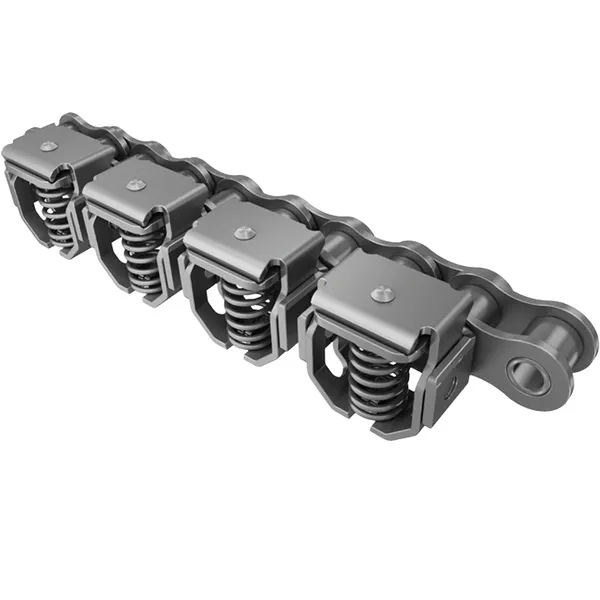
Using an overhead conveyor chain system offers several benefits in various industrial applications. Here are some key advantages:
1. Space Optimization:
– Overhead conveyor chain systems utilize the vertical space, allowing efficient utilization of floor space. This is especially beneficial in facilities with limited floor area, as it enables efficient material handling and production flow without obstructing the work area.
2. Flexibility and Versatility:
– Overhead conveyor chains offer flexibility in routing and can be customized to fit the specific layout requirements of the facility. They can traverse different areas, including assembly lines, paint booths, storage areas, and more. The versatility of overhead systems allows for efficient and adaptable material movement.
3. Improved Safety:
– Overhead conveyor chains minimize ground-level obstructions, reducing the risk of tripping hazards and accidents. Operators and workers can safely navigate the work area without interference from the conveyor system.
4. Product Protection:
– Overhead conveyor chains provide better protection for the products being transported. By keeping the products elevated and away from potential hazards on the floor, such as dust, debris, or spills, the risk of product damage or contamination is reduced.
5. Increased Efficiency:
– Overhead conveyor systems can enhance production efficiency by facilitating continuous material flow and reducing manual handling. They enable automated loading and unloading of materials, leading to faster processing times and improved overall productivity.
6. Easy Maintenance:
– Overhead conveyor chains are typically designed for easy maintenance. Components such as chains, trolleys, and drives can be accessed and serviced conveniently, minimizing downtime and maintenance costs.
7. Customization and Integration:
– Overhead conveyor chains can be tailored to meet specific application requirements, including load capacity, speed, and control systems. They can also be integrated with other automated systems, such as robotic workstations or sorting mechanisms, to further optimize the material handling process.
Overall, using an overhead conveyor chain system provides efficient material handling, maximizes space utilization, enhances safety, and improves productivity in industrial environments.
What are the advantages of using a plastic conveyor chain?
Plastic conveyor chains offer several advantages over traditional metal chains. Here are some of the key advantages:
1. Corrosion Resistance: Plastic chains are highly resistant to corrosion, making them ideal for applications in humid or corrosive environments. They do not rust or deteriorate when exposed to moisture or chemicals.
2. Lightweight: Plastic chains are significantly lighter than metal chains, making them easier to handle and install. Their lightweight nature reduces the overall weight of the conveyor system and can result in energy savings during operation.
3. Low Noise Operation: Plastic chains generate less noise compared to metal chains, leading to a quieter working environment. This can be particularly beneficial in industries where noise reduction is important, such as food processing or packaging.
4. Reduced Friction and Wear: Plastic chains have self-lubricating properties, which reduce friction and wear. This results in lower maintenance requirements and longer chain life. The smooth surface of plastic chains also minimizes the risk of product damage during transportation.
5. Flexibility and Modularity: Plastic chains can be easily customized and designed to fit specific conveyor system requirements. They offer flexibility in terms of length, width, and configuration. Additionally, plastic chains are often modular, allowing for easy replacement of damaged or worn-out sections without replacing the entire chain.
6. Cost-Effective: Plastic conveyor chains are generally more cost-effective compared to metal chains. They are often less expensive to manufacture and offer a longer lifespan with minimal maintenance requirements, resulting in lower overall costs.
7. Chemical Resistance: Plastic chains are resistant to a wide range of chemicals, making them suitable for applications where exposure to aggressive substances is a concern. They can withstand contact with oils, acids, alkalis, and various cleaning agents.
Overall, the advantages of using a plastic conveyor chain include corrosion resistance, lightweight design, low noise operation, reduced friction and wear, flexibility, cost-effectiveness, and chemical resistance. These benefits make plastic chains a popular choice in various industries, including food processing, packaging, pharmaceuticals, and logistics.
What lubrication is recommended for conveyor chains?
Choosing the right lubrication for conveyor chains is crucial for maintaining their performance and extending their lifespan. Here are some commonly recommended lubricants:
- Chain Oil: Chain oil is specifically designed for lubricating conveyor chains. It provides excellent lubrication, reduces friction, and helps prevent wear and corrosion. Chain oils come in various viscosities to suit different operating conditions.
- Synthetic Lubricants: Synthetic lubricants, such as synthetic oils and greases, offer enhanced performance and durability. They have excellent temperature stability, high resistance to oxidation and degradation, and superior lubricating properties. Synthetic lubricants are suitable for applications with high temperatures, heavy loads, or extreme operating conditions.
- Food-Grade Lubricants: For conveyor chains used in food processing or other industries with strict hygiene requirements, food-grade lubricants are recommended. These lubricants are formulated to be safe for incidental food contact and comply with relevant regulations and standards.
- Dry Film Lubricants: In certain applications where liquid lubricants are not suitable, such as dusty or dirty environments, dry film lubricants can be used. These lubricants form a protective coating on the chain surfaces, reducing friction and preventing wear.
When selecting a lubricant, consider the operating conditions, such as temperature, speed, load, and environmental factors. Consult the manufacturer’s recommendations and guidelines to ensure you choose the appropriate lubrication product for your specific conveyor chain. Regularly monitor the lubrication levels and reapply as needed to maintain optimal chain performance.
editor by CX 2023-11-20
China Best Sales Drive Roller Conveyor Leaf Hollow Pin Industrial Chain Elevator Silent Hoisting Pintle Cast Stainless Steel Duplex Engineering Drag Link Agricultural Escalator
Product Description
Drive Roller Conveyor Leaf Hollow Pin Industrial Chain Elevator Silent Hoisting Pintle Cast Stainless Steel Duplex Engineering Drag Link Agricultural Escalator
Product Description
Click on the picture to get the latest quotation
| transmission chain (Driving Chain) | Short Pitch Precision Roller Chain (A Series)(1,2,3) | 04C-1 06C-1-2-3 085-1-2-3 08A-1-2-3 10A-1-2-3 12A-1-2-3 16A-1-2-3 20A-1-2-3 24A-1-2-3 28A-1-2-3 32A-1-2-3 40A-1-2-3 48A-1-2-3 |
| 25 35 35-2 35-3 -2 40-3 50 50-2-50-3 60 60-2 60-3 80 80-2 80-3 100 100-2 100-3 120 120-2 120-3 140 140-2 160 160-2 -2 240 | ||
| Short Pitch Precision Roller Chain (B Series)(1,2,3) | 06B-1-2-3 06B-1-2-3 08B-1-2-3 10B-1-2-3 12B-1-2-3 16B-1-2-3 20B-1-2-3 24B-1-2-3 28B-1-2-3 32B-1-2-3 40B-1-2-3 48B-1-2-3 56B-1-2-3 64B-1-2-3 72B-1-2-3 | |
| Heavy Duty Series Roller Chain(1,2) | 08AH-1 10AH-1 12AH-1-2-3 16AH-1-2-3 20AH-1-2-3 24AH-1-2-3 28AH-1-2-3 32AH-1-2-3 40AH-1-2-3 | |
| Side Bow Chain | 40SB 43SB 50SB 60SB 63SB 80SB 08BSB 08BSBY1 10BSB 12BSB C2050SB | |
| Motorcycle Chain | 410 415 415H 420 420H 428 428H 520 520H 525 525H 530 530H 630 630H | |
| Engine Mechanism Chain (Timing Chain) | CL04 | |
| Self-Lubrication Roller Chain | 08BSLR 10BSLR 12BSLR 16BSLR 40SLR 50SLR 60SLR 80SLR | |
| Double Pitch Transmission Chain | 208A 208B 210A 210B 212A 212B 216A 216B 220A 220B | |
| 2040 2050 2060 2080 2100 | ||
| Bush Chain | P15F-B P20-B P25-B P25F1-B P30F2-B P36-B P40-B P45-B P50-B P55-B P60-B P70-B P80-B | |
| Conveyor Chain | Roller Chains With Straight Side Plates (A Series) | C08A-1-2-3 C10A-1-2-3 C12-1-2-3 C24A-1-2-3 C32A-1-2-3 |
| C35 C40-1-2-3 C50-1-2-3 C80-1-2-3 C100-1-2-3 C120-1-2-3 C140-1-2-3 C160-1-2-3 | ||
| Roller Chains With Straight Side Plates (B Series) | C08B-1-2-3 C10B-1-2-3 C12B-1-2-3 C16-1-2-3 C20B-1-2-3 C24B-1-2-3 C28B-1-2-3 C32B-1-2-3 | |
| Double Pitch Conveyor Chain | C208A C208AH C208B C208BL C210A C210AL C212A C212AH C212AHL C216A C216AL C216AH C216AHL C220A C220AL C220AH C220AHL C224A C224AL C224AH C224AHL C232A C232AL C232AH C232AHL | |
| C2050 C2052 C2060 C2062 C2060H C2080 C2080H C2082 C2082H C2100 C2100H C2102 C2102H C2120 C2120H C2122 C2122H C2160 C2160H C2162 C2162H | ||
| Double Pius Speed Chain | BS25-C206B BS25-C208A BS25-C210A BS25-C212A BS30-C206B BS30-C208B BS30-C210B BS30-C212B | |
| Conveyor Chain (M Series) | M20 M28 M40 M56 M80 | |
| Hollow Pin Conveyor Chain (MC Series) | MC28 MC56 MC112 MC224 | |
| Conveyor Chain (FV Series) | FV40 FV63 FV90 FV112 FV140 | |
| Conveyor Chain (FVT Series) | FVT40 FVT63 FVT90 FVT112 FVT140 FVT180 FVT250 FVT315 | |
| Hollow Pin Conveyor Chain (FVC Series) | FVC63 FVC90 FVC112 FVC140 FVC180 FVC250 FVC315 | |
| Conveyor Chain (Z Series) | Z40 Z100 Z160 Z300 | |
| Conveyor Chain (ZE Series) | ZE40 ZE100 ZE160 ZE300 | |
| Hollow Pin Conveyor Chain (ZC Series) | ZC21 ZC40 ZC60 ZC150 ZC300 | |
| Hollow Pin Chains | 08BHPF 08BHPF5 08BHP9 10BHPF3 10BHPF4 12BHPF2 12BHPF3 16BHPF3 16BHPF4 40HP 08BHPF7 08BHP 50HP 50HPF4 50H-HP 60HP 60HPF1 80HP 80HPF1 80HPF2 80H-HP 80HPF3 80HPF4 HB41.75F5 A2080HP | |
| Welded-type cranked link chains | WR78 WH78 WR82 WH82 WR106 WH106 WR110 WH110 WR111 WH111 WR124 WH124 WR132 WH132 WR150 WH150 WR155 WH155 WR157 WH157 WR78F5 WH78F4 WH124F1 WH111F1 | |
| Palm oil Chains | P101.6F2 P152F14 P152F17 P152F29 90R-S P101.6F64 P76.7 P152F31 | |
| Sugar mill chains | DH9063 DH2198 P152F93K2 P152F78K2 DH 0571 0 DH1796 P152F77-AS2 P203.2F9 | |
| Rubber gloves carrier chains | P100F155 P100F13 P100F139 P150/90 | |
| Lumber conveyor chains | 81X 81XH 81XHE 81XHH 81XHS 500R 441.100R | |
| Sharp top chains | 08AF34 08BF21 10AF8 41F6 06BF1 06BF37 08AF41 08BF44 08AF8… | |
| Stainless Steel Chain | Stainless Steel Short Pitch Precision Roller Chain(A Series) | 25SS-1 35SS-1 41SS-1 40SS-1 50SS-1 60SS-1 80SS-1 100SS-1 120SS-1 |
| Stainless Steel Short Pitch Precision Roller Chain(B Series) | 05BSS-1 06BSS-1 08BSS-1 10BSS-1 12BSS-1 16BSS-1 20BSS-1 24BSS-1 | |
| Stainless Steel Roller Chain With Straight Side Plates | C40SS-1 C50SS-1 C60SS-1 C80SS-1 C100SS-1 C120SS-1 C08BSS-1 C10BSS-1 C12BSS-1 C16BSS-1 C20BSS-1 C24BSS-1 | |
| Stainless Steel Double Pitch Transmission Chain | 2040SS 2050SS 2060SS 2080SS 2100SS 2120SS 208BSS 210BSS 212BSS 216BSS 220BSS 224BSS | |
| Stainless Steel Double Pitch Conveyor Chain | C2040SS C2040HSS C208BSS C2050SS C2060SS C2060HSS C2080SS C2080HSS C2100SS C2100HSS C2120SS C2120HSS | |
| Stainless Steel Hollow Pin Chain | 08BHFSS 40HPSS 50HPSS 60HPSS 12BHPSS 80HPSS C2040HPSS C2050HPSS C2060HPSS C2080HPSS HB50.8SS | |
| Stainless Steel Double Pitch Hollow Pin Chain | C2042HPSS C2052HPSS C2062HPSS C2082HPSS C2042H-HPSS C2052H-HPSS C2062H-HPSS C2082H-HPSS | |
| Lifting Chain | Car Parking Chain | 12AT-1 16AT-1-2 20AT-1-2-3 24AT-1-2 |
| Leaf Chain | LH0822 LH0823 LH571 LH0844 LH0846 LH 0571 LH1571 LH1571 LH1034 LH1044 LH1046 LH1066 LH1088 LH1222 LH1223 LH1234 LH1244 LH1246 LH1266 LH1288 | |
| BL422 BL423 BL434 BL444 BL446 BL466 BL488 BL522 BL523 BL534 BL544 BL546 BL566 BL588 BL622 BL623 BL634 BL644 BL646 BL666 BL688 | ||
| Multiple Plate Bearing Pin Chain | LF30 MP50F2 MP50.8 MP70F1 MP70F2 MP70F3 MP80F1 MP90F1 MP90F2 MP110F1 | |
| Rollerless Lift Chain | 45-1 55-1 65-1 85-1 105-1 125-1 145-1 165-1 | |
| Agricultural Chain | S Type Steel Agricultural Chain & Attachments | S32 S42 S45 S52 S55 S62 S77 S88 A550 A620 |
| C Type Steel Agricultural Chain with Attachments | CA550 CA550/S55 CA555 CA550HD CA550V CA557 CA620 CA2801 38.1R 38.4R 38.4V 38.4VB | |
| Rice Harvester Chain | S3558T-48001 S3558T-48002 | |
| Drop Forged Chain Series | Drop Forged Rivetless Chain | Imperial: 80H X348 X458 468H X658 X678 678 698 998 9118 S348 S458 S678 S698 S9118, Metric system: XT100 XT160 |
| Cast Detachable Chain | 55 57 62 74 78 | |
| Steel Detachable Chain | 25 32 32W 51 52 55 62 | |
| Cast Iron Chain | Cast Iron Chain (C Series) | C55 C55L C77 C188 C188L C102B C111 C131 C132 |
| Cast Iron Chain (H Series) | H60 H78 H82 H110 | |
| Cast Iron Chain (4 Series) | 462 477 488 4103 720 720S 730 | |
| Cast Iron Chain BRH188 | BRH188 C188CP C102B-K2 C55A C55B C55D CC600 H78A H78B H130 H138 MC33 103 4103F29 907-E51 | |
| Welded chains | WR78 WH78 WR82 WH82 WR124 WH124 | |
| Forging Hanging Chain | X228 X348 X458 X678 698 |
Our Advantages
1. The material shall be 40Cr or above alloy steel
2. All raw materials are customized by large domestic steel plants. Before entering the plant, secondary tests are carried out to ensure stable and controllable product materials.
3. The basic amount of chain parts have realized white motion and CNC-controlled production
4. Mesh belt furnaces, infiltration, high frequency, etc., are used for heat treatment to make the chain plate and shaft sleeve reach the working state. The quenching medium is made of Korean Dragon base oil
5. Professional inspection personnel are assigned to inspect each level to ensure the product quality
6. Over 20 years of operation, we have accumulated a lot of practical experience, especially in the non-standard chain leading city, which enjoys a good reputation in the industry
Related products
Company Profile
The company mainly produces a variety of A and B series of short pitch precision roller chains for transmission, double pitch transmission chains, double pitch conveying roller accessories, short pitch conveying roller chain accessories, stereo garage chains, pin chains, double speed chains, scraper chain, pumping unit chain, sugar machinery particular chain, hollow pin roller chain and sleeve chain, large roller conveying chain and accessories, ZGS38 combine chain and accessories, S-type C-type steel agricultural machinery chain and accessories, conveyor chain, beer and beverage machinery conveyor chain, side bend flat top conveyor chain, brown oil press conveyor chain, etc. – series.
Our company has Ward, Yangli, and other precision stamping equipment. CZPT laser cutting machine, automatic submerged arc welding machine, and other cutting equipment. XH precision leveling equipment, DM high-speed circular saw machine, CNC lathe, heavy double-end square milling machine, and other machining equipment. Fully automatic mesh belt quenching line, well-type gas carburizing furnace, vacuum mold furnace, high-frequency furnace, and other heat treatment equipment, lifting and hanging shot blasting machine barrel, and other surface treatment equipment.
Our company has a CZPT technical force, advanced technology, a short development cycle of new products, and complete and perfect testing. The products are sold all over the world.
| Usage: | Transmission Chain, Drag Chain, Conveyor Chain, Dedicated Special Chain |
|---|---|
| Material: | Iron |
| Surface Treatment: | Oil Blooming |
| Feature: | Oil Resistant |
| Chain Size: | 1/2"*3/32" |
| Structure: | Roller Chain |
| Samples: |
US$ 9999/Piece
1 Piece(Min.Order) | |
|---|
What are the benefits of using an overhead conveyor chain system?
Using an overhead conveyor chain system offers several benefits in various industrial applications. Here are some key advantages:
1. Space Optimization:
– Overhead conveyor chain systems utilize the vertical space, allowing efficient utilization of floor space. This is especially beneficial in facilities with limited floor area, as it enables efficient material handling and production flow without obstructing the work area.
2. Flexibility and Versatility:
– Overhead conveyor chains offer flexibility in routing and can be customized to fit the specific layout requirements of the facility. They can traverse different areas, including assembly lines, paint booths, storage areas, and more. The versatility of overhead systems allows for efficient and adaptable material movement.
3. Improved Safety:
– Overhead conveyor chains minimize ground-level obstructions, reducing the risk of tripping hazards and accidents. Operators and workers can safely navigate the work area without interference from the conveyor system.
4. Product Protection:
– Overhead conveyor chains provide better protection for the products being transported. By keeping the products elevated and away from potential hazards on the floor, such as dust, debris, or spills, the risk of product damage or contamination is reduced.
5. Increased Efficiency:
– Overhead conveyor systems can enhance production efficiency by facilitating continuous material flow and reducing manual handling. They enable automated loading and unloading of materials, leading to faster processing times and improved overall productivity.
6. Easy Maintenance:
– Overhead conveyor chains are typically designed for easy maintenance. Components such as chains, trolleys, and drives can be accessed and serviced conveniently, minimizing downtime and maintenance costs.
7. Customization and Integration:
– Overhead conveyor chains can be tailored to meet specific application requirements, including load capacity, speed, and control systems. They can also be integrated with other automated systems, such as robotic workstations or sorting mechanisms, to further optimize the material handling process.
Overall, using an overhead conveyor chain system provides efficient material handling, maximizes space utilization, enhances safety, and improves productivity in industrial environments.
How does lubrication affect the performance of a conveyor chain?
Lubrication plays a crucial role in the performance and longevity of a conveyor chain. Proper lubrication helps to reduce friction, wear, and heat generation, ensuring smooth operation and minimizing the risk of premature failure. Here’s how lubrication affects the performance of a conveyor chain:
1. Friction Reduction: Lubrication forms a thin film between the chain components, reducing friction between metal surfaces. This reduces the energy required for operation, minimizes heat generation, and prevents excessive wear and tear.
2. Wear Prevention: Lubrication forms a protective layer on the chain components, preventing direct metal-to-metal contact. This helps to reduce wear and extend the service life of the chain.
3. Corrosion Protection: Lubricants often contain anti-corrosion additives that protect the chain from rust and oxidation. This is particularly important in environments with high humidity or exposure to corrosive substances.
4. Noise Reduction: Proper lubrication reduces the noise generated during chain operation by minimizing friction and metal-to-metal contact. This can contribute to a quieter and more comfortable working environment.
5. Temperature Control: Lubrication helps to dissipate heat generated during chain operation, preventing excessive temperature rise. This is crucial in high-speed or heavy-duty applications where heat can lead to accelerated wear and reduced chain performance.
6. Maintenance and Service Life: Regular lubrication and proper lubricant selection are essential for maintaining the chain’s performance and extending its service life. Adequate lubrication reduces the need for frequent maintenance, minimizes downtime, and lowers overall operating costs.
It’s important to follow the manufacturer’s recommendations for lubrication frequency and use the appropriate lubricant for the conveyor chain. Regular inspections and maintenance checks should also be conducted to ensure proper lubrication levels and address any issues promptly. Proper lubrication practices will enhance the performance, reliability, and durability of the conveyor chain system.
What are the noise levels associated with conveyor chains?
The noise levels associated with conveyor chains can vary depending on several factors:
1. Chain Type: Different types of conveyor chains produce varying noise levels. For example, roller chains tend to generate more noise compared to silent chains or plastic modular chains.
2. Speed: The speed at which the conveyor chain operates can influence the noise level. Higher speeds generally result in increased noise due to the impact and friction between the chain and other components.
3. Chain Condition: The condition of the conveyor chain plays a role in noise generation. Worn-out or improperly maintained chains can produce more noise due to increased friction and vibration.
4. Surrounding Environment: The noise levels can also be affected by the environment in which the conveyor system operates. Factors such as the presence of other machinery, acoustics of the facility, and noise insulation measures can impact the overall noise level.
5. Design and Components: The design of the conveyor system and the choice of components can influence noise levels. Factors such as the use of noise-reducing materials, proper alignment of components, and vibration dampening measures can help reduce noise.
It is important to note that excessive noise levels in the workplace can have adverse effects on the well-being of employees and may require noise control measures to comply with occupational health and safety regulations. Implementing noise reduction strategies like using noise-dampening materials, incorporating proper lubrication, maintaining chain tension, and applying vibration isolation techniques can help minimize the noise associated with conveyor chains.
editor by CX 2023-07-26
China Stainless Steel Cast Drive Roller Pintle Conveyor Industrial Duplex Drag Link Engineering Chain Leaf Hollow Pin Elevator Silent Hoisting Agricultural Escalator roller chain clamp
Merchandise Description
Stainless Steel Solid Travel Roller Pintle Conveyor Industrial Duplex Drag Website link Engineering Chain Leaf Hollow Pin Elevator Silent Hoisting Agricultural Escalator
| Item Name | Common transmission Roller Chains | Model | Series A, Collection B |
| Row | Simplex/Duplex/Triplex | Software | Equipment Parts |
| Surface area Treatment method | Self-color/sand-blasted/shot-peening | Certification | ISO, ANSI, DIN, BS |
| Packing | Packaged in bins and wooden situations, or packaged in reels and then on pallets. | Port | Any sea port or airport in China |
Related merchandise
|
US $10-99 / Piece | |
100 Pieces (Min. Order) |
###
| Usage: | Transmission Chain, Drag Chain, Conveyor Chain, Dedicated Special Chain |
|---|---|
| Material: | Stainless steel |
| Surface Treatment: | Oil Blooming |
| Feature: | Oil Resistant |
| Chain Size: | 1/2"*3/32" |
| Structure: | Roller Chain |
###
| Samples: |
US$ 9999/Piece
1 Piece(Min.Order) |
|---|
###
| Item Name | Standard transmission Roller Chains | Model | Series A, Series B |
| Row | Simplex/Duplex/Triplex | Application | Machinery Parts |
| Surface Treatment | Self-color/sand-blasted/shot-peening | Certification | ISO, ANSI, DIN, BS |
| Packing | Packaged in boxes and wooden cases, or packaged in reels and then on pallets. | Port | Any sea port or airport in China |
|
US $10-99 / Piece | |
100 Pieces (Min. Order) |
###
| Usage: | Transmission Chain, Drag Chain, Conveyor Chain, Dedicated Special Chain |
|---|---|
| Material: | Stainless steel |
| Surface Treatment: | Oil Blooming |
| Feature: | Oil Resistant |
| Chain Size: | 1/2"*3/32" |
| Structure: | Roller Chain |
###
| Samples: |
US$ 9999/Piece
1 Piece(Min.Order) |
|---|
###
| Item Name | Standard transmission Roller Chains | Model | Series A, Series B |
| Row | Simplex/Duplex/Triplex | Application | Machinery Parts |
| Surface Treatment | Self-color/sand-blasted/shot-peening | Certification | ISO, ANSI, DIN, BS |
| Packing | Packaged in boxes and wooden cases, or packaged in reels and then on pallets. | Port | Any sea port or airport in China |
What is a roller chain?
What is a roller chain? A roller chain is a transmission system that transmits power from one shaft to another. Internal lubricant helps chains last longer and are interchangeable. Chains are usually made of carbon or alloy steel. Stainless steel is sometimes used in food processing machinery or in environments where lubrication is problematic. Brass and nylon are also sometimes used. If you need to slow down the machine, nylon chains can be used.
Roller chains are used to transmit power from one shaft to another
Generally speaking, the life of a roller chain is limited by three main factors: wear, corrosion, and fatigue. These can be minimized by following some simple guidelines. For optimum performance, the roller chain must be lubricated. Proper lubrication reduces friction and extends product life. Remember that corrosion and wind resistance can adversely affect lubrication, so protect the product properly.
A chain is a mechanical device used to transmit power from one shaft to another. The chain consists of a series of steel plates called bushings. Bushings are attached to the roller chain by pins or bushings. The block and bushing are held together by pins or bushings C riveted to the outer link D. The chain is also attached to the sprocket and bucket by pins or hooks. Chain pitch is measured between hinge centers, usually denoted p.
There are three types of chains: single-strand standard series, multi-strand standard series, and silent chain. Single strand chains are the most common type and cover a wide range of drive loads. Multi-strand chains provide greater power capacity without increasing chain pitch or line speed. An inverted tooth chain is a variant of a single-strand chain that eliminates the noise caused by pitch-related friction.
The inner and outer plates of the roller chain drive are made of steel. The rollers are positioned evenly between the chain links and are fastened to the sprockets. In addition, the rollers can rotate freely within the bushing. The chain links are arc-shaped and mesh with the sprocket teeth to transmit power through the chain.
Chain drives are another common way of transmitting mechanical power. These are the simplest forms of power transmission and are used on conveyor belts and other low-speed applications. The chain wraps around the sprocket and passes through the sprocket whose teeth mesh with the links. This mechanism transfers mechanical power from one shaft to another, increasing speed.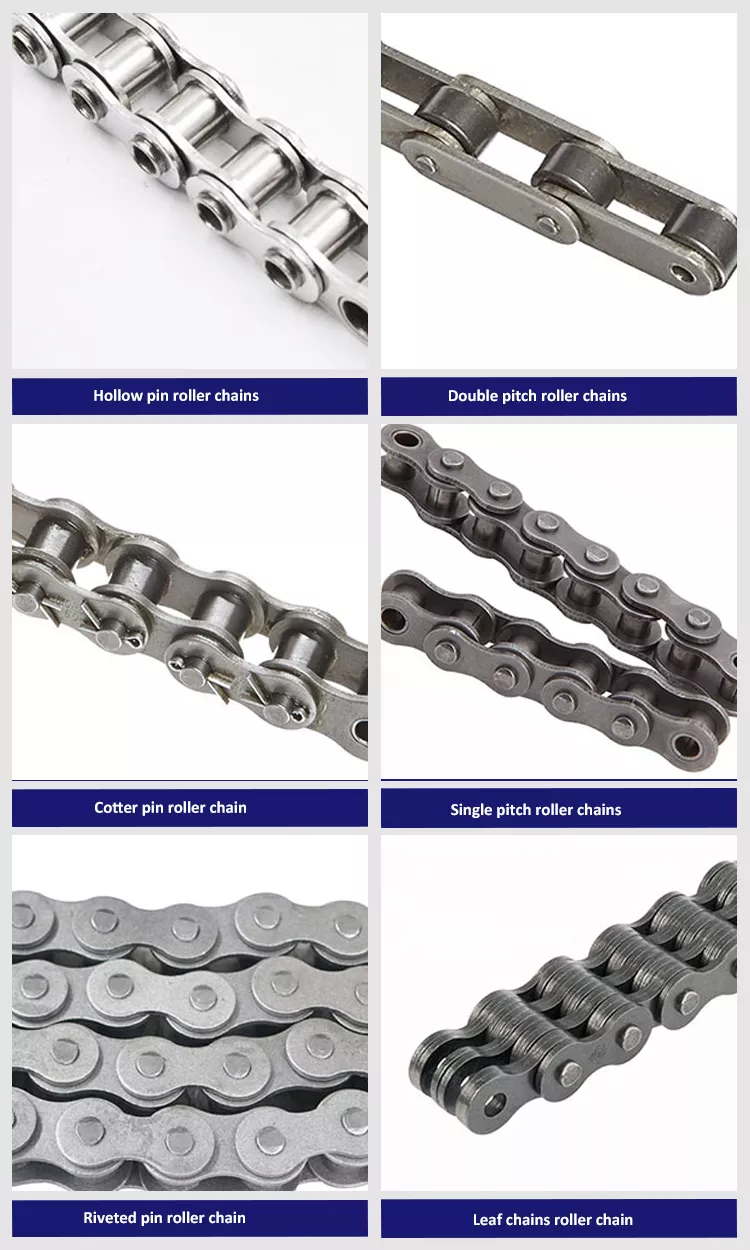
They are interchangeable
There are many different types of roller chains, but most are made of steel. Although they have their own advantages and features, they are generally interchangeable. You can buy different kinds of roller chains from domestic and foreign manufacturers, and you can choose the one that best suits your needs. Bearing Services can help you choose the right bearing for your application needs and budget. Here are some important things to consider before buying a roller chain. Here are some tips to make it easier for you to buy the right type of chain.
When choosing the right roller chain, be sure to consult the available size charts. Depends on how much chain you need to move the load you need to move. Remember that roller chains can be manufactured to fit a variety of machines and must meet your specific needs. Also, the chain should be long enough for the machine you are using. Make sure to buy a chain made of high-quality materials.
Double pitch roller chains have a flat top surface and are used in many different conveying applications. Double-pitch load-carrying roller chains, also known as oversized roller double-pitch chains, have rollers that extend beyond the sidebars to carry products. Double pitch drive series roller chains are used in elevators, long conveyor drives, agricultural machinery, and commercial sprinkler systems.
The tensile strength of a roller chain is a key factor to consider before purchasing a chain. The tensile strength of a chain is a function of the maximum force the chain can withstand before breaking. The three different types of tensile strength represent the force a chain can withstand without breaking. Each chain also has different strengths that can determine the type of chain you need.
The outer and inner links of the roller chain are designed for bearings. This allows the chain to be paired or unpaired with its internal links. The outer link has a pin, and the inner and outer pins are press-fit into the connecting plate. These links are usually made of steel and have a tensile strength of about 20 times their weight. The fatigue strength of two-pitch offset links is the same as that of the base chain.
They reduce wear with internal lubricants
In a roller chain, the pins and bushings rotate inside the chain without lubricant on the outside. They are in contact with the teeth of the sprocket and can easily wear out if not lubricated. The plates that connect the links and pivot about the pins can also rub against each other and cause wear. This is where lubricants come in handy. Without lubricant, the bare metal of the plate and bushing would rub against each other.
The lubricant should have the appropriate viscosity to penetrate critical internal surfaces and form an effective oil film. Recommended viscosities are listed in Table 1. Lubricants must be clean and non-corrosive. For roller chains, a good quality non-clean petroleum base oil is sufficient. While defoamers are not required, other additives such as antioxidants and extreme pressure inhibitors may be useful. However, impure oils should be avoided due to the risk of damage.
The shape of the spray head 10 overlaps with a conventional drive chain 12. The drive chain includes a plurality of rollers 24 and roller link plates 26. Each roller includes a roller pin 29 and is connected to a pair of pin link plates 28. Most drive chains have critical wear points on the sides of the roller pins 29. The shape of the spray head 10 prevents overspray onto the central portion of the roller.
In addition to preventing wear, these chains have unique specifications. Manufacturer CZPT requires raw material suppliers to certify that their products meet standards set by the American Society of Mechanical Engineers (ASME). CZPTs do not accept uncertified raw materials. For safety, the machine must be turned off before attempting to measure the chain. After the system is shut down, the measurement process should be completed in accordance with safety procedures.
General spray oil has lubricating properties, but is not as good as other types of chain lubricants. These are typically used for rust protection and include antioxidant chemicals. Generally, they are inexpensive and widely available in retail stores. However, they have the disadvantage of being very penetrating and difficult to apply evenly. Oil cannot stay on the chain as it spins, which can accelerate wear and corrosion.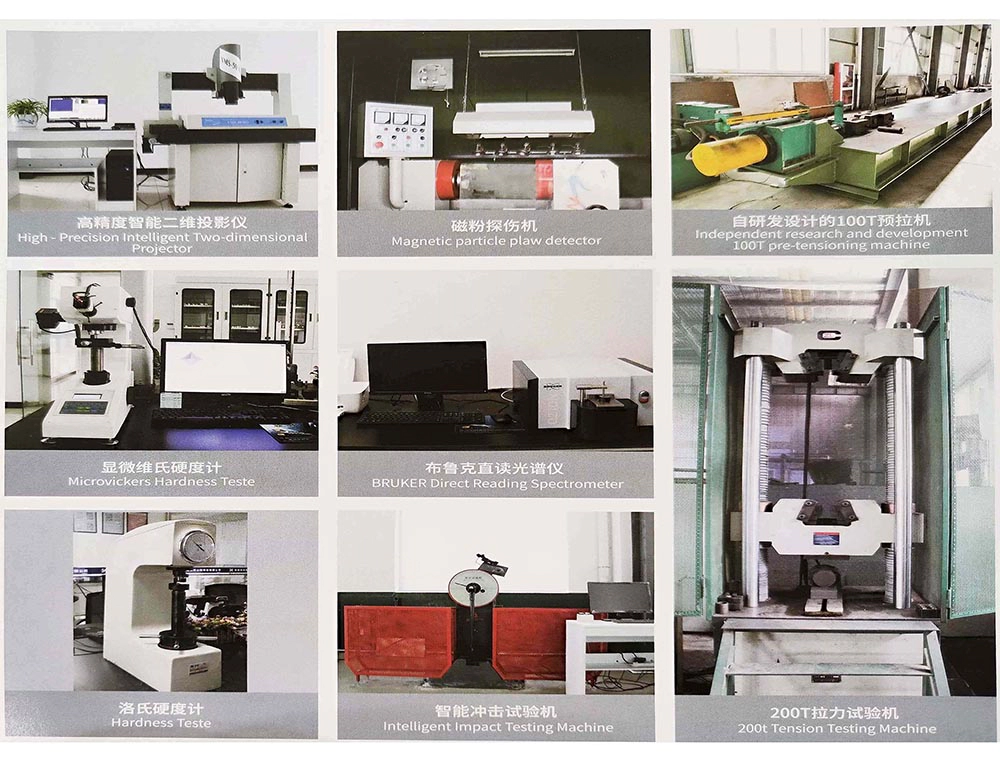
They can be used to speed up or slow down machines
Typically, roller chains are chains used to move mechanical system components. Unlike belts, roller chains can be used to speed up or slow down a machine. The main difference between belts and roller chains is the lubrication process. Belts use lubrication to help them move at a constant speed, but should not exceed the critical speed of the roller chain. This critical speed is not easy to determine and lubrication is critical to its life.
A roller chain is a chain consisting of a steel bushing that holds the inner plate A and pins C together. Pin C is riveted to outer link D, while roller R surrounds each bushing B. The teeth of the sprocket are supported on the rollers. They spin freely on pins and bushings, reducing friction.
The chains can be single-stranded, double-stranded, or multi-stranded. The rated power capacity of the single strand chain can meet various drive load requirements. Multi-strand chains provide higher power capacity without increasing chain pitch or line speed. The silent chain, also known as the inverted tooth chain, consists of a series of toothed chainplates. The pins of the chain are pressed into the wide ends of the sidebars and outer links.
Although roller chains are a common mechanical component, they can fail under certain conditions. The most common cause of excessive wear is wrong to load sizing. Each manufacturer sets a maximum workload for its product. A chain that is too small for the load carried will not run smoothly and may cause premature failure. Chains can also fail due to rust or improper maintenance.
There are many ways to choose the correct size roller chain. The easiest way to choose the right one is to use a horsepower chart to determine the speed of the motor. RPM will determine the size of the chain and the number of teeth on the drive sprocket. Conveyor chains offer a variety of options to move products horizontally or vertically, even around bend radii.
editor by czh 2022-12-13