Product Description
Drive Roller Conveyor Leaf Hollow Pin Industrial Chain Elevator Silent Hoisting Pintle Cast Stainless Steel Duplex Engineering Drag Link Agricultural Escalator
Product Description
Click on the picture to get the latest quotation
| transmission chain (Driving Chain) | Short Pitch Precision Roller Chain (A Series)(1,2,3) | 04C-1 06C-1-2-3 085-1-2-3 08A-1-2-3 10A-1-2-3 12A-1-2-3 16A-1-2-3 20A-1-2-3 24A-1-2-3 28A-1-2-3 32A-1-2-3 40A-1-2-3 48A-1-2-3 |
| 25 35 35-2 35-3 -2 40-3 50 50-2-50-3 60 60-2 60-3 80 80-2 80-3 100 100-2 100-3 120 120-2 120-3 140 140-2 160 160-2 -2 240 | ||
| Short Pitch Precision Roller Chain (B Series)(1,2,3) | 06B-1-2-3 06B-1-2-3 08B-1-2-3 10B-1-2-3 12B-1-2-3 16B-1-2-3 20B-1-2-3 24B-1-2-3 28B-1-2-3 32B-1-2-3 40B-1-2-3 48B-1-2-3 56B-1-2-3 64B-1-2-3 72B-1-2-3 | |
| Heavy Duty Series Roller Chain(1,2) | 08AH-1 10AH-1 12AH-1-2-3 16AH-1-2-3 20AH-1-2-3 24AH-1-2-3 28AH-1-2-3 32AH-1-2-3 40AH-1-2-3 | |
| Side Bow Chain | 40SB 43SB 50SB 60SB 63SB 80SB 08BSB 08BSBY1 10BSB 12BSB C2050SB | |
| Motorcycle Chain | 410 415 415H 420 420H 428 428H 520 520H 525 525H 530 530H 630 630H | |
| Engine Mechanism Chain (Timing Chain) | CL04 | |
| Self-Lubrication Roller Chain | 08BSLR 10BSLR 12BSLR 16BSLR 40SLR 50SLR 60SLR 80SLR | |
| Double Pitch Transmission Chain | 208A 208B 210A 210B 212A 212B 216A 216B 220A 220B | |
| 2040 2050 2060 2080 2100 | ||
| Bush Chain | P15F-B P20-B P25-B P25F1-B P30F2-B P36-B P40-B P45-B P50-B P55-B P60-B P70-B P80-B | |
| Conveyor Chain | Roller Chains With Straight Side Plates (A Series) | C08A-1-2-3 C10A-1-2-3 C12-1-2-3 C24A-1-2-3 C32A-1-2-3 |
| C35 C40-1-2-3 C50-1-2-3 C80-1-2-3 C100-1-2-3 C120-1-2-3 C140-1-2-3 C160-1-2-3 | ||
| Roller Chains With Straight Side Plates (B Series) | C08B-1-2-3 C10B-1-2-3 C12B-1-2-3 C16-1-2-3 C20B-1-2-3 C24B-1-2-3 C28B-1-2-3 C32B-1-2-3 | |
| Double Pitch Conveyor Chain | C208A C208AH C208B C208BL C210A C210AL C212A C212AH C212AHL C216A C216AL C216AH C216AHL C220A C220AL C220AH C220AHL C224A C224AL C224AH C224AHL C232A C232AL C232AH C232AHL | |
| C2050 C2052 C2060 C2062 C2060H C2080 C2080H C2082 C2082H C2100 C2100H C2102 C2102H C2120 C2120H C2122 C2122H C2160 C2160H C2162 C2162H | ||
| Double Pius Speed Chain | BS25-C206B BS25-C208A BS25-C210A BS25-C212A BS30-C206B BS30-C208B BS30-C210B BS30-C212B | |
| Conveyor Chain (M Series) | M20 M28 M40 M56 M80 | |
| Hollow Pin Conveyor Chain (MC Series) | MC28 MC56 MC112 MC224 | |
| Conveyor Chain (FV Series) | FV40 FV63 FV90 FV112 FV140 | |
| Conveyor Chain (FVT Series) | FVT40 FVT63 FVT90 FVT112 FVT140 FVT180 FVT250 FVT315 | |
| Hollow Pin Conveyor Chain (FVC Series) | FVC63 FVC90 FVC112 FVC140 FVC180 FVC250 FVC315 | |
| Conveyor Chain (Z Series) | Z40 Z100 Z160 Z300 | |
| Conveyor Chain (ZE Series) | ZE40 ZE100 ZE160 ZE300 | |
| Hollow Pin Conveyor Chain (ZC Series) | ZC21 ZC40 ZC60 ZC150 ZC300 | |
| Hollow Pin Chains | 08BHPF 08BHPF5 08BHP9 10BHPF3 10BHPF4 12BHPF2 12BHPF3 16BHPF3 16BHPF4 40HP 08BHPF7 08BHP 50HP 50HPF4 50H-HP 60HP 60HPF1 80HP 80HPF1 80HPF2 80H-HP 80HPF3 80HPF4 HB41.75F5 A2080HP | |
| Welded-type cranked link chains | WR78 WH78 WR82 WH82 WR106 WH106 WR110 WH110 WR111 WH111 WR124 WH124 WR132 WH132 WR150 WH150 WR155 WH155 WR157 WH157 WR78F5 WH78F4 WH124F1 WH111F1 | |
| Palm oil Chains | P101.6F2 P152F14 P152F17 P152F29 90R-S P101.6F64 P76.7 P152F31 | |
| Sugar mill chains | DH9063 DH2198 P152F93K2 P152F78K2 DH 0571 0 DH1796 P152F77-AS2 P203.2F9 | |
| Rubber gloves carrier chains | P100F155 P100F13 P100F139 P150/90 | |
| Lumber conveyor chains | 81X 81XH 81XHE 81XHH 81XHS 500R 441.100R | |
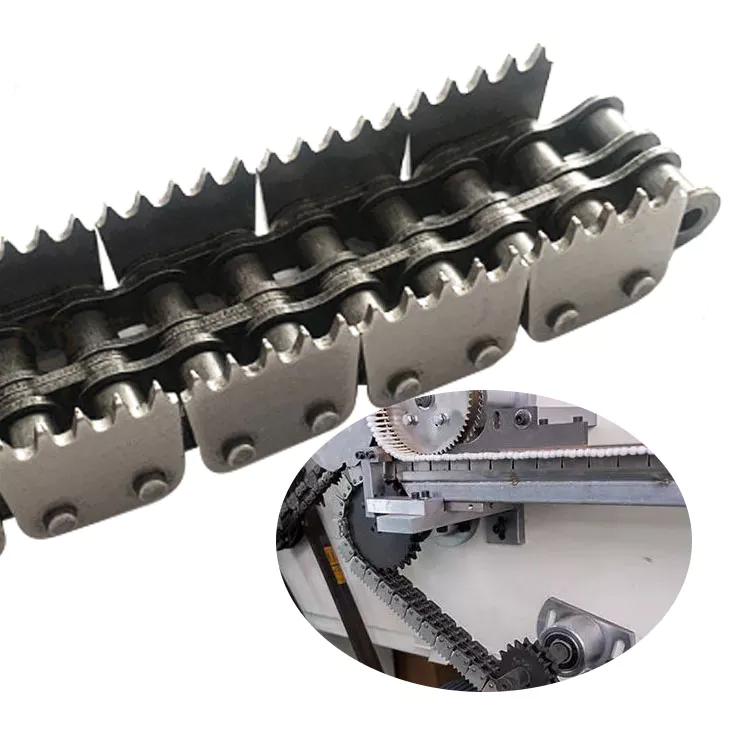
| Sharp top chains | 08AF34 08BF21 10AF8 41F6 06BF1 06BF37 08AF41 08BF44 08AF8… | |
| Stainless Steel Chain | Stainless Steel Short Pitch Precision Roller Chain(A Series) | 25SS-1 35SS-1 41SS-1 40SS-1 50SS-1 60SS-1 80SS-1 100SS-1 120SS-1 |
| Stainless Steel Short Pitch Precision Roller Chain(B Series) | 05BSS-1 06BSS-1 08BSS-1 10BSS-1 12BSS-1 16BSS-1 20BSS-1 24BSS-1 | |
| Stainless Steel Roller Chain With Straight Side Plates | C40SS-1 C50SS-1 C60SS-1 C80SS-1 C100SS-1 C120SS-1 C08BSS-1 C10BSS-1 C12BSS-1 C16BSS-1 C20BSS-1 C24BSS-1 | |
| Stainless Steel Double Pitch Transmission Chain | 2040SS 2050SS 2060SS 2080SS 2100SS 2120SS 208BSS 210BSS 212BSS 216BSS 220BSS 224BSS | |
| Stainless Steel Double Pitch Conveyor Chain | C2040SS C2040HSS C208BSS C2050SS C2060SS C2060HSS C2080SS C2080HSS C2100SS C2100HSS C2120SS C2120HSS | |
| Stainless Steel Hollow Pin Chain | 08BHFSS 40HPSS 50HPSS 60HPSS 12BHPSS 80HPSS C2040HPSS C2050HPSS C2060HPSS C2080HPSS HB50.8SS | |
| Stainless Steel Double Pitch Hollow Pin Chain | C2042HPSS C2052HPSS C2062HPSS C2082HPSS C2042H-HPSS C2052H-HPSS C2062H-HPSS C2082H-HPSS | |
| Lifting Chain | Car Parking Chain | 12AT-1 16AT-1-2 20AT-1-2-3 24AT-1-2 |
| Leaf Chain | LH0822 LH0823 LH571 LH0844 LH0846 LH 0571 LH1571 LH1571 LH1034 LH1044 LH1046 LH1066 LH1088 LH1222 LH1223 LH1234 LH1244 LH1246 LH1266 LH1288 | |
| BL422 BL423 BL434 BL444 BL446 BL466 BL488 BL522 BL523 BL534 BL544 BL546 BL566 BL588 BL622 BL623 BL634 BL644 BL646 BL666 BL688 | ||
| Multiple Plate Bearing Pin Chain | LF30 MP50F2 MP50.8 MP70F1 MP70F2 MP70F3 MP80F1 MP90F1 MP90F2 MP110F1 | |
| Rollerless Lift Chain | 45-1 55-1 65-1 85-1 105-1 125-1 145-1 165-1 | |
| Agricultural Chain | S Type Steel Agricultural Chain & Attachments | S32 S42 S45 S52 S55 S62 S77 S88 A550 A620 |
| C Type Steel Agricultural Chain with Attachments | CA550 CA550/S55 CA555 CA550HD CA550V CA557 CA620 CA2801 38.1R 38.4R 38.4V 38.4VB | |
| Rice Harvester Chain | S3558T-48001 S3558T-48002 | |
| Drop Forged Chain Series | Drop Forged Rivetless Chain | Imperial: 80H X348 X458 468H X658 X678 678 698 998 9118 S348 S458 S678 S698 S9118, Metric system: XT100 XT160 |
| Cast Detachable Chain | 55 57 62 74 78 | |
| Steel Detachable Chain | 25 32 32W 51 52 55 62 | |
| Cast Iron Chain | Cast Iron Chain (C Series) | C55 C55L C77 C188 C188L C102B C111 C131 C132 |
| Cast Iron Chain (H Series) | H60 H78 H82 H110 | |
| Cast Iron Chain (4 Series) | 462 477 488 4103 720 720S 730 | |
| Cast Iron Chain BRH188 | BRH188 C188CP C102B-K2 C55A C55B C55D CC600 H78A H78B H130 H138 MC33 103 4103F29 907-E51 | |
| Welded chains | WR78 WH78 WR82 WH82 WR124 WH124 | |
| Forging Hanging Chain | X228 X348 X458 X678 698 |
Our Advantages
1. The material shall be 40Cr or above alloy steel
2. All raw materials are customized by large domestic steel plants. Before entering the plant, secondary tests are carried out to ensure stable and controllable product materials.
3. The basic amount of chain parts have realized white motion and CNC-controlled production
4. Mesh belt furnaces, infiltration, high frequency, etc., are used for heat treatment to make the chain plate and shaft sleeve reach the working state. The quenching medium is made of Korean Dragon base oil
5. Professional inspection personnel are assigned to inspect each level to ensure the product quality
6. Over 20 years of operation, we have accumulated a lot of practical experience, especially in the non-standard chain leading city, which enjoys a good reputation in the industry
Related products
Company Profile
The company mainly produces a variety of A and B series of short pitch precision roller chains for transmission, double pitch transmission chains, double pitch conveying roller accessories, short pitch conveying roller chain accessories, stereo garage chains, pin chains, double speed chains, scraper chain, pumping unit chain, sugar machinery particular chain, hollow pin roller chain and sleeve chain, large roller conveying chain and accessories, ZGS38 combine chain and accessories, S-type C-type steel agricultural machinery chain and accessories, conveyor chain, beer and beverage machinery conveyor chain, side bend flat top conveyor chain, brown oil press conveyor chain, etc. – series.
Our company has Ward, Yangli, and other precision stamping equipment. CHINAMFG laser cutting machine, automatic submerged arc welding machine, and other cutting equipment. XH precision leveling equipment, DM high-speed circular saw machine, CNC lathe, heavy double-end square milling machine, and other machining equipment. Fully automatic mesh belt quenching line, well-type gas carburizing furnace, vacuum mold furnace, high-frequency furnace, and other heat treatment equipment, lifting and hanging shot blasting machine barrel, and other surface treatment equipment.
Our company has a CHINAMFG technical force, advanced technology, a short development cycle of new products, and complete and perfect testing. The products are sold all over the world.
/* January 22, 2571 19:08:37 */!function(){function s(e,r){var a,o={};try{e&&e.split(“,”).forEach(function(e,t){e&&(a=e.match(/(.*?):(.*)$/))&&1
| Usage: | Transmission Chain, Drag Chain, Conveyor Chain, Dedicated Special Chain |
|---|---|
| Material: | Iron |
| Surface Treatment: | Oil Blooming |
| Feature: | Oil Resistant |
| Chain Size: | 1/2"*3/32" |
| Structure: | Roller Chain |
| Samples: |
US$ 9999/Piece
1 Piece(Min.Order) | |
|---|

Can a conveyor chain be used in high-load applications?
Yes, a conveyor chain can be used in high-load applications. Conveyor chains are designed to withstand heavy loads and provide reliable and efficient material handling in various industries. Here’s a detailed explanation:
– Robust Construction:
A conveyor chain for high-load applications is typically constructed using durable materials such as alloy steel or stainless steel. These chains are designed to withstand the forces and stresses imposed by heavy loads without deformation or failure.
– High Load Capacity:
Conveyor chains for high-load applications are designed with larger and stronger components, including thicker plates, larger pins, and stronger attachments. These enhancements allow the chain to handle heavier loads and distribute the weight evenly across the chain’s links and rollers.
– Proper Selection:
When using a conveyor chain in high-load applications, it is crucial to select the appropriate chain type and size based on the specific load requirements. Factors such as the weight of the conveyed material, the conveyor speed, and the operating conditions should be considered during the selection process.
– Lubrication and Maintenance:
In high-load applications, proper lubrication and regular maintenance of the conveyor chain are essential. Adequate lubrication reduces friction and wear, ensuring smooth operation and extending the chain’s service life. Regular inspections and maintenance routines help identify any issues or wear that may affect the chain’s performance.
– Application-Specific Chains:
In some cases, specialized conveyor chains, such as forged link chains or roller chains, are used to handle extremely heavy loads. These chains offer enhanced strength and durability, making them suitable for demanding high-load applications.
Overall, a properly selected and maintained conveyor chain can reliably handle high-load applications, providing efficient and continuous material handling in industries such as mining, construction, automotive, and heavy manufacturing.
How do you calculate the power requirements for a conveyor chain?
Calculating the power requirements for a conveyor chain involves considering various factors. Here’s a step-by-step process:
1. Determine the total weight to be transported: Measure or estimate the total weight of the material or product that will be carried by the conveyor chain. This includes the weight of the product itself, any packaging, and additional loads.
2. Determine the speed of the conveyor: Determine the desired speed at which the conveyor chain will operate. This is typically measured in feet per minute (FPM) or meters per second (m/s).
3. Calculate the required capacity: Multiply the total weight by the desired speed to determine the required capacity of the conveyor system. This will give you the weight per unit of time (e.g., pounds per minute or kilograms per hour).
4. Consider the conveyor’s design factors: Take into account various design factors such as the type and pitch of the conveyor chain, the coefficient of friction between the chain and the conveyor components, and any incline or decline angles of the conveyor system. These factors affect the power requirements.
5. Determine the required power: Use the following formula to calculate the power requirements:
Power (in horsepower) = (Capacity × Friction Factor) ÷ (33,000 × Efficiency)
Where:
– Capacity is the weight per unit of time (from step 3)
– Friction Factor is the ratio of chain tension to chain weight, taking into account the design factors
– 33,000 is a conversion factor to convert the units to horsepower
– Efficiency is the overall efficiency of the conveyor system, typically expressed as a decimal value (e.g., 0.95 for 95% efficiency)
6. Select a suitable motor: Based on the calculated power requirements, select a motor that can provide the necessary power to drive the conveyor chain. Consider factors such as motor type, motor efficiency, and overload capacity.
It’s important to note that the power requirements may vary depending on specific conveyor system designs and operating conditions. Consulting with a qualified engineer or conveyor manufacturer is recommended to ensure accurate calculations and proper motor selection.
What are the signs of wear and tear in a conveyor chain?
Over time, a conveyor chain may experience wear and tear due to the demanding nature of material handling operations. Several signs indicate the need for maintenance or replacement of a conveyor chain. These signs of wear and tear include:
- Chain Elongation: One of the common signs of wear in a conveyor chain is elongation. As the chain wears, the pitch between the chain links gradually increases, resulting in a longer chain length. Excessive elongation can cause improper engagement with sprockets, leading to slippage or chain derailment.
- Chain Link Plate Wear: The link plates of a conveyor chain can experience wear on their surfaces. This wear is typically caused by friction against sprockets, guide rails, or other components. Signs of plate wear include thinning or deformation of the link plates, which can affect the overall strength and integrity of the chain.
- Sprocket Tooth Wear: The teeth of the sprockets that engage with the conveyor chain can also exhibit signs of wear. Over time, the teeth may become worn down, rounded, or have irregular shapes. This wear can cause improper chain engagement, resulting in reduced efficiency and potential chain slipping or skipping.
- Excessive Noise: Increased noise during the operation of the conveyor system can indicate wear and tear in the chain. Excessive wear can lead to metal-to-metal contact, resulting in noisy operation. Unusual squeaking, grinding, or rattling sounds are indicators that the chain may require inspection or maintenance.
- Visible Damage: Any visible damage to the chain, such as cracked or broken link plates, bent pins, or missing attachments, is a clear sign of wear and tear. These damages compromise the chain’s structural integrity and should be addressed promptly to prevent further issues or chain failure.
- Inconsistent Movement: If the conveyor chain starts to exhibit jerky or uneven movement, it may be a sign of wear or misalignment. Misalignment can occur due to worn chain links, damaged sprockets, or improper tensioning. Inconsistent movement can lead to reduced efficiency, increased wear, and potential chain failure.
Regular inspection and maintenance of the conveyor chain system are essential to identify these signs of wear and tear. Timely replacement of worn components and proper lubrication can help prolong the life of the chain and maintain efficient operation.


editor by CX 2024-05-02
China manufacturer Cgs38 Cgs38p2 GS38 GS38c6e GS38f3 Lifting Steel Link Stainless Steel Conveyor Roller Chain
Product Description
| CHOHO Chain No. | P/mm | G/mm | h4/mm | d4/mm | T/mm |
| CGS38P2 | 38.0 | 15.0 | 19.5 | 1.5 | 3.0 |
| CGS38P2W | 38.0 | 27.0 | 17.0 | 20.0 | 3.0 |
| … | … | … | … | … | … |
Product advantages:
| — Ten CoreTechnologies — | |||
| 1 | Chain strengh preload technology | 2 | Pin CRV treatment technology |
| 3 | Plate smoothly punching technology | 4 | Bush oil hole technology |
| 5 | Vacuum Oiled Technology | 6 | Precision Punching Technology |
| 7 | Low frequency fatigue test technology for lange size chain | 8 | Chain length comparison technology |
| 9 | Variation of silence design technology | 10 | Chain dynamic testingtechnology technologies |
Our Advantages:
1. Any inquiry you make will be answered professionally within 6~8 hours.
2. Attaches great importance to product quality and approved by many global quality system certification,such as France, Norway, Germany.
3. Focused on Chain since 1999, have rich experience in Production.
4. High-quality workers,First-class advanced equipment,good quality control,advanced technology.
5. Be Good at Custom-Made Products, provide customized services for customers.
6. Participated in the drafting of 24 national and industrial standards such as chains.As of 2571-Mar, CHOHO has 180 authorized patents.
7. With the responsibility of “Providing high quality chain system with the same service life for the global locomotive industry”, have established a strong R&D team.
Chain Drive Industry First A-Share Listed Company
Stock Code: .
√ CHOHO has 4 subsidiaries, including testing technology and international trading companies. has 4 factories in HangZhou, Thailand factory, ZheJiang R&D Center and Tokyo R&D Center. In addition, CHOHO ZHangZhoug Industrial zone is expected to be completed & put into operation next year.
√ We specialized in producing all kinds of standard chains and special chains, such as Agricultural Chain, Sprocket, Chain Harrow, Tillage Parts,Rice Harvester Chain, GS38 Chain, Roller Chain, Automobile Chain, Motorcycle Chain Industrial Chain and so on.Our partners among world top enterprises, such as LOVOL,JOHN DEERE,NEWHOLLAND, CLASS,AGCO,DEUTZFAHR,HONDA, KUBOTA etc.
| Packaging Details: | advanced packaging / convenience package / bulk package / Waterproof bag / PE Bag / Premium cardboard box / Regular cardboard Carton / Neutral Box / Wooden case / Steel Pallets or Customization |
We are very close to the port of HangZhou, which saves a lot of logistics costs and transportation time!
We have our own logistics company and transportation department. If you need me to deliver goods to your warehouse or other ports in China, such as ZheJiang Port and ZheJiang Port, we can also do it!
| ******************************************************* After years of quality practice, CHOHO has formed a unique quality culture and a quality management model that strategically achieves global chain system technology leaders in quality management. ******************************************************* |
∞ Driven by quality culture and strategy |
| ∞ Implementation of R&D,procurement, production and marketing Digital Quality Management of the Whole Value Chain Cycle |
|
| ∞ Quality Synergy of the Whole Industry Chain | |
| ∞ Achievement chain system technology leader |
√ CHOHO has a natural brand awareness. As of January 2571, CHOHO has registered the “CHOHO” trademark in more than 60 countries, including the United States, Japan, the United Kingdom, France, Germany, Russia, Spain, Austria, Belgium, Bulgaria, Croatia, Czech Republic, Denmark, Finland, Greece , Hungary, Ireland, Italy, Netherlands, Poland, Portugal, Romania, Ukraine, Sweden, Australia, Algeria, Egypt, Kenya, Morocco, South Korea, Kazakhstan, Mongolia, Syria, Thailand, Pakistan, India, Brazil, Mexico, Colombia, etc.
CHOHO has been invited to participate in many international exhibitions around the world, including industrial exhibitions, agricultural exhibitions, motorcycle exhibitions, engine exhibitions, such as Hannover Messe, Bologna Fair, Canton Fair ,VIV ASIA and other world famous exhibitions!
COOPERATIVE CLIENT
Broad Customer Channels Market Continues to Develop!
Choho Provide Chain System Solutions for The Global Top 500 and The Enterprises in Various Fields Top 10!
FAQ
1. Are you manufacturer or trade Company?
We are a factory focused on producing and exporting Chain over 23 years,have a professional international trade team.
2. What terms of payment you usually use?
T/T 30% deposit and 70% against document, L/C at sight
3. What is your lead time for your goods?
Normally 30~45 days.Stock can be shipped immediately.
4. Do you attend any Show?
We attend Hannover show in Germany, EIMA in Italy, CHINAMFG in France, CIAME in China and many other Agricultural machinery shows.
5.Do you offer free samples?
Yes,we can.or you just bear the shipping cost.
6.Is OEM available?
Yes, OEM is available. We have professional designers to help you design.
/* January 22, 2571 19:08:37 */!function(){function s(e,r){var a,o={};try{e&&e.split(“,”).forEach(function(e,t){e&&(a=e.match(/(.*?):(.*)$/))&&1
| Standard or Nonstandard: | Nonstandard |
|---|---|
| Application: | Textile Machinery, Garment Machinery, Conveyer Equipment, Packaging Machinery, Electric Cars, Motorcycle, Food Machinery, Marine, Mining Equipment, Agricultural Machinery, Car |
| Surface Treatment: | Polishing |
| Samples: |
US$ 2.39/Meter
1 Meter(Min.Order) | Order Sample |
|---|
| Customization: |
Available
| Customized Request |
|---|
.shipping-cost-tm .tm-status-off{background: none;padding:0;color: #1470cc}
| Shipping Cost:
Estimated freight per unit. |
about shipping cost and estimated delivery time. |
|---|
| Payment Method: |
|
|---|---|
|
Initial Payment Full Payment |
| Currency: | US$ |
|---|
| Return&refunds: | You can apply for a refund up to 30 days after receipt of the products. |
|---|
Can a conveyor chain be used in cleanroom environments?
Yes, conveyor chains can be used in cleanroom environments with proper selection and design considerations. Cleanroom environments require stringent control of airborne particles, such as dust, microbes, and contaminants, to maintain high levels of cleanliness. Here are some factors to consider when using a conveyor chain in a cleanroom:
1. Material Selection:
– Choose a conveyor chain made from materials that are compatible with cleanroom requirements. Stainless steel, plastic, or special coatings are commonly used for their clean and non-contaminating properties.
– Avoid materials that generate excessive particles or contaminants, such as certain types of lubricants or chain coatings.
2. Design Considerations:
– Design the conveyor chain system to minimize particle generation. This includes smooth surfaces, rounded edges, and avoiding areas that can trap or accumulate particles.
– Use sealed or enclosed chain designs to prevent the release of lubricants or contaminants.
– Consider the integration of additional features, such as covers or guards, to further protect the chain and prevent particle ingress.
3. Cleaning and Maintenance:
– Establish a cleaning and maintenance protocol specific to the cleanroom environment. This may include regular cleaning and sanitization procedures to maintain cleanliness standards.
– Use cleaning agents and procedures that are approved for cleanroom use and do not introduce contaminants.
– Regularly inspect the conveyor chain system for any signs of wear, damage, or contamination. Promptly address any issues to ensure the chain’s reliability and cleanliness.
4. Compliance with Cleanroom Standards:
– Ensure that the conveyor chain system meets the cleanliness and particle generation requirements of the specific cleanroom standards or classifications in which it will be used.
– Comply with relevant industry guidelines and regulations, such as ISO standards, when selecting and using conveyor chains in cleanroom environments.
By considering these factors and implementing proper material selection, design considerations, cleaning protocols, and compliance with cleanroom standards, a conveyor chain can be effectively used in cleanroom environments while maintaining the required cleanliness levels.
How do you select the appropriate lubricant for a conveyor chain?
Selecting the right lubricant is crucial for maintaining the performance and longevity of a conveyor chain. Here are the key factors to consider when choosing a lubricant:
1. Chain Type and Material: Different conveyor chains may have specific requirements for lubrication based on their construction materials and design. Consult the manufacturer’s recommendations or specifications to determine the lubricant compatibility.
2. Operating Conditions: Consider the operating environment, such as temperature, humidity, and presence of contaminants. For high-temperature applications, choose a lubricant with a higher temperature tolerance. In wet or dusty environments, opt for lubricants that offer excellent resistance to water washout and provide effective protection against contaminants.
3. Load and Speed: Evaluate the load capacity and speed of the conveyor chain. Higher loads and speeds may require lubricants with better film strength and anti-wear properties to reduce friction and prevent premature wear.
4. Lubrication Method: Determine the lubrication method that will be used for the conveyor chain. Lubricants can be applied through drip systems, brushes, spray nozzles, or automatic lubrication systems. Consider the viscosity and consistency of the lubricant to ensure proper application and distribution.
5. Food-Grade Requirements: In food processing or pharmaceutical applications, where direct contact with the product may occur, it’s essential to use food-grade lubricants that meet industry regulations and requirements for safety and hygiene.
6. Maintenance Schedule: Consider the desired maintenance intervals and the lubricant’s longevity. Some lubricants may require more frequent reapplication, while others provide longer-lasting lubrication.
7. Compatibility with Other Materials: Take into account the compatibility of the lubricant with other materials in the conveyor system, such as seals, gaskets, and paints. Ensure that the lubricant does not cause any adverse effects on these components.
It is recommended to consult with lubricant manufacturers or industry experts to select the most suitable lubricant for your specific conveyor chain application. They can provide guidance based on their expertise and knowledge of lubricant formulations and performance characteristics.
What are the maintenance requirements for a conveyor chain?
Maintaining a conveyor chain is essential to ensure its smooth operation and prolong its lifespan. Here are some key maintenance requirements for a conveyor chain:
- Regular Cleaning: Clean the conveyor chain regularly to remove dirt, debris, and contaminants that can contribute to chain wear and reduce performance. Use appropriate cleaning agents and tools to avoid damaging the chain.
- Lubrication: Apply the recommended lubricant to the conveyor chain according to the manufacturer’s guidelines. Lubrication helps reduce friction, minimize wear, and prevent corrosion.
- Tension Adjustment: Check the tension of the conveyor chain regularly and adjust it if necessary. Proper tension ensures smooth operation and prevents issues like chain slipping or excessive wear.
- Inspection: Conduct regular inspections of the conveyor chain to identify any signs of wear, damage, or misalignment. Look for issues such as worn sprockets, elongation, bent or damaged links, and loose connections. Address any problems promptly to prevent further damage.
- Replace Worn Components: If any components of the conveyor chain, such as links, pins, or sprockets, are excessively worn or damaged, they should be replaced. Using worn components can compromise the chain’s performance and lead to failure.
- Alignment: Ensure proper alignment of the conveyor chain by checking the alignment of sprockets, idlers, and other components. Misalignment can cause uneven wear and increase the risk of chain failure.
- Training and Education: Provide proper training to personnel responsible for operating and maintaining the conveyor chain. They should understand the maintenance requirements, safety protocols, and best practices to ensure effective and safe operation.
Following these maintenance requirements will help keep the conveyor chain in optimal condition, minimize downtime, and ensure safe and efficient material handling.
editor by CX 2024-04-11
China OEM New Galvanized Chain Link Stainless Steel Chain for Coal Mining Conveyor Roller
Product Description
Product details
A lifting chain is a common industrial device used to carry and lift heavy objects. In the process of manufacturing lifting chains, it is necessary to manufacture in accordance with strict process requirements.
CHINAMFG is mainly made of high quality alloy steel materials, in the production process of strict quality control, in accordance with the international production standards, so that CHINAMFG lifting chain can reach the national provisions of 4 times the safety factor, and has 2.5 times the test load, more used in lifting hoist and tackles and other lifting tools safety is relatively high.
Product specification
| Chain | |
| Specification | Weight/m |
| 6* | 0.78 |
| 7.1* | 1.08 |
| 8* | 1.36 |
| 9.1* | 1.75 |
| 10* | 2.12 |
| 12* | 3.07 |
| 13* | 3.6 |
| 14* | 3.8 |
| 16* | 6.3 |
| 18* | 6.7 |
| 20* | 8.4 |
| 22* | 10.2 |
| 26* | 14 |
Product application
Delivery method
Company introduction
Company introduction
ZheJiang Xihu (West Lake) Dis. Metal Manufacturing Co., Ltd. is a large-scale production enterprise integrating production and sales. The company was established in 12 years. It is an enterprise developed in the CHINAMFG of China’s system reform and opening up. It has core technology and has cultivated a skilled staff team. The development of the company has been included: Tengyue high-strength rigging factory.
It mainly produces and operates American shackles, Japanese shackles, American orchids, chuck, hook and loop slings, U-shaped wires, nuts, bolts, wood grain wire expansion and other metal manufacturing products.
The business scope of Xihu (West Lake) Dis. metal manufacturing company includes: heavy industry, shipbuilding, oil, mining, construction and other fields.
Xihu (West Lake) Dis. is recognized by our customers for its high-quality service. In recent years, more and more customers choose to cooperate with Xihu (West Lake) Dis.. We uphold the excellent quality, honest style and CHINAMFG mind.
/* January 22, 2571 19:08:37 */!function(){function s(e,r){var a,o={};try{e&&e.split(“,”).forEach(function(e,t){e&&(a=e.match(/(.*?):(.*)$/))&&1
| Usage: | Transmission Chain, Drag Chain, Conveyor Chain, Dedicated Special Chain |
|---|---|
| Material: | Stainless steel |
| Surface Treatment: | Hot-DIP Galvanized |
| Feature: | Heat Resistant |
| Chain Size: | 1/8"-3/4" |
| Structure: | Lifting Chain |
| Samples: |
US$ 6.95/Piece
1 Piece(Min.Order) | The freight is borne by the buyer
|
|---|
Can a conveyor chain be used in overhead conveyor systems?
Yes, a conveyor chain can be used in overhead conveyor systems. Overhead conveyor systems are designed to move materials, products, or components along an elevated path, typically in manufacturing or distribution facilities.
Conveyor chains used in overhead conveyor systems are specially designed to handle the weight and load requirements of the application. They are typically made from durable materials such as steel or stainless steel to ensure strength and longevity.
Here are some key considerations when using a conveyor chain in overhead conveyor systems:
1. Load Capacity:
– Ensure that the conveyor chain has sufficient load capacity to handle the weight of the conveyed items. The load capacity should be determined based on the maximum anticipated load and any potential dynamic forces.
2. Chain Type and Design:
– Select a conveyor chain that is suitable for overhead applications, such as an overhead conveyor chain or an inverted tooth chain. These chains are specifically designed to handle the unique requirements of overhead conveyance.
3. Lubrication:
– Proper lubrication is crucial for the smooth operation of the conveyor chain in an overhead system. Consider using lubricants that are suitable for overhead applications and ensure regular lubrication to minimize friction and wear.
4. Safety Measures:
– Implement appropriate safety measures to prevent accidents and ensure worker safety. This may include installing safety guards, emergency stop systems, and implementing regular maintenance and inspection routines.
It is important to consult with conveyor system manufacturers or experts who specialize in overhead conveyor systems to ensure the conveyor chain is selected and installed correctly for the specific application requirements.
How do you calculate the power requirements for a conveyor chain?
Calculating the power requirements for a conveyor chain involves considering various factors. Here’s a step-by-step process:
1. Determine the total weight to be transported: Measure or estimate the total weight of the material or product that will be carried by the conveyor chain. This includes the weight of the product itself, any packaging, and additional loads.
2. Determine the speed of the conveyor: Determine the desired speed at which the conveyor chain will operate. This is typically measured in feet per minute (FPM) or meters per second (m/s).
3. Calculate the required capacity: Multiply the total weight by the desired speed to determine the required capacity of the conveyor system. This will give you the weight per unit of time (e.g., pounds per minute or kilograms per hour).
4. Consider the conveyor’s design factors: Take into account various design factors such as the type and pitch of the conveyor chain, the coefficient of friction between the chain and the conveyor components, and any incline or decline angles of the conveyor system. These factors affect the power requirements.
5. Determine the required power: Use the following formula to calculate the power requirements:
Power (in horsepower) = (Capacity × Friction Factor) ÷ (33,000 × Efficiency)
Where:
– Capacity is the weight per unit of time (from step 3)
– Friction Factor is the ratio of chain tension to chain weight, taking into account the design factors
– 33,000 is a conversion factor to convert the units to horsepower
– Efficiency is the overall efficiency of the conveyor system, typically expressed as a decimal value (e.g., 0.95 for 95% efficiency)
6. Select a suitable motor: Based on the calculated power requirements, select a motor that can provide the necessary power to drive the conveyor chain. Consider factors such as motor type, motor efficiency, and overload capacity.
It’s important to note that the power requirements may vary depending on specific conveyor system designs and operating conditions. Consulting with a qualified engineer or conveyor manufacturer is recommended to ensure accurate calculations and proper motor selection.
How do you properly tension a conveyor chain?
Properly tensioning a conveyor chain is crucial for its smooth operation and to prevent issues like chain slipping or excessive wear. Here are the steps to properly tension a conveyor chain:
- Identify the Tensioning Points: Determine the locations where the conveyor chain can be tensioned. These are typically at the ends of the chain or at specific tensioning devices.
- Loosen the Tensioning Devices: If there are tensioning devices in place, such as adjustable bolts or tensioning screws, loosen them to allow for adjustment.
- Apply Tension: Apply tension to the conveyor chain by either manually pulling the chain or using a tensioning tool. The amount of tension required depends on the chain type and the manufacturer’s recommendations.
- Check the Tension: Use a tension gauge or other suitable method to measure the tension of the conveyor chain. The tension should fall within the specified range provided by the chain manufacturer.
- Adjust the Tension: If the tension is too loose or too tight, make adjustments accordingly. Tighten or loosen the tensioning devices until the desired tension is achieved.
- Secure the Tensioning Devices: Once the proper tension is achieved, securely tighten the tensioning devices to hold the chain in place.
- Verify the Tension: After tensioning the chain, perform a visual inspection and run the conveyor to ensure the chain runs smoothly without excessive slack or tightness. Make any further adjustments if necessary.
It’s important to refer to the specific guidelines provided by the conveyor chain manufacturer for proper tensioning instructions, as the exact method may vary depending on the chain type and design. Regularly check the tension of the conveyor chain and make adjustments as needed to maintain optimal performance.
editor by CX 2024-04-03
China OEM Stainless Steel Maintenance Free Agricultural Machnery Conveyor Link Durable Transmission Roller Chain
Product Description
Company Profile
-HangZhou CHOHO Industrial Co., Ltd. was founded in 1999. Has become the leader of chain system technology, the first batch of natioal recognized enterprise technology center,national technology innovation demonstration enterprise,and the first A-share listed company in China’s chain drive industry.The securities code is 003033.
-CHOHO has 4 subsidiaries, including testing technology and international trading companies. has 4 factories in HangZhou, Thailand factory, ZheJiang R&D Center and Tokyo R&D Center. In addition, CHOHO ZHangZhoug Industrial zone is expected to be completed & put into operation next year.
-We specialized in producing all kinds of standard chains and special chains, such as Agricultural Chain, Sprocket, Chain Harrow, Tillage Parts,Rice Harvester Chain, GS38 Chain, Roller Chain, Automobile Chain, Motorcycle Chain Industrial Chain and so on.Our partners among world top enterprises, such as LOVOL,JOHN DEERE,NEW HOLLAND, CLASS,AGCO,DEUTZFAHR,HONDA, KUBOTA etc.
Production Capacity Equipment
By 2571,CHOHO has more than 2,700 sets of main production equipment and more than 600 sets of high-precision equipment,With the domestic advanced product laboratory and chain production assembly line, CHOHO has strong research and development and testing capabilities for high-end chain products.
Our Advantages
1. Any inquiry you make will be answered professionally within 6~8 hours.
2. Attaches great importance to product quality and approved by many global quality system certification,such as France, Norway, Germany.
3. Focused on Chain since 1999, have rich experience in Production.
4. High-quality workers,First-class advanced equipment,good quality control,advanced technology.
5. Be Good at Custom-Made Products, provide customized services for customers.
6. Participated in the drafting of 24 national and industrial standards such as chains.As of 2571-Mar, CHOHO has 180 authorized patents.
7. With the responsibility of “Providing high quality chain system with the same service life for the global locomotive industry”, have established a strong R&D team.
CHOHO has a natural brand awareness. As of January 2571, CHOHO has registered the “CHOHO” trademark in more than 60 countries, including the United States, Japan, the United Kingdom, France, Germany, Russia, Spain, Austria, Belgium, Bulgaria, Croatia, Czech Republic, Denmark, Finland, Greece , Hungary, Ireland, Italy, Netherlands, Poland, Portugal, Romania, Ukraine, Sweden, Australia, Algeria, Egypt, Kenya, Morocco, South Korea, Kazakhstan, Mongolia, Syria, Thailand, Pakistan, India, Brazil, Mexico, Colombia, etc.
Product Advantages
Certifications
CHOHO attaches great importance to product quality and approved by many global quality system certification, such as France, Norway, and Germany. Through the establishment of a sophisticated production management process and quality control system, the entire product process control is achieved. With the introduction of advanced production, processing, and testing equipment, CHOHO has internationally leading full-process quality control capabilities to provide customers with high-quality products.
Choho Provide Chain System Solutions for The Global Top 500 and The Enterprises in Various Fields Top 10!
Broad Customer Channels Market Continues to Develop!
CHOHO has been invited to participate in domestic & international agricultural machinery exhibitions, such as Hannover Messe, Bologna Fair, Canton Fair ,VIV ASIA and so on!
Packaging & Shipping
| Packaging Details: | Chain+Plastic Bag+Neutral Box+Wooden case+Big Carton+Steel Pallets or Customization |
FAQ
1. Are you manufacturer or trade Company?
We are a factory focused on producing and exporting Chain over 23 years,have a professional international trade team.
2. What terms of payment you usually use?
T/T 30% deposit and 70% against document, L/C at sight
3. What is your lead time for your goods?
Normally 30~45 days.Stock can be shipped immediately.
4. Do you attend any Show?
We attend Hannover show in Germany, EIMA in Italy, CHINAMFG in France, CIAME in China and many other Agricultural machinery shows.
5.Do you offer free samples?
Yes,we can.or you just bear the shipping cost.
6.Is OEM available?
Yes, OEM is available. We have professional designers to help you design.
/* March 10, 2571 17:59:20 */!function(){function s(e,r){var a,o={};try{e&&e.split(“,”).forEach(function(e,t){e&&(a=e.match(/(.*?):(.*)$/))&&1
| Usage: | Transmission Chain, Conveyor Chain, Dedicated Special Chain, Maintenance Free Chain |
|---|---|
| Material: | Stainless steel |
| Surface Treatment: | Polishing |
| Samples: |
US$ 1/Meter
1 Meter(Min.Order) | Order Sample Sample
|
|---|
| Customization: |
Available
| Customized Request |
|---|
.shipping-cost-tm .tm-status-off{background: none;padding:0;color: #1470cc}
|
Shipping Cost:
Estimated freight per unit. |
about shipping cost and estimated delivery time. |
|---|
| Payment Method: |
|
|---|---|
|
Initial Payment Full Payment |
| Currency: | US$ |
|---|
| Return&refunds: | You can apply for a refund up to 30 days after receipt of the products. |
|---|
How do you calculate the maximum allowable tension in a conveyor chain?
The maximum allowable tension in a conveyor chain can be calculated using the following steps:
1. Determine the Chain Pitch:
– Measure the distance between the centers of two consecutive chain pins. This measurement is known as the chain pitch and is typically expressed in inches or millimeters.
2. Determine the Chain Speed:
– Determine the speed at which the conveyor chain will be operating. The chain speed is typically expressed in feet per minute or meters per second.
3. Calculate the Chain Pull:
– Determine the total weight or force that needs to be moved by the conveyor chain. This includes the weight of the conveyed material and any additional loads or forces acting on the chain.
4. Calculate the Required Tension:
– Use the following formula to calculate the required tension:
Tension = (Chain Pull × Chain Speed) / (Chain Pitch × Efficiency)
– The efficiency factor accounts for losses due to friction and other factors and is typically expressed as a decimal between 0 and 1.
5. Determine the Maximum Allowable Tension:
– The maximum allowable tension is determined by the manufacturer’s specifications for the conveyor chain. It is important to consult the manufacturer’s documentation or contact them directly to obtain the maximum allowable tension value.
6. Compare the Required Tension and Maximum Allowable Tension:
– Compare the calculated required tension with the maximum allowable tension. The required tension should be less than or equal to the maximum allowable tension to ensure safe and reliable operation of the conveyor chain.
By following these steps and considering the manufacturer’s specifications, you can accurately calculate the maximum allowable tension in a conveyor chain and ensure that it is within the safe operating limits.
What are the advantages of using a plastic conveyor chain?
Plastic conveyor chains offer several advantages over traditional metal chains. Here are some of the key advantages:
1. Corrosion Resistance: Plastic chains are highly resistant to corrosion, making them ideal for applications in humid or corrosive environments. They do not rust or deteriorate when exposed to moisture or chemicals.
2. Lightweight: Plastic chains are significantly lighter than metal chains, making them easier to handle and install. Their lightweight nature reduces the overall weight of the conveyor system and can result in energy savings during operation.
3. Low Noise Operation: Plastic chains generate less noise compared to metal chains, leading to a quieter working environment. This can be particularly beneficial in industries where noise reduction is important, such as food processing or packaging.
4. Reduced Friction and Wear: Plastic chains have self-lubricating properties, which reduce friction and wear. This results in lower maintenance requirements and longer chain life. The smooth surface of plastic chains also minimizes the risk of product damage during transportation.
5. Flexibility and Modularity: Plastic chains can be easily customized and designed to fit specific conveyor system requirements. They offer flexibility in terms of length, width, and configuration. Additionally, plastic chains are often modular, allowing for easy replacement of damaged or worn-out sections without replacing the entire chain.
6. Cost-Effective: Plastic conveyor chains are generally more cost-effective compared to metal chains. They are often less expensive to manufacture and offer a longer lifespan with minimal maintenance requirements, resulting in lower overall costs.
7. Chemical Resistance: Plastic chains are resistant to a wide range of chemicals, making them suitable for applications where exposure to aggressive substances is a concern. They can withstand contact with oils, acids, alkalis, and various cleaning agents.
Overall, the advantages of using a plastic conveyor chain include corrosion resistance, lightweight design, low noise operation, reduced friction and wear, flexibility, cost-effectiveness, and chemical resistance. These benefits make plastic chains a popular choice in various industries, including food processing, packaging, pharmaceuticals, and logistics.
What are the maintenance requirements for a conveyor chain?
Maintaining a conveyor chain is essential to ensure its smooth operation and prolong its lifespan. Here are some key maintenance requirements for a conveyor chain:
- Regular Cleaning: Clean the conveyor chain regularly to remove dirt, debris, and contaminants that can contribute to chain wear and reduce performance. Use appropriate cleaning agents and tools to avoid damaging the chain.
- Lubrication: Apply the recommended lubricant to the conveyor chain according to the manufacturer’s guidelines. Lubrication helps reduce friction, minimize wear, and prevent corrosion.
- Tension Adjustment: Check the tension of the conveyor chain regularly and adjust it if necessary. Proper tension ensures smooth operation and prevents issues like chain slipping or excessive wear.
- Inspection: Conduct regular inspections of the conveyor chain to identify any signs of wear, damage, or misalignment. Look for issues such as worn sprockets, elongation, bent or damaged links, and loose connections. Address any problems promptly to prevent further damage.
- Replace Worn Components: If any components of the conveyor chain, such as links, pins, or sprockets, are excessively worn or damaged, they should be replaced. Using worn components can compromise the chain’s performance and lead to failure.
- Alignment: Ensure proper alignment of the conveyor chain by checking the alignment of sprockets, idlers, and other components. Misalignment can cause uneven wear and increase the risk of chain failure.
- Training and Education: Provide proper training to personnel responsible for operating and maintaining the conveyor chain. They should understand the maintenance requirements, safety protocols, and best practices to ensure effective and safe operation.
Following these maintenance requirements will help keep the conveyor chain in optimal condition, minimize downtime, and ensure safe and efficient material handling.
editor by CX 2024-01-11
China Hot selling Drive Roller Conveyor Leaf Hollow Pin Industrial Chain Elevator Silent Hoisting Pintle Cast Stainless Steel Duplex Engineering Drag Link Agricultural Escalator
Product Description
Drive Roller Conveyor Leaf Hollow Pin Industrial Chain Elevator Silent Hoisting Pintle Cast Stainless Steel Duplex Engineering Drag Link Agricultural Escalator
Product Description
Click on the picture to get the latest quotation
| transmission chain (Driving Chain) | Short Pitch Precision Roller Chain (A Series)(1,2,3) | 04C-1 06C-1-2-3 085-1-2-3 08A-1-2-3 10A-1-2-3 12A-1-2-3 16A-1-2-3 20A-1-2-3 24A-1-2-3 28A-1-2-3 32A-1-2-3 40A-1-2-3 48A-1-2-3 |
| 25 35 35-2 35-3 -2 40-3 50 50-2-50-3 60 60-2 60-3 80 80-2 80-3 100 100-2 100-3 120 120-2 120-3 140 140-2 160 160-2 -2 240 | ||
| Short Pitch Precision Roller Chain (B Series)(1,2,3) | 06B-1-2-3 06B-1-2-3 08B-1-2-3 10B-1-2-3 12B-1-2-3 16B-1-2-3 20B-1-2-3 24B-1-2-3 28B-1-2-3 32B-1-2-3 40B-1-2-3 48B-1-2-3 56B-1-2-3 64B-1-2-3 72B-1-2-3 | |
| Heavy Duty Series Roller Chain(1,2) | 08AH-1 10AH-1 12AH-1-2-3 16AH-1-2-3 20AH-1-2-3 24AH-1-2-3 28AH-1-2-3 32AH-1-2-3 40AH-1-2-3 | |
| Side Bow Chain | 40SB 43SB 50SB 60SB 63SB 80SB 08BSB 08BSBY1 10BSB 12BSB C2050SB | |
| Motorcycle Chain | 410 415 415H 420 420H 428 428H 520 520H 525 525H 530 530H 630 630H | |
| Engine Mechanism Chain (Timing Chain) | CL04 | |
| Self-Lubrication Roller Chain | 08BSLR 10BSLR 12BSLR 16BSLR 40SLR 50SLR 60SLR 80SLR | |
| Double Pitch Transmission Chain | 208A 208B 210A 210B 212A 212B 216A 216B 220A 220B | |
| 2040 2050 2060 2080 2100 | ||
| Bush Chain | P15F-B P20-B P25-B P25F1-B P30F2-B P36-B P40-B P45-B P50-B P55-B P60-B P70-B P80-B | |
| Conveyor Chain | Roller Chains With Straight Side Plates (A Series) | C08A-1-2-3 C10A-1-2-3 C12-1-2-3 C24A-1-2-3 C32A-1-2-3 |
| C35 C40-1-2-3 C50-1-2-3 C80-1-2-3 C100-1-2-3 C120-1-2-3 C140-1-2-3 C160-1-2-3 | ||
| Roller Chains With Straight Side Plates (B Series) | C08B-1-2-3 C10B-1-2-3 C12B-1-2-3 C16-1-2-3 C20B-1-2-3 C24B-1-2-3 C28B-1-2-3 C32B-1-2-3 | |
| Double Pitch Conveyor Chain | C208A C208AH C208B C208BL C210A C210AL C212A C212AH C212AHL C216A C216AL C216AH C216AHL C220A C220AL C220AH C220AHL C224A C224AL C224AH C224AHL C232A C232AL C232AH C232AHL | |
| C2050 C2052 C2060 C2062 C2060H C2080 C2080H C2082 C2082H C2100 C2100H C2102 C2102H C2120 C2120H C2122 C2122H C2160 C2160H C2162 C2162H | ||
| Double Pius Speed Chain | BS25-C206B BS25-C208A BS25-C210A BS25-C212A BS30-C206B BS30-C208B BS30-C210B BS30-C212B | |
| Conveyor Chain (M Series) | M20 M28 M40 M56 M80 | |
| Hollow Pin Conveyor Chain (MC Series) | MC28 MC56 MC112 MC224 | |
| Conveyor Chain (FV Series) | FV40 FV63 FV90 FV112 FV140 | |
| Conveyor Chain (FVT Series) | FVT40 FVT63 FVT90 FVT112 FVT140 FVT180 FVT250 FVT315 | |
| Hollow Pin Conveyor Chain (FVC Series) | FVC63 FVC90 FVC112 FVC140 FVC180 FVC250 FVC315 | |
| Conveyor Chain (Z Series) | Z40 Z100 Z160 Z300 | |
| Conveyor Chain (ZE Series) | ZE40 ZE100 ZE160 ZE300 | |
| Hollow Pin Conveyor Chain (ZC Series) | ZC21 ZC40 ZC60 ZC150 ZC300 | |
| Hollow Pin Chains | 08BHPF 08BHPF5 08BHP9 10BHPF3 10BHPF4 12BHPF2 12BHPF3 16BHPF3 16BHPF4 40HP 08BHPF7 08BHP 50HP 50HPF4 50H-HP 60HP 60HPF1 80HP 80HPF1 80HPF2 80H-HP 80HPF3 80HPF4 HB41.75F5 A2080HP | |
| Welded-type cranked link chains | WR78 WH78 WR82 WH82 WR106 WH106 WR110 WH110 WR111 WH111 WR124 WH124 WR132 WH132 WR150 WH150 WR155 WH155 WR157 WH157 WR78F5 WH78F4 WH124F1 WH111F1 | |
| Palm oil Chains | P101.6F2 P152F14 P152F17 P152F29 90R-S P101.6F64 P76.7 P152F31 | |
| Sugar mill chains | DH9063 DH2198 P152F93K2 P152F78K2 DH 0571 0 DH1796 P152F77-AS2 P203.2F9 | |
| Rubber gloves carrier chains | P100F155 P100F13 P100F139 P150/90 | |
| Lumber conveyor chains | 81X 81XH 81XHE 81XHH 81XHS 500R 441.100R | |
| Sharp top chains | 08AF34 08BF21 10AF8 41F6 06BF1 06BF37 08AF41 08BF44 08AF8… | |
| Stainless Steel Chain | Stainless Steel Short Pitch Precision Roller Chain(A Series) | 25SS-1 35SS-1 41SS-1 40SS-1 50SS-1 60SS-1 80SS-1 100SS-1 120SS-1 |
| Stainless Steel Short Pitch Precision Roller Chain(B Series) | 05BSS-1 06BSS-1 08BSS-1 10BSS-1 12BSS-1 16BSS-1 20BSS-1 24BSS-1 | |
| Stainless Steel Roller Chain With Straight Side Plates | C40SS-1 C50SS-1 C60SS-1 C80SS-1 C100SS-1 C120SS-1 C08BSS-1 C10BSS-1 C12BSS-1 C16BSS-1 C20BSS-1 C24BSS-1 | |
| Stainless Steel Double Pitch Transmission Chain | 2040SS 2050SS 2060SS 2080SS 2100SS 2120SS 208BSS 210BSS 212BSS 216BSS 220BSS 224BSS | |
| Stainless Steel Double Pitch Conveyor Chain | C2040SS C2040HSS C208BSS C2050SS C2060SS C2060HSS C2080SS C2080HSS C2100SS C2100HSS C2120SS C2120HSS | |
| Stainless Steel Hollow Pin Chain | 08BHFSS 40HPSS 50HPSS 60HPSS 12BHPSS 80HPSS C2040HPSS C2050HPSS C2060HPSS C2080HPSS HB50.8SS | |
| Stainless Steel Double Pitch Hollow Pin Chain | C2042HPSS C2052HPSS C2062HPSS C2082HPSS C2042H-HPSS C2052H-HPSS C2062H-HPSS C2082H-HPSS | |
| Lifting Chain | Car Parking Chain | 12AT-1 16AT-1-2 20AT-1-2-3 24AT-1-2 |
| Leaf Chain | LH0822 LH0823 LH571 LH0844 LH0846 LH 0571 LH1571 LH1571 LH1034 LH1044 LH1046 LH1066 LH1088 LH1222 LH1223 LH1234 LH1244 LH1246 LH1266 LH1288 | |
| BL422 BL423 BL434 BL444 BL446 BL466 BL488 BL522 BL523 BL534 BL544 BL546 BL566 BL588 BL622 BL623 BL634 BL644 BL646 BL666 BL688 | ||
| Multiple Plate Bearing Pin Chain | LF30 MP50F2 MP50.8 MP70F1 MP70F2 MP70F3 MP80F1 MP90F1 MP90F2 MP110F1 | |
| Rollerless Lift Chain | 45-1 55-1 65-1 85-1 105-1 125-1 145-1 165-1 | |
| Agricultural Chain | S Type Steel Agricultural Chain & Attachments | S32 S42 S45 S52 S55 S62 S77 S88 A550 A620 |
| C Type Steel Agricultural Chain with Attachments | CA550 CA550/S55 CA555 CA550HD CA550V CA557 CA620 CA2801 38.1R 38.4R 38.4V 38.4VB | |
| Rice Harvester Chain | S3558T-48001 S3558T-48002 | |
| Drop Forged Chain Series | Drop Forged Rivetless Chain | Imperial: 80H X348 X458 468H X658 X678 678 698 998 9118 S348 S458 S678 S698 S9118, Metric system: XT100 XT160 |
| Cast Detachable Chain | 55 57 62 74 78 | |
| Steel Detachable Chain | 25 32 32W 51 52 55 62 | |
| Cast Iron Chain | Cast Iron Chain (C Series) | C55 C55L C77 C188 C188L C102B C111 C131 C132 |
| Cast Iron Chain (H Series) | H60 H78 H82 H110 | |
| Cast Iron Chain (4 Series) | 462 477 488 4103 720 720S 730 | |
| Cast Iron Chain BRH188 | BRH188 C188CP C102B-K2 C55A C55B C55D CC600 H78A H78B H130 H138 MC33 103 4103F29 907-E51 | |
| Welded chains | WR78 WH78 WR82 WH82 WR124 WH124 | |
| Forging Hanging Chain | X228 X348 X458 X678 698 |
Our Advantages
1. The material shall be 40Cr or above alloy steel
2. All raw materials are customized by large domestic steel plants. Before entering the plant, secondary tests are carried out to ensure stable and controllable product materials.
3. The basic amount of chain parts have realized white motion and CNC-controlled production
4. Mesh belt furnaces, infiltration, high frequency, etc., are used for heat treatment to make the chain plate and shaft sleeve reach the working state. The quenching medium is made of Korean Dragon base oil
5. Professional inspection personnel are assigned to inspect each level to ensure the product quality
6. Over 20 years of operation, we have accumulated a lot of practical experience, especially in the non-standard chain leading city, which enjoys a good reputation in the industry
Related products
Company Profile
The company mainly produces a variety of A and B series of short pitch precision roller chains for transmission, double pitch transmission chains, double pitch conveying roller accessories, short pitch conveying roller chain accessories, stereo garage chains, pin chains, double speed chains, scraper chain, pumping unit chain, sugar machinery particular chain, hollow pin roller chain and sleeve chain, large roller conveying chain and accessories, ZGS38 combine chain and accessories, S-type C-type steel agricultural machinery chain and accessories, conveyor chain, beer and beverage machinery conveyor chain, side bend flat top conveyor chain, brown oil press conveyor chain, etc. – series.
Our company has Ward, Yangli, and other precision stamping equipment. CHINAMFG laser cutting machine, automatic submerged arc welding machine, and other cutting equipment. XH precision leveling equipment, DM high-speed circular saw machine, CNC lathe, heavy double-end square milling machine, and other machining equipment. Fully automatic mesh belt quenching line, well-type gas carburizing furnace, vacuum mold furnace, high-frequency furnace, and other heat treatment equipment, lifting and hanging shot blasting machine barrel, and other surface treatment equipment.
Our company has a CHINAMFG technical force, advanced technology, a short development cycle of new products, and complete and perfect testing. The products are sold all over the world.
| Usage: | Transmission Chain, Drag Chain, Conveyor Chain, Dedicated Special Chain |
|---|---|
| Material: | Iron |
| Surface Treatment: | Oil Blooming |
| Feature: | Oil Resistant |
| Chain Size: | 1/2"*3/32" |
| Structure: | Roller Chain |
| Samples: |
US$ 9999/Piece
1 Piece(Min.Order) | |
|---|
What are the benefits of using an overhead conveyor chain system?
Using an overhead conveyor chain system offers several benefits in various industrial applications. Here are some key advantages:
1. Space Optimization:
– Overhead conveyor chain systems utilize the vertical space, allowing efficient utilization of floor space. This is especially beneficial in facilities with limited floor area, as it enables efficient material handling and production flow without obstructing the work area.
2. Flexibility and Versatility:
– Overhead conveyor chains offer flexibility in routing and can be customized to fit the specific layout requirements of the facility. They can traverse different areas, including assembly lines, paint booths, storage areas, and more. The versatility of overhead systems allows for efficient and adaptable material movement.
3. Improved Safety:
– Overhead conveyor chains minimize ground-level obstructions, reducing the risk of tripping hazards and accidents. Operators and workers can safely navigate the work area without interference from the conveyor system.
4. Product Protection:
– Overhead conveyor chains provide better protection for the products being transported. By keeping the products elevated and away from potential hazards on the floor, such as dust, debris, or spills, the risk of product damage or contamination is reduced.
5. Increased Efficiency:
– Overhead conveyor systems can enhance production efficiency by facilitating continuous material flow and reducing manual handling. They enable automated loading and unloading of materials, leading to faster processing times and improved overall productivity.
6. Easy Maintenance:
– Overhead conveyor chains are typically designed for easy maintenance. Components such as chains, trolleys, and drives can be accessed and serviced conveniently, minimizing downtime and maintenance costs.
7. Customization and Integration:
– Overhead conveyor chains can be tailored to meet specific application requirements, including load capacity, speed, and control systems. They can also be integrated with other automated systems, such as robotic workstations or sorting mechanisms, to further optimize the material handling process.
Overall, using an overhead conveyor chain system provides efficient material handling, maximizes space utilization, enhances safety, and improves productivity in industrial environments.
What are the advantages of using a plastic conveyor chain?
Plastic conveyor chains offer several advantages over traditional metal chains. Here are some of the key advantages:
1. Corrosion Resistance: Plastic chains are highly resistant to corrosion, making them ideal for applications in humid or corrosive environments. They do not rust or deteriorate when exposed to moisture or chemicals.
2. Lightweight: Plastic chains are significantly lighter than metal chains, making them easier to handle and install. Their lightweight nature reduces the overall weight of the conveyor system and can result in energy savings during operation.
3. Low Noise Operation: Plastic chains generate less noise compared to metal chains, leading to a quieter working environment. This can be particularly beneficial in industries where noise reduction is important, such as food processing or packaging.
4. Reduced Friction and Wear: Plastic chains have self-lubricating properties, which reduce friction and wear. This results in lower maintenance requirements and longer chain life. The smooth surface of plastic chains also minimizes the risk of product damage during transportation.
5. Flexibility and Modularity: Plastic chains can be easily customized and designed to fit specific conveyor system requirements. They offer flexibility in terms of length, width, and configuration. Additionally, plastic chains are often modular, allowing for easy replacement of damaged or worn-out sections without replacing the entire chain.
6. Cost-Effective: Plastic conveyor chains are generally more cost-effective compared to metal chains. They are often less expensive to manufacture and offer a longer lifespan with minimal maintenance requirements, resulting in lower overall costs.
7. Chemical Resistance: Plastic chains are resistant to a wide range of chemicals, making them suitable for applications where exposure to aggressive substances is a concern. They can withstand contact with oils, acids, alkalis, and various cleaning agents.
Overall, the advantages of using a plastic conveyor chain include corrosion resistance, lightweight design, low noise operation, reduced friction and wear, flexibility, cost-effectiveness, and chemical resistance. These benefits make plastic chains a popular choice in various industries, including food processing, packaging, pharmaceuticals, and logistics.
What lubrication is recommended for conveyor chains?
Choosing the right lubrication for conveyor chains is crucial for maintaining their performance and extending their lifespan. Here are some commonly recommended lubricants:
- Chain Oil: Chain oil is specifically designed for lubricating conveyor chains. It provides excellent lubrication, reduces friction, and helps prevent wear and corrosion. Chain oils come in various viscosities to suit different operating conditions.
- Synthetic Lubricants: Synthetic lubricants, such as synthetic oils and greases, offer enhanced performance and durability. They have excellent temperature stability, high resistance to oxidation and degradation, and superior lubricating properties. Synthetic lubricants are suitable for applications with high temperatures, heavy loads, or extreme operating conditions.
- Food-Grade Lubricants: For conveyor chains used in food processing or other industries with strict hygiene requirements, food-grade lubricants are recommended. These lubricants are formulated to be safe for incidental food contact and comply with relevant regulations and standards.
- Dry Film Lubricants: In certain applications where liquid lubricants are not suitable, such as dusty or dirty environments, dry film lubricants can be used. These lubricants form a protective coating on the chain surfaces, reducing friction and preventing wear.
When selecting a lubricant, consider the operating conditions, such as temperature, speed, load, and environmental factors. Consult the manufacturer’s recommendations and guidelines to ensure you choose the appropriate lubrication product for your specific conveyor chain. Regularly monitor the lubrication levels and reapply as needed to maintain optimal chain performance.
editor by CX 2023-11-20
China Standard 32A-2 160-2 ISO/DIN Drive Roller Chain Link Industrial Transmission Conveyor Chain
Product Description
|
Product |
Standard Double Pitch Roller chain |
||
|
Material |
40Mn steel,304 stainless steel, 316 stainless steel and 201 stainless steel. |
||
|
Types |
Standard chains and special chains, such as A or B series chains, roller chains, driving chains, conveyor chains, hoisting chains, agricultural chains, sprockets, gears, wheels and so on. |
||
|
Series |
A series(12.7-50.8mm pitches),B series (9.525-50.8mm pitches)and the heavy series. |
||
|
Short pitch precision roller chain |
Simplex Roller Chains&Bushing Chains: 04C-1,06C-1,085-1,08A-1,10A-1,12A-1,16A-1,20A-1,24A-1,28A-1,32A-1,36A-1,40A-1,48A-1 04C-2,06C-2,085-2,08A-2,10A-2,12A-2,16A-2,20A-2,24A-2,28A-2,32A-2,36A-2,40A-2,48A-2 04C-3,06C-2,085-3,08A-3,10A-3,12A-3,16A-3,20A-3,24A-3,28A-3,32A-3,36A-3,40A-3,48A-3 |
||
|
Chain link type |
Standard links (without attachment) and non-standard links (with attachment).
A1: One-side,one hole cranked attachments. |
||
|
Our Products Advantage |
1. Every step from production order to the packing process has a strict quality inspection. |
||
1.Fast delivery: Standard products can be delivered in as fast as 20 days
2.Good service: timely reply, prompt quotation, responsible for the product
3.High cost performance: can maintain price stability for a certain period of time, bringing greater profits to customers
4.Good quality: production and testing have corresponding supervision to ensure product quality and get high praise from customers
5.OEM service: products can be customized according to drawings and requirements
We are responsible for the ordered products. We are very confident in the products we produce. Of course, if you have any problems after receiving the goods, you can contact us directly. We will confirm and negotiate in time to solve your difficulties.
| Material: | Alloy |
|---|---|
| Structure: | Roller Chain |
| Surface Treatment: | Polishing |
| Samples: |
US$ 35/kg
1 kg(Min.Order) | Order Sample |
|---|
| Customization: |
Available
| Customized Request |
|---|
.shipping-cost-tm .tm-status-off{background: none;padding:0;color: #1470cc}
| Shipping Cost:
Estimated freight per unit. |
about shipping cost and estimated delivery time. |
|---|
| Payment Method: |
|
|---|---|
|
Initial Payment Full Payment |
| Currency: | US$ |
|---|
| Return&refunds: | You can apply for a refund up to 30 days after receipt of the products. |
|---|
What are the benefits of using a silent conveyor chain?
A silent conveyor chain, also known as a noise-reducing conveyor chain, offers several advantages in conveyor system applications:
1. Noise Reduction:
– One of the primary benefits of using a silent conveyor chain is the significant reduction in noise levels. These chains are specifically designed to minimize the noise generated during operation, creating a quieter and more comfortable working environment.
2. Improved Work Environment:
– By reducing noise levels, a silent conveyor chain contributes to a better work environment, particularly in settings where noise reduction is important, such as manufacturing facilities, warehouses, and distribution centers. It helps reduce employee fatigue, enhances communication, and improves overall worker satisfaction.
3. Compliance with Noise Regulations:
– In some industries or regions, there are specific noise regulations that must be met. Using a silent conveyor chain helps ensure compliance with these regulations, avoiding potential penalties and legal issues.
4. Increased Productivity:
– A quieter working environment created by a silent conveyor chain can lead to increased productivity. With reduced noise distractions, employees can focus better on their tasks, resulting in improved efficiency and output.
5. Extended Chain and Equipment Life:
– Silent conveyor chains are often designed with advanced materials and technologies that offer enhanced wear resistance and durability. They can withstand heavy loads, reduce friction, and minimize wear and tear on both the chain and the associated equipment, resulting in longer service life and reduced maintenance costs.
6. Versatility:
– Silent conveyor chains are available in various configurations and designs, making them compatible with a wide range of conveyor systems and applications. They can be used in different industries, including automotive, food processing, packaging, and more.
When considering a silent conveyor chain, it is important to consult with a reputable chain manufacturer or supplier to ensure the chain meets the specific requirements of the application.
How does a conveyor chain handle different types of materials?
A conveyor chain is designed to handle a wide variety of materials in diverse industrial applications. It is capable of efficiently transporting different types of materials, including:
1. Bulk Materials: Conveyor chains are commonly used to handle bulk materials such as grains, coal, ores, aggregates, and powders. The design of the chain, including the spacing and shape of the links, helps prevent material spillage and ensures smooth and consistent flow.
2. Packaged Goods: Conveyor chains are also used for conveying packaged goods such as boxes, cartons, crates, and pallets. They provide a stable and reliable method of transporting these items along the production line, reducing manual handling and increasing productivity.
3. Small Parts: Conveyor chains with specialized attachments or small-pitch configurations are suitable for handling small parts or components. These chains ensure precise positioning and gentle transport of delicate or intricate items.
4. Heavy-Duty Loads: Industrial conveyor chains are capable of handling heavy-duty loads, such as automotive parts, machinery components, and large equipment. They are engineered to withstand the weight and stress of these objects, providing reliable and efficient material handling in demanding environments.
5. Food and Beverage Products: Conveyor chains used in the food and beverage industry are designed to meet strict hygiene and safety standards. They are constructed from materials that are resistant to corrosion, easy to clean, and compliant with food-grade regulations. These chains ensure the safe and contamination-free handling of food products.
6. Hazardous Materials: Conveyor chains can be used to safely transport hazardous materials, such as chemicals or waste products. Specialized chains with additional safety features, such as sealed housings or containment systems, are utilized to minimize the risk of spills or leaks.
Conveyor chains can be customized with different chain configurations, attachments, and accessories to accommodate specific material characteristics and handling requirements. The selection of the appropriate chain type, material, and design parameters ensures optimal performance and efficient material handling for a wide range of materials.
What are the signs of wear and tear in a conveyor chain?
Over time, a conveyor chain may experience wear and tear due to the demanding nature of material handling operations. Several signs indicate the need for maintenance or replacement of a conveyor chain. These signs of wear and tear include:
- Chain Elongation: One of the common signs of wear in a conveyor chain is elongation. As the chain wears, the pitch between the chain links gradually increases, resulting in a longer chain length. Excessive elongation can cause improper engagement with sprockets, leading to slippage or chain derailment.
- Chain Link Plate Wear: The link plates of a conveyor chain can experience wear on their surfaces. This wear is typically caused by friction against sprockets, guide rails, or other components. Signs of plate wear include thinning or deformation of the link plates, which can affect the overall strength and integrity of the chain.
- Sprocket Tooth Wear: The teeth of the sprockets that engage with the conveyor chain can also exhibit signs of wear. Over time, the teeth may become worn down, rounded, or have irregular shapes. This wear can cause improper chain engagement, resulting in reduced efficiency and potential chain slipping or skipping.
- Excessive Noise: Increased noise during the operation of the conveyor system can indicate wear and tear in the chain. Excessive wear can lead to metal-to-metal contact, resulting in noisy operation. Unusual squeaking, grinding, or rattling sounds are indicators that the chain may require inspection or maintenance.
- Visible Damage: Any visible damage to the chain, such as cracked or broken link plates, bent pins, or missing attachments, is a clear sign of wear and tear. These damages compromise the chain’s structural integrity and should be addressed promptly to prevent further issues or chain failure.
- Inconsistent Movement: If the conveyor chain starts to exhibit jerky or uneven movement, it may be a sign of wear or misalignment. Misalignment can occur due to worn chain links, damaged sprockets, or improper tensioning. Inconsistent movement can lead to reduced efficiency, increased wear, and potential chain failure.
Regular inspection and maintenance of the conveyor chain system are essential to identify these signs of wear and tear. Timely replacement of worn components and proper lubrication can help prolong the life of the chain and maintain efficient operation.
editor by CX 2023-11-08
China Hot selling China Factory of Industrial Steel Chain with Machinery Parts and Bucket Transmission Elevator Conveyor Roller Bush Chain Link in Cement Industry
Product Description
| Model NO. | 06C/08A/10A/12A/16A/20A/24A/28A/32A/40A/06B/08B/10B/12B/16B/20B/24B/28B/32B/40B-1/2/3 Heavy duty |
| Chain Model | Roller Chains |
| Structure (for Chain) | Roller Chain |
| Specification | GB/T, DIN, ANSI, ISO, BS, JIS. |
| Origin | HangZhou, ZheJiang |
| Color | Solid Color |
| Chain Color | Customized |
Our company
Wolff Chain Co. is 1 of the professional chain manufacturers in China. We focus on reseaching, manufacturing and trading of the chain drive with famous brands — “DOVON” and “DECHO”. We supply OEM services for many famous enterprises such as SUZUKI, XIHU (WEST LAKE) DIS., FAW, AGCO, JUMING as well.
Wolff mainly producing the Transmission chains,Conveyor chains,Dragging Chains,Silent chains,Leaf chains,Roller chains,Special chain and many other series of chain products. Our technicians a have improved the chains quality to the world-level. High quality material selection, powerful and precise heat-treatment technology and excellent assembly methods ensure Wolff chains meet the tough and strict requirements for machines and vehicles.
All of our products completely conform to the international standard such as ISO\DIN\ANSI\BS\JIS, etc. Wolff has been successfully certified by ISO9001 Quality Management System,SGS inspection and BV inspection. Wolff chains can be widely applied to many industries including automobile, motorcycle, forklift, wood processing machine, constructure machine, packing machine, food machine,tobacco machine and agricultural equipments. Wolff chains are popular in America,South America,Europe,Middle East, South East Asia and Africa markets.
Our workshop
Our certification
Welcome to our exhibition
FAQ
Q1. What is your terms of packing?
A: Generally, we pack our goods in single color box. If you have special request about packing, pls negotiate with us in advance, we can pack the goods as your request.
Q2. What is your terms of payment?
A: T/T 30% as deposit, and 70% before delivery. We’ll show you the photos of the products and packages
before you pay the balance. Other payments terms, pls negotiate with us in advance, we can discuss.
Q3. What is your terms of delivery?
A: EXW, FOB, CFR, CIF.
Q4. How about your delivery time?
A: Generally, it will take 25 to 30 days after receiving your advance payment. The specific delivery time depends
on the items and the quantity of your order.
Q5. Can you produce according to the samples?
A: Yes, we can produce by your samples or technical drawings. We can build the molds and fixtures.
Q6. What is your sample policy?
A: We can supply the sample if we have ready parts in stock, but the customers have to pay the sample cost and
the courier cost.We welcome sample order.
Q7. Do you test all your goods before delivery?
A: Yes, we have 100% test before delivery
Q8: How do you make our business long-term and good relationship?
1. We keep good quality and competitive price to ensure our customers benefit ;
2. We respect every customer as our friend and we sincerely do business and make friends with them,
no matter where they come from.
| Standard or Nonstandard: | Standard |
|---|---|
| Application: | Textile Machinery, Garment Machinery, Conveyer Equipment, Packaging Machinery, Food Machinery, Marine, Mining Equipment |
| Surface Treatment: | Oil Blooming |
| Structure: | Roller Chain |
| Material: | Carbon Steel |
| Type: | Short Pitch Chain |
| Samples: |
US$ 0/Piece
1 Piece(Min.Order) | |
|---|
| Customization: |
Available
| Customized Request |
|---|
Can a conveyor chain be used in cleanroom environments?
Yes, conveyor chains can be used in cleanroom environments with proper selection and design considerations. Cleanroom environments require stringent control of airborne particles, such as dust, microbes, and contaminants, to maintain high levels of cleanliness. Here are some factors to consider when using a conveyor chain in a cleanroom:
1. Material Selection:
– Choose a conveyor chain made from materials that are compatible with cleanroom requirements. Stainless steel, plastic, or special coatings are commonly used for their clean and non-contaminating properties.
– Avoid materials that generate excessive particles or contaminants, such as certain types of lubricants or chain coatings.
2. Design Considerations:
– Design the conveyor chain system to minimize particle generation. This includes smooth surfaces, rounded edges, and avoiding areas that can trap or accumulate particles.
– Use sealed or enclosed chain designs to prevent the release of lubricants or contaminants.
– Consider the integration of additional features, such as covers or guards, to further protect the chain and prevent particle ingress.
3. Cleaning and Maintenance:
– Establish a cleaning and maintenance protocol specific to the cleanroom environment. This may include regular cleaning and sanitization procedures to maintain cleanliness standards.
– Use cleaning agents and procedures that are approved for cleanroom use and do not introduce contaminants.
– Regularly inspect the conveyor chain system for any signs of wear, damage, or contamination. Promptly address any issues to ensure the chain’s reliability and cleanliness.
4. Compliance with Cleanroom Standards:
– Ensure that the conveyor chain system meets the cleanliness and particle generation requirements of the specific cleanroom standards or classifications in which it will be used.
– Comply with relevant industry guidelines and regulations, such as ISO standards, when selecting and using conveyor chains in cleanroom environments.
By considering these factors and implementing proper material selection, design considerations, cleaning protocols, and compliance with cleanroom standards, a conveyor chain can be effectively used in cleanroom environments while maintaining the required cleanliness levels.
How do you prevent corrosion in conveyor chains?
Preventing corrosion in conveyor chains is essential for maintaining their performance and prolonging their lifespan. Here are some effective measures to prevent corrosion:
1. Material Selection: Choose conveyor chains made from corrosion-resistant materials such as stainless steel, plastic, or coatings specifically designed to resist corrosion. These materials offer better protection against rust and corrosion compared to standard steel chains.
2. Proper Lubrication: Apply a suitable lubricant to the conveyor chain regularly. Lubrication creates a protective barrier that helps prevent moisture and contaminants from reaching the metal surface, reducing the risk of corrosion. Select a lubricant that provides corrosion protection properties and is compatible with the chain material.
3. Environmental Controls: Control the operating environment to minimize exposure to corrosive elements. Implement measures such as humidity control, proper ventilation, and protection from direct contact with water or chemicals. Consider using covers or enclosures to shield the conveyor chain from environmental factors that can accelerate corrosion.
4. Surface Treatments: Apply corrosion-resistant coatings or treatments to the conveyor chain. These coatings can provide an additional protective layer that acts as a barrier against moisture and corrosive substances. Examples of surface treatments include zinc plating, galvanizing, or epoxy coatings.
5. Regular Inspections and Cleaning: Regularly inspect the conveyor chain for signs of corrosion or damage. Remove any accumulated dirt, debris, or corrosive substances promptly. Cleaning the chain helps prevent the buildup of contaminants that can accelerate corrosion.
6. Preventive Maintenance: Implement a preventive maintenance program that includes regular cleaning, lubrication, and inspection of the conveyor chain. This proactive approach helps identify and address any potential corrosion issues early on, preventing further damage.
7. Proper Storage: When not in use, store the conveyor chains in a dry and controlled environment. Protect them from exposure to moisture, humidity, and corrosive substances. Use appropriate storage methods, such as hanging the chains or storing them in sealed containers.
By following these preventive measures, you can significantly reduce the risk of corrosion in conveyor chains, ensuring their optimal performance and longevity.
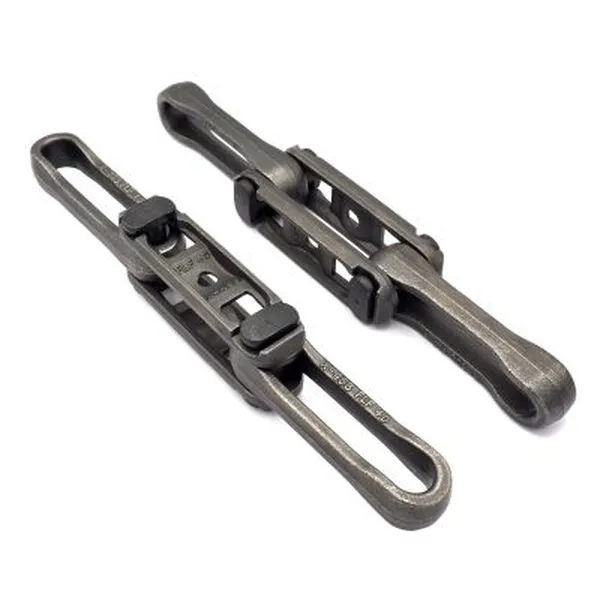
What are the environmental considerations when using a conveyor chain?
When using a conveyor chain, there are several environmental considerations to take into account:
1. Temperature and Humidity: Conveyor chains may be exposed to different temperature and humidity levels depending on the application and operating environment. Extreme temperatures or high humidity can affect the performance and lifespan of the chain. It is important to select a chain material and lubrication that can withstand the specific environmental conditions.
2. Contamination and Cleanliness: The presence of dust, dirt, debris, or other contaminants can impact the operation and efficiency of the conveyor chain. Regular cleaning and maintenance should be performed to prevent build-up and ensure smooth chain movement.
3. Chemical Exposure: Conveyor chains used in industries such as chemical processing or food production may come into contact with corrosive chemicals or cleaning agents. It is crucial to choose a chain material that is resistant to chemical corrosion and select appropriate lubricants compatible with the chemicals present in the environment.
4. Noise and Vibration: Conveyor systems can generate noise and vibration during operation, which may have environmental implications. Noise reduction measures, such as using noise-dampening materials or implementing vibration isolation techniques, can help minimize the impact on the surrounding environment and comply with noise regulations.
5. Energy Efficiency: Consideration should be given to energy consumption and efficiency when using a conveyor chain. Optimize the system design, minimize friction losses, and utilize energy-efficient components to reduce the environmental impact and operational costs.
6. Sustainability: Increasingly, sustainability is an important consideration in industrial operations. Choosing conveyor chains made from recyclable or renewable materials, implementing energy-saving measures, and practicing responsible waste management can contribute to a more environmentally friendly operation.
By taking these environmental considerations into account, industries can ensure the proper functioning of conveyor chains while minimizing environmental impact and complying with relevant regulations.
editor by CX 2023-10-16
China wholesaler Heavy Type Short Pitch Roller Chain Link Chain Conveyor Chain
Product Description
CZPT rollers enhance rotation on the bushing while reducing impact loads on the sprocket tooth during operation.
All components are heat treated to achieve maximum strength. All components are heat treated to achieve maximum strength.
Pre-loaded during the manufacturing process to minimize initial elongation.
Hot dipped lubrication ensures 100% lubrication of all chain components to extend wear life and reduce maintenance costs.
| ISO NO. |
ANSI NO. |
PITCH | ROLLER LINK WIDTH |
ROLLER DIA |
PIN | PLATE | MIN. TENSILE STRENGTH |
AVG. TENSILE STRENGTH |
MAX. ALLOWABLE LOAD |
Pt | |||
| P | W | D | d | Lc | L | T | H | ||||||
| mm | mm | mm | mm | mm | mm | mm | mm | kgf | kgf | kgf | mm | ||
| 08AH | 40H | 12.700 | 7.850 | 7.850 | 3.980 | 19.000 | 20.100 | 12.00 | 2.00 | 1,700 | 2,100 | 400 | NIL |
| 10AH | 50H | 15.875 | 9.400 | 9.400 | 5.090 | 21.800 | 23.700 | 15.00 | 2.40 | 2,670 | 3,300 | 670 | NIL |
| 12AH | 60H | 19.050 | 12.580 | 12.580 | 5.960 | 30.200 | 34.800 | 18.00 | 3.20 | 3,830 | 4,550 | 980 | NIL |
| 16AH | 80H | 25.400 | 15.750 | 15.750 | 7.940 | 37.400 | 42.800 | 24.10 | 4.00 | 8,000 | 9,400 | 1,700 | NIL |
| 20AH | 100H | 31.750 | 18.900 | 18.900 | 9.540 | 44.500 | 50.600 | 30.10 | 4.80 | 10,650 | 13,700 | 2,500 | NIL |
| 24AH | 120H | 38.100 | 25.230 | 25.230 | 11.110 | 55.000 | 61.600 | 36.20 | 5.60 | 15,320 | 19,000 | 3,350 | NIL |
| 28AH | 140H | 44.450 | 25.230 | 25.230 | 12.710 | 59.000 | 66.400 | 42.20 | 6.40 | 20,850 | 23,000 | 4,400 | NIL |
| 32AH | 160H | 50.800 | 31.550 | 31.550 | 14.290 | 69.400 | 77.300 | 48.20 | 7.10 | 27,240 | 31,000 | 5,750 | NIL |
| 36AH | 180H | 57.150 | 35.490 | 35.490 | 17.460 | 77.300 | 86.400 | 54.30 | 7.90 | 30,040 | 34,500 | 6,600 | NIL |
| 40AH | 200H | 63.500 | 37.850 | 37.850 | 19.850 | 87.100 | 97.300 | 60.30 | 9.50 | 42,550 | 59,000 | 7,750 | NIL |
| 48AH | 240H | 76.200 | 47.350 | 47.350 | 23.810 | 111.400 | 121.900 | 72.40 | 12.70 | 63,730 | 71,000 | 10,500 | NIL |
| 12AH-2 | 60H-2 | 19.050 | 12.580 | 12.580 | 5.960 | 56.300 | 60.900 | 18.00 | 3.20 | 7,660 | 9,300 | 1,650 | 26.11 |
| 16AH-2 | 80H-2 | 25.400 | 16.760 | 15.750 | 7.940 | 70.000 | 75.400 | 24.10 | 4.00 | 16,000 | 18,800 | 2,800 | 32.59 |
| 20AH-2 | 100H-2 | 31.750 | 18.900 | 18.900 | 9.540 | 83.600 | 89.700 | 30.10 | 4.80 | 21,300 | 27,400 | 4,250 | 39.09 |
| 24AH-2 | 120H-2 | 38.100 | 25.230 | 25.230 | 11.110 | 103.900 | 110.500 | 36.20 | 5.60 | 30,640 | 38,000 | 5,650 | 48.87 |
| 28AH-2 | 140H-2 | 44.450 | 25.230 | 25.230 | 12.710 | 111.200 | 118.600 | 42.20 | 6.40 | 41,700 | 45,000 | 7,400 | 52.20 |
| 32AH-2 | 160H-2 | 50.800 | 31.550 | 31.550 | 14.290 | 131.300 | 139.200 | 48.20 | 7.10 | 54,480 | 62,000 | 9,600 | 61.90 |
| 36AH-2 | 180H-2 | 57.150 | 35.490 | 35.490 | 14.760 | 146.500 | 155.600 | 54.30 | 7.90 | 60,080 | 69,000 | 11,000 | 69.16 |
| 40AH-2 | 200H-2 | 53.500 | 37.850 | 37.850 | 19.860 | 165.400 | 175.600 | 60.30 | 9.50 | 85,100 | 98,000 | 12,850 | 78.31 |
| 48AH-2 | 240H-2 | 76.200 | 47.350 | 47.350 | 23.810 | 212.600 | 223.100 | 72.40 | 12.70 | 127,460 | 142,000 | 17,700 | 101.22 |
| Usage: | Transmission Chain, Conveyor Chain, Heavy Type Short Pitch Roller Chain |
|---|---|
| Material: | Alloy/Carbon Steel |
| Surface Treatment: | Polishing |
| Feature: | Heat Resistant |
| Chain Size: | 1/2"*3" |
| Structure: | Roller Chain |
| Samples: |
US$ 10/Meter
1 Meter(Min.Order) | |
|---|
| Customization: |
Available
| Customized Request |
|---|

Can a conveyor chain be used in high-speed applications?
Yes, a conveyor chain can be used in high-speed applications depending on the design and specifications of the chain and the conveyor system. However, there are certain factors to consider when using a conveyor chain in high-speed applications:
1. Chain Design: The design of the conveyor chain should be capable of handling high speeds without compromising safety or performance. Specialized high-speed chains are available that are specifically engineered to withstand the demands of high-speed applications.
2. Material Selection: The material used in the construction of the conveyor chain should have high strength and durability to withstand the forces and stresses at high speeds. Common materials for high-speed conveyor chains include alloy steels, stainless steel, and special polymers.
3. Lubrication: Proper lubrication is crucial in high-speed applications to reduce friction, heat, and wear. Lubricants specifically designed for high-speed conveyor chains should be used to ensure smooth operation and extend the chain’s lifespan.
4. Tensioning and Alignment: Accurate tensioning and alignment of the conveyor chain are critical for high-speed applications. Proper tensioning helps to maintain the chain’s stability and prevent excessive vibrations or elongation, which can lead to chain failure or premature wear.
5. Safety Considerations: High-speed applications require additional safety measures to protect personnel and equipment. Proper guarding, emergency stop systems, and regular maintenance inspections are essential to ensure safe operation.
It’s important to consult the conveyor chain manufacturer or an engineering professional to determine the suitability of a specific chain for high-speed applications. They can provide guidance on selecting the appropriate chain design, material, lubrication, and maintenance practices to ensure reliable and efficient operation at high speeds.
What are the best practices for storing and handling conveyor chains?
Proper storage and handling of conveyor chains are essential to maintain their performance, prevent damage, and prolong their lifespan. Here are some best practices to consider:
1. Clean and dry storage area: Store conveyor chains in a clean and dry environment to prevent the accumulation of dirt, dust, moisture, or contaminants that can affect their performance and cause corrosion.
2. Adequate support: Ensure that the stored conveyor chains are properly supported to prevent excessive bending or deformation. Use pallets, racks, or designated storage containers that can accommodate the weight and length of the chains.
3. Avoid excessive heat or cold: Conveyor chains should be stored in an area with a moderate temperature range to avoid extreme heat or cold that can affect the material properties or lubrication of the chains.
4. Protection against impacts and vibrations: Protect the stored chains from impacts or excessive vibrations that can cause damage or deformation. Use suitable packaging or covers to shield the chains from any potential physical damage.
5. Lubrication: Apply a thin layer of appropriate lubricant to the chains before storage to prevent corrosion and maintain their smooth operation. Follow the manufacturer’s recommendations for lubrication type and quantity.
6. Regular inspections: Periodically inspect the stored conveyor chains to ensure there are no signs of damage, corrosion, or deformation. If any issues are identified, take appropriate actions such as cleaning, lubricating, or replacing the chains.
7. Proper handling techniques: When handling conveyor chains, use appropriate lifting equipment or tools to avoid excessive strain or bending. Avoid dragging or dropping the chains, as this can cause damage to the chain links or attachments.
8. Training and awareness: Provide training to personnel involved in handling and storing conveyor chains to ensure they understand the proper procedures and best practices. Promote awareness of the importance of careful handling and storage to prevent accidents and maintain chain integrity.
By following these best practices, you can ensure the longevity and reliable performance of your conveyor chains, reducing the risk of downtime and costly repairs.
How do you troubleshoot common issues with conveyor chains?
Troubleshooting common issues with conveyor chains involves identifying the problem and taking appropriate steps to resolve it. Here are some common issues and troubleshooting approaches:
- Chain Slippage: If the chain is slipping or not engaging properly with the sprockets, check for proper tensioning, alignment, and lubrication. Adjust the tension if necessary and ensure the chain is properly aligned with the sprockets.
- Chain Jamming: If the chain is frequently jamming or getting stuck, inspect the conveyor for any obstructions or foreign objects that may be causing the issue. Clear any debris or blockages and ensure the chain’s path is clear.
- Excessive Noise: If the chain is making loud or unusual noises, check for proper lubrication. Insufficient lubrication can cause increased friction and noise. Apply the appropriate lubricant according to the manufacturer’s recommendations.
- Chain Breakage: If the chain is breaking frequently, inspect for any damaged or worn-out components. Replace any broken or worn links, pins, or attachments. Also, check for proper tensioning and alignment, as excessive tension or misalignment can lead to chain breakage.
- Chain Wear: If the chain shows signs of wear, such as elongation or corrosion, consider replacing it. Excessive wear can affect the performance and lifespan of the chain. Regularly inspect and measure the chain for wear and replace it when necessary.
It’s important to follow proper maintenance practices, including regular inspection, lubrication, and tensioning, to prevent and address common issues with conveyor chains. Consult the manufacturer’s guidelines and seek professional assistance if needed.
editor by CX 2023-09-05
China Good quality 32A-2 160-2 ISO/DIN Drive Roller Chain Link Industrial Transmission Conveyor Chain
Product Description
|
Product |
Standard Double Pitch Roller chain |
||
|
Material |
40Mn steel,304 stainless steel, 316 stainless steel and 201 stainless steel. |
||
|
Types |
Standard chains and special chains, such as A or B series chains, roller chains, driving chains, conveyor chains, hoisting chains, agricultural chains, sprockets, gears, wheels and so on. |
||
|
Series |
A series(12.7-50.8mm pitches),B series (9.525-50.8mm pitches)and the heavy series. |
||
|
Short pitch precision roller chain |
Simplex Roller Chains&Bushing Chains: 04C-1,06C-1,085-1,08A-1,10A-1,12A-1,16A-1,20A-1,24A-1,28A-1,32A-1,36A-1,40A-1,48A-1 04C-2,06C-2,085-2,08A-2,10A-2,12A-2,16A-2,20A-2,24A-2,28A-2,32A-2,36A-2,40A-2,48A-2 04C-3,06C-2,085-3,08A-3,10A-3,12A-3,16A-3,20A-3,24A-3,28A-3,32A-3,36A-3,40A-3,48A-3 |
||
|
Chain link type |
Standard links (without attachment) and non-standard links (with attachment).
A1: One-side,one hole cranked attachments. |
||
|
Our Products Advantage |
1. Every step from production order to the packing process has a strict quality inspection. |
||
1.Fast delivery: Standard products can be delivered in as fast as 20 days
2.Good service: timely reply, prompt quotation, responsible for the product
3.High cost performance: can maintain price stability for a certain period of time, bringing greater profits to customers
4.Good quality: production and testing have corresponding supervision to ensure product quality and get high praise from customers
5.OEM service: products can be customized according to drawings and requirements
We are responsible for the ordered products. We are very confident in the products we produce. Of course, if you have any problems after receiving the goods, you can contact us directly. We will confirm and negotiate in time to solve your difficulties.
|
Shipping Cost:
Estimated freight per unit. |
To be negotiated |
|---|
| Material: | Alloy |
|---|---|
| Structure: | Roller Chain |
| Surface Treatment: | Polishing |
| Samples: |
US$ 35/kg
1 kg(Min.Order) | Order Sample |
|---|
| Customization: |
Available
| Customized Request |
|---|
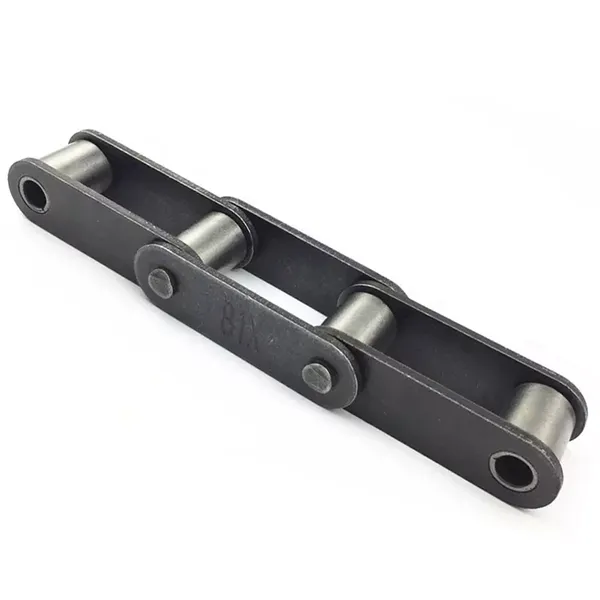
How does a conveyor chain handle inclined or declined conveyance?
A conveyor chain is designed to handle various types of conveyance, including inclined or declined applications. Here’s how a conveyor chain handles these situations:
1. Inclined Conveyance: When a conveyor system is required to move materials uphill, an inclined conveyor chain is used. The chain’s design includes special attachments or cleats that provide additional grip and prevent material from slipping or sliding backward. These attachments are strategically positioned along the chain to ensure effective conveyance on inclines.
2. Declined Conveyance: For conveyors that move materials downhill, a declined conveyor chain is utilized. Similar to inclined conveyance, the chain may have specialized attachments or cleats that help control the speed and prevent material from sliding too quickly. These attachments keep the material in place and ensure a controlled and efficient flow downward.
Both inclined and declined conveyance require careful consideration of the chain’s design, including the type and arrangement of attachments. The size, shape, and weight of the conveyed material also play a role in determining the appropriate chain configuration. It’s important to consult with conveyor chain manufacturers or experts to select the right chain and attachments for specific inclined or declined applications.

What are the factors to consider when selecting the pitch of a conveyor chain?
When selecting the pitch of a conveyor chain, several factors need to be considered to ensure optimal performance and efficiency. Here are the key factors:
1. Load Capacity: The pitch of the conveyor chain should be selected based on the anticipated load capacity of the system. Consider the weight and size of the conveyed materials to ensure the chain can handle the required load without exceeding its capacity.
2. Speed and Application: The operating speed of the conveyor system and the specific application play a role in determining the pitch. Higher speeds may require smaller pitch chains to maintain smooth and reliable operation.
3. Conveyor Length: The length of the conveyor system affects the selection of the chain pitch. Longer conveyors may require larger pitch chains to distribute the load and reduce tension on individual chain links.
4. Space Constraints: Consider the available space for the conveyor system. Smaller pitch chains may be preferred in applications with limited space to minimize the overall footprint of the conveyor.
5. Wear and Maintenance: The pitch selection should also consider the anticipated wear and maintenance requirements. Smaller pitch chains often provide better wear resistance and may require less frequent lubrication and maintenance.
6. Speed Regulation: If the conveyor system requires speed regulation or precise positioning, the pitch selection should align with the control capabilities of the drive system. Smaller pitch chains can offer finer control and accuracy.
7. Compatibility: Ensure that the selected pitch is compatible with other components of the conveyor system, including sprockets, guides, and attachments. They should be designed to work together smoothly and efficiently.
8. Application Environment: Consider the environmental conditions in which the conveyor will operate. Factors such as temperature, humidity, corrosive substances, or abrasive materials may influence the choice of chain pitch and material to ensure durability and longevity.
By considering these factors, you can select the appropriate pitch for the conveyor chain, ensuring optimal performance, longevity, and reliable operation of the system.
How do you optimize the efficiency of a conveyor chain system?
To optimize the efficiency of a conveyor chain system, several factors should be considered and implemented:
1. System Design: Ensure that the conveyor system is properly designed to minimize energy losses, reduce friction, and optimize material flow. Consider factors such as conveyor length, incline/decline angles, and the number and placement of drive units to achieve efficient operation.
2. Chain Selection: Select the appropriate conveyor chain based on the specific application requirements, such as load capacity, speed, and environmental conditions. Consider factors like chain material, pitch, and strength to ensure optimal performance and longevity.
3. Lubrication: Proper lubrication of the conveyor chain is essential for reducing friction, wear, and power consumption. Choose the right lubricant for the application and regularly maintain the lubrication levels to ensure smooth chain operation.
4. Tensioning and Alignment: Regularly inspect and adjust the tension and alignment of the conveyor chain to prevent excessive slack or tightness. Proper tensioning and alignment help to minimize chain wear, reduce energy losses, and ensure consistent performance.
5. Preventive Maintenance: Implement a regular maintenance program to identify and address potential issues before they escalate. This includes cleaning the chain, inspecting sprockets and guides, replacing worn components, and checking for proper tension and alignment. A well-maintained system reduces downtime and extends the life of the chain.
6. System Monitoring: Utilize monitoring tools such as sensors, cameras, or automated systems to track the performance of the conveyor chain system. Monitoring can provide valuable data on chain tension, alignment, speed, and power consumption, allowing for timely adjustments and optimization.
7. Training and Operator Awareness: Train operators on best practices for operating and maintaining the conveyor chain system. Promote awareness of energy efficiency, proper handling, and safety protocols to ensure optimal system performance.
By considering these factors and implementing appropriate measures, the efficiency of a conveyor chain system can be optimized, leading to improved productivity, reduced energy consumption, and longer chain life.
editor by CX 2023-09-05
China Hot selling Heavy Type Short Pitch Roller Chain Link Chain Conveyor Chain
Product Description
CZPT rollers enhance rotation on the bushing while reducing impact loads on the sprocket tooth during operation.
All components are heat treated to achieve maximum strength. All components are heat treated to achieve maximum strength.
Pre-loaded during the manufacturing process to minimize initial elongation.
Hot dipped lubrication ensures 100% lubrication of all chain components to extend wear life and reduce maintenance costs.
| ISO NO. |
ANSI NO. |
PITCH | ROLLER LINK WIDTH |
ROLLER DIA |
PIN | PLATE | MIN. TENSILE STRENGTH |
AVG. TENSILE STRENGTH |
MAX. ALLOWABLE LOAD |
Pt | |||
| P | W | D | d | Lc | L | T | H | ||||||
| mm | mm | mm | mm | mm | mm | mm | mm | kgf | kgf | kgf | mm | ||
| 08AH | 40H | 12.700 | 7.850 | 7.850 | 3.980 | 19.000 | 20.100 | 12.00 | 2.00 | 1,700 | 2,100 | 400 | NIL |
| 10AH | 50H | 15.875 | 9.400 | 9.400 | 5.090 | 21.800 | 23.700 | 15.00 | 2.40 | 2,670 | 3,300 | 670 | NIL |
| 12AH | 60H | 19.050 | 12.580 | 12.580 | 5.960 | 30.200 | 34.800 | 18.00 | 3.20 | 3,830 | 4,550 | 980 | NIL |
| 16AH | 80H | 25.400 | 15.750 | 15.750 | 7.940 | 37.400 | 42.800 | 24.10 | 4.00 | 8,000 | 9,400 | 1,700 | NIL |
| 20AH | 100H | 31.750 | 18.900 | 18.900 | 9.540 | 44.500 | 50.600 | 30.10 | 4.80 | 10,650 | 13,700 | 2,500 | NIL |
| 24AH | 120H | 38.100 | 25.230 | 25.230 | 11.110 | 55.000 | 61.600 | 36.20 | 5.60 | 15,320 | 19,000 | 3,350 | NIL |
| 28AH | 140H | 44.450 | 25.230 | 25.230 | 12.710 | 59.000 | 66.400 | 42.20 | 6.40 | 20,850 | 23,000 | 4,400 | NIL |
| 32AH | 160H | 50.800 | 31.550 | 31.550 | 14.290 | 69.400 | 77.300 | 48.20 | 7.10 | 27,240 | 31,000 | 5,750 | NIL |
| 36AH | 180H | 57.150 | 35.490 | 35.490 | 17.460 | 77.300 | 86.400 | 54.30 | 7.90 | 30,040 | 34,500 | 6,600 | NIL |
| 40AH | 200H | 63.500 | 37.850 | 37.850 | 19.850 | 87.100 | 97.300 | 60.30 | 9.50 | 42,550 | 59,000 | 7,750 | NIL |
| 48AH | 240H | 76.200 | 47.350 | 47.350 | 23.810 | 111.400 | 121.900 | 72.40 | 12.70 | 63,730 | 71,000 | 10,500 | NIL |
| 12AH-2 | 60H-2 | 19.050 | 12.580 | 12.580 | 5.960 | 56.300 | 60.900 | 18.00 | 3.20 | 7,660 | 9,300 | 1,650 | 26.11 |
| 16AH-2 | 80H-2 | 25.400 | 16.760 | 15.750 | 7.940 | 70.000 | 75.400 | 24.10 | 4.00 | 16,000 | 18,800 | 2,800 | 32.59 |
| 20AH-2 | 100H-2 | 31.750 | 18.900 | 18.900 | 9.540 | 83.600 | 89.700 | 30.10 | 4.80 | 21,300 | 27,400 | 4,250 | 39.09 |
| 24AH-2 | 120H-2 | 38.100 | 25.230 | 25.230 | 11.110 | 103.900 | 110.500 | 36.20 | 5.60 | 30,640 | 38,000 | 5,650 | 48.87 |
| 28AH-2 | 140H-2 | 44.450 | 25.230 | 25.230 | 12.710 | 111.200 | 118.600 | 42.20 | 6.40 | 41,700 | 45,000 | 7,400 | 52.20 |
| 32AH-2 | 160H-2 | 50.800 | 31.550 | 31.550 | 14.290 | 131.300 | 139.200 | 48.20 | 7.10 | 54,480 | 62,000 | 9,600 | 61.90 |
| 36AH-2 | 180H-2 | 57.150 | 35.490 | 35.490 | 14.760 | 146.500 | 155.600 | 54.30 | 7.90 | 60,080 | 69,000 | 11,000 | 69.16 |
| 40AH-2 | 200H-2 | 53.500 | 37.850 | 37.850 | 19.860 | 165.400 | 175.600 | 60.30 | 9.50 | 85,100 | 98,000 | 12,850 | 78.31 |
| 48AH-2 | 240H-2 | 76.200 | 47.350 | 47.350 | 23.810 | 212.600 | 223.100 | 72.40 | 12.70 | 127,460 | 142,000 | 17,700 | 101.22 |
| Usage: | Transmission Chain, Conveyor Chain, Heavy Type Short Pitch Roller Chain |
|---|---|
| Material: | Alloy/Carbon Steel |
| Surface Treatment: | Polishing |
| Feature: | Heat Resistant |
| Chain Size: | 1/2"*3" |
| Structure: | Roller Chain |
| Samples: |
US$ 10/Meter
1 Meter(Min.Order) | |
|---|
| Customization: |
Available
| Customized Request |
|---|
How does a conveyor chain impact energy efficiency in a system?
A conveyor chain plays a significant role in the energy efficiency of a conveyor system. Here are the ways in which it impacts energy efficiency:
1. Reduced Power Consumption:
– A well-designed conveyor chain with low friction characteristics can minimize power consumption. By reducing the frictional resistance between the chain and the conveyor components, less energy is required to move the chain and transport the materials along the conveyor system.
2. Efficient Power Transmission:
– The design and construction of a conveyor chain contribute to efficient power transmission. Chains with optimized pitch, roller diameter, and sprocket tooth profile ensure smooth and effective power transfer, minimizing energy losses during operation.
3. Proper Chain Tensioning:
– Maintaining proper chain tension is crucial for energy efficiency. An adequately tensioned chain ensures optimal contact between the chain and the sprockets, minimizing slippage and power loss. Regular inspections and adjustments of chain tension help maximize energy efficiency.
4. Alignment and Tracking:
– Proper alignment and tracking of the conveyor chain are essential for energy efficiency. Misaligned or poorly tracked chains can cause increased friction, leading to higher energy consumption. Regular monitoring and adjustment of the chain’s alignment ensure smooth and efficient operation.
5. Regular Maintenance:
– Performing routine maintenance on the conveyor chain, including lubrication, cleaning, and inspection, helps maintain optimal performance and energy efficiency. Adequate lubrication reduces friction and wear, minimizing power losses and extending the chain’s lifespan.
6. System Design Optimization:
– Considering energy efficiency during the design phase of a conveyor system can significantly impact its overall efficiency. Proper selection of conveyor chain components, such as low-friction materials and efficient drive systems, can help minimize energy consumption and improve the system’s energy efficiency.
By employing these practices and utilizing energy-efficient conveyor chain technologies, businesses can reduce energy costs, minimize environmental impact, and enhance the overall sustainability of their operations.
How does lubrication affect the performance of a conveyor chain?
Lubrication plays a crucial role in the performance and longevity of a conveyor chain. Proper lubrication helps to reduce friction, wear, and heat generation, ensuring smooth operation and minimizing the risk of premature failure. Here’s how lubrication affects the performance of a conveyor chain:
1. Friction Reduction: Lubrication forms a thin film between the chain components, reducing friction between metal surfaces. This reduces the energy required for operation, minimizes heat generation, and prevents excessive wear and tear.
2. Wear Prevention: Lubrication forms a protective layer on the chain components, preventing direct metal-to-metal contact. This helps to reduce wear and extend the service life of the chain.
3. Corrosion Protection: Lubricants often contain anti-corrosion additives that protect the chain from rust and oxidation. This is particularly important in environments with high humidity or exposure to corrosive substances.
4. Noise Reduction: Proper lubrication reduces the noise generated during chain operation by minimizing friction and metal-to-metal contact. This can contribute to a quieter and more comfortable working environment.
5. Temperature Control: Lubrication helps to dissipate heat generated during chain operation, preventing excessive temperature rise. This is crucial in high-speed or heavy-duty applications where heat can lead to accelerated wear and reduced chain performance.
6. Maintenance and Service Life: Regular lubrication and proper lubricant selection are essential for maintaining the chain’s performance and extending its service life. Adequate lubrication reduces the need for frequent maintenance, minimizes downtime, and lowers overall operating costs.
It’s important to follow the manufacturer’s recommendations for lubrication frequency and use the appropriate lubricant for the conveyor chain. Regular inspections and maintenance checks should also be conducted to ensure proper lubrication levels and address any issues promptly. Proper lubrication practices will enhance the performance, reliability, and durability of the conveyor chain system.

What are the main components of a conveyor chain?
The main components of a conveyor chain include:
- Chain Links: Chain links are the individual components that make up the conveyor chain. They are typically made of metal and are connected to form a continuous loop. The design and configuration of the chain links can vary depending on the specific application and load requirements.
- Pins: Pins are the cylindrical components that hold the chain links together. They are inserted through the end of each chain link to create a solid connection. Pins are usually made of hardened steel to withstand the forces and friction within the conveyor system.
- Sprockets: Sprockets are toothed wheels that engage with the chain links and provide the driving force to move the conveyor chain. They are typically made of durable materials such as steel or plastic and are designed to match the pitch and profile of the conveyor chain. Sprockets come in various sizes and configurations depending on the desired speed and load capacity of the conveyor system.
- Guide Rails: Guide rails are stationary components installed along the conveyor path to guide and support the movement of the conveyor chain. They help maintain proper alignment and prevent the chain from derailing or deviating from its intended path.
- Tensioners: Tensioners are devices used to maintain the proper tension in the conveyor chain. They ensure that the chain remains taut and engaged with the sprockets, preventing slack or excessive sagging. Tensioners can be adjusted to accommodate variations in chain length and to compensate for wear over time.
- Attachments and Accessories: Depending on the specific application, conveyor chains may include various attachments and accessories. These can include cleats, flights, buckets, or other devices that aid in the movement and handling of specific types of materials. These attachments are typically secured to the chain links at specific intervals or locations.
The combination of these components creates a robust and reliable conveyor chain system capable of efficiently transporting materials in a wide range of industrial applications.
editor by CX 2023-08-17