Product Description
ISO16949: 2009 Approved Industrial Chain
Why Choose Us?
1. HangZhou Xihu (West Lake) Dis.hua Chain Group Co., Ltd established in 1991, we have 5 subsidiaries in china and have 6 subsidiaries abroad;
2. we covering a production area of 200,100 square meters, have more than 1,800 sets of advanced equipment and over 3,100 highly skilled employees, the annual production capacity has exceeded 20,000,000meters;
3. we specialized in producing all kinds of standard chains and special chains, such as A or B series chains, driving chains, conveyor chains, hoisting chains, agricultural chains, sprockets, industrial chains, sprockets, gears, wheels and so on;
4. we have obtained ISO9001, ISO14001, ISO16969, AAA and API certificates.
5. Our partners among world top enterprises, such as JOHNDEERE, NEW HOLLAND, CLAAS, HONDA, KUBOTA, YANMAR, etc.
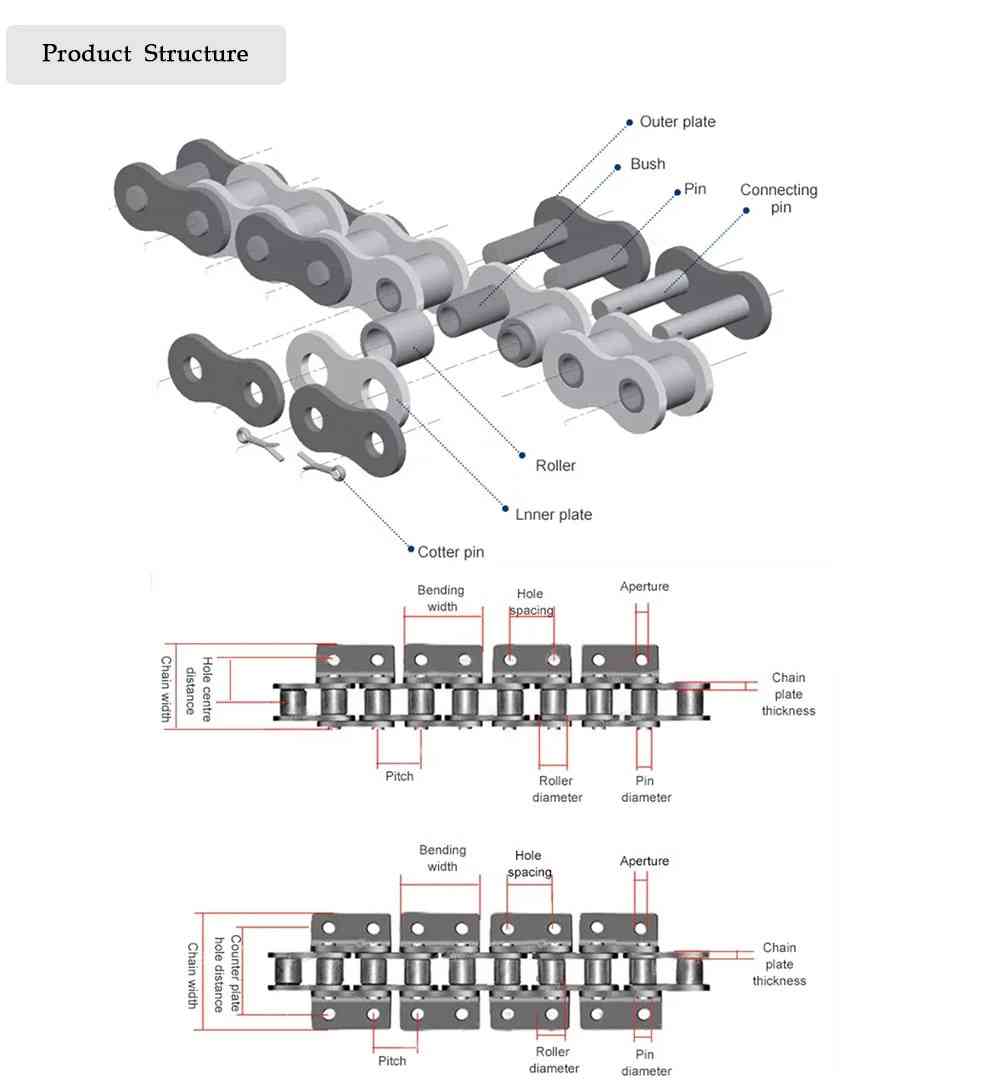
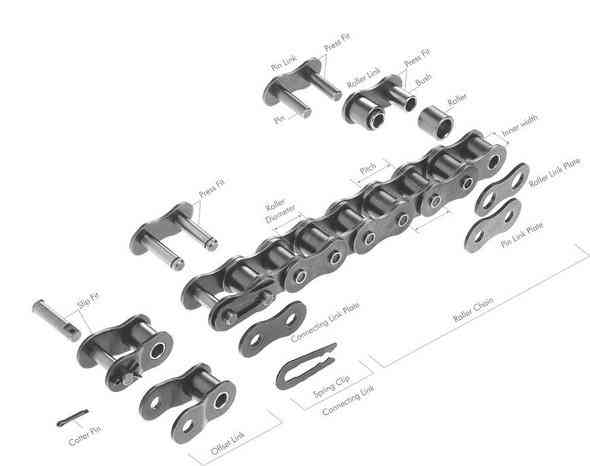
1. Industrial Chain Parts
2. Production flow chart
1. Incoming material
2. Inspection
3. Production of chain board (cold roll steel/punch/heat treatment/shot blasting/cleaning)
4. Production of roller(burr wiping & smear/heat treatment/wiping grinding/cleaning)
5. Production of quill(burr wiping & smear/centerless cylindrical grinding/heat treatment/shining)
6. Production of shaft(cutting/chamfering/heat treatment/ centerless cylindrical grinding/cleaning)
7. Assembling
8. Final inspection
9. Packing
3. Certificate
4. Company Information
HangZhou Xihu (West Lake) Dis.hua Chain Group Co., Ltd was founded in 1 9 9 1, and now it has five wholly owned subsidiaries, one in ZheJiang province, other four in HangZhou, ZHangZhoug province, it is a professional manufacturer of chains, sprockets, tooth gears and various power transmission products.
The group has XIHU (WEST LAKE) DIS.HUA, ZIQIANG brands, is focused on producing all variety of standard roller chains and special chains, such as conveyor chain, stainless steel chain, agricultural chain. With Xihu (West Lake) Dis.hua brand registered in more than 70 countries like America, Europe, Japan, it is building long term cooperation with these world top enterprises, such as JOHNDEERE, NEW HOLLAND, CLAAS, HONDA, KUBOTA, YANMAR.
There is a technical center of province level, Xihu (West Lake) Dis.hua academician working station, experiment station for Xihu (West Lake) Dis.hua post doctors, and national hundreds of program set up in Xihu (West Lake) Dis.hua group. With these platforms and strong technical ability, the more than hundreds of Engineers and technicians have developed all variety of special high precise and high strength products, conducted mold programs for key components in the car and national industry revitalizing program.
Great attention has been paid on environmental protection and energy saving. The product well displays environmental protection and energy saving. In the year of 2 0 0 0, Xihu (West Lake) Dis.hua took the lead in gaining I S O 1 4 0 0 1 environment management certificate and thereafter passed the inspection of clean production and recycling economy, winning the title of “ZHangZhoug Green Enterprise”.
“We are always serving our customers with our best products.”
/* January 22, 2571 19:08:37 */!function(){function s(e,r){var a,o={};try{e&&e.split(“,”).forEach(function(e,t){e&&(a=e.match(/(.*?):(.*)$/))&&1
| Usage: | Conveyor Chain |
|---|---|
| Material: | Alloy/Carbon Steel |
| Surface Treatment: | Electroplating |
| Feature: | Heat Resistant |
| Chain Size: | 1/2"*11/128" |
| Structure: | Roller Chain |
| Customization: |
Available
| Customized Request |
|---|
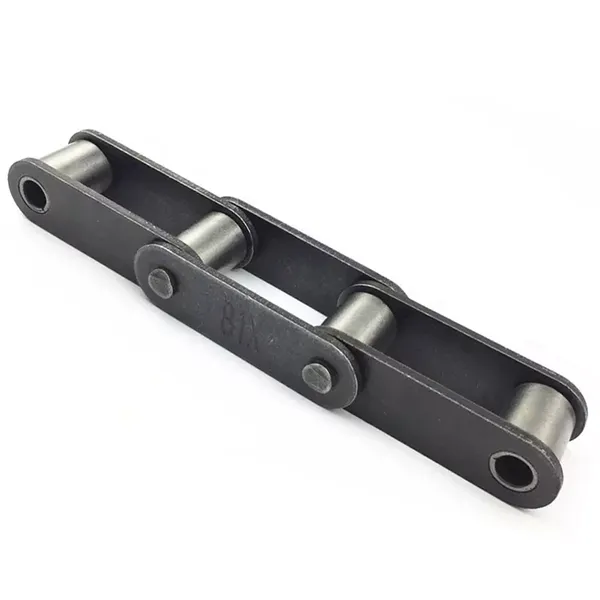
How does a conveyor chain handle inclined or declined conveyance?
A conveyor chain is designed to handle various types of conveyance, including inclined or declined applications. Here’s how a conveyor chain handles these situations:
1. Inclined Conveyance: When a conveyor system is required to move materials uphill, an inclined conveyor chain is used. The chain’s design includes special attachments or cleats that provide additional grip and prevent material from slipping or sliding backward. These attachments are strategically positioned along the chain to ensure effective conveyance on inclines.
2. Declined Conveyance: For conveyors that move materials downhill, a declined conveyor chain is utilized. Similar to inclined conveyance, the chain may have specialized attachments or cleats that help control the speed and prevent material from sliding too quickly. These attachments keep the material in place and ensure a controlled and efficient flow downward.
Both inclined and declined conveyance require careful consideration of the chain’s design, including the type and arrangement of attachments. The size, shape, and weight of the conveyed material also play a role in determining the appropriate chain configuration. It’s important to consult with conveyor chain manufacturers or experts to select the right chain and attachments for specific inclined or declined applications.

How does a conveyor chain contribute to overall production efficiency?
A conveyor chain plays a crucial role in enhancing overall production efficiency in various industries. Here are the ways in which it contributes to efficiency:
1. Continuous Material Flow: A conveyor chain enables continuous and uninterrupted material flow from one point to another. It eliminates the need for manual handling or transportation of goods, reducing downtime and delays in production processes.
2. Increased Throughput: By automating material handling, a conveyor chain enables faster and more efficient movement of goods. It allows for higher throughput and production rates, maximizing the utilization of resources and reducing cycle times.
3. Improved Productivity: With a conveyor chain, employees can focus on value-added tasks rather than manual material handling. This leads to improved productivity as workers can concentrate on more skilled and critical operations.
4. Efficient Resource Allocation: A well-designed conveyor chain system optimizes the utilization of space, allowing for efficient layout and organization of production areas. It helps in streamlining workflow and minimizing wastage of resources such as floor space, manpower, and equipment.
5. Quality Control: Conveyor chains can be integrated with inspection stations or automated processes to ensure quality control at various stages of production. This helps in detecting and rectifying any defects or inconsistencies, reducing the chances of faulty products reaching the market.
6. Reduced Material Handling Costs: By eliminating or minimizing manual material handling, a conveyor chain reduces labor costs associated with transportation, lifting, and carrying of goods. It also minimizes the risk of injuries or accidents related to manual handling.
7. Flexibility and Adaptability: Conveyor chains can be customized to suit specific production requirements. They can be designed to accommodate different types of products, handle various load capacities, and adapt to changes in production demands. This flexibility allows for seamless integration with existing production systems and easy scalability.
8. Safety and Ergonomics: Conveyor chains incorporate safety features such as guards, emergency stop buttons, and interlocks to ensure worker safety. They also promote ergonomic practices by reducing physical strain on workers and minimizing the risk of musculoskeletal injuries.
Overall, a well-designed and properly maintained conveyor chain system enhances production efficiency by optimizing material flow, increasing throughput, improving productivity, reducing costs, ensuring quality control, and prioritizing worker safety.

What factors should be considered when designing a conveyor chain system?
When designing a conveyor chain system, several factors need to be considered to ensure optimal performance and functionality. These factors include:
- Load Capacity: The load capacity of the conveyor chain system is a critical consideration. It involves determining the maximum weight and size of the materials or products to be conveyed. This information helps in selecting the appropriate chain type, size, and strength to handle the expected load.
- Speed and Throughput: The desired speed at which the conveyor system needs to operate and the expected throughput of materials are important factors. They influence the selection of chain pitch, sprocket size, and motor power to achieve the desired conveyor speed and material handling capacity.
- Environmental Conditions: The operating environment plays a crucial role in the design of a conveyor chain system. Factors such as temperature, humidity, dust, corrosive substances, and presence of water or chemicals impact the selection of materials for the chain, sprockets, and other components to ensure durability and resistance to wear and corrosion.
- Conveyor Layout and Configuration: The layout and configuration of the conveyor system are key considerations. Factors such as available space, conveyor path, incline or decline angles, and any required curves or turns affect the selection of chain type, sprocket arrangement, and overall system design.
- Maintenance and Accessibility: Easy access for maintenance and servicing is crucial for the longevity and efficient operation of the conveyor chain system. Considering factors such as lubrication points, chain tension adjustment mechanisms, and overall accessibility for inspections and repairs ensures smooth operation and minimizes downtime.
- Noise and Vibration: The level of noise and vibration generated by the conveyor chain system can impact the working environment. Design considerations such as selecting chain types with low noise characteristics, implementing proper lubrication, and using vibration-damping components help minimize noise and vibration levels.
- Safety: Safety is of paramount importance in conveyor chain system design. Factors such as guarding, emergency stop systems, proper alignment, and anti-slip measures need to be incorporated to ensure the safety of operators and prevent accidents or injuries.
Considering these factors during the design stage helps in selecting the appropriate conveyor chain type, size, and configuration to meet the specific requirements of the application, ensuring smooth and efficient material handling operations.


editor by CX 2024-04-24
China factory a/B Series Roller Chain Steel Stainless Transmission Conveyor Leaf Chain and Attachemnt
Product Description
Simplex stainless 304 Roller Chain (08B-1, 24B-1)
The most commonly used chain is roller chain or as it is also known transmission chain. These are the simplest chain drives, Used mainly for transmitting power. Can be supplied from 3mm pitch up to 4″ pitch in either mild steel or stainless steel.
| DIN/ISO Chain No. |
Pitch | Roller Diameter |
Width Between Inner Plates |
Pin Diameter |
Pin Length |
Inner Plate depth |
Plate thick ness |
Ultimate Tensile Strength |
Average Tensile Strength |
Weight Per Meter |
|
| Mm | mm | mm | mm | mm | mm | mm | mm | kN/LB | kN | Kg/m | |
| 04B-1 | 6.000 | 4.00 | 2.80 | 1.85 | 6.80 | 7.80 | 5.00 | 0.60 | 3.0/682 | 3.2 | 0.11 |
| 05B-1 | 8.000 | 5.00 | 3.00 | 2.31 | 8.20 | 8.90 | 7.10 | 0.80 | 5.0/1136 | 5.9 | 0.20 |
| *06B-1 | 9.525 | 6.35 | 5.72 | 3.28 | 13.15 | 14.10 | 8.20 | 1.30 | 9.0/2045 | 10.4 | 0.41 |
| 08B-1 | 12.700 | 8.51 | 7.75 | 4.45 | 16.70 | 18.20 | 11.80 | 1.60 | 18.0/4091 | 19.40 | 0.69 |
| 10B-1 | 15.875 | 10.16 | 9.65 | 5.09 | 19.50 | 20.90 | 14.70 | 1.70 | 22.4/5091 | 27.50 | 0.93 |
| 12B-1 | 19.050 | 12.07 | 11.68 | 5.72 | 22.50 | 24.2 | 16.00 | 1.85 | 29.0/6591 | 32.20 | 1.15 |
| 16B-1 | 25.400 | 15.88 | 17.02 | 8.28 | 36.10 | 37.4 | 21.00 | 4.15/3.1 | 60.0/13636 | 72.80 | 2.71 |
| 20B-1 | 31.750 | 19.05 | 19.56 | 10.19 | 41.30 | 45.0 | 26.40 | 4.5/3.5 | 95.0/21591 | 106.7 | 3.70 |
| 24B-1 | 38.100 | 25.40 | 25.40 | 14.63 | 53.40 | 57.80 | 33.20 | 6.0/4.8 | 160.0/36364 | 178.0 | 7.10 |
| 28B-1 | 44.450 | 27.94 | 30.99 | 15.90 | 65.10 | 69.50 | 36.70 | 7.5/6.0 | 200.0/45455 | 222.0 | 8.50 |
| 32B-1 | 50.800 | 29.21 | 30.99 | 17.81 | 66.00 | 71.0 | 42.00 | 7.0/6.0 | 250.0/56818 | 277.5 | 10.25 |
| 40B-1 | 63.50 | 39.37 | 38.10 | 22.89 | 82.20 | 89.2 | 52.96 | 8.5/8.0 | 355.0/80682 | 394.0 | 16.35 |
| 48B-1 | 76.20 | 48.26 | 45.72 | 29.24 | 99.10 | 107.0 | 63.80 | 12.0/10.0 | 560.0/127272 | 621.6 | 25.00 |
| 56B-1 | 88.90 | 53.98 | 53.34 | 34.32 | 114.60 | 123.0 | 77.80 | 13.5/12.0 | 850.0/193180 | 940.0 | 35.78 |
| *Bushing chain: d1 in the table indicate the external diameter of bushing |
|||||||||||
We own the sophisticated equipment and the advanced technology, such as:
1. CAD Designer
2. Wire Cutting Machine
3. Chain Running In Machine
4. Conveyor Furance
5. Ball Drift
6. Shot Peened Parts
7. Design Of Link Plate Waist
Company Detail:
GOODLUCK TRANSMISSION is 1 of a professional exporter with exporting POWER TRANSMISSION PARTS: Roller chains,conveyor chain,stainless steel chains, agricultural chains, steel detachable chains, special chains, sprockets, s. S. Sprockets, HRC couplings, pulleys, bushes etc. All these products have been supplied regularly to World Wide for over 15 years.
Welcome contact for more detail.
| Usage: | Transmission Chain |
|---|---|
| Material: | Stainless steel |
| Surface Treatment: | Polishing |
| Feature: | Heat Resistant |
| Chain Size: | 1/2"*3/32" |
| Structure: | Roller Chain |
| Customization: |
Available
| Customized Request |
|---|

Can a conveyor chain be used in high-speed applications?
Yes, a conveyor chain can be used in high-speed applications depending on the design and specifications of the chain and the conveyor system. However, there are certain factors to consider when using a conveyor chain in high-speed applications:
1. Chain Design: The design of the conveyor chain should be capable of handling high speeds without compromising safety or performance. Specialized high-speed chains are available that are specifically engineered to withstand the demands of high-speed applications.
2. Material Selection: The material used in the construction of the conveyor chain should have high strength and durability to withstand the forces and stresses at high speeds. Common materials for high-speed conveyor chains include alloy steels, stainless steel, and special polymers.
3. Lubrication: Proper lubrication is crucial in high-speed applications to reduce friction, heat, and wear. Lubricants specifically designed for high-speed conveyor chains should be used to ensure smooth operation and extend the chain’s lifespan.
4. Tensioning and Alignment: Accurate tensioning and alignment of the conveyor chain are critical for high-speed applications. Proper tensioning helps to maintain the chain’s stability and prevent excessive vibrations or elongation, which can lead to chain failure or premature wear.
5. Safety Considerations: High-speed applications require additional safety measures to protect personnel and equipment. Proper guarding, emergency stop systems, and regular maintenance inspections are essential to ensure safe operation.
It’s important to consult the conveyor chain manufacturer or an engineering professional to determine the suitability of a specific chain for high-speed applications. They can provide guidance on selecting the appropriate chain design, material, lubrication, and maintenance practices to ensure reliable and efficient operation at high speeds.

What are the benefits of using a roller conveyor chain?
A roller conveyor chain offers several advantages in material handling and transportation applications. Here are some of the benefits:
1. Efficient transportation: Roller conveyor chains are designed to smoothly and efficiently transport various types of goods and materials. The rollers provide low-friction movement, reducing the effort required to move the load along the conveyor.
2. Versatility: Roller conveyor chains are versatile and can handle a wide range of products, from small and lightweight items to heavy and bulky loads. They are commonly used in industries such as manufacturing, distribution, logistics, and warehouses.
3. Durability: Roller conveyor chains are typically made from robust materials such as steel, which provides excellent durability and longevity. They can withstand heavy loads, repetitive use, and harsh working environments.
4. Flexibility: Roller conveyor chains can be configured in various layouts to accommodate different space requirements and material flow patterns. They can be straight, curved, inclined, or declined to optimize the flow of goods within the facility.
5. Easy accumulation: Roller conveyor chains allow for efficient accumulation of products without causing damage or jamming. The rollers can be designed with specific spacing and configurations to enable controlled accumulation and release of items along the conveyor line.
6. Minimal maintenance: With proper maintenance and lubrication, roller conveyor chains require minimal upkeep. The design of the chain and rollers reduces the accumulation of debris, making them easier to clean and maintain.
7. Smooth and quiet operation: The use of rollers in the conveyor chain ensures smooth and quiet operation, reducing noise levels in the workplace. This creates a more comfortable and productive working environment.
8. Enhanced safety: Roller conveyor chains are designed with safety in mind. They can be equipped with various safety features such as guards, sensors, and emergency stop mechanisms to ensure the well-being of operators and prevent accidents.
By utilizing a roller conveyor chain, businesses can benefit from improved efficiency, increased durability, flexibility in material handling, and enhanced safety in their operations.
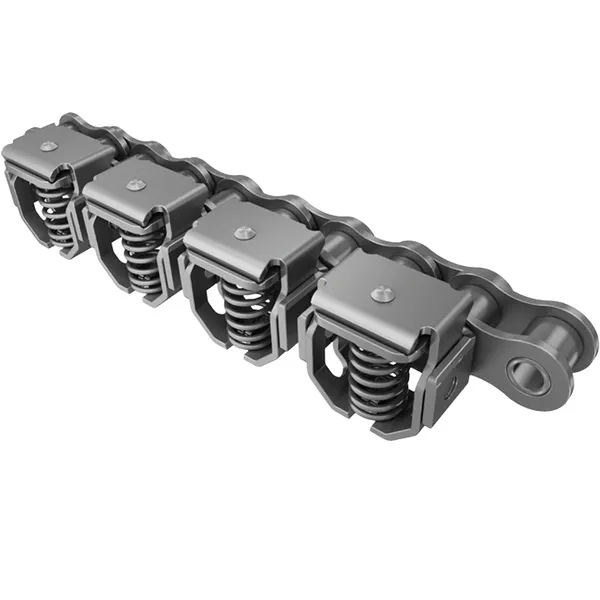
How to select the right conveyor chain for your conveyor system?
Selecting the right conveyor chain for your conveyor system is crucial to ensure optimal performance and longevity. Here are the steps to follow when choosing a conveyor chain:
- Identify your application requirements: Determine the specific requirements of your conveyor system, including the type of material being conveyed, the speed of operation, the load capacity, the environmental conditions, and any special considerations.
- Consider the chain type: Based on your application requirements, consider the different types of conveyor chains available, such as roller chains, double pitch chains, hollow pin chains, apron chains, or plastic chains. Evaluate their features and benefits to determine which type is most suitable for your needs.
- Assess the chain material: Conveyor chains are typically made from various materials such as steel, stainless steel, or plastic. Consider factors such as corrosion resistance, temperature resistance, wear resistance, and food-grade requirements when selecting the chain material.
- Determine the chain pitch: The chain pitch refers to the distance between the centers of adjacent pins. Choose the appropriate pitch size based on your conveyor system’s design, load requirements, and speed. Smaller pitch sizes provide smoother operation at higher speeds, while larger pitch sizes offer better resistance against wear and fatigue.
- Evaluate the chain strength: Consider the required tensile strength and fatigue resistance of the chain to ensure it can withstand the anticipated load and operating conditions. Factors such as chain construction, material quality, and heat treatment play a role in determining the chain’s strength.
- Consider additional features: Depending on your application, you may need additional features such as attachments, guides, or specialized coatings on the chain. Assess if any of these features are necessary to meet your specific requirements.
- Consult with experts: If you’re uncertain about the selection process or have unique application needs, it’s advisable to consult with conveyor chain manufacturers or industry experts who can provide guidance and recommendations based on their expertise.
By following these steps and carefully considering your application requirements, you can select the right conveyor chain that ensures efficient and reliable operation of your conveyor system.
editor by CX 2023-10-19
China Hot selling China Factory of Industrial Steel Chain with Machinery Parts and Bucket Transmission Elevator Conveyor Roller Bush Chain Link in Cement Industry
Product Description
| Model NO. | 06C/08A/10A/12A/16A/20A/24A/28A/32A/40A/06B/08B/10B/12B/16B/20B/24B/28B/32B/40B-1/2/3 Heavy duty |
| Chain Model | Roller Chains |
| Structure (for Chain) | Roller Chain |
| Specification | GB/T, DIN, ANSI, ISO, BS, JIS. |
| Origin | HangZhou, ZheJiang |
| Color | Solid Color |
| Chain Color | Customized |
Our company
Wolff Chain Co. is 1 of the professional chain manufacturers in China. We focus on reseaching, manufacturing and trading of the chain drive with famous brands — “DOVON” and “DECHO”. We supply OEM services for many famous enterprises such as SUZUKI, XIHU (WEST LAKE) DIS., FAW, AGCO, JUMING as well.
Wolff mainly producing the Transmission chains,Conveyor chains,Dragging Chains,Silent chains,Leaf chains,Roller chains,Special chain and many other series of chain products. Our technicians a have improved the chains quality to the world-level. High quality material selection, powerful and precise heat-treatment technology and excellent assembly methods ensure Wolff chains meet the tough and strict requirements for machines and vehicles.
All of our products completely conform to the international standard such as ISO\DIN\ANSI\BS\JIS, etc. Wolff has been successfully certified by ISO9001 Quality Management System,SGS inspection and BV inspection. Wolff chains can be widely applied to many industries including automobile, motorcycle, forklift, wood processing machine, constructure machine, packing machine, food machine,tobacco machine and agricultural equipments. Wolff chains are popular in America,South America,Europe,Middle East, South East Asia and Africa markets.
Our workshop
Our certification
Welcome to our exhibition
FAQ
Q1. What is your terms of packing?
A: Generally, we pack our goods in single color box. If you have special request about packing, pls negotiate with us in advance, we can pack the goods as your request.
Q2. What is your terms of payment?
A: T/T 30% as deposit, and 70% before delivery. We’ll show you the photos of the products and packages
before you pay the balance. Other payments terms, pls negotiate with us in advance, we can discuss.
Q3. What is your terms of delivery?
A: EXW, FOB, CFR, CIF.
Q4. How about your delivery time?
A: Generally, it will take 25 to 30 days after receiving your advance payment. The specific delivery time depends
on the items and the quantity of your order.
Q5. Can you produce according to the samples?
A: Yes, we can produce by your samples or technical drawings. We can build the molds and fixtures.
Q6. What is your sample policy?
A: We can supply the sample if we have ready parts in stock, but the customers have to pay the sample cost and
the courier cost.We welcome sample order.
Q7. Do you test all your goods before delivery?
A: Yes, we have 100% test before delivery
Q8: How do you make our business long-term and good relationship?
1. We keep good quality and competitive price to ensure our customers benefit ;
2. We respect every customer as our friend and we sincerely do business and make friends with them,
no matter where they come from.
| Standard or Nonstandard: | Standard |
|---|---|
| Application: | Textile Machinery, Garment Machinery, Conveyer Equipment, Packaging Machinery, Food Machinery, Marine, Mining Equipment |
| Surface Treatment: | Oil Blooming |
| Structure: | Roller Chain |
| Material: | Carbon Steel |
| Type: | Short Pitch Chain |
| Samples: |
US$ 0/Piece
1 Piece(Min.Order) | |
|---|
| Customization: |
Available
| Customized Request |
|---|
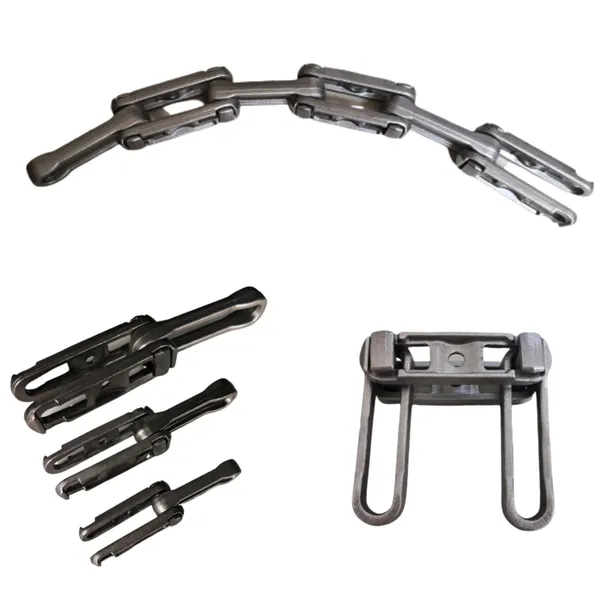
Can a conveyor chain be used in cleanroom environments?
Yes, conveyor chains can be used in cleanroom environments with proper selection and design considerations. Cleanroom environments require stringent control of airborne particles, such as dust, microbes, and contaminants, to maintain high levels of cleanliness. Here are some factors to consider when using a conveyor chain in a cleanroom:
1. Material Selection:
– Choose a conveyor chain made from materials that are compatible with cleanroom requirements. Stainless steel, plastic, or special coatings are commonly used for their clean and non-contaminating properties.
– Avoid materials that generate excessive particles or contaminants, such as certain types of lubricants or chain coatings.
2. Design Considerations:
– Design the conveyor chain system to minimize particle generation. This includes smooth surfaces, rounded edges, and avoiding areas that can trap or accumulate particles.
– Use sealed or enclosed chain designs to prevent the release of lubricants or contaminants.
– Consider the integration of additional features, such as covers or guards, to further protect the chain and prevent particle ingress.
3. Cleaning and Maintenance:
– Establish a cleaning and maintenance protocol specific to the cleanroom environment. This may include regular cleaning and sanitization procedures to maintain cleanliness standards.
– Use cleaning agents and procedures that are approved for cleanroom use and do not introduce contaminants.
– Regularly inspect the conveyor chain system for any signs of wear, damage, or contamination. Promptly address any issues to ensure the chain’s reliability and cleanliness.
4. Compliance with Cleanroom Standards:
– Ensure that the conveyor chain system meets the cleanliness and particle generation requirements of the specific cleanroom standards or classifications in which it will be used.
– Comply with relevant industry guidelines and regulations, such as ISO standards, when selecting and using conveyor chains in cleanroom environments.
By considering these factors and implementing proper material selection, design considerations, cleaning protocols, and compliance with cleanroom standards, a conveyor chain can be effectively used in cleanroom environments while maintaining the required cleanliness levels.
How do you prevent corrosion in conveyor chains?
Preventing corrosion in conveyor chains is essential for maintaining their performance and prolonging their lifespan. Here are some effective measures to prevent corrosion:
1. Material Selection: Choose conveyor chains made from corrosion-resistant materials such as stainless steel, plastic, or coatings specifically designed to resist corrosion. These materials offer better protection against rust and corrosion compared to standard steel chains.
2. Proper Lubrication: Apply a suitable lubricant to the conveyor chain regularly. Lubrication creates a protective barrier that helps prevent moisture and contaminants from reaching the metal surface, reducing the risk of corrosion. Select a lubricant that provides corrosion protection properties and is compatible with the chain material.
3. Environmental Controls: Control the operating environment to minimize exposure to corrosive elements. Implement measures such as humidity control, proper ventilation, and protection from direct contact with water or chemicals. Consider using covers or enclosures to shield the conveyor chain from environmental factors that can accelerate corrosion.
4. Surface Treatments: Apply corrosion-resistant coatings or treatments to the conveyor chain. These coatings can provide an additional protective layer that acts as a barrier against moisture and corrosive substances. Examples of surface treatments include zinc plating, galvanizing, or epoxy coatings.
5. Regular Inspections and Cleaning: Regularly inspect the conveyor chain for signs of corrosion or damage. Remove any accumulated dirt, debris, or corrosive substances promptly. Cleaning the chain helps prevent the buildup of contaminants that can accelerate corrosion.
6. Preventive Maintenance: Implement a preventive maintenance program that includes regular cleaning, lubrication, and inspection of the conveyor chain. This proactive approach helps identify and address any potential corrosion issues early on, preventing further damage.
7. Proper Storage: When not in use, store the conveyor chains in a dry and controlled environment. Protect them from exposure to moisture, humidity, and corrosive substances. Use appropriate storage methods, such as hanging the chains or storing them in sealed containers.
By following these preventive measures, you can significantly reduce the risk of corrosion in conveyor chains, ensuring their optimal performance and longevity.
What are the environmental considerations when using a conveyor chain?
When using a conveyor chain, there are several environmental considerations to take into account:
1. Temperature and Humidity: Conveyor chains may be exposed to different temperature and humidity levels depending on the application and operating environment. Extreme temperatures or high humidity can affect the performance and lifespan of the chain. It is important to select a chain material and lubrication that can withstand the specific environmental conditions.
2. Contamination and Cleanliness: The presence of dust, dirt, debris, or other contaminants can impact the operation and efficiency of the conveyor chain. Regular cleaning and maintenance should be performed to prevent build-up and ensure smooth chain movement.
3. Chemical Exposure: Conveyor chains used in industries such as chemical processing or food production may come into contact with corrosive chemicals or cleaning agents. It is crucial to choose a chain material that is resistant to chemical corrosion and select appropriate lubricants compatible with the chemicals present in the environment.
4. Noise and Vibration: Conveyor systems can generate noise and vibration during operation, which may have environmental implications. Noise reduction measures, such as using noise-dampening materials or implementing vibration isolation techniques, can help minimize the impact on the surrounding environment and comply with noise regulations.
5. Energy Efficiency: Consideration should be given to energy consumption and efficiency when using a conveyor chain. Optimize the system design, minimize friction losses, and utilize energy-efficient components to reduce the environmental impact and operational costs.
6. Sustainability: Increasingly, sustainability is an important consideration in industrial operations. Choosing conveyor chains made from recyclable or renewable materials, implementing energy-saving measures, and practicing responsible waste management can contribute to a more environmentally friendly operation.
By taking these environmental considerations into account, industries can ensure the proper functioning of conveyor chains while minimizing environmental impact and complying with relevant regulations.
editor by CX 2023-10-16
China OEM China Factory of Rivetless Drop Forged Conveyor Link Chain X458 Chain and Industry Steel Forging Chain Steel Detachable Chain for Painting Line Chain System
Product Description
About Factory
With more than 18 years’ histiory, we are a professinal manufacturer for drop forged products such as forged chain (X348 X458 X658 X678 X698 F100 F160), scraper chain (10160, 14218, 14226, 142N), conveyor trolley (X348, X458, X678, XT160), and drive chain (X348, X458, X678), and so forth standard moulds of chain.
Besides, we can also produce as per your drawing or sample, special link chain, pusher, pin and plate, according to customers’ unique requirements.
Product Description
1) Material: Alloy steel, 40Cr, 42CrMo and so on.
2) Types: X348 X458 X658 X678 X698 F100 F160, and so on. (Or as per your drawing)
3) Process: Moulding→Forging→Polishing & Blasting→Fine machining→Heat treatment→Blasting→Inspecting & testing→Packing
Product Show
Technical Data
| Model | Pitch | Dimension | Lateral Corner | Standard Measured Length (mm) | Measured Quantity | Tensile Strength (KN) | Weight (Kg/m) | |||||
| A | F | G | J | K | S | |||||||
| 80H | 80 | 73 | 42 | 18.4 | 20 | 34.5 | 19.5 | 7 | 3032/3058 | 38 | 250 | 7.8 |
| X348 | 76.6 | 46 | 27 | 12.7 | 12.7 | 20.6 | 13.5 | 9 | 3050.5/3095.2 | 40 | 110 | 3.2 |
| X458 | 102.4 | 57 | 37 | 16 | 16 | 26.5 | 17.5 | 9 | 3063.1/3090.2 | 30 | 210 | 5.2 |
| 468H | 102.4 | 84.1 | 47.8 | 18 | 29.5 | 42.9 | 22.2 | 9 | 3063.1/3090.2 | 30 | 318 | 11.5 |
| X658 | 153.2 | 55.6 | 35 | 16 | 16 | 57.2 | 17.5 | 7 | 3055.1/3082.8 | 20 | 210 | 4 |
| X678 | 153.2 | 77 | 50.8 | 22.2 | 21 | 34.2 | 25 | 7 | 3055.1/3082.8 | 20 | 320 | 9.5 |
| 678 | 153.2 | 77 | 50.8 | 22.2 | 21 | 34.2 | 25 | 7 | 3055.1/3082.8 | 20 | 320 | 9.5 |
| 698 | 153.2 | 95.25 | 64 | 28 | 25.4 | 41.3 | 32 | 5 | 3055.1/3082.8 | 20 | 515 | 17 |
| 998 | 229.4 | 95.25 | 67.5 | 28 | 25.4 | 41.3 | 32 | 5 | 3205/3232.4 | 13 | 515 | 14.8 |
| 9118 | 229.4 | 123.8 | 76.2 | 35 | 33.5 | 52 | 38.1 | 5 | 3205/3232.4 | 13 | 832 | 24.2 |
| S348 | 76.6 | 38.9 | 28.6 | 12.7 | 12.7 | 20.6 | 13.5 | 9 | 3050.5/3095.2 | 40 | 110 | 3.2 |
| S458 | 102.4 | 52.1 | 35 | 16 | 16 | 26.5 | 17.5 | 9 | 3063.1/3090.2 | 30 | 210 | 5.2 |
| S678 | 153.2 | 69.8 | 50.8 | 22.2 | 21 | 34.2 | 25 | 7 | 3055.1/3082.8 | 20 | 320 | 9.5 |
| S698 | 153.2 | 73 | 68.3 | 28 | 25.4 | 41.3 | 32 | 5 | 3055.1/3082.8 | 20 | 515 | 17 |
| S9118 | 229.4 | 98.4 | 77.8 | 35 | 33.5 | 52 | 38.1 | 5 | 3205/3232.4 | 13 | 832 | 24.2 |
| F100 | 100 | 57 | 37 | 16 | 16 | 26.5 | 17.5 | 9 | 2991.3/3018.3 | 30 | 210 | 5.2 |
| F160 | 160 | 78 | 54 | 24 | 20.5 | 36 | 28 | 7 | 3190.7/3219.5 | 20 | 318 | 10.3 |
Products & Testing Equipments
Products Application
Packing & Delivery
Why Choose Us?
1. We are engaged in chain industry over 15 years with rich market experience. We keep improving production techniques. All the products have longer working life and have passed the market test.
2. We can design the correct chains with high quality material, good abrasion resistance, good corrosion, high strengthen and etc as per your request or the chain application.
3. We are the chain manufacturer; you can directly purchase the product from us with low price and high quality.
4. We have a professional team for international trade, they have abundant experiences and are always ready to solve problems for customers. So you have nothing to worry about.
5. We have the long-term cooperative forwarder who can give us the lowest freight. And it can help you to save the freight. What’s more, for the FCL, we will design the packages as per the container sizes with the largest capacity to save the shipping cost for both of us.
| Material: | Alloy |
|---|---|
| Structure: | Combined Chain |
| Surface Treatment: | Polishing |
| Chain Size: | 1/2"*11/128" |
| Feature: | Fire Resistant, Oil Resistant, Heat Resistant |
| Certificate: | SGS and ISO Standard |
| Samples: |
US$ 5/Piece
1 Piece(Min.Order) | |
|---|
| Customization: |
Available
| Customized Request |
|---|
What are the considerations for selecting a low-maintenance conveyor chain?
When selecting a low-maintenance conveyor chain, several considerations should be taken into account:
1. Material Selection:
– Choose a conveyor chain made from materials that are resistant to wear, corrosion, and contamination. Stainless steel, plastic, or self-lubricating chains are commonly used for their durability and low maintenance requirements.
2. Lubrication-Free Design:
– Look for conveyor chains that have a self-lubricating design or are pre-lubricated with materials that reduce friction and eliminate the need for additional lubrication. This helps to minimize maintenance tasks associated with regular lubrication.
3. Sealed Construction:
– Consider conveyor chains with sealed construction to prevent the ingress of dirt, debris, and moisture. Sealed chains require less frequent cleaning and maintenance, making them ideal for low-maintenance applications.
4. Easy Cleaning:
– Opt for conveyor chains that are designed for easy cleaning. Smooth surfaces, open structures, and accessible components allow for quick and efficient cleaning, reducing maintenance time and effort.
5. Resistance to Contamination:
– Select a conveyor chain that is resistant to contamination. This includes resistance to chemicals, oils, greases, and other substances commonly found in the application environment. Chains that can withstand contamination require less frequent cleaning and maintenance.
6. Wear Monitoring:
– Look for conveyor chains that have wear monitoring features, such as wear indicators or sensors. These features help to identify chain wear and provide timely maintenance alerts, allowing for proactive replacement or adjustment.
7. Manufacturer Support:
– Consider the support provided by the chain manufacturer. A reputable manufacturer will offer guidance on maintenance intervals, replacement schedules, and provide technical assistance to ensure the proper functioning of the chain.
By considering these factors, you can select a low-maintenance conveyor chain that minimizes the need for frequent inspections, lubrication, cleaning, and replacement, resulting in reduced maintenance efforts and costs.
How do you prevent corrosion in conveyor chains?
Preventing corrosion in conveyor chains is essential for maintaining their performance and prolonging their lifespan. Here are some effective measures to prevent corrosion:
1. Material Selection: Choose conveyor chains made from corrosion-resistant materials such as stainless steel, plastic, or coatings specifically designed to resist corrosion. These materials offer better protection against rust and corrosion compared to standard steel chains.
2. Proper Lubrication: Apply a suitable lubricant to the conveyor chain regularly. Lubrication creates a protective barrier that helps prevent moisture and contaminants from reaching the metal surface, reducing the risk of corrosion. Select a lubricant that provides corrosion protection properties and is compatible with the chain material.
3. Environmental Controls: Control the operating environment to minimize exposure to corrosive elements. Implement measures such as humidity control, proper ventilation, and protection from direct contact with water or chemicals. Consider using covers or enclosures to shield the conveyor chain from environmental factors that can accelerate corrosion.
4. Surface Treatments: Apply corrosion-resistant coatings or treatments to the conveyor chain. These coatings can provide an additional protective layer that acts as a barrier against moisture and corrosive substances. Examples of surface treatments include zinc plating, galvanizing, or epoxy coatings.
5. Regular Inspections and Cleaning: Regularly inspect the conveyor chain for signs of corrosion or damage. Remove any accumulated dirt, debris, or corrosive substances promptly. Cleaning the chain helps prevent the buildup of contaminants that can accelerate corrosion.
6. Preventive Maintenance: Implement a preventive maintenance program that includes regular cleaning, lubrication, and inspection of the conveyor chain. This proactive approach helps identify and address any potential corrosion issues early on, preventing further damage.
7. Proper Storage: When not in use, store the conveyor chains in a dry and controlled environment. Protect them from exposure to moisture, humidity, and corrosive substances. Use appropriate storage methods, such as hanging the chains or storing them in sealed containers.
By following these preventive measures, you can significantly reduce the risk of corrosion in conveyor chains, ensuring their optimal performance and longevity.
What are the maintenance requirements for a conveyor chain?
Maintaining a conveyor chain is essential to ensure its smooth operation and prolong its lifespan. Here are some key maintenance requirements for a conveyor chain:
- Regular Cleaning: Clean the conveyor chain regularly to remove dirt, debris, and contaminants that can contribute to chain wear and reduce performance. Use appropriate cleaning agents and tools to avoid damaging the chain.
- Lubrication: Apply the recommended lubricant to the conveyor chain according to the manufacturer’s guidelines. Lubrication helps reduce friction, minimize wear, and prevent corrosion.
- Tension Adjustment: Check the tension of the conveyor chain regularly and adjust it if necessary. Proper tension ensures smooth operation and prevents issues like chain slipping or excessive wear.
- Inspection: Conduct regular inspections of the conveyor chain to identify any signs of wear, damage, or misalignment. Look for issues such as worn sprockets, elongation, bent or damaged links, and loose connections. Address any problems promptly to prevent further damage.
- Replace Worn Components: If any components of the conveyor chain, such as links, pins, or sprockets, are excessively worn or damaged, they should be replaced. Using worn components can compromise the chain’s performance and lead to failure.
- Alignment: Ensure proper alignment of the conveyor chain by checking the alignment of sprockets, idlers, and other components. Misalignment can cause uneven wear and increase the risk of chain failure.
- Training and Education: Provide proper training to personnel responsible for operating and maintaining the conveyor chain. They should understand the maintenance requirements, safety protocols, and best practices to ensure effective and safe operation.
Following these maintenance requirements will help keep the conveyor chain in optimal condition, minimize downtime, and ensure safe and efficient material handling.
editor by CX 2023-07-28
China supplier Chain Factory of Agricultural Rice Conveyor Roller Chain Transmission Chain and Industrial Conveyor Drive Chain with Attachment X348 X458 X678 a2040 roller chain
Product Description
About Factory
With more than 18 years’ histiory, we are a professinal manufacturer for drop forged products such as forged chain (X348 X458 X658 X678 X698 F100 F160), scraper chain (10160, 14218, 14226, 142N), conveyor trolley (X348, X458, X678, XT160), and drive chain (X348, X458, X678), and so forth standard moulds of chain.
Besides, we can also produce as per your drawing or sample, special link chain, pusher, pin and plate, according to customers’ unique requirements.
Product Description
1) Material: Alloy steel, 40Cr, 42CrMo and so on.
2) Types: Standard types, X348 X458 X678, and so on. (Or as per your drawing)
3) Process: Moulding→Forging→Polishing & Blasting→Fine machining→Heat treatment→Blasting→Inspecting & testing→Packing
Product Show
Technical Data
| Model | Dimension | Weight (Kg) | Material | Hardness | Working Load (KN) | Limit Load (KN) | ||||||
| P | T | C | S | F | R | D | ||||||
| 10160B | 101.6 | 24 | 36 | 13 | 14 | 6 | 14 | 0.32 | 20CrMnTi | Surface HRC56-64° Depth 0.6-1.2mm |
18 | 100 |
| 10160 | 101.6 | 30 | 36 | 13 | 14.5 | 9 | 14 | 0.36 | 20CrMnTi | Surface HRC56-64° Depth 0.6-1.2mm | 21.6 | 120 |
| 14218 | 142 | 42 | 50 | 19 | 20.5 | 11 | 25 | 1.15 | 20CrMnTi | Surface HRC56-64° Depth 0.6-1.2mm | 48.6 | 270 |
| 14226 | 142 | 62 | 50 | 28 | 30 | 15 | 25 | 1.75 | 20CrMnTi | Surface HRC56-64° Depth 0.6-1.2mm | 61.2 | 340 |
| 2571 | 200 | 66 | 60 | 30 | 32 | 18 | 30 | 2.8 | 20CrMnTi | Surface HRC56-64° Depth 0.6-1.2mm | 72 | 400 |
| 26014 | 260 | 70 | 75 | 31 | 33 | 20 | 34 | 5.2 | 20CrMnTi | Surface HRC56-64° Depth 0.6-1.2mm | 135 | 750 |
| 142N | 142 | 43 | 50 | 19 | 22 | 12.5 | 25 | 1.2 | 40Cr | Quench HRC36-44° | 75.6 | 420 |
| 150D | 142 | 42 | 50 | 19 | 20.5 | 11 | 25 | 1.15 | 40Cr | Quench HRC36-44° | 75.6 | 420 |
| MG20 | 200 | 70 | 50 | 27 | 29 | 17 | 35 | 3.78 | 40Cr | Quench HRC36-44° | 144 | 800 |
| MG20B | 200 | 70 | 50 | 27 | 29 | 17 | 30 | 3.82 | 40Cr | Quench HRC36-44° | 140.4 | 780 |
| MG20C | 200 | 70 | 50 | 27 | 29 | 17 | 28 | 3.85 | 40Cr | Quench HRC36-44° | 122.4 | 680 |
| MS32 | 200 | 42 | 50 | 20 | 22 | 12 | 25 | 1.4 | 40Cr | Quench HRC36-44° | 75.6 | 420 |
| MS55 | 200 | 80 | 70 | 35 | 38 | 25 | 28 | 4.36 | 40Cr | Quench HRC36-44° | 138.6 | 770 |
| 3006 | 200 | 65 | 70 | 30 | 33 | 24 | 32 | 3.6 | 40Cr | Quench HRC36-44° | 160.2 | 890 |
| MS63 | 250 | 70 | 80 | 30 | 33 | 20 | 32 | 4.93 | 40Cr | Quench HRC36-44° | 147.6 | 820 |
| S16 | 100 | 30 | 27 | 15 | 16 | 8 | 14 | 0.3 | 40Cr | Quench HRC36-44° | 16 | 88 |
| S20 | 125 | 34 | 33 | 17 | 18 | 8 | 17 | 0.37 | 40Cr | Quench HRC36-44° | 19.4 | 108 |
| S25 | 160 | 48 | 39 | 23 | 25 | 13 | 20 | 1.28 | 40Cr | Quench HRC36-44° | 55.8 | 310 |
| S30 | 142 | 46 | 49 | 22 | 23.5 | 14 | 25 | 1.3 | 40Cr | Quench HRC36-44° | 91.8 | 510 |
| Z16 | 100 | 40 | 35 | 18 | 20 | 12 | 17 | 0.4 | 40Cr | Quench HRC36-44° | 32.4 | 180 |
| Z20 | 125 | 50 | 46 | 24 | 26 | 15 | 20 | 0.67 | 40Cr | Quench HRC36-44° | 59.4 | 330 |
| Z20D | 125 | 52 | 60 | 24 | 26 | 16 | 26 | 1.15 | 40Cr | Quench HRC36-44° | 82.8 | 460 |
| Z25 | 160 | 58 | 55 | 28 | 30 | 18 | 25 | 2.25 | 40Cr | Quench HRC36-44° | 82.8 | 460 |
| Z25D | 160 | 66 | 64 | 29 | 31 | 22 | 28 | 2.6 | 40Cr | Quench HRC36-44° | 120.6 | 670 |
| Z30 | 142 | 64 | 50 | 29 | 30.5 | 18 | 25 | 1.8 | 40Cr | Quench HRC36-44° | 111.6 | 620 |
Products & Testing Equipments
Products Application
Packing & Delivery
Why Choose Us?
1. We are engaged in chain industry over 15 years with rich market experience. We keep improving production techniques. All the products have longer working life and have passed the market test.
2. We can design the correct chains with high quality material, good abrasion resistance, good corrosion, high strengthen and etc as per your request or the chain application.
3. We are the chain manufacturer; you can directly purchase the product from us with low price and high quality.
4. We have a professional team for international trade, they have abundant experiences and are always ready to solve problems for customers. So you have nothing to worry about.
5. We have the long-term cooperative forwarder who can give us the lowest freight. And it can help you to save the freight. What’s more, for the FCL, we will design the packages as per the container sizes with the largest capacity to save the shipping cost for both of us.
| Standard or Nonstandard: | Standard |
|---|---|
| Application: | Textile Machinery, Garment Machinery, Conveyer Equipment, Packaging Machinery, Electric Cars, Motorcycle, Food Machinery, Mining Equipment, Agricultural Machinery, Coating, Spraying, Mining, Slaughtering, Assembly |
| Surface Treatment: | Polishing |
| Structure: | Combined Chain |
| Material: | Alloy |
| Type: | Cranked Link Chain |
| Samples: |
US$ 5/Piece
1 Piece(Min.Order) | |
|---|
| Customization: |
Available
| Customized Request |
|---|
Three important aspects of the drive chain
One of the advantages of a drive chain is that it is relatively light. It sends nearly all of the engine’s power to the rear wheels, even if it loses some power along the way. Engine power on a dyno is different than on the road. Therefore, the chain is the most efficient way to transmit power to the rear wheel. Let’s look at three important aspects of the drive chain. Here are some facts about them.
roller chain drive
When choosing a roller chain drive, consider your application and how much horsepower your system requires. For applications requiring more horsepower, a multi-strand drive is an option. If your horsepower is limited, single-strand drives are a good choice. Otherwise, you may need to choose the smallest pitch chain. However, this may not always be possible. You should also consider sprocket size. In many cases, choosing a smaller chain pitch can increase the number of options.
While proper lubrication and maintenance can last a roller chain drive for years, regular inspections are essential to prolonging its life. After the drive has been operating for 100 hours, a thorough inspection every 500 hours is recommended. During this inspection, look for key elements such as 3% elongation and chain wear. If the chain is not preloaded, elongation will happen very quickly. In either case, the industry-recommended 3% elongation will be achieved faster.
flat top chain
The flat-top chain system consists of hinge pins that support the chain to ensure efficient conveying. There are different types of hinge pins available, namely single and double. The single hinge pin is suitable for short chainplates and lightly loaded products. Dual hinge pins provide increased stability and load capacity. Flat top drive chains can be used in many different industries. In this article, we will learn about some important properties of flat-top chains.
Plastic flat top chains can transport medium to large workpiece pallets. They have a circular arc function that enables continuous drive combinations involving curved circular arcs. Plastic flat top chains are also recommended for workpiece pallets with PA wear pads. Steel flat-top chains can withstand surface loads up to 1.5 kg/cm, and HD profiles are suitable for steel chains. This chain is used in a variety of applications, including packaging machines.
mute chain
There are several types of mufflers that can silence your drive chain. One is the Ramsay silent chain, also known as the inverted tooth chain. These chains can be custom designed for specific needs. Exclusive Australian distributor of CZPT products that can help you find the most effective and affordable silent chain. In addition to silent chains, CZPT also manufactures sprockets and other hardware required for the drive.
Another type of mute chain is the CZPT chain. CZPT chains have involute teeth, while the ANSI standard specifies straight teeth. The advantage of silent chains is reduced noise and vibration output, and wider chains are more economical than multi-strand roller chains. The downside of silent chains is that they wear out quickly without lubrication.
The mute chain consists of two main parts, the pin and the plate. The pins are rotated in the same direction and positioned so that they can only engage the sprocket from one direction. Therefore, mute links are not recommended for reverse applications. To find out if your chain will work in reverse, consult the manufacturer’s catalog. CZPT chain.
conveyor chain
Drive chains and conveyor chains are essentially the same, but they are very different. The transmission chain is mainly used to transport heavy objects, and the conveyor chain is used to transport light objects. On the other hand, drive chains are usually driven by belts. Both types of chains can be used for the same purpose. This article will cover both types of chains. You can use them to convey various types of materials and products.
There are some differences between belts and chains, but both types can perform similar functions. The drive chain is used to drive the rollers, while the belt is used to move the object horizontally. The drive chain usually drives the rollers that move the conveyor belt. For a wide range of applications, conveyors and drive chains can be customized to meet specific needs. Here are some common uses of these two chains: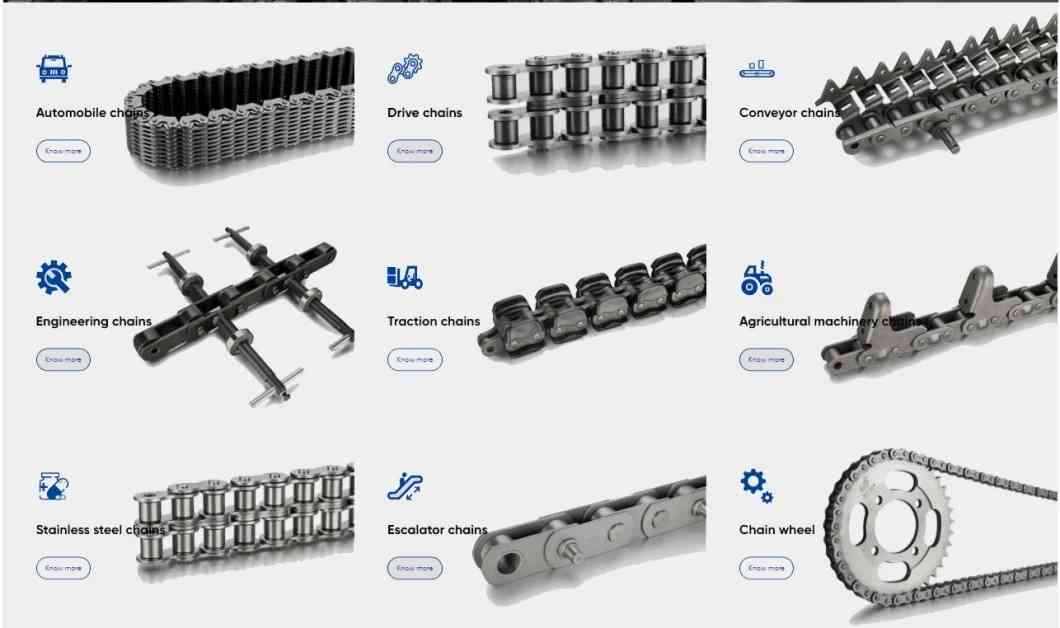
time chain
Timing chains fail for two reasons: complete damage and fatigue. Fatigue occurs when a timing chain reaches its breaking strength, and eventually, failure occurs when a timing chain exceeds its design life and suffers mechanical damage. Most timing chain failures are a combination of mechanical failure and fatigue. Chain chatter, engine misfires, and VVT systems can accelerate chain fatigue. If these causes of premature timing chain failure are not addressed, the timing chain could be permanently damaged.
In the past, the timing chain was the only drive chain available. Timing belts are a quieter alternative, but they are prone to failure and damage to valves and the engine. In recent years, OEM manufacturers have begun to return to the OHC/DOHC drive chain of the timing chain. This type of drive chain has many advantages, including the ability to simulate knock sensor vibrations. Additionally, the chain has better NVH performance, making it the drive chain of choice for automakers.
Timing Chains in Internal Combustion Engines
Internal combustion engines use timing chains to control intake and exhaust valves. The chain turns the camshaft at the right time and coordinates the movement of the valves on the cylinder head. This in turn allows the engine to generate power. The timing chain also controls the position of the intake and exhaust valves, ensuring that fuel and exhaust gases are expelled at the correct time. Incorrect timing in the vehicle can lead to misfires and other problems.
Chain drives in internal combustion engines are a common feature of many modern cars. It transmits rotational force from the crankshaft to the camshaft, which in turn controls the opening and closing of valves. The chain is lubricated with oil to prevent wear. Therefore, timing chains are often used in high-capacity engines, including trucks and motorcycles. But they do have some drawbacks.
A weakened timing chain can cause the engine to misfire, causing it to skip gears and lose coordination. A clicking sound may also indicate a problem. If the chain is too loose, it can also cause the engine to stall. If the chain is too loose, metal chips will appear in the oil. A clicking sound may also be heard when the engine is running. If you hear the engine stalling, it’s likely that the timing chain is the culprit.
Silent chains in internal combustion engines
The pitch difference between the drive sprocket and the silent chain reduces resonance sound, meshing shock, and accelerated wear at the chain and sprocket interface. The difference in pitch between the drive sprocket and the silent chain determines the loudness of the sound, and the system described here helps reduce it. The present invention is suitable for power transmission in internal combustion engines.
The earliest designs for silent chains come from the 1500s when Leonardo da Vinci sketched them. The SS Britannia propels the boat across the Atlantic using huge silent chains. By the mid-19th century, silent chains were used in nearly all types of industrial applications and as timing chains for early automobile engines. Due to their durability, these chains are durable and have smooth action.
In order to understand the mechanism of frictional losses in chains, various parameters must be considered. Speed, pitch, temperature and tension are the main parameters affecting friction loss. This test uses two types of chains to compare the frictional behavior between these two components. The results show that a single chain with a high pitch can increase the friction torque of another chain with the same pitch. These results provide an important basis for understanding the role of friction torque in internal combustion engines.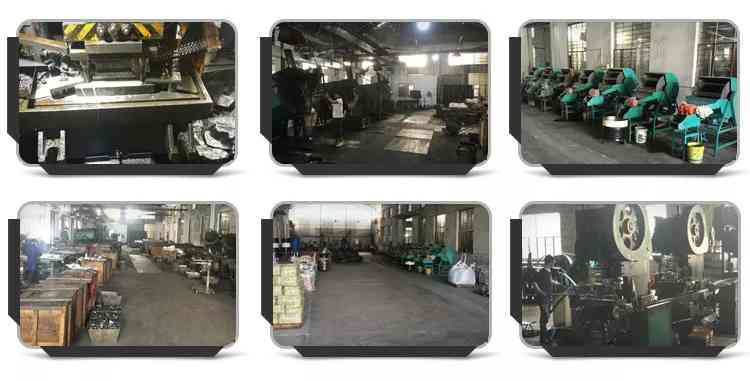
lifting chain
Lift chairs are designed to lift heavy objects and can be used with a variety of lifting equipment, including forklifts and cranes. Hoist chains are also used in warehouses and ports of all sizes and consist of a series of pins and plates that mesh with each other to move heavy loads. CZPT Chain manufactures high-precision lifting chains. Here are some of the benefits of hoist chains for drive chains.
Blade Chain: This type of drive chain has a patented U-profile that turns the flexible chain into a highly stable outer post during the push phase. This design is designed to minimize linkage tangling and provide better pressure transfer. These chains are used for cranes, anchors and straddle carriers. Blade chains are more durable than other types of drive chains and are especially useful in heavy duty applications.
The drive chain is also available in a variety of materials. For example, square link chains are commonly used in cranes and hoists. They are cheap to manufacture but more prone to overloading. Conveyor chains are specially designed for chain conveyor systems. It consists of a series of interconnected rectangular links. Oval links tend to kink and are usually only used at low speeds.
editor by CX 2023-05-19
China Hot selling Chain Factory of Agricultural Rice Conveyor Roller Chain Transmission Chain and Industrial Conveyor Drive Chain with Attachment X348 X458 X678 excavator chain bush
Product Description
About Factory
With more than 18 years’ histiory, we are a professinal manufacturer for drop forged products such as forged chain (X348 X458 X658 X678 X698 F100 F160), scraper chain (10160, 14218, 14226, 142N), conveyor trolley (X348, X458, X678, XT160), and drive chain (X348, X458, X678), and so forth standard moulds of chain.
Besides, we can also produce as per your drawing or sample, special link chain, pusher, pin and plate, according to customers’ unique requirements.
Product Description
1) Material: Alloy steel, 40Cr, 42CrMo and so on.
2) Types: Standard types, X348 X458 X678, and so on. (Or as per your drawing)
3) Process: Moulding→Forging→Polishing & Blasting→Fine machining→Heat treatment→Blasting→Inspecting & testing→Packing
Product Show
Technical Data
| Model | Dimension | Weight (Kg) | Material | Hardness | Working Load (KN) | Limit Load (KN) | ||||||
| P | T | C | S | F | R | D | ||||||
| 10160B | 101.6 | 24 | 36 | 13 | 14 | 6 | 14 | 0.32 | 20CrMnTi | Surface HRC56-64° Depth 0.6-1.2mm |
18 | 100 |
| 10160 | 101.6 | 30 | 36 | 13 | 14.5 | 9 | 14 | 0.36 | 20CrMnTi | Surface HRC56-64° Depth 0.6-1.2mm | 21.6 | 120 |
| 14218 | 142 | 42 | 50 | 19 | 20.5 | 11 | 25 | 1.15 | 20CrMnTi | Surface HRC56-64° Depth 0.6-1.2mm | 48.6 | 270 |
| 14226 | 142 | 62 | 50 | 28 | 30 | 15 | 25 | 1.75 | 20CrMnTi | Surface HRC56-64° Depth 0.6-1.2mm | 61.2 | 340 |
| 2571 | 200 | 66 | 60 | 30 | 32 | 18 | 30 | 2.8 | 20CrMnTi | Surface HRC56-64° Depth 0.6-1.2mm | 72 | 400 |
| 26014 | 260 | 70 | 75 | 31 | 33 | 20 | 34 | 5.2 | 20CrMnTi | Surface HRC56-64° Depth 0.6-1.2mm | 135 | 750 |
| 142N | 142 | 43 | 50 | 19 | 22 | 12.5 | 25 | 1.2 | 40Cr | Quench HRC36-44° | 75.6 | 420 |
| 150D | 142 | 42 | 50 | 19 | 20.5 | 11 | 25 | 1.15 | 40Cr | Quench HRC36-44° | 75.6 | 420 |
| MG20 | 200 | 70 | 50 | 27 | 29 | 17 | 35 | 3.78 | 40Cr | Quench HRC36-44° | 144 | 800 |
| MG20B | 200 | 70 | 50 | 27 | 29 | 17 | 30 | 3.82 | 40Cr | Quench HRC36-44° | 140.4 | 780 |
| MG20C | 200 | 70 | 50 | 27 | 29 | 17 | 28 | 3.85 | 40Cr | Quench HRC36-44° | 122.4 | 680 |
| MS32 | 200 | 42 | 50 | 20 | 22 | 12 | 25 | 1.4 | 40Cr | Quench HRC36-44° | 75.6 | 420 |
| MS55 | 200 | 80 | 70 | 35 | 38 | 25 | 28 | 4.36 | 40Cr | Quench HRC36-44° | 138.6 | 770 |
| 3006 | 200 | 65 | 70 | 30 | 33 | 24 | 32 | 3.6 | 40Cr | Quench HRC36-44° | 160.2 | 890 |
| MS63 | 250 | 70 | 80 | 30 | 33 | 20 | 32 | 4.93 | 40Cr | Quench HRC36-44° | 147.6 | 820 |
| S16 | 100 | 30 | 27 | 15 | 16 | 8 | 14 | 0.3 | 40Cr | Quench HRC36-44° | 16 | 88 |
| S20 | 125 | 34 | 33 | 17 | 18 | 8 | 17 | 0.37 | 40Cr | Quench HRC36-44° | 19.4 | 108 |
| S25 | 160 | 48 | 39 | 23 | 25 | 13 | 20 | 1.28 | 40Cr | Quench HRC36-44° | 55.8 | 310 |
| S30 | 142 | 46 | 49 | 22 | 23.5 | 14 | 25 | 1.3 | 40Cr | Quench HRC36-44° | 91.8 | 510 |
| Z16 | 100 | 40 | 35 | 18 | 20 | 12 | 17 | 0.4 | 40Cr | Quench HRC36-44° | 32.4 | 180 |
| Z20 | 125 | 50 | 46 | 24 | 26 | 15 | 20 | 0.67 | 40Cr | Quench HRC36-44° | 59.4 | 330 |
| Z20D | 125 | 52 | 60 | 24 | 26 | 16 | 26 | 1.15 | 40Cr | Quench HRC36-44° | 82.8 | 460 |
| Z25 | 160 | 58 | 55 | 28 | 30 | 18 | 25 | 2.25 | 40Cr | Quench HRC36-44° | 82.8 | 460 |
| Z25D | 160 | 66 | 64 | 29 | 31 | 22 | 28 | 2.6 | 40Cr | Quench HRC36-44° | 120.6 | 670 |
| Z30 | 142 | 64 | 50 | 29 | 30.5 | 18 | 25 | 1.8 | 40Cr | Quench HRC36-44° | 111.6 | 620 |
Products & Testing Equipments
Products Application
Packing & Delivery
Why Choose Us?
1. We are engaged in chain industry over 15 years with rich market experience. We keep improving production techniques. All the products have longer working life and have passed the market test.
2. We can design the correct chains with high quality material, good abrasion resistance, good corrosion, high strengthen and etc as per your request or the chain application.
3. We are the chain manufacturer; you can directly purchase the product from us with low price and high quality.
4. We have a professional team for international trade, they have abundant experiences and are always ready to solve problems for customers. So you have nothing to worry about.
5. We have the long-term cooperative forwarder who can give us the lowest freight. And it can help you to save the freight. What’s more, for the FCL, we will design the packages as per the container sizes with the largest capacity to save the shipping cost for both of us.
| Standard or Nonstandard: | Standard |
|---|---|
| Application: | Textile Machinery, Garment Machinery, Conveyer Equipment, Packaging Machinery, Electric Cars, Motorcycle, Food Machinery, Mining Equipment, Agricultural Machinery, Coating, Spraying, Mining, Slaughtering, Assembly |
| Surface Treatment: | Polishing |
| Structure: | Combined Chain |
| Material: | Alloy |
| Type: | Cranked Link Chain |
| Samples: |
US$ 5/Piece
1 Piece(Min.Order) | |
|---|
| Customization: |
Available
| Customized Request |
|---|
Three important aspects of the drive chain
One of the advantages of a drive chain is that it is relatively light. It sends nearly all of the engine’s power to the rear wheels, even if it loses some power along the way. Engine power on a dyno is different than on the road. Therefore, the chain is the most efficient way to transmit power to the rear wheel. Let’s look at three important aspects of the drive chain. Here are some facts about them.
roller chain drive
When choosing a roller chain drive, consider your application and how much horsepower your system requires. For applications requiring more horsepower, a multi-strand drive is an option. If your horsepower is limited, single-strand drives are a good choice. Otherwise, you may need to choose the smallest pitch chain. However, this may not always be possible. You should also consider sprocket size. In many cases, choosing a smaller chain pitch can increase the number of options.
While proper lubrication and maintenance can last a roller chain drive for years, regular inspections are essential to prolonging its life. After the drive has been operating for 100 hours, a thorough inspection every 500 hours is recommended. During this inspection, look for key elements such as 3% elongation and chain wear. If the chain is not preloaded, elongation will happen very quickly. In either case, the industry-recommended 3% elongation will be achieved faster.
flat top chain
The flat-top chain system consists of hinge pins that support the chain to ensure efficient conveying. There are different types of hinge pins available, namely single and double. The single hinge pin is suitable for short chainplates and lightly loaded products. Dual hinge pins provide increased stability and load capacity. Flat top drive chains can be used in many different industries. In this article, we will learn about some important properties of flat-top chains.
Plastic flat top chains can transport medium to large workpiece pallets. They have a circular arc function that enables continuous drive combinations involving curved circular arcs. Plastic flat top chains are also recommended for workpiece pallets with PA wear pads. Steel flat-top chains can withstand surface loads up to 1.5 kg/cm, and HD profiles are suitable for steel chains. This chain is used in a variety of applications, including packaging machines.
mute chain
There are several types of mufflers that can silence your drive chain. One is the Ramsay silent chain, also known as the inverted tooth chain. These chains can be custom designed for specific needs. Exclusive Australian distributor of CZPT products that can help you find the most effective and affordable silent chain. In addition to silent chains, CZPT also manufactures sprockets and other hardware required for the drive.
Another type of mute chain is the CZPT chain. CZPT chains have involute teeth, while the ANSI standard specifies straight teeth. The advantage of silent chains is reduced noise and vibration output, and wider chains are more economical than multi-strand roller chains. The downside of silent chains is that they wear out quickly without lubrication.
The mute chain consists of two main parts, the pin and the plate. The pins are rotated in the same direction and positioned so that they can only engage the sprocket from one direction. Therefore, mute links are not recommended for reverse applications. To find out if your chain will work in reverse, consult the manufacturer’s catalog. CZPT chain.
conveyor chain
Drive chains and conveyor chains are essentially the same, but they are very different. The transmission chain is mainly used to transport heavy objects, and the conveyor chain is used to transport light objects. On the other hand, drive chains are usually driven by belts. Both types of chains can be used for the same purpose. This article will cover both types of chains. You can use them to convey various types of materials and products.
There are some differences between belts and chains, but both types can perform similar functions. The drive chain is used to drive the rollers, while the belt is used to move the object horizontally. The drive chain usually drives the rollers that move the conveyor belt. For a wide range of applications, conveyors and drive chains can be customized to meet specific needs. Here are some common uses of these two chains:
time chain
Timing chains fail for two reasons: complete damage and fatigue. Fatigue occurs when a timing chain reaches its breaking strength, and eventually, failure occurs when a timing chain exceeds its design life and suffers mechanical damage. Most timing chain failures are a combination of mechanical failure and fatigue. Chain chatter, engine misfires, and VVT systems can accelerate chain fatigue. If these causes of premature timing chain failure are not addressed, the timing chain could be permanently damaged.
In the past, the timing chain was the only drive chain available. Timing belts are a quieter alternative, but they are prone to failure and damage to valves and the engine. In recent years, OEM manufacturers have begun to return to the OHC/DOHC drive chain of the timing chain. This type of drive chain has many advantages, including the ability to simulate knock sensor vibrations. Additionally, the chain has better NVH performance, making it the drive chain of choice for automakers.
Timing Chains in Internal Combustion Engines
Internal combustion engines use timing chains to control intake and exhaust valves. The chain turns the camshaft at the right time and coordinates the movement of the valves on the cylinder head. This in turn allows the engine to generate power. The timing chain also controls the position of the intake and exhaust valves, ensuring that fuel and exhaust gases are expelled at the correct time. Incorrect timing in the vehicle can lead to misfires and other problems.
Chain drives in internal combustion engines are a common feature of many modern cars. It transmits rotational force from the crankshaft to the camshaft, which in turn controls the opening and closing of valves. The chain is lubricated with oil to prevent wear. Therefore, timing chains are often used in high-capacity engines, including trucks and motorcycles. But they do have some drawbacks.
A weakened timing chain can cause the engine to misfire, causing it to skip gears and lose coordination. A clicking sound may also indicate a problem. If the chain is too loose, it can also cause the engine to stall. If the chain is too loose, metal chips will appear in the oil. A clicking sound may also be heard when the engine is running. If you hear the engine stalling, it’s likely that the timing chain is the culprit.
Silent chains in internal combustion engines
The pitch difference between the drive sprocket and the silent chain reduces resonance sound, meshing shock, and accelerated wear at the chain and sprocket interface. The difference in pitch between the drive sprocket and the silent chain determines the loudness of the sound, and the system described here helps reduce it. The present invention is suitable for power transmission in internal combustion engines.
The earliest designs for silent chains come from the 1500s when Leonardo da Vinci sketched them. The SS Britannia propels the boat across the Atlantic using huge silent chains. By the mid-19th century, silent chains were used in nearly all types of industrial applications and as timing chains for early automobile engines. Due to their durability, these chains are durable and have smooth action.
In order to understand the mechanism of frictional losses in chains, various parameters must be considered. Speed, pitch, temperature and tension are the main parameters affecting friction loss. This test uses two types of chains to compare the frictional behavior between these two components. The results show that a single chain with a high pitch can increase the friction torque of another chain with the same pitch. These results provide an important basis for understanding the role of friction torque in internal combustion engines.
lifting chain
Lift chairs are designed to lift heavy objects and can be used with a variety of lifting equipment, including forklifts and cranes. Hoist chains are also used in warehouses and ports of all sizes and consist of a series of pins and plates that mesh with each other to move heavy loads. CZPT Chain manufactures high-precision lifting chains. Here are some of the benefits of hoist chains for drive chains.
Blade Chain: This type of drive chain has a patented U-profile that turns the flexible chain into a highly stable outer post during the push phase. This design is designed to minimize linkage tangling and provide better pressure transfer. These chains are used for cranes, anchors and straddle carriers. Blade chains are more durable than other types of drive chains and are especially useful in heavy duty applications.
The drive chain is also available in a variety of materials. For example, square link chains are commonly used in cranes and hoists. They are cheap to manufacture but more prone to overloading. Conveyor chains are specially designed for chain conveyor systems. It consists of a series of interconnected rectangular links. Oval links tend to kink and are usually only used at low speeds.
editor by CX 2023-05-18
China Custom Chain Factory of Agricultural Rice Conveyor Roller Chain Transmission Chain and Industrial Conveyor Drive Chain with Attachment X348 X458 X678 challenge roller chain
Product Description
About Factory
With more than 18 years’ histiory, we are a professinal manufacturer for drop forged products such as forged chain (X348 X458 X658 X678 X698 F100 F160), scraper chain (10160, 14218, 14226, 142N), conveyor trolley (X348, X458, X678, XT160), and drive chain (X348, X458, X678), and so forth standard moulds of chain.
Besides, we can also produce as per your drawing or sample, special link chain, pusher, pin and plate, according to customers’ unique requirements.
Product Description
1) Material: Alloy steel, 40Cr, 42CrMo and so on.
2) Types: Standard types, X348 X458 X678, and so on. (Or as per your drawing)
3) Process: Moulding→Forging→Polishing & Blasting→Fine machining→Heat treatment→Blasting→Inspecting & testing→Packing
Product Show
Technical Data
| Model | Dimension | Weight (Kg) | Material | Hardness | Working Load (KN) | Limit Load (KN) | ||||||
| P | T | C | S | F | R | D | ||||||
| 10160B | 101.6 | 24 | 36 | 13 | 14 | 6 | 14 | 0.32 | 20CrMnTi | Surface HRC56-64° Depth 0.6-1.2mm |
18 | 100 |
| 10160 | 101.6 | 30 | 36 | 13 | 14.5 | 9 | 14 | 0.36 | 20CrMnTi | Surface HRC56-64° Depth 0.6-1.2mm | 21.6 | 120 |
| 14218 | 142 | 42 | 50 | 19 | 20.5 | 11 | 25 | 1.15 | 20CrMnTi | Surface HRC56-64° Depth 0.6-1.2mm | 48.6 | 270 |
| 14226 | 142 | 62 | 50 | 28 | 30 | 15 | 25 | 1.75 | 20CrMnTi | Surface HRC56-64° Depth 0.6-1.2mm | 61.2 | 340 |
| 2571 | 200 | 66 | 60 | 30 | 32 | 18 | 30 | 2.8 | 20CrMnTi | Surface HRC56-64° Depth 0.6-1.2mm | 72 | 400 |
| 26014 | 260 | 70 | 75 | 31 | 33 | 20 | 34 | 5.2 | 20CrMnTi | Surface HRC56-64° Depth 0.6-1.2mm | 135 | 750 |
| 142N | 142 | 43 | 50 | 19 | 22 | 12.5 | 25 | 1.2 | 40Cr | Quench HRC36-44° | 75.6 | 420 |
| 150D | 142 | 42 | 50 | 19 | 20.5 | 11 | 25 | 1.15 | 40Cr | Quench HRC36-44° | 75.6 | 420 |
| MG20 | 200 | 70 | 50 | 27 | 29 | 17 | 35 | 3.78 | 40Cr | Quench HRC36-44° | 144 | 800 |
| MG20B | 200 | 70 | 50 | 27 | 29 | 17 | 30 | 3.82 | 40Cr | Quench HRC36-44° | 140.4 | 780 |
| MG20C | 200 | 70 | 50 | 27 | 29 | 17 | 28 | 3.85 | 40Cr | Quench HRC36-44° | 122.4 | 680 |
| MS32 | 200 | 42 | 50 | 20 | 22 | 12 | 25 | 1.4 | 40Cr | Quench HRC36-44° | 75.6 | 420 |
| MS55 | 200 | 80 | 70 | 35 | 38 | 25 | 28 | 4.36 | 40Cr | Quench HRC36-44° | 138.6 | 770 |
| 3006 | 200 | 65 | 70 | 30 | 33 | 24 | 32 | 3.6 | 40Cr | Quench HRC36-44° | 160.2 | 890 |
| MS63 | 250 | 70 | 80 | 30 | 33 | 20 | 32 | 4.93 | 40Cr | Quench HRC36-44° | 147.6 | 820 |
| S16 | 100 | 30 | 27 | 15 | 16 | 8 | 14 | 0.3 | 40Cr | Quench HRC36-44° | 16 | 88 |
| S20 | 125 | 34 | 33 | 17 | 18 | 8 | 17 | 0.37 | 40Cr | Quench HRC36-44° | 19.4 | 108 |
| S25 | 160 | 48 | 39 | 23 | 25 | 13 | 20 | 1.28 | 40Cr | Quench HRC36-44° | 55.8 | 310 |
| S30 | 142 | 46 | 49 | 22 | 23.5 | 14 | 25 | 1.3 | 40Cr | Quench HRC36-44° | 91.8 | 510 |
| Z16 | 100 | 40 | 35 | 18 | 20 | 12 | 17 | 0.4 | 40Cr | Quench HRC36-44° | 32.4 | 180 |
| Z20 | 125 | 50 | 46 | 24 | 26 | 15 | 20 | 0.67 | 40Cr | Quench HRC36-44° | 59.4 | 330 |
| Z20D | 125 | 52 | 60 | 24 | 26 | 16 | 26 | 1.15 | 40Cr | Quench HRC36-44° | 82.8 | 460 |
| Z25 | 160 | 58 | 55 | 28 | 30 | 18 | 25 | 2.25 | 40Cr | Quench HRC36-44° | 82.8 | 460 |
| Z25D | 160 | 66 | 64 | 29 | 31 | 22 | 28 | 2.6 | 40Cr | Quench HRC36-44° | 120.6 | 670 |
| Z30 | 142 | 64 | 50 | 29 | 30.5 | 18 | 25 | 1.8 | 40Cr | Quench HRC36-44° | 111.6 | 620 |
Products & Testing Equipments
Products Application
Packing & Delivery
Why Choose Us?
1. We are engaged in chain industry over 15 years with rich market experience. We keep improving production techniques. All the products have longer working life and have passed the market test.
2. We can design the correct chains with high quality material, good abrasion resistance, good corrosion, high strengthen and etc as per your request or the chain application.
3. We are the chain manufacturer; you can directly purchase the product from us with low price and high quality.
4. We have a professional team for international trade, they have abundant experiences and are always ready to solve problems for customers. So you have nothing to worry about.
5. We have the long-term cooperative forwarder who can give us the lowest freight. And it can help you to save the freight. What’s more, for the FCL, we will design the packages as per the container sizes with the largest capacity to save the shipping cost for both of us.
| Standard or Nonstandard: | Standard |
|---|---|
| Application: | Textile Machinery, Garment Machinery, Conveyer Equipment, Packaging Machinery, Electric Cars, Motorcycle, Food Machinery, Mining Equipment, Agricultural Machinery, Coating, Spraying, Mining, Slaughtering, Assembly |
| Surface Treatment: | Polishing |
| Structure: | Combined Chain |
| Material: | Alloy |
| Type: | Cranked Link Chain |
| Samples: |
US$ 5/Piece
1 Piece(Min.Order) | |
|---|
| Customization: |
Available
| Customized Request |
|---|
What is a drive chain?
A drive chain is a wheeled device that transmits power from one gear to another. The drive chain is usually an oval ring around a corner or worm gear. On the other hand, idler pulleys do not transmit power and are not used to move the chain. In some cases, drive chains can be used with idler pulleys to transport objects. This allows the drive chain to recover some power from the second gear.
conveyor chain
There are many types of conveyor chains to choose from. One type is a closed joint chain. It consists of the barrel and connecting rod, made from a single casting and heat-treated for high strength and durability. Conveyor chains typically have low running speeds and are typically made of malleable iron. Another type of chain is the power transmission chain, which is used to transmit mechanical power. They feature efficient lubrication and are stronger than conventional conveyor chains.
Roller chain pitches can range from half an inch to a third of an inch. They are available in steel and nickel-plated steel. They can be used with inline or staggered rollers and can be designed with different pitch levels. They can also have bushings between the chainplates or gaps between the teeth to increase their maximum spacing. When choosing a conveyor chain, remember to properly lubricate bearing surfaces to minimize power absorption, wear, and corrosion. Mineral oils of medium viscosity are suitable for normal operating temperatures. SAE 20W50 is suitable. Manufacturers also offer self-lubricating chains.
Conveyor chains are used in many industries. The automotive industry has traditionally used these chains for bulk transport. Their reliability and low cost make them an excellent choice for a variety of applications. CZPT Chains offers stainless steel and CZPT conveyor chains to meet your unique requirements. If you’re in the market for a new conveyor, don’t forget to shop around. CZPT Chain can help you find the perfect one.
The regular drive version consists of an ASME/ANSI roller chain wrapped around a driven sprocket. It can also be configured for variable rpm. The gear ratio between the two parts determines the reduction or increase in speed. In some cases, solution chains can be used. Roller chains are more efficient. Then, there are solutions for both cases. There are many types of conveyor chains to choose from.
Conveyor chain pitch also plays an important role in performance. The smaller the pitch of the chain, the faster it spins. On the other hand, a smaller pitch will require more teeth on the sprocket, which means more links will be engaged during the movement. This smaller articulation angle also produces smoother motion. It also reduces vibration. Therefore, CZPT Chains can be trusted for a long time.
roller chain
The performance of a drive chain depends on how well it is maintained and lubricated. Careful attention to detail is required when selecting a roller chain, which is one of the most important components in a drive chain. Its proper lubrication and assembly will significantly affect its wear life. Here are some important tips to follow when buying a roller chain:
The size of the drive chain should be selected according to the sprockets used. The large sprocket should have at least 25 teeth, and the small sprocket should have fewer teeth. The pitch of a drive chain is the contact angle between the chain and the sprocket. The smaller the sprocket, the smaller the contact angle of the two parts. Larger sprockets are better, but smaller sprockets must never have fewer teeth.
When purchasing a roller chain, be sure to consider the maximum speed of the small sprocket. This will determine how much lubrication you need. Different lubrication systems have different requirements. Manual lubrication limits how many feet per minute the drive chain can run, while oil bath lubrication can get you up to 1100 ft/min. The only way to maximize drive chain speed is to purchase a pump lubrication system.
Once you have the right length, you can determine if you need a new one. To do this you have to move the axis to measure the length. Once the length is determined, the drive chain should be removed from the sprocket and measured using the ANSI specified measuring load. You should also follow safety guidelines when measuring your chain. If you want to maximize the life of your drive chain, be sure to follow these tips.
Another important consideration is the type of environment you operate in. For applications that need to avoid rubbing steel rails, it is best to use a roller chain that can withstand a clean indoor environment. Although roller chains are generally more durable, they must be stored properly to avoid corrosion. If you care about the environment, consider opting for double chain. Its durability and low maintenance costs will make it a valuable investment in your business.
closed pivot
Closed-end pivot drive chains are used in a variety of applications. They are known for their durability, high strength, and long life. They are available in a variety of grades, including grade 400, grade 600, and grade 800 pivots, which can withstand the high forces required for certain applications. Enclosed pivot chains can be used to lift, pull, convey and transfer heavy loads.
Class 400 closed-end pivot chain features one-piece cast offset link construction. Steel pins connect each link and are prevented from rotating by head stops. This design allows the pin to connect inside the barrel without breaking. This type of chain is the most commonly used and has the highest durability. In addition to being extremely durable, it offers long-lasting performance and smooth operation.
Another closed-end pivot conveyor chain drive is called a power drive chain. These chains consist of barrels and links used to transmit rotation from one shaft to another. The barrels of the closed-end pivot chains are made of steel, which allows them to run easily on the sprockets. Block drive chains are used for low-speed applications, but they can be noisy when the chain is in contact with the sprockets.
The enclosed pivot drive chain has rollers on both ends to minimize wear. These chains are usually made of steel and can be used in areas where high-speed power transmission is required. They are also available in heavy-duty versions. Unlike other types of chains, steel pivot chains are designed for a variety of applications. They are suitable for heavy-duty applications and their open barrel design allows for minimal contact with the pins in the barrel and the root of the sprocket.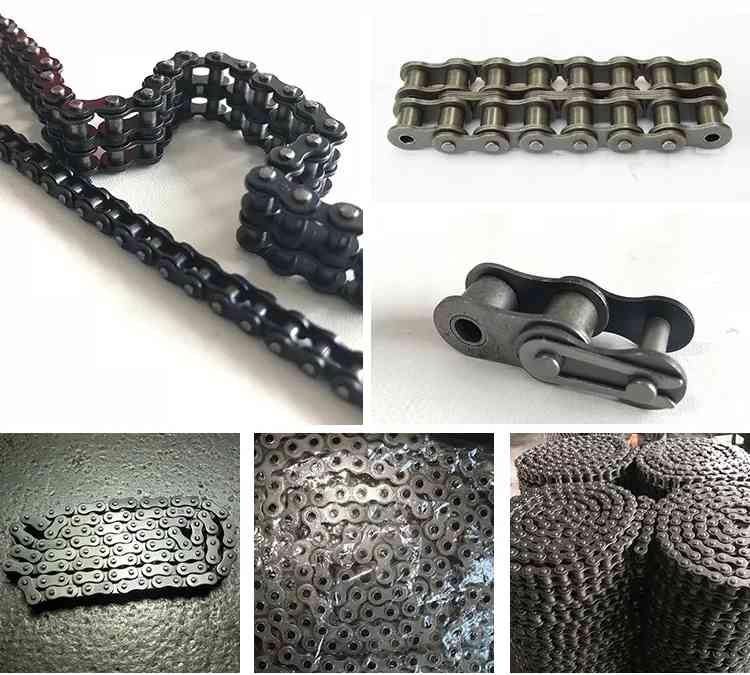
Linear chain
CZPT is an important part of linear drive technology. This type of chain is capable of delivering real power in tight spaces. Typically, loads are moved by pulling or pushing. CZPT can perform both types of movements. They can push and pull additional loads. This type of chain can also be wound and stored in the magazine. It is a popular choice for small machine tools and many other uses.
Unlike traditional mechanical chains, CZPT uses a push-pull strategy to move heavy objects. It is a rigid locking design that prevents kinking and allows the chain to transmit force without bending. The CZPT is an excellent choice for moving large loads and is particularly versatile in power transmission. However, CZPT is more expensive than traditional drive chain options.
The service life of a linear chain depends on its design, material type and size. You may want to buy a good quality chain, but it’s not necessary in all cases. While superior quality can extend the life of the chain, it may not be necessary for low-speed drives or very light shock loads. If you’re not dealing with high-velocity shock loads, you probably don’t need features like oil reservoirs or bushing grooves.
The size of the drive sprocket can have a major impact on the overall life of the linear chain. It determines how fast the chain can go and how much horsepower it can produce. An 11-tooth chain will hit about half its rated speed, but only about 30 percent of its rated horsepower. You can extend the life of your linear chain by choosing a drive sprocket with a higher number of teeth. It is best to choose a drive sprocket with a high number of teeth, but make sure the number of teeth is even. This will ensure that your chain wear is evenly distributed.
editor by CX 2023-05-18
China Custom Chain Factory of Agricultural Rice Conveyor Roller Chain Transmission Chain and Industrial Conveyor Drive Chain with Attachment X348 X458 X678 roller chain belt
Product Description
About Factory
With more than 18 years’ histiory, we are a professinal manufacturer for drop forged products such as forged chain (X348 X458 X658 X678 X698 F100 F160), scraper chain (10160, 14218, 14226, 142N), conveyor trolley (X348, X458, X678, XT160), and drive chain (X348, X458, X678), and so forth standard moulds of chain.
Besides, we can also produce as per your drawing or sample, special link chain, pusher, pin and plate, according to customers’ unique requirements.
Product Description
1) Material: Alloy steel, 40Cr, 42CrMo and so on.
2) Types: Standard types, X348 X458 X678, and so on. (Or as per your drawing)
3) Process: Moulding→Forging→Polishing & Blasting→Fine machining→Heat treatment→Blasting→Inspecting & testing→Packing
Product Show
Technical Data
| Model | Dimension | Weight (Kg) | Material | Hardness | Working Load (KN) | Limit Load (KN) | ||||||
| P | T | C | S | F | R | D | ||||||
| 10160B | 101.6 | 24 | 36 | 13 | 14 | 6 | 14 | 0.32 | 20CrMnTi | Surface HRC56-64° Depth 0.6-1.2mm |
18 | 100 |
| 10160 | 101.6 | 30 | 36 | 13 | 14.5 | 9 | 14 | 0.36 | 20CrMnTi | Surface HRC56-64° Depth 0.6-1.2mm | 21.6 | 120 |
| 14218 | 142 | 42 | 50 | 19 | 20.5 | 11 | 25 | 1.15 | 20CrMnTi | Surface HRC56-64° Depth 0.6-1.2mm | 48.6 | 270 |
| 14226 | 142 | 62 | 50 | 28 | 30 | 15 | 25 | 1.75 | 20CrMnTi | Surface HRC56-64° Depth 0.6-1.2mm | 61.2 | 340 |
| 2571 | 200 | 66 | 60 | 30 | 32 | 18 | 30 | 2.8 | 20CrMnTi | Surface HRC56-64° Depth 0.6-1.2mm | 72 | 400 |
| 26014 | 260 | 70 | 75 | 31 | 33 | 20 | 34 | 5.2 | 20CrMnTi | Surface HRC56-64° Depth 0.6-1.2mm | 135 | 750 |
| 142N | 142 | 43 | 50 | 19 | 22 | 12.5 | 25 | 1.2 | 40Cr | Quench HRC36-44° | 75.6 | 420 |
| 150D | 142 | 42 | 50 | 19 | 20.5 | 11 | 25 | 1.15 | 40Cr | Quench HRC36-44° | 75.6 | 420 |
| MG20 | 200 | 70 | 50 | 27 | 29 | 17 | 35 | 3.78 | 40Cr | Quench HRC36-44° | 144 | 800 |
| MG20B | 200 | 70 | 50 | 27 | 29 | 17 | 30 | 3.82 | 40Cr | Quench HRC36-44° | 140.4 | 780 |
| MG20C | 200 | 70 | 50 | 27 | 29 | 17 | 28 | 3.85 | 40Cr | Quench HRC36-44° | 122.4 | 680 |
| MS32 | 200 | 42 | 50 | 20 | 22 | 12 | 25 | 1.4 | 40Cr | Quench HRC36-44° | 75.6 | 420 |
| MS55 | 200 | 80 | 70 | 35 | 38 | 25 | 28 | 4.36 | 40Cr | Quench HRC36-44° | 138.6 | 770 |
| 3006 | 200 | 65 | 70 | 30 | 33 | 24 | 32 | 3.6 | 40Cr | Quench HRC36-44° | 160.2 | 890 |
| MS63 | 250 | 70 | 80 | 30 | 33 | 20 | 32 | 4.93 | 40Cr | Quench HRC36-44° | 147.6 | 820 |
| S16 | 100 | 30 | 27 | 15 | 16 | 8 | 14 | 0.3 | 40Cr | Quench HRC36-44° | 16 | 88 |
| S20 | 125 | 34 | 33 | 17 | 18 | 8 | 17 | 0.37 | 40Cr | Quench HRC36-44° | 19.4 | 108 |
| S25 | 160 | 48 | 39 | 23 | 25 | 13 | 20 | 1.28 | 40Cr | Quench HRC36-44° | 55.8 | 310 |
| S30 | 142 | 46 | 49 | 22 | 23.5 | 14 | 25 | 1.3 | 40Cr | Quench HRC36-44° | 91.8 | 510 |
| Z16 | 100 | 40 | 35 | 18 | 20 | 12 | 17 | 0.4 | 40Cr | Quench HRC36-44° | 32.4 | 180 |
| Z20 | 125 | 50 | 46 | 24 | 26 | 15 | 20 | 0.67 | 40Cr | Quench HRC36-44° | 59.4 | 330 |
| Z20D | 125 | 52 | 60 | 24 | 26 | 16 | 26 | 1.15 | 40Cr | Quench HRC36-44° | 82.8 | 460 |
| Z25 | 160 | 58 | 55 | 28 | 30 | 18 | 25 | 2.25 | 40Cr | Quench HRC36-44° | 82.8 | 460 |
| Z25D | 160 | 66 | 64 | 29 | 31 | 22 | 28 | 2.6 | 40Cr | Quench HRC36-44° | 120.6 | 670 |
| Z30 | 142 | 64 | 50 | 29 | 30.5 | 18 | 25 | 1.8 | 40Cr | Quench HRC36-44° | 111.6 | 620 |
Products & Testing Equipments
Products Application
Packing & Delivery
Why Choose Us?
1. We are engaged in chain industry over 15 years with rich market experience. We keep improving production techniques. All the products have longer working life and have passed the market test.
2. We can design the correct chains with high quality material, good abrasion resistance, good corrosion, high strengthen and etc as per your request or the chain application.
3. We are the chain manufacturer; you can directly purchase the product from us with low price and high quality.
4. We have a professional team for international trade, they have abundant experiences and are always ready to solve problems for customers. So you have nothing to worry about.
5. We have the long-term cooperative forwarder who can give us the lowest freight. And it can help you to save the freight. What’s more, for the FCL, we will design the packages as per the container sizes with the largest capacity to save the shipping cost for both of us.
| Standard or Nonstandard: | Standard |
|---|---|
| Application: | Textile Machinery, Garment Machinery, Conveyer Equipment, Packaging Machinery, Electric Cars, Motorcycle, Food Machinery, Mining Equipment, Agricultural Machinery, Coating, Spraying, Mining, Slaughtering, Assembly |
| Surface Treatment: | Polishing |
| Structure: | Combined Chain |
| Material: | Alloy |
| Type: | Cranked Link Chain |
| Samples: |
US$ 5/Piece
1 Piece(Min.Order) | |
|---|
| Customization: |
Available
| Customized Request |
|---|
Three important aspects of the drive chain
One of the advantages of a drive chain is that it is relatively light. It sends nearly all of the engine’s power to the rear wheels, even if it loses some power along the way. Engine power on a dyno is different than on the road. Therefore, the chain is the most efficient way to transmit power to the rear wheel. Let’s look at three important aspects of the drive chain. Here are some facts about them.
roller chain drive
When choosing a roller chain drive, consider your application and how much horsepower your system requires. For applications requiring more horsepower, a multi-strand drive is an option. If your horsepower is limited, single-strand drives are a good choice. Otherwise, you may need to choose the smallest pitch chain. However, this may not always be possible. You should also consider sprocket size. In many cases, choosing a smaller chain pitch can increase the number of options.
While proper lubrication and maintenance can last a roller chain drive for years, regular inspections are essential to prolonging its life. After the drive has been operating for 100 hours, a thorough inspection every 500 hours is recommended. During this inspection, look for key elements such as 3% elongation and chain wear. If the chain is not preloaded, elongation will happen very quickly. In either case, the industry-recommended 3% elongation will be achieved faster.
flat top chain
The flat-top chain system consists of hinge pins that support the chain to ensure efficient conveying. There are different types of hinge pins available, namely single and double. The single hinge pin is suitable for short chainplates and lightly loaded products. Dual hinge pins provide increased stability and load capacity. Flat top drive chains can be used in many different industries. In this article, we will learn about some important properties of flat-top chains.
Plastic flat top chains can transport medium to large workpiece pallets. They have a circular arc function that enables continuous drive combinations involving curved circular arcs. Plastic flat top chains are also recommended for workpiece pallets with PA wear pads. Steel flat-top chains can withstand surface loads up to 1.5 kg/cm, and HD profiles are suitable for steel chains. This chain is used in a variety of applications, including packaging machines.
mute chain
There are several types of mufflers that can silence your drive chain. One is the Ramsay silent chain, also known as the inverted tooth chain. These chains can be custom designed for specific needs. Exclusive Australian distributor of CZPT products that can help you find the most effective and affordable silent chain. In addition to silent chains, CZPT also manufactures sprockets and other hardware required for the drive.
Another type of mute chain is the CZPT chain. CZPT chains have involute teeth, while the ANSI standard specifies straight teeth. The advantage of silent chains is reduced noise and vibration output, and wider chains are more economical than multi-strand roller chains. The downside of silent chains is that they wear out quickly without lubrication.
The mute chain consists of two main parts, the pin and the plate. The pins are rotated in the same direction and positioned so that they can only engage the sprocket from one direction. Therefore, mute links are not recommended for reverse applications. To find out if your chain will work in reverse, consult the manufacturer’s catalog. CZPT chain.
conveyor chain
Drive chains and conveyor chains are essentially the same, but they are very different. The transmission chain is mainly used to transport heavy objects, and the conveyor chain is used to transport light objects. On the other hand, drive chains are usually driven by belts. Both types of chains can be used for the same purpose. This article will cover both types of chains. You can use them to convey various types of materials and products.
There are some differences between belts and chains, but both types can perform similar functions. The drive chain is used to drive the rollers, while the belt is used to move the object horizontally. The drive chain usually drives the rollers that move the conveyor belt. For a wide range of applications, conveyors and drive chains can be customized to meet specific needs. Here are some common uses of these two chains:
time chain
Timing chains fail for two reasons: complete damage and fatigue. Fatigue occurs when a timing chain reaches its breaking strength, and eventually, failure occurs when a timing chain exceeds its design life and suffers mechanical damage. Most timing chain failures are a combination of mechanical failure and fatigue. Chain chatter, engine misfires, and VVT systems can accelerate chain fatigue. If these causes of premature timing chain failure are not addressed, the timing chain could be permanently damaged.
In the past, the timing chain was the only drive chain available. Timing belts are a quieter alternative, but they are prone to failure and damage to valves and the engine. In recent years, OEM manufacturers have begun to return to the OHC/DOHC drive chain of the timing chain. This type of drive chain has many advantages, including the ability to simulate knock sensor vibrations. Additionally, the chain has better NVH performance, making it the drive chain of choice for automakers.
Timing Chains in Internal Combustion Engines
Internal combustion engines use timing chains to control intake and exhaust valves. The chain turns the camshaft at the right time and coordinates the movement of the valves on the cylinder head. This in turn allows the engine to generate power. The timing chain also controls the position of the intake and exhaust valves, ensuring that fuel and exhaust gases are expelled at the correct time. Incorrect timing in the vehicle can lead to misfires and other problems.
Chain drives in internal combustion engines are a common feature of many modern cars. It transmits rotational force from the crankshaft to the camshaft, which in turn controls the opening and closing of valves. The chain is lubricated with oil to prevent wear. Therefore, timing chains are often used in high-capacity engines, including trucks and motorcycles. But they do have some drawbacks.
A weakened timing chain can cause the engine to misfire, causing it to skip gears and lose coordination. A clicking sound may also indicate a problem. If the chain is too loose, it can also cause the engine to stall. If the chain is too loose, metal chips will appear in the oil. A clicking sound may also be heard when the engine is running. If you hear the engine stalling, it’s likely that the timing chain is the culprit.
Silent chains in internal combustion engines
The pitch difference between the drive sprocket and the silent chain reduces resonance sound, meshing shock, and accelerated wear at the chain and sprocket interface. The difference in pitch between the drive sprocket and the silent chain determines the loudness of the sound, and the system described here helps reduce it. The present invention is suitable for power transmission in internal combustion engines.
The earliest designs for silent chains come from the 1500s when Leonardo da Vinci sketched them. The SS Britannia propels the boat across the Atlantic using huge silent chains. By the mid-19th century, silent chains were used in nearly all types of industrial applications and as timing chains for early automobile engines. Due to their durability, these chains are durable and have smooth action.
In order to understand the mechanism of frictional losses in chains, various parameters must be considered. Speed, pitch, temperature and tension are the main parameters affecting friction loss. This test uses two types of chains to compare the frictional behavior between these two components. The results show that a single chain with a high pitch can increase the friction torque of another chain with the same pitch. These results provide an important basis for understanding the role of friction torque in internal combustion engines.
lifting chain
Lift chairs are designed to lift heavy objects and can be used with a variety of lifting equipment, including forklifts and cranes. Hoist chains are also used in warehouses and ports of all sizes and consist of a series of pins and plates that mesh with each other to move heavy loads. CZPT Chain manufactures high-precision lifting chains. Here are some of the benefits of hoist chains for drive chains.
Blade Chain: This type of drive chain has a patented U-profile that turns the flexible chain into a highly stable outer post during the push phase. This design is designed to minimize linkage tangling and provide better pressure transfer. These chains are used for cranes, anchors and straddle carriers. Blade chains are more durable than other types of drive chains and are especially useful in heavy duty applications.
The drive chain is also available in a variety of materials. For example, square link chains are commonly used in cranes and hoists. They are cheap to manufacture but more prone to overloading. Conveyor chains are specially designed for chain conveyor systems. It consists of a series of interconnected rectangular links. Oval links tend to kink and are usually only used at low speeds.
editor by CX 2023-05-17
China best Chain Factory of Agricultural Rice Conveyor Roller Chain Transmission Chain and Industrial Conveyor Drive Chain with Attachment X348 X458 X678 roller chain accessories
Product Description
About Factory
With more than 18 years’ histiory, we are a professinal manufacturer for drop forged products such as forged chain (X348 X458 X658 X678 X698 F100 F160), scraper chain (10160, 14218, 14226, 142N), conveyor trolley (X348, X458, X678, XT160), and drive chain (X348, X458, X678), and so forth standard moulds of chain.
Besides, we can also produce as per your drawing or sample, special link chain, pusher, pin and plate, according to customers’ unique requirements.
Product Description
1) Material: Alloy steel, 40Cr, 42CrMo and so on.
2) Types: Standard types, X348 X458 X678, and so on. (Or as per your drawing)
3) Process: Moulding→Forging→Polishing & Blasting→Fine machining→Heat treatment→Blasting→Inspecting & testing→Packing
Product Show
Technical Data
| Model | Dimension | Weight (Kg) | Material | Hardness | Working Load (KN) | Limit Load (KN) | ||||||
| P | T | C | S | F | R | D | ||||||
| 10160B | 101.6 | 24 | 36 | 13 | 14 | 6 | 14 | 0.32 | 20CrMnTi | Surface HRC56-64° Depth 0.6-1.2mm |
18 | 100 |
| 10160 | 101.6 | 30 | 36 | 13 | 14.5 | 9 | 14 | 0.36 | 20CrMnTi | Surface HRC56-64° Depth 0.6-1.2mm | 21.6 | 120 |
| 14218 | 142 | 42 | 50 | 19 | 20.5 | 11 | 25 | 1.15 | 20CrMnTi | Surface HRC56-64° Depth 0.6-1.2mm | 48.6 | 270 |
| 14226 | 142 | 62 | 50 | 28 | 30 | 15 | 25 | 1.75 | 20CrMnTi | Surface HRC56-64° Depth 0.6-1.2mm | 61.2 | 340 |
| 2571 | 200 | 66 | 60 | 30 | 32 | 18 | 30 | 2.8 | 20CrMnTi | Surface HRC56-64° Depth 0.6-1.2mm | 72 | 400 |
| 26014 | 260 | 70 | 75 | 31 | 33 | 20 | 34 | 5.2 | 20CrMnTi | Surface HRC56-64° Depth 0.6-1.2mm | 135 | 750 |
| 142N | 142 | 43 | 50 | 19 | 22 | 12.5 | 25 | 1.2 | 40Cr | Quench HRC36-44° | 75.6 | 420 |
| 150D | 142 | 42 | 50 | 19 | 20.5 | 11 | 25 | 1.15 | 40Cr | Quench HRC36-44° | 75.6 | 420 |
| MG20 | 200 | 70 | 50 | 27 | 29 | 17 | 35 | 3.78 | 40Cr | Quench HRC36-44° | 144 | 800 |
| MG20B | 200 | 70 | 50 | 27 | 29 | 17 | 30 | 3.82 | 40Cr | Quench HRC36-44° | 140.4 | 780 |
| MG20C | 200 | 70 | 50 | 27 | 29 | 17 | 28 | 3.85 | 40Cr | Quench HRC36-44° | 122.4 | 680 |
| MS32 | 200 | 42 | 50 | 20 | 22 | 12 | 25 | 1.4 | 40Cr | Quench HRC36-44° | 75.6 | 420 |
| MS55 | 200 | 80 | 70 | 35 | 38 | 25 | 28 | 4.36 | 40Cr | Quench HRC36-44° | 138.6 | 770 |
| 3006 | 200 | 65 | 70 | 30 | 33 | 24 | 32 | 3.6 | 40Cr | Quench HRC36-44° | 160.2 | 890 |
| MS63 | 250 | 70 | 80 | 30 | 33 | 20 | 32 | 4.93 | 40Cr | Quench HRC36-44° | 147.6 | 820 |
| S16 | 100 | 30 | 27 | 15 | 16 | 8 | 14 | 0.3 | 40Cr | Quench HRC36-44° | 16 | 88 |
| S20 | 125 | 34 | 33 | 17 | 18 | 8 | 17 | 0.37 | 40Cr | Quench HRC36-44° | 19.4 | 108 |
| S25 | 160 | 48 | 39 | 23 | 25 | 13 | 20 | 1.28 | 40Cr | Quench HRC36-44° | 55.8 | 310 |
| S30 | 142 | 46 | 49 | 22 | 23.5 | 14 | 25 | 1.3 | 40Cr | Quench HRC36-44° | 91.8 | 510 |
| Z16 | 100 | 40 | 35 | 18 | 20 | 12 | 17 | 0.4 | 40Cr | Quench HRC36-44° | 32.4 | 180 |
| Z20 | 125 | 50 | 46 | 24 | 26 | 15 | 20 | 0.67 | 40Cr | Quench HRC36-44° | 59.4 | 330 |
| Z20D | 125 | 52 | 60 | 24 | 26 | 16 | 26 | 1.15 | 40Cr | Quench HRC36-44° | 82.8 | 460 |
| Z25 | 160 | 58 | 55 | 28 | 30 | 18 | 25 | 2.25 | 40Cr | Quench HRC36-44° | 82.8 | 460 |
| Z25D | 160 | 66 | 64 | 29 | 31 | 22 | 28 | 2.6 | 40Cr | Quench HRC36-44° | 120.6 | 670 |
| Z30 | 142 | 64 | 50 | 29 | 30.5 | 18 | 25 | 1.8 | 40Cr | Quench HRC36-44° | 111.6 | 620 |
Products & Testing Equipments
Products Application
Packing & Delivery
Why Choose Us?
1. We are engaged in chain industry over 15 years with rich market experience. We keep improving production techniques. All the products have longer working life and have passed the market test.
2. We can design the correct chains with high quality material, good abrasion resistance, good corrosion, high strengthen and etc as per your request or the chain application.
3. We are the chain manufacturer; you can directly purchase the product from us with low price and high quality.
4. We have a professional team for international trade, they have abundant experiences and are always ready to solve problems for customers. So you have nothing to worry about.
5. We have the long-term cooperative forwarder who can give us the lowest freight. And it can help you to save the freight. What’s more, for the FCL, we will design the packages as per the container sizes with the largest capacity to save the shipping cost for both of us.
| Standard or Nonstandard: | Standard |
|---|---|
| Application: | Textile Machinery, Garment Machinery, Conveyer Equipment, Packaging Machinery, Electric Cars, Motorcycle, Food Machinery, Mining Equipment, Agricultural Machinery, Coating, Spraying, Mining, Slaughtering, Assembly |
| Surface Treatment: | Polishing |
| Structure: | Combined Chain |
| Material: | Alloy |
| Type: | Cranked Link Chain |
| Samples: |
US$ 5/Piece
1 Piece(Min.Order) | |
|---|
| Customization: |
Available
| Customized Request |
|---|
buy drive chain
Buying a drive chain requires a certain understading of its characteristics. This article discusses the different types of chains available, including Silent, Flat-top, and Duplex. By the end of this article, you should have a basic understanding of what each type of chain is for. First, here are some basic rules to keep in mind when shopping for a chain. To find the drive chain that best suits your needs, read on.
roller chain
Choosing the right roller chain for your drive chain depends on several factors. First, you have to determine the motor horsepower and rpm for the small drive sprocket. These values determine the size of the chain and the number of teeth on the drive sprocket. Next, you need to determine the size of the conveyor chain, it can be the horizontal, vertical, or curved radius. Depending on your specific needs, you can also choose between two-strand or three-strand chains.
The roller chain of the drive chain must be properly tensioned. It should also have a proper lubrication system. Chain sag should not exceed two to four percent of the center distance (the distance between the two axles). Also, it shouldn’t make any unusual noises or obvious problems. One of the main reasons for excessive wear is the size of the load. Each chain has a specified maximum working load.
The maximum roller chain load must be less than 1/9 or 6 times the tensile strength of the drive chain. This amount should not exceed this threshold, as exceeding this level will result in chain plate fatigue. To avoid this, you should use a roller chain with a higher number of strands. Also, for high power requirements, a roller chain with a higher number of strands is recommended. One final tip for choosing a drive chain: it should not be used when there is a high risk of corrosion or rusting.
The materials used to manufacture roller chains vary according to the specific application. Common materials include steel and stainless steel. However, stainless steel is used in food processing machinery and other environments that require lubrication. Brass and nylon are also sometimes used. These factors determine the selection of suitable materials for the drive chain. If you are not sure which material to use, you can consult an industry professional. These professionals will help you choose the right chain for the job at hand.
mute chain
The design of the silent transmission chain is as follows: the large chain plates 2 are stacked one on top of the other in the direction of the chain length. The connecting rods are connected by connecting pins 3. The outermost and central guide plates 4 are fastened to the connecting pins 3 by means of rivets. This construction helps minimize friction on the sliding surfaces of the chain. Chainplate 2 of the silent transmission chain is usually made of stainless steel.
The link plates are made of steel and have a rectangular shape with pinholes 41. These guide plates have no teeth but have curved surfaces that guide the silent drive chain on the sprockets. In addition, the rear portion of the guide plate is higher than the portion of the chainplate. This feature improves pitch balance. The present invention is also applicable to silent transmission chains using rockers.
When it comes to chain design, it’s important to remember that silent drive chains are often used in automotive engines, especially timing and cam drives. This type of drive reduces noise and vibration due to its low engagement angle and links engagement with the sprocket. However, these applications are not limited to timing and cam drives; they can also be used for front-wheel power transmission. For example, silent drive chains are designed to resemble those used in NASCAR racing engines.
The design of the silent drive chain is based on the structure of the roller chain. Its components are standardized and manufactured according to pitch. There are single-row and multi-row versions. Quiet chains, also known as inverted tooth chains, are shaped to reduce noise from stretching. It’s also designed to minimize the amount of friction caused by small changes in pitch. Its teeth don’t slide against each other, so the chain is smoother and more durable.
flat top chain
One of the important parts of the flat top chainplate system is the hinge pin, which is used to fix the chainplate and is responsible for the smooth and efficient conveying of the chainplate. There are several types of hinge pins, including single hinge pins and double hinge pins. The single hinge pin is suitable for the chainplate with a small span and small bearing capacity, and the double hinge pin is suitable for the chainplate with a large span and high bearing capacity.
The side bending flat top chain is suitable for conveying large and medium workpiece pallets. They can be made of steel or plastic, each with its own advantages. Both chainplates are designed to convey material smoothly. Side curved flat-top chains can be used on straight conveyors. They have a low coefficient of friction and can transport weights up to 1.2 kg/cm. They can also be combined with HD profiles.
Flat top drive chains are usually made of plastic material and come in two types: tabletop chains and buffer chains. They come in a variety of widths, but the most popular are standard widths, ranging from 3.25 inches to 12 inches. MatTop chains are usually shipped in 10-foot lengths. They come in different styles, but they all have the same basic specs. Tabletop chains are designed for general conveying, while pad chains are used for specific applications. Solid top chains are suitable for conveying bulk materials, while wide pad chains can handle large volumes of fluids and/or solid-solid mixtures.
These chain conveyors can be used to convey, connect or lift small items. This type of chain is especially useful in industries where the product is hot or greasy. The modular design of these chains allows them to be configured in three dimensions, making them suitable for production changes and transitions. They also help reduce slack in the chain. Flat top chains are commonly used in final assembly and mechanical or paint restoration in the automotive industry.
double chain
Besides the roller chain, another type of chain drive is the double drive chain. This type of chain consists of a series of short cylindrical rollers connected together by side links and driven by gears called sprockets. This type of chain is very reliable and only requires a tractor with a high rpm PTO. It is manufactured by CZPT and is available in many different sizes and finishes.
Self-lubricating chain
Self-lubricating drive chains are the ideal solution for applications that do not require the relubrication of conventional chains. This maintenance-free roller chain features fully heat-treated components that increase the chain’s fatigue resistance and strength. It’s sintered alloy bushings are oil-impregnated, reducing the chance of premature wear and elongation. Its self-lubricating properties enhance its durability and work well even in hard-to-reach places.
CZPT self-lubricating roller chains feature preloaded sintered steel bearing pins and oil-impregnated sintered bushings. These chains are drop-in replacements for standard roller chains and run on the same sprockets as standard chains. In addition to being maintenance-free, self-lubricating roller chains are compatible with most existing sprockets and are ideal for demanding applications.
The O-ring chain concept was used to develop self-lubricating systems. It has two or more annular grease storage chambers. A self-lubricating bushing roller chain has an oil reservoir between its pin chain and the roller chainplate. A grease seal between these two plates isolates the moving parts and keeps the joints well lubricated. O-rings are made of special nitrile rubber, whose properties vary by application.
CZPT SLR conveyor chains and CZPT SLR drive chains have rollers on sintered bushings. CZPT SLR chains and SLR conveyor chains are self-lubricating and have a higher working load than standard ANSI chains. They may not be interchangeable with other self-lubricating chains from other manufacturers. Self-lubricating drive chains are the best solution for demanding industrial applications requiring heavy-duty, reliable conveying.
editor by CX 2023-05-16
China OEM 08b 10b 12b 16b 20b ISO/ANSI British Standard Customized OEM Short Pitch Long Pitch Plate Bush Industrial Chain Transmission Chain Conveyor Chain Roller Chain roller chain and sprockets
Product Description
| Model NO. | 06C/08A/10A/12A/16A/20A/24A/28A/32A/40A/06B/08B/10B/12B/16B/20B/24B/28B/32B/40B-1/2/3 Heavy duty |
| Chain Model | Roller Chains |
| Structure (for Chain) | Roller Chain |
| Specification | GB/T, DIN, ANSI, ISO, BS, JIS. |
| Origin | HangZhou, ZheJiang |
| Color | Solid Color |
| Chain Color | Customized |
Our company
Wolff Chain Co. is 1 of the professional chain manufacturers in China. We focus on reseaching, manufacturing and trading of the chain drive with famous brands — “DOVON” and “DECHO”. We supply OEM services for many famous enterprises such as SUZUKI, XIHU (WEST LAKE) DIS., FAW, AGCO, JUMING as well.
Wolff mainly producing the Transmission chains,Conveyor chains,Dragging Chains,Silent chains,Leaf chains,Roller chains,Special chain and many other series of chain products. Our technicians a have improved the chains quality to the world-level. High quality material selection, powerful and precise heat-treatment technology and excellent assembly methods ensure Wolff chains meet the tough and strict requirements for machines and vehicles.
All of our products completely conform to the international standard such as ISO\DIN\ANSI\BS\JIS, etc. Wolff has been successfully certified by ISO9001 Quality Management System,SGS inspection and BV inspection. Wolff chains can be widely applied to many industries including automobile, motorcycle, forklift, wood processing machine, constructure machine, packing machine, food machine,tobacco machine and agricultural equipments. Wolff chains are popular in America,South America,Europe,Middle East, South East Asia and Africa markets.
Our workshop
Our certification
Welcome to our exhibition
FAQ
Q1. What is your terms of packing?
A: Generally, we pack our goods in single color box. If you have special request about packing, pls negotiate with us in advance, we can pack the goods as your request.
Q2. What is your terms of payment?
A: T/T 30% as deposit, and 70% before delivery. We’ll show you the photos of the products and packages
before you pay the balance. Other payments terms, pls negotiate with us in advance, we can discuss.
Q3. What is your terms of delivery?
A: EXW, FOB, CFR, CIF.
Q4. How about your delivery time?
A: Generally, it will take 25 to 30 days after receiving your advance payment. The specific delivery time depends
on the items and the quantity of your order.
Q5. Can you produce according to the samples?
A: Yes, we can produce by your samples or technical drawings. We can build the molds and fixtures.
Q6. What is your sample policy?
A: We can supply the sample if we have ready parts in stock, but the customers have to pay the sample cost and
the courier cost.We welcome sample order.
Q7. Do you test all your goods before delivery?
A: Yes, we have 100% test before delivery
Q8: How do you make our business long-term and good relationship?
1. We keep good quality and competitive price to ensure our customers benefit ;
2. We respect every customer as our friend and we sincerely do business and make friends with them,
| Standard or Nonstandard: | Standard |
|---|---|
| Application: | Textile Machinery, Garment Machinery, Conveyer Equipment, Packaging Machinery, Food Machinery, Marine, Mining Equipment |
| Surface Treatment: | Oil Blooming |
| Structure: | Roller Chain |
| Material: | Carbon Steel |
| Type: | Short Pitch Chain |
| Samples: |
US$ 0/Piece
1 Piece(Min.Order) | |
|---|
| Customization: |
Available
| Customized Request |
|---|
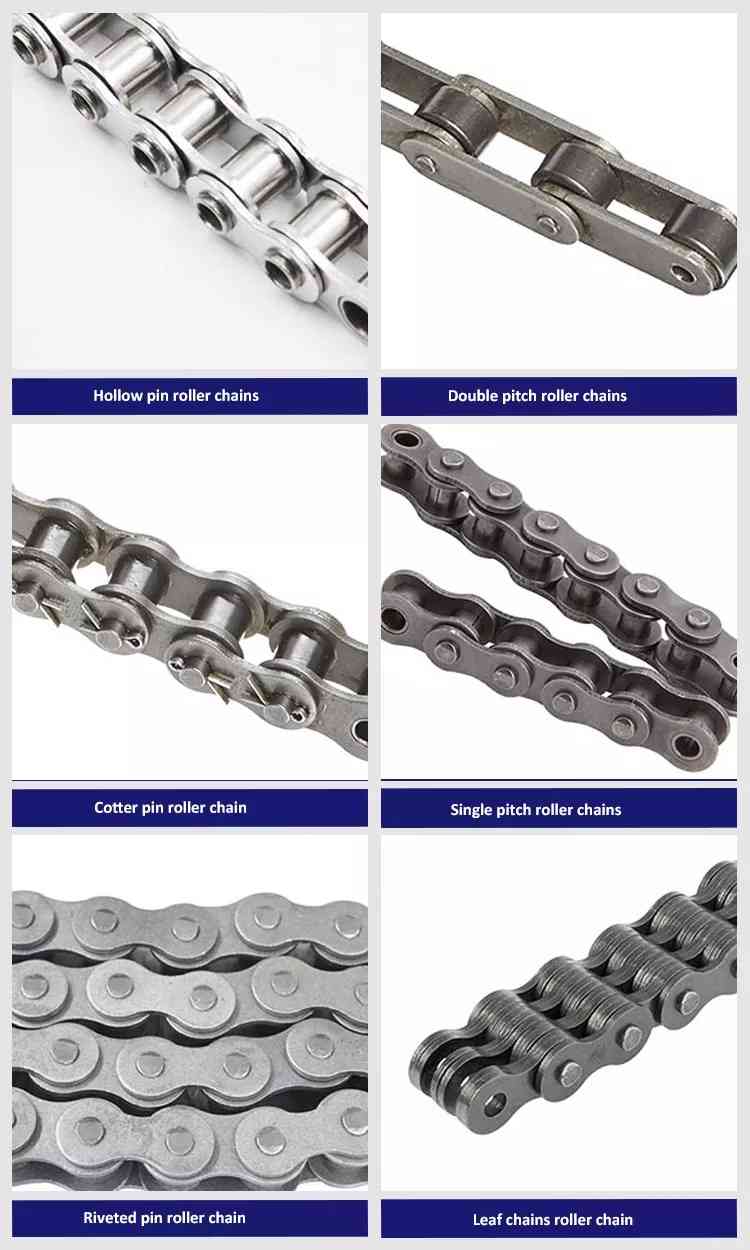
Different types of drive chains
There are many different types of drive chains. You should be able to differentiate between roller chains, forged rivetless chains, double chains, flat-top chains, and helical chains by the terms used. This article will provide information on the different types of chains. Then, you can choose the right one according to your needs. If you haven’t purchased a chain yet, read this article to get started. It will also provide information on the pros and cons of each type.
roller chain
There are several differences between drive chains and roller chains, but in essence, the two are functionally similar. The choice of which type to use depends largely on the type of environment it will be exposed to. While roller chains are suitable for clean indoor environments, they are not very forgiving when it comes to rubbing against the rails. Following are the main differences between a drive chain and a roller chain. Using the correct drive chain is essential for a smooth and efficient running machine.
Roller chain drive chains come in many different weights and tensile strengths. For light-duty applications, use a smaller pitch chain. For heavy-duty applications, use larger pitch chains. The design simplicity of these chains makes them ideal for a variety of applications. While they are great for a variety of applications, the durability of these chains makes them ideal for a variety of applications. Some of the main uses of roller chain drive chains are listed below.
When replacing the drive chain, be sure to follow the safety guidelines. The most important thing to remember is not to place the chain on a dirty floor as it may cause stretch or damage. After removing the chain from the sprocket, apply the measured load specified by ANSI to it. If the load exceeds this value, the chain may bend. A suitable load for measuring a drive chain should be at least six links.
While roller chains are usually made of carbon steel, some are made of stainless steel and are used in food processing machinery. In these environments, the chain may be made of stainless steel for lubrication. Brass and nylon are also sometimes used to meet these requirements. Regardless of the application, however, choosing the right drive chain is critical to the success of a roller chain machine. It is important to maintain the proper balance between the roller chain and the machine.
To properly use a roller chain, first determine the size of the sprocket used for the drive. The size of the chain should be smaller than the smallest sprocket to prevent tooth interference and provide adequate winding on the smaller sprocket. A good practice is to choose a drive chain with a center distance of 30 to 50 times the chain pitch. The longest possible center-to-center distance is approximately 80 times the chain pitch but is not recommended for high-speed applications.
Drop forged rivetless chain
Drop-forged rivetless drive chains are made of drop-forged steel components. Their proportions are suitable for strength and lightweight. Forged rivetless chains are generally divided into three types. Each of these types has its own set of important specifications. Key topics include minimum ultimate tensile strength, chain length tolerances, and link dimensions. Read on to learn more about each type and its uses.
One of the main features of forged rivetless chains is that, despite their relatively low price, they are designed to be very durable. The quality of a forged chain depends on the structure and design of the chain. The manufacturer of this type of drive chain is CZPT, which has a large stock of these chains. The chain is proof tested after assembly and comes with a two-year parts replacement warranty.
Forged rivetless chains are available in a variety of pitch sizes and strength grades. They are made of cast manganese or alloy steel and have an average strength of 24,000 to 300,000 pounds. These chains are suitable for automotive, conveyor, and material handling as well as meat packaging, sugar processing, and steel mill applications. They are also widely used in conveying systems. To ensure quality and performance, manufacturers offer a variety of forged chains.
CZPT offers forged CZPT drive chains for fatigue-free operation. The chain includes a solid one-piece forged drive pawl for optimum durability. Chains are available in Figure 8 and in D-shape styles. For more information, please contact CZPT directly. Custom Drop-Forged rivetless drive chains can be ordered. Manufacturers also offer custom chains for specific application needs.
double chain
Duplex drive chains have two sets of rollers instead of one, producing twice the power. Double chain roller chains have pins and roller bearings, while triple chain chains have an extra row of plates to accommodate the three sprockets. They are usually interchangeable with each other. They are available for US, UK, and ISO standards. They are made of carbon steel, stainless steel, and nickel or nickel-plated.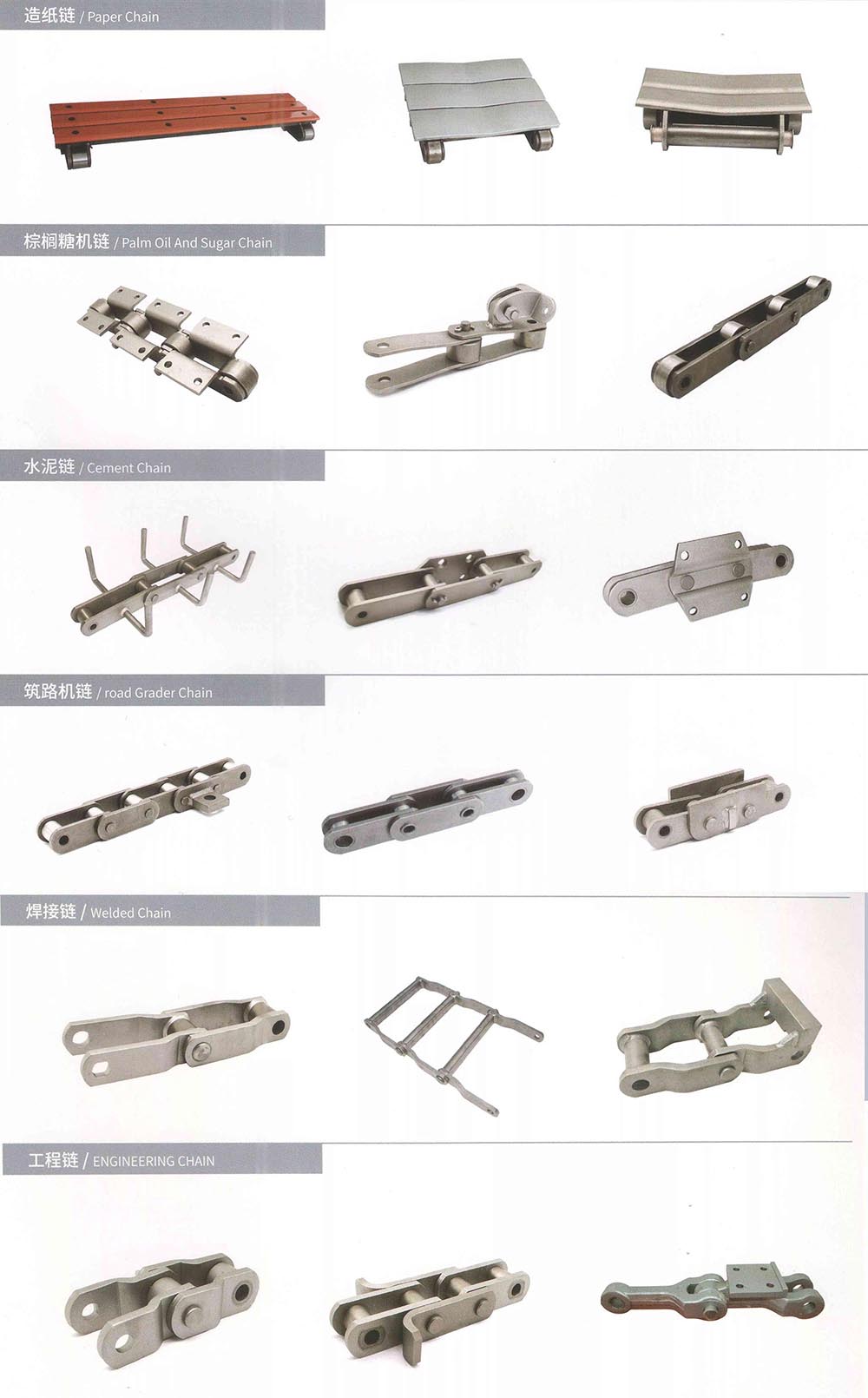
flat top chain
Flat-top drive chains are ideal for curved or straight tracks and come in many different types and thicknesses. These chains are highly resistant to wear and are usually made of steel, stainless steel, or plastic. CZPT manufactures special brands of flat-top chains with high wear resistance and excellent noise reduction. In addition to being versatile, flat-top chains can be used in a variety of industrial applications.
There are two main types of CZPT chains: solid top or raised rib. One piece is formed from a single unit link and the other has roller base links for added strength. The two-piece chain combines flat tabletop links and a roller bottom chain for added strength. These chains are available in widths up to 20 feet and are available in a variety of widths. These chains are available in stainless steel, cast iron, or plastic.
The hinge pin is another important part of the flat top chain system. Support chain plate to ensure smooth conveying. The hinges are available in single hinge pin and double hinge pin styles. Standard hinge pins are designed for straight, narrow-width chainplates; double hinge pins are designed for longer, heavier products. The hinge pins also come in many different materials, including aluminum and galvanized steel. This allows for customization based on machine design, operating conditions, and drive method.
Whether your flat-top chain conveyor system is large or small, a high-quality flat-top chain will get the job done. With their low maintenance and low maintenance design, these chains are easy to clean and maintain. They can accommodate workpiece pallets of various sizes, and their flexibility makes them ideal for many different applications. They can also be highly customized for various industries. So if you need an industry-specific conveyor, then a flat-top drive chain is the way to go.
editor by CX 2023-05-15